Olea europaea Aglandau - Olive Tree
Olea europaea Aglandau - Olive Tree
Olea europaea Aglandau
European Olive, Common Olive
Lovely young plant, thanks to the team.
Nath44, 03/06/2026
Back-to-school special offer!
Get €10 off for every €50 you spend! And get up to €40 off on a single order.
How does it work?
1. Shop your favourites
Add your favourite plants to your basket. For every €50 you spend (excluding delivery charges, store credit and the plastic-free option), you’ll receive a €10 voucher.
€50 spent = €10 voucher
€100 spent = €20 voucher
€150 spent = €30 voucher
€200 spent = €40 voucher
2. Place your order
Once your basket reaches one of the spending thresholds, place your order. You can even choose your delivery date!
3. Receive your voucher
As soon as your order has been shipped, you’ll receive an email containing your personal voucher code and its value.
4. Use it on your next order
Your voucher is valid for 90 days from the date you receive it. It can be used once only, on a new order worth at least the value of the voucher, excluding delivery charges.
Please note: Vouchers can be combined with other offers, but cannot be split or refunded.
Why not try an alternative variety in stock?
View all →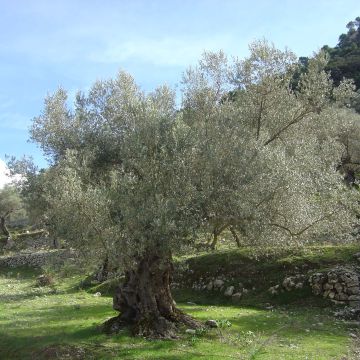
Available in 6 sizes
Available in 1 sizes
Available in 1 sizes
This plant carries a 12 months recovery warranty
More information
We guarantee the quality of our plants for a full growing cycle, and will replace at our expense any plant that fails to recover under normal climatic and planting conditions.
Description
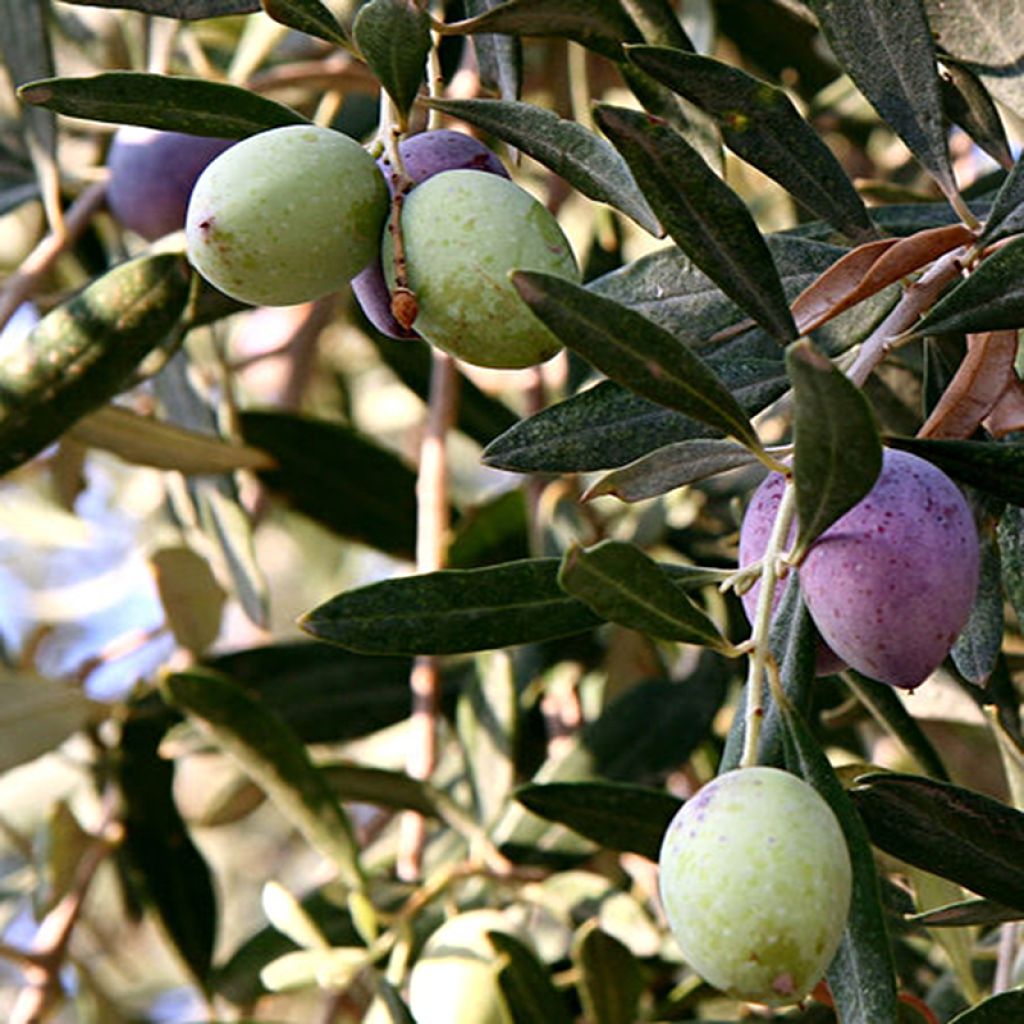
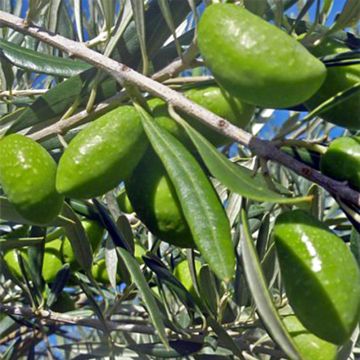
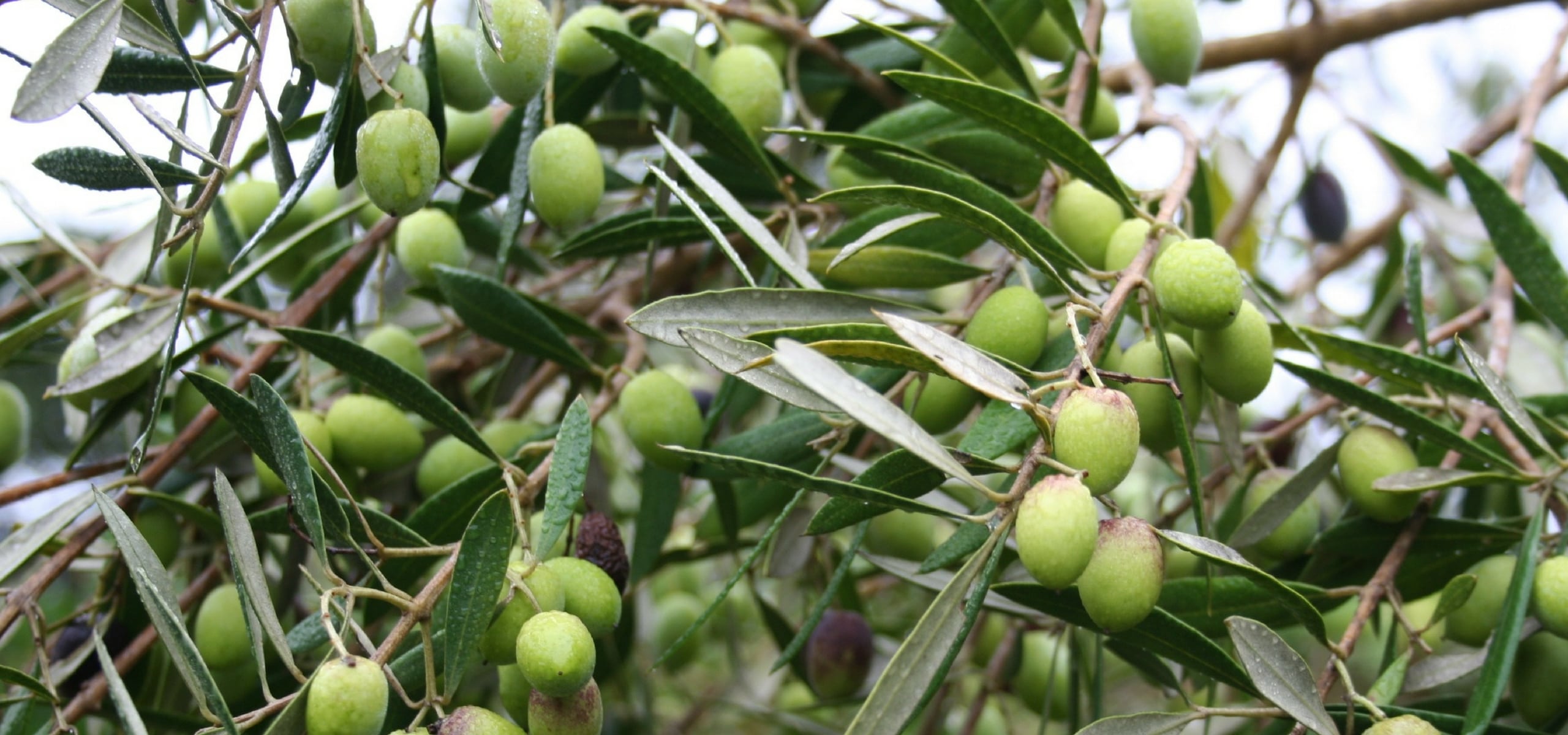
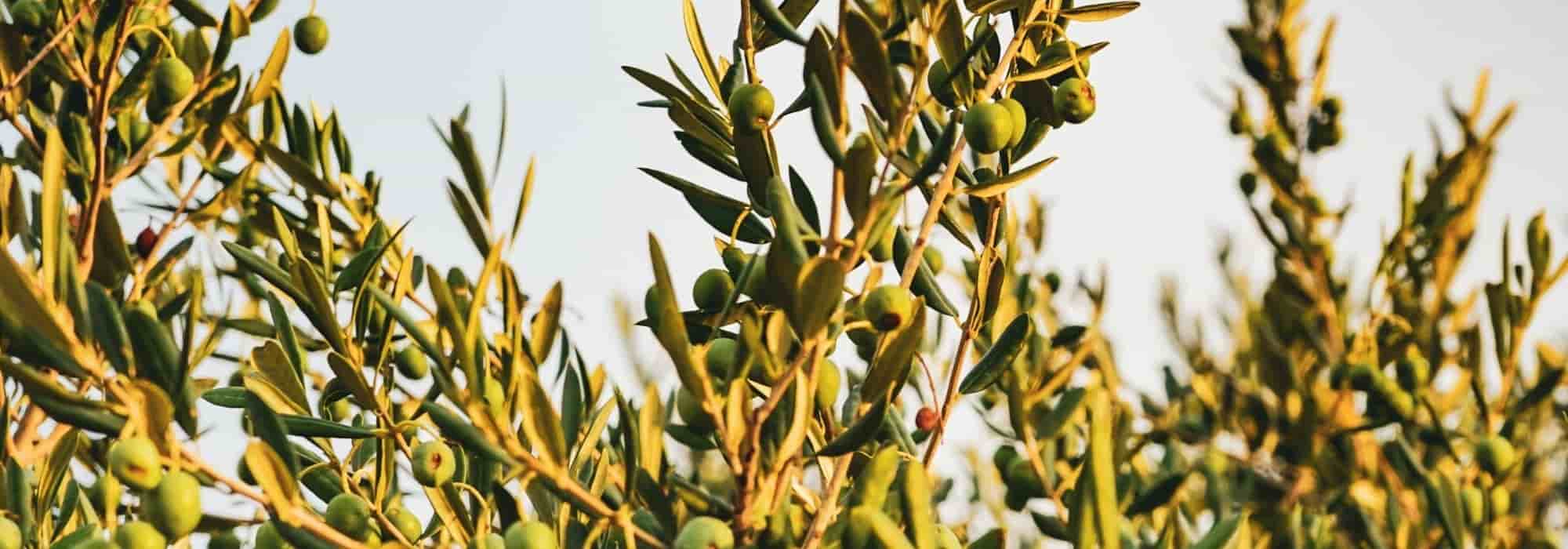
The Aglandau Olive is an ancient variety native to the Alpes de Haute Provence. It produces oval-shaped olives, firm and juicy, with a thick skin, to be used as green or black table olives. They are green in early autumn, turning reddish pink and dark purple when ripe. It is rich in oil and has good yields. The Aglandau Olive is self-fertile. It is hardy and relatively resistant to cold and wind, making it suitable for slightly colder regions. Harvest takes place in October for green olives and in November and December for black olives and oil.
The expansion of the olive tree is linked to the establishment of the Mediterranean climate, which is the primary constraint for its cultivation. The domestication of the olive tree is believed to have occurred six millennia ago. Olive trees can live for a very long time. The oldest olive tree in the world is now 3000 years old. The Aglandau Olive originates from the Alpes de Haute Provence. Abbot Couture first described this variety in 1786, where he called it the Aix Plant. Its first registration with the COV dates back to 1986.
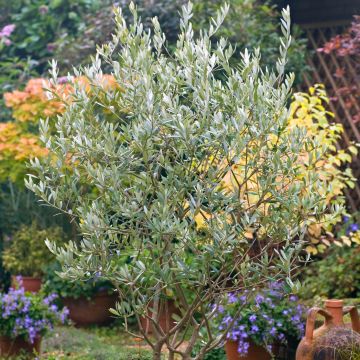
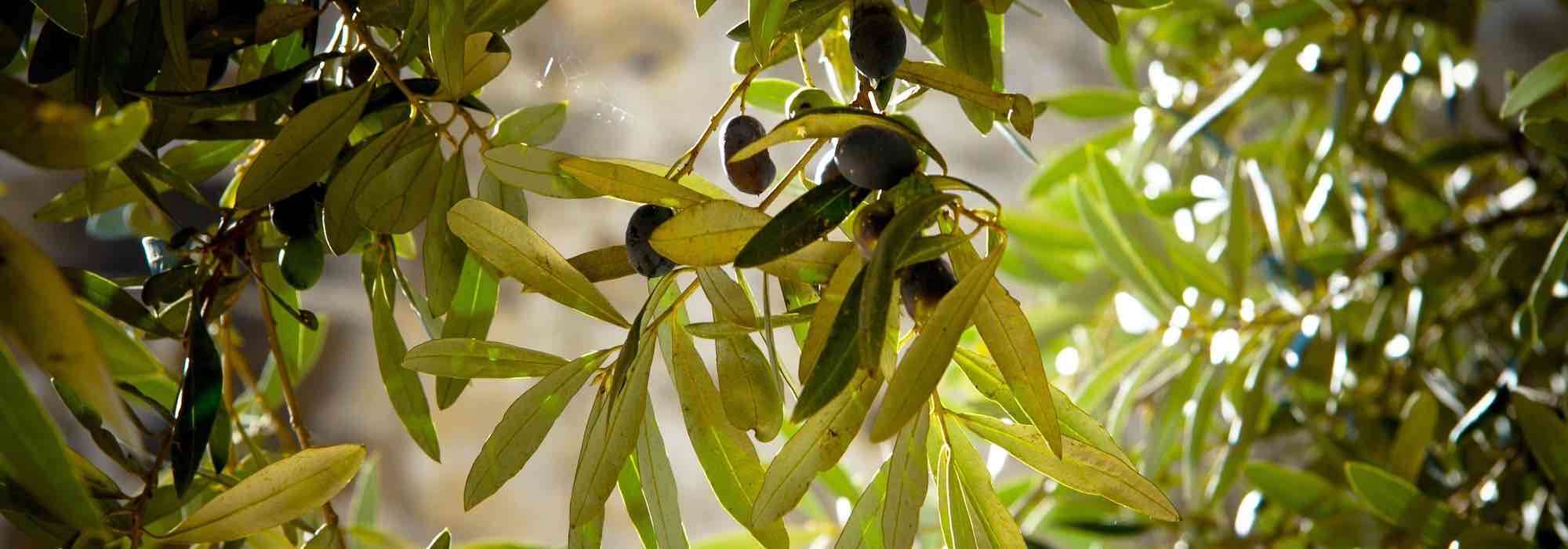
The olive tree is a very branched tree with a knotty trunk, hard and dense wood, and cracked brown bark. Its semi-erect, ball-shaped habit makes it particularly suitable for container cultivation. The leaves are elongated ovals, carried by short, reasonably hard, entire, curled edges, with a shiny dark green upper surface and a light green silver underside with a prominent midrib. The foliage is evergreen, always green, but that does not mean its leaves are immortal: they are constantly renewed. The small white flowers are grouped in small clusters of 10 to 20, growing in the axil of the leaves in April-May, on the previous year's wood. The Aglandau Olive is self-fertile, although the presence of a pollinator is recommended: Picholine and Cailletier are the most suitable. The olives produced are oval-shaped, firm and juicy, to be used as green or black table olives. They are green in early autumn, turning reddish pink and dark purple when ripe. It is rich in oil and has good yields.
Green olives are not consumed straight from the tree. They must first be prepared to remove any bitterness. There are many methods for preserving these green table olives. They all follow the same principle in 3 steps:
1) Removing bitterness, either with a caustic soda bath for a quick solution or with a traditional and slower ash lye.
2) Rinsing.
3) Brining, with or without fermentation.
For black olives, removing bitterness is not necessary.
Table olives can be consumed once prepared. They can also be used to produce olive oil.
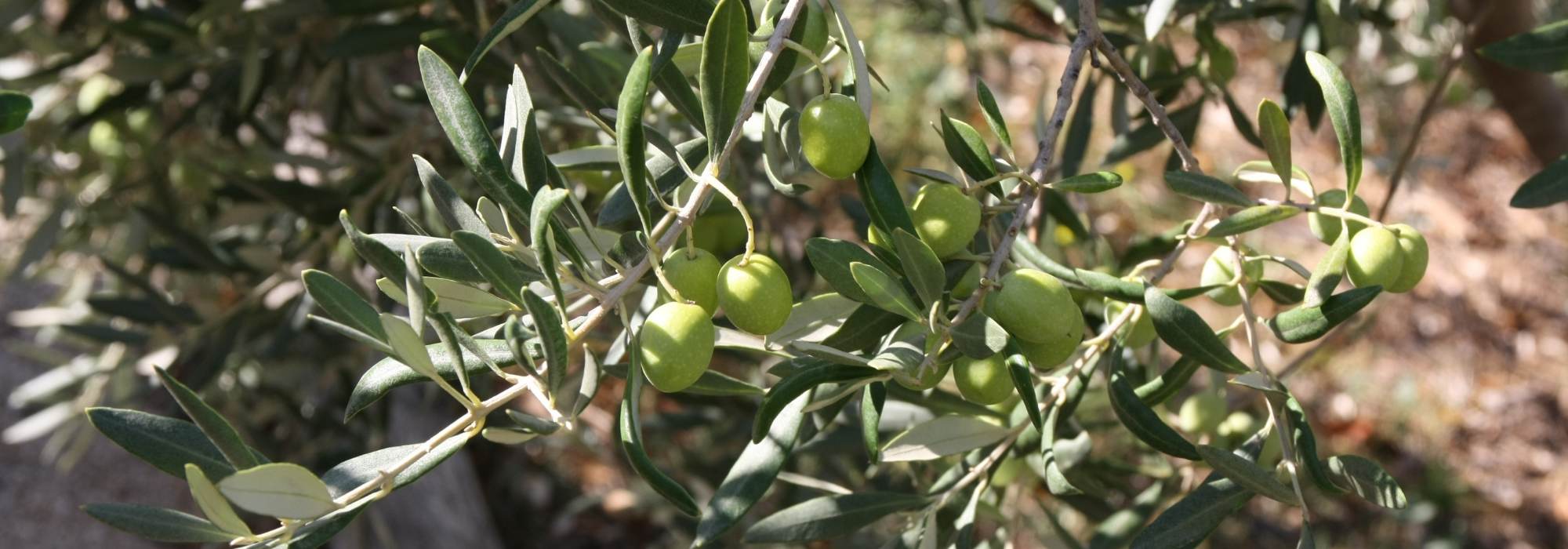
Olea europaea Aglandau - Olive Tree in pictures
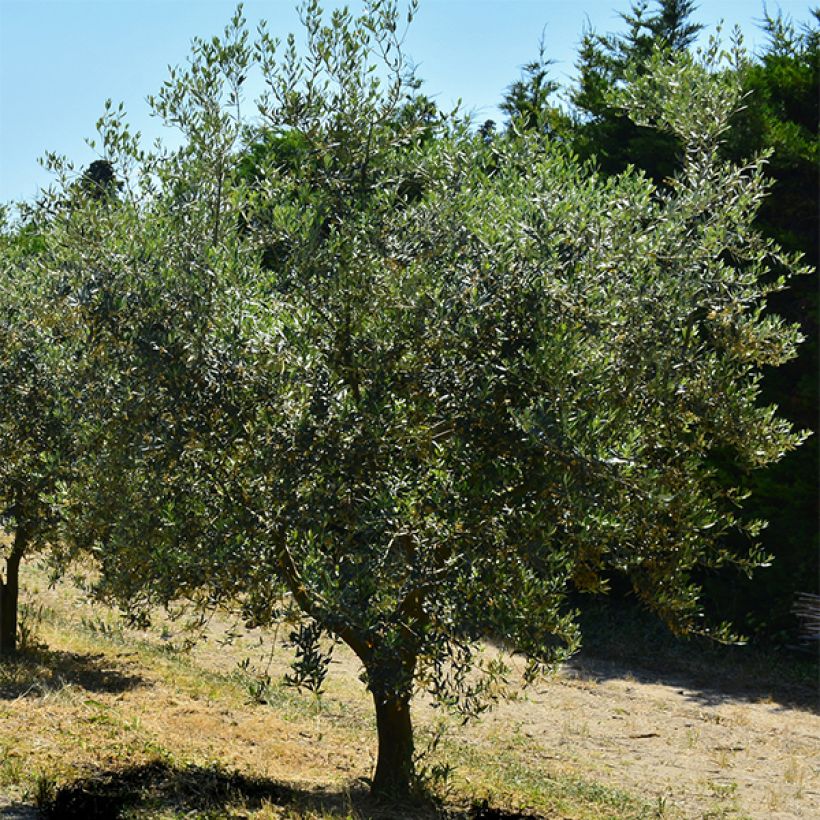
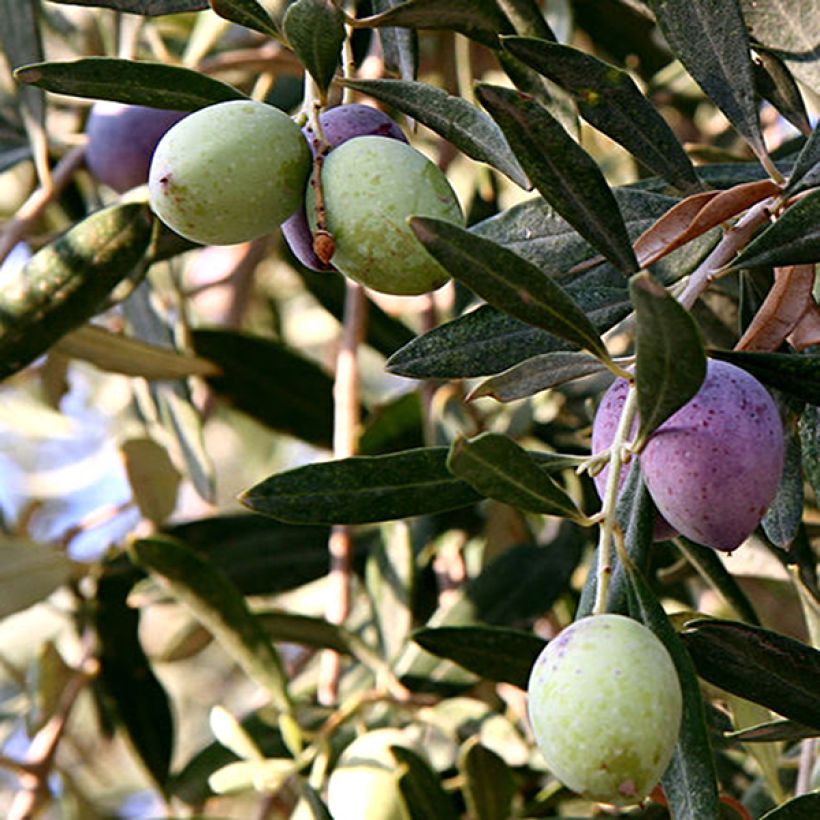
Plant habit
Fruit
Flowering
Foliage
Safety measures
atteinterespiratoire
Cette plante peut entraîner des symptômes allergiques.
Evitez de la planter si vous ou vos proches souffrez de rhinite saisonnière ("rhume des foins").
Davantage d'informations sur https://plantes-risque.info
Planting and care
The Aglandau Olive Tree can be grown in both containers and in open ground. In containers in frost-prone regions, you can bring your olive trees indoors from October to March (or longer, depending on the freezing periods in your region) in a bright location. In open ground, if you are not in a warm region, protect your tree with a netting and mulch the base. In any case, choose a well-sunlit exposure in dry, rocky, or even poor soil, always well-drained. Limestone soils are not a problem, but olive trees don't like waterlogged soils.
Planting: Dig a hole at least twice the size of the pot. Preserve the root ball intact. If a root ball has formed, spread it out when planting. Place the root ball in the hole. Stake the tree well (if necessary, use two stakes. The young tree needs protection from the wind). The tree should be staked for up to 5 years. Fill the hole with soil, firming it down. Create a mound around the tree at 50 cm (20in) and pour 20 L of water in the middle, which will help the soil adhere to the roots and promote successful planting. Leave a distance of 6 m (20ft) in all directions between the trunks.
If growing in containers, repot your olive trees every three years.
Planting period
Intended location
Care
Planting & care advice
-
-
-
-
-
-
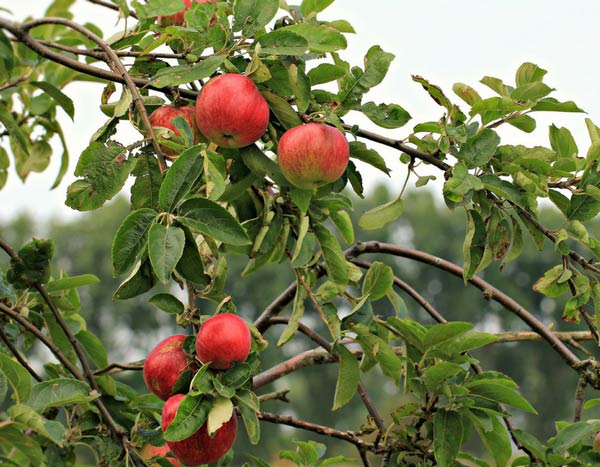
-
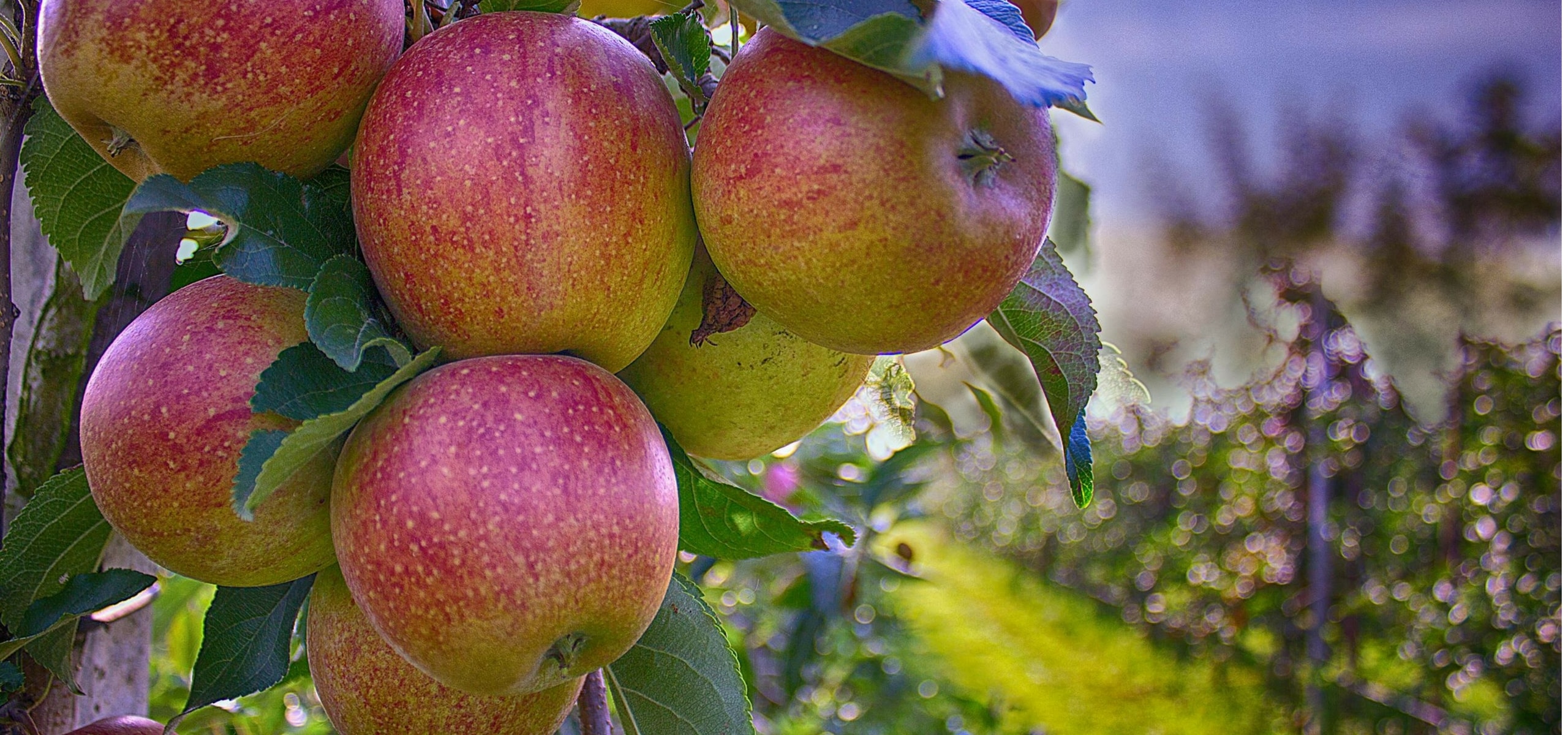
-
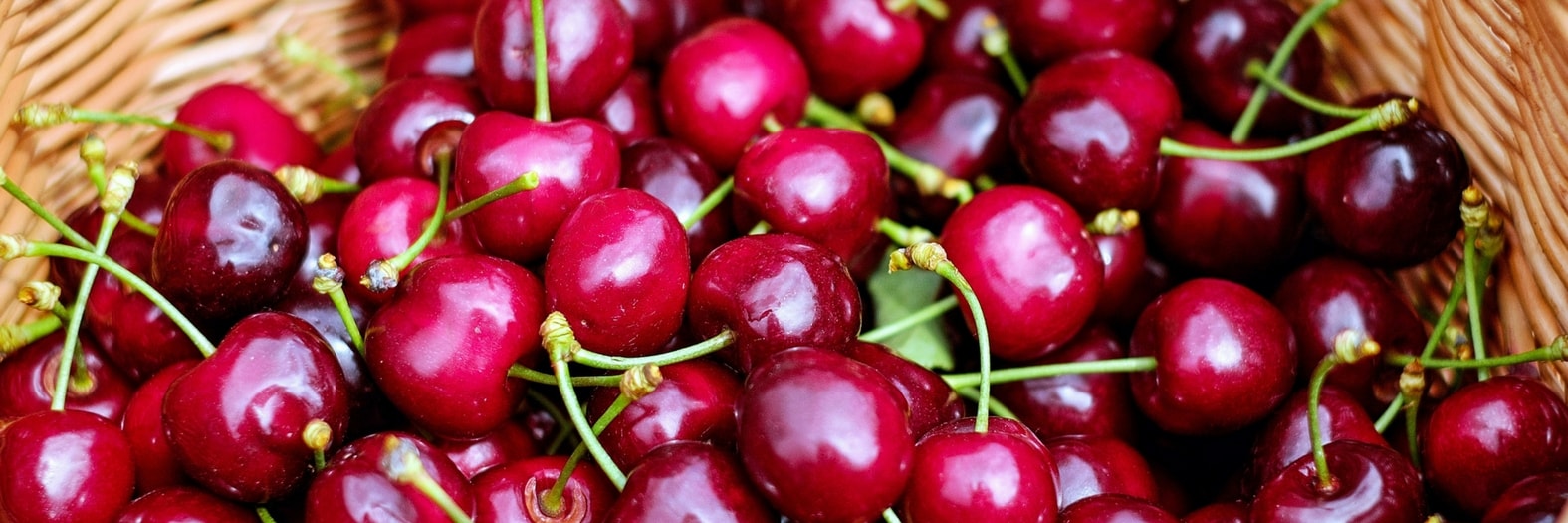
-
, onOrder confirmed
Reply from on Promesse de fleurs
Recently viewed products
Haven't found what you were looking for?
Hardiness is the lowest winter temperature a plant can endure without suffering serious damage or even dying. However, hardiness is affected by location (a sheltered area, such as a patio), protection (winter cover) and soil type (hardiness is improved by well-drained soil).
In temperate climates, pruning of spring-flowering shrubs (forsythia, spireas, etc.) should be done just after flowering.
Pruning of summer-flowering shrubs (Indian Lilac, Perovskia, etc.) can be done in winter or spring.
In cold regions as well as with frost-sensitive plants, avoid pruning too early when severe frosts may still occur.
The harvesting period indicated on our website applies to countries and regions in USDA zone 8 (France, England, Ireland, the Netherlands).
In colder areas (Scandinavia, Poland, Austria...) fruit and vegetable harvests are likely to be delayed by 3-4 weeks.
In warmer areas (Italy, Spain, Greece, etc.), harvesting will probably take place earlier, depending on weather conditions.
The sowing periods indicated on our website apply to countries and regions within USDA Zone 8 (France, UK, Ireland, Netherlands).
In colder areas (Scandinavia, Poland, Austria...), delay any outdoor sowing by 3-4 weeks, or sow under glass.
In warmer climes (Italy, Spain, Greece, etc.), bring outdoor sowing forward by a few weeks.
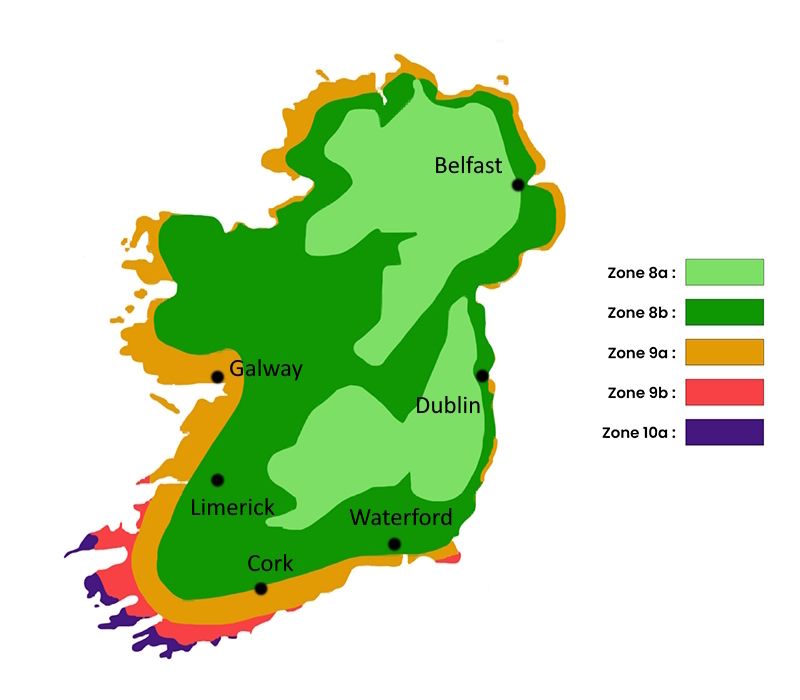
The planting period indicated on our website applies to regions in USDA Zone 9a (East Coast and Midlands: Dublin, Wexford, Waterford, Kilkenny, Portlaoise). It will vary depending on where you live:
- On the west coast and in the north-west (Galway, Limerick, Sligo, Donegal, Westport), delay planting by 1 to 2 weeks in spring and bring it forward by 1 to 2 weeks in autumn compared to the dates given, preferably choosing periods without strong winds.
- In the inland hills and plateaus (Wicklow Mountains, Macgillycuddy’s Reeks, Connemara, Killarney), it is best to plant in spring (April–May) or autumn (September–October), avoiding periods of waterlogged soil in winter and strong winds, which pose the main risk to newly planted trees in these areas.
The flowering period indicated on our website applies to regions in USDA Zone 9a, such as the East Coast and Midlands, including Dublin, Wexford, Waterford, Kilkenny and Portlaoise.
This will vary depending on where you live:
- On the west coast and in the northwest (Galway, Limerick, Sligo, Donegal and Westport), it will be delayed by one to two weeks compared to the given dates, due to stronger Atlantic winds and less spring sunshine.
- In the inland hills and plateaus (the Wicklow Mountains, the Macgillycuddy's Reeks, Connemara and Killarney), flowering will be delayed by two to three weeks. Flowering mainly occurs between May and July, with the limiting factors being less frost and more of the excessive humidity, strong winds and lack of sunshine that are characteristic of these areas.
Shipping country and language
Your country of residence may be:
Your country of residence is:
For a better user experience on our website, you can select:
Your shipping country:
-
 Austria
-
 Belgium
-
 Bosnia & Herzegovina
-
 Bulgaria
-
 Croatia
-
 Cyprus
-
 Czechia
-
 Denmark
-
 Estonia
-
 Finland
-
 France
-
 Germany
-
 Greece
-
 Hungary
-
 Iceland
-
 Ireland
-
 Italy
Italy
-
 Latvia
-
 Liechtenstein
-
 Lithuania
-
 Luxembourg
-
 Malta
Malta
-
 Netherlands
-
 Poland
-
 Portugal
-
 Romania
-
 Serbia
-
 Slovakia
-
 Slovenia
-
 Spain
Spain
-
 Sweden
-
 Switzerland
Language:
-
French
-
 English
-
Spanish
-
Italian
-
German
-
Portuguese
-
Dutch
-
Finnish
My Account
Hello
My wish lists
My cart
Log in / Register
Existing customer?
This form is protected by reCAPTCHA - the Google Privacy Policy and Terms of Service apply.
New customer?
Create an account to track your orders, access our customer service and, if you wish, make the most of our upcoming offers.