It’s well known, “on Saint Catherine’s Day… every stick takes root”. It is indeed the ideal time to plant your fruit trees.
Apple, cherry, pear, plum trees… Choosing a variety is not easy. It gets even more complicated when it comes to deciding on a form: scion, goblet, half-standard, standard, single U palmette or Verrier? Rather than give up, remember another proverb:
The best time to plant a tree was 20 years ago. The second best time is now.
Now let’s see together how to choose your next fruit trees, starting today.
Different forms of fruit trees
Choosing a tree form is essential because it determines size and shape of the mature tree. But forms are numerous and sometimes so complicated that there are encyclopaedias devoted to listing them. To simplify your choice, we will only cover the most common ones here.
- Low-stem forms: scion, goblet
A fruit tree sold as a scion is a very young tree, one to two years old, grafted the previous year. It appears as a single stem, more or less branched. Still pliable, this is a tree you will train yourself over the years by pruning. Its main advantage is its price.
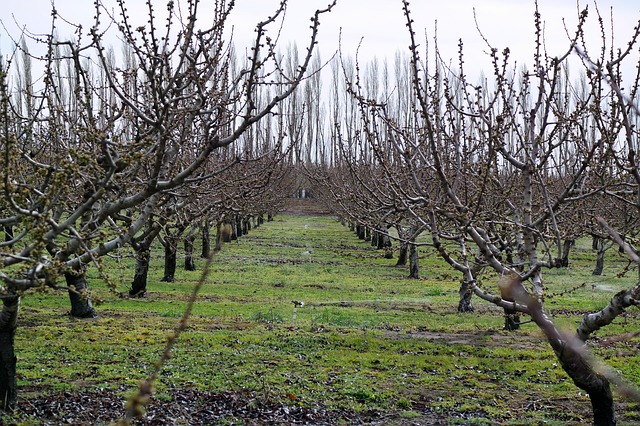
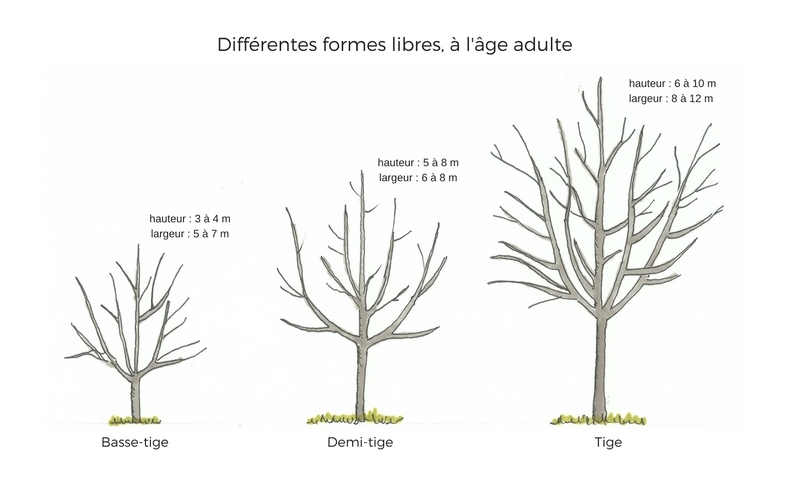
The goblet is a slightly older fruit tree. Cultivated for 2 to 3 years, its trunk measures around 60 cm in height. This tree is partially formed with the aim of producing a fairly low tree, 3 to 4 metres tall at maturity. This size is particularly convenient for harvesting fruit without the need for acrobatics! However, their low habit is more obstructive and makes it harder to move around the tree.
They are well suited to medium-sized gardens and productive orchards, as recommended planting distances are relatively small: about 3 to 4 metres between trees.
- High stems or open-grown trees: half-standard and standard
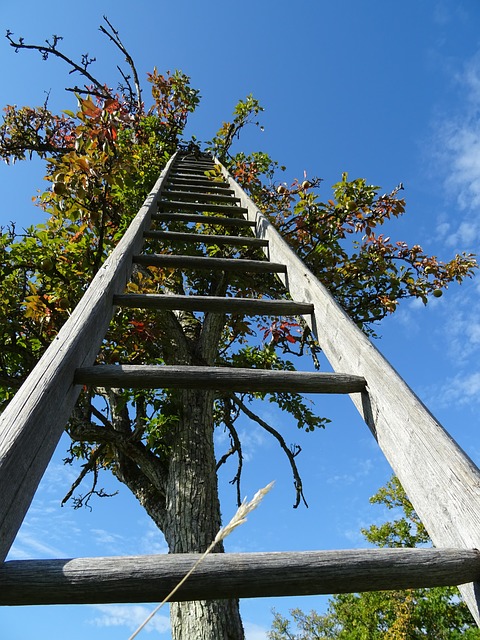
Half-standard and standard fruit trees differ by their morphology. They are not older than a goblet, but have been grafted higher, at 110–130 centimetres for half-standards and 180 cm for standards. When mature they form fine trees. Half-standards will reach 5 to 6 metres in height versus 6 to 10 metres for standards… but they occupy less ground area. They require little pruning apart from simple thinning, and their production is substantial. Finally, their lifespan is long and can reach up to 100 years.
Because of their height and crown width, these trees are best planted in large gardens.
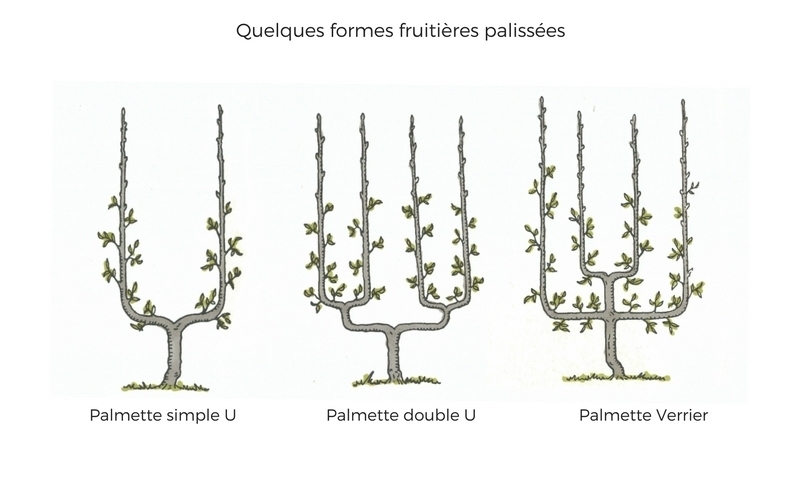
- Palmettes and other common trained forms
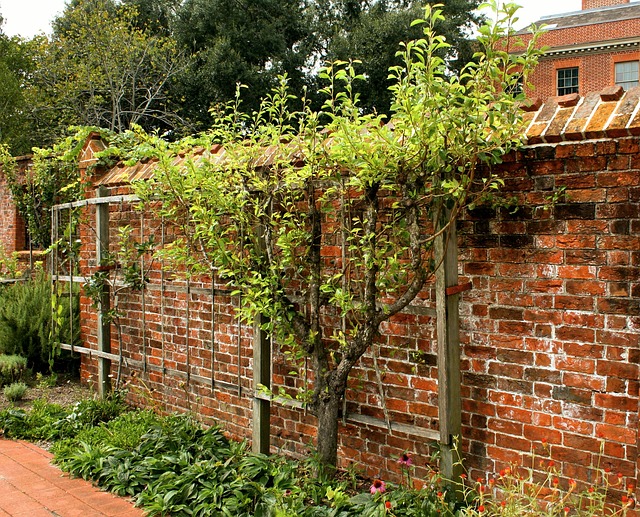
Training fruit trees is an art that produces very attractive, productive and space-saving specimens. At maturity their height varies greatly depending on the form, while their width remains around 50 cm. Single U palmette, double U, Verrier, vertical cordon (columnar) with one or two arms… All these forms have the advantage of suiting small gardens. Espaliered fruit trees are very practical and find their place against a well-exposed wall or planted in a line. Supported on a sturdy trellis, they form ornamental fruit hedges that enliven and define spaces with charm. Columnar forms can even be placed in the vegetable garden.
Espaliered fruit trees require a certain know-how: they must be pruned every year with care. They are rather intended for experienced gardeners and for those who enjoy learning. Nevertheless, the simplest forms such as cordons (vertical, single or double) are within reach of all pruning shears, even beginners’.
- Dwarf fruit trees: a special case
If dwarf fruit trees have been booming in recent years, it is because they can be grown anywhere: in pocket gardens and even in pots on a balcony or terrace. Selected for their very short internodes and grafted onto a dwarfing rootstock, their development is limited (maximum 2 metres in height) but they offer generous harvests of fruit just as large as standard varieties.
For full information on these varieties and their cultivation, discover our advice sheet: "Dwarf fruit trees"
Choosing a variety
Choice of variety is, admittedly, a matter of taste but not only...
When planting fruit trees or creating an orchard, you can opt for well-known, reputable varieties such as apple 'Belle de Boskoop', pear 'William's' or cherry 'Burlat', seek originality with the Nashi, for example, or cultivate authenticity with old varieties.
However, certain criteria should lead you to refine your selection.
- Fruit trees and varieties adapted to your climate and soil
If Arras figs and Vendée mirabelles do not enjoy a fabulous reputation everywhere, it is because climate and soil play a decisive role in production and fruit quality… and even in the tree’s survival! In continental and oceanic climates the range of possibilities is wide, but it narrows when conditions become more difficult.
The most determined may create favourable microclimates in their gardens or look for fruit trees on rootstocks adapted to their pedoclimatic conditions. But, in absolute terms, making informed choices is more sensible. Take inspiration from what is generally grown locally or select varieties that are hardy, accommodating and cold-resistant.
- Self-fertile or not?
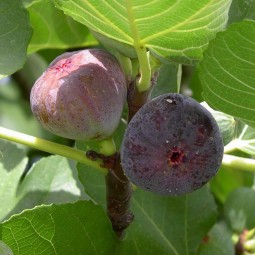
Most fruit trees require the presence of another variety to fruit well (cross-pollination). Conversely, self-fertile varieties have the advantage of being self-sufficient and can therefore be planted alone, which is very useful when space is limited or when you want to grow many different fruits.
Packaging: bare roots or container-grown?
Our fruit trees are sold as bare roots or in pots. Bare-root trees are more economical, but planting is only possible during the dormant period and requires one extra precaution: coating the roots with pralin. Trees supplied in pots or containers, on the other hand, can be planted simply and all year round.
Now you’re briefed, all that remains is to take action! To carry out your planting properly, I invite you to consult our advice sheet: "Planting fruit trees".

























Comments