































FLASH SALES: discover new varieties on offer every week!

Permaculture

← Back to Blog homepage

Our latest articles
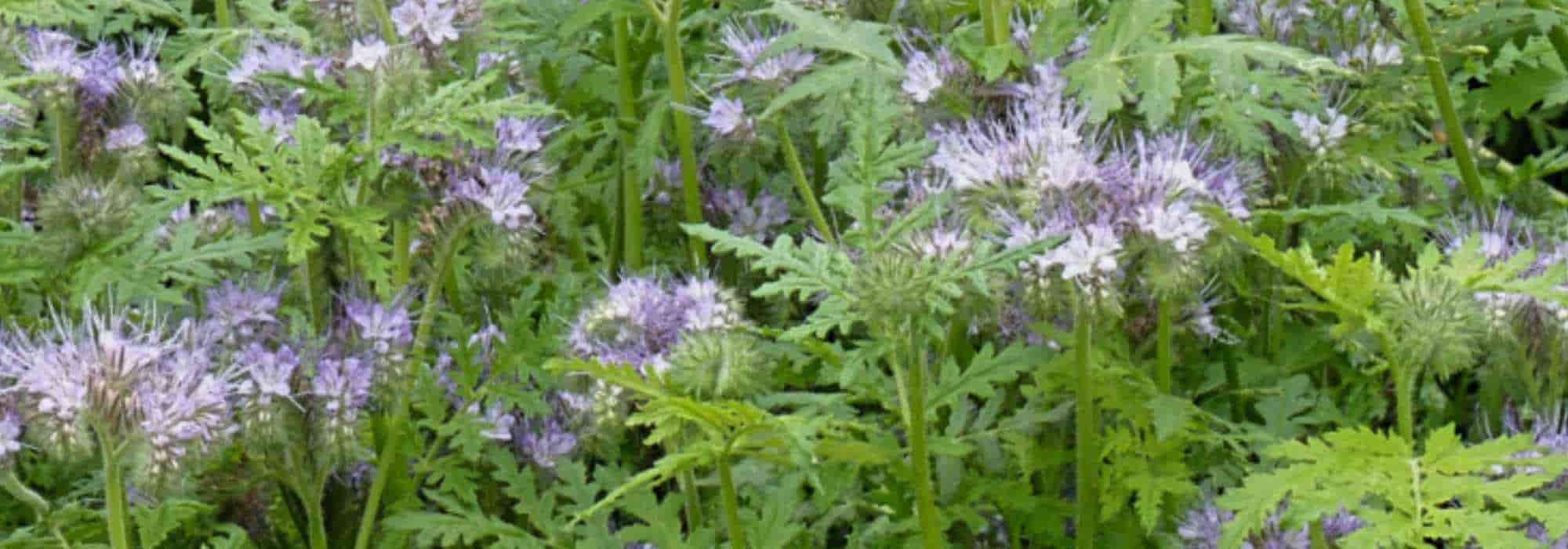
Green manures: mistakes to avoid
On page one

Choosing

Green manures: mistakes to avoid

by Ingrid
3 June 2026
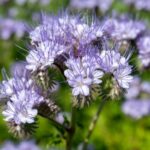
  1. How to sow phacelia effectively in the garden?

    Choosing

    How to sow phacelia effectively in the garden?

    by Ingrid

    16 April 2026 4 min.
  2. Living soil and yield: how can agroforestry revolutionise our vegetable gardens?

    Choosing

    Living soil and yield: how can agroforestry revolutionise our vegetable gardens?

    by Pascale

    23 February 2026 6 min.
  3. Aromatic plants for a permaculture garden

    Choosing

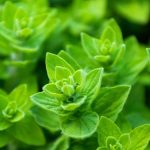
    Aromatic plants for a permaculture garden

    by Ingrid

    22 February 2026 6 min.
  4. Pond and permaculture: how to integrate water into a resilient and living garden?

    Sustainable Gardening

    Pond and permaculture: how to integrate water into a resilient and living garden?

    by Ingrid

    22 February 2026 6 min.
  5. Combining Green Manures and Vegetable Crops: A Winning Strategy

    Unclassifiable

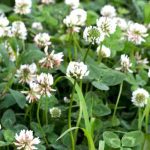
    Combining Green Manures and Vegetable Crops: A Winning Strategy

    by Pascale

    25 May 2025 7 min.
  6. Making a homemade olla to water the garden

    Plants and flowers

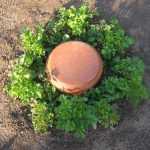
    Making a homemade olla to water the garden

    by Marion

    28 July 2025 4 min.
  7. Growing green manure in pots or containers: possible or not?

    Choosing

    Growing green manure in pots or containers: possible or not?

    by Pascale

    3 June 2025 6 min.
  8. Hoya: all our tips for year-round care

    Sustainable Gardening

    Hoya: all our tips for year-round care

    by Leïla

    16 February 2026 6 min.
  9. How to diagnose your soil using organic indicator plants?

    Choosing

    How to diagnose your soil using organic indicator plants?

    by Olivier

    8 February 2026 6 min.
  10. Permaculture and the organic vegetable garden: choosing an eco-friendly mulch

    Sustainable Gardening

    Permaculture and the organic vegetable garden: choosing an eco-friendly mulch

    by Olivier

    3 February 2026 9 min.
  11. Permaculture and a small garden, is it possible?

    Sustainable Gardening

    Permaculture and a small garden, is it possible?

    by Ingrid

    8 February 2026 7 min.
  12. Pros and cons of permaculture in the garden

    Sustainable Gardening

    Pros and cons of permaculture in the garden

    by Ingrid

    8 February 2026 7 min.
  13. How to encourage soil life in the garden?

    Sustainable Gardening

    How to encourage soil life in the garden?

    by Pascale

    8 February 2026 7 min.
  14. Soil life decoded: understanding its essential role in the garden

    Choosing

    Soil life decoded: understanding its essential role in the garden

    by Arthur

    8 February 2026 4 min.
  15. Perennial leek: how to plant and cultivate it

    Choosing

    Perennial leek: how to plant and cultivate it

    by Pascale

    18 January 2026 7 min.
  16. Rocambole garlic and Rocambole onion: how to grow them?

    Choosing

    Rocambole garlic and Rocambole onion: how to grow them?

    by Pascale

    8 February 2026 6 min.
  17. Permaculture kitchen garden: everything you need to know about vegetable companion planting

    Choosing

    Permaculture kitchen garden: everything you need to know about vegetable companion planting

    by Ingrid

    8 February 2026 6 min.
  18. Permaculture: the key steps to prepare the soil for your vegetable garden

    Choosing

    Permaculture: the key steps to prepare the soil for your vegetable garden

    by Pascale

    4 February 2026 4 min.
  19. Permaculture: the essential tools to have

    Sustainable Gardening

    Permaculture: the essential tools to have

    by Ingrid

    4 February 2026 7 min.
  20. When and how to bury green manures ?

    Sustainable Gardening

    When and how to bury green manures ?

    by Alexandra

    4 September 2025 3 min.
  21. 7 Must-have shrubs for a Forest garden

    Choosing

    7 Must-have shrubs for a Forest garden

    by Leïla

    2 February 2026 6 min.
  22. Creating a forest garden: the 7 mistakes to avoid

    Sustainable Gardening

    Creating a forest garden: the 7 mistakes to avoid

    by Leïla

    2 February 2026 6 min.
  23. Adapting to climate change: plants and practices to adopt in the garden

    Choosing

    Adapting to climate change: plants and practices to adopt in the garden

    by Arthur

    1 February 2026 5 min.
  24. How can you transform fallow land into a productive vegetable garden?

    Choosing

    How can you transform fallow land into a productive vegetable garden?

    by Pascale

    2 February 2026 6 min.
  25. Chervis or skirret, a forgotten perennial vegetable, easy to grow

    Choosing

    Chervis or skirret, a forgotten perennial vegetable, easy to grow

    by Pascale

    1 February 2026 4 min.
  26. The best shrubs to capture CO₂

    Choosing

    The best shrubs to capture COâ‚‚

    by Marion

    3 February 2026 7 min.
  27. Top 10 companion plants for tomatoes

    Choosing

    Top 10 companion plants for tomatoes

    by Ingrid

    28 January 2026 6 min.
  28. Edible forest garden: 7 fruit trees that are both unusual and hardy

    Choosing

    Edible forest garden: 7 fruit trees that are both unusual and hardy

    by Leïla

    2 February 2026 8 min.
  29. Climate change: the most effective trees to sequester CO₂

    Sustainable Gardening

    Climate change: the most effective trees to sequester COâ‚‚

    by Angélique

    3 February 2026 5 min.
  30. The differences between organic kitchen gardens and permaculture gardens

    Kitchen garden and orchard

    The differences between organic kitchen gardens and permaculture gardens

    by Ingrid

    25 January 2026 7 min.
  31. Compost: where and how best to use it in the garden?

    Choosing

    Compost: where and how best to use it in the garden?

    by Olivier

    25 August 2025 5 min.
  32. What is syntropy?

    Choosing

    What is syntropy?

    by Ingrid

    21 January 2026 5 min.

Most read

  1. 1
  2. 2

    Le kéfir de fruits (ou water kefir) est une boisson fermentée pétillante, légèrement acidulée et probiotique, obtenue grâce à des grains de kéfir (symbiose de levures et bactéries). Voici une méthode simple pour en faire chez vous. Ingrédients et matériel - Grains de kéfir de fruits : 2–4 cuillères à soupe pour 1 litre d’eau. - Eau non chlorée (eau de source ou eau du robinet filtrée et décantée) : 1 litre. - Sucre : 50–70 g (3–4 c. à soupe) par litre. Sucre de canne blanc fonctionne bien ; vous pouvez ajouter 1 c. à café de mélasse ou un morceau de figue sèche pour les minéraux. - Une pincée de sel marin non iodé. - 1 ou 2 figues sèches ou une tranche de citron non traité (facultatif, pour mineraux et goût). - Un bocal en verre d’environ 1–1,5 L. - Couvercle respirant (mousseline, tissu fin) et élastique, ou couvercle non hermétique. - Passoire en plastique (éviter tamis métallique prolongé). - Cuillère en bois ou plastique. - Bouteilles fermées (type bouteilles à bouchon mécanique) pour la seconde fermentation. Étapes — fermentation primaire 1. Dissoudre le sucre : chauffez un peu d’eau pour y dissoudre le sucre, ajoutez la pincée de sel. Complétez avec le reste d’eau froide jusqu’à 1 litre. Laisser refroidir à température ambiante (30 °C max). 2. Mettre les grains : versez l’eau sucrée tiède dans le bocal, ajoutez les grains de kéfir et, si vous le souhaitez, la figue sèche ou la tranche de citron. 3. Couvrir et laisser fermenter : couvrez le bocal avec un tissu et un élastique (ou un couvercle légèrement posé) et laissez fermenter à température ambiante, à l’abri du soleil, pendant 24 à 48 heures. Durée courte = boisson plus sucrée, durée longue = plus acide et moins sucré. 4. Goûter : après 24 h, goûtez ; poursuivez si vous souhaitez plus d’acidité. Récupération des grains et seconde fermentation (carbonatation et aromatisation) 5. Séparer : filtrez la boisson avec la passoire en plastique pour récupérer les grains. Ne pas utiliser d’ustensile métallique pendant longtemps. 6. Remettre les grains au travail : placez les grains dans un nouveau litre d’eau sucrée pour relancer une nouvelle fermentation. 7. Aromatiser et mettre en bouteilles : versez la boisson filtrée dans des bouteilles hermétiques, ajoutez fruits, jus (ex. morceaux de framboise, gingembre, tranche d’orange) pour parfumer. Fermentez 24–48 h à température ambiante pour développer la carbonatation. 8. Réfrigérer : mettez les bouteilles au réfrigérateur pour ralentir la fermentation et boire frais. Ouvrez prudemment (libérez la pression progressivement). Conseils et bonnes pratiques - Eau : évitez eau chlorée. Si vous n’avez que de l’eau du robinet, laissez reposer 24 h ou faites bouillir puis refroidir. - Sucre : la quantité peut varier selon goût et activité des grains. Les grains « mangent » le sucre ; la boisson finale contient moins de sucre que la solution initiale. - Température idéale : 20–28 °C. Trop froid = fermentation lente ; trop chaud = risque d’endommager les grains. - Métal : éviter contacts prolongés avec métal ; cuillère en bois/plastique et passoire plastique préférables. - Nettoyage : bocaux et bouteilles propres, mais pas nécessaire de stériliser systématiquement. Si problème (moisissure), nettoyez soigneusement et jetez grains contaminés. - Mouldes et sécurité : si vous voyez moisissure (fuzzy, colorée) ou odeur putride, jetez boisson et grains. Ne pas consommer. - Rincage des grains : pas nécessaire à chaque cycle ; ne rincez qu’en cas d’odeur ou lors d’un changement important de sucre. - Stockage des grains : pour pause courte (1–2 semaines), placez-les dans de l’eau sucrée au réfrigérateur. Pour plus long, déshydrater ou congeler suivant protocoles spécifiques. - Dépannage : - Boisson trop sucrée : prolonger la fermentation ou ajouter quelques grains. - Trop alcoolisée/acidulée : réduire durée de fermentation ou mettre en réfrigérateur plus tôt. - Grains qui diminuent : apporter parfois une petite cuillère de mélasse ou changer type de sucre temporairement pour les fortifier. Précautions - Les boissons fermentées contiennent de faibles quantités d’alcool et des micro-organismes vivants. Si vous êtes immunodéprimé, enceinte ou avez des soucis de santé, consultez un professionnel de santé avant consommation. - Respectez l’hygiène et surveillez visuellement et olfactivement pour détecter altérations. Voilà — avec ces bases vous pouvez expérimenter saveurs et temps de fermentation pour obtenir un kéfir de fruits à votre goût. Souhaitez-vous une recette précise avec proportions pour une bouteille aromatisée (par ex. gingembre-citron) ?

    by Ingrid

    7 July 2026
  3. 3
  4. 4
  5. 5
  6. 6
  7. 7
  8. 8
  9. 9