































FLASH SALES: discover new varieties on offer every week!

Sowing

← Back to Blog homepage

Our latest articles
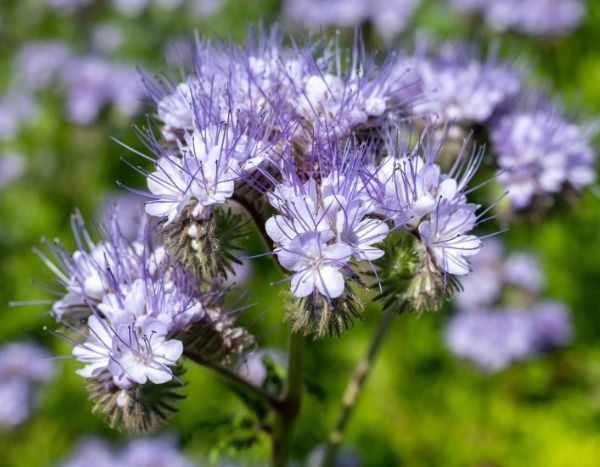
How to sow phacelia effectively in the garden?
On page one

Choosing

How to sow phacelia effectively in the garden?

by Ingrid
16 April 2026
  1. How to sow lovage?

    Choosing

    How to sow lovage?

    by Gwenaëlle

    2 April 2026 2 min.
  2. How to sow spinach?

    Choosing

    How to sow spinach?

    by Gwenaëlle

    1 April 2026 2 min.
  3. How to sow cucumber

Quick overview
- Best time: sow under cover 3–4 weeks before last expected frost, or sow direct outdoors after soil reaches consistently 15°C–18°C.
- Soil: fertile, well‑drained, rich in organic matter; pH 6.0–7.0.
- Temperature: germination optimal 18–25°C.
- Sowing depth: 1–2 cm.
- Seed spacing: indoors in pots or modules: one seed per cell; outdoors or in growbags: thin to 30–45 cm between plants (depending on variety).
- Light: plenty of bright light once seedlings emerge; avoid cold drafts.

Step‑by‑step (indoor sowing, recommended for cooler climates)
1. Prepare compost and pots
- Use free‑draining multi‑purpose compost with added compost or well rotted manure for extra fertility. Fill 7–9 cm pots or modules, firm lightly.

2. Sow seeds
- Place one seed 1–2 cm deep in each pot or cell. Water gently to settle compost.

3. Provide warmth
- Keep pots at 18–25°C. Use heated propagator or warm windowsill. Germination usually 5–10 days.

4. Light and ventilation
- Move seedlings to bright light as soon as they appear. Reduce temperature a little by day to encourage sturdier growth. Provide gentle airflow to reduce damping‑off.

5. Pot on and feed
- When seedlings show 2–3 true leaves, transfer to larger pot if needed. Start weekly feed with balanced liquid feed or dilute tomato/cucumber fertiliser.

6. Harden off
- Gradually acclimatise plants to outdoor conditions over 7–10 days before planting out or into greenhouse.

Planting out and training
- Plant into greenhouse, polytunnel or sheltered sunny site after risk of frost has passed and when soil/air are warm. Space plants 30–45 cm apart along rows or use single plants in growbags.
- Provide support: trellis, canes or string to train vines upwards. Training saves space and improves air circulation.

Outdoor direct sowing
- Sow seeds 1–2 cm deep in warm soil from late spring onwards. Sow in hills of 3 seeds, thin to strongest seedling per hill. Direct sowing suits early summer in reliably warm sites.

Watering and care
- Keep soil consistently moist but not waterlogged. Water at soil level to avoid wetting foliage.
- Mulch to conserve moisture and suppress weeds.
- Side‑dress with compost or feed fortnightly during heavy fruiting.

Common problems
- Poor pollination in greenhouse: hand‑pollinate flowers if necessary.
- Powdery mildew and downy mildew: ensure good airflow, avoid overhead watering.
- Pests: aphids and slugs can be an issue; monitor and control early.

Harvest
- Pick cucumbers when fruit reach variety‑specific size and before seeds harden. Regular harvesting encourages more fruiting.

Variety note
- Choose variety suited to greenhouse (parthenocarpic varieties do not need pollination) or outdoor cropping.

Happy sowing — cucumbers are quick to reward once warm conditions are established.

    Choosing

    How to sow cucumber Quick overview - Best time: sow under cover 3–4 weeks before last expected frost, or sow direct outdoors after soil reaches consistently 15°C–18°C. - Soil: fertile, well‑drained, rich in organic matter; pH 6.0–7.0. - Temperature: germination optimal 18–25°C. - Sowing depth: 1–2 cm. - Seed spacing: indoors in pots or modules: one seed per cell; outdoors or in growbags: thin to 30–45 cm between plants (depending on variety). - Light: plenty of bright light once seedlings emerge; avoid cold drafts. Step‑by‑step (indoor sowing, recommended for cooler climates) 1. Prepare compost and pots - Use free‑draining multi‑purpose compost with added compost or well rotted manure for extra fertility. Fill 7–9 cm pots or modules, firm lightly. 2. Sow seeds - Place one seed 1–2 cm deep in each pot or cell. Water gently to settle compost. 3. Provide warmth - Keep pots at 18–25°C. Use heated propagator or warm windowsill. Germination usually 5–10 days. 4. Light and ventilation - Move seedlings to bright light as soon as they appear. Reduce temperature a little by day to encourage sturdier growth. Provide gentle airflow to reduce damping‑off. 5. Pot on and feed - When seedlings show 2–3 true leaves, transfer to larger pot if needed. Start weekly feed with balanced liquid feed or dilute tomato/cucumber fertiliser. 6. Harden off - Gradually acclimatise plants to outdoor conditions over 7–10 days before planting out or into greenhouse. Planting out and training - Plant into greenhouse, polytunnel or sheltered sunny site after risk of frost has passed and when soil/air are warm. Space plants 30–45 cm apart along rows or use single plants in growbags. - Provide support: trellis, canes or string to train vines upwards. Training saves space and improves air circulation. Outdoor direct sowing - Sow seeds 1–2 cm deep in warm soil from late spring onwards. Sow in hills of 3 seeds, thin to strongest seedling per hill. Direct sowing suits early summer in reliably warm sites. Watering and care - Keep soil consistently moist but not waterlogged. Water at soil level to avoid wetting foliage. - Mulch to conserve moisture and suppress weeds. - Side‑dress with compost or feed fortnightly during heavy fruiting. Common problems - Poor pollination in greenhouse: hand‑pollinate flowers if necessary. - Powdery mildew and downy mildew: ensure good airflow, avoid overhead watering. - Pests: aphids and slugs can be an issue; monitor and control early. Harvest - Pick cucumbers when fruit reach variety‑specific size and before seeds harden. Regular harvesting encourages more fruiting. Variety note - Choose variety suited to greenhouse (parthenocarpic varieties do not need pollination) or outdoor cropping. Happy sowing — cucumbers are quick to reward once warm conditions are established.

    by Gwenaëlle

    5 April 2026 4 min.
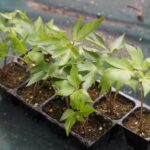
  4. How to sow angelica?

    Choosing

    How to sow angelica?

    by Gwenaëlle

    1 April 2026 2 min.
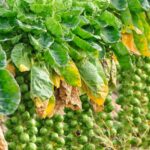
  5. How to sow Brussels sprouts?

    Choosing

    How to sow Brussels sprouts?

    by Ingrid

    16 March 2026 5 min.
  6. How to sow kale?

    Choosing

    How to sow kale?

    by Gwenaëlle

    8 March 2026 3 min.
  7. How to sow coriander?

    Choosing

    How to sow coriander?

    by Gwenaëlle

    17 February 2026 3 min.
  8. Sweet pea sowing: when and how to sow?

    Choosing

    Sweet pea sowing: when and how to sow?

    by Pascale

    17 February 2026 5 min.
  9. How to do your vegetable sowing indoors?

    Choosing

    How to do your vegetable sowing indoors?

    by Gwenaëlle

    20 January 2026 3 min.
  10. How to successfully sow tiny seeds?

    Choosing

    How to successfully sow tiny seeds?

    by Pascale

    11 December 2025 5 min.
  11. Sowing vegetable seeds: common mistakes to avoid!

    Choosing

    Sowing vegetable seeds: common mistakes to avoid!

    by Pascale

    12 February 2026 6 min.
  12. How to sow cumin?

    Choosing

    How to sow cumin?

    by Gwenaëlle

    19 October 2025 2 min.
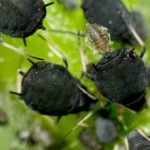
  13. Sow flowers in vegetable patch: natural solution against aphids

    Choosing

    Sow flowers in vegetable patch: natural solution against aphids

    by Pascale

    27 January 2026 5 min.
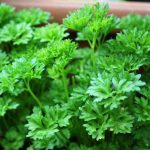
  14. How to sow parsley?

    Choosing

    How to sow parsley?

    by Alexandra

    17 July 2025 5 min.
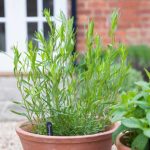
  15. How to sow tarragon?

    Choosing

    How to sow tarragon?

    by Alexandra

    28 July 2025 3 min.
  16. How to sow broccoli, a nutrient-rich vegetable

    Choosing

    How to sow broccoli, a nutrient-rich vegetable

    by Olivier

    13 July 2025 4 min.
  17. Sowing in rows or broadcasting: what is the difference?

    Choosing

    Sowing in rows or broadcasting: what is the difference?

    by Pascale

    24 July 2025 5 min.
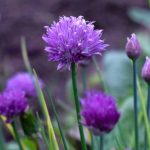
  18. How to succeed in your sowing of chives, in pots or in the garden?

    Choosing

    How to succeed in your sowing of chives, in pots or in the garden?

    by Arthur

    28 July 2025 4 min.
  19. How to successfully grow aubergine seedlings?

    Choosing

    How to successfully grow aubergine seedlings?

    by Alexandra

    15 June 2025 2 min.
  20. How to make a hot bed?

    Kitchen garden and orchard

    How to make a hot bed?

    by Solenne

    22 May 2025 4 min.
  21. Sowing in buckets

    Plants and flowers

    Sowing in buckets

    by François

    28 July 2025 4 min.
  22. How to sow basil?

    Kitchen garden and orchard

    How to sow basil?

    by Virginie

    28 July 2025 5 min.
  23. Collecting soil from molehills

    Sustainable Gardening

    Collecting soil from molehills

    by Virginie

    28 July 2025 2 min.
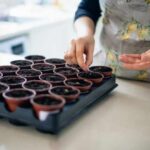
  24. How to sow in a seed tray?

    Choosing

    How to sow in a seed tray?

    by François

    28 July 2025 2 min.
  25. How to make a seed tape?

    Choosing

    How to make a seed tape?

    by Ingrid

    15 June 2025 2 min.
  26. How to sow Good King Henry?

    Choosing

    How to sow Good King Henry?

    by Gwenaëlle

    28 July 2025 3 min.
  27. My Seeds Won't Germinate: Why? What Can I Do?

    Choosing

    My Seeds Won't Germinate: Why? What Can I Do?

    by Pascale

    3 June 2025 7 min.
  28. How to sow chervil?

    Choosing

    How to sow chervil?

    by Gwenaëlle

    28 July 2025 4 min.
  29. Gardening for beginners: succeed in your first sowing in 7 easy steps

    Choosing

    Gardening for beginners: succeed in your first sowing in 7 easy steps

    by Gwenaëlle

    28 July 2025 5 min.
  30. How to sow fenugreek?

    Choosing

    How to sow fenugreek?

    by Ingrid

    28 July 2025 6 min.
  31. Autumn sowings under cover to extend the gardening season

    Choosing

    Autumn sowings under cover to extend the gardening season

    by Pascale

    16 February 2026 5 min.
  32. How to sow artichokes?

    Choosing

    How to sow artichokes?

    by Pascale

    13 August 2025 5 min.

Most read

  1. 1
  2. 2

    Le kéfir de fruits (ou water kefir) est une boisson fermentée pétillante, légèrement acidulée et probiotique, obtenue grâce à des grains de kéfir (symbiose de levures et bactéries). Voici une méthode simple pour en faire chez vous. Ingrédients et matériel - Grains de kéfir de fruits : 2–4 cuillères à soupe pour 1 litre d’eau. - Eau non chlorée (eau de source ou eau du robinet filtrée et décantée) : 1 litre. - Sucre : 50–70 g (3–4 c. à soupe) par litre. Sucre de canne blanc fonctionne bien ; vous pouvez ajouter 1 c. à café de mélasse ou un morceau de figue sèche pour les minéraux. - Une pincée de sel marin non iodé. - 1 ou 2 figues sèches ou une tranche de citron non traité (facultatif, pour mineraux et goût). - Un bocal en verre d’environ 1–1,5 L. - Couvercle respirant (mousseline, tissu fin) et élastique, ou couvercle non hermétique. - Passoire en plastique (éviter tamis métallique prolongé). - Cuillère en bois ou plastique. - Bouteilles fermées (type bouteilles à bouchon mécanique) pour la seconde fermentation. Étapes — fermentation primaire 1. Dissoudre le sucre : chauffez un peu d’eau pour y dissoudre le sucre, ajoutez la pincée de sel. Complétez avec le reste d’eau froide jusqu’à 1 litre. Laisser refroidir à température ambiante (30 °C max). 2. Mettre les grains : versez l’eau sucrée tiède dans le bocal, ajoutez les grains de kéfir et, si vous le souhaitez, la figue sèche ou la tranche de citron. 3. Couvrir et laisser fermenter : couvrez le bocal avec un tissu et un élastique (ou un couvercle légèrement posé) et laissez fermenter à température ambiante, à l’abri du soleil, pendant 24 à 48 heures. Durée courte = boisson plus sucrée, durée longue = plus acide et moins sucré. 4. Goûter : après 24 h, goûtez ; poursuivez si vous souhaitez plus d’acidité. Récupération des grains et seconde fermentation (carbonatation et aromatisation) 5. Séparer : filtrez la boisson avec la passoire en plastique pour récupérer les grains. Ne pas utiliser d’ustensile métallique pendant longtemps. 6. Remettre les grains au travail : placez les grains dans un nouveau litre d’eau sucrée pour relancer une nouvelle fermentation. 7. Aromatiser et mettre en bouteilles : versez la boisson filtrée dans des bouteilles hermétiques, ajoutez fruits, jus (ex. morceaux de framboise, gingembre, tranche d’orange) pour parfumer. Fermentez 24–48 h à température ambiante pour développer la carbonatation. 8. Réfrigérer : mettez les bouteilles au réfrigérateur pour ralentir la fermentation et boire frais. Ouvrez prudemment (libérez la pression progressivement). Conseils et bonnes pratiques - Eau : évitez eau chlorée. Si vous n’avez que de l’eau du robinet, laissez reposer 24 h ou faites bouillir puis refroidir. - Sucre : la quantité peut varier selon goût et activité des grains. Les grains « mangent » le sucre ; la boisson finale contient moins de sucre que la solution initiale. - Température idéale : 20–28 °C. Trop froid = fermentation lente ; trop chaud = risque d’endommager les grains. - Métal : éviter contacts prolongés avec métal ; cuillère en bois/plastique et passoire plastique préférables. - Nettoyage : bocaux et bouteilles propres, mais pas nécessaire de stériliser systématiquement. Si problème (moisissure), nettoyez soigneusement et jetez grains contaminés. - Mouldes et sécurité : si vous voyez moisissure (fuzzy, colorée) ou odeur putride, jetez boisson et grains. Ne pas consommer. - Rincage des grains : pas nécessaire à chaque cycle ; ne rincez qu’en cas d’odeur ou lors d’un changement important de sucre. - Stockage des grains : pour pause courte (1–2 semaines), placez-les dans de l’eau sucrée au réfrigérateur. Pour plus long, déshydrater ou congeler suivant protocoles spécifiques. - Dépannage : - Boisson trop sucrée : prolonger la fermentation ou ajouter quelques grains. - Trop alcoolisée/acidulée : réduire durée de fermentation ou mettre en réfrigérateur plus tôt. - Grains qui diminuent : apporter parfois une petite cuillère de mélasse ou changer type de sucre temporairement pour les fortifier. Précautions - Les boissons fermentées contiennent de faibles quantités d’alcool et des micro-organismes vivants. Si vous êtes immunodéprimé, enceinte ou avez des soucis de santé, consultez un professionnel de santé avant consommation. - Respectez l’hygiène et surveillez visuellement et olfactivement pour détecter altérations. Voilà — avec ces bases vous pouvez expérimenter saveurs et temps de fermentation pour obtenir un kéfir de fruits à votre goût. Souhaitez-vous une recette précise avec proportions pour une bouteille aromatisée (par ex. gingembre-citron) ?

    by Ingrid

    7 July 2026
  3. 3
  4. 4
  5. 5
  6. 6
  7. 7
  8. 8
  9. 9