Organic Raspberry Marastar- Rubus idaeus

Organic Raspberry Marastar- Rubus idaeus
Organic Raspberry Marastar- Rubus idaeus
Organic Raspberry Marastar- Rubus idaeus
Organic Raspberry Marastar- Rubus idaeus
Organic Raspberry Marastar- Rubus idaeus
Rubus idaeus Marastar
Raspberry, Red Raspberry, European Raspberry
I received the plant last year; it has lots of beautiful leaves. I'm satisfied.
ninie, 06/04/2025
Back-to-school special offer!
Get €10 off for every €50 you spend! And get up to €40 off on a single order.
How does it work?
1. Shop your favourites
Add your favourite plants to your basket. For every €50 you spend (excluding delivery charges, store credit and the plastic-free option), you’ll receive a €10 voucher.
€50 spent = €10 voucher
€100 spent = €20 voucher
€150 spent = €30 voucher
€200 spent = €40 voucher
2. Place your order
Once your basket reaches one of the spending thresholds, place your order. You can even choose your delivery date!
3. Receive your voucher
As soon as your order has been shipped, you’ll receive an email containing your personal voucher code and its value.
4. Use it on your next order
Your voucher is valid for 90 days from the date you receive it. It can be used once only, on a new order worth at least the value of the voucher, excluding delivery charges.
Please note: Vouchers can be combined with other offers, but cannot be split or refunded.
Why not try an alternative variety in stock?
View all →
Available in 2 sizes
Available in 1 sizes
Available in 1 sizes
Available in 2 sizes
Available in 1 sizes

Available in 1 sizes
Available in 2 sizes
Available in 1 sizes
Available in 1 sizes
Available in 2 sizes
This plant carries a 12 months recovery warranty
More information
We guarantee the quality of our plants for a full growing cycle, and will replace at our expense any plant that fails to recover under normal climatic and planting conditions.
Description
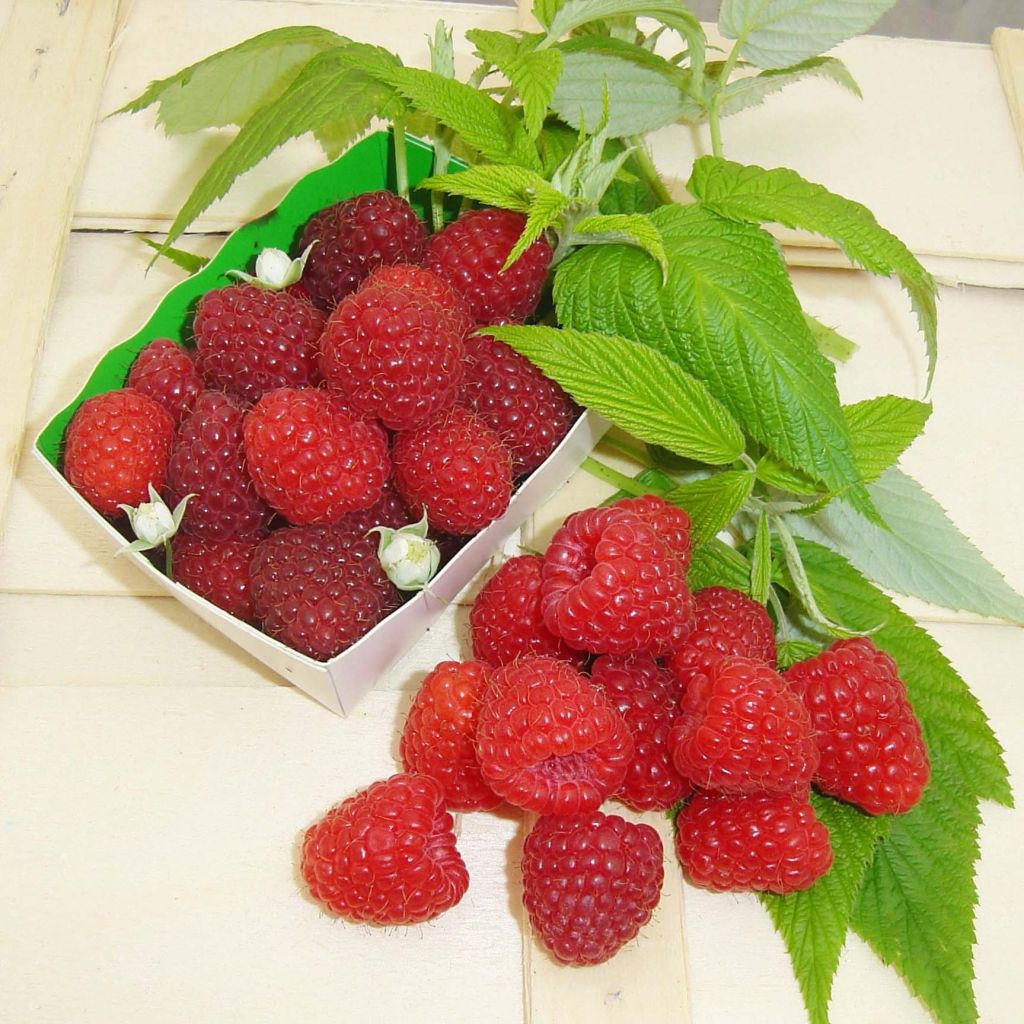
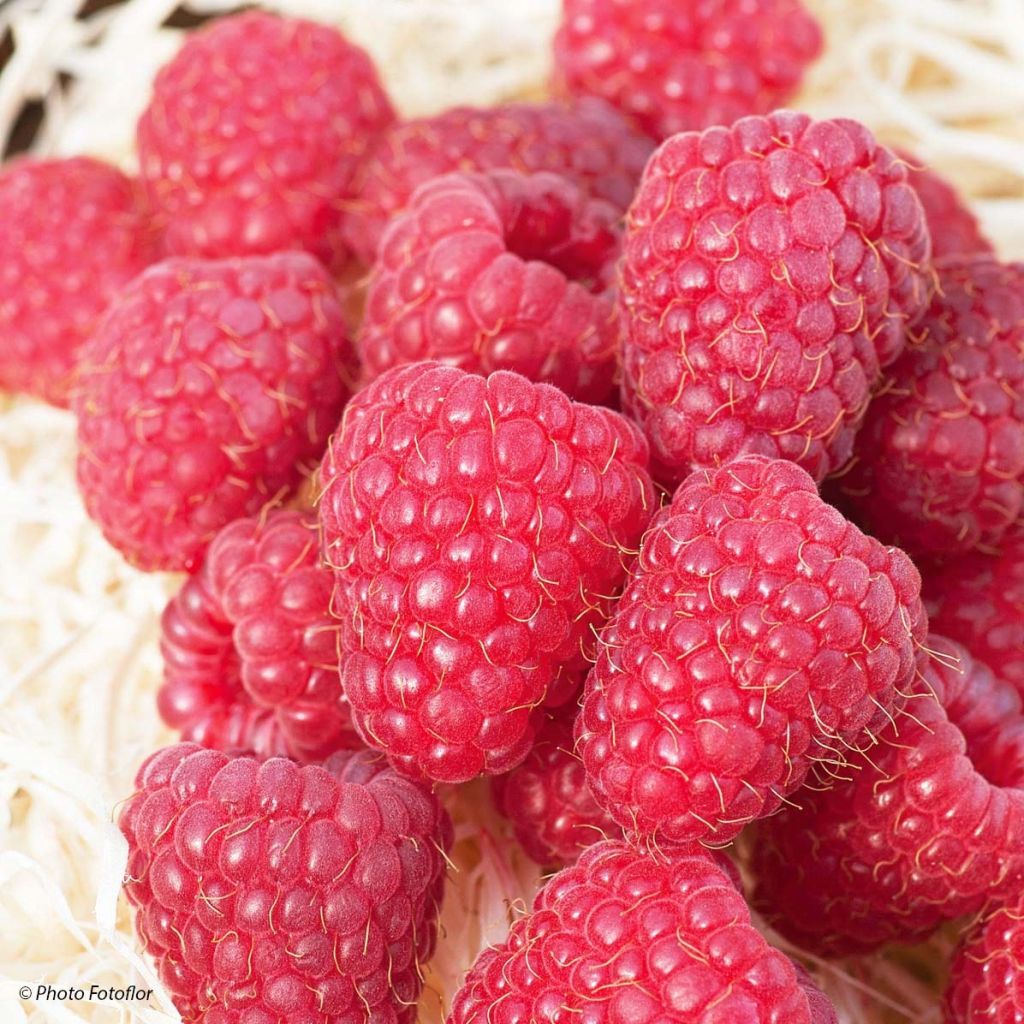
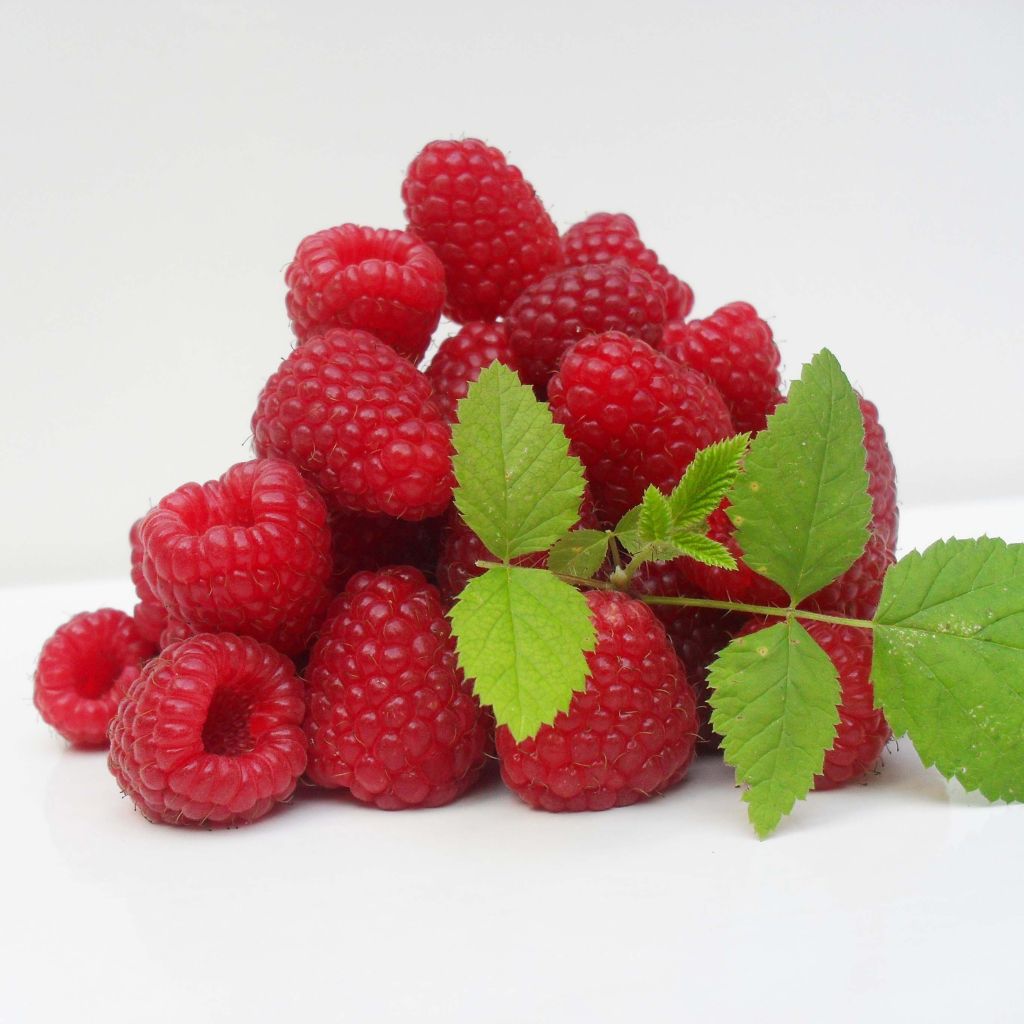
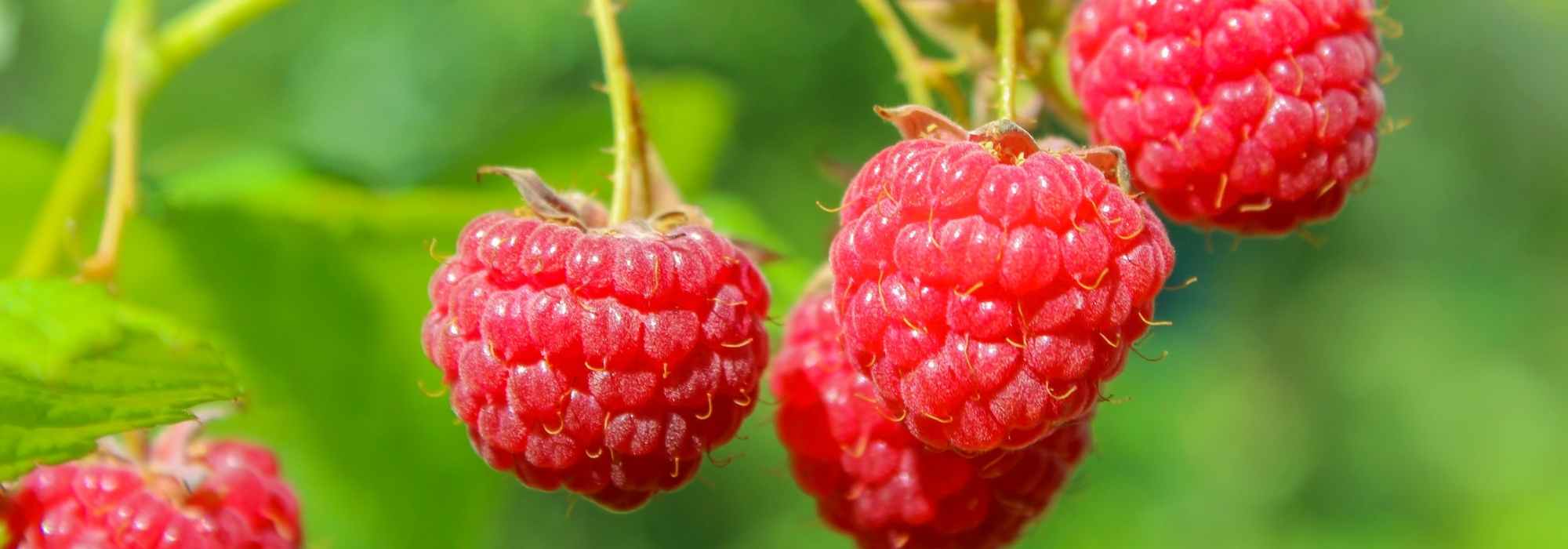
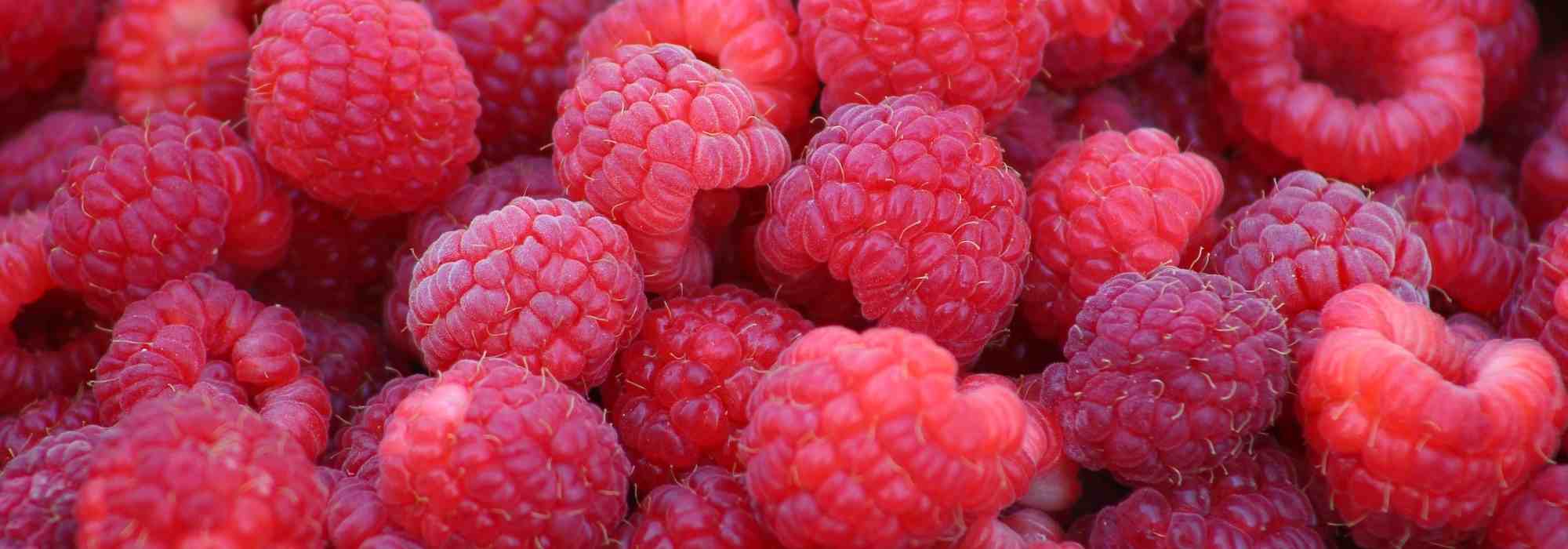
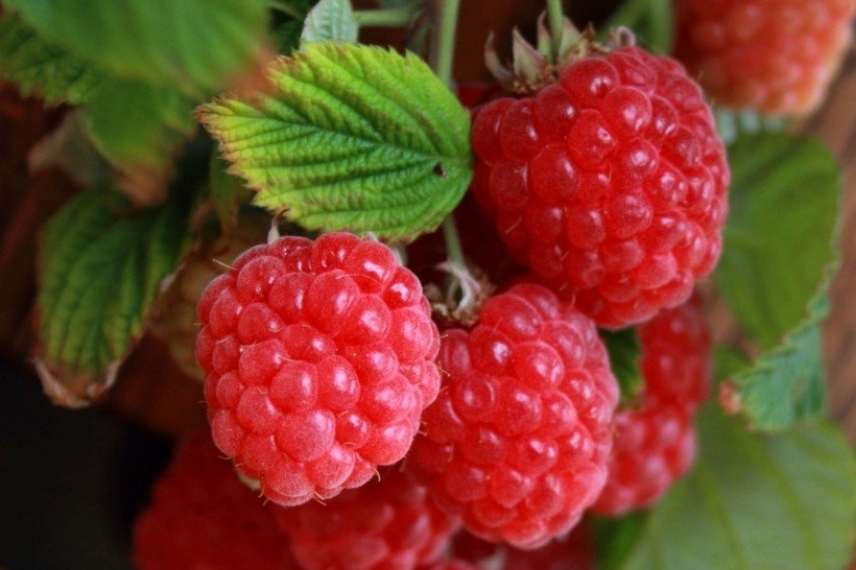
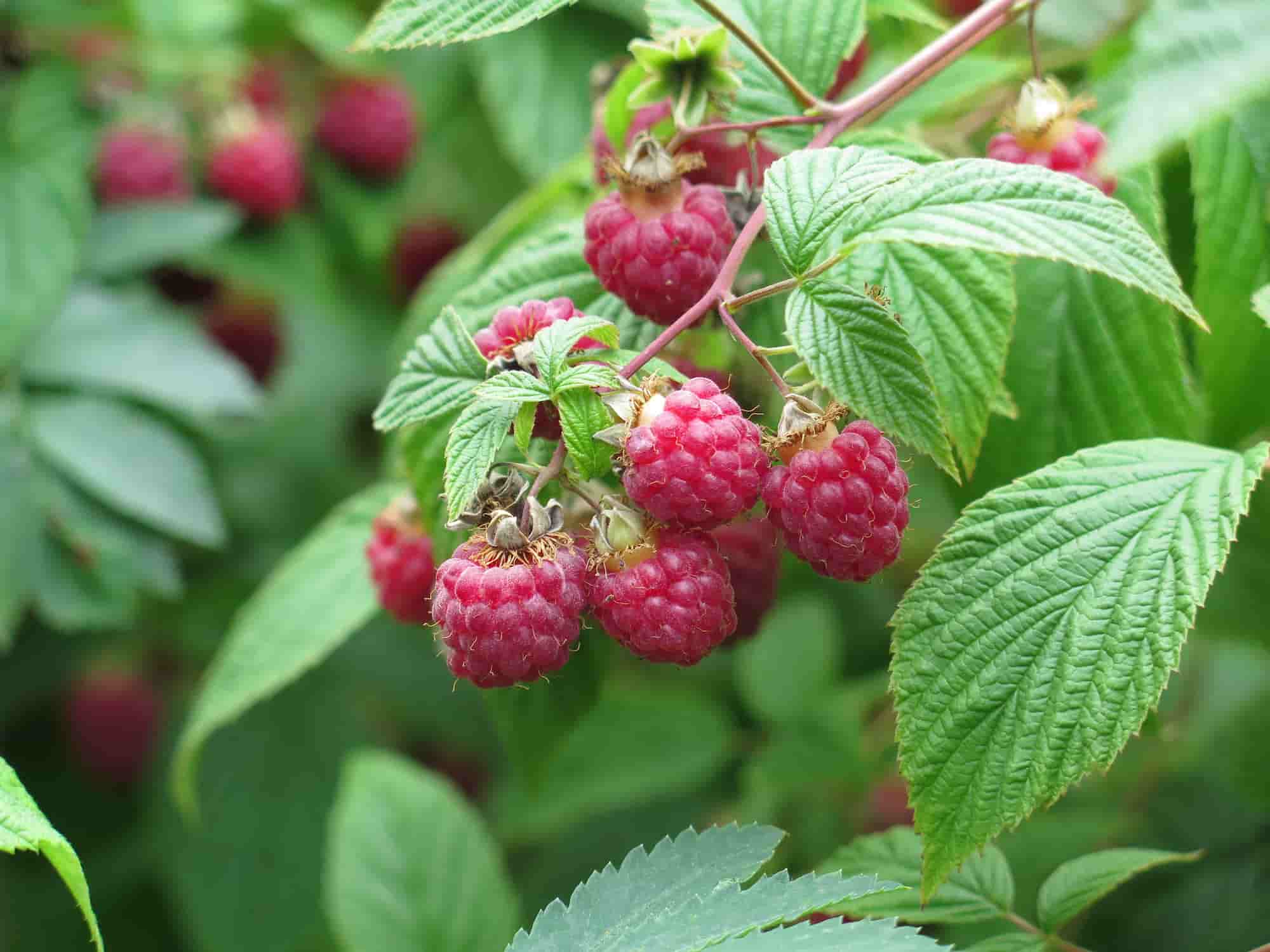
Rubus idaeus 'Marastar', from Organic Agriculture, is an excellent perpetual variety. This highly productive raspberry bears delicious red fruits that can be harvested from July to October. Its fruit is conical, of a good size and firmness, sweet and aromatic, with an appetising bright red colour. It is a stout plant that is particularly vigorous and sucker-producing. This hardy variety is quite resistant to diseases, making it perfect for amateur gardeners. Each plant will produce up to 3kg of fruit per year, or even more. It can also be grown in containers.
'Marastar' belongs to the Rosaceae family, and is a cousin of blackberries and wild roses. The wild raspberry is native to Europe and temperate Asia, where it grows in cool climates, often in the company of elderberry, beech, or mountain ash in wooded mountain areas. It also grows on plains. 'Marastar' is a cultivar from the nurseryman Marionnet, who is none other than the 'father' of the famous and delicious 'Mara des Bois' strawberry.
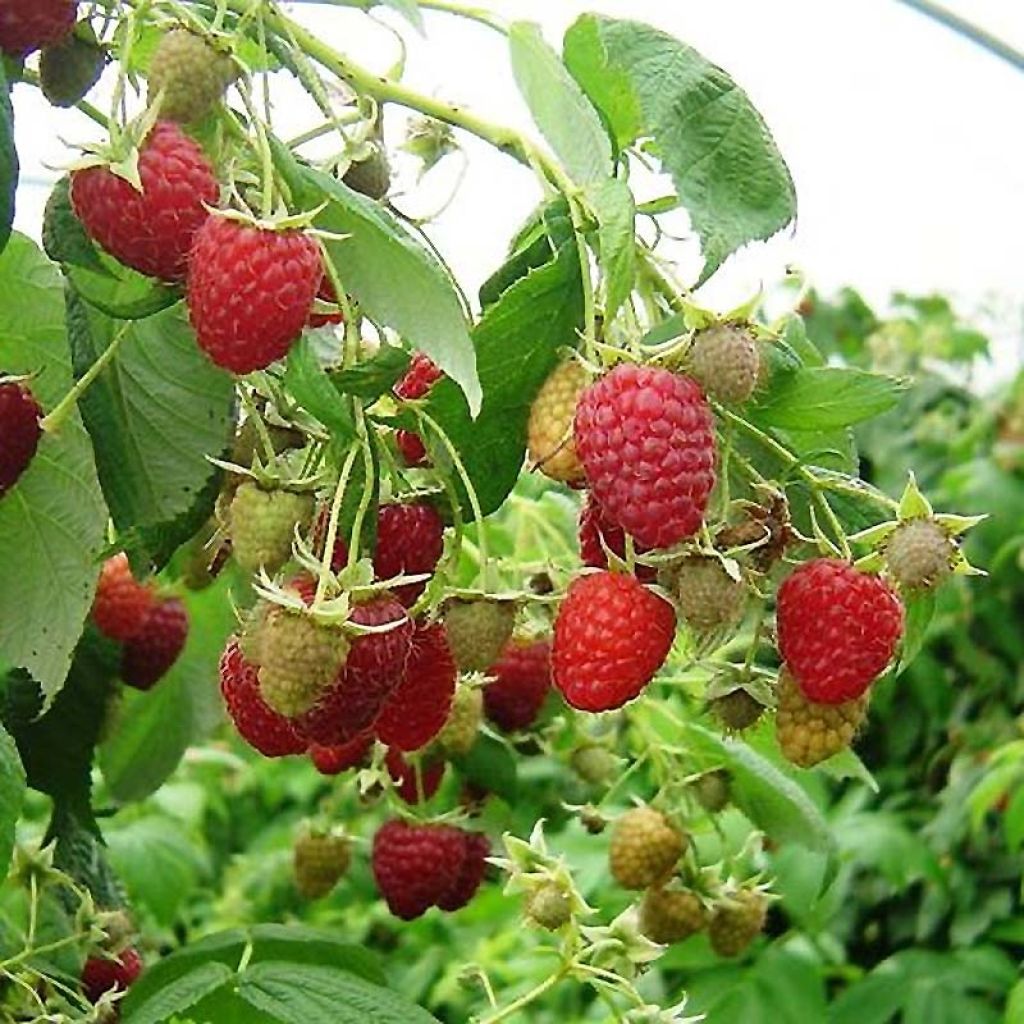
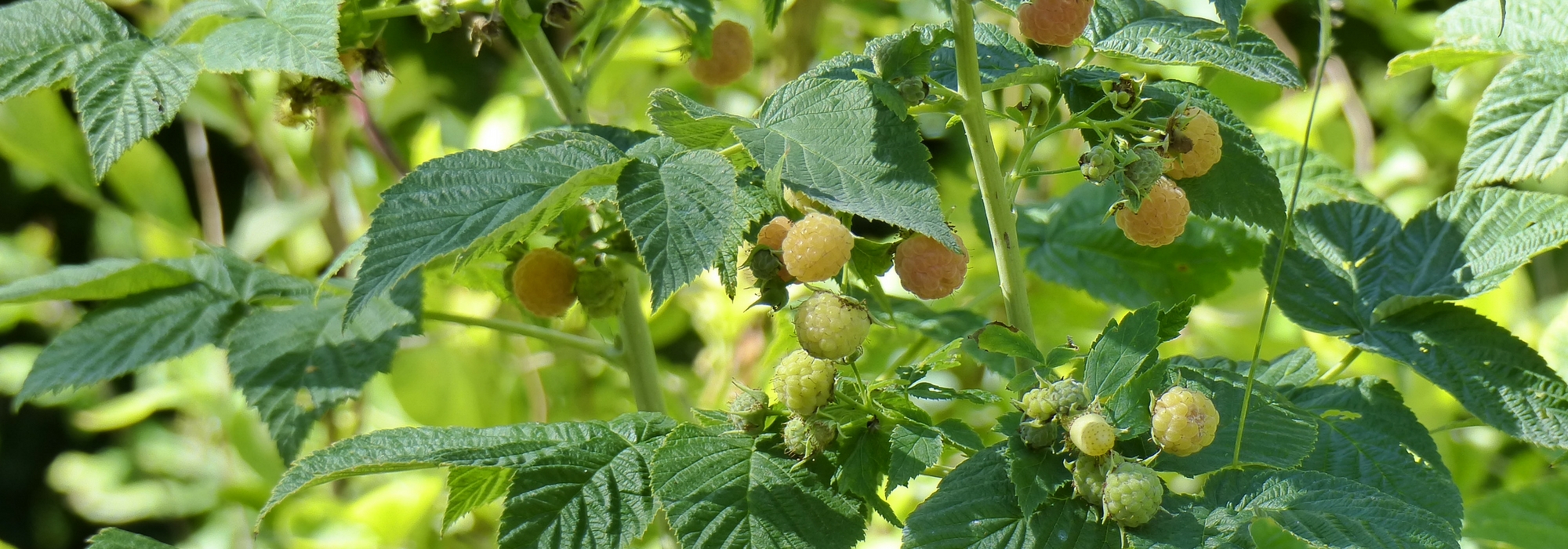
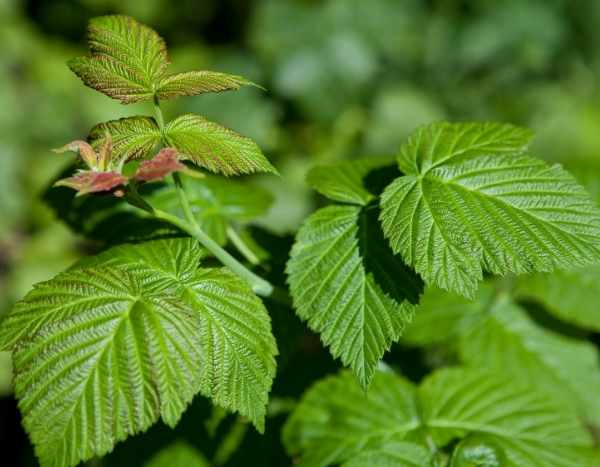
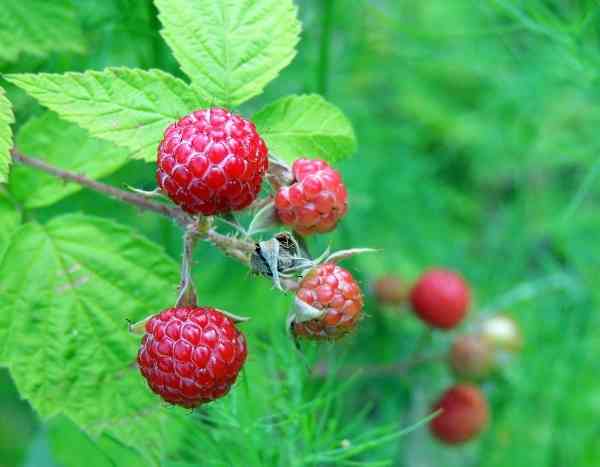
'Marastar' is a stout bush with upright stems, forming a bush about 1.1 to 1.3m (4ft) in all directions over time. The stems are biennial, each one dying after fruiting. It spreads from a perennial, sucker-producing stump, which produces new stems armed with small prickles every year. This deciduous bush loses its leaves in autumn. Its leaves are green on top, and white-green and tomentose on the underside. The flowering is honey-rich and popular with bees. The white flowers are small (1 to 2cm (1in) in diameter), grouped in clusters of 10 to 12. They appear continuously from April-May until early September. The fruits are made up of small agglutinated drupes that do not adhere to the receptacle*. They detach very easily when ripe. The fruiting is continuous, from July to October. The fruits should be eaten fresh or processed quickly (into jam, for example), as they do not keep very long. Production reaches its normal level in the third year after planting. A plant can produce fruit for around 10 years.
'Marastar' can be planted with other small fruit bushes such as currants or blackcurrants. The fruits can be used to make jams or to garnish pies. Raspberry cultivation seems to date back to the end of the Middle Ages. Raspberries contain levulose and fructose. They contain very little sucrose. The fruits contain ellagic acid, tannins, vitamin C, and are a good source of potassium. It is also a medicinal plant, with its young shoots and buds used in gemmotherapy.
*This non-adherence is also a distinguishing criterion between raspberries in the broad sense and blackberries (including Rubus fruticosus, the European blackberry), where the receptacle remains on the fruit.
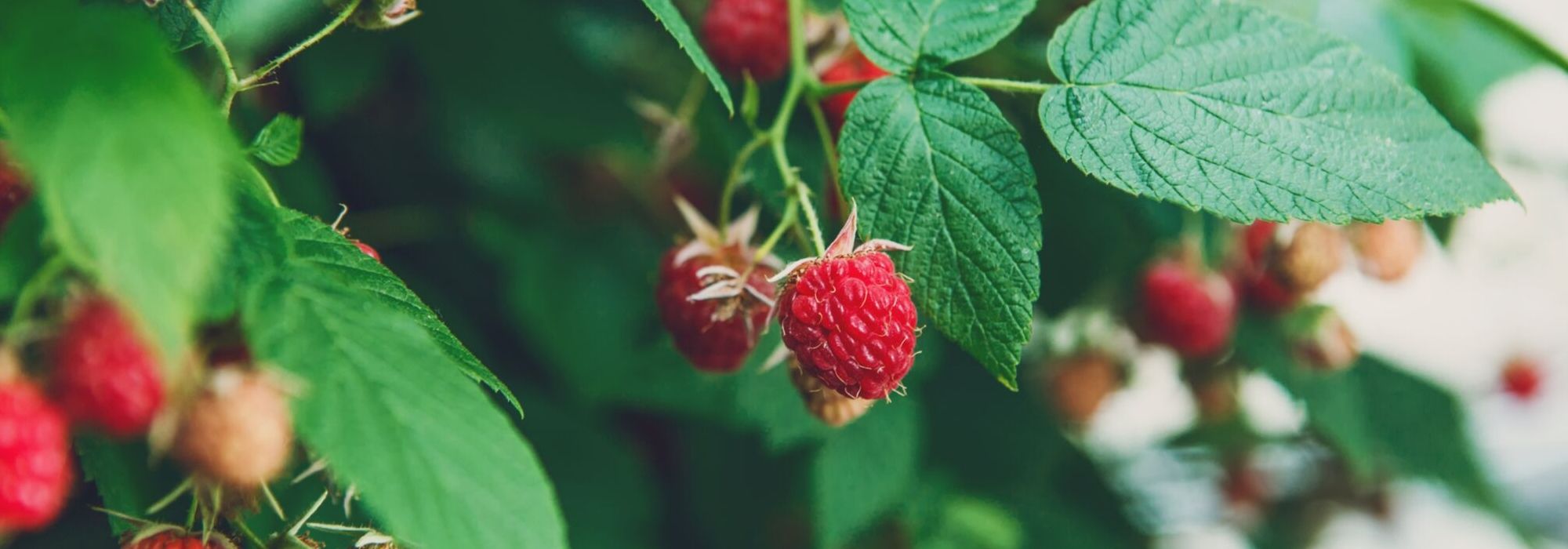
Organic Raspberry Marastar- Rubus idaeus in pictures
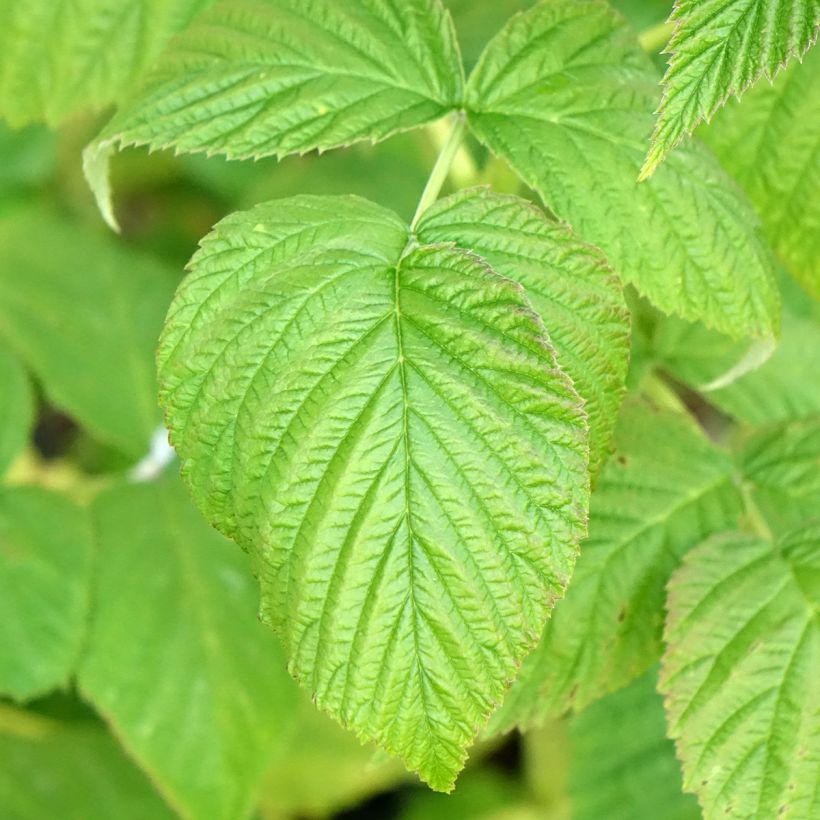
Plant habit
Fruit
Flowering
Foliage
Botanical data
Rubus
idaeus
Marastar
Rosaceae
Raspberry, Red Raspberry, European Raspberry
Cultivar or hybrid
Planting and care
It prefers humus-rich soil that retains moisture, even in summer, without too much limestone. It appreciates partially shaded but bright exposures. In cool regions, it will tolerate sunlight well. In warmer and sunnier regions, it prefers partial shade. Plant it from November to March in ordinary soil enriched with compost and well-rotted manure.
Water regularly to encourage root development in the first year of planting. During periods of high heat or prolonged drought, provide additional water.
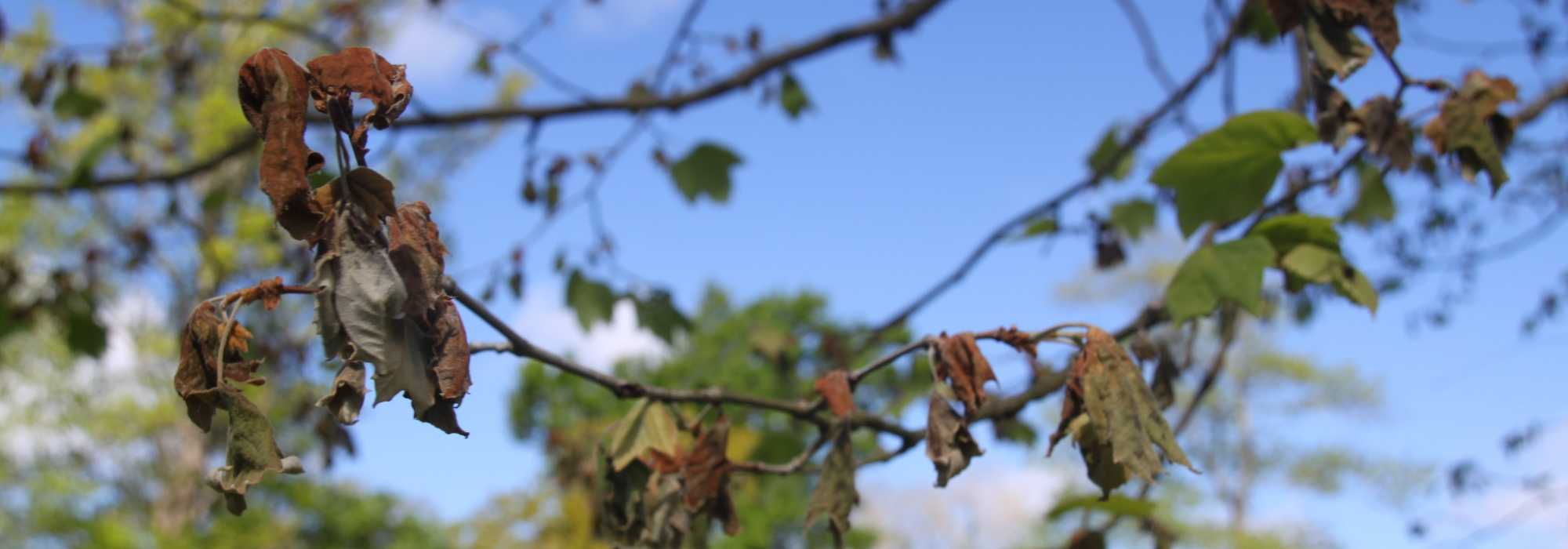
It can be susceptible to diseases if growing conditions are not optimal (raspberry anthracnose, raspberry rust, powdery mildew, grey mould during rainy periods, or Botrytis). The damage observed in cultivation is due to unfavourable weather conditions, especially during cold springs that allow micro-fungi present in the soil to infest the vegetation. To protect the bushes, it is recommended to fertilise them with organic fertilisers that encourage anaerobic bacteria to multiply in the soil, which strengthens the soil's ability to stimulate the plants' immune system. Raspberry bushes can also be attacked by parasites, such as raspberry worms, the larvae of a small beetle that lodges in the fruits, without causing significant damage.
Planting period
Intended location
Care
Planting & care advice
-
-
-
-
-
-
-
-
-
, onOrder confirmed
Reply from on Promesse de fleurs
Recently viewed products
Haven't found what you were looking for?
Hardiness is the lowest winter temperature a plant can endure without suffering serious damage or even dying. However, hardiness is affected by location (a sheltered area, such as a patio), protection (winter cover) and soil type (hardiness is improved by well-drained soil).
In temperate climates, pruning of spring-flowering shrubs (forsythia, spireas, etc.) should be done just after flowering.
Pruning of summer-flowering shrubs (Indian Lilac, Perovskia, etc.) can be done in winter or spring.
In cold regions as well as with frost-sensitive plants, avoid pruning too early when severe frosts may still occur.
The harvesting period indicated on our website applies to countries and regions in USDA zone 8 (France, England, Ireland, the Netherlands).
In colder areas (Scandinavia, Poland, Austria...) fruit and vegetable harvests are likely to be delayed by 3-4 weeks.
In warmer areas (Italy, Spain, Greece, etc.), harvesting will probably take place earlier, depending on weather conditions.
The sowing periods indicated on our website apply to countries and regions within USDA Zone 8 (France, UK, Ireland, Netherlands).
In colder areas (Scandinavia, Poland, Austria...), delay any outdoor sowing by 3-4 weeks, or sow under glass.
In warmer climes (Italy, Spain, Greece, etc.), bring outdoor sowing forward by a few weeks.
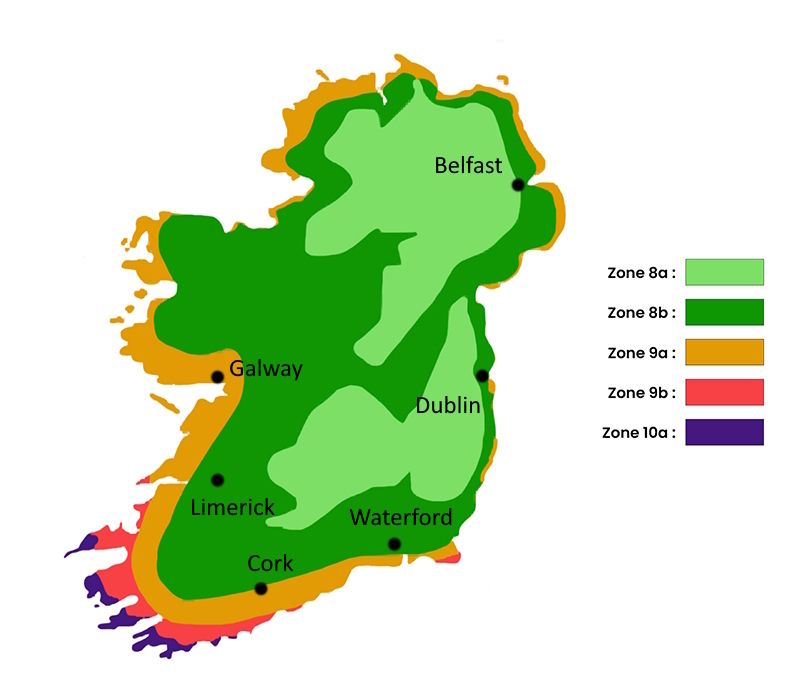
The planting period indicated on our website applies to regions in USDA Zone 9a (East Coast and Midlands: Dublin, Wexford, Waterford, Kilkenny, Portlaoise). It will vary depending on where you live:
- On the west coast and in the north-west (Galway, Limerick, Sligo, Donegal, Westport), delay planting by 1 to 2 weeks in spring and bring it forward by 1 to 2 weeks in autumn compared to the dates given, preferably choosing periods without strong winds.
- In the inland hills and plateaus (Wicklow Mountains, Macgillycuddy’s Reeks, Connemara, Killarney), it is best to plant in spring (April–May) or autumn (September–October), avoiding periods of waterlogged soil in winter and strong winds, which pose the main risk to newly planted trees in these areas.
The flowering period indicated on our website applies to regions in USDA Zone 9a, such as the East Coast and Midlands, including Dublin, Wexford, Waterford, Kilkenny and Portlaoise.
This will vary depending on where you live:
- On the west coast and in the northwest (Galway, Limerick, Sligo, Donegal and Westport), it will be delayed by one to two weeks compared to the given dates, due to stronger Atlantic winds and less spring sunshine.
- In the inland hills and plateaus (the Wicklow Mountains, the Macgillycuddy's Reeks, Connemara and Killarney), flowering will be delayed by two to three weeks. Flowering mainly occurs between May and July, with the limiting factors being less frost and more of the excessive humidity, strong winds and lack of sunshine that are characteristic of these areas.
Shipping country and language
Your country of residence may be:
Your country of residence is:
For a better user experience on our website, you can select:
Your shipping country:
-
 Austria
-
 Belgium
-
 Bosnia & Herzegovina
-
 Bulgaria
-
 Croatia
-
 Cyprus
-
 Czechia
-
 Denmark
-
 Estonia
-
 Finland
-
 France
-
 Germany
-
 Greece
-
 Hungary
-
 Iceland
-
 Ireland
-
 Italy
Italy
-
 Latvia
-
 Liechtenstein
-
 Lithuania
-
 Luxembourg
-
 Malta
Malta
-
 Netherlands
-
 Poland
-
 Portugal
-
 Romania
-
 Serbia
-
 Slovakia
-
 Slovenia
-
 Spain
Spain
-
 Sweden
-
 Switzerland
Language:
-
French
-
 English
-
Spanish
-
Italian
-
German
-
Portuguese
-
Dutch
-
Finnish
My Account
Hello
My wish lists
My cart
Log in / Register
Existing customer?
This form is protected by reCAPTCHA - the Google Privacy Policy and Terms of Service apply.
New customer?
Create an account to track your orders, access our customer service and, if you wish, make the most of our upcoming offers.