Everyone knows the delicious fruits of the raspberry plant, which are rich in vitamins and minerals. But have you ever eaten raspberry leaves? Delicately fragrant, they also have many benefits, particularly for the female reproductive system.
Drying is a simple and economical method. Let’s take a look at how to dry raspberry leaves, store them and use them in herbal tea.
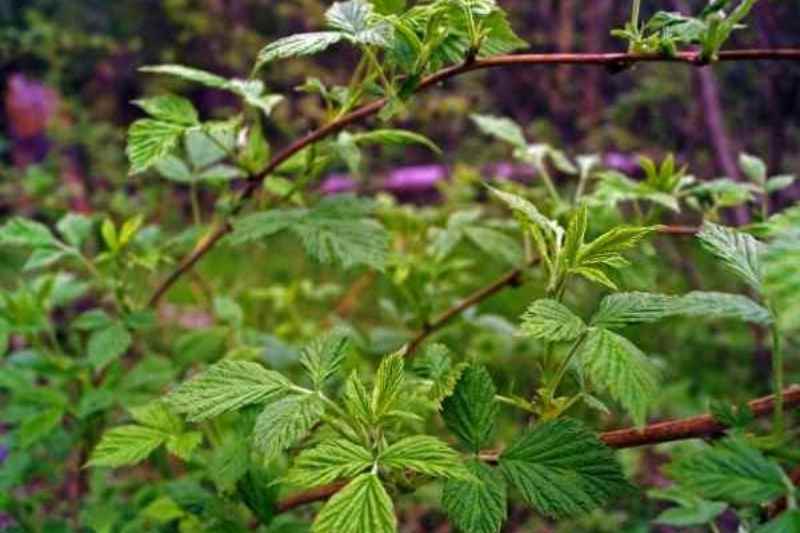
When to harvest raspberry leaves?
Raspberry leaves are harvested as needed, preferably in spring or at the very beginning of summer, depending on the variety, before the flowers open.
The ideal time to pick them is in the morning, once the dew has evaporated and before the sun becomes too strong. The leaves will then have a more concentrated flavour.
Always choose young, tender and healthy leaves that are smooth, deep green and free from blemishes (holes, deformities, etc.). Check the undersides carefully to make sure there are no insects or eggs.
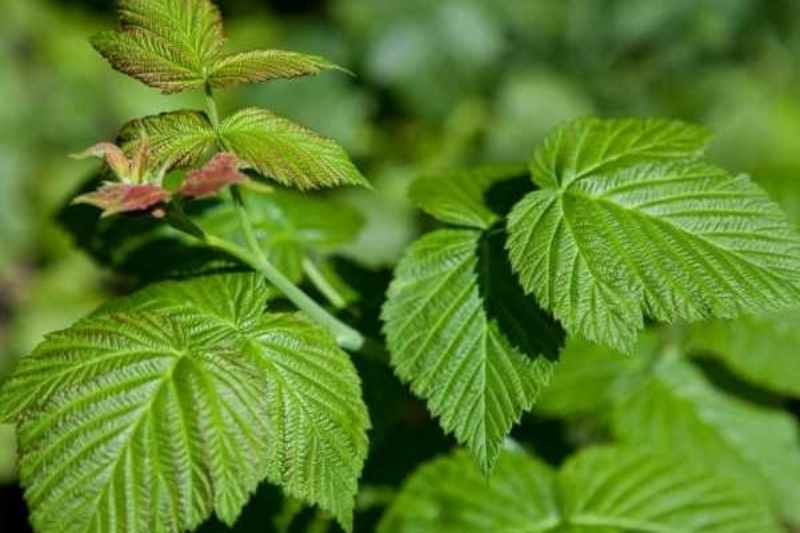
Pick your young raspberry leaves while they are fresh
How do you dry raspberry leaves?
After harvesting, wash the raspberry leaves in clean water and dry them in a tea towel, to remove as much water as possible and make drying easier.
Natural air drying
This method can take a little while, but it is easy and economical. Natural drying also helps preserve as many of the plant’s benefits as possible.
- Lay the leaves flat, without overlapping, on a drying rack, a crate or any other support that allows air to circulate freely.
- Place everything in a dry, well-ventilated and dark place, away from direct sunlight, as UV rays can damage the leaves and their nutrients.
- After a few days or weeks, depending on the humidity level and the ambient temperature, the leaves will start to wilt. Drying is complete when they are brittle and crumble between your fingers.
- Grind the leaves until you obtain a powder, using a blender or simply crushing them with a spoon or in a mortar.
Oven drying: quick, but energy-consuming
This method is simple and quick, but it uses energy and does not guarantee that the plant’s properties will be preserved.
The leaves can be dried in the oven at a low temperature for a few minutes, spreading them out on a baking tray (conventional oven) or between 2 sheets of absorbent paper (microwave).
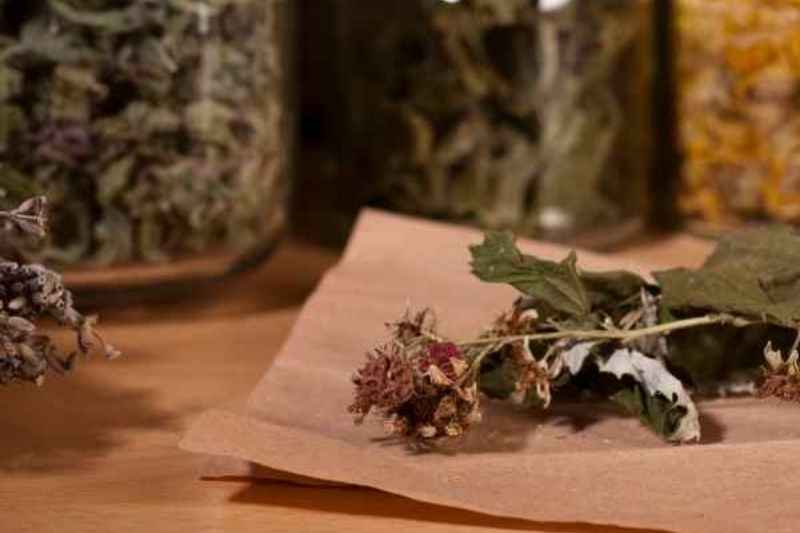
Storing raspberry leaves after drying
Dried raspberry leaves should be stored in airtight containers such as glass jars or metal or plastic boxes. Remember to clean and dry them thoroughly beforehand.
Store them for up to approximately 1 year, in a dry place away from light.
Using dried raspberry leaves
Raspberry leaves are used to make delicious herbal teas. Their flavour is not like that of the fruit, but is more reminiscent of a strong, fruity black tea, such as Earl Grey. The advantage is that the drink contains no caffeine.
To make raspberry leaf herbal tea:
- put 2 teaspoons of chopped leaves into a cup of boiling water (25cl of water), then leave to infuse for 5 to 10 minutes
- strain the mixture if you have not used a tea ball or tea strainer
- you can add lemon for extra antiseptic properties and honey for its benefits and sweetness
- drink 1 to 4 cups at any time of day
An economical and beneficial drink. Pair it with sage, another plant recognised for its beneficial effects on the female cycle, hibiscus or rosehip.

Herbal tea made from dried raspberry leaves and thyme
The benefits
Raspberry leaves are said to have been used by Native American women to treat women’s ailments and discomfort throughout their lives, from puberty to the menopause (hormonal balance, the menstrual cycle, fertility, childbirth, etc.).
Like raspberries, raspberry leaves are rich in vitamins (A, C and E) and minerals (iron, magnesium, potassium, calcium and phosphorus). They are therefore said to have anti-inflammatory, astringent, antispasmodic and tonic properties, as well as supporting the immune system.
Their effects are said to be beneficial in cases of:
- menstrual pain and PMS (premenstrual syndrome)
- urination problems
- hormonal imbalance
- fertility problems
- childbirth
- respiratory infection (cold, flu, bronchitis, etc.)
- sore throats
- intestinal problems
Consuming raspberry leaves does not cause any side effects, but in the case of pregnancy or for breastfeeding women, it is best to seek advice from a healthcare professional.

































Comments