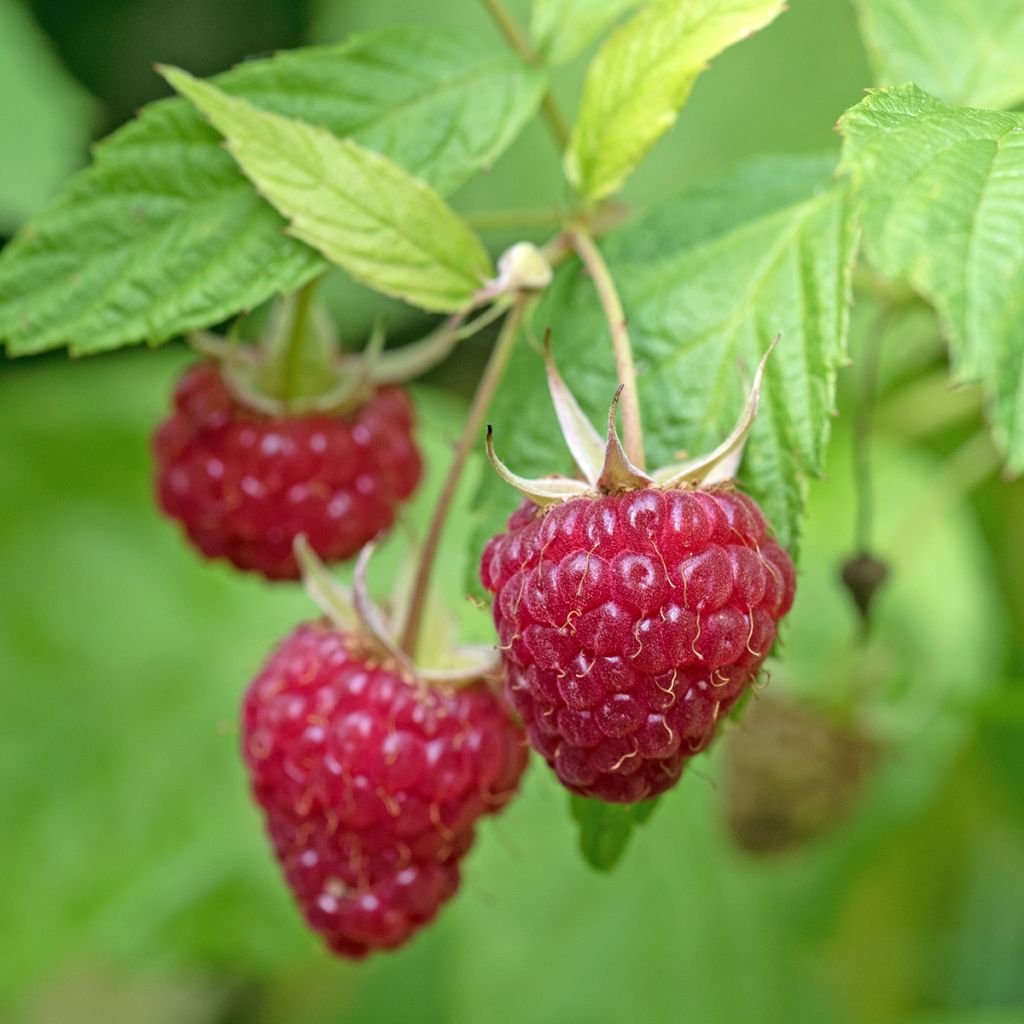
Rubus idaeus 'Lucky Berry'
Rubus idaeus 'Lucky Berry'
Rubus idaeus Lucky Berry®
Raspberry
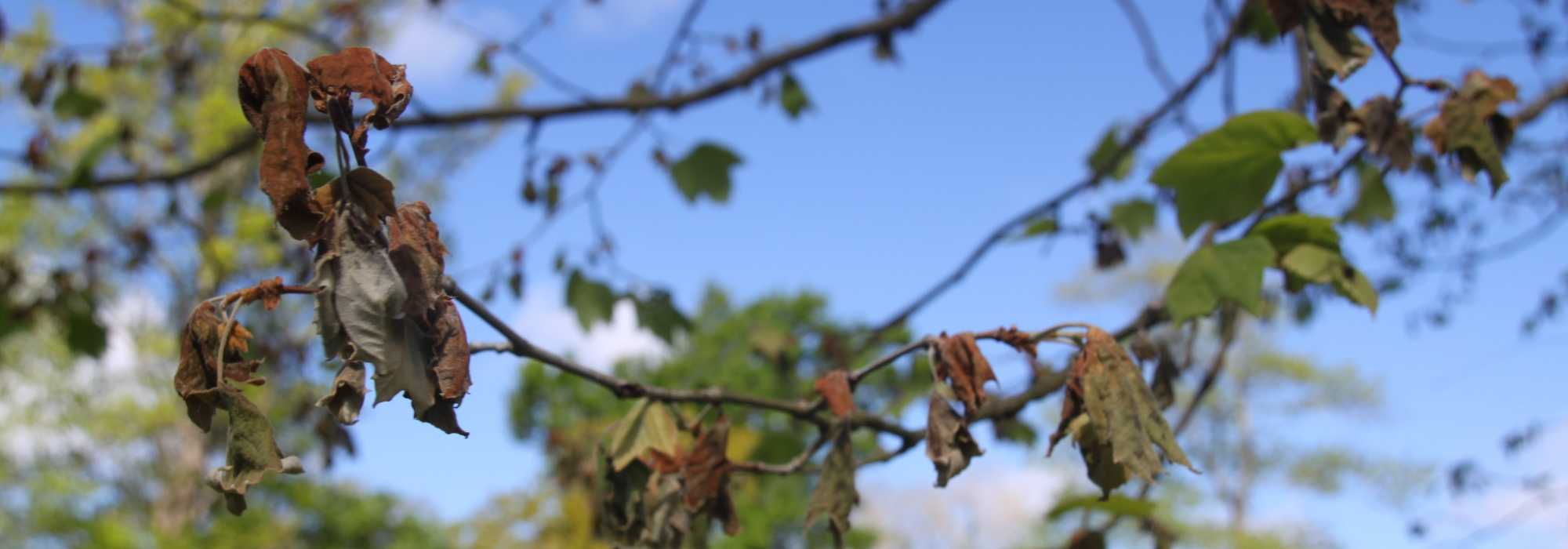
Unfortunately, the plant I received at the end of November got frozen.
Estelle, 27/01/2025
Back-to-school special offer!
Get €10 off for every €50 you spend! And get up to €40 off on a single order.
How does it work?
1. Shop your favourites
Add your favourite plants to your basket. For every €50 you spend (excluding delivery charges, store credit and the plastic-free option), you’ll receive a €10 voucher.
€50 spent = €10 voucher
€100 spent = €20 voucher
€150 spent = €30 voucher
€200 spent = €40 voucher
2. Place your order
Once your basket reaches one of the spending thresholds, place your order. You can even choose your delivery date!
3. Receive your voucher
As soon as your order has been shipped, you’ll receive an email containing your personal voucher code and its value.
4. Use it on your next order
Your voucher is valid for 90 days from the date you receive it. It can be used once only, on a new order worth at least the value of the voucher, excluding delivery charges.
Please note: Vouchers can be combined with other offers, but cannot be split or refunded.
Home or relay delivery (depending on size and destination)
Important: You may be charged customs duties by your country’s customs authorities upon delivery.
Schedule delivery date
and select date in basket
This plant carries a 12 months recovery warranty
More information
We guarantee the quality of our plants for a full growing cycle, and will replace at our expense any plant that fails to recover under normal climatic and planting conditions.

Description
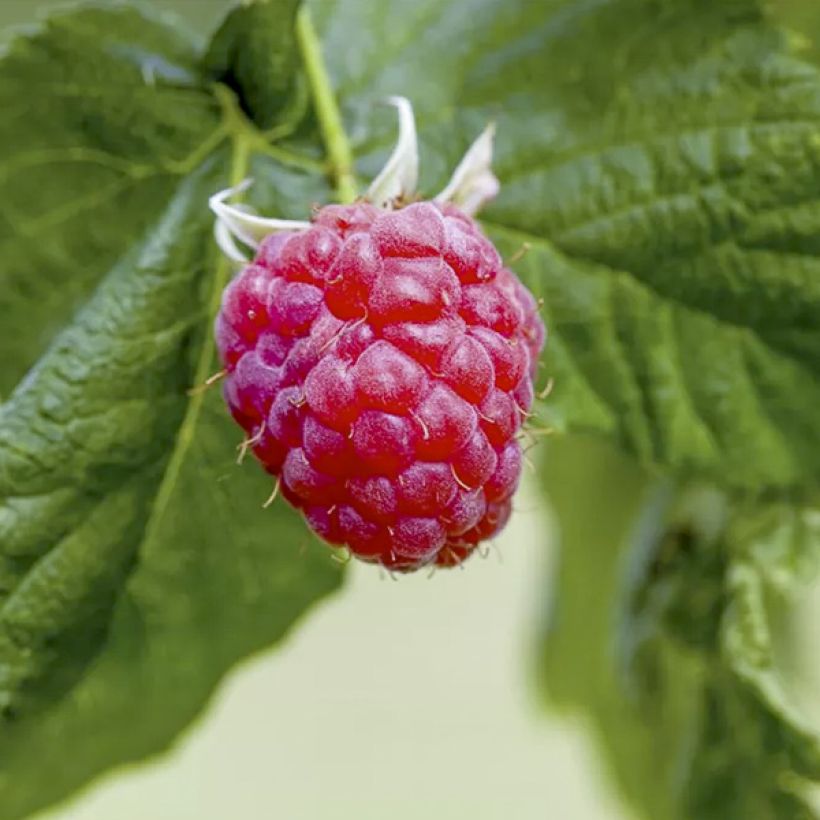
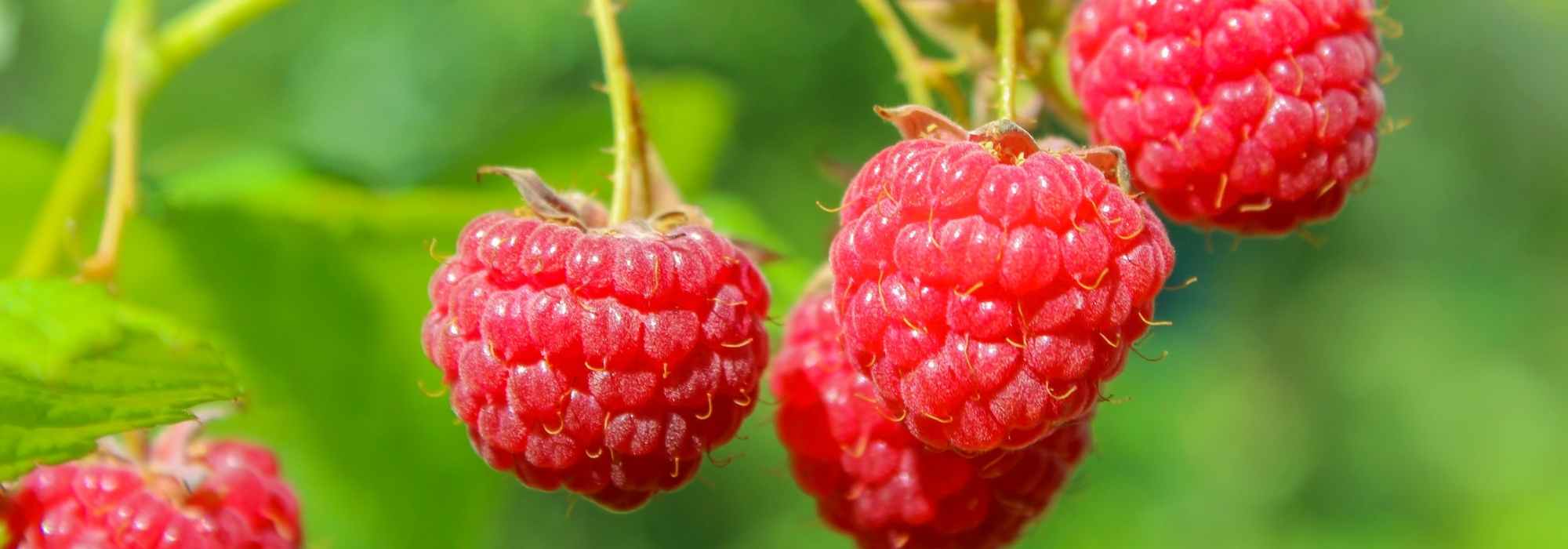
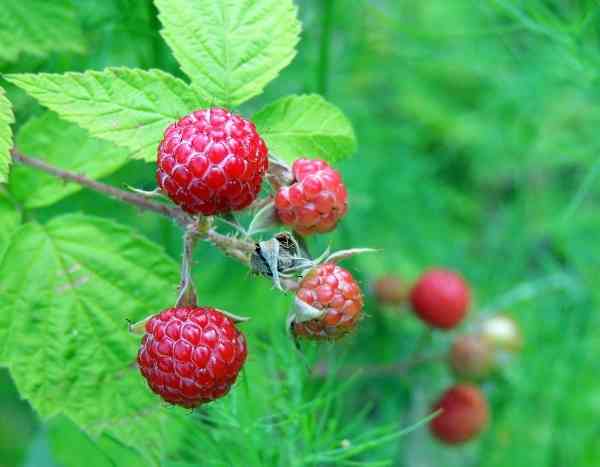
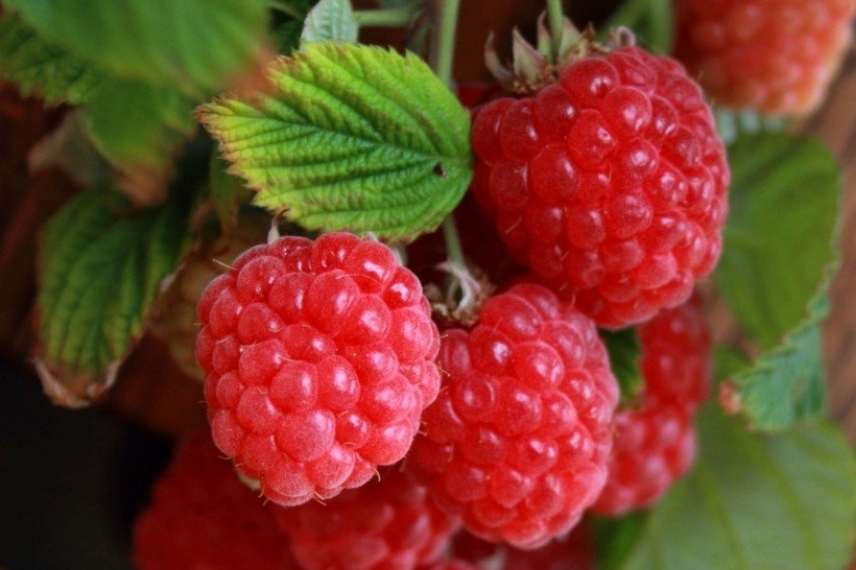
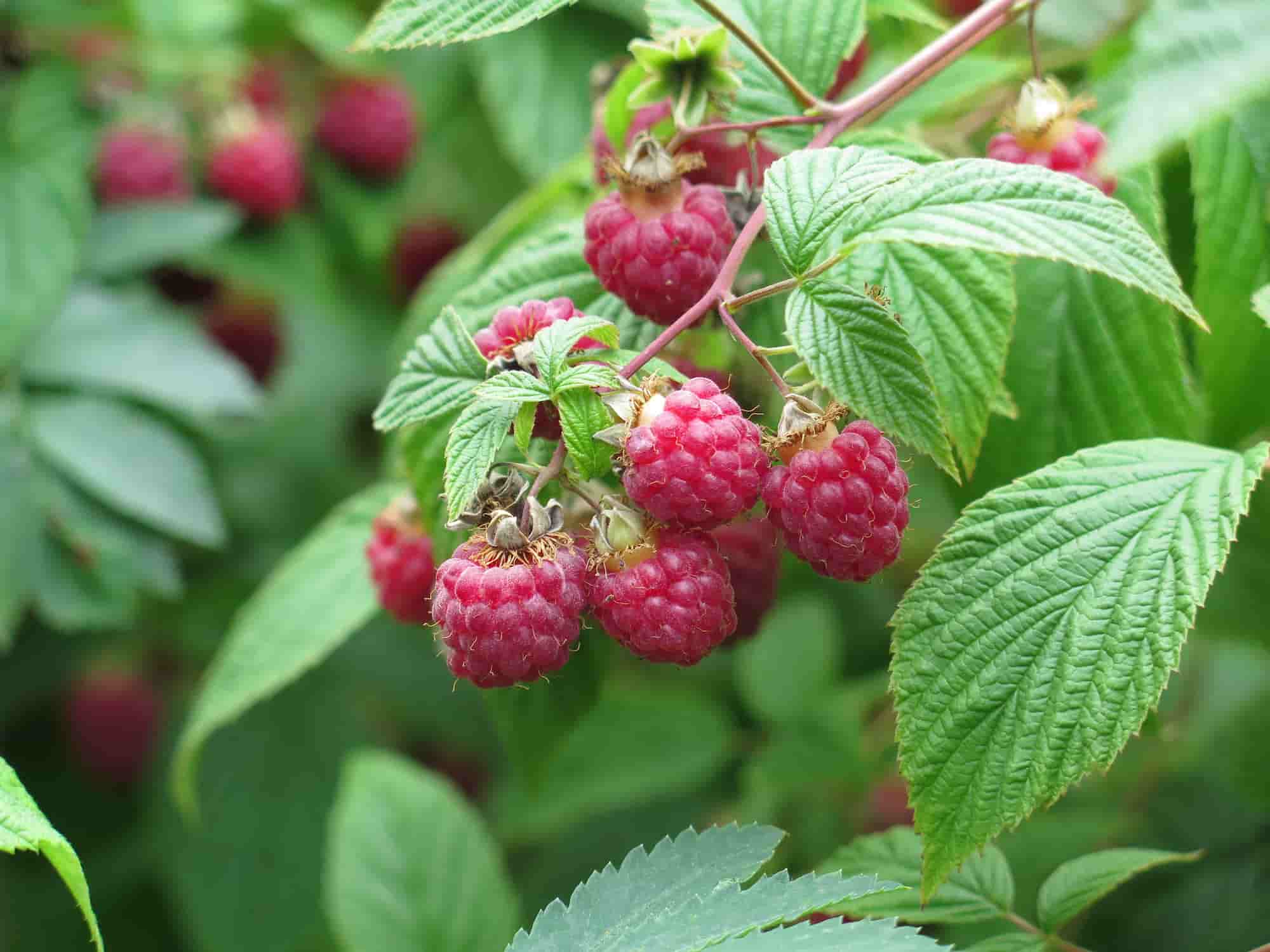
The 'Lucky Berry' Raspberry is a new variety with a dwarf and compact habit, highly productive with a regular harvest spread over 4 months, starting from the first year. The plant is covered in decorative white flowers that attract bees in May, June, and July. This everbearing variety produces beautiful raspberries from July to October, approximately 1.5 cm (1in) in diameter, with a conical shape, rich in fibre, potassium, and iron. It is a self-fertile variety that can self-pollinate, but combining it with other raspberry varieties will enhance production by spreading the harvest and diversifying flavours and culinary uses. It requires a sunny or partially shaded location with rich, deep, and acidic soil. Hardy (down to -20°C), resistant to diseases, it is easy to grow and requires little maintenance. Planting is recommended in autumn or spring for regions with cold or humid winters.
The Rubus idaeus, commonly known as the Raspberry, is native to Europe and temperate Asia and belongs to the Rosaceae family, like strawberries, blackberries, and roses. It grows in cool climates paired with plants such as mountain ash, elderberry, or beech in its original habitat, forming a symbiotic relationship. The optimal production starts in the third year after planting. The lifespan of a raspberry plant is about ten years. Two categories of raspberries can be distinguished: everbearing varieties that provide a harvest from July-August until the first frost and non-everbearing varieties that have an abundant harvest in June-July.
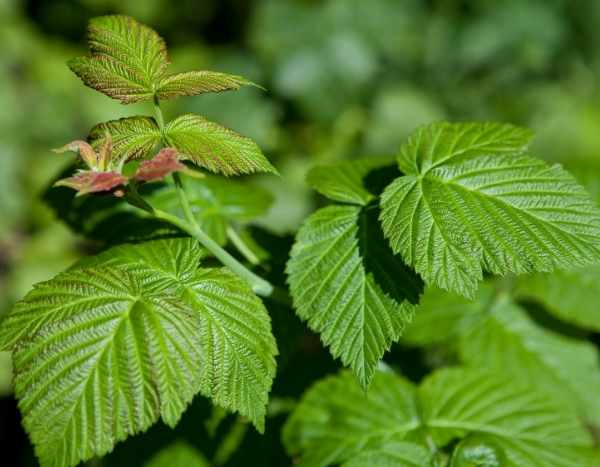
The Rubus idaeus 'Lucky Berry' is part of a highly innovative range of fruit plants distributed under the Lucky Berry brand. It complements a collection that includes blueberries, strawberries, blackberries, and fig trees. All of them have been selected for their long harvest period, high yield, sweet and juicy fruits, and compact growth suitable for container cultivation, as well as their resistance to winter and diseases. This raspberry variety forms a bushy shrub with a very compact habit, reaching a height of 80 cm (32in) and a spread of 60 cm (24in). Its deciduous foliage is carried on upright stems, developing from a moderately suckering perennial stump. The canes are biennial, each one dying after fruiting. New canes emerge from the roots every year, armed with small, prickly pricks. The Raspberry has green leaves on the upper side, whitish-green and hairy on the underside. The flowering is highly attractive to bees. The white flowers, 1 to 2 cm (0 to 1in) in diameter, are grouped in small clusters of 10 to 12. They appear from April-May, and the flowering period extends until August. The fruits are formed by small aggregated drupes that are easy to detach when ripe.
The Lucky Berry Raspberry can be grown in pots or hanging baskets on a balcony, terrace, or in a small garden. It can also be planted in a vegetable garden, orchard, or as an accent plant in a decorative garden. In any case, this Raspberry will find a special place alongside other small fruit varieties. This everbearing variety offers the advantage of a staggered harvest for various uses. Raspberries are delicate fruits that need to be carefully picked. They can be lightly washed with water and are best stored in the refrigerator. Harvesting is easy, and it is very enjoyable either to eat the fruits on the spot or to pick them for a variety of culinary uses such as sorbets, coulis, jams, tiramisu, crumbles, puddings, etc., not forgetting the traditional Raspberry Tart. Low in calories but rich in minerals (calcium, magnesium, iron), vitamins C and K, fiber, and antioxidants, raspberries contribute to a balanced diet.
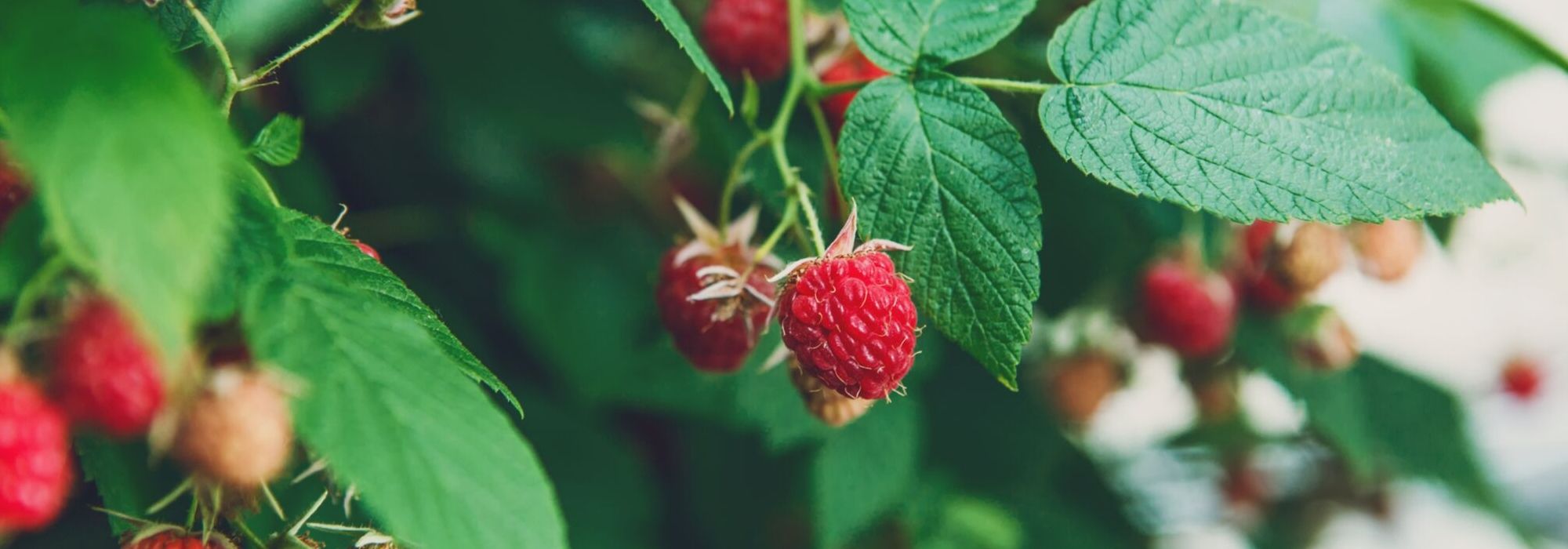
Rubus idaeus 'Lucky Berry' in pictures
Plant habit
Fruit
Flowering
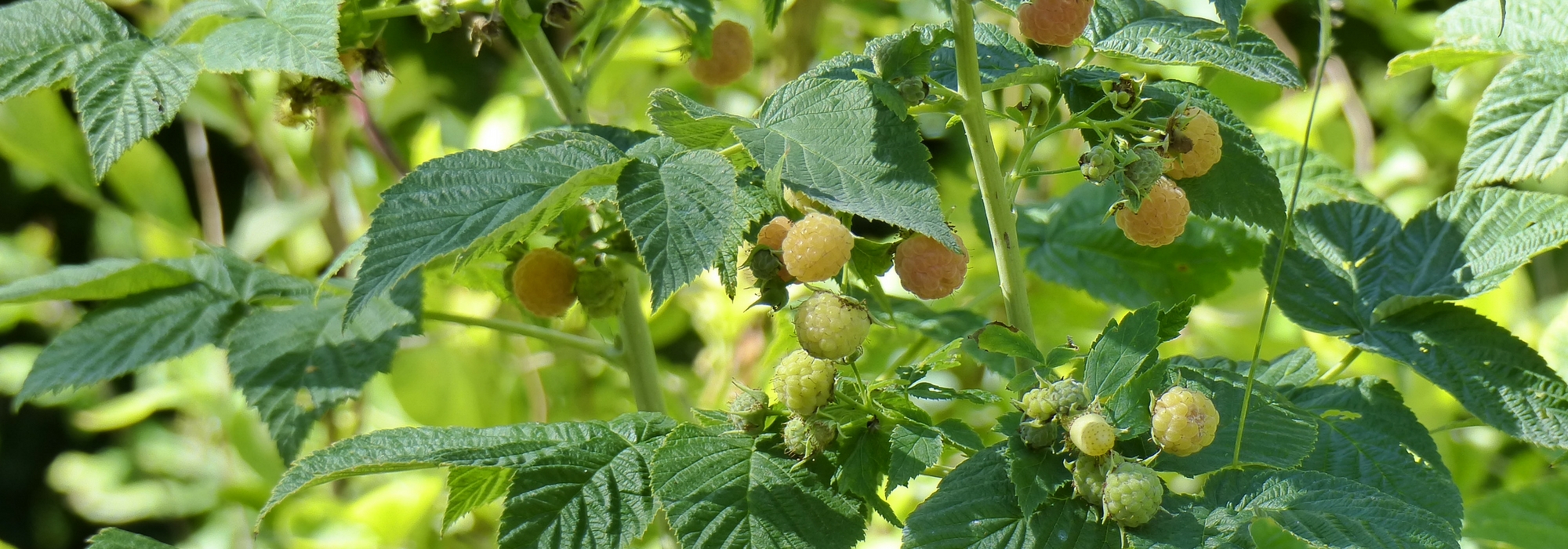
Foliage
Botanical data
Rubus
idaeus
Lucky Berry®
Rosaceae
Raspberry
Cultivar or hybrid
Planting and care
The 'Lucky Berry' Raspberry prefers humus-rich soils that retain moisture, even in summer, without too much limestone. It appreciates partially shaded but bright exposures. It will tolerate the sun well in cooler climates, while in warmer regions, it will prefer partial shade. Plant it from October to March in ordinary soil enriched with compost and well-rotted manure.
Plant the seedlings every 60 cm (24in) in rows spaced 1 m (3ft) apart. When planting, the collar should be level with the ground. Training them with wire stretched between stakes or on a trellis is advisable.
Water regularly to promote root establishment in the first year of planting. During periods of high heat or prolonged drought, provide additional water. Weed the surface, especially at the beginning of planting, and apply mulch to maintain moisture in summer.
For pot cultivation: use a mixture of compost and potting soil, creating a drainage layer at the bottom of the container. Feed your raspberry plant with compost or fruit fertiliser and water regularly to keep the substrate slightly moist but not waterlogged.
The Raspberry can be susceptible to various diseases if the growing conditions are not optimal (raspberry anthracnose, raspberry rust, powdery mildew, grey mould in rainy periods, or Botrytis). The damage observed in cultivation is due to poor climatic conditions, especially during cold springs that allow micro-fungi in the soil to infest the vegetation. To protect the plants, it is recommended to feed the raspberries with organic fertilisers that promote the multiplication of anaerobic bacteria in the soil, strengthening the soil's ability to stimulate its immune system. Raspberries can also be attacked by certain parasites such as raspberry worms, the larvae of a small beetle that lodges in the fruits without causing significant damage.
Raspberries easily multiply through suckers that grow near the base: remove them and replant them in another part of the garden if desired.
Planting period
Intended location
Care
Planting & care advice
-
-
-
-
-
-

-
-
-
, onOrder confirmed
Reply from on Promesse de fleurs
Recently viewed products
Haven't found what you were looking for?
Hardiness is the lowest winter temperature a plant can endure without suffering serious damage or even dying. However, hardiness is affected by location (a sheltered area, such as a patio), protection (winter cover) and soil type (hardiness is improved by well-drained soil).
In temperate climates, pruning of spring-flowering shrubs (forsythia, spireas, etc.) should be done just after flowering.
Pruning of summer-flowering shrubs (Indian Lilac, Perovskia, etc.) can be done in winter or spring.
In cold regions as well as with frost-sensitive plants, avoid pruning too early when severe frosts may still occur.
The harvesting period indicated on our website applies to countries and regions in USDA zone 8 (France, England, Ireland, the Netherlands).
In colder areas (Scandinavia, Poland, Austria...) fruit and vegetable harvests are likely to be delayed by 3-4 weeks.
In warmer areas (Italy, Spain, Greece, etc.), harvesting will probably take place earlier, depending on weather conditions.
The sowing periods indicated on our website apply to countries and regions within USDA Zone 8 (France, UK, Ireland, Netherlands).
In colder areas (Scandinavia, Poland, Austria...), delay any outdoor sowing by 3-4 weeks, or sow under glass.
In warmer climes (Italy, Spain, Greece, etc.), bring outdoor sowing forward by a few weeks.
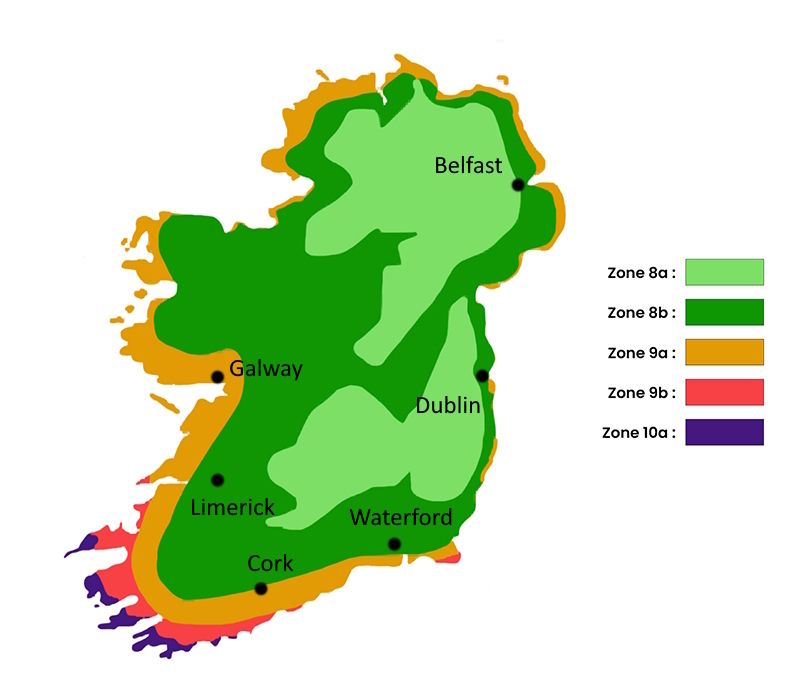
The planting period indicated on our website applies to regions in USDA Zone 9a (East Coast and Midlands: Dublin, Wexford, Waterford, Kilkenny, Portlaoise). It will vary depending on where you live:
- On the west coast and in the north-west (Galway, Limerick, Sligo, Donegal, Westport), delay planting by 1 to 2 weeks in spring and bring it forward by 1 to 2 weeks in autumn compared to the dates given, preferably choosing periods without strong winds.
- In the inland hills and plateaus (Wicklow Mountains, Macgillycuddy’s Reeks, Connemara, Killarney), it is best to plant in spring (April–May) or autumn (September–October), avoiding periods of waterlogged soil in winter and strong winds, which pose the main risk to newly planted trees in these areas.
The flowering period indicated on our website applies to regions in USDA Zone 9a, such as the East Coast and Midlands, including Dublin, Wexford, Waterford, Kilkenny and Portlaoise.
This will vary depending on where you live:
- On the west coast and in the northwest (Galway, Limerick, Sligo, Donegal and Westport), it will be delayed by one to two weeks compared to the given dates, due to stronger Atlantic winds and less spring sunshine.
- In the inland hills and plateaus (the Wicklow Mountains, the Macgillycuddy's Reeks, Connemara and Killarney), flowering will be delayed by two to three weeks. Flowering mainly occurs between May and July, with the limiting factors being less frost and more of the excessive humidity, strong winds and lack of sunshine that are characteristic of these areas.
Shipping country and language
Your country of residence may be:
Your country of residence is:
For a better user experience on our website, you can select:
Your shipping country:
-
 Austria
-
 Belgium
-
 Bosnia & Herzegovina
-
 Bulgaria
-
 Croatia
-
 Cyprus
-
 Czechia
-
 Denmark
-
 Estonia
-
 Finland
-
 France
-
 Germany
-
 Greece
-
 Hungary
-
 Iceland
-
 Ireland
-
 Italy
Italy
-
 Latvia
-
 Liechtenstein
-
 Lithuania
-
 Luxembourg
-
 Malta
Malta
-
 Netherlands
-
 Poland
-
 Portugal
-
 Romania
-
 Serbia
-
 Slovakia
-
 Slovenia
-
 Spain
Spain
-
 Sweden
-
 Switzerland
Language:
-
French
-
 English
-
Spanish
-
Italian
-
German
-
Portuguese
-
Dutch
-
Finnish
My Account
Hello
My wish lists
My cart
Log in / Register
Existing customer?
This form is protected by reCAPTCHA - the Google Privacy Policy and Terms of Service apply.
New customer?
Create an account to track your orders, access our customer service and, if you wish, make the most of our upcoming offers.