Juglans cinerea - Butternut
Juglans cinerea - Butternut
Juglans cinerea - Butternut
Juglans cinerea - Butternut
Juglans cinerea - Butternut
Juglans cinerea - Butternut
Juglans cinerea - Butternut
Juglans cinerea
White walnut, Butternut
Back-to-school special offer!
Get €10 off for every €50 you spend! And get up to €40 off on a single order.
How does it work?
1. Shop your favourites
Add your favourite plants to your basket. For every €50 you spend (excluding delivery charges, store credit and the plastic-free option), you’ll receive a €10 voucher.
€50 spent = €10 voucher
€100 spent = €20 voucher
€150 spent = €30 voucher
€200 spent = €40 voucher
2. Place your order
Once your basket reaches one of the spending thresholds, place your order. You can even choose your delivery date!
3. Receive your voucher
As soon as your order has been shipped, you’ll receive an email containing your personal voucher code and its value.
4. Use it on your next order
Your voucher is valid for 90 days from the date you receive it. It can be used once only, on a new order worth at least the value of the voucher, excluding delivery charges.
Please note: Vouchers can be combined with other offers, but cannot be split or refunded.
Home or relay delivery (depending on size and destination)
Important: You may be charged customs duties by your country’s customs authorities upon delivery.
Schedule delivery date,
and select date in basket
This plant carries a 12 months recovery warranty
More information
We guarantee the quality of our plants for a full growing cycle, and will replace at our expense any plant that fails to recover under normal climatic and planting conditions.
Description
Butternut (Juglans cinerea) is a beautiful fruit tree native to North America. It is a cousin of our common walnut. Like the latter, it bears deciduous compound leaves and produces flavourful walnuts. With its broad silhouette and sturdy trunk, it finds its place in large gardens. Appreciated both for its generous shade and its oil-rich nuts, this walnut tree also offers light-coloured wood prized in carpentry. Hardy down to -30 °C, it is an excellent ally for biodiversity, particularly for squirrels and birds.
Butternut (Juglans cinerea), sometimes called white walnut or oilnut, belongs to the Juglandaceae family, like other walnut trees. Native to eastern North America, its range extends from southern Quebec and New Brunswick in Canada to northern Alabama and Arkansas in the United States, including regions such as Minnesota and Missouri. It prefers rich, moist, well-drained soils, often near watercourses. This species is typically found in mixed deciduous forests.
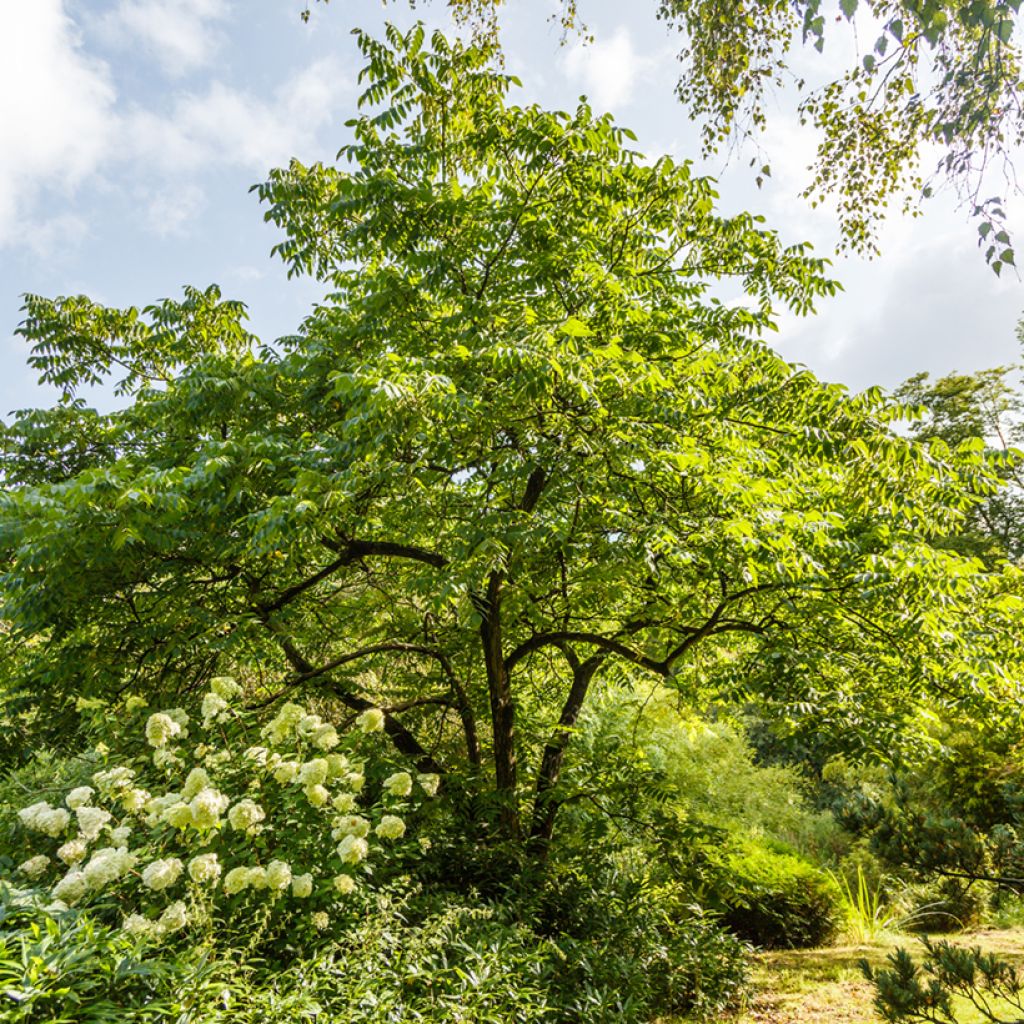
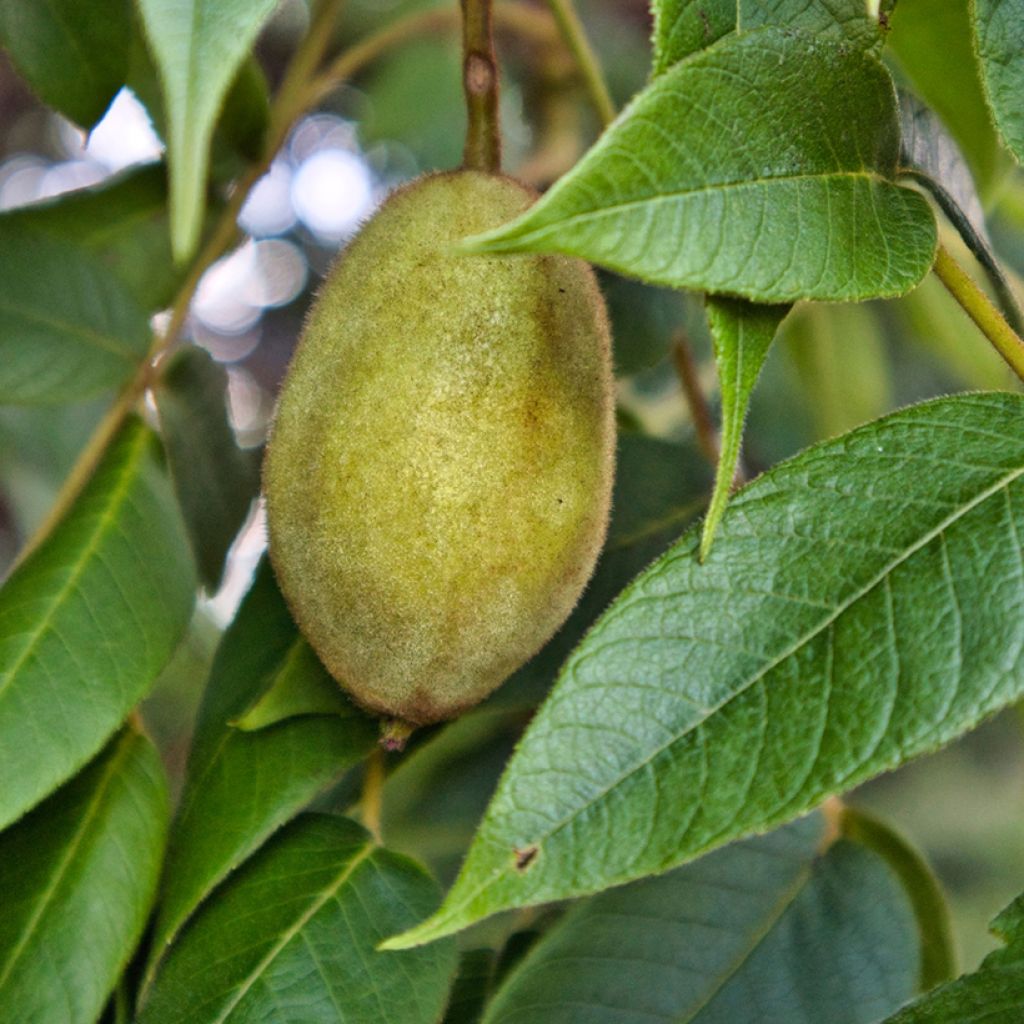
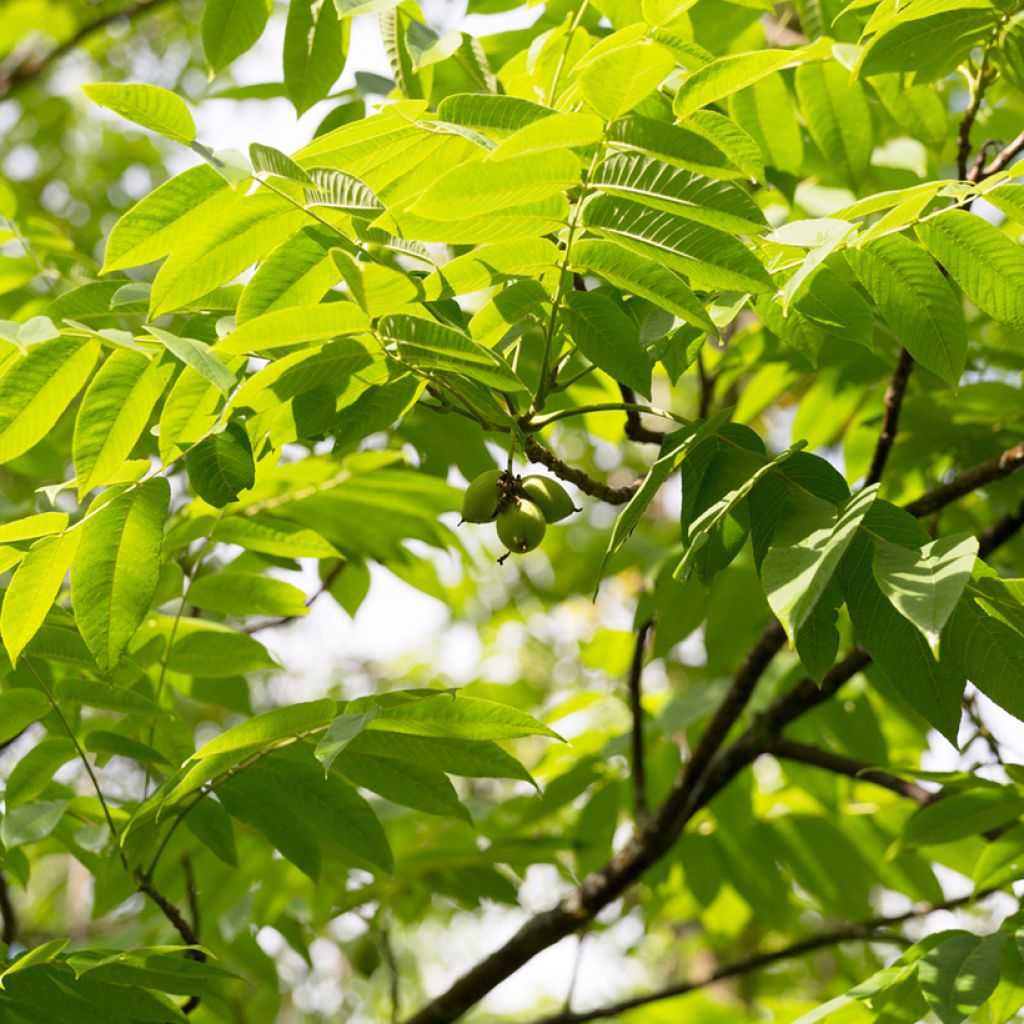
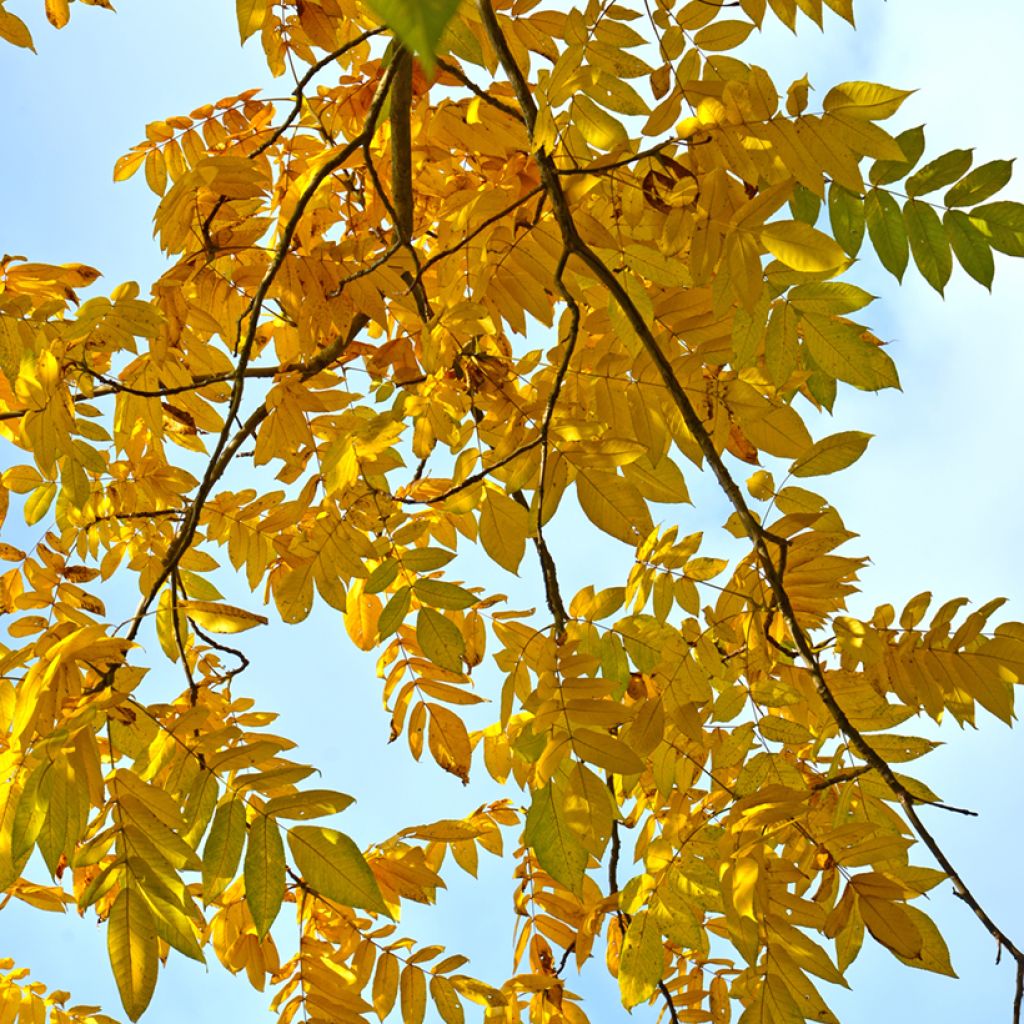
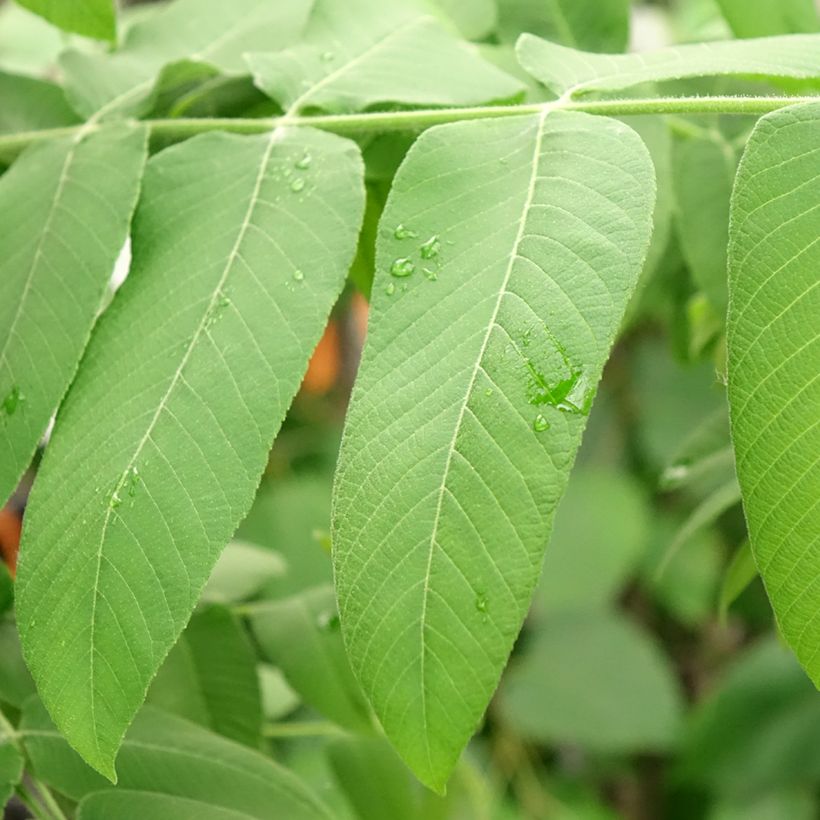
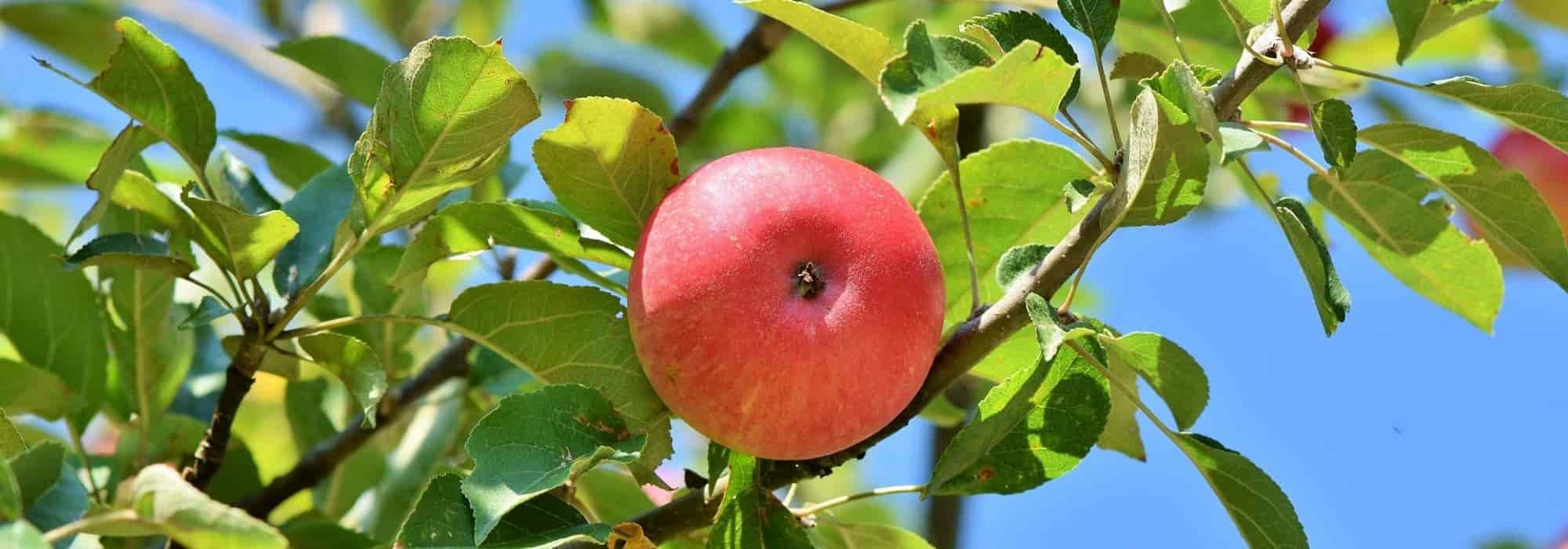
Juglans cinerea is a medium-sized deciduous tree, reaching 12 to 18 m in height, with a trunk diameter of up to 40 to 80 cm. Its bark is light grey, smooth in young specimens, becoming fissured with age. The compound and odd-pinnate leaves measure between 40 and 70 cm in length and consist of 11 to 17 oblong lanceolate leaflets, each measuring 5 to 10 cm in length and 3 to 5 cm in width. The foliage is downy, its yellowish-green hue is brighter than that of many other trees. In autumn, before falling, it turns a decorative golden yellow.
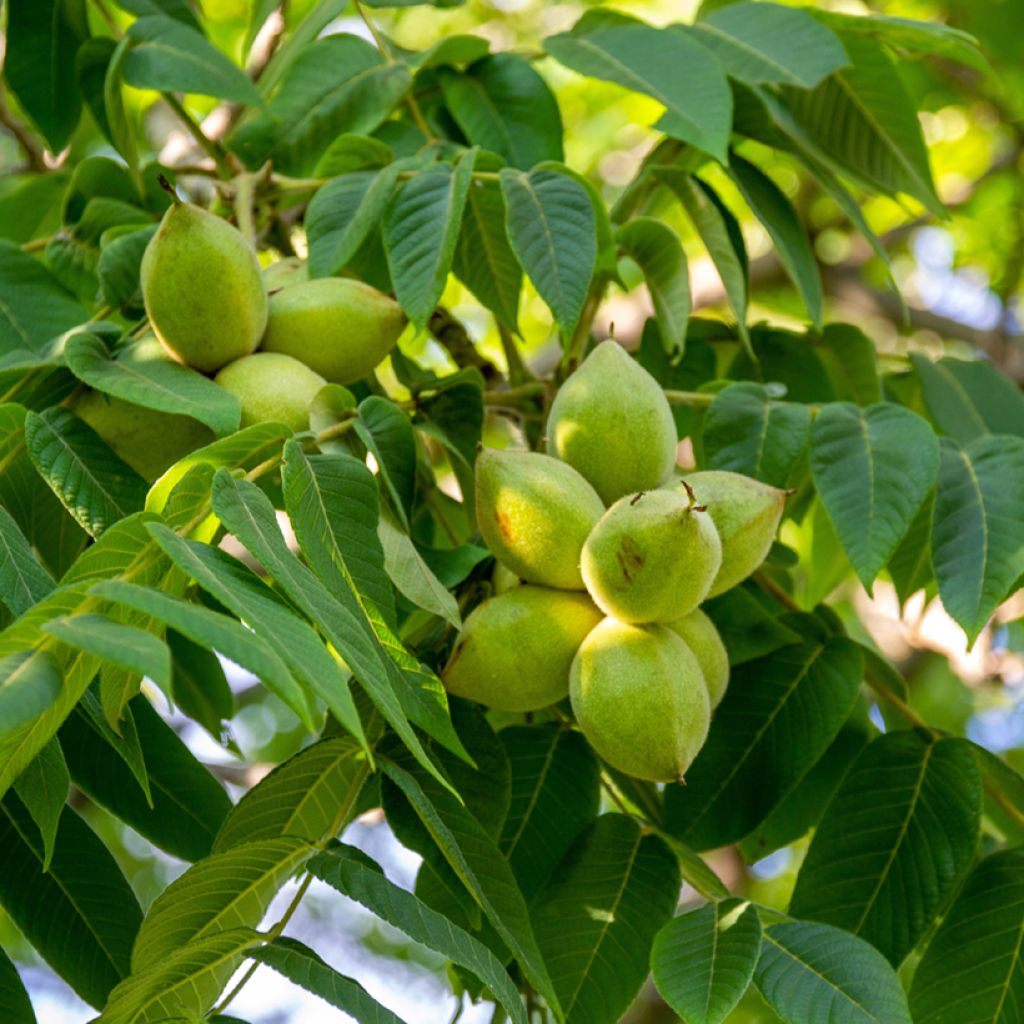
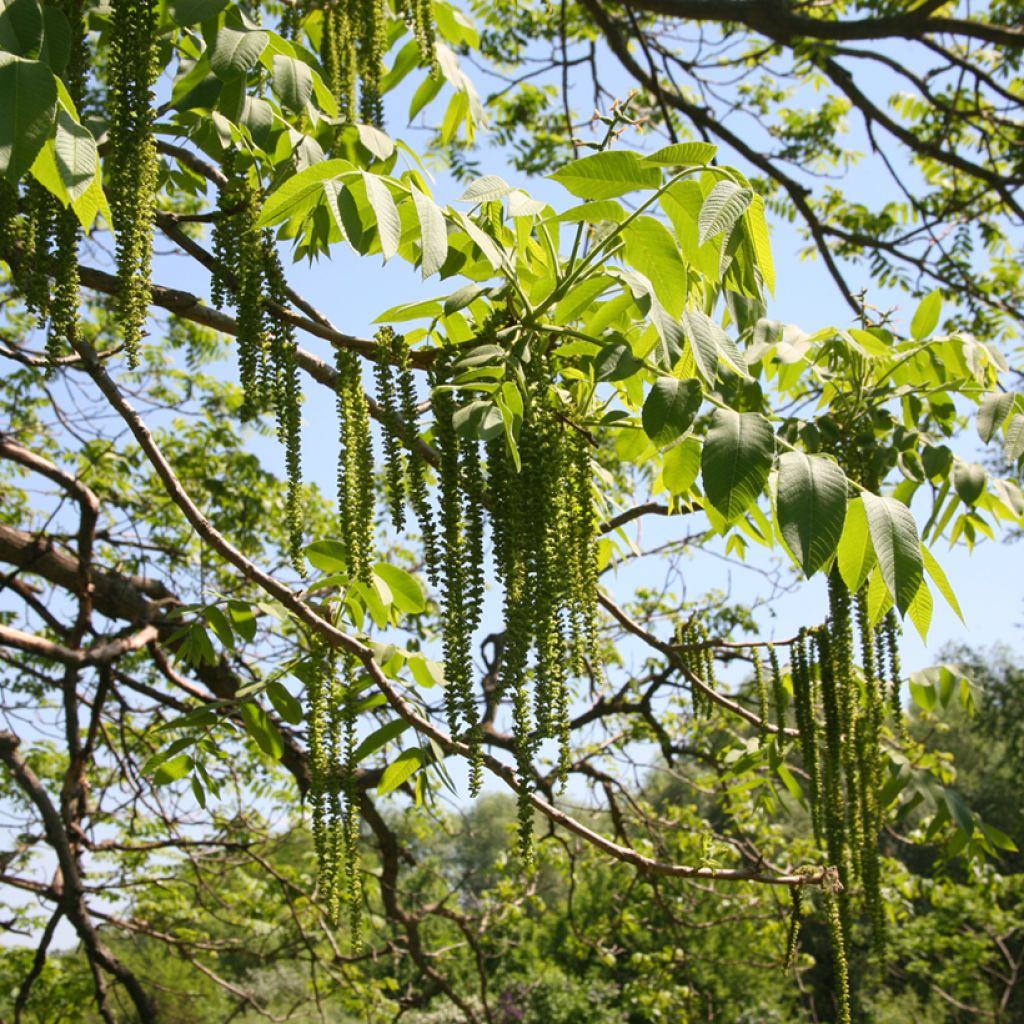
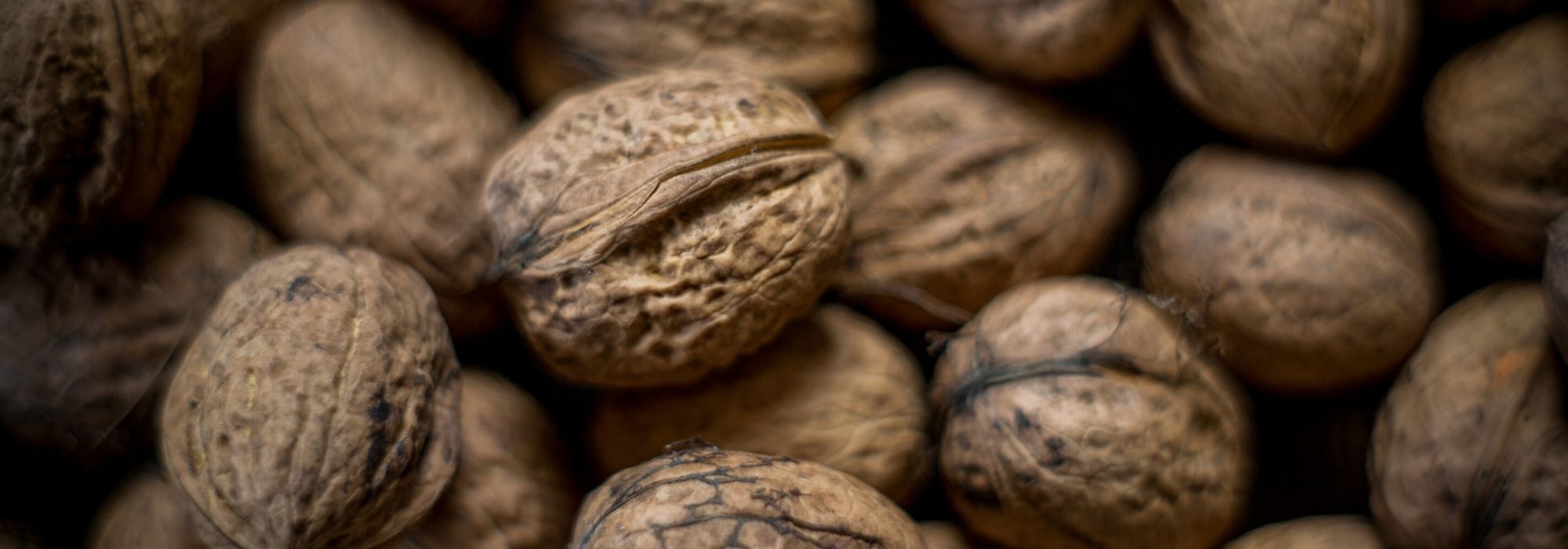
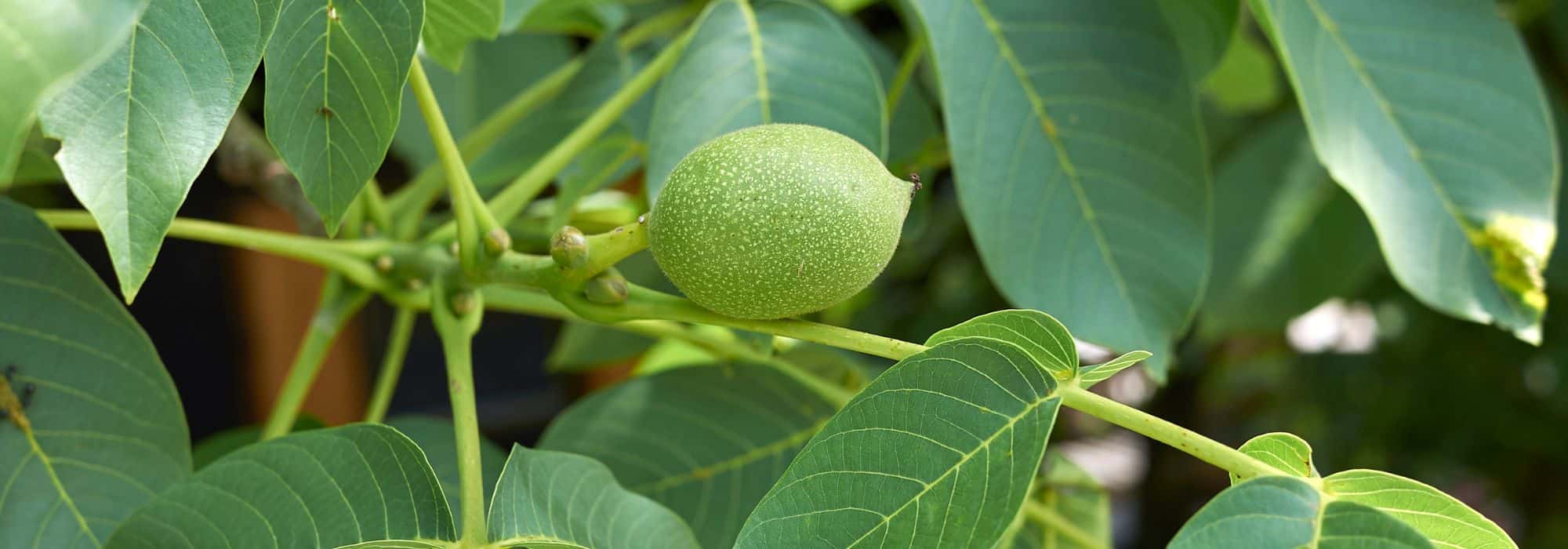
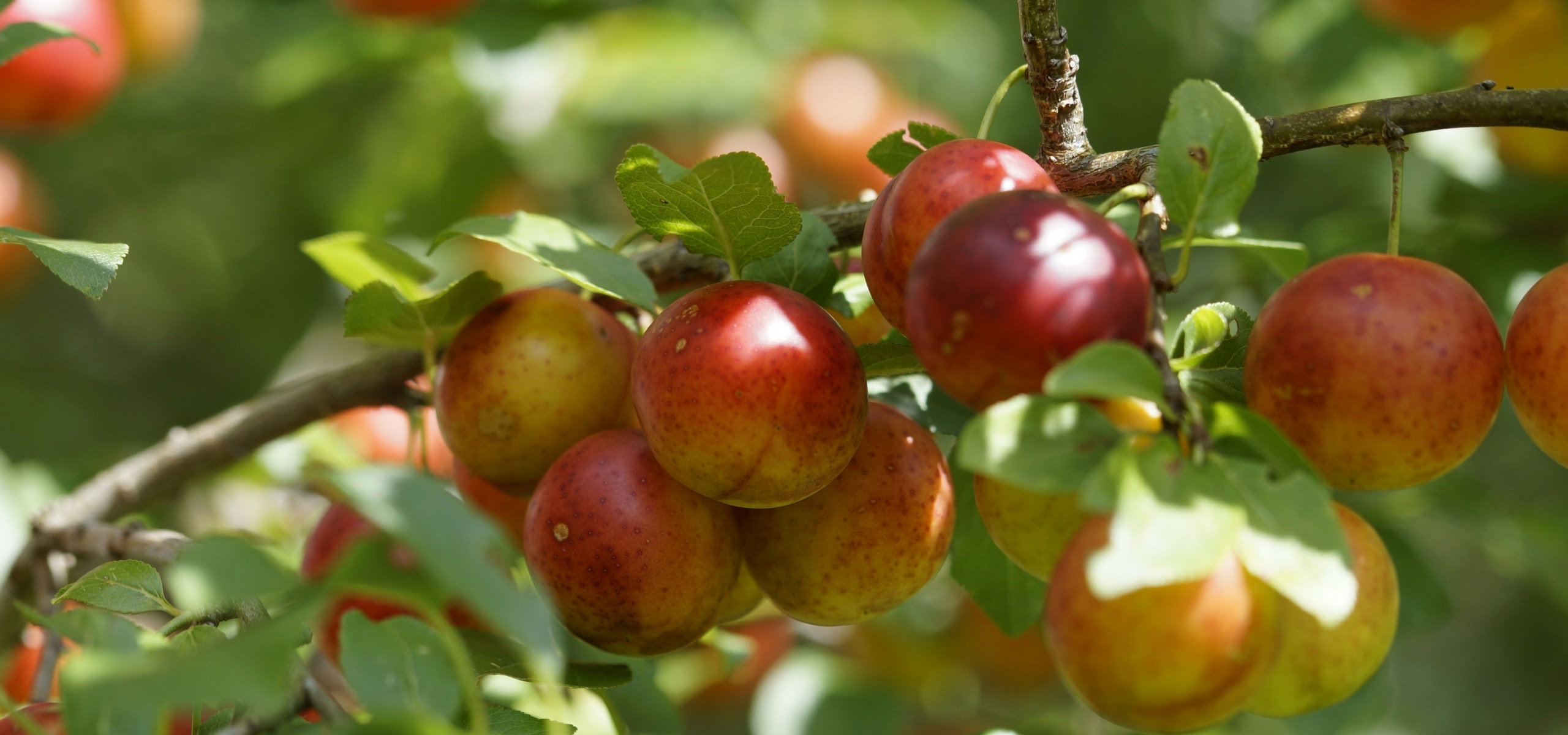
The butternut flowers in spring, usually in May or June. The tree is monoecious, bearing separate male and female flowers on the same individual. The male flowers appear as pendulous, cylindrical, yellowish catkins, between 5 and 10 centimetres in length, while the smaller female flowers appear in small clusters at the tips of the current year's shoots. The fruits are oblong walnuts, measuring 5 to 10 cm in length, encased in a sticky, downy green husk. When ripe, the husk splits to release the walnut, whose thick, grooved shell contains an edible seed with a rich, oily flavour.
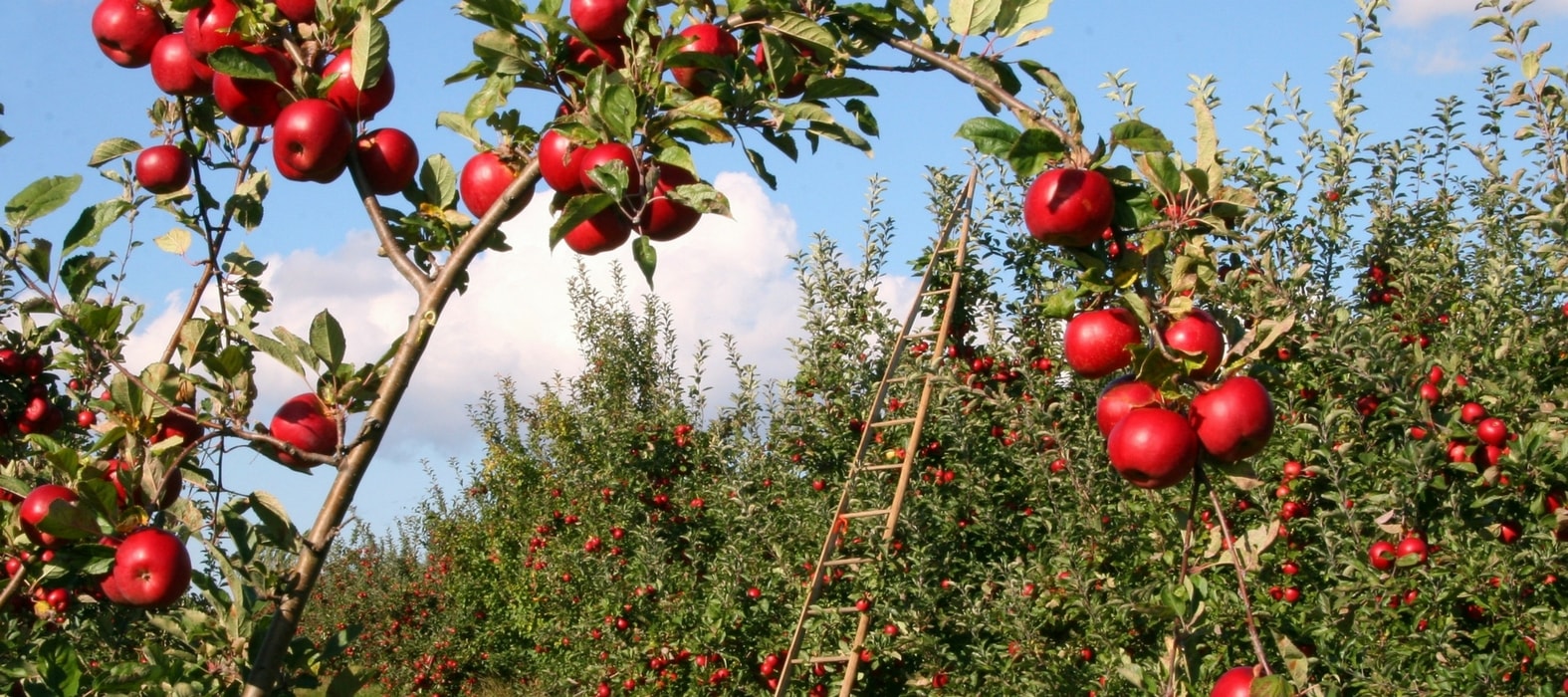
Butternut exhibits rather rapid growth, but its lifespan is short, rarely exceeding 80 years. Its habit is spreading, with an open, rounded crown. The branches are sturdy and widely spreading, giving the tree a majestic silhouette. This species is currently threatened by butternut canker, a fungal disease that has decimated many populations within its natural range.
The harvest: the walnuts are typically harvested in mid-September, when the ripe fruits fall naturally to the ground. The trees begin producing walnuts around 20 years of age, reaching peak production between 30 and 60 years. After harvesting, it is best to dry the walnuts with their husks (the outer covering) for about two months, until the husk turns black and can be easily rubbed off. Once the husk is removed, the walnuts can be eaten as they are or used in cooking; they impart a mild, slightly sweet flavour to dishes.
Storage: to preserve the walnuts, store them in an airtight container at a temperature between 0 and 5 °C, with a relative humidity of 80 to 90%. Under these conditions, the walnuts can be stored for at least two years.
Juglans cinerea - Butternut in pictures
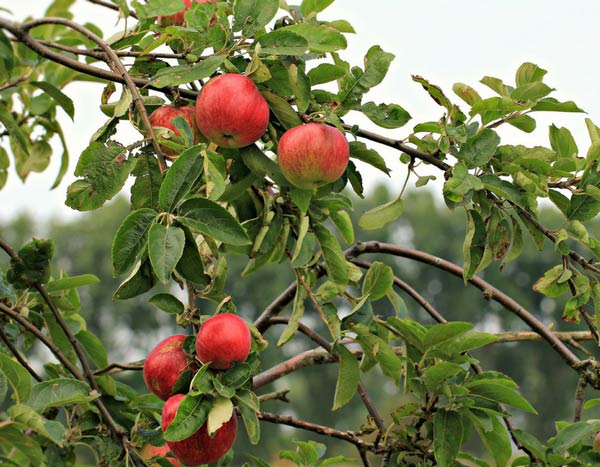
Plant habit
Fruit
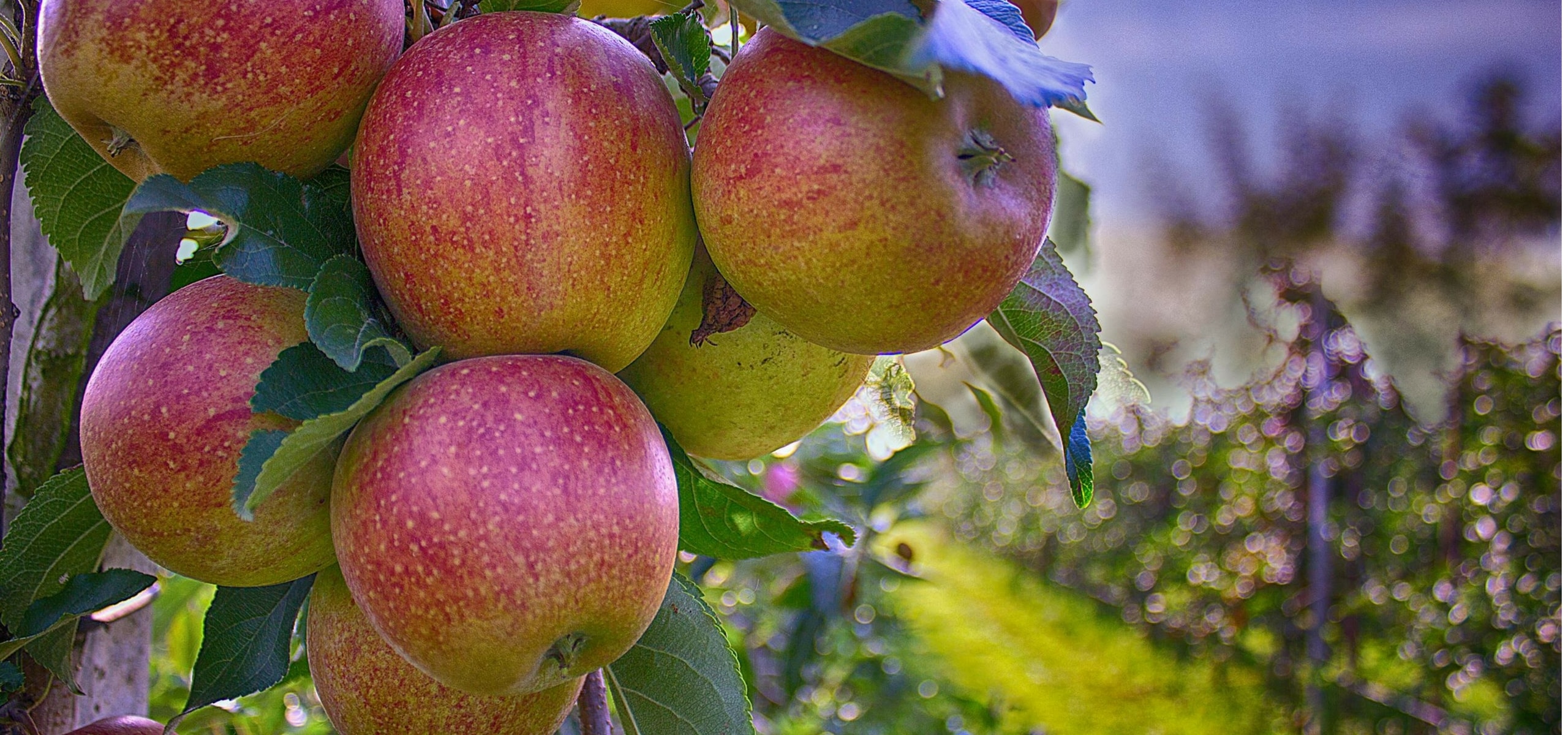
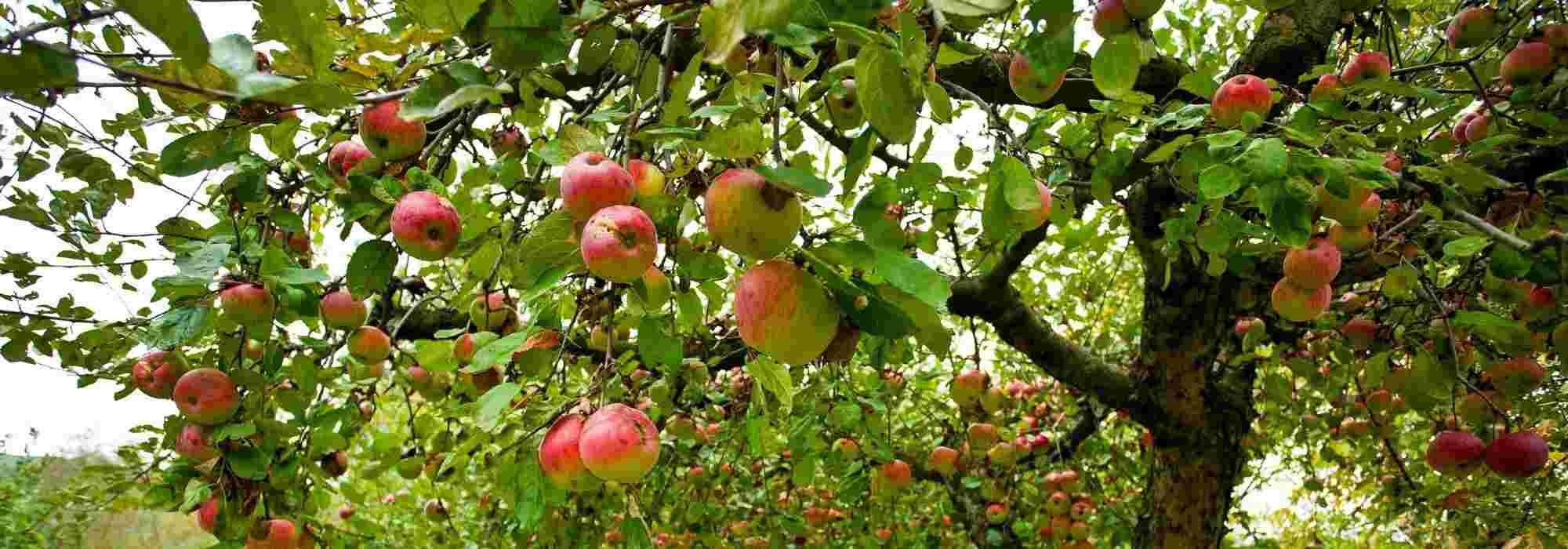
Flowering
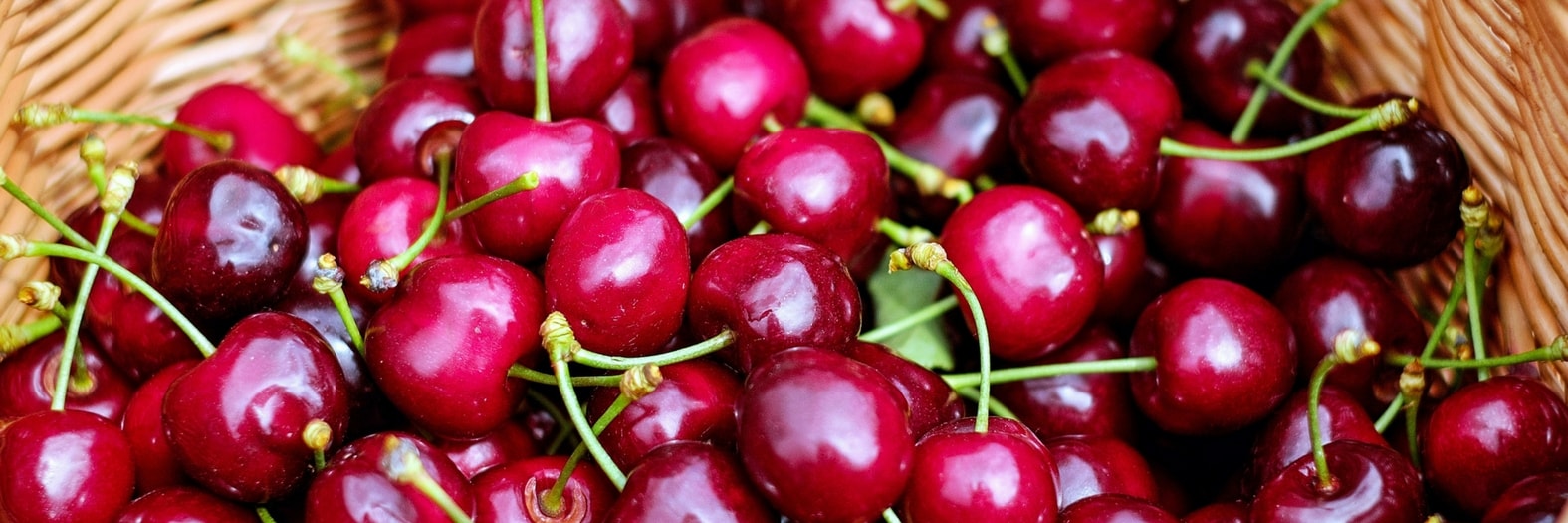
Foliage
Planting and care
To plant your butternut (Juglans cinerea), choose a sunny spot with well-drained, fertile soil, preferably slightly acidic to neutral (pH between 6 and 7). Dig a hole twice as wide as the tree's root ball to allow for good root development. Plant in autumn, ensuring the collar remains level with the soil. Water thoroughly after planting to settle the soil and eliminate air pockets. This walnut tree tolerates moist soils well but does not tolerate stagnant water.
Space trees at least 10 to 15 metres apart to prevent competition between roots and branches. An organic mulch around the base of the tree helps retain moisture and suppress weeds. Remember to protect young plants from rodents and deer. Finally, avoid drastic pruning, as the butternut dislikes heavy cutting. Remove dead or diseased branches to promote overall health.
Planting period
Intended location
Care
Planting & care advice
-
-
-
-
-
-
-
-
This item has not been reviewed yet - be the first to leave a review about it.
Recently viewed products
Haven't found what you were looking for?
Hardiness is the lowest winter temperature a plant can endure without suffering serious damage or even dying. However, hardiness is affected by location (a sheltered area, such as a patio), protection (winter cover) and soil type (hardiness is improved by well-drained soil).
In temperate climates, pruning of spring-flowering shrubs (forsythia, spireas, etc.) should be done just after flowering.
Pruning of summer-flowering shrubs (Indian Lilac, Perovskia, etc.) can be done in winter or spring.
In cold regions as well as with frost-sensitive plants, avoid pruning too early when severe frosts may still occur.
The harvesting period indicated on our website applies to countries and regions in USDA zone 8 (France, England, Ireland, the Netherlands).
In colder areas (Scandinavia, Poland, Austria...) fruit and vegetable harvests are likely to be delayed by 3-4 weeks.
In warmer areas (Italy, Spain, Greece, etc.), harvesting will probably take place earlier, depending on weather conditions.
The sowing periods indicated on our website apply to countries and regions within USDA Zone 8 (France, UK, Ireland, Netherlands).
In colder areas (Scandinavia, Poland, Austria...), delay any outdoor sowing by 3-4 weeks, or sow under glass.
In warmer climes (Italy, Spain, Greece, etc.), bring outdoor sowing forward by a few weeks.
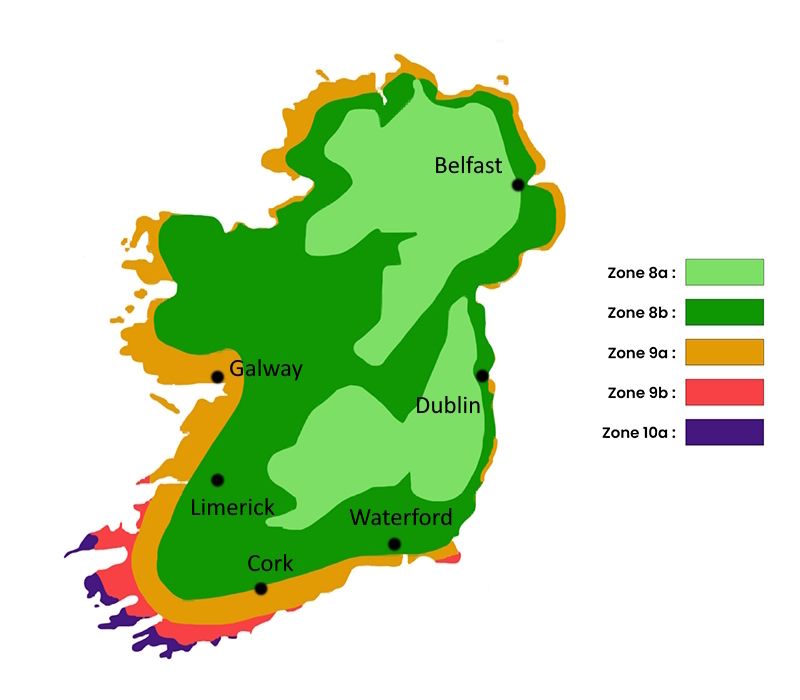
The planting period indicated on our website applies to regions in USDA Zone 9a (East Coast and Midlands: Dublin, Wexford, Waterford, Kilkenny, Portlaoise). It will vary depending on where you live:
- On the west coast and in the north-west (Galway, Limerick, Sligo, Donegal, Westport), delay planting by 1 to 2 weeks in spring and bring it forward by 1 to 2 weeks in autumn compared to the dates given, preferably choosing periods without strong winds.
- In the inland hills and plateaus (Wicklow Mountains, Macgillycuddy’s Reeks, Connemara, Killarney), it is best to plant in spring (April–May) or autumn (September–October), avoiding periods of waterlogged soil in winter and strong winds, which pose the main risk to newly planted trees in these areas.
The flowering period indicated on our website applies to regions in USDA Zone 9a, such as the East Coast and Midlands, including Dublin, Wexford, Waterford, Kilkenny and Portlaoise.
This will vary depending on where you live:
- On the west coast and in the northwest (Galway, Limerick, Sligo, Donegal and Westport), it will be delayed by one to two weeks compared to the given dates, due to stronger Atlantic winds and less spring sunshine.
- In the inland hills and plateaus (the Wicklow Mountains, the Macgillycuddy's Reeks, Connemara and Killarney), flowering will be delayed by two to three weeks. Flowering mainly occurs between May and July, with the limiting factors being less frost and more of the excessive humidity, strong winds and lack of sunshine that are characteristic of these areas.
Shipping country and language
Your country of residence may be:
Your country of residence is:
For a better user experience on our website, you can select:
Your shipping country:
-
 Austria
-
 Belgium
-
 Bosnia & Herzegovina
-
 Bulgaria
-
 Croatia
-
 Cyprus
-
 Czechia
-
 Denmark
-
 Estonia
-
 Finland
-
 France
-
 Germany
-
 Greece
-
 Hungary
-
 Iceland
-
 Ireland
-
 Italy
Italy
-
 Latvia
-
 Liechtenstein
-
 Lithuania
-
 Luxembourg
-
 Malta
Malta
-
 Netherlands
-
 Poland
-
 Portugal
-
 Romania
-
 Serbia
-
 Slovakia
-
 Slovenia
-
 Spain
Spain
-
 Sweden
-
 Switzerland
Language:
-
French
-
 English
-
Spanish
-
Italian
-
German
-
Portuguese
-
Dutch
-
Finnish
My Account
Hello
My wish lists
My cart
Log in / Register
Existing customer?
This form is protected by reCAPTCHA - the Google Privacy Policy and Terms of Service apply.
New customer?
Create an account to track your orders, access our customer service and, if you wish, make the most of our upcoming offers.