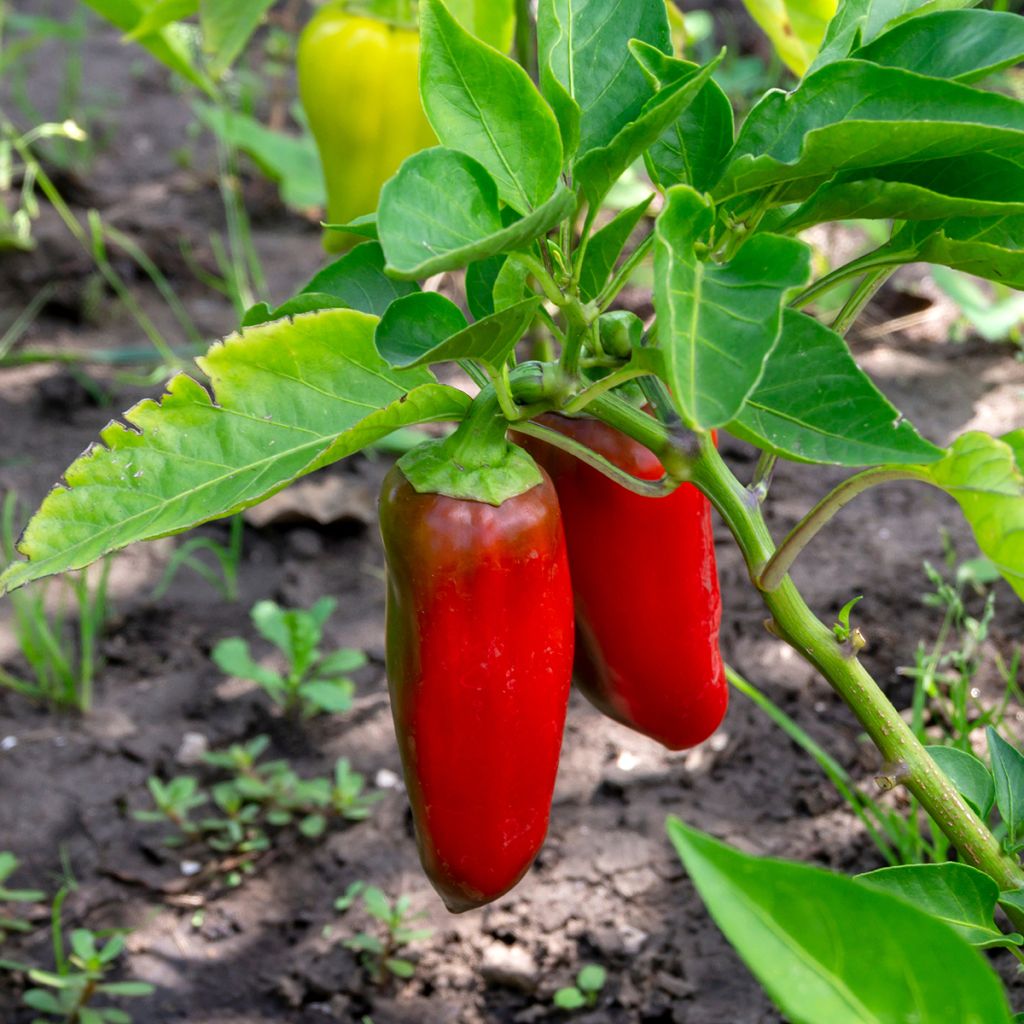
Red pepper Lamuyo F1 plants - Capsicum annuum
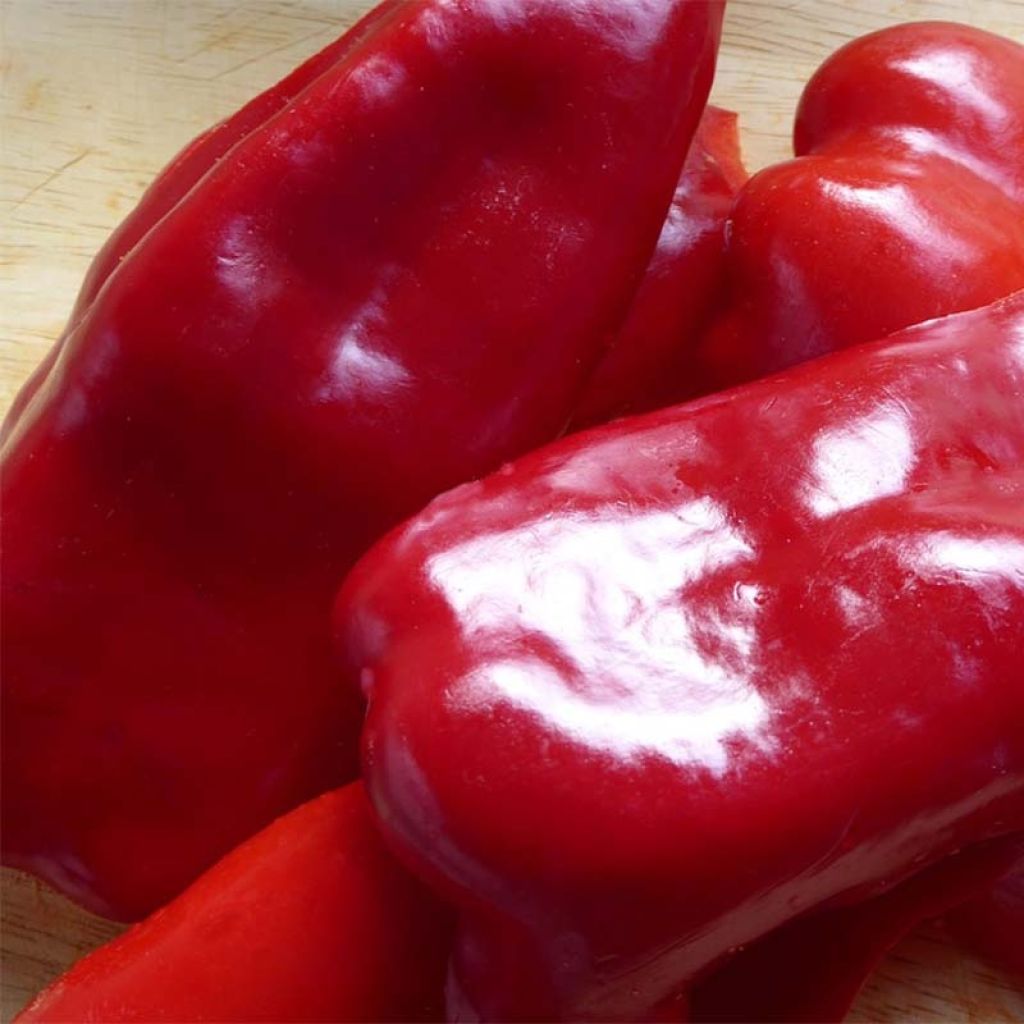
Red pepper Lamuyo F1 plants - Capsicum annuum
Red pepper Lamuyo F1 plants - Capsicum annuum
Capsicum annuum Lamuyo F1
Bell pepper
Delighted with my purchase, the young plants are strong, growing very well and arrived in good condition.
Lydie , 21/05/2025
Back-to-school special offer!
Get €10 off for every €50 you spend! And get up to €40 off on a single order.
How does it work?
1. Shop your favourites
Add your favourite plants to your basket. For every €50 you spend (excluding delivery charges, store credit and the plastic-free option), you’ll receive a €10 voucher.
€50 spent = €10 voucher
€100 spent = €20 voucher
€150 spent = €30 voucher
€200 spent = €40 voucher
2. Place your order
Once your basket reaches one of the spending thresholds, place your order. You can even choose your delivery date!
3. Receive your voucher
As soon as your order has been shipped, you’ll receive an email containing your personal voucher code and its value.
4. Use it on your next order
Your voucher is valid for 90 days from the date you receive it. It can be used once only, on a new order worth at least the value of the voucher, excluding delivery charges.
Please note: Vouchers can be combined with other offers, but cannot be split or refunded.
Why not try an alternative variety in stock?
View all →
Available in 1 sizes
Available in 1 sizes
Available in 1 sizes
Available in 1 sizes

Available in 1 sizes

Available in 1 sizes
Available in 1 sizes
Available in 1 sizes
Available in 1 sizes
Available in 1 sizes
This plant carries a 6 months recovery warranty
More information
We guarantee the quality of our plants for a full growing cycle, and will replace at our expense any plant that fails to recover under normal climatic and planting conditions.

Description
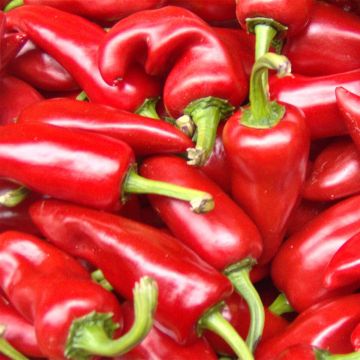
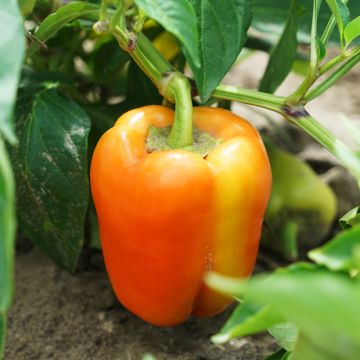
The Lamuyo F1 Red Pepper is a productive hybrid variety, producing fruits approximately 15 to 18 cm (6 to 7in) long, that ripen to a red colour. It is an annual plant, requiring heat and needing very rich soil. The 'Lamuyo' F1 Red Pepper plug plants are planted from April to June, after frost, for a harvest from August to October.
Capsicums and Chilies come from the same plant! They are the result of successive selections that have led to the Capsicum, with its sweet flavor, and the Chili, with its spicy flavour. The heat of Chilies is measured on the Scoville scale, ranging from 0 to 10 (0 corresponding to the Capsicum). They were taken from the Americas to Europe by Christopher Columbus and quickly spread throughout the world. Apart from a few varieties, Peppers and Chilies are cultivated as annual plants in our climates.
They belong to the Solanaceae family and are divided into five major species: Capsicum annuum (the most common), Capsicum baccatum, Capsicum chinense, Capsicum frutescens, and Capsicum pubescens.
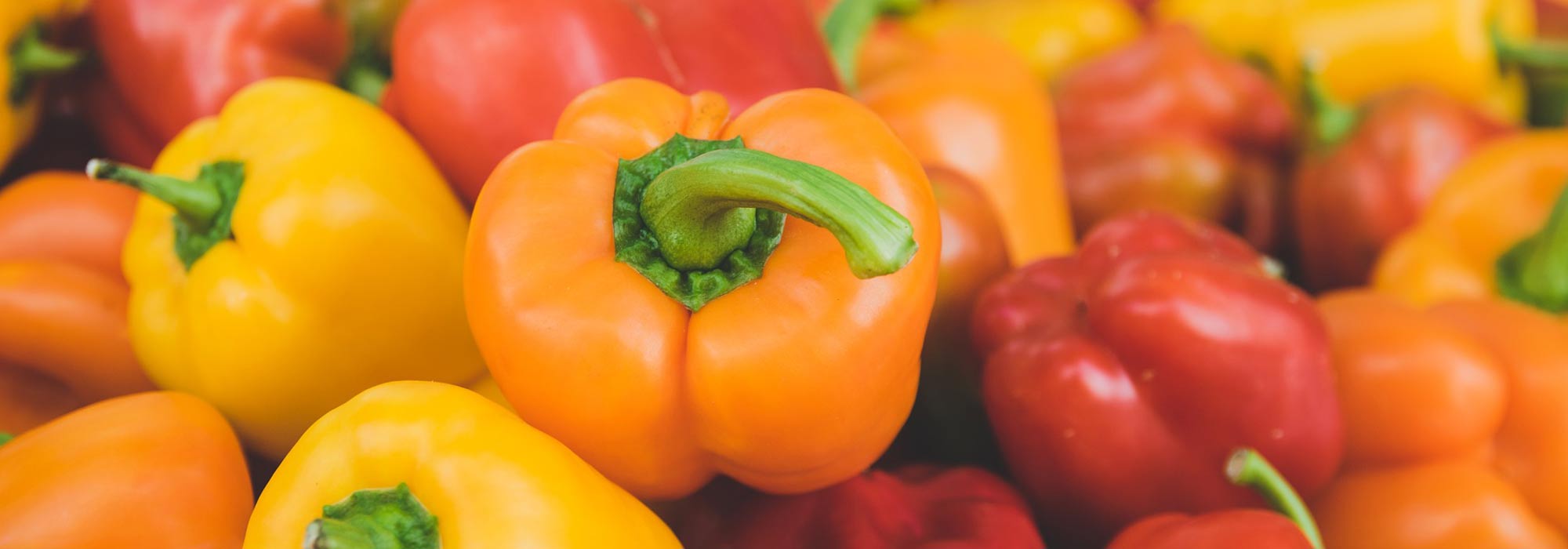
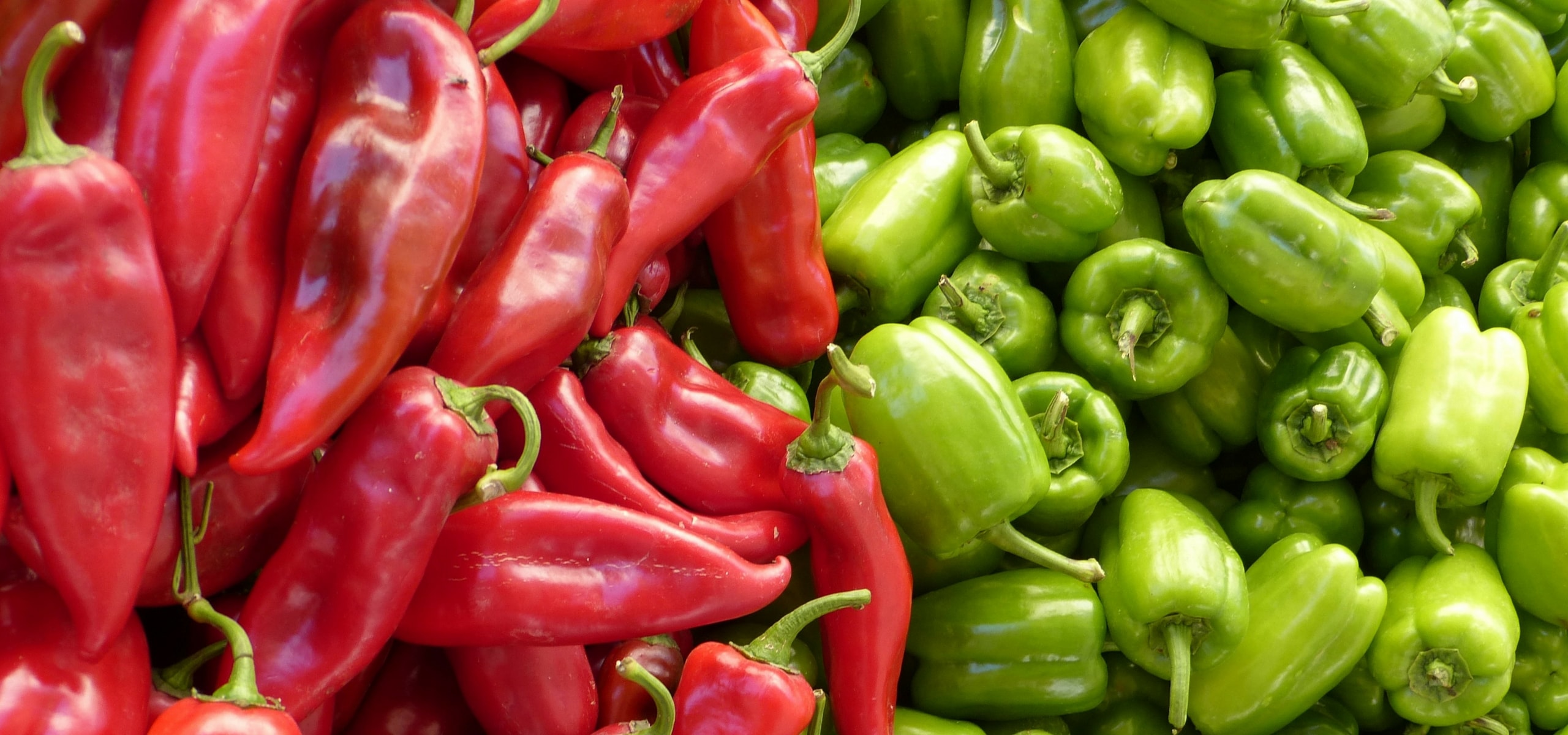
The fruits, initially green, will take on their final colour as they ripen: red, yellow, brown, orange, even purple. Their shape varies: square, elongated, round, etc.
Peppers and Chilies are rich in vitamins and antioxidants, including capsaicin, which is responsible for the more or less burning flavour of these fruits.
In terms of cuisine, Peppers and Chilies are used in many cuisines around the world and can be cooked in multiple ways. Peppers can be consumed raw or cooked, stuffed, marinated, grilled, in salads, or ratatouilles, while Chilies, fresh or dried, enhance and add spice to dishes according to their heat level.
These fruity vegetables are demanding plants, requiring very rich soil and preferring sunny exposures.
Harvest: The harvest takes place from August to October (or as early as July for certain varieties), by cutting the stem with pruning shears or a knife.
Storage: Peppers and Chilies can be stored in the refrigerator for several days. They can also be frozen or dried.
Gardener's tip: We recommend mulching the soil with thin successive layers of grass clippings, if possible mixed with dead leaves. This protection, which keeps the soil moist, also limits weed growth. You can also opt for a mineral mulch (bricks, slate, gravel) to accumulate heat.
Note: Please note that our young plug plants are professional products reserved for experienced gardeners: upon receipt, transplant and store them under cover (veranda, greenhouse, cold frame) at a temperature above 14C° for a few weeks before being planted outdoors once the risk of frost has definitively passed.
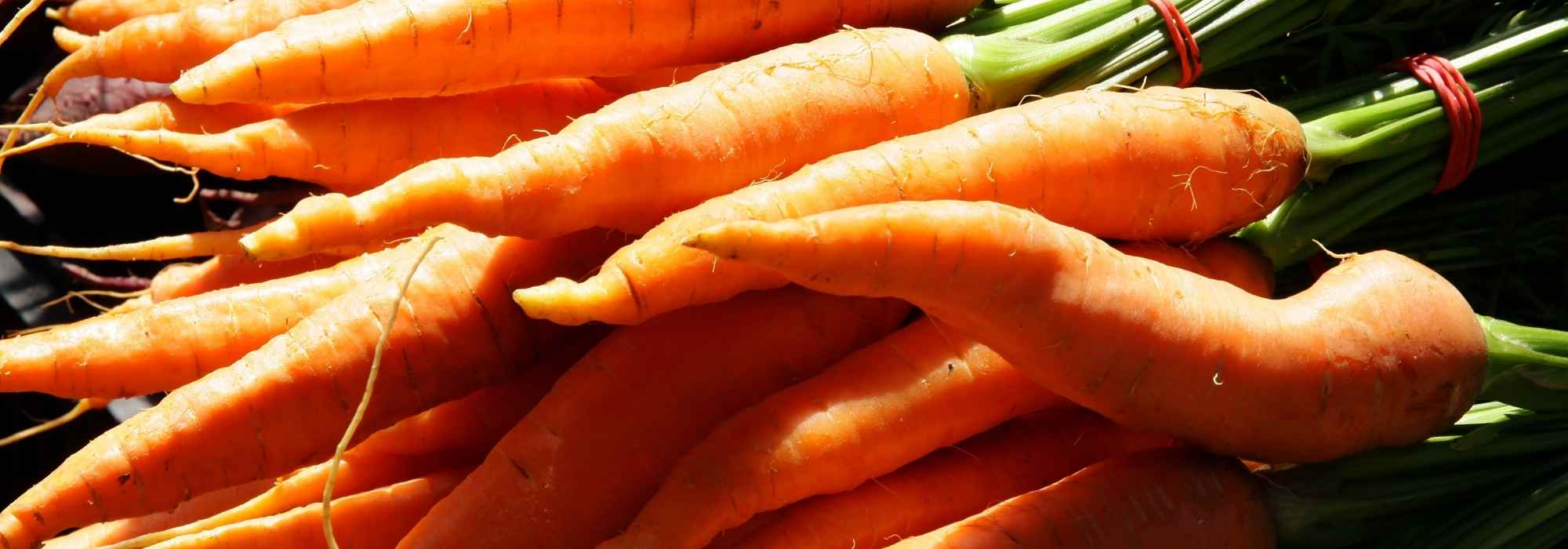
Harvest
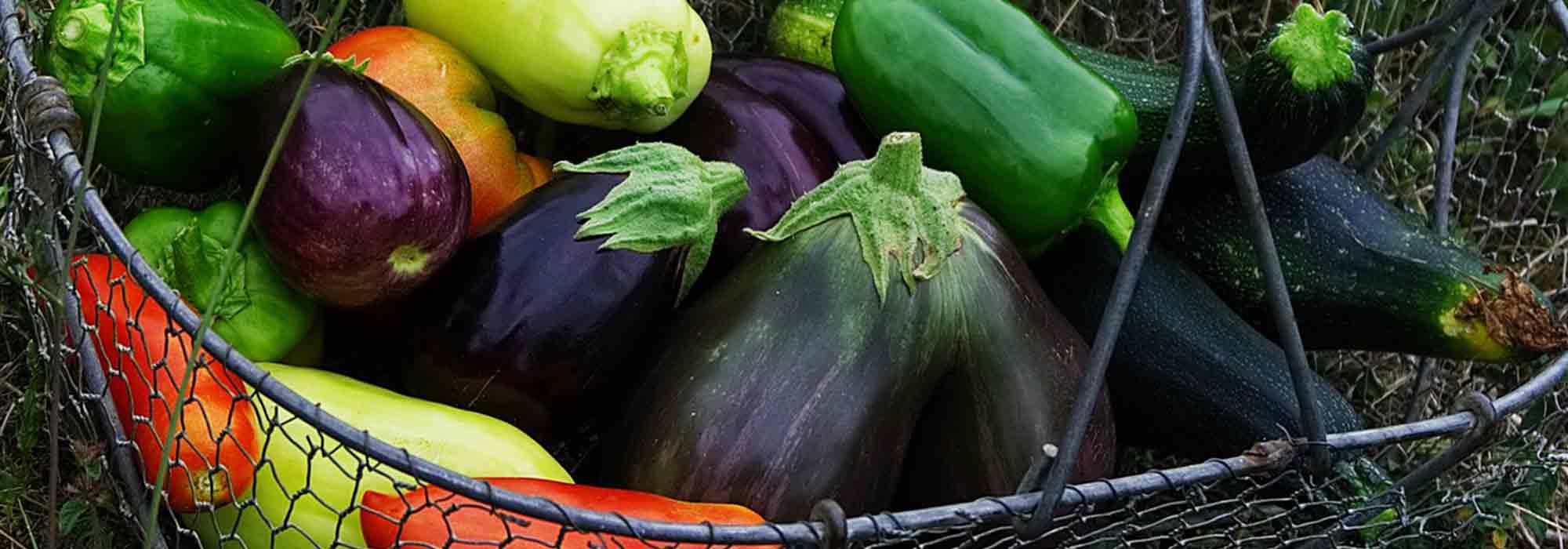
Plant habit
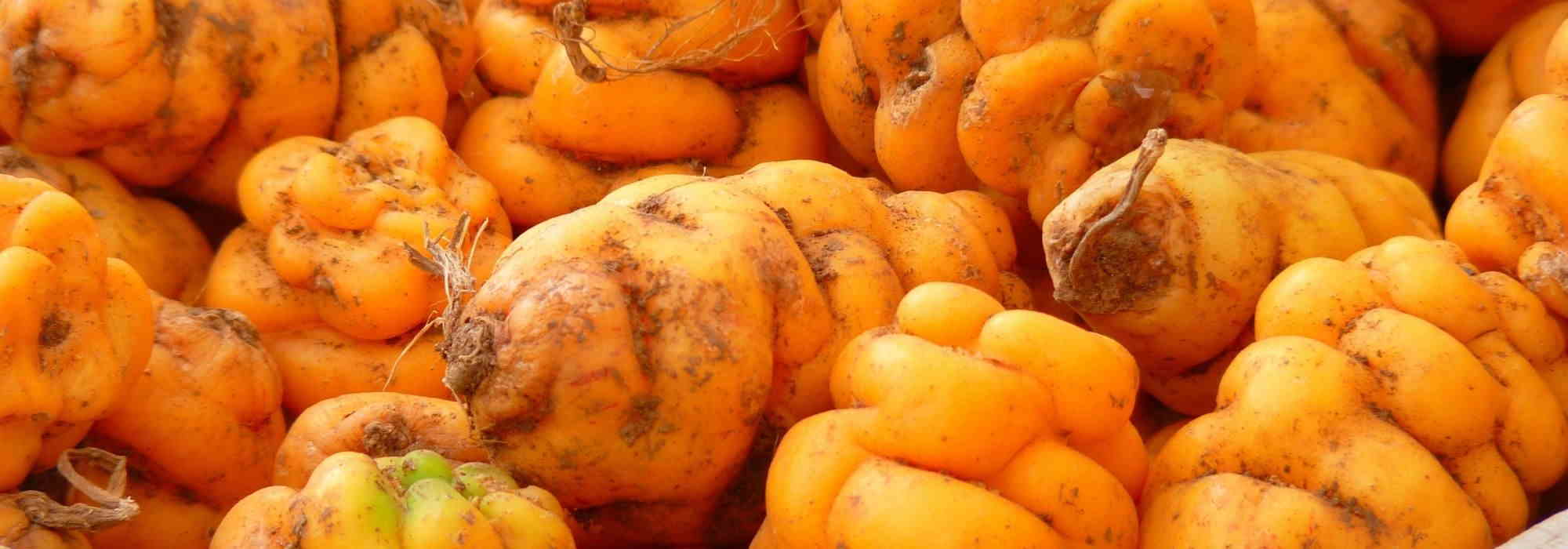
Foliage
Planting and care
Growing Peppers and Chillies requires warmth. Planting is done in spring, in March-April.
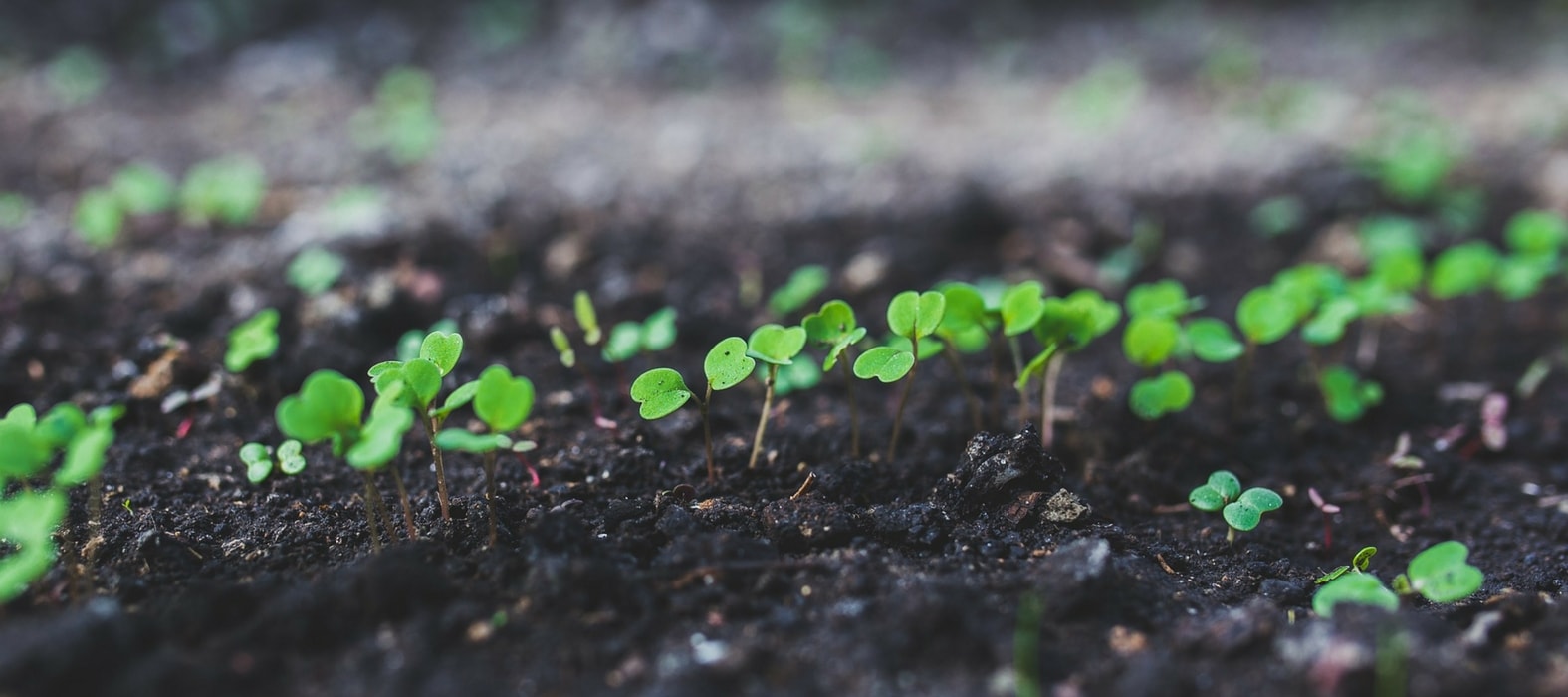
First, allow the plug plants to grow by transplanting them into trays or pots with a diameter of 8 to 13 cm (3 to 5in), filled with compost. Place the young plants in a warm and bright place. Water regularly.
In open ground: Planting in open ground is done when the soil is sufficiently warm and the risk of frost has passed, around mid-May. Choose a very sunny exposure and a sheltered location. Peppers and Chillies appreciate very rich, light and well-drained soils. In the previous autumn, add well-rotted compost.
Space the plants 50 cm (20in) apart in all directions. Dig a hole (3 times the volume of the root ball), add well-rotted compost to the bottom of the planting hole. Place your plant with the grafting point at ground level and fill the hole with soil. Firmly tamp and water.
At the beginning of the growing season, install a removable tunnel to gain a few degrees, especially in cooler regions. Gently hoe and weed as the roots are shallow. Then, apply mulch.
In pots: choose a pot at least 30 cm (12in) deep. Place a layer of gravel or clay pellets at the bottom of the pot to facilitate drainage. Fill the pot with a mixture of compost and well-rotted compost. Place the plug plant and cover with soil. Firmly tamp and water. Place the pot in the sun. Regularly apply compost.
Install supports. Water regularly at the base of the plants.
It is advisable to pinch the Pepper and Chilli plants, especially in cooler regions. When the plants have 10 to 15 fruits, cut the ends of the stems one leaf above the last fruit.
In the vegetable garden, plant flowers nearby that will attract pollinating insects. In terms of rotation, wait 3 years before growing these Solanaceae again.
Cultivation
Care
Intended location
Planting & care advice
-
-
-
-
-
-
-
-
-
, onOrder confirmed
Reply from on Promesse de fleurs
Recently viewed products
Haven't found what you were looking for?
Hardiness is the lowest winter temperature a plant can endure without suffering serious damage or even dying. However, hardiness is affected by location (a sheltered area, such as a patio), protection (winter cover) and soil type (hardiness is improved by well-drained soil).
In temperate climates, pruning of spring-flowering shrubs (forsythia, spireas, etc.) should be done just after flowering.
Pruning of summer-flowering shrubs (Indian Lilac, Perovskia, etc.) can be done in winter or spring.
In cold regions as well as with frost-sensitive plants, avoid pruning too early when severe frosts may still occur.
The harvesting period indicated on our website applies to countries and regions in USDA zone 8 (France, England, Ireland, the Netherlands).
In colder areas (Scandinavia, Poland, Austria...) fruit and vegetable harvests are likely to be delayed by 3-4 weeks.
In warmer areas (Italy, Spain, Greece, etc.), harvesting will probably take place earlier, depending on weather conditions.
The sowing periods indicated on our website apply to countries and regions within USDA Zone 8 (France, UK, Ireland, Netherlands).
In colder areas (Scandinavia, Poland, Austria...), delay any outdoor sowing by 3-4 weeks, or sow under glass.
In warmer climes (Italy, Spain, Greece, etc.), bring outdoor sowing forward by a few weeks.
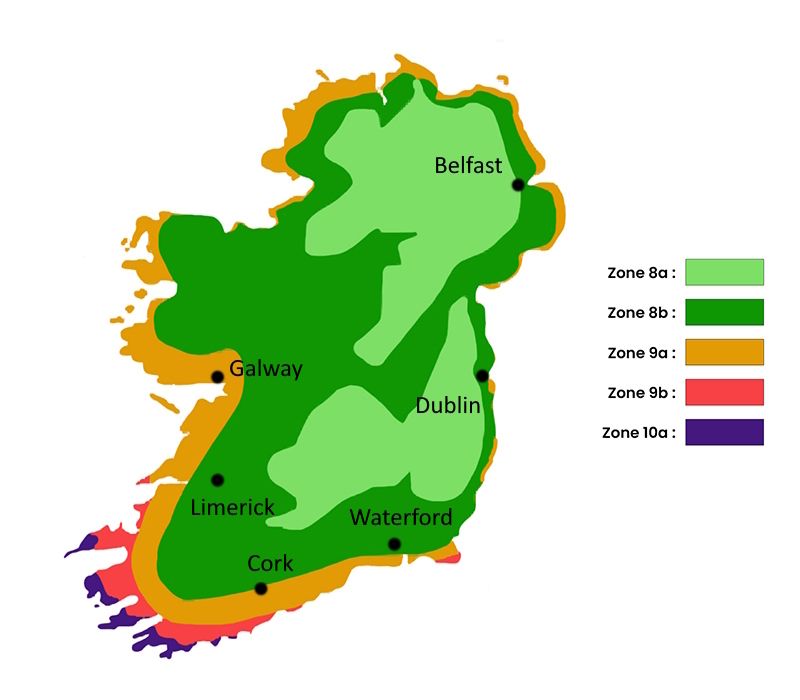
The planting period indicated on our website applies to regions in USDA Zone 9a (East Coast and Midlands: Dublin, Wexford, Waterford, Kilkenny, Portlaoise). It will vary depending on where you live:
- On the west coast and in the north-west (Galway, Limerick, Sligo, Donegal, Westport), delay planting by 1 to 2 weeks in spring and bring it forward by 1 to 2 weeks in autumn compared to the dates given, preferably choosing periods without strong winds.
- In the inland hills and plateaus (Wicklow Mountains, Macgillycuddy’s Reeks, Connemara, Killarney), it is best to plant in spring (April–May) or autumn (September–October), avoiding periods of waterlogged soil in winter and strong winds, which pose the main risk to newly planted trees in these areas.
The flowering period indicated on our website applies to regions in USDA Zone 9a, such as the East Coast and Midlands, including Dublin, Wexford, Waterford, Kilkenny and Portlaoise.
This will vary depending on where you live:
- On the west coast and in the northwest (Galway, Limerick, Sligo, Donegal and Westport), it will be delayed by one to two weeks compared to the given dates, due to stronger Atlantic winds and less spring sunshine.
- In the inland hills and plateaus (the Wicklow Mountains, the Macgillycuddy's Reeks, Connemara and Killarney), flowering will be delayed by two to three weeks. Flowering mainly occurs between May and July, with the limiting factors being less frost and more of the excessive humidity, strong winds and lack of sunshine that are characteristic of these areas.
Shipping country and language
Your country of residence may be:
Your country of residence is:
For a better user experience on our website, you can select:
Your shipping country:
-
 Austria
-
 Belgium
-
 Bosnia & Herzegovina
-
 Bulgaria
-
 Croatia
-
 Cyprus
-
 Czechia
-
 Denmark
-
 Estonia
-
 Finland
-
 France
-
 Germany
-
 Greece
-
 Hungary
-
 Iceland
-
 Ireland
-
 Italy
Italy
-
 Latvia
-
 Liechtenstein
-
 Lithuania
-
 Luxembourg
-
 Malta
Malta
-
 Netherlands
-
 Poland
-
 Portugal
-
 Romania
-
 Serbia
-
 Slovakia
-
 Slovenia
-
 Spain
Spain
-
 Sweden
-
 Switzerland
Language:
-
French
-
 English
-
Spanish
-
Italian
-
German
-
Portuguese
-
Dutch
-
Finnish
My Account
Hello
My wish lists
My cart
Log in / Register
Existing customer?
This form is protected by reCAPTCHA - the Google Privacy Policy and Terms of Service apply.
New customer?
Create an account to track your orders, access our customer service and, if you wish, make the most of our upcoming offers.