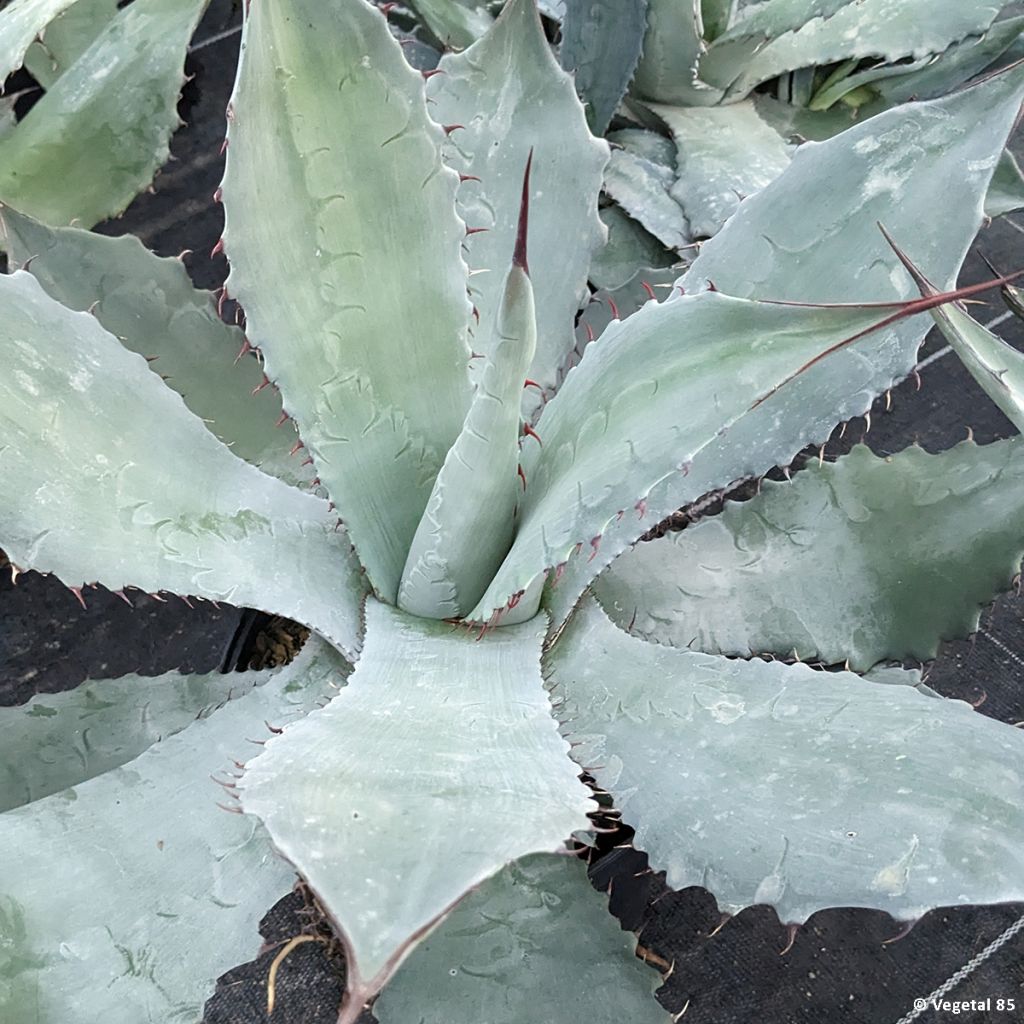
Agave durangensis
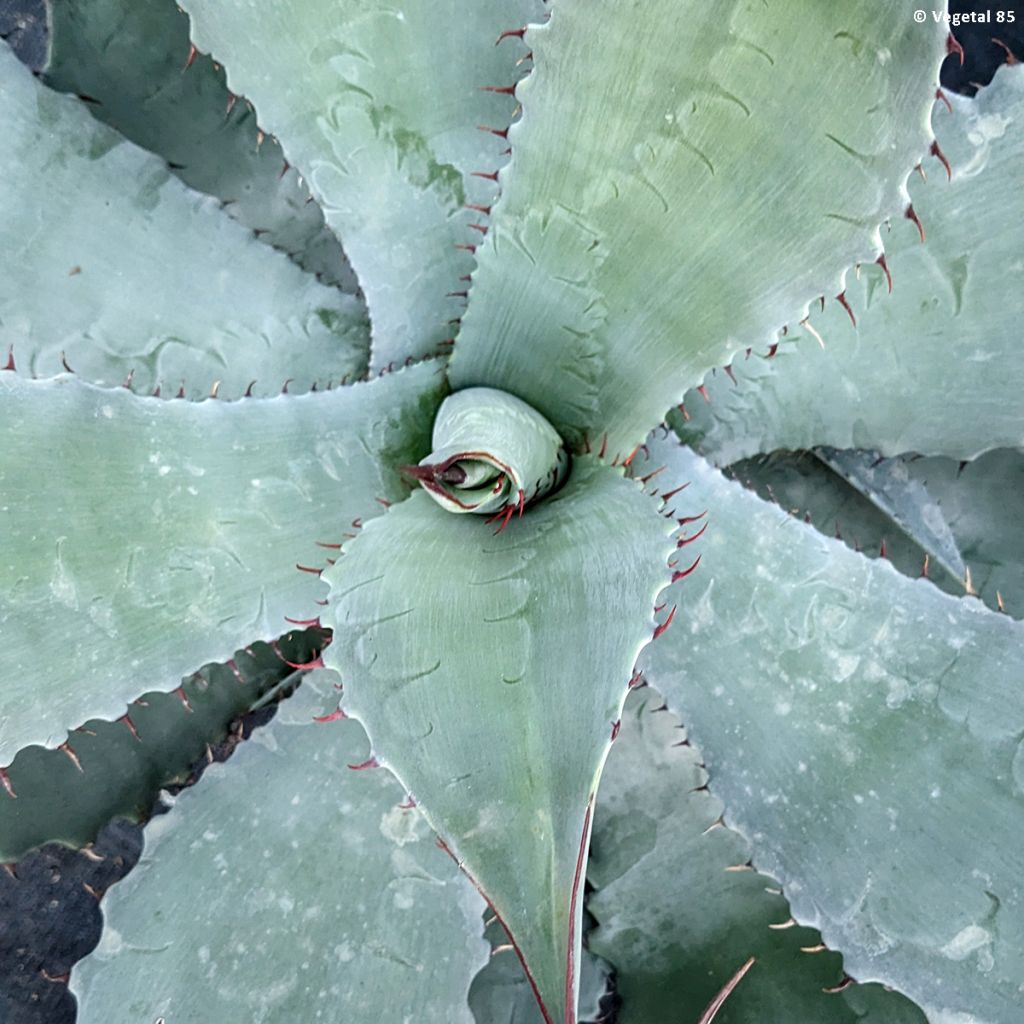
Agave durangensis
Agave durangensis
Agave durangensis
Back-to-school special offer!
Get €10 off for every €50 you spend! And get up to €40 off on a single order.
How does it work?
1. Shop your favourites
Add your favourite plants to your basket. For every €50 you spend (excluding delivery charges, store credit and the plastic-free option), you’ll receive a €10 voucher.
€50 spent = €10 voucher
€100 spent = €20 voucher
€150 spent = €30 voucher
€200 spent = €40 voucher
2. Place your order
Once your basket reaches one of the spending thresholds, place your order. You can even choose your delivery date!
3. Receive your voucher
As soon as your order has been shipped, you’ll receive an email containing your personal voucher code and its value.
4. Use it on your next order
Your voucher is valid for 90 days from the date you receive it. It can be used once only, on a new order worth at least the value of the voucher, excluding delivery charges.
Please note: Vouchers can be combined with other offers, but cannot be split or refunded.
Why not try an alternative variety in stock?
View all →
Available in 1 sizes
Available in 1 sizes
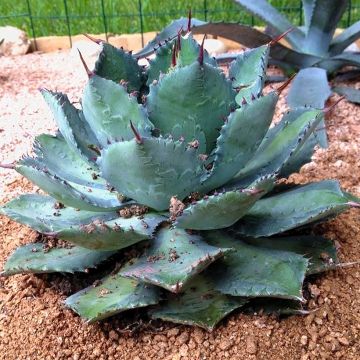
Available in 1 sizes

Available in 2 sizes
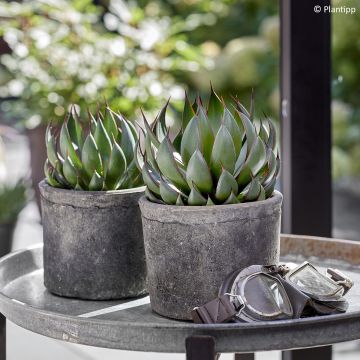
Available in 1 sizes
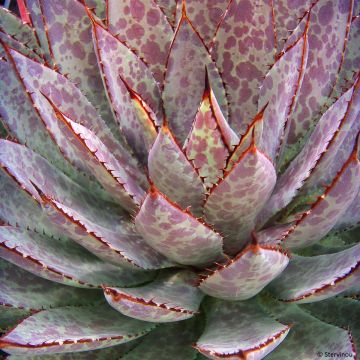
Available in 1 sizes
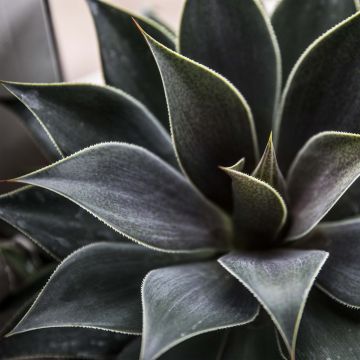
Available in 2 sizes

Available in 2 sizes

Available in 2 sizes
Available in 2 sizes
This plant carries a 12 months recovery warranty
More information
We guarantee the quality of our plants for a full growing cycle, and will replace at our expense any plant that fails to recover under normal climatic and planting conditions.
Does this plant fit my garden?
Set up your Plantfit profile →
Description
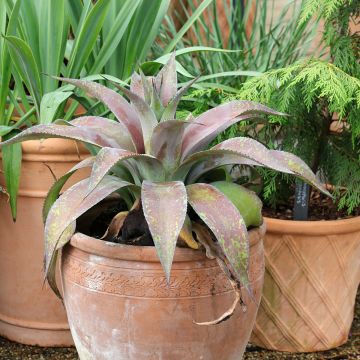
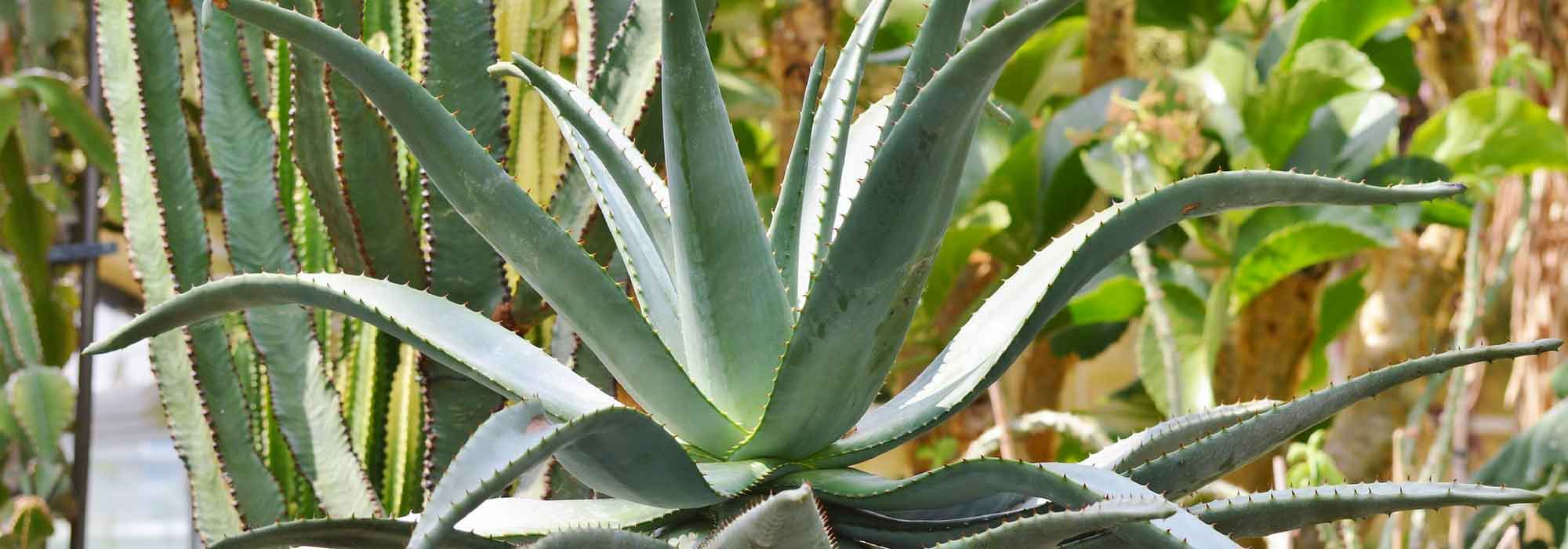
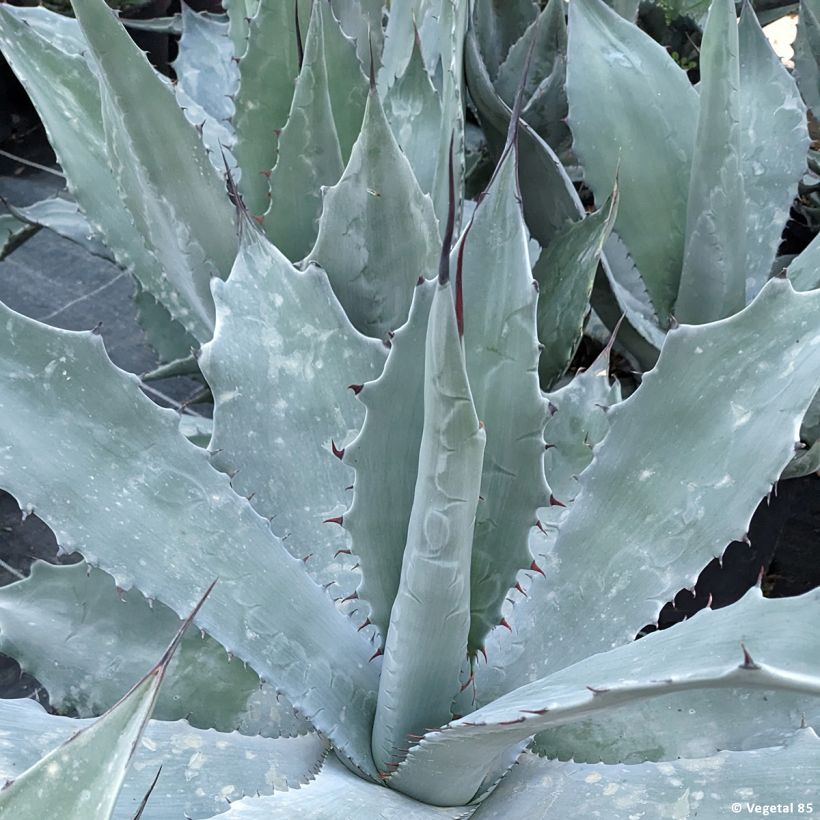
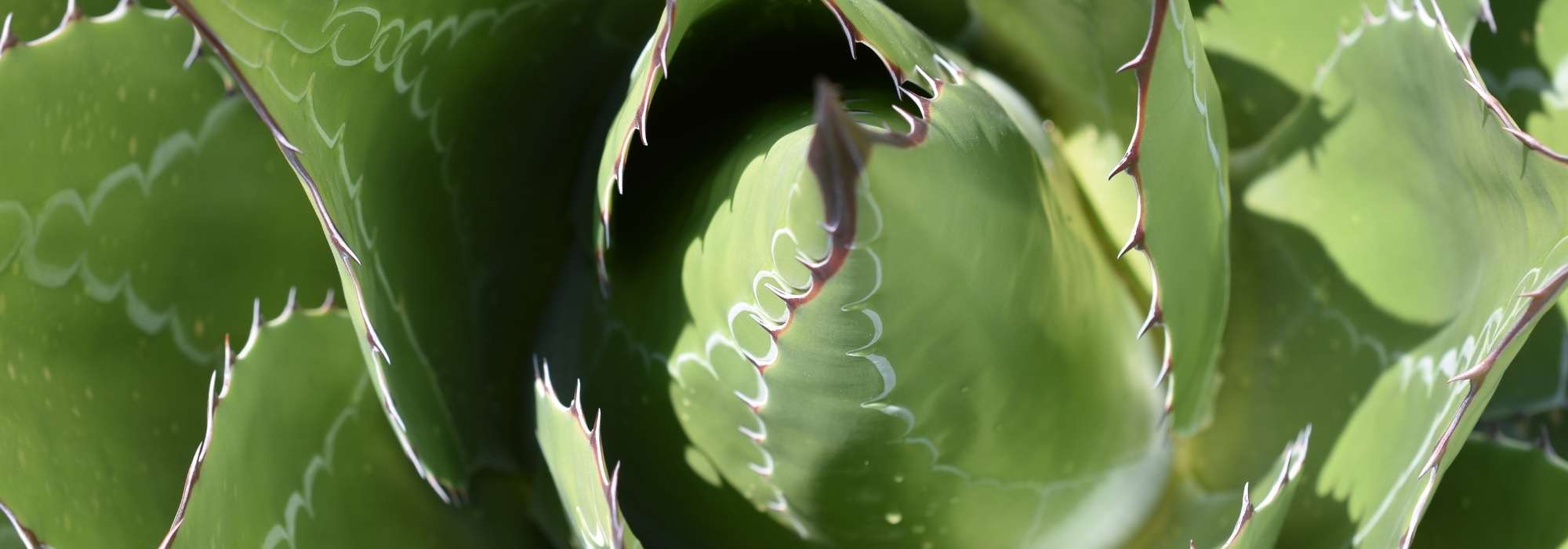
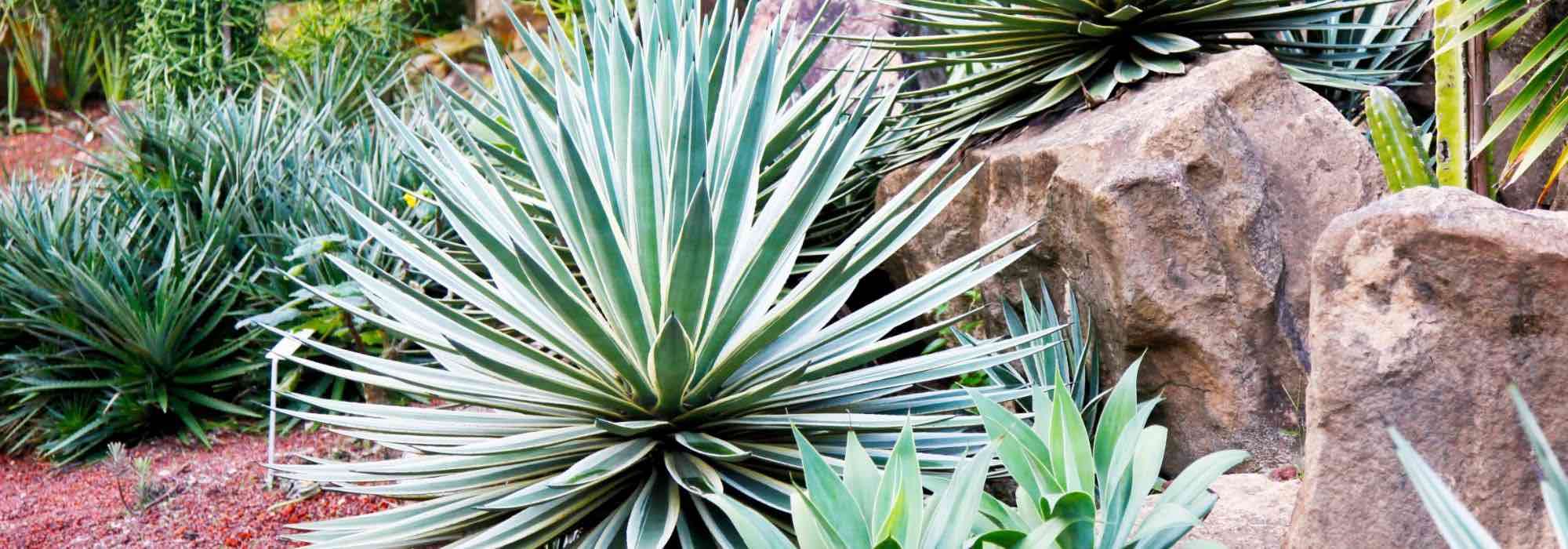
Agave durangensis is a species of Mexican origin that grows to a large size. It is highly ornamental with an imposing and remarkably striking silhouette. Perfectly adapted to dry and hot climates and poor soils, it develops a large rosette made up of large and wide, rigid leaves with a slightly undulating appearance. Both sides of the leaves are armed with large dark red spines, and a terminal spine of the same colour, which contrast well with the grey-green or glaucous green foliage. With moderate hardiness, this agave will be happy in a sunny location with well-draining soil.
Agaves belong to the Asparagaceae family (formerly Agavaceae), which includes other ornamental genera such as Yucca or the more obscure Furcraea. There are about 270 species of agaves that grow naturally in Central America and the Caribbean (Mexico, Guatemala, Cuba, Antilles), further south in Colombia, and further north in the United States (California, Arizona).
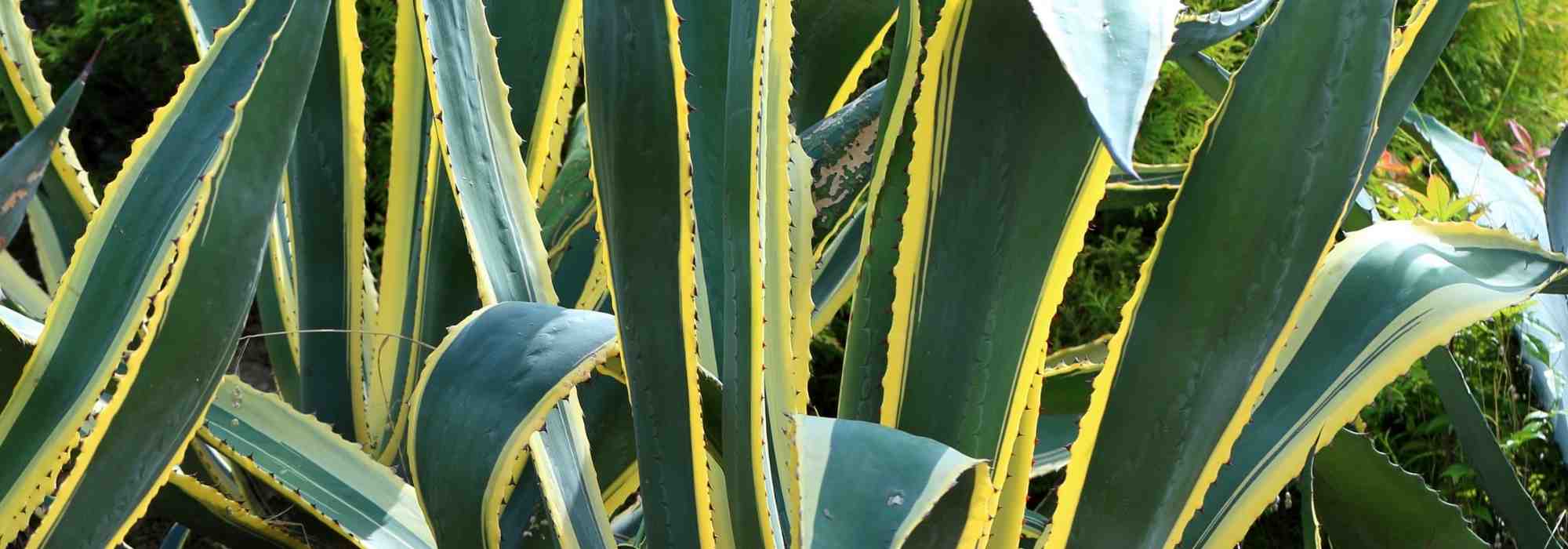
Agave durangensis is native to two states in central Mexico: Durango, which gave it its species name (locals call it "cenizo"), and the neighbouring state of Zacatecas, where it is used for making mezcal, a traditional spirit. It grows at altitudes between 1700 and 2600m (5578ft and 8530ft), in fairly dry rocky areas, but also near pine or oak forests. It is a perennial plant that forms large rosettes reaching an average height of 1.2m (4ft) with a spread that can reach up to 1.8m (6ft). The large leaves are erect in the centre but spread widely to the horizontal, almost touching the ground, at the periphery. Measuring up to 90cm (36in) in length and 23cm (9in) in width, they widen in their middle part. Although very rigid, they have a certain grace with their undulating shape reminiscent of a cobra snake. They bear large, sharp, dark red spines all around their periphery, which develop on small projections on the leaf blade. These straight or slightly curved spines create a superb contrast with the glaucous colour of the foliage, which ranges from grey-green to more or less bluish green depending on the subjects. The terminal spine is even more formidable. It is very long and slightly undulating, and of the same colour as the lateral teeth. It is so fierce that is capable of piercing through any glove!
A semelparous plant, it flowers after 15 to 25 years on average, signalling the end of the rosette, which then dies... but what a flowering! In this species, the flower spike can reach up to 8m (26ft) in height, branching horizontally to produce from 20 to 30 flattened panicles of light yellow flowers. This swan song lasts several months, usually from June to November, and then the offsets from the base take over from the main rosette, which withers, and the plant's cycle starts again.
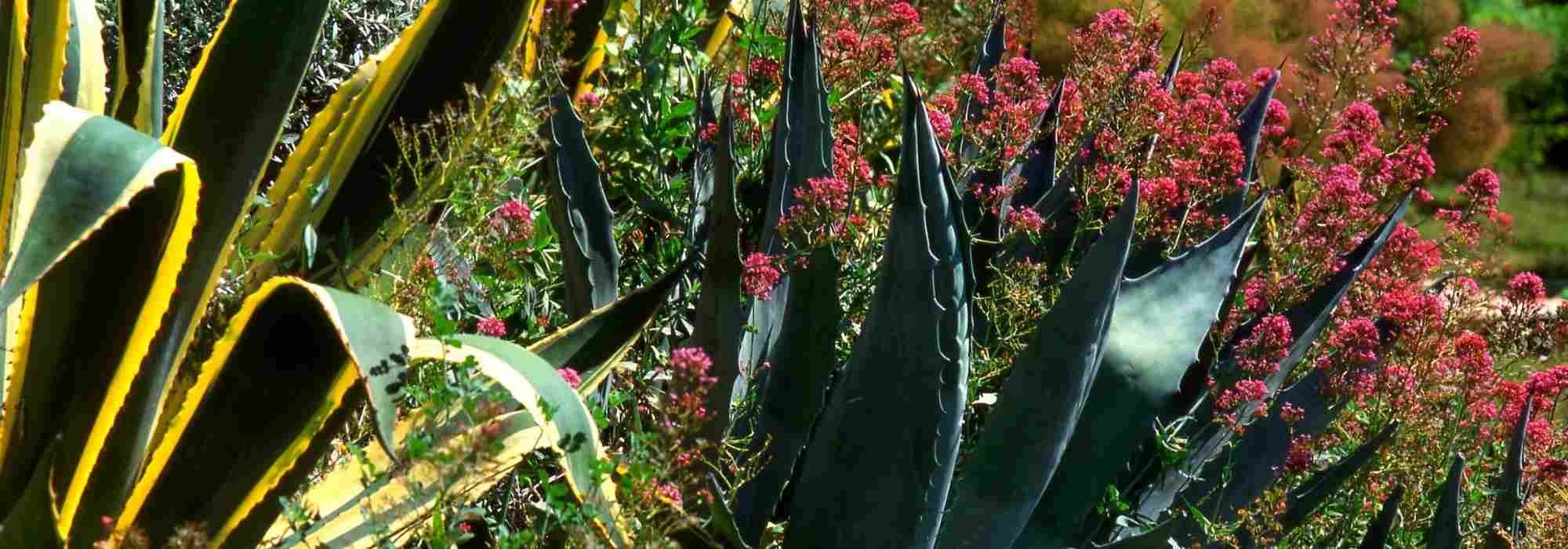
In mild climates, Agave durangensis will find its place in a large rock garden, or as the central feature in a dry garden, where its monumental silhouette will stand out against the blue sky. It will also be perfect in a contemporary setting, where it can be paired with other structural plants such as Japanese Sago Palm (Cycas revoluta), a majestic plant with a palm-like appearance, straight out of prehistoric times. Yucca torreyi, a little-known species but interesting for its hardiness, will also be a good companion with its long, slender leaves and abundant flowering. And to enhance the dry garden aspect of your scene, opt for prickly pear cacti (Opuntia) with their characteristic ornamental appearance and ephemeral but beautiful flowers.
Agave durangensis in pictures
Flowering
Foliage
Plant habit
Botanical data
Agave
durangensis
Asparagaceae
North America
Planting and care
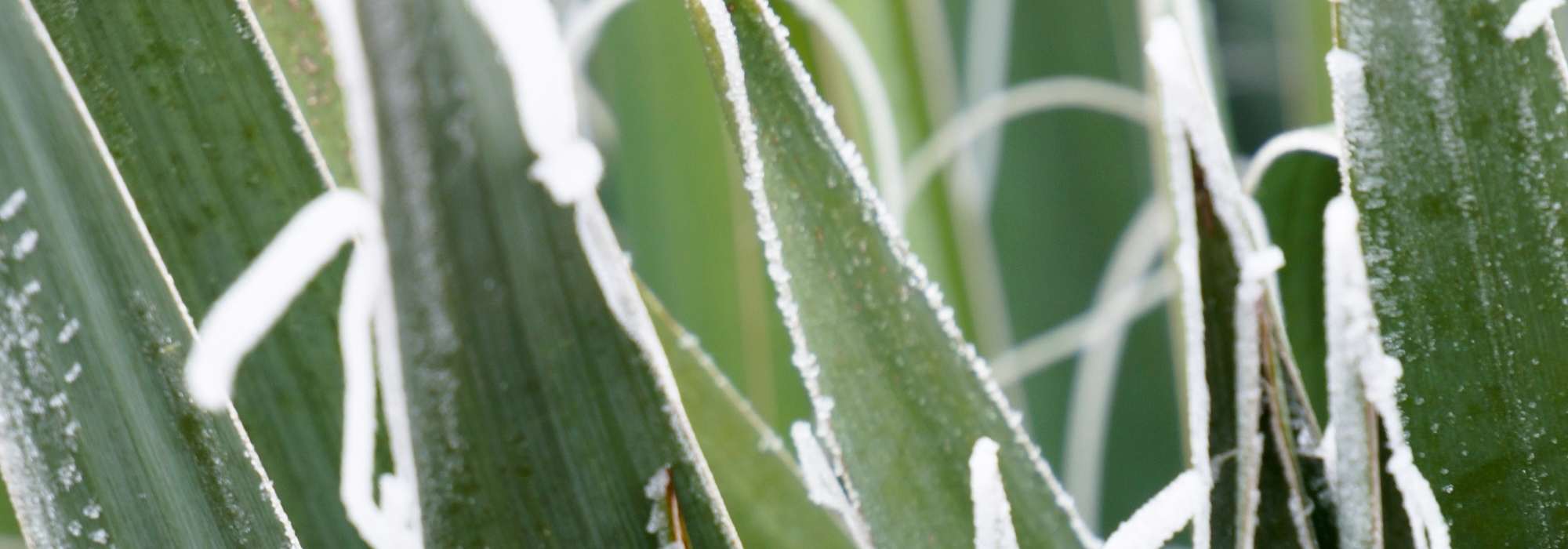
In warm regions with mild winters, plant Agave durangensis in full sun, in a scorching location, on a slope or a dry embankment. Choose well-drained, poor, stony, chalky, or sandy soil. While the plant is quite hardy in dry soil, it does not tolerate excess humidity, which is common in clayey and heavy soils, combined with severe cold. As it prefers dry soils in summer, for example, you can consider planting it in a 50cm (20in) hole filled with a mixture of rocks and light soil. Ensure its collar is kept free from stagnant water. In slightly humid climates, plant the agave on a south-facing slope, which facilitates water drainage. Abundant but spaced watering will suit it perfectly to help it establish initially, and then it will manage on its own. The drier the soil, the more it will resist frost, down to -12 to -14°C (10.4 to 6.8°F). To provide excellent protection in the ground, place a rigid plastic sheet or a glass bell over the plant so that rainwater does not penetrate the core during winter.
Planting period
Intended location
Care
Planting & care advice

This item has not been reviewed yet - be the first to leave a review about it.
Recently viewed products
Haven't found what you were looking for?
Hardiness is the lowest winter temperature a plant can endure without suffering serious damage or even dying. However, hardiness is affected by location (a sheltered area, such as a patio), protection (winter cover) and soil type (hardiness is improved by well-drained soil).
In temperate climates, pruning of spring-flowering shrubs (forsythia, spireas, etc.) should be done just after flowering.
Pruning of summer-flowering shrubs (Indian Lilac, Perovskia, etc.) can be done in winter or spring.
In cold regions as well as with frost-sensitive plants, avoid pruning too early when severe frosts may still occur.
The harvesting period indicated on our website applies to countries and regions in USDA zone 8 (France, England, Ireland, the Netherlands).
In colder areas (Scandinavia, Poland, Austria...) fruit and vegetable harvests are likely to be delayed by 3-4 weeks.
In warmer areas (Italy, Spain, Greece, etc.), harvesting will probably take place earlier, depending on weather conditions.
The sowing periods indicated on our website apply to countries and regions within USDA Zone 8 (France, UK, Ireland, Netherlands).
In colder areas (Scandinavia, Poland, Austria...), delay any outdoor sowing by 3-4 weeks, or sow under glass.
In warmer climes (Italy, Spain, Greece, etc.), bring outdoor sowing forward by a few weeks.
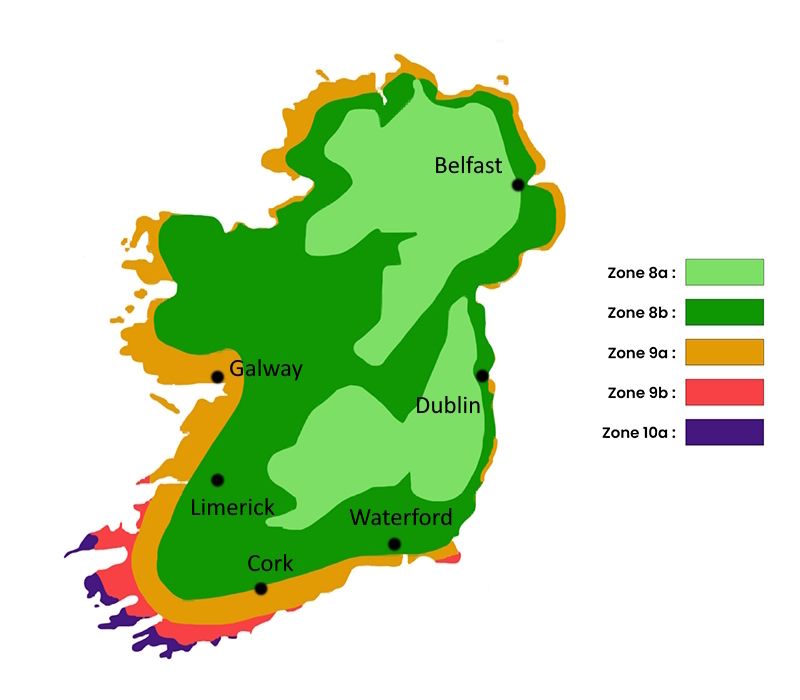
The planting period indicated on our website applies to regions in USDA Zone 9a (East Coast and Midlands: Dublin, Wexford, Waterford, Kilkenny, Portlaoise). It will vary depending on where you live:
- On the west coast and in the north-west (Galway, Limerick, Sligo, Donegal, Westport), delay planting by 1 to 2 weeks in spring and bring it forward by 1 to 2 weeks in autumn compared to the dates given, preferably choosing periods without strong winds.
- In the inland hills and plateaus (Wicklow Mountains, Macgillycuddy’s Reeks, Connemara, Killarney), it is best to plant in spring (April–May) or autumn (September–October), avoiding periods of waterlogged soil in winter and strong winds, which pose the main risk to newly planted trees in these areas.
The flowering period indicated on our website applies to regions in USDA Zone 9a, such as the East Coast and Midlands, including Dublin, Wexford, Waterford, Kilkenny and Portlaoise.
This will vary depending on where you live:
- On the west coast and in the northwest (Galway, Limerick, Sligo, Donegal and Westport), it will be delayed by one to two weeks compared to the given dates, due to stronger Atlantic winds and less spring sunshine.
- In the inland hills and plateaus (the Wicklow Mountains, the Macgillycuddy's Reeks, Connemara and Killarney), flowering will be delayed by two to three weeks. Flowering mainly occurs between May and July, with the limiting factors being less frost and more of the excessive humidity, strong winds and lack of sunshine that are characteristic of these areas.
Shipping country and language
Your country of residence may be:
Your country of residence is:
For a better user experience on our website, you can select:
Your shipping country:
-
 Austria
-
 Belgium
-
 Bosnia & Herzegovina
-
 Bulgaria
-
 Croatia
-
 Cyprus
-
 Czechia
-
 Denmark
-
 Estonia
-
 Finland
-
 France
-
 Germany
-
 Greece
-
 Hungary
-
 Iceland
-
 Ireland
-
 Italy
Italy
-
 Latvia
-
 Liechtenstein
-
 Lithuania
-
 Luxembourg
-
 Malta
Malta
-
 Netherlands
-
 Poland
-
 Portugal
-
 Romania
-
 Serbia
-
 Slovakia
-
 Slovenia
-
 Spain
Spain
-
 Sweden
-
 Switzerland
Language:
-
French
-
 English
-
Spanish
-
Italian
-
German
-
Portuguese
-
Dutch
-
Finnish
My Account
Hello
My wish lists
My cart
Log in / Register
Existing customer?
This form is protected by reCAPTCHA - the Google Privacy Policy and Terms of Service apply.
New customer?
Create an account to track your orders, access our customer service and, if you wish, make the most of our upcoming offers.