From late September and early October onwards, our established borders need one final helping hand to move into the autumn, then winter, phase. Last-minute weeding, tidying up certain perennials, adding soil improvers and mulching are all useful to help the soil benefit and remain protected during the coldest months.
Here are the steps you should not overlook when preparing your borders for winter.
Start with some… sensible tidying
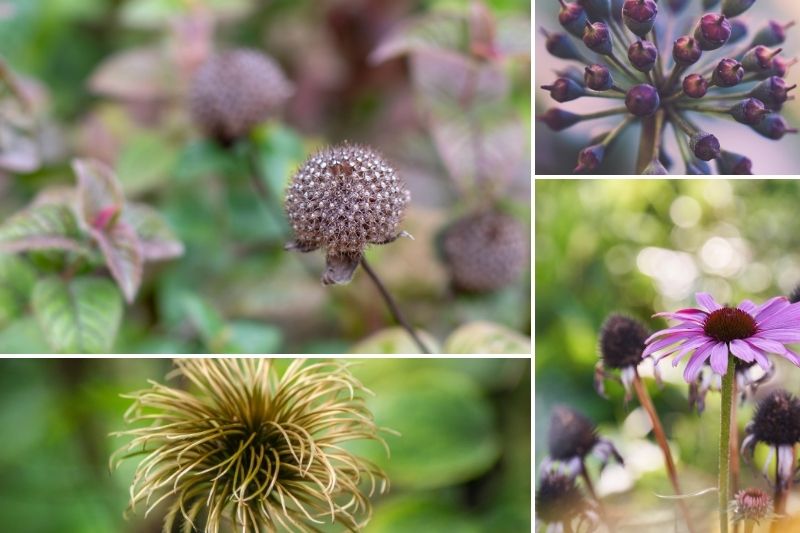
At the end of summer, many of the colourful flowers of high summer have given way to dry flowerheads. Just as you tidy a border in spring, it is useful to do so again in autumn, especially if you have a large garden. This helps spread out the work between seasons.
It is mainly the perennials that suffered during a dry summer that need attention, by pruning the brown stems, blackened flowers and scorched or dry foliage. These pruning residues, such as peony stems, can be cut up directly on the spot with secateurs and used to cover the soil. Any diseased or dead plant is also identified, taking care not to put it on the compost heap.

But there is no need to cut everything back, for two main reasons: leaving perennials in place helps to protect their crowns (this is the case with gauras, for example, and all slightly tender perennials); it also provides microfauna with a providential larder, as well as shelter.
So prune your perennials, but sparingly. This is also a good opportunity to make the last beautiful autumn cut flower arrangements and dried bouquets for the home.
Weed
It is also time to restore some order to borders where weeds may have become too comfortable over the past few months. Yes, caring for borders also involves this… Get out your hoe and lightly scratch the soil. This will also allow autumn rain to penetrate the ground more effectively. Put everything on the compost heap (except flowerheads that have gone to seed!).
Improve the soil
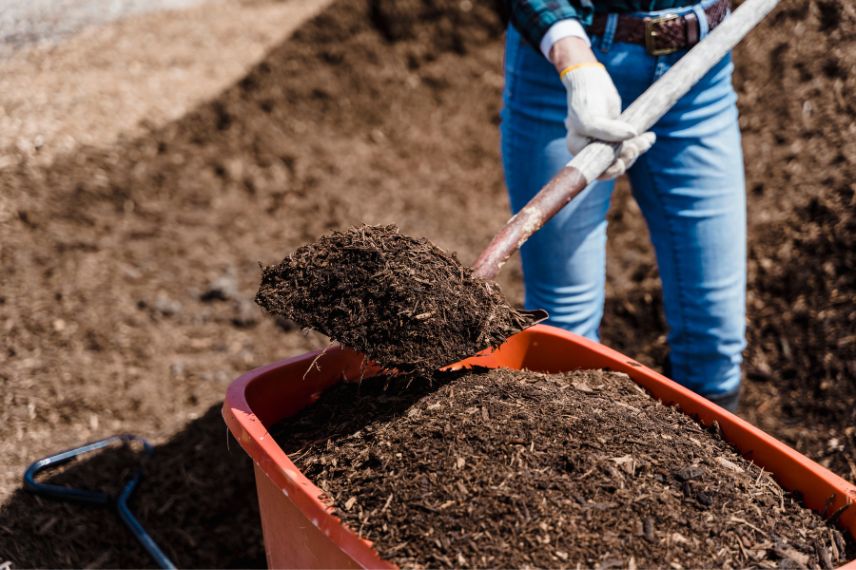
Spring and autumn are the seasons when certain plants like to be fed. Although compost is often added in spring, early autumn is another ideal time to spread it around the base of shrub borders or perennial borders. The principle is always the same: place it only on the surface, lightly scratching the soil to incorporate it.
Shrubs, as well as many perennials such as peonies and delphiniums, appreciate a quantity of compost or manure around their base, and this autumn task helps restore their vigour by gently enriching the soil, during the months when plants need it to strengthen their root system.
Deal with fallen leaves
As light levels and temperatures fall and sap descends, fallen leaves are gathered by the barrowful… None of this volume of carbon-rich material goes to waste, and once again it is clearly useful on borders and in preparing them to face the few months of winter.
You can either spread them in a thick layer over the borders to strengthen the organic blanket as bad weather approaches, or roughly shred them by running the lawnmower over them, creating a mulch that is assimilated by the soil more quickly.
Ideally, the fallen leaves should be mixed together to create a good balance, and also mixed with RCW (ramial chipped wood) when you have been able to make some with a shredder (it stops the leaves from being blown away by the first gusts of wind).

Mulch
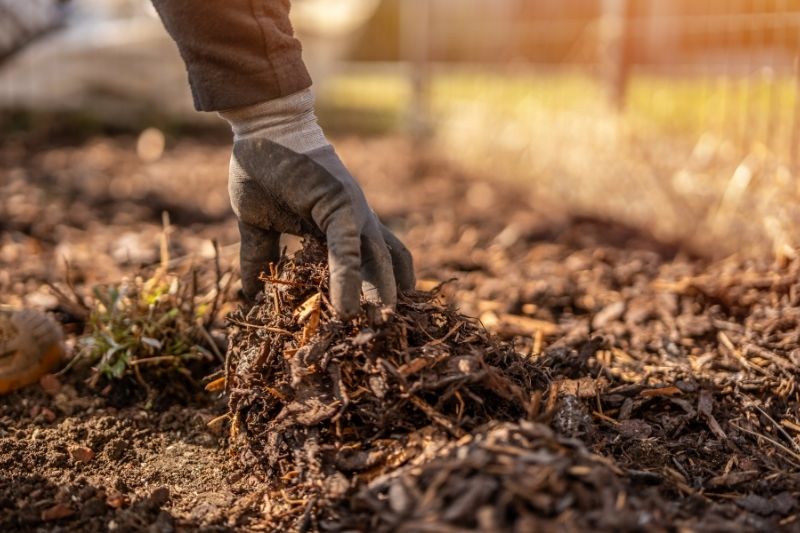
After one or two seasons, organic mulches have already broken down in the soil and become thinner. Late summer and early autumn are the ideal times to replenish the mulch on borders. They will have several beneficial effects :
- protection from the cold for the most sensitive plants, so it is important to replenish the mulch early enough in autumn, while the soil is still warm, so as not to trap the cold (read Mulching: how to protect young plants in the garden);
- improved soil structure over the months;
- suppression of the last adventive weeds.
Protect sensitive plants
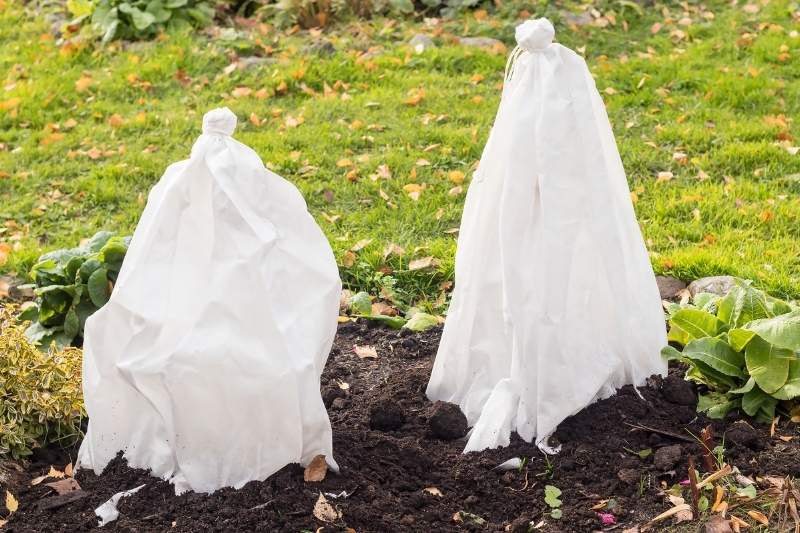
The first cool nights always arrive sooner than we would like. To avoid being caught out, plan from late September to mid-October to protect all plants that remain sensitive: this year's plants, plants at the limit of their hardiness and succulent plants will receive particular attention. Focus especially on plants that do not like winter wet (and fear it more than the cold).
There are several ways to protect a plant:
- Place fleece over the aerial part of the plant: it lets water, light and air through;
- Create a small, transparent protective canopy (made from materials such as Plexiglas) above succulent plants to protect them from excess moisture;
- Make a frame (from chicken wire or another strong, well-ventilated structure), filling it with leaves around plants that lose their foliage to protect them from the cold (bananas and cannas left in the ground, for example).
Overwinter tender plants
Do not wait for the first cold spells before overwintering non-hardy bulbous plants. Well, it depends on the region, but dahlias and cannas start looking rather unattractive as soon as wet conditions and cooler temperatures become an everyday occurrence, with their foliage turning black. Where winters are too cold for them to remain in the ground beneath a good layer of mulch, lift your rootstocks and other summer bulbs and overwinter them in the garage or somewhere frost-free. We tell you more in: How to overwinter summer bulbs?
Fill gaps and transplant
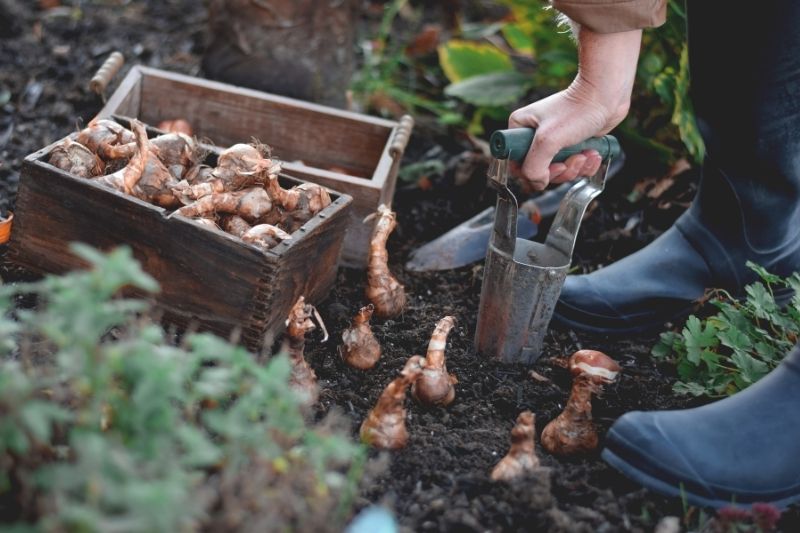
This is also the time to fill certain gaps that are now more visible (plants that have died after heatwaves, for example) with a few spring bulbs. September is indeed ideal for planting tulip, crocus, allium and daffodil bulbs, to name only the best-known ones. It is also a good time to transplant a shrub that no longer belongs in the border or divide perennials that have become too large.
Read our articles: How to divide a perennial?, Transplanting perennials and grasses: how to move your plants successfully and How to successfully transplant your trees and shrubs?
Finally, you can plant a few favourites bought at a recent plant fair at the same time, replacing those that did not survive the periods of drought.


































Comments