Organic Apple Tree Chailleux - Malus domestica
Organic Apple Tree Chailleux - Malus domestica
Organic Apple Tree Chailleux - Malus domestica
Organic Apple Tree Chailleux - Malus domestica
Malus domestica Chailleux
Apple, Orchard apple, Table apple, Cultivated apple
Quel est le porte greffe pour les pommiers Chailleux ? merci
Debs, 17/12/2023
Back-to-school special offer!
Get €10 off for every €50 you spend! And get up to €40 off on a single order.
How does it work?
1. Shop your favourites
Add your favourite plants to your basket. For every €50 you spend (excluding delivery charges, store credit and the plastic-free option), you’ll receive a €10 voucher.
€50 spent = €10 voucher
€100 spent = €20 voucher
€150 spent = €30 voucher
€200 spent = €40 voucher
2. Place your order
Once your basket reaches one of the spending thresholds, place your order. You can even choose your delivery date!
3. Receive your voucher
As soon as your order has been shipped, you’ll receive an email containing your personal voucher code and its value.
4. Use it on your next order
Your voucher is valid for 90 days from the date you receive it. It can be used once only, on a new order worth at least the value of the voucher, excluding delivery charges.
Please note: Vouchers can be combined with other offers, but cannot be split or refunded.
Home or relay delivery (depending on size and destination)
Important: You may be charged customs duties by your country’s customs authorities upon delivery.
Schedule delivery date,
and select date in basket
This plant carries a 12 months recovery warranty
More information
We guarantee the quality of our plants for a full growing cycle, and will replace at our expense any plant that fails to recover under normal climatic and planting conditions.

Description
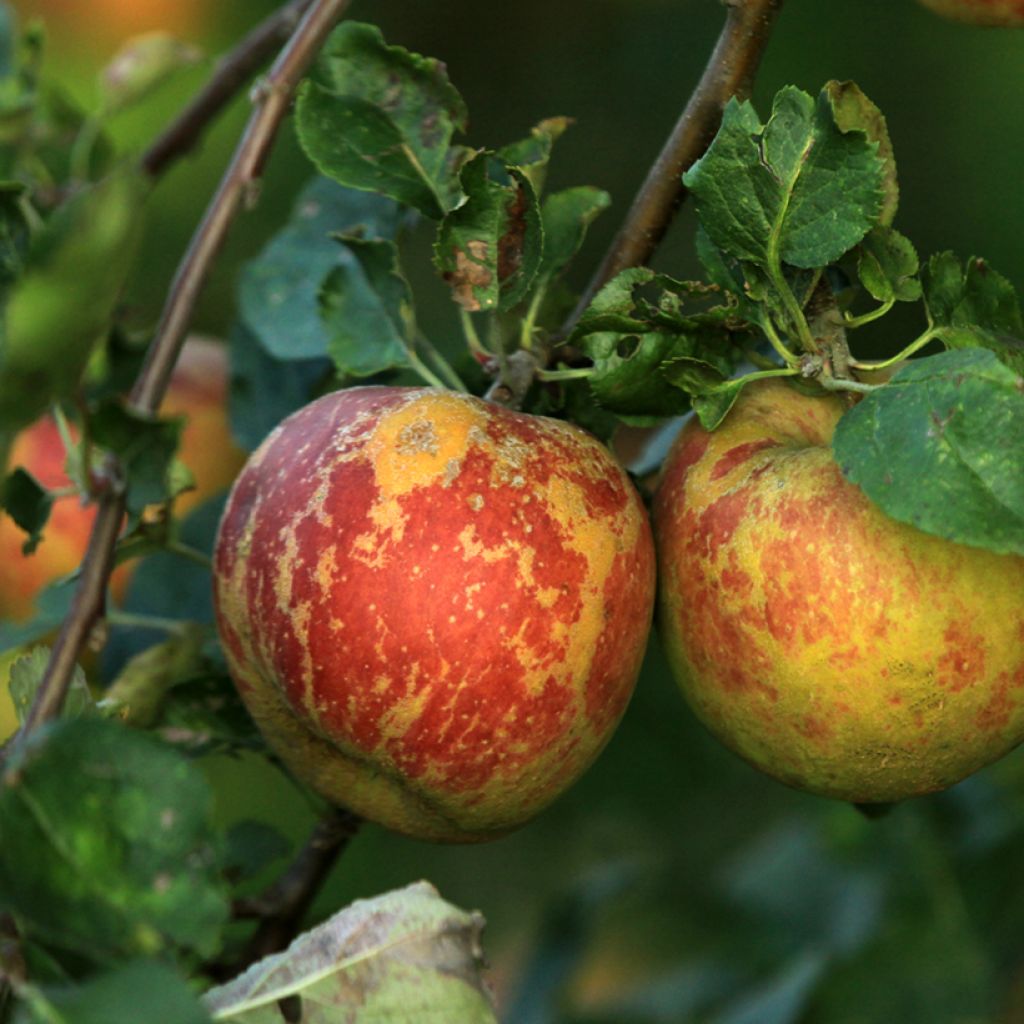
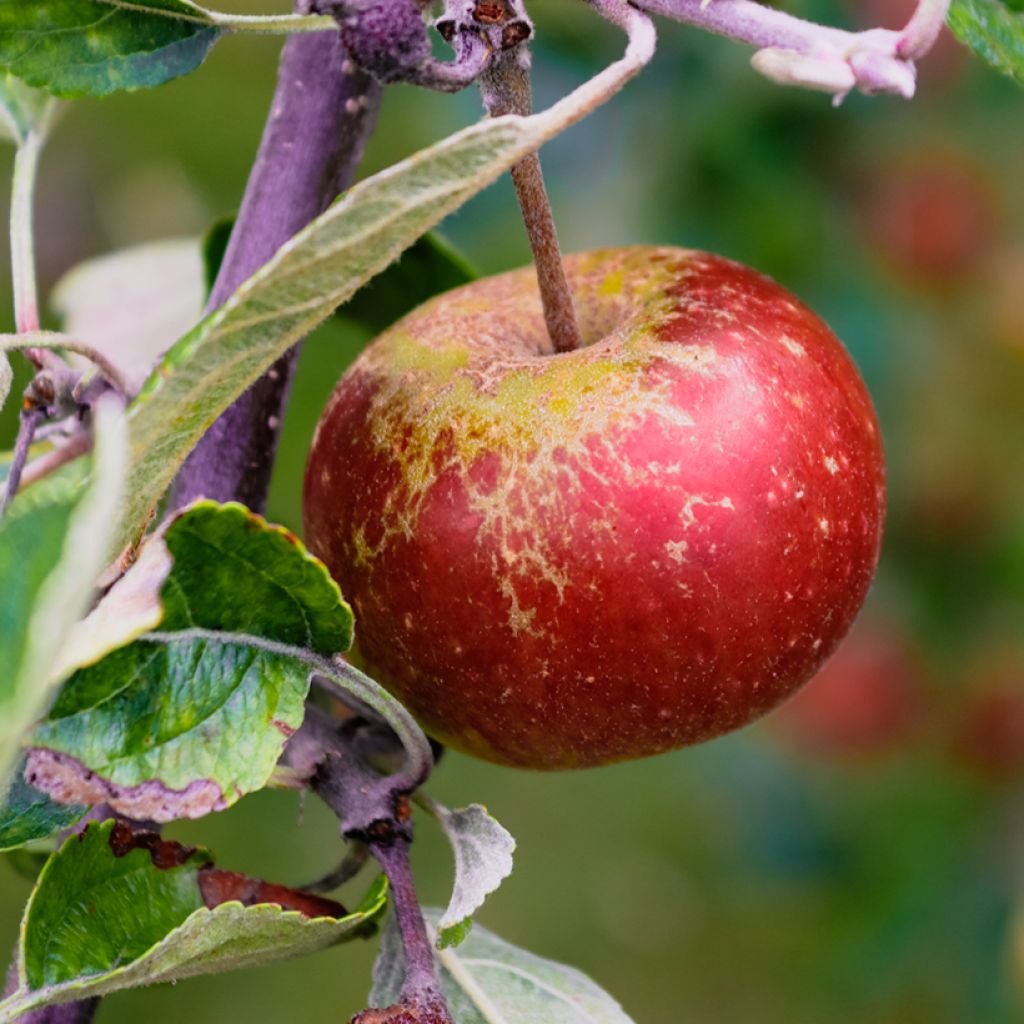
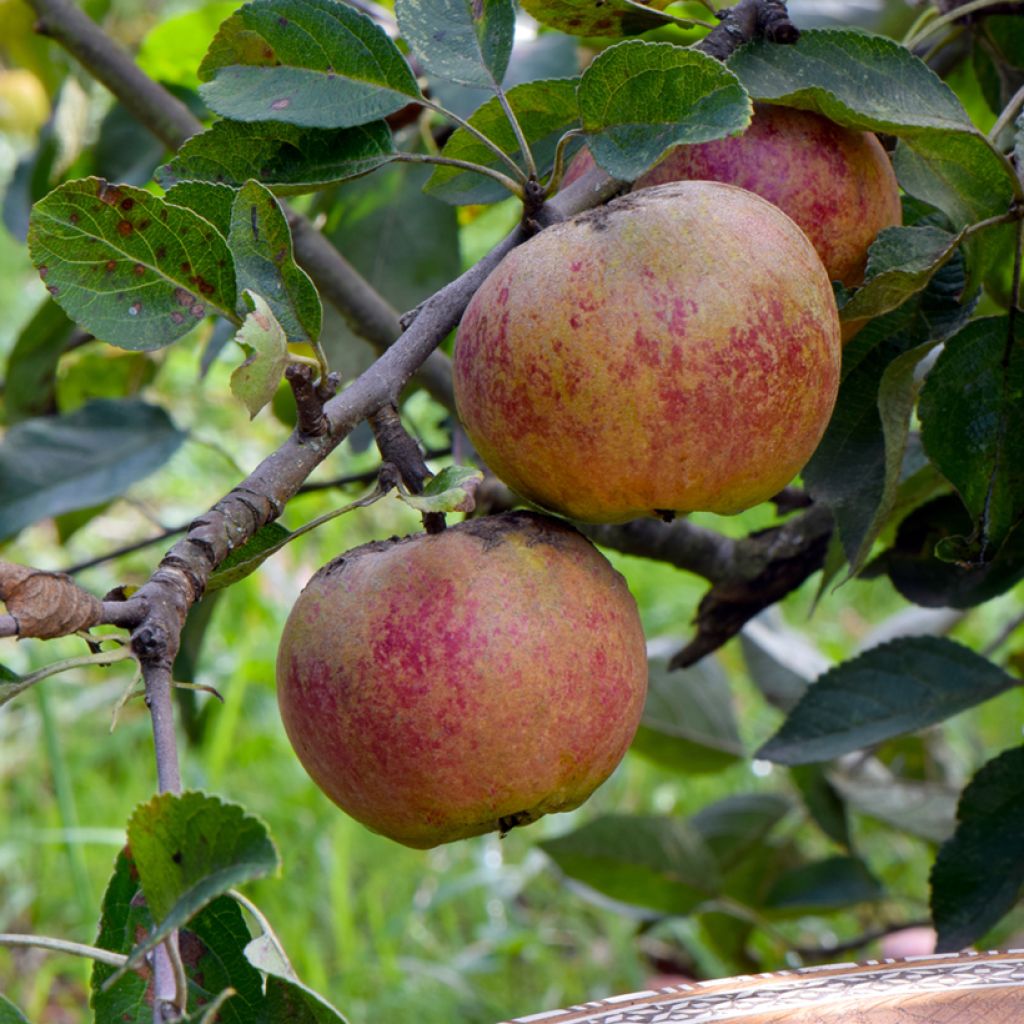
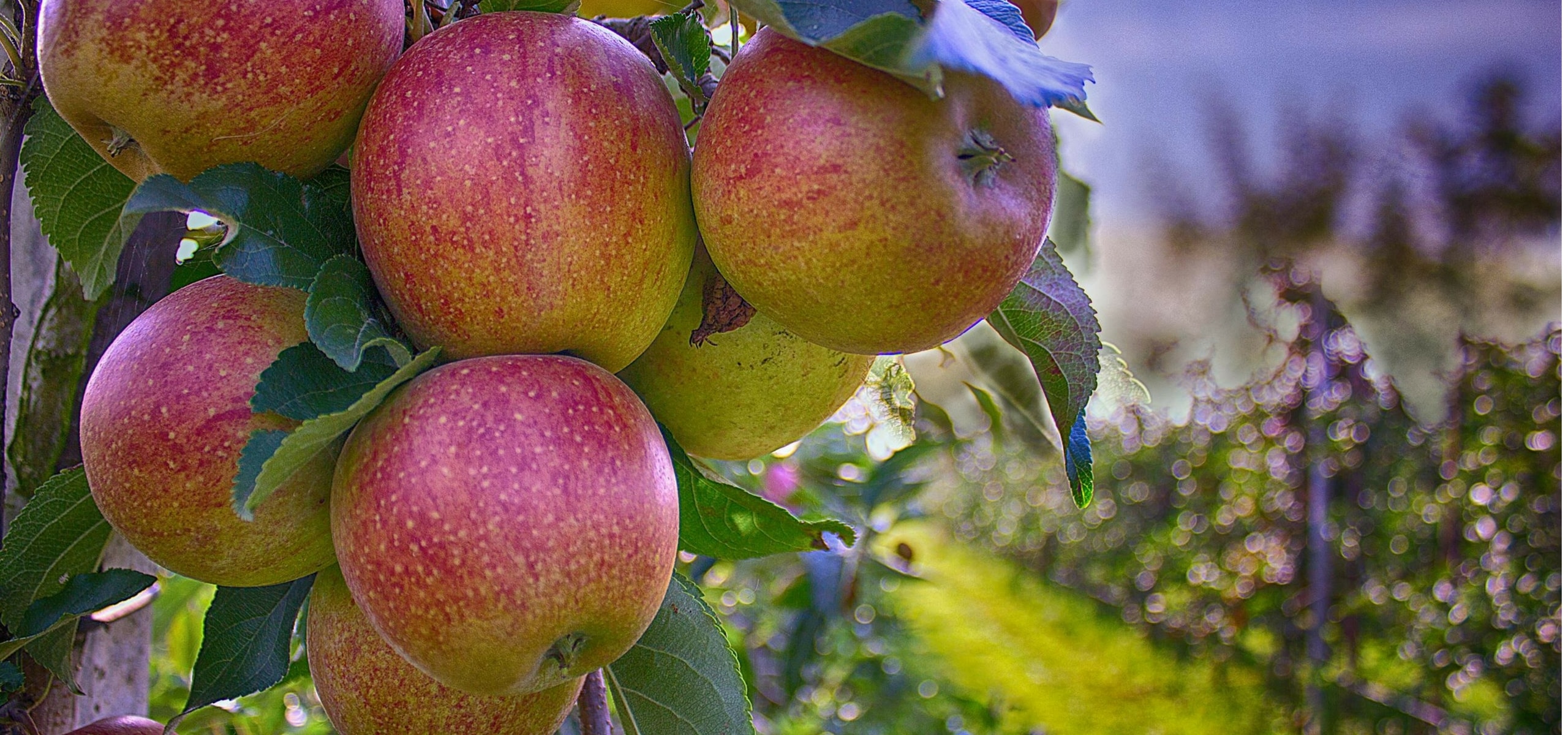
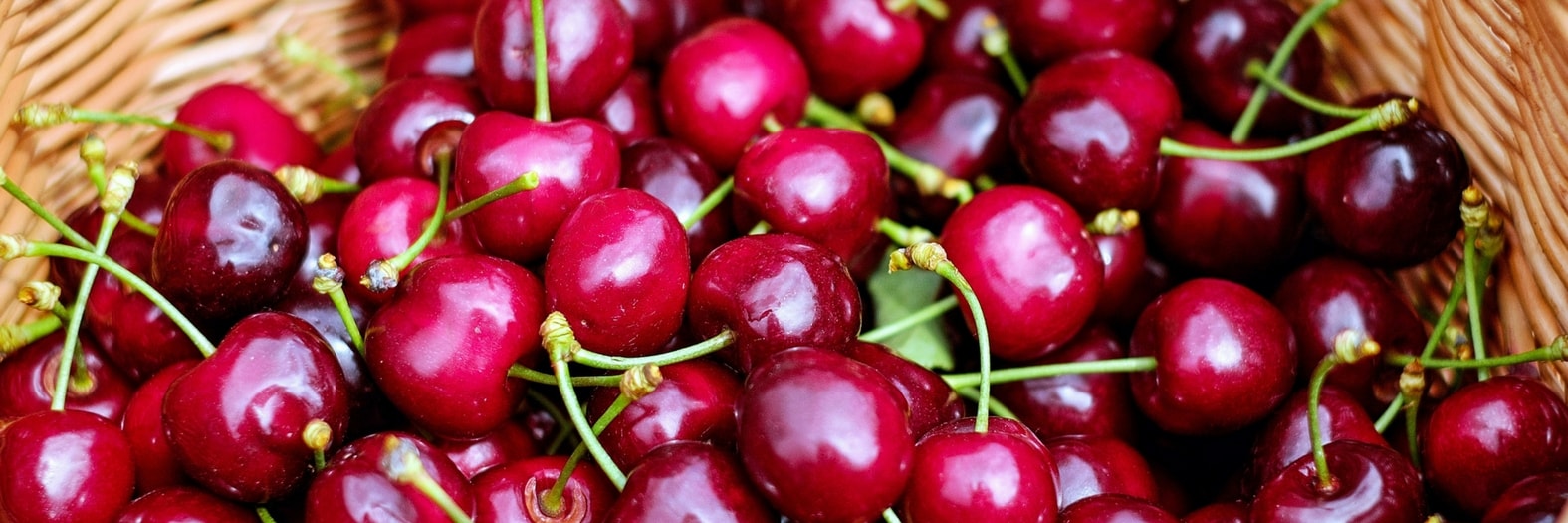
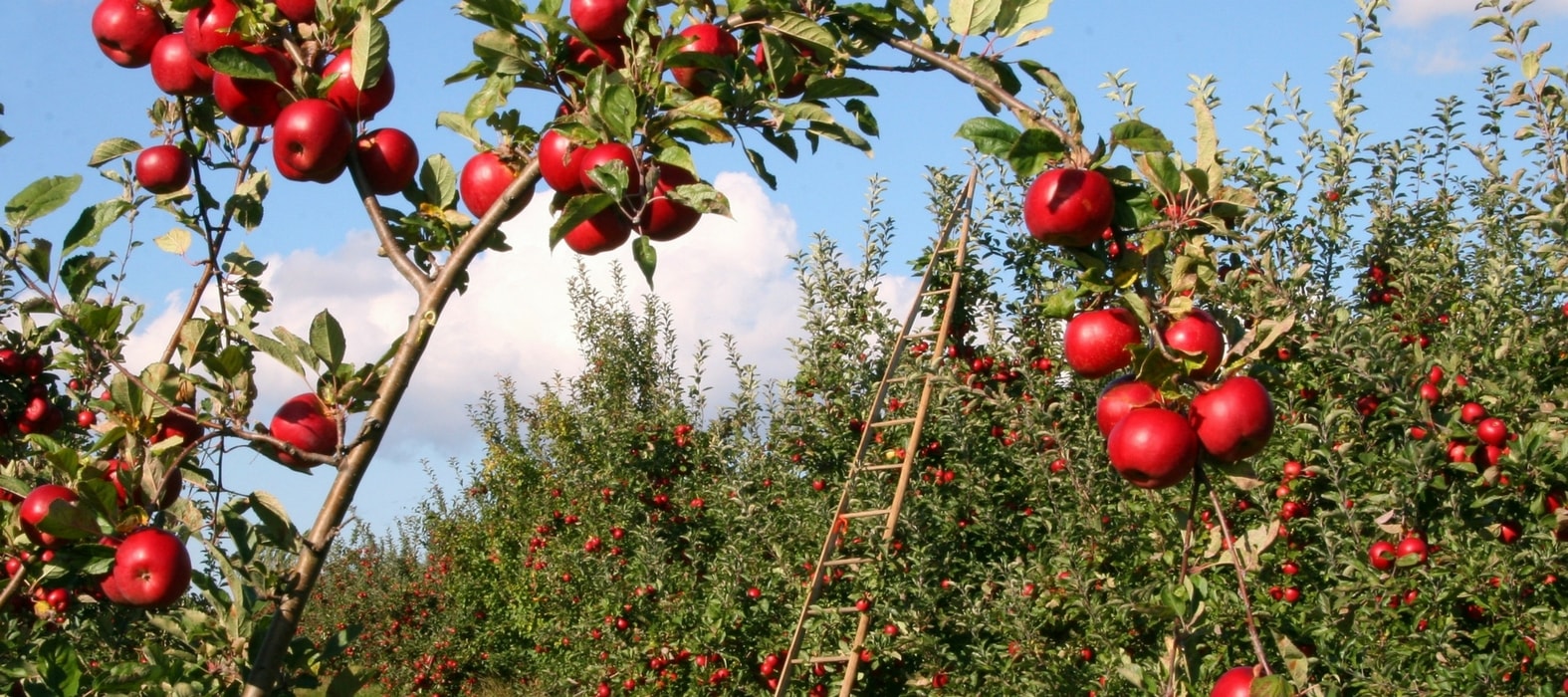
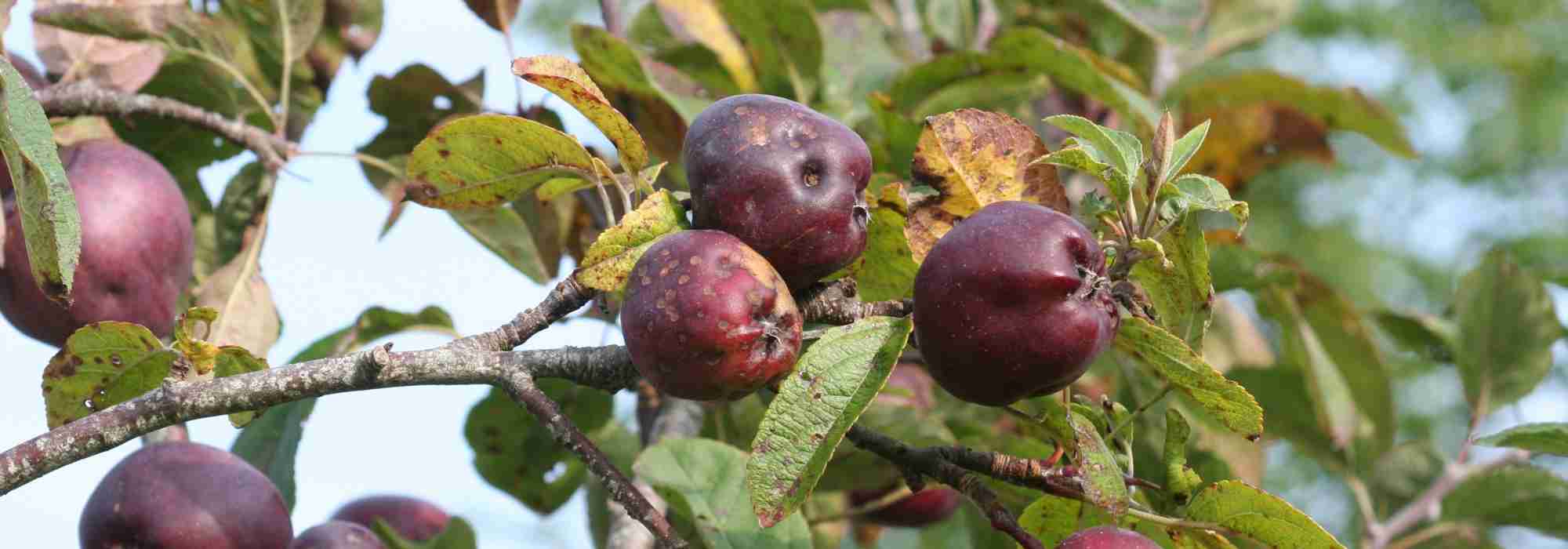
The Chailleux apple tree is a very old variety, widespread in Brittany, known for its good adaptability in this region and for its apples of excellent taste with numerous culinary uses. It produces a medium to large-sized apple, round in shape, sometimes slightly conical. The skin is yellow, washed with carmine red and marbled with russet, widely speckled with brown near the eye and the stem. The white-yellow flesh is fine, tender, juicy, sweet, and pleasantly acidic. In October, the fruits can be consumed from harvest and can be stored until March if the picking is late and the storage conditions are optimal. It is a self-sterile variety that requires the presence of other apple tree varieties for pollination.
The Malus domestica, also known as Malus communis or Malus pumila, is commonly called the Common or Domestic Apple tree. It belongs to the Rosaceae family. Present in France and Europe since ancient times, it is a fruit tree native to the forests of Central Asia. It is highly hardy and is probably the most cultivated fruit tree in Northern Europe. There are approximately 20,000 varieties, including about 10,000 of American origin, 2,000 of English origin, and 2,000 of Chinese origin. The Chailleux apple tree, known as Drap d'Or, Reinette de Melesse, and Reinette Vermeille de Bretagne, is native to Nozay in Loire-Atlantique. In 1869, it was submitted to the Paris Horticultural Society and the Pomological Congress, which highly recommended it. This variety can be found in the Gallo region of Brittany.
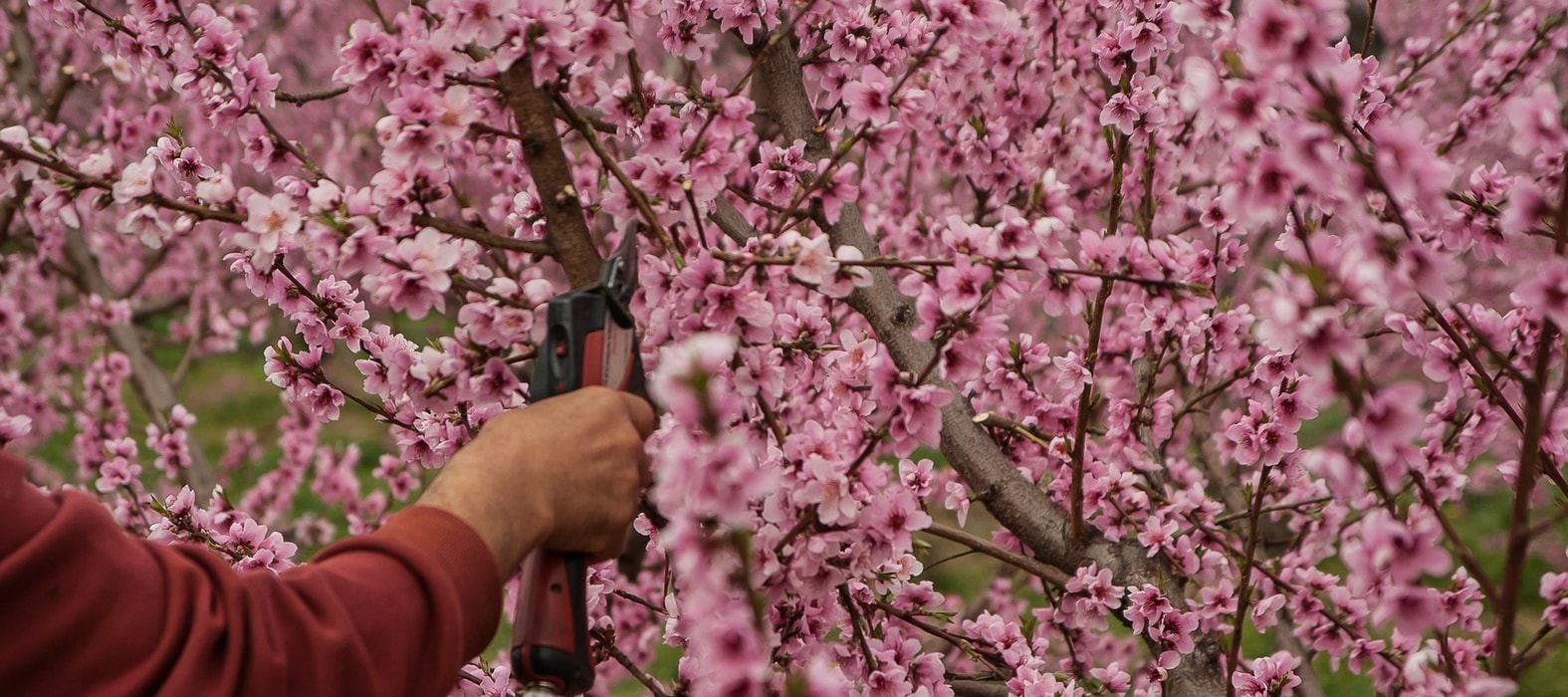
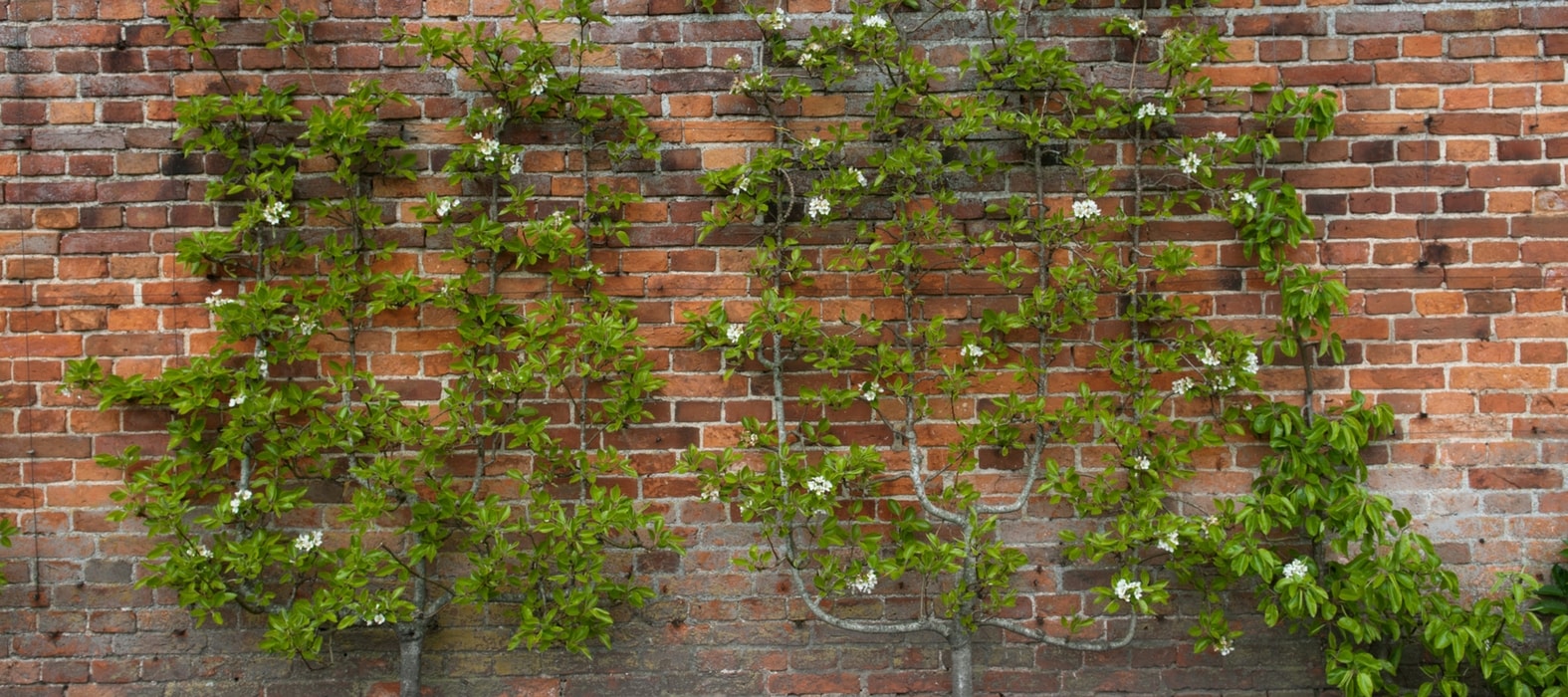
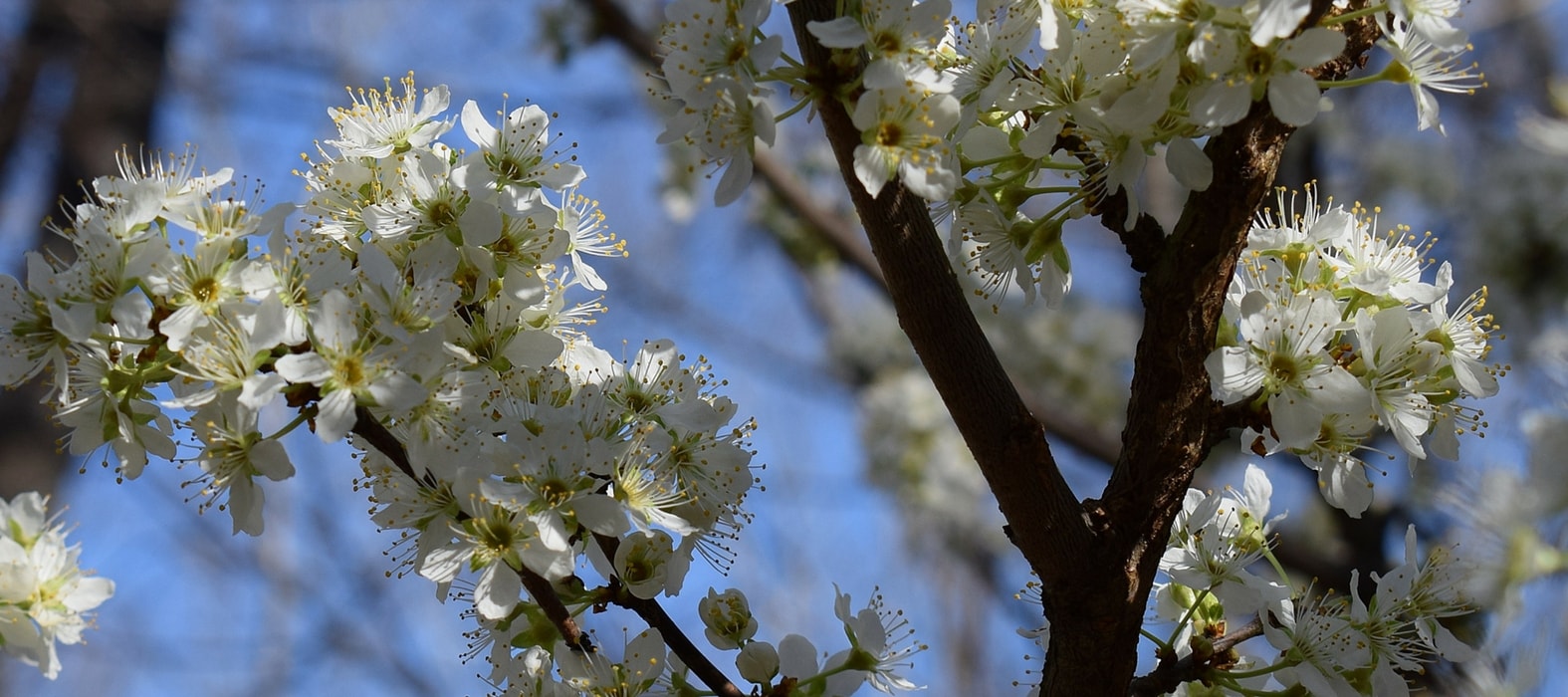
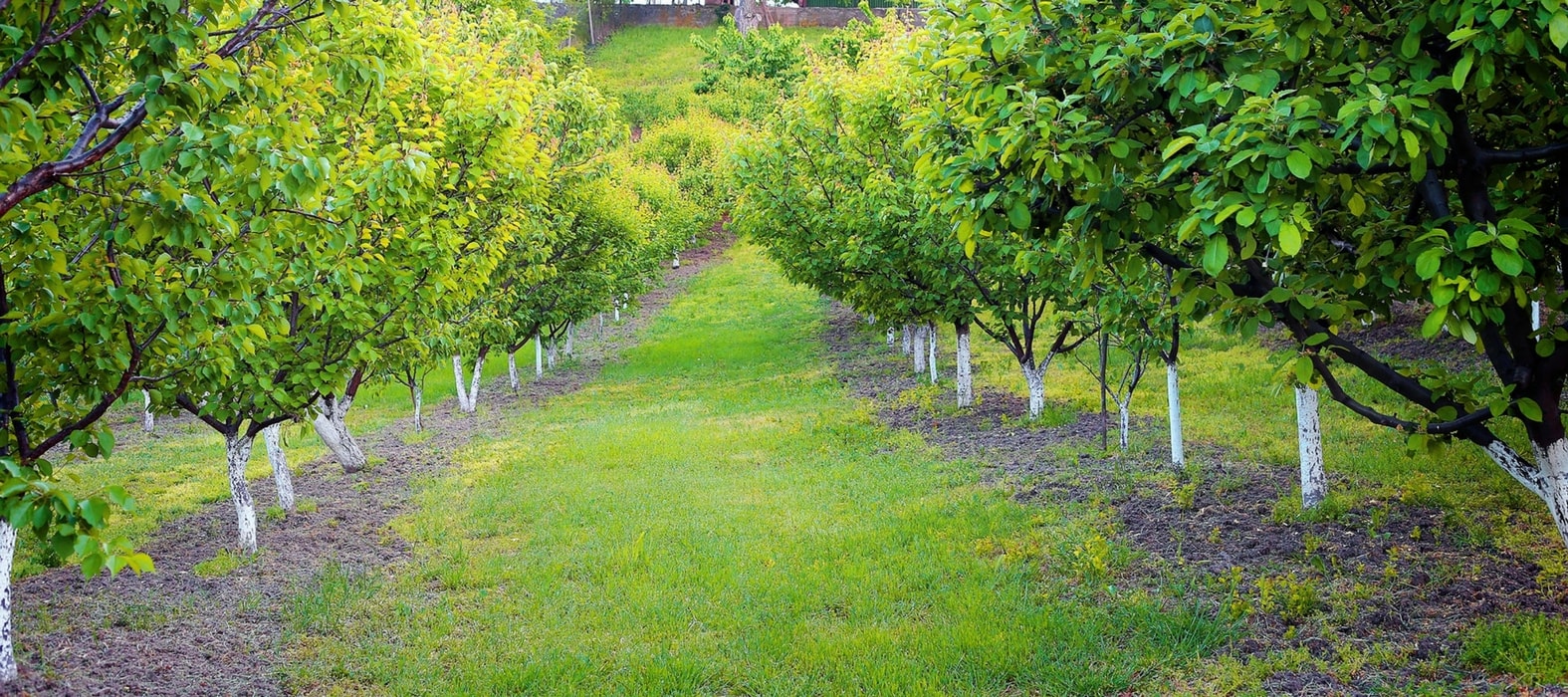
The Chailleux apple tree has a spreading, weeping habit with drooping branches, reaching approximately 5 to 6 m (16 to 20ft) in height and 4 m (13ft) in spread at maturity. Its habit is suitable for low or tall forms and espalier forms. Its foliage consists of large, ovate leaves, greenish-brown on the upper side, whitish-green on the lower side, and is deeply toothed. The flowering, occurring in mid-April, is usually protected from frost. The flowers are destroyed by frost from -2 to -3°C (28.4 to 26.6°F). This variety is suitable for cultivation in all regions with frosts that are not too late. The apple tree is a hardy plant that can withstand temperatures around -20°C (-4°F) and is suitable for cultivation in all regions. Its abundant white flowering is remarkably decorative in spring and highly attractive to bees. Despite its vigour, it is a variety that produces poor-quality pollen, making it weakly capable of pollinating other apple varieties. It produces apples with few or no fertile seeds. It is said to be self-sterile, so apple trees that flower simultaneously are necessary. Varieties such as Court Pendu, Cox Orange, Golden Delicious, Granny Smith, Reine des Reinettes, Reinette du Mans, Reinette Etoilée, Royal Gala, or any other semi-late flowering variety are suitable for cross-pollination. Ornamental apple trees, such as Perpetu Evereste and John Downie, flower abundantly and can be excellent pollinators.
The Chailleux apple tree is a vigorous variety, highly fertile, fast-fruiting, very productive, somewhat sensitive to fruit drop, moderately sensitive to aphids, and relatively resistant to bacterial canker and scab. It is moderately biennially bearing and can produce abundantly every other year.
A crispy, juicy, and sweet apple that can be consumed raw or cooked in compotes, pastries, paired with cheeses, or as an accompaniment to savoury dishes such as blood sausage, pork, or salads. It is also perfect for making juice or cider. Easy to consume, the apple provides excellent satiety. Rich in carbohydrates and fructose, it invigorates, energises, and rehydrates. Its content of vitamins A, B, C, and E, minerals, antioxidants, and fibre make the apple a health asset. The fruits can be stored throughout the winter, even until March, if picked late. Storage can be done in a cool, clean place, protected from light, at a temperature of around 8 to 10°C (46.4 to 50°F), or in a cold room, sealed off from outside air, at a temperature of 1 to 3°C (33.8 to 37.4°F). The apple releases ethylene, a gas that promotes fruit ripening. Place your apples next to them to speed up the ripening of other fruits or vegetables.
Very popular for its fruits, the apple tree finds its rightful place in the garden to delight both young and old. Finding the best variety for you could not be more straightforward among a wide range of apple trees.
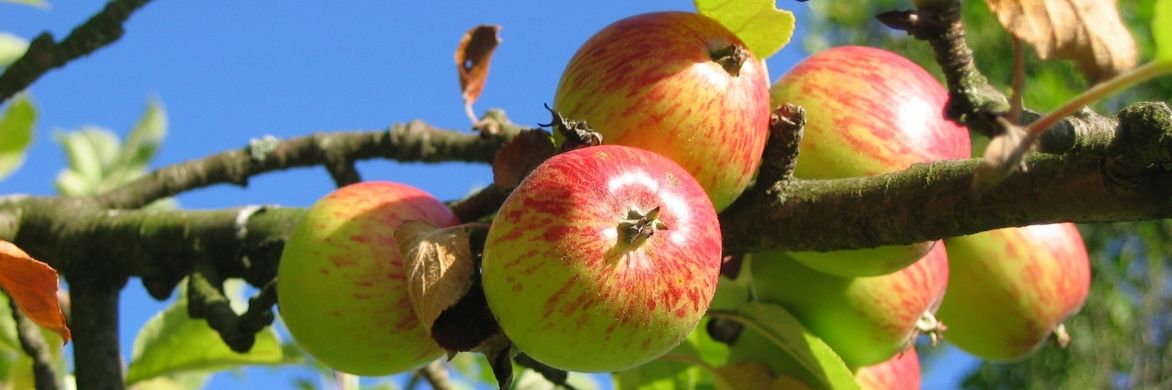
Organic Apple Tree Chailleux - Malus domestica in pictures
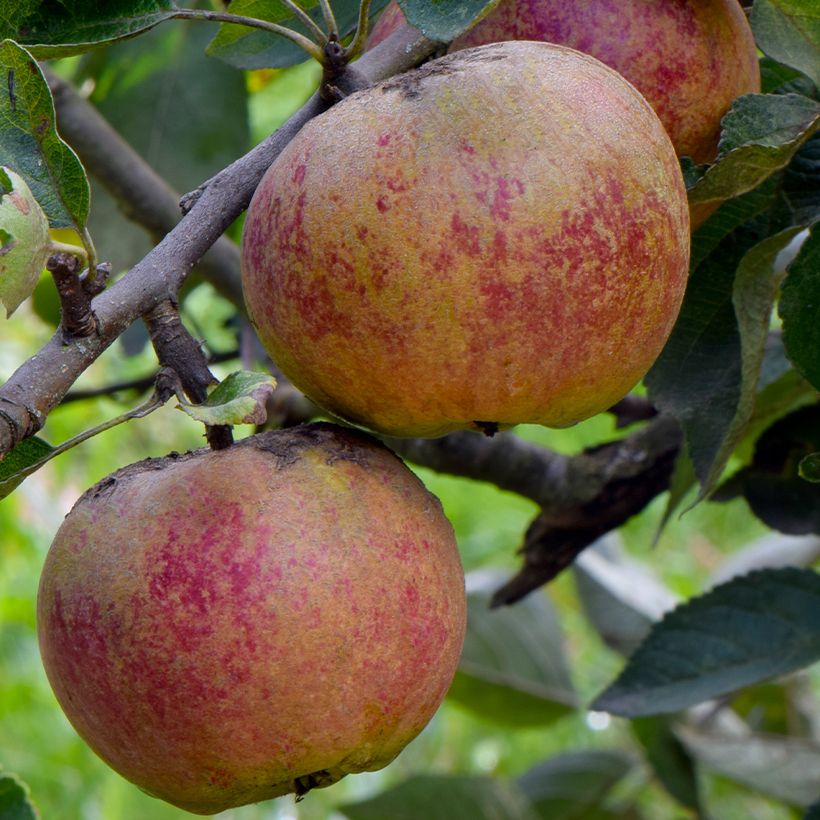
Plant habit
Fruit
Flowering
Foliage
Planting and care
Choose a well-sunlit location for your Chailleux Apple tree; the soil can be slightly chalky or acidic, but not excessively. Dig a wide planting hole at least three times the size of the root ball. Simultaneously, organic matter (topsoil, compost, etc.) and a base fertiliser such as bonemeal should be added. Do not bury the graft collar. Stake if necessary. For apple trees planted in isolation and in open ground, it may be interesting to stake them by installing a guy wire system: plant three stakes in a triangle 50 cm (20in) around the trunk and connect them with pieces of wood. Protect the bark with a piece of rubber, for example, and attach the stakes to the trunk with metal wires. Water abundantly, even in winter, even if it rains. Fruit trees are ideally planted between October and March, outside the frost period. Container-grown plants can be planted all year round except during extreme heat or frost periods.
In winter, at the foot of the tree and lightly incorporated into the soil surface, you can add a small shovelful of wood ash, rich in potassium, which will improve fruiting. Apple trees can be prone to various diseases and pests. To limit the risks, space the trees sufficiently apart and install multi-species hedges, nest boxes or insect hotels to attract beneficial insects. In short, favour diversity. The main diseases affecting apple trees are scab (brown spots on the leaves), moniliasis (drying out of the flowers and rotting of the fruit on the tree) and powdery mildew (white felting on the leaves). In these three cases, preventive action is best taken by spraying with a decoction of horsetail. As a last resort, and in the event of heavy attacks, you can apply a fungicide. As for pests, the codling moth (or fruit worm) is a small caterpillar, the butterfly's offspring, which causes galleries inside the fruit. To prevent this, it's best to take preventive action by encouraging birds and bats to settle in by installing nest boxes. In an aphid attack, spray with a black soap solution.
Only keep the picked fruits during the September harvest. For proper storage, it is desirable to place the apple with its stem downwards on shelves or in crates. Choose a place that is preferably completely dark, dry, and cool but frost-free.
Planting period
Intended location
Care
Planting & care advice
-
-
-
-
-
-
-
-
-
, onOrder confirmed
Reply from on Promesse de fleurs
Recently viewed products
Haven't found what you were looking for?
Hardiness is the lowest winter temperature a plant can endure without suffering serious damage or even dying. However, hardiness is affected by location (a sheltered area, such as a patio), protection (winter cover) and soil type (hardiness is improved by well-drained soil).
In temperate climates, pruning of spring-flowering shrubs (forsythia, spireas, etc.) should be done just after flowering.
Pruning of summer-flowering shrubs (Indian Lilac, Perovskia, etc.) can be done in winter or spring.
In cold regions as well as with frost-sensitive plants, avoid pruning too early when severe frosts may still occur.
The harvesting period indicated on our website applies to countries and regions in USDA zone 8 (France, England, Ireland, the Netherlands).
In colder areas (Scandinavia, Poland, Austria...) fruit and vegetable harvests are likely to be delayed by 3-4 weeks.
In warmer areas (Italy, Spain, Greece, etc.), harvesting will probably take place earlier, depending on weather conditions.
The sowing periods indicated on our website apply to countries and regions within USDA Zone 8 (France, UK, Ireland, Netherlands).
In colder areas (Scandinavia, Poland, Austria...), delay any outdoor sowing by 3-4 weeks, or sow under glass.
In warmer climes (Italy, Spain, Greece, etc.), bring outdoor sowing forward by a few weeks.
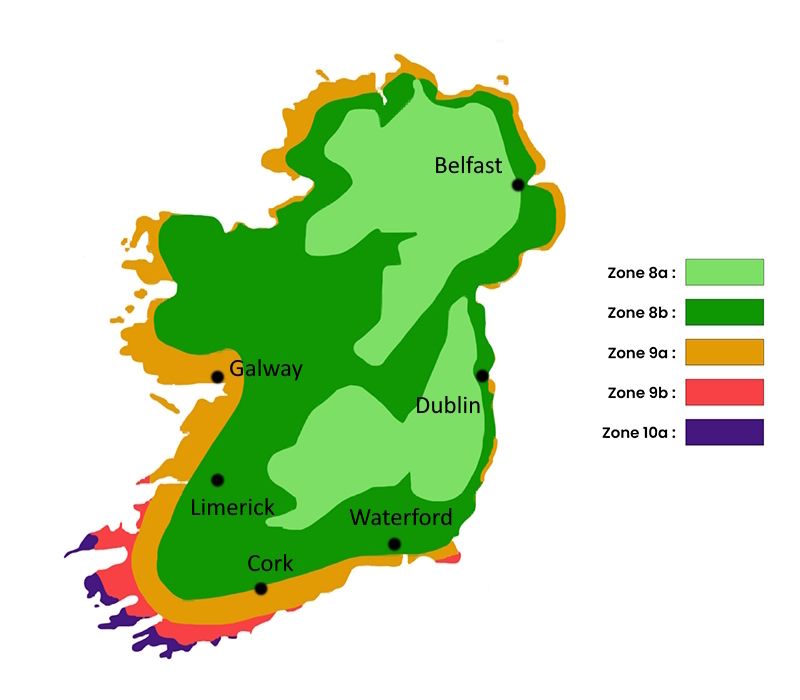
The planting period indicated on our website applies to regions in USDA Zone 9a (East Coast and Midlands: Dublin, Wexford, Waterford, Kilkenny, Portlaoise). It will vary depending on where you live:
- On the west coast and in the north-west (Galway, Limerick, Sligo, Donegal, Westport), delay planting by 1 to 2 weeks in spring and bring it forward by 1 to 2 weeks in autumn compared to the dates given, preferably choosing periods without strong winds.
- In the inland hills and plateaus (Wicklow Mountains, Macgillycuddy’s Reeks, Connemara, Killarney), it is best to plant in spring (April–May) or autumn (September–October), avoiding periods of waterlogged soil in winter and strong winds, which pose the main risk to newly planted trees in these areas.
The flowering period indicated on our website applies to regions in USDA Zone 9a, such as the East Coast and Midlands, including Dublin, Wexford, Waterford, Kilkenny and Portlaoise.
This will vary depending on where you live:
- On the west coast and in the northwest (Galway, Limerick, Sligo, Donegal and Westport), it will be delayed by one to two weeks compared to the given dates, due to stronger Atlantic winds and less spring sunshine.
- In the inland hills and plateaus (the Wicklow Mountains, the Macgillycuddy's Reeks, Connemara and Killarney), flowering will be delayed by two to three weeks. Flowering mainly occurs between May and July, with the limiting factors being less frost and more of the excessive humidity, strong winds and lack of sunshine that are characteristic of these areas.
Shipping country and language
Your country of residence may be:
Your country of residence is:
For a better user experience on our website, you can select:
Your shipping country:
-
 Austria
-
 Belgium
-
 Bosnia & Herzegovina
-
 Bulgaria
-
 Croatia
-
 Cyprus
-
 Czechia
-
 Denmark
-
 Estonia
-
 Finland
-
 France
-
 Germany
-
 Greece
-
 Hungary
-
 Iceland
-
 Ireland
-
 Italy
Italy
-
 Latvia
-
 Liechtenstein
-
 Lithuania
-
 Luxembourg
-
 Malta
Malta
-
 Netherlands
-
 Poland
-
 Portugal
-
 Romania
-
 Serbia
-
 Slovakia
-
 Slovenia
-
 Spain
Spain
-
 Sweden
-
 Switzerland
Language:
-
French
-
 English
-
Spanish
-
Italian
-
German
-
Portuguese
-
Dutch
-
Finnish
My Account
Hello
My wish lists
My cart
Log in / Register
Existing customer?
This form is protected by reCAPTCHA - the Google Privacy Policy and Terms of Service apply.
New customer?
Create an account to track your orders, access our customer service and, if you wish, make the most of our upcoming offers.