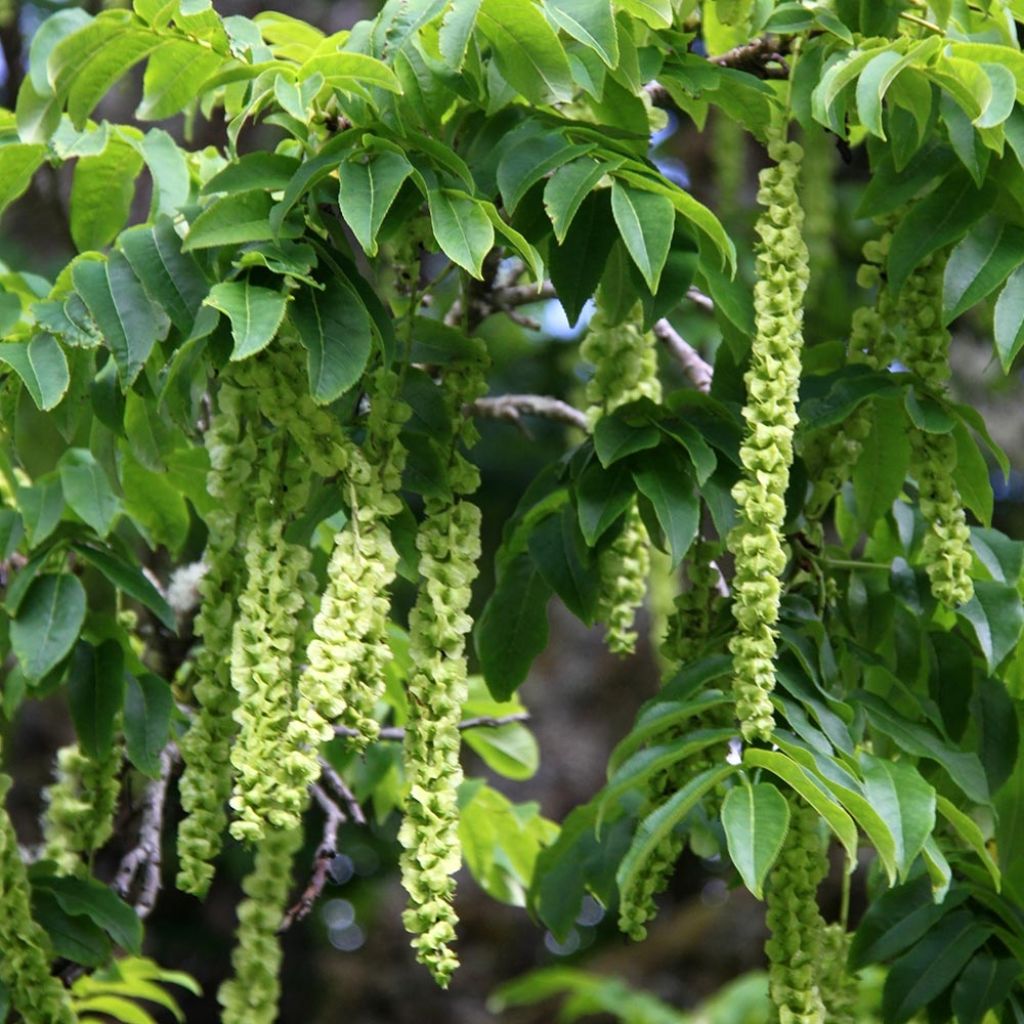
Pterocarya fraxinifolia - Caucasian wingnut
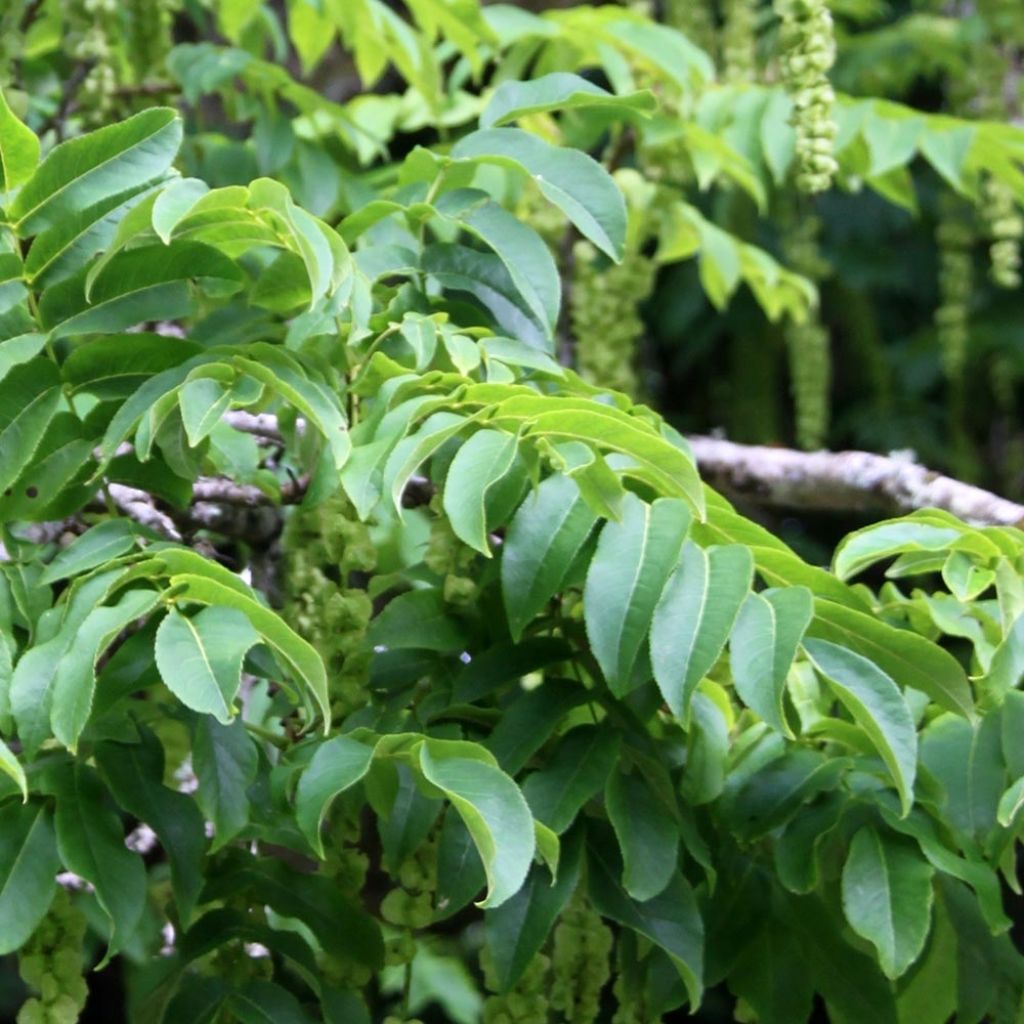
Pterocarya fraxinifolia - Caucasian wingnut
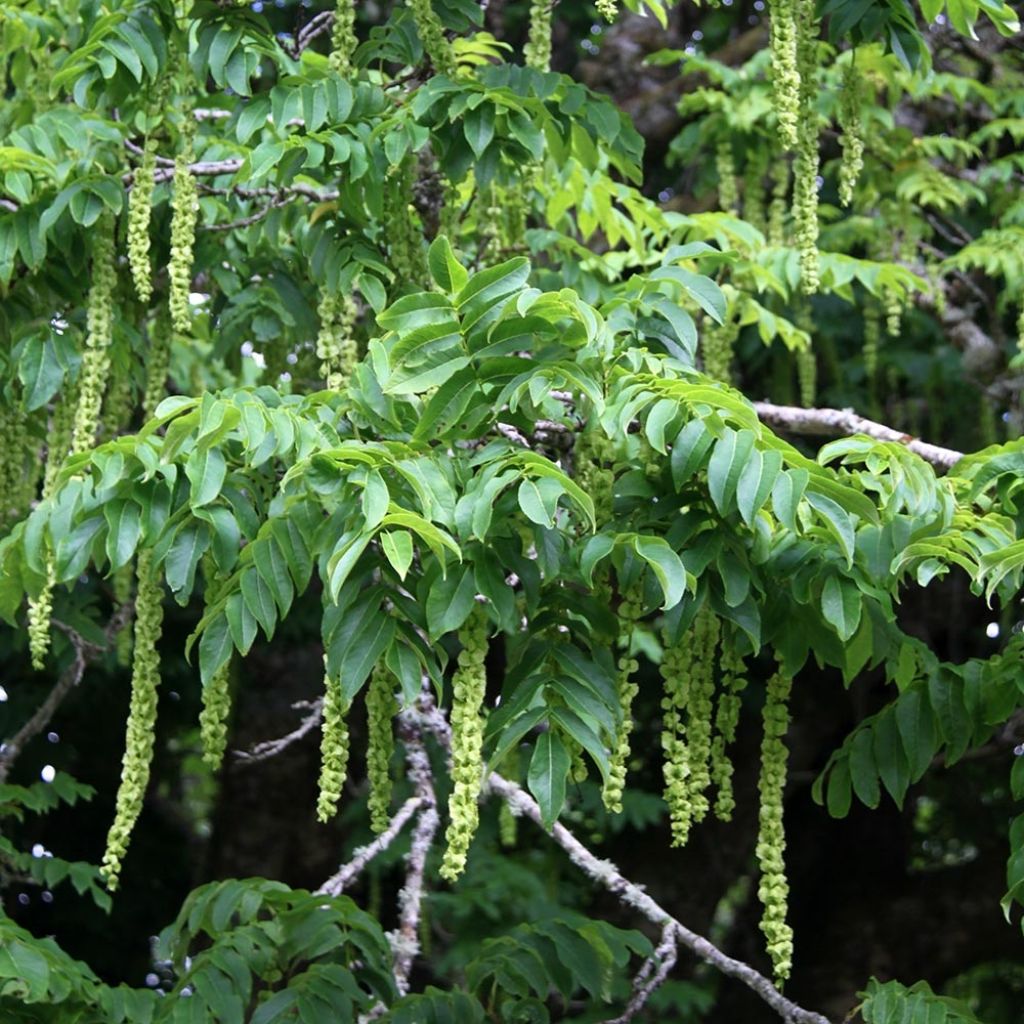
Pterocarya fraxinifolia - Caucasian wingnut
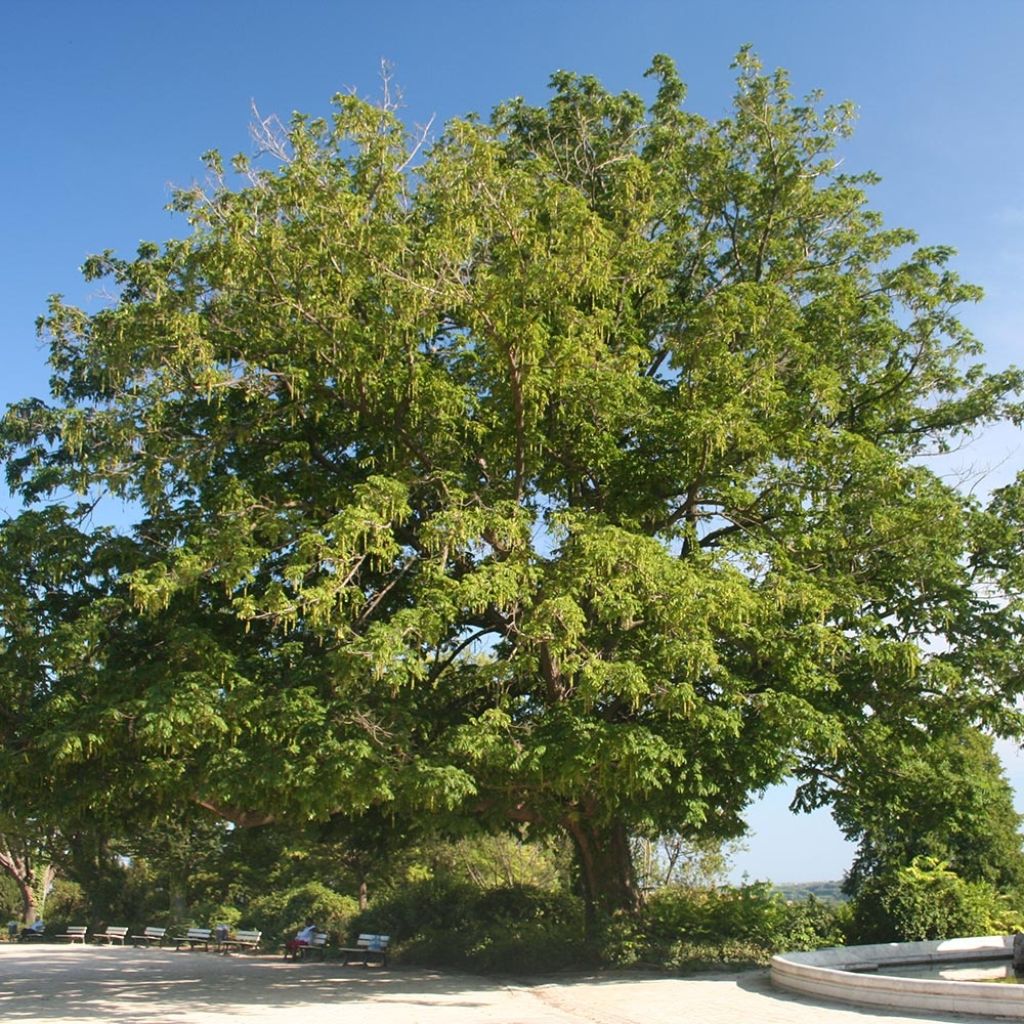
Pterocarya fraxinifolia - Caucasian wingnut
Pterocarya fraxinifolia - Caucasian wingnut
Pterocarya fraxinifolia
Caucasian wingnut, Caucasian walnut
Back-to-school special offer!
Get €10 off for every €50 you spend! And get up to €40 off on a single order.
How does it work?
1. Shop your favourites
Add your favourite plants to your basket. For every €50 you spend (excluding delivery charges, store credit and the plastic-free option), you’ll receive a €10 voucher.
€50 spent = €10 voucher
€100 spent = €20 voucher
€150 spent = €30 voucher
€200 spent = €40 voucher
2. Place your order
Once your basket reaches one of the spending thresholds, place your order. You can even choose your delivery date!
3. Receive your voucher
As soon as your order has been shipped, you’ll receive an email containing your personal voucher code and its value.
4. Use it on your next order
Your voucher is valid for 90 days from the date you receive it. It can be used once only, on a new order worth at least the value of the voucher, excluding delivery charges.
Please note: Vouchers can be combined with other offers, but cannot be split or refunded.
Why not try an alternative variety in stock?
View all →
Available in 1 sizes

Available in 1 sizes

Available in 1 sizes

Available in 1 sizes
Available in 1 sizes

Available in 1 sizes
Available in 1 sizes

Available in 2 sizes

Available in 1 sizes
This plant carries a 24 months recovery warranty
More information
We guarantee the quality of our plants for a full growing cycle, and will replace at our expense any plant that fails to recover under normal climatic and planting conditions.
Does this plant fit my garden?
Set up your Plantfit profile →
Description
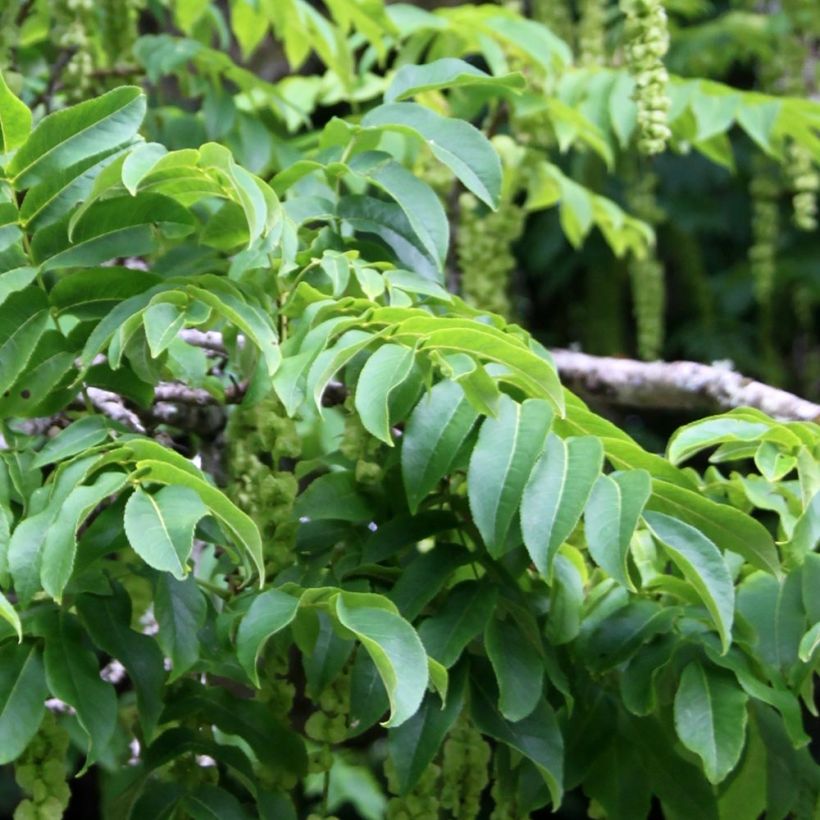
Le Pterocarya fraxinifolia, également appelé Noyer du Caucase, est un arbre caduc vigoureux et majestueux apparenté au célèbre noyer. Cette essence forestière, qui colonisait autrefois une grande partie de l'Europe, est aujourd'hui principalement présente dans les montagnes du Caucase et de l'Elbrouz, du sud de la Russie jusqu'au nord de l'Iran. Très apprécié en tant qu'arbre de parc et arbre d'ombrage, le ptérocaryer développe une couronne large, porte un feuillage élégant composé de longues folioles d'un vert lustré et produit de longs épis pendants où se serrent des fruits verts et ailés, originaux et très décoratifs. Offrez-lui une exposition dégagée et ensoleillée ainsi qu'un sol profond, riche et frais à humide.
Le Pterocarya à feuilles de frêne est un arbre de la famille des Juglandacées. Cette espèce inféodée au climat tempéré européen, qui a trouvé refuge dans les montagnes du Caucase durant la dernière période glaciaire, a été (ré)introduite en France en 1784 en tant qu'arbre d'ornement. Très bien acclimaté en dehors de la zone méditerranéenne, bien trop sèche et trop chaude, cet arbre est présenté comme potentiellement invasif dans certaines régions où il a tendance à coloniser les rives et les berges des cours d'eau.
C'est un arbre vigoureux, de croissance rapide, qui peut atteindre 25m de hauteur pour 20m d'envergure au niveau du houppier. Il présente un port plus ou moins étalé, une ramification basse et une couronne dense. Son tronc peut mesurer jusqu’à 1,5 m de diamètre. Il est souvent ramifié et couvert d'une écorce brun-gris foncé parcourue de longues et profondes fissures sur les sujets âgés. Au printemps, il développe des bourgeons de couleur rouille et des jeunes pousses de couleur brune teintées de vert olive. Les rameaux portent des feuilles disposées de façon alterne, longues de 50-60 cm, composées de 11 à 25 folioles allongées, finement dentées, mesurant 8 à 12 cm de longueur. Leur couleur est un vert assez foncé lustré sur le dessus, les nervures sont pubescentes au revers. Avant de tomber en automne, les feuilles virent au jaune. La floraison a lieu en avril-mai, elle prend la forme de chatons pendants. Les chatons mâles mesurent 12 à 15 cm de long, les femelles jusqu'à 45 cm. Ces derniers portent des noix d'environ 2 cm de diamètre entourées de 2 ailes semi-circulaires, qui seront mûrs à l'automne et persisteront longtemps sur les rameaux. Les fruits, emportés par le vent et les cours d'eau, germent facilement dans les terres humides à détrempées. Le noyer du Caucase supporte bien la pollution urbaine.
Arbre très sain, le Pterocarya fraxinifolia a besoin d'espace et d'une terre toujours fraîche, il trouvera sa place en isolé, dans un grand jardin, où il assurera un coin d’ombre agréable en été. Pour agrémenter ce petit coin de fraîcheur, pensez à planter à son pied quelques bulbes pour le printemps et/ou quelques vivaces d’ombre pour l’été. Par exemple des cyclamens de Naples, perce-neige, narcisses, jacinthes des bois, des fougères ou des Eranthis. Le noyer du Caucase est également utilisé pour fixer les berges. Attention, il peut drageonner si ses racines sont blessées.
Report an error about the product description
Pterocarya fraxinifolia - Caucasian wingnut in pictures
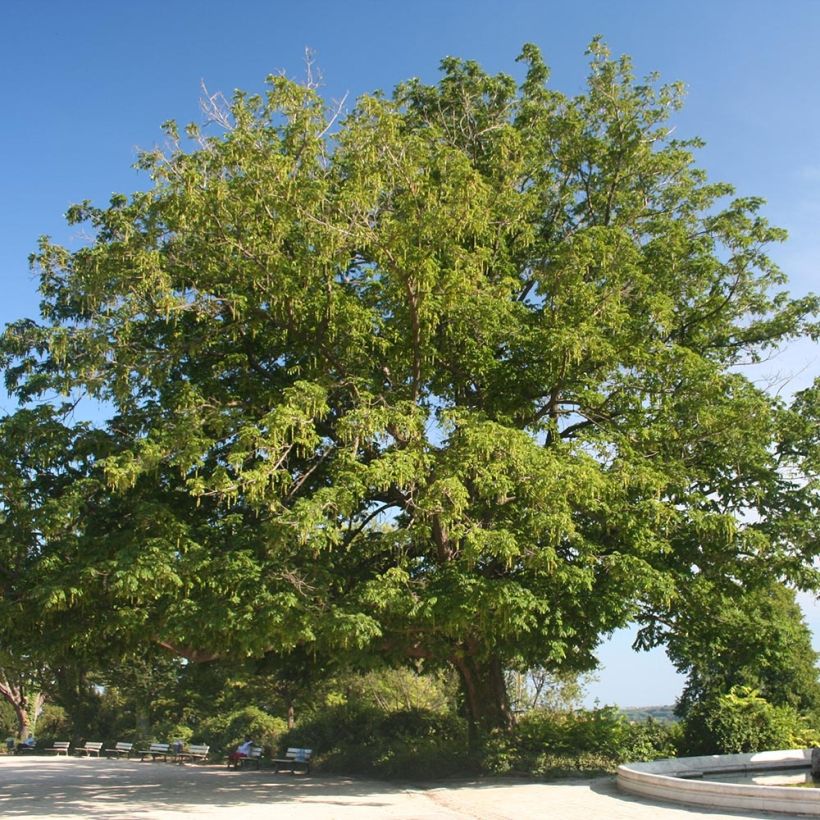
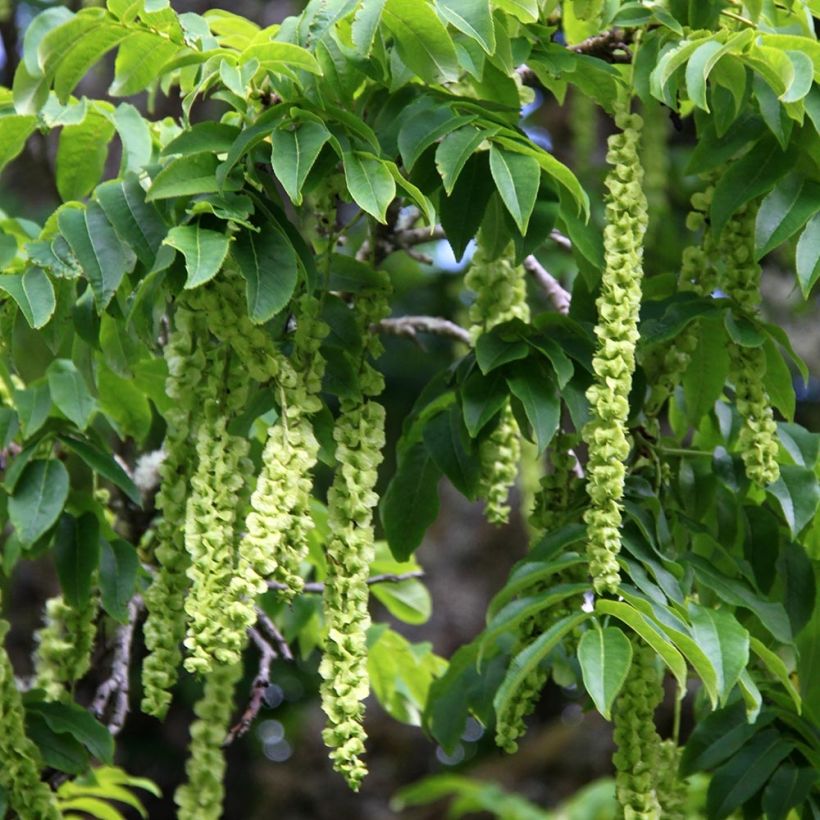
Plant habit
Flowering
Foliage
Botanical data
Pterocarya
fraxinifolia
Juglandaceae
Caucasian wingnut, Caucasian walnut
Caucasus
Planting and care
Plant your Caucasian wingnut (Pterocarya fraxinifolia) in autumn or spring, choose an open location with non-scorching sun, where the soil is deep and cool, and keep in mind the space it will eventually occupy. It appreciates fertile, clay or humus-bearing soils and tolerates occasionally waterlogged soils well, for example near watercourses. Maintain regular watering during the summer following planting and ensure it is protected from droughts for another year; mulching can help retain moisture at the base and reduce watering frequency. It's important to remember that this riverside tree needs permanently cool soil, at least at depth. Nevertheless, it can develop in drier locations if its roots are deeply embedded. The Caucasian wingnut tolerates pollution fairly well, but not salt spray. It is fully frost-resistant, though young leaves may be damaged by frost without serious consequences. Pruning involves balancing the tree's habit approximately every 3 years by possibly thinning the centre of the crown.
It may produce suckers if its roots are damaged: avoid mowing over them or digging nearby with a spade.
Planting period
Intended location
Care
Planting & care advice
-

-

-

-

-
-
-

-

This item has not been reviewed yet - be the first to leave a review about it.
Haven't found what you were looking for?
Hardiness is the lowest winter temperature a plant can endure without suffering serious damage or even dying. However, hardiness is affected by location (a sheltered area, such as a patio), protection (winter cover) and soil type (hardiness is improved by well-drained soil).
In temperate climates, pruning of spring-flowering shrubs (forsythia, spireas, etc.) should be done just after flowering.
Pruning of summer-flowering shrubs (Indian Lilac, Perovskia, etc.) can be done in winter or spring.
In cold regions as well as with frost-sensitive plants, avoid pruning too early when severe frosts may still occur.
The sowing periods indicated on our website apply to countries and regions within USDA Zone 8 (France, UK, Ireland, Netherlands).
In colder areas (Scandinavia, Poland, Austria...), delay any outdoor sowing by 3-4 weeks, or sow under glass.
In warmer climes (Italy, Spain, Greece, etc.), bring outdoor sowing forward by a few weeks.
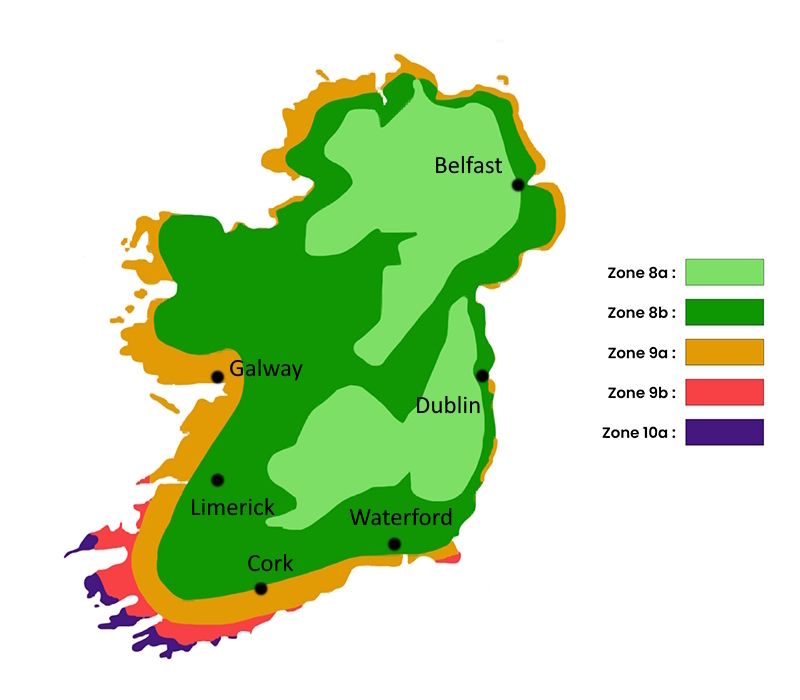
The planting period indicated on our website applies to regions in USDA Zone 9a (East Coast and Midlands: Dublin, Wexford, Waterford, Kilkenny, Portlaoise). It will vary depending on where you live:
- On the west coast and in the north-west (Galway, Limerick, Sligo, Donegal, Westport), delay planting by 1 to 2 weeks in spring and bring it forward by 1 to 2 weeks in autumn compared to the dates given, preferably choosing periods without strong winds.
- In the inland hills and plateaus (Wicklow Mountains, Macgillycuddy’s Reeks, Connemara, Killarney), it is best to plant in spring (April–May) or autumn (September–October), avoiding periods of waterlogged soil in winter and strong winds, which pose the main risk to newly planted trees in these areas.
The flowering period indicated on our website applies to regions in USDA Zone 9a, such as the East Coast and Midlands, including Dublin, Wexford, Waterford, Kilkenny and Portlaoise.
This will vary depending on where you live:
- On the west coast and in the northwest (Galway, Limerick, Sligo, Donegal and Westport), it will be delayed by one to two weeks compared to the given dates, due to stronger Atlantic winds and less spring sunshine.
- In the inland hills and plateaus (the Wicklow Mountains, the Macgillycuddy's Reeks, Connemara and Killarney), flowering will be delayed by two to three weeks. Flowering mainly occurs between May and July, with the limiting factors being less frost and more of the excessive humidity, strong winds and lack of sunshine that are characteristic of these areas.
The harvest period stated on our website applies to regions in USDA zones 8b to 9a (East, South-East and southern coast: Eastern Leinster, County Wexford and County Waterford, Cork region: Dublin, Wexford, Waterford, Kilkenny, Cork). It will vary depending on where you live:
- In the Midlands and the inland plains: the Middle Shannon Valley, Westmeath, Offaly, Longford, Cavan and Monaghan (Athlone, Mullingar, Tullamore, Longford, Cavan, Monaghan), in USDA zones 8a to 8b, the harvest will be delayed by 1 to 2 weeks compared with the dates given. Far from the moderating influence of the sea, these plains experience late frosts right up until the end of spring. The heavy, peaty soils warm slowly here, and damp patches form pockets of frost. Wait until the soil has dried out and warmed up before planting, and protect young plants with a fleece on clear nights.
- In the Atlantic West and North-West: Kerry, Clare, Galway, Connemara, Mayo, Sligo and Donegal (Killarney, Ennis, Galway, Westport, Sligo, Letterkenny), in USDA zones 8b to 10a, the harvest will be delayed by 1 to 3 weeks compared with the dates given. Summers here are cloudier, rainier and windier than in the east, which slows down ripening and encourages late blight and other fungal diseases. Kerry and Clare are at the lower end of the range, whilst Mayo and Donegal, which are cooler and more exposed, are at the upper end. However, the mild coastal winters mean that leafy vegetables and root vegetables can be harvested at dates close to those indicated, or even earlier: shelter crops from the wind with hedges and grow heat-loving plants in greenhouses or polytunnels.
- In the highlands, above 200 m: the Wicklow Mountains, Macgillycuddy’s Reeks, the Galtee and Comeragh ranges, the Twelve Bens in Connemara and the Donegal highlands, in USDA zones 7b to 8a, the harvest will be delayed by 2 to 4 weeks compared with the dates given, depending on the altitude, taking care to beat the first early frosts, which may occur as early as the start of autumn. Wind, constant damp and late frosts lasting into early summer significantly shorten the growing season. Opt for sheltered, south-facing slopes, early-maturing varieties and growing under cover.
Depending on your garden’s aspect, these variations can range from one to two weeks. A frost-prone valley floor delays the harvest, whilst a south-facing wall brings it forward.
Shipping country and language
Your country of residence may be:
Your country of residence is:
For a better user experience on our website, you can select:
Your shipping country:
-
 Austria
-
 Belgium
-
 Bosnia & Herzegovina
-
 Bulgaria
-
 Croatia
-
 Cyprus
-
 Czechia
-
 Denmark
-
 Estonia
-
 Finland
-
 France
-
 Germany
-
 Greece
-
 Hungary
-
 Iceland
-
 Ireland
-
 Italy
-
 Latvia
-
 Liechtenstein
-
 Lithuania
-
 Luxembourg
-
 Malta
-
 Netherlands
-
 Poland
-
 Portugal
-
 Romania
-
 Serbia
-
 Slovakia
-
 Slovenia
-
 Spain
-
 Sweden
-
 Switzerland
Language:
-
French
-
 English
-
Spanish
-
Italian
-
German
-
Portuguese
-
Dutch
-
Finnish
-
[pl]
My Account
Hello
My wish lists
My cart
Log in / Register
Existing customer?
This form is protected by reCAPTCHA - the Google Privacy Policy and Terms of Service apply.
New customer?
Create an account to track your orders, access our customer service and, if you wish, make the most of our upcoming offers.