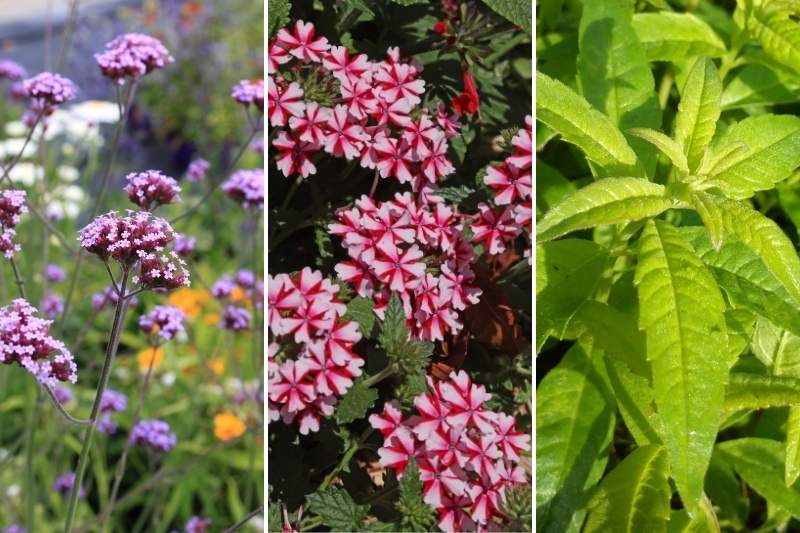
With their flowers renewing themselves over many weeks, verbenas are among those plants you can rely on throughout the whole of the warmer months. Hybrid verbenas, generally grown as annuals, form generous flowering clumps in pots, window boxes and borders. Buenos Aires verbena, much taller, sends its long stems soaring above borders. As for lemon verbena, it forms a small shrub with wonderfully fragrant foliage.
They do not all need pruning in the same way! Depending on the verbena, you may need to cut back the dry stems at the end of winter, remove faded flowers or shorten a few branches that have become too long. Nothing too complicated: a few well-placed snips with the secateurs are all it takes! Here is when and how to prune each type of verbena.
When should you prune verbena?
The pruning period depends on the type of verbena you are growing:
- Perennial verbenas, such as Buenos Aires verbena, should be cut back at the end of winter or the beginning of spring, when new shoots appear at the base. In summer, remove faded flowers as needed to prolong flowering.
- Hybrid verbenas mainly need care from spring until the end of summer, by regularly removing faded flowers and shortening stems that have become too long or bare.
- Lemon verbena is mainly pruned at the end of winter, once the hardest frosts have passed. In summer, you can also shorten the long shoots to keep the shrub well branched, while taking the opportunity to harvest the leaves.
How do you prune verbena?
Before you begin, equip yourself with a clean, sharp and disinfected pair of secateurs. Then inspect your verbena before cutting: dry, broken or diseased stems should always be removed first. The method otherwise depends on the type of verbena.
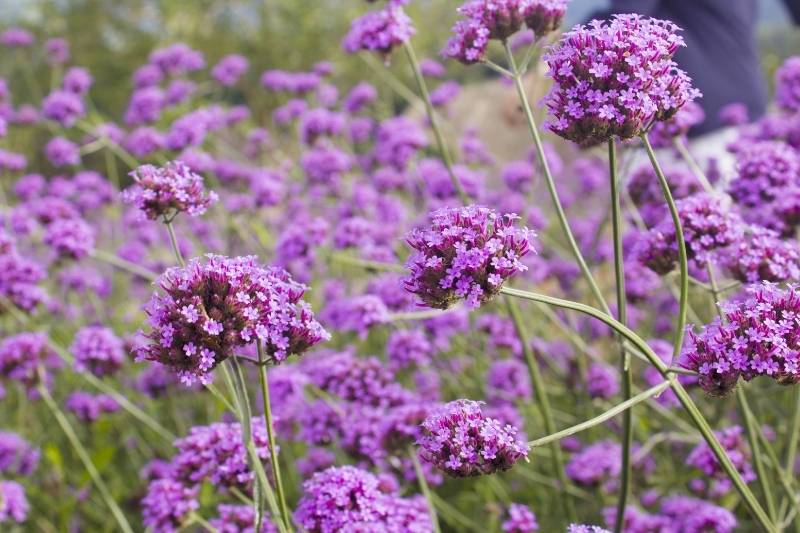
How do you prune perennial verbena or Buenos Aires verbena?
For perennial verbenas, such as Buenos Aires verbena, the main pruning consists of removing the old stems to make room for new growth.
- Identify the young shoots appearing at the base at the end of winter or the beginning of spring.
- Cut the old, dry stems fairly close to the crown, taking care not to damage the young shoots.
- Remove damaged or diseased stems so that healthy growth can start again.
- Remove faded flowers in summer if you want to encourage the plant to flower again.
At the end of the season, leave a few to go to seed if you enjoy seeing verbena self-seed naturally in the garden.
How do you prune hybrid verbena?
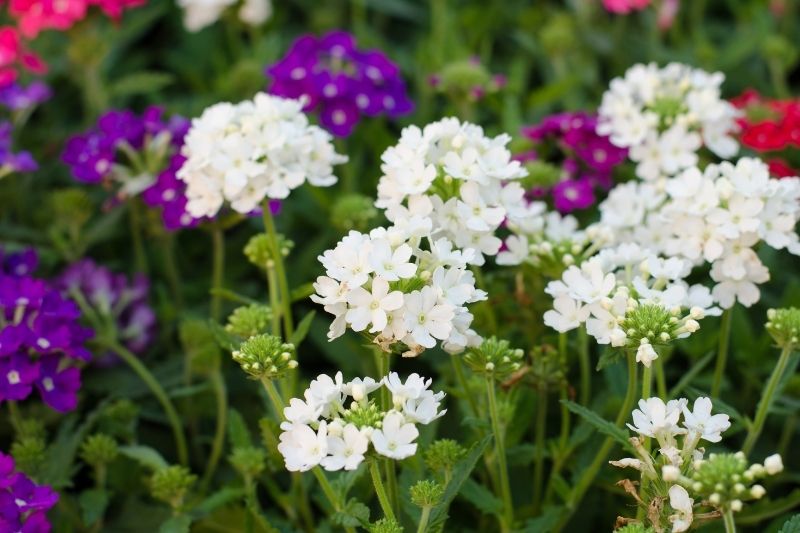
Annual or hybrid verbenas, grown in pots, window boxes or borders, mainly need maintenance pruning during flowering.
- Regularly remove faded flowers, also taking off their small stem rather than just the corollas.
- Shorten stems that are too long or bare if the clump starts to lose its shape.
- Cut just above a leaf joint to encourage new branching.
- Remove dry or damaged parts throughout the season.
This light summer pruning helps the plant to stay compact and keep producing flowers until the end of the warmer months.
How do you prune lemon verbena?
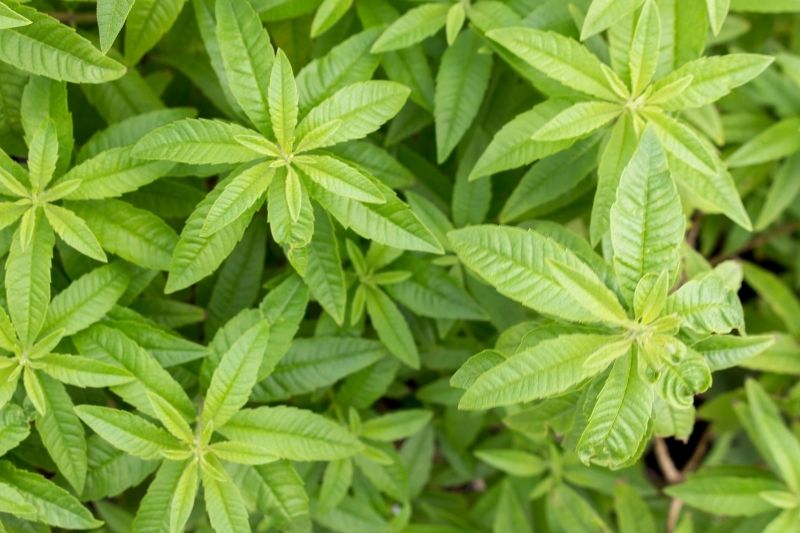
Lemon verbena (Aloysia citrodora) is a small shrub, so it needs pruning differently from verbenas in the genus Verbena.
- Wait until the hardest frosts have passed before pruning, generally in March.
- Remove dead wood, particularly the ends of branches that may have been damaged by the cold.
- Shorten the branches by around one third to one half of their length, cutting just above a bud or a leaf joint. This pruning encourages lemon verbena to produce new branches and helps it retain a more compact habit.
- Lightly prune in summer any stems that become too long. Take the opportunity to harvest the fragrant leaves: they can be used fresh or dried.
After pruning: caring for verbena
Once you have put away the secateurs, verbena needs very little special care. A few attentions will nevertheless help it to start growing again quickly and continue flowering in good conditions:
- Water only if the soil is dry: after spring or summer pruning, watering can encourage new growth, especially during dry periods. In pots, keep a closer eye on the growing medium, which dries out much more quickly.
- Avoid excess water: verbenas generally appreciate well-drained soil. Do not leave water standing in a saucer beneath the pots.
- Add a little compost in spring: a small amount of well-rotted compost around the base of your verbena supports the resumption of growth. There is no need to overdo it, as verbena is undemanding.
- Protect lemon verbena from the cold in winter: being more tender, it does not cope well with hard frosts. In the ground, lay a thick layer of mulch around the base and, if necessary, protect the aerial parts with fleece.
In a pot, bring it into a bright, cool, frost-free place. Reduce watering considerably during winter, without allowing the rootball to dry out completely.


































Comments