Permaculture: how to create a plant guild
For greater abundance, resilience and biodiversity
Contents
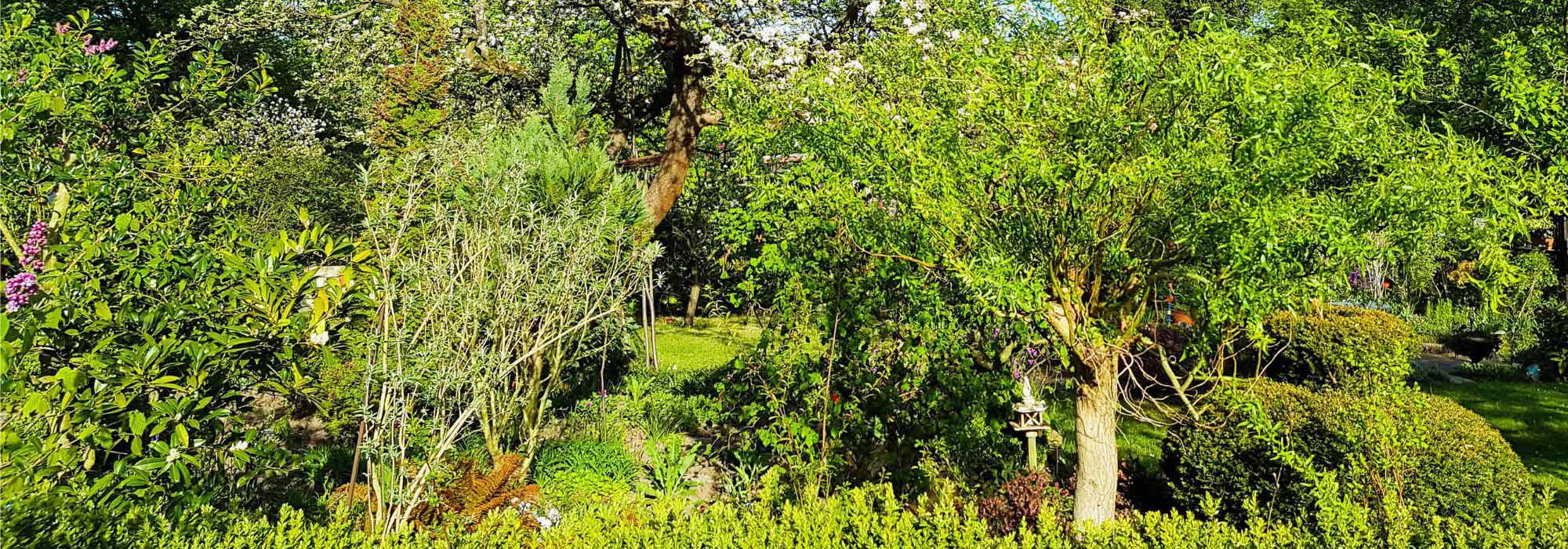
Permaculture is experiencing a real surge in popularity, and that’s great. It aims to draw inspiration from nature to meet our needs without degrading the planet. Since it’s about taking inspiration from what nature does, you’ll notice that plants never grow alone and that in natural mediums, monoculture does not exist. Plants interact with each other and provide mutual benefits.
In permaculture, people talk about plant guilds, or associated crops or companion planting. Plants are chosen and planted to produce varied harvests that require very little work from the gardener… marvellous, isn’t it? But creating plant guilds is not something you can improvise, because you need to find complementary plants. Discover then a few explanations about these plant guilds and all our tips to create the right plant associations.
What is a plant guild?
Created in the Middle Ages, guilds were mutual aid associations among merchants, artisans or bourgeois; their cooperation allowing them to work towards a common goal. In permaculture, the aim is to recreate ecosystems that allow plants to develop in harmony within a diverse environment and guilds there are associations of beneficial plants. All components of the created ecosystem fulfil one or more functions that support and complement each other. This results in a harmonious grouping, a stable coexistence where gardener is fed and garden is mulched, soil fertilised, pests controlled, pollinators attracted and nutrients accumulated.
In this ideally self-sufficient polyculture system,trees, shrubs, plants, insects and small wildlife “work” together to ensure productivity, health and longevity of the whole.
→ Note that the botanical discipline that studies plant communities and their relationship with the medium is called phytosociology.
What is it for?
- Planting plant guilds or plant associations helps achieve balance in the garden. Each plant brings something to others and to the whole system for greater fertility.
- A food-producing garden, a forest garden, a vegetable plot or a fruit hedge can be established based on plant guilds for food, while this space is also shared with other life forms, such as birds, insects and some mammals, all beneficial.
- Planting plants by combining them according to what they can provide one another also reduces maintenance of planted space. At planting, this ecosystem is immature, so interventions will be required such as watering, weeding, pruning or mulching, but afterwards plants and their whole community will become self-sustaining.
- In case of problems (climatic, pest attack, diseases…), system resilience will kick in and the garden will be better equipped to defend itself or recover from such assaults
- And besides avoiding carbon emissions linked to transporting what is grown and consumed on site, plants capture CO2 as they grow and also help fight climate change.
Discover other Vegetable gardens
View all →
Available in 1 sizes
Available in 1 sizes
Available in 1 sizes
Available in 1 sizes

Available in 1 sizes
Available in 1 sizes

Available in 1 sizes
Available in 1 sizes
Available in 1 sizes
Available in 1 sizes
Key points for running a successful guild
Know the particularities of your garden and soil
First take time to get to know your garden, its soil and its exposure, and the prevailing winds it faces. If you have a small area, it is still possible to create this type of guilds, favouring species with a compact habit as well as self-fertile plants, which have the advantage of needing only a single plant to produce harvests.
You should choose plants that have the same water and soil requirements, as well as root systems that are more or less deep and spreading, so they do not compete with one another.
Define your needs and the type of plant guild
Next, consider what you want and need: do you want to create vegetable guilds, a fruiting hedge or a food forest? Define what you want to harvest (vegetables, fruits, berries…) to eat and in what quantity.
Create different layers
In permaculture, the space where plant guilds are established mimics the functioning of natural ecosystems. In forest gardens or food forests in particular, plants are organised into different layers where everything is edible or has a use for the plant community:
- the tree layer, made up of standard trees
- the shrub layer, comprising the larger shrubs
- the bushy layer, which includes smaller shrubs
- the herbaceous layer, which includes groundcover plants
Different components of a plant guild
Plant associations are usually organised around a main plant taller than the others, and accompanied by other vegetation within what is called a plant assemblage.
To make these associations effective, group plants that fulfil as many of the following functions as possible:
Food-producing plants
When creating a guild, aim to maximise benefits for health and nutrition. To be able to eat a wide variety of foods, plant a broad diversity of food-producing plants. This means including fruits, vegetables, legumes, culinary herbs, berries and nuts. Other needs can be met with medicinal plants, building materials, useful fibres, etc.
Fertilising plants
All plants need nutrients to grow, and nitrogen is one of main nutrients plants use for growth. An easy way to introduce nitrogen into soil is to plant nitrogen-fixing species. What makes them special and useful to gardener is presence on their root system of nodules—outgrowths that work in symbiosis with bacteria and can metabolise atmospheric dinitrogen; plant provides carbon to bacteria and bacteria provide nitrogen to plant. Nitrogen that roots are able to fix, use and also return to soil. Leaves and other organic matter from these plants can also be used as mulch or added to compost to increase nitrogen content.
Nitrogen-fixers include legumes or fabaceae such as beans, peas, peanuts, licorice, and green manures such as clovers, lucerne, blue and yellow false indigo and lupins. At end of their life cycle, mow them and leave to decompose in place so organic nitrogen mineralises and returns to soil.You can also plant nitrogen-fixing trees such as black locust (Robinia pseudoacacia), alder (Alnus glutinosa), Chinese mahogany / toon (Toona sinensis), Virginia persimmon (Diospyros virginiana) and beech (Fagus sylvatica). Among shrubs are false indigo (Amorpha fruticosa), Siberian pea-tree (Caragana arborescens), Elaeagnus (E. angustifolia, Russian olive, Japanese goumi) and sea buckthorn (Hippophae rhamnoides) male and female.
→ Discover in our article how to improve vegetable garden soil with legumes
Deep-rooting / decompacting plants
Deep-rooting plants, such as trees, penetrate far into soil and bring minerals back to surface (like a miner). These deep-rooted trees are excellent diggers, decompacting soil and allowing air and water to be more easily absorbed by earth. Some “excavator” plants also take form of tubers or root vegetables: carrots, beetroot, sweet potatoes, cassava, yams, etc. In garden, diggers can also be insects and animals that turn soil such as: ants, worms, moles, beetles, etc.
Groundcover plants
Groundcovers protect soil from scorching sun, help retain moisture and prevent weed growth. Many edible groundcovers exist such as squashes, cucumbers, sweet potatoes, strawberries… and anything that grows along ground. Mulch is also a form of groundcover and can be made from wide range of organic materials such as cut grass, leaves, wood chips…
Climbing plants
Climbers maximise food production by using vertical dimension and are particularly useful when ground space is limited. Think of pole beans, cucumbers, Luffa cylindrica or plant sponge, and fruit-bearing climbers such as grapevine, kiwi, passion fruit, etc.
Aerial structuring plants and supports
For shading and wind protection. These vertical, sturdy elements also serve as natural supports for climbers and make best use of available space. Supports can be trees, upright shrubs, stems of sweetcorn or sunflower. Just choose right support for right climber.
Attractive and protective plants
To protect guild as whole from harmful insects, repellent plants are very useful. tansy, basil, onions, chives, lemongrass and many culinary herbs can help repel insects. Natural predators can also be very useful to control insect problems within a guild. Some melliferous and pollinator plants can attract these predators to protect neighbours. Attract beneficial animals and insects to garden such as birds, amphibians, lizards, ladybirds, praying mantises and pollinators by providing different habitats and suitable plants. thorny plants can help protect crops from larger pests (wild boar, etc.).
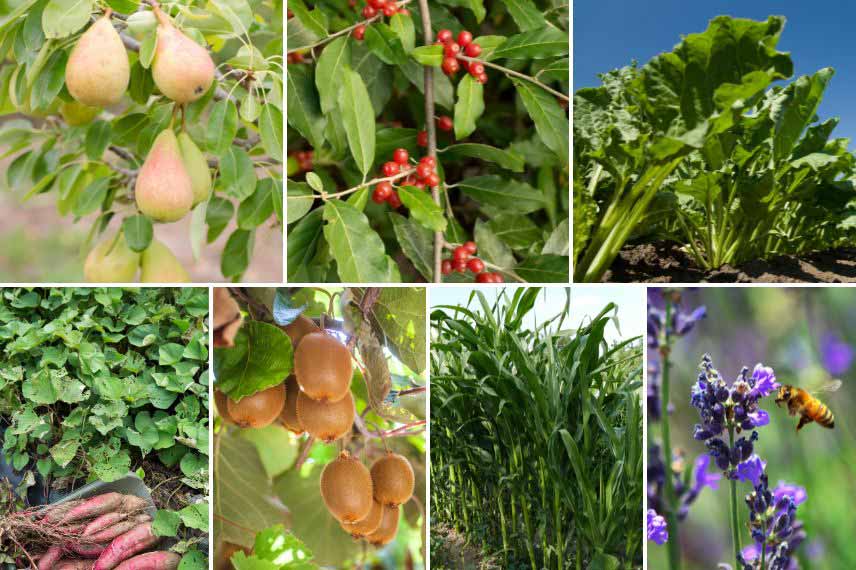
Fruit trees such as pear trees for food, Japanese goumi to help fertilise soil, root vegetables such as beetroot to decompact soil, sweet potato plants to cover soil, kiwi as fruit-bearing climbers to use vertical space, maize to serve as natural supports and lavender to attract pollinators and repel pests
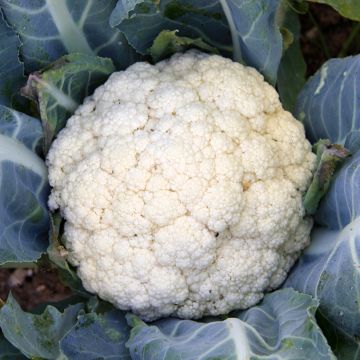
Voici quelques exemples pratiques de guildes de plantes adaptées au potager, avec leur composition, rôles et conseils de mise en place. 1) Guilde « Trois sœurs » - Composition : maïs (support), haricots grimpants (fixateur d’azote), courges ou potirons (couvre-sol). - Rôles : maïs fournit tuteur aux haricots ; haricots apportent azote ; courges ombrent le sol et limitent les adventices. - Implantation : plantation en petits groupes triangulaires (3–4 maïs par touffe), semer les haricots après que le maïs ait 10–15 cm, installer les courges autour. - Conseils : choisir variétés de haricots grimpants ; éviter sol trop compact ; rotation annuelle pour limiter maladies. 2) Guilde « Tomate » - Composition : tomate, basilic, souci (calendula), bourrache, ciboulette, thym. - Rôles : basilic et ciboulette limitent certains ravageurs ; soucis attirent auxiliaires et piègent pucerons ; bourrache attire pollinisateurs et améliore saveur selon certains jardiniers ; thym réduit maladies au pied. - Implantation : tomates au centre, plantes aromatiques/annuelles en bordure ; laisser circulation d’air. - Conseils : pailler, tuteurer, arroser au pied pour limiter mildiou. Éviter plantations trop denses. 3) Guilde « Brassicacées (chou, brocoli, chou-fleur) » - Composition : chou, capucine, coriandre, aneth, sauge, trèfle (couvre-sol). - Rôles : capucines servent de plante-piège pour pucerons ; coriandre et aneth attirent auxiliaires (coccinelles, syrphes) ; trèfle protège le sol et fixe légèrement l’azote. - Implantation : capucines à proximité immédiate, aromatiques en bordure. - Conseils : rotation obligée (éviter brassicacées successives) ; surveiller altises et chenilles, favoriser lutte biologique. 4) Guilde « Pommes de terre » (avec précautions) - Composition : pomme de terre, souci, bourrache, fèves naines (à distance), ciboulettes. - Rôles : soucis attirent auxiliaires et peuvent éloigner nématodes ; bourrache attire pollinisateurs ; ciboulettes limitent certaines maladies fongiques. - Implantation : éviter proximité immédiate avec tomates (risque mildiou partagé) ; laisser espace pour buttage. - Conseils : choisir variétés adaptées, pratiquer rotation pour limiter mildiou et nématodes. 5) Guilde « Concombre / Courgette » - Composition : concombre/courgette, aneth, capucine, radis, souci. - Rôles : aneth attire pollinisateurs, capucine piège ravageurs, radis précoces marquent rang et perturbent ravageurs du sol. - Implantation : courges au centre, plantes basses en périphérie ; tuteurs pour concombres gris. - Conseils : paillage pour limiter humidité au sol et éclaboussures qui transmettent maladies. 6) Guilde « Oignon – Carotte » - Composition : carottes, oignons (ou poireaux), sarriette, coriandre, calendula. - Rôles : oignons/poireaux repoussent la mouche de la carotte ; sarriette améliore goût et repousse ravageurs ; calendula attire auxiliaires. - Implantation : alternance de rangs carottes et oignons, semis échelonnés. - Conseils : éclaircir pour favoriser développement racinaire ; rotation régulière. 7) Guilde « Salades et feuilles » - Composition : laitues, épinards, ciboulette, radis, capucine, fleurs basses (alysson, souci). - Rôles : radis semés entre salades utilisent petits espaces et détendent sol ; ciboulette repousse pucerons ; fleurs attirent pollinisateurs et auxiliaires. - Implantation : cultures associées en rangées alternées, paillage léger. - Conseils : semis échelonnés pour récoltes continues, ombrage léger en été pour éviter montée en graines. 8) Guilde « Arbre fruitier en petit verger/haie fruitière » - Composition : petit pommier/poirier, consoude ou pissenlit (accumulateurs/nourriciers), fraisiers (couvre-sol), thym/sauge (repulsifs). - Rôles : consoude recycle minéraux et sert de paillage nutritif ; fraisiers couvrent sol et limitent adventices ; aromatiques éloignent ravageurs. - Implantation : sous-cime, planter couvre-sol et plantes compagnes en couronne ; garder pénétration de lumière. - Conseils : taille adaptée, paillage organique, favorisez biodiversité (haie diversifiée). Points pratiques communs - Favoriser variétés locales/robustes et rotation des cultures. - Préserver la biodiversité : fleurs mellifères et abris pour auxiliaires. - Adapter densité de plantation selon vigueur des variétés pour éviter concurrence et maladies. - Tester sur petite surface puis étendre selon résultat. Si vous souhaitez des plans de plantation détaillés (dimensions, nombre de plants par m²) pour l’une de ces guildes, dites laquelle et je fournis un schéma adapté à votre surface.
There are many classic combinations to use, and with a bit of creativity and common sense you can create increasingly complementary and productive groupings. Finding lists of companion plants online is easy and from there you just need to try to establish logical links, then experiment. Bear in mind taller vegetables provide shade for shorter ones, so position accordingly. Be sure to add flowers to the vegetable patch, and also plant herbs such as dill, tansy or fennel to attract pollinators, but also predatory insects like ladybirds and lacewings that control pest insects.
Here are some plant pairings to set up in the vegetable patch:
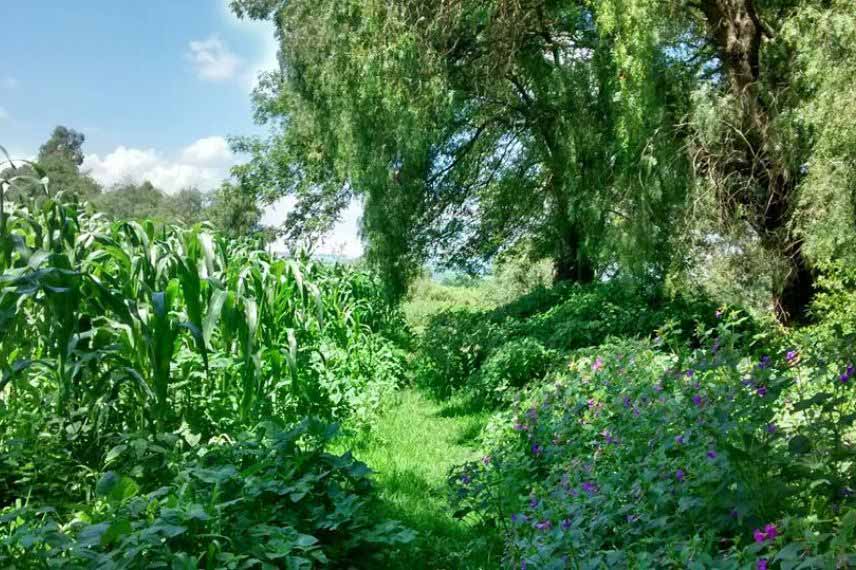
- Sweetcorn, beans and squashes are the classic example of a guild that works very well. This association is called the “Three Sisters” or Milpa. It has been traditionally used by indigenous communities of North and Central America. Sweetcorn plants act as supports for climbing beans, and the beans fix nitrogen that will enrich the soil for the next crop. Squashes spread their large leaves over the soil, creating a mulch that greatly limits weed growth and helps retain soil moisture. From a dietary point of view, the Three Sisters provide a balanced diet for growers. These three elements work very well together and can be considered a guild in their own right, but it can be improved by planting comfrey, a deep-rooted nutrient accumulator, a pollinator attractant and an extra mulch. Traditionally, the Three Sisters are also often accompanied by chilli and sweet potatoes.
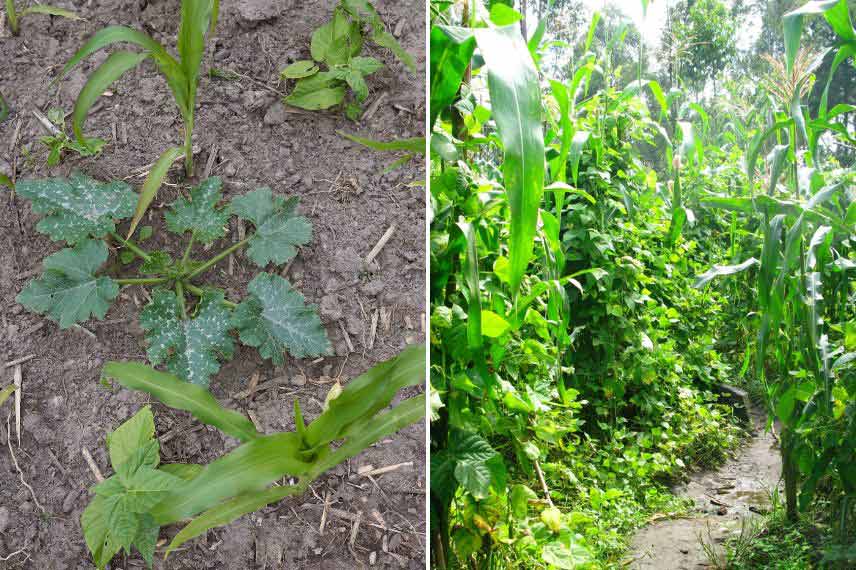
Association des “trois sœurs” courges, maïs et haricots à la plantation puis à maturité
-
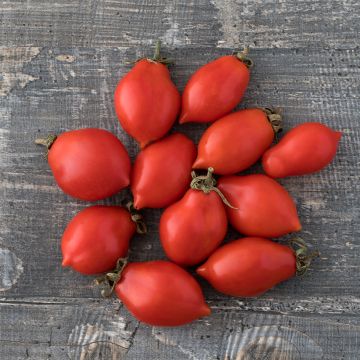
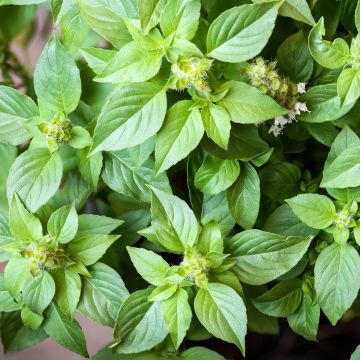
Tomato plants do not necessarily provide much to surrounding plants, but they are infinitely valuable in the kitchen. Basil gives off a scent that repels pests and pairs very well with tomatoes on the plate. Basil clumps fill the space between tomato plants and you can add nasturtiums, which are attractive, prolific groundcover plants with pretty edible flowers. Their seeds can be pickled to make “poor man’s capers”. In addition, borage is ideal for attracting pollinators, adding nutrients to the soil and repelling tomato worms. Its leaves and flowers are edible, with a mild cucumber flavour. It is an annual that self-seeds freely and can return directly to the soil to enrich it.
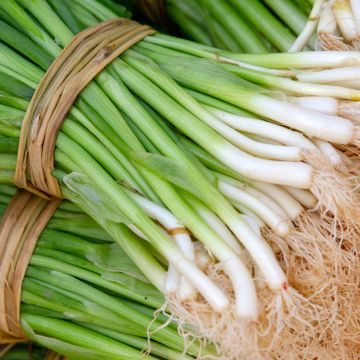
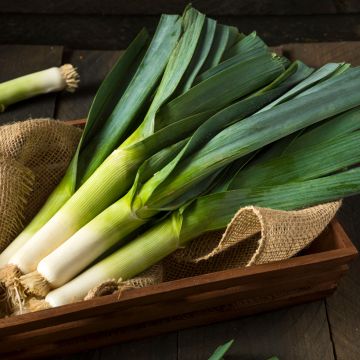
- Carrots and onion (which protects against carrot fly) like to grow alongside lettuces or spinach, these providing excellent groundcover by helping to retain moisture. You can add buckwheat as a green manure, as well as chard. A Japanese goumi will provide shade and add nitrogen to the soil, but it is better to prune it if you do not want it to take all the light and space. Its fruits are edible.
Some examples of plant guilds for a forest garden
-
In sunny, sheltered sites exposed to some drought but avoiding heavy, waterlogged soils, plant plum tree (Prunus domestica) guild, associated with rowan (Sorbus aucuparia). As nitrogen fixers, plant broom (Cytisus scoparius) or bladder senna (Colutea arborescens). Add Amelanchier alnifolia ‘Saskatoon Berry’ as a berry shrub alongside Lycium barbarum producing famous goji berries. Plant asparagus (Asparagus officinalis) as tuberous herbaceous and strawberry plants as groundcover. Perennial vegetables such as Daubenton kale, perennial leek or rhubarb can also be added.
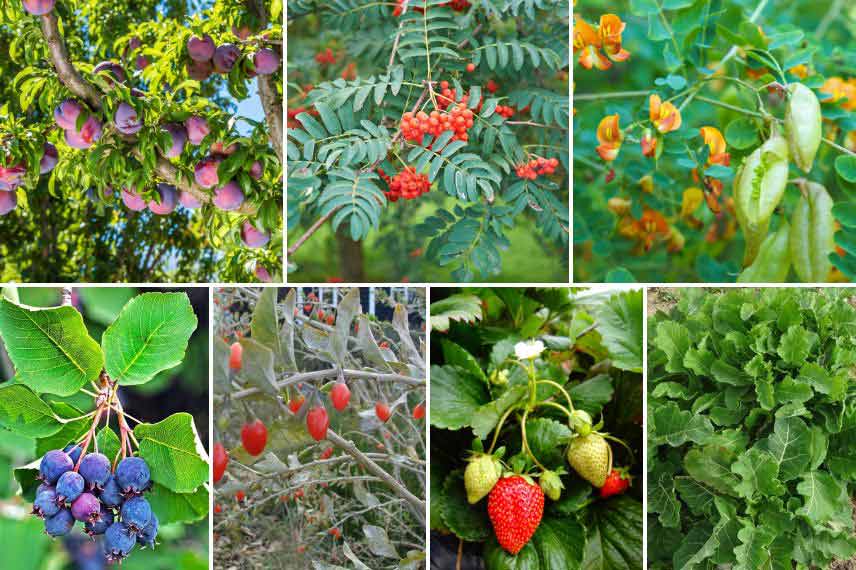
plum tree, Sorbus aucuparia, bladder senna, Amelanchier ‘Saskatoon Berry’, goji berries, strawberry plants and Daubenton kale
-
Another guild can include a particularly productive variety of amelanchier selected for medium-sized, sweet-flavoured berries, an excellent alternative to blueberry: Amelanchier alnifolia ‘Smoky’. It can be associated with beech (Fagus sylvatica). At their base, raspberry plants as companion berry shrubs and Schisandra chinensis or five-flavour berry as an edible climbing plant. Finally, violets and strawberry plants as groundcover.
-
Beside an apple tree, plant companion trees such as whitebeam (Sorbus aria ‘Lutescens’) and rowan ‘Sheerwater Seedling’ distinguished by large scarlet ornamental fruits much appreciated by birds. Add male cornelian cherry ‘Schönbrunner Gourmet Dirndl’ producing fairly large red fruits with sweet flavour in late August, edible raw or processed into jams, jellies or juice, as well as a hazel. In lower strata, include St John’s wort. Honeysuckle and ivy are interesting climbing companions. Wild sorrel (Rumex acetosa) is a perennial forming a tuft of leaves with refreshing qualities, used in soups or to accompany fish and white meats.
Below are five practical plant‑guild examples for a fruit hedgerow, adapted to UK/Ireland conditions. For each guild: core fruit species, supportive layers (nitrogen‑fixers, dynamic accumulators, insectary, pest‑repellent), groundcover and short notes on spacing and management. 1) Apple guild (classic multistory hedge) - Canopy / fruit: Apple (Malus domestica, dwarf or semi‑standard rootstock) - Shrub layer: Blackcurrant (Ribes nigrum), gooseberry (Ribes uva‑crispa) or cotoneaster for berries and shelter - Nitrogen‑fixer: White clover (Trifolium repens) sown as living mulch; field bean or vetch in rotation - Dynamic accumulator / biomass: Comfrey (Symphytum officinale) for mulch and mineral cycling - Insectary / beneficials: Fennel, dill, coriander, yarrow - Pest‑repellent / understory: Chives, garlic, nasturtium (aphid trap) - Groundcover: Wild strawberry (Fragaria vesca), thyme - Spacing & notes: Dwarf apple spacing 3–4 m between trees in hedge line; shrubs 1–1.5 m in front; maintain 0.5–1 m herbaceous strip. Annual mulching with comfrey; encourage clover between rows. 2) Plum / Cherry guild (early‑flowering stone fruits) - Canopy / fruit: Plum (Prunus domestica) or sweet cherry (Prunus avium) trained as hedgerow trees - Shrub layer: Raspberries (Rubus idaeus) at the base for summer fruit; blackthorn (Prunus spinosa) for winter blossom and wildlife (if appropriate) - Nitrogen‑fixer: Sainfoin or spring broad‑bean strips; include nitrogen‑fixing shrub such as Elaeagnus × ebbingei where suitable - Dynamic accumulator: Comfrey, dandelion - Insectary: Wild carrot, alyssum, borage - Pest‑repellent: Alliums (chives, garlic) to deter borers and some fungal issues - Groundcover: Clover, self‑seeded herbs - Spacing & notes: Stone fruit need good airflow to reduce fungal disease—space 4–5 m for semi‑standards or prune to open form. Avoid excessive shading from taller trees. 3) Mixed berry hedge (summer & autumn berries) - Core species: Raspberry (Rubus idaeus), blackberry/bramble (Rubus fruticosus agg.), blueberry (Vaccinium corymbosum) in acid pocket if soil allows, redcurrant (Ribes rubrum) - Nitrogen‑fixer: White clover and lupin strips; light pruning of hedgerow to allow nitrogen‑fixers to flourish - Dynamic accumulator: Comfrey, Russian comfrey where allowed - Insectary: Buckwheat as short‑term nectar source; borage - Pest‑repellent: Nasturtium (aphid trap), parsley (attracts beneficials) - Groundcover: Strawberries between canes - Spacing & notes: Cane fruits in double staggered rows 0.6–1 m apart; maintain canes by yearly pruning. Blueberries require ericaceous soil—plant in raised beds integrated into hedge if needed. 4) Acid‑loving / heathland fruit hedge (for blueberries, cranberries) - Core species: Blueberry (Vaccinium corymbosum), cranberry (Vaccinium macrocarpon) in damp acidic spots, heathers (Calluna vulgaris) as flowering shrub - Nitrogen‑fixer: Heathland‑compatible legumes are limited; use inoculated white clover in bordering neutral strips - Dynamic accumulator: Dwarf comfrey varieties in adjacent beds (avoid lime) - Insectary: Heather provides nectar for pollinators; add wild thyme and heather‑friendly herbs - Pest‑repellent: Planting of aromatic herbs like thyme and rosemary (if soil pH manageable) - Groundcover: Heather, ericaceous moss mixes - Spacing & notes: Maintain soil pH 4.5–5.5 with ericaceous compost and mulch; keep drainage even. This guild suits acid patches rather than whole mixed hedges. 5) Nut & wildlife hedge (productive, wildlife friendly) - Canopy / shrub: Hazel (Corylus avellana) as main nut producer and coppice element - Shrub layer: Blackthorn (Prunus spinosa) for blossom and sloes; pyracantha or hawthorn for berries and structure - Nitrogen‑fixer: Gorse (Ulex europaeus) where site permits (note wildlife value); field beans or vetch in adjacent strips - Dynamic accumulator: Comfrey, nettle (supports beneficial insects) - Insectary: Fennel, umbellifers, buddleia (if space) - Pest‑repellent: Garlic, marigold strips - Groundcover: Clover, ivy (for winter cover), wildflower mixes - Spacing & notes: Hazel can be 2–4 m spacing if coppiced; mix thorny shrubs for stock/protection and wildlife corridors. Good for boundary hedges and biodiversity. General layout and management tips - Layering: Aim for at least three layers (fruit trees, shrubs, herbaceous/cover) to maximise yield and habitat. - Spacing: Small trees 3–5 m apart; shrubs 0.8–1.5 m; herbaceous strips 0.5–1 m wide. - Companion principles: Nitrogen‑fixers supply nitrogen, dynamic accumulators (comfrey) bring up minerals and provide mulch, insectary plants attract predators/parasitoids, pest‑repellents deter attackers, groundcovers suppress weeds and protect soil. - Soil & water: Test soil pH and structure; amend before planting (e.g., grit or ericaceous compost for blueberries). Mulch perennial strips with well‑rotted compost or leaf litter. - Seasonal care: Prune according to species (apple/plum yearly, cane fruits annually), remove diseased material, top up mulch and replant annual nectar sources. - Biodiversity: Leave deadwood, stag posts and some nettle patches to support beneficial insects and birds. - Small spaces: Use espaliers or cordons to reduce width; interplant shrubs and herbs close to tree rows. If you want, I can: - Provide a ready‑to‑plant layout diagram with exact spacing for a specific hedge length, or - Produce printable plant lists (quantities per metre) for any one guild above. Which would you prefer?
- In a fruit hedge, it is not necessary to plant tall trees. In the uppermost layer, plant fruit trees such as apple trees, pear trees, plum trees, fig trees or peach trees, favouring heritage and local varieties. Dwarf varieties are also useful for creating attractive edible hedges.
- Between fruit trees, plant berry shrubs that can be pruned regularly to desired height : the dogwood (Cornus sanguinea) attracts birds and beneficial insects, but its fruits are not edible. The black elder (Sambucus nigra) attracts birds and hoverflies, which prey on aphids, and its fruits can be made into jam. The autumn olive (Elaeagnus umbellata) is a nitrogen-fixing shrub and its edible fruits are rich in vitamins and antioxidants. Other shrubs are possible: the hazel, the medlar, the amelanchier or the feijoa.
- Between shrubs, plant small fruit-bearing shrubs and, at their base, aromatic plants (rosemary, thyme, sorrel, lemon balm…)
- Finally, by installing poles at regular intervals with wires strung between them, plant an edible climber roughly every 5 metres, such as kiwi, grapevine, thornless blackberry…
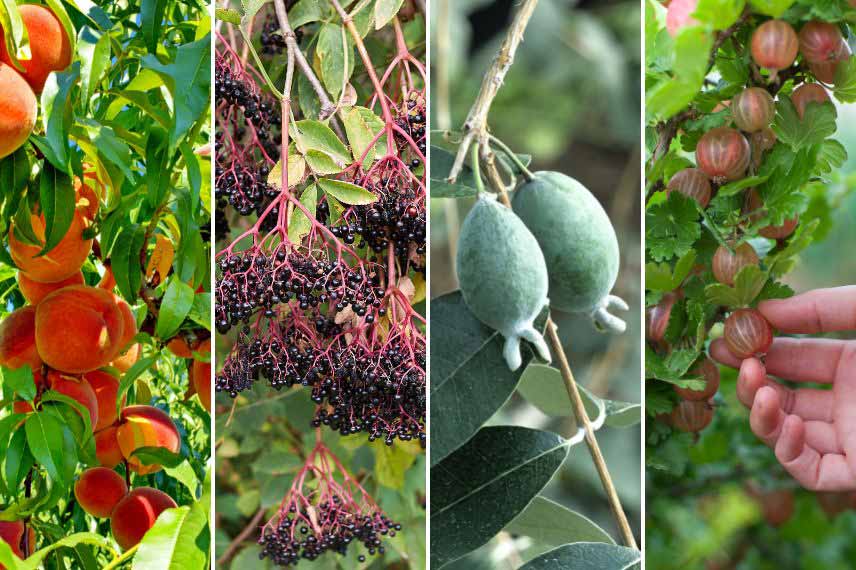
Peach, black elder, feijoa and gooseberry
Further reading...
→ Discover how to create a forest garden
→ Follow all our tips to create a forest garden without breaking the bank using bare roots

- Subscribe!
- Contents
This form is protected by reCAPTCHA - the Google Privacy Policy and Terms of Service apply.


































Comments