Fellow gardeners, after two months spent in warmth, it is nearly time to get back to work! Vegetable sowings can be started indoors from the end of February for some tender vegetable plants, which saves money as seed packets often contain hundreds of seeds. It also allows you to grow vegetables from seed, a true gardener's pride!
Discover in this tutorial which vegetables are concerned, when to start them, and how to carry out your sowings at home.
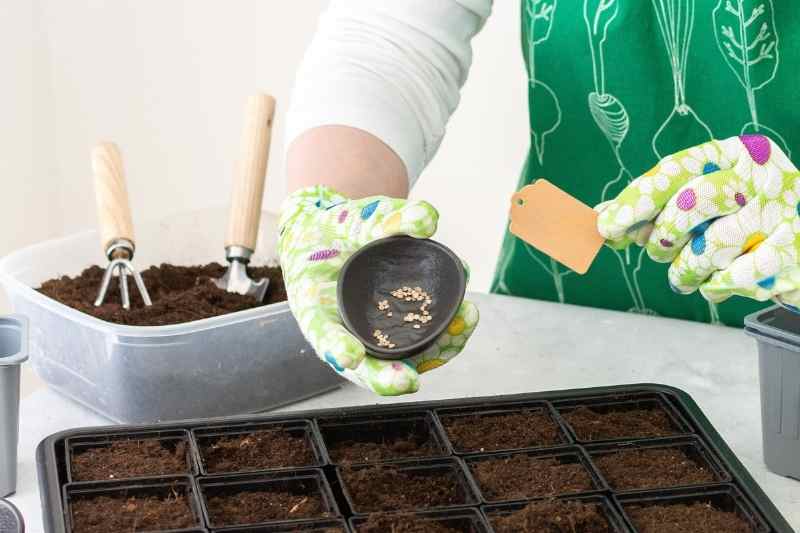
Timing and vegetables to sow indoors
The sowing calendar follows an immutable ritual for tender vegetables. Traditionally, some vegetables are started at home, or under cover when a heated greenhouse is available.
Indoor sowings are among the longest to obtain because they correspond to tender vegetables from warm countries such as tomatoes, cucumbers, aubergines, chilli peppers and peppers which can be started between late February and April (ideally in March). You can also try sowing basil from March through April. The melon is also suitable for kitchen sowing from March.
Warning! One prerequisite is essential: these sowings tolerate virtually no absence. You will need to be present to care for the sowings for two months, until seedlings are self-sufficient and ready to be transplanted.
Ideal temperature for indoor sowing
Each vegetable has its ideal temperature! All the tender vegetables mentioned require an indoor temperature of between 20 and 25 °C (a little less for tomato, which does well at 16 to 20 °C).
Ideal spot in the house for sowing: warmth and light!
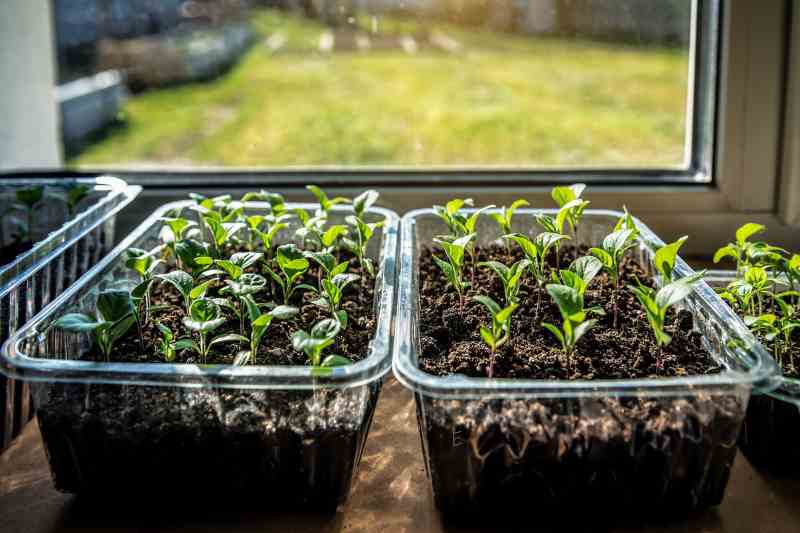
If a constant temperature between 18 and 20 °C is what our houses or flats reach in winter, a spot near a south- or west-facing window is another must for indoor sowing. Light intensity is crucial, so do not place sowings more than one metre from the light source (otherwise seedlings may become leggy). You can place a large sowing tray on a radiator fitted with a shelf, next to a window.
Equipment
Sowing in kitchen, living room or office requires limited investment, apart from buying seeds or using your own seed harvest :
Options include :
- a sowing tray (or better, recycle a polystyrene or plastic retail crate or box, with small drainage holes punched in the base) ;
- or small pots ;
- Optional: there are also heated mini-propagators, but they are not essential.
As well as :
- seed compost (such as cutting compost) or a homemade mix sieved finely of sand and compost: the important point is a light substrate for successful germination ;
- a small board (optional) ;
- a clear lid (optional) ;
- finely crushed charcoal (optional) ;
- a spray bottle ;
- labels.
Technique for indoor sowing
- Fill the crate or sowing tray with fine compost (mixed with a small handful of charcoal).
- Press down lightly with a small board or with your hand.
- Lay seeds in rows in the trays, or into pots for larger seeds, on the surface of the compost: barely cover fine seeds such as tomato or basil and press just with the board or the palm of your hand.
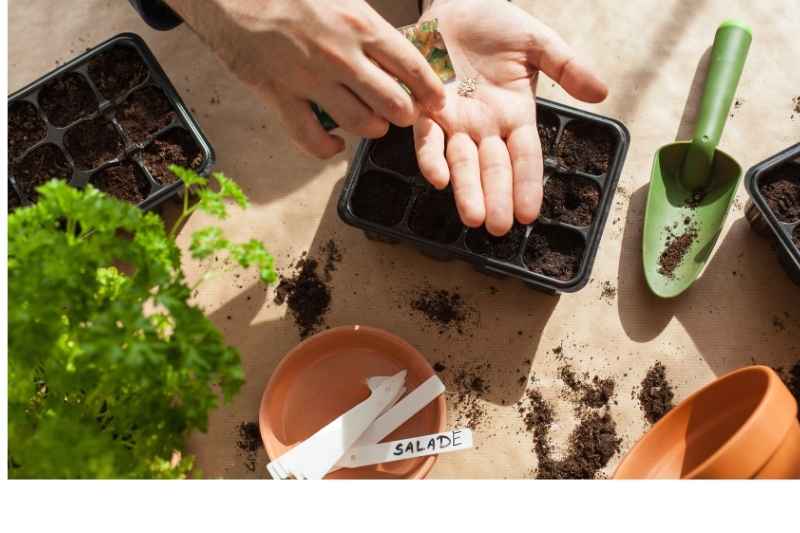
- Mist with a spray bottle to avoid disturbing the sowing and to control moisture (beware of damping-off, which often occurs after over-watering). Rainwater stored at room temperature is ideal.
- Place the lid on the tray if you have one (or a plastic bag over pots); remove it as soon as first seedlings appear.
- Label containers with sowing date and plant sown.
- Keep tray or pots against a window.
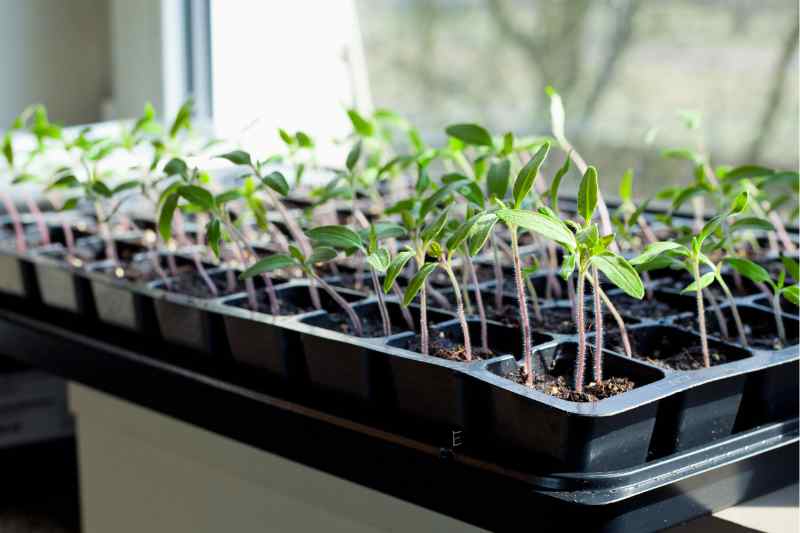
- Water lightly but frequently, so substrate never dries out completely.
- One month later, prick out the best plants into pots (one per pot). For tomatoes, bury the stem base up to the first leaves at this stage to encourage good rooting.
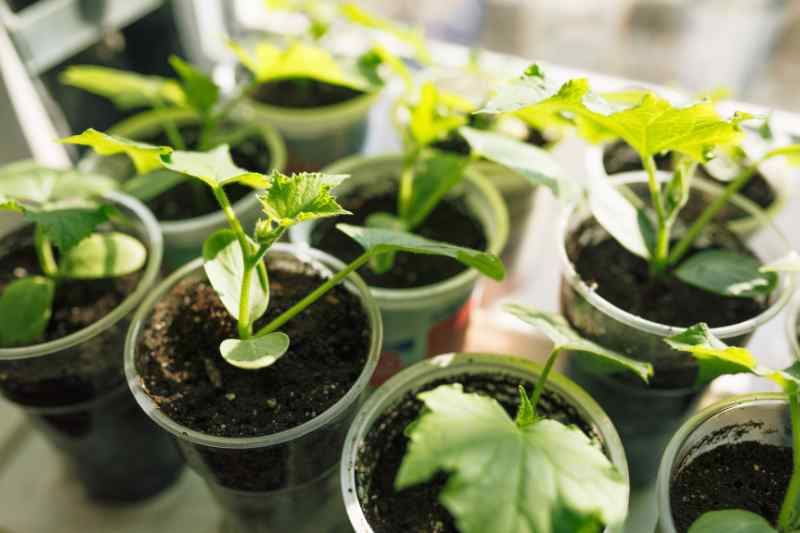
- Keep sowings warm, then under unheated cover until planting, continuing to water regularly.
Note: germination time varies by vegetable: 8 days for aubergines, up to 15 days for chilli peppers.
What next?
Planting out in the vegetable patch can only take place in May in most regions, once last frosts have passed. It is essential to harden off pots outdoors by gradually moving them from shade to partial shade, then into sun before planting in open ground, over about a week.
Find out more
Olivier explains all these steps for warm sowing in this video :


































Comments