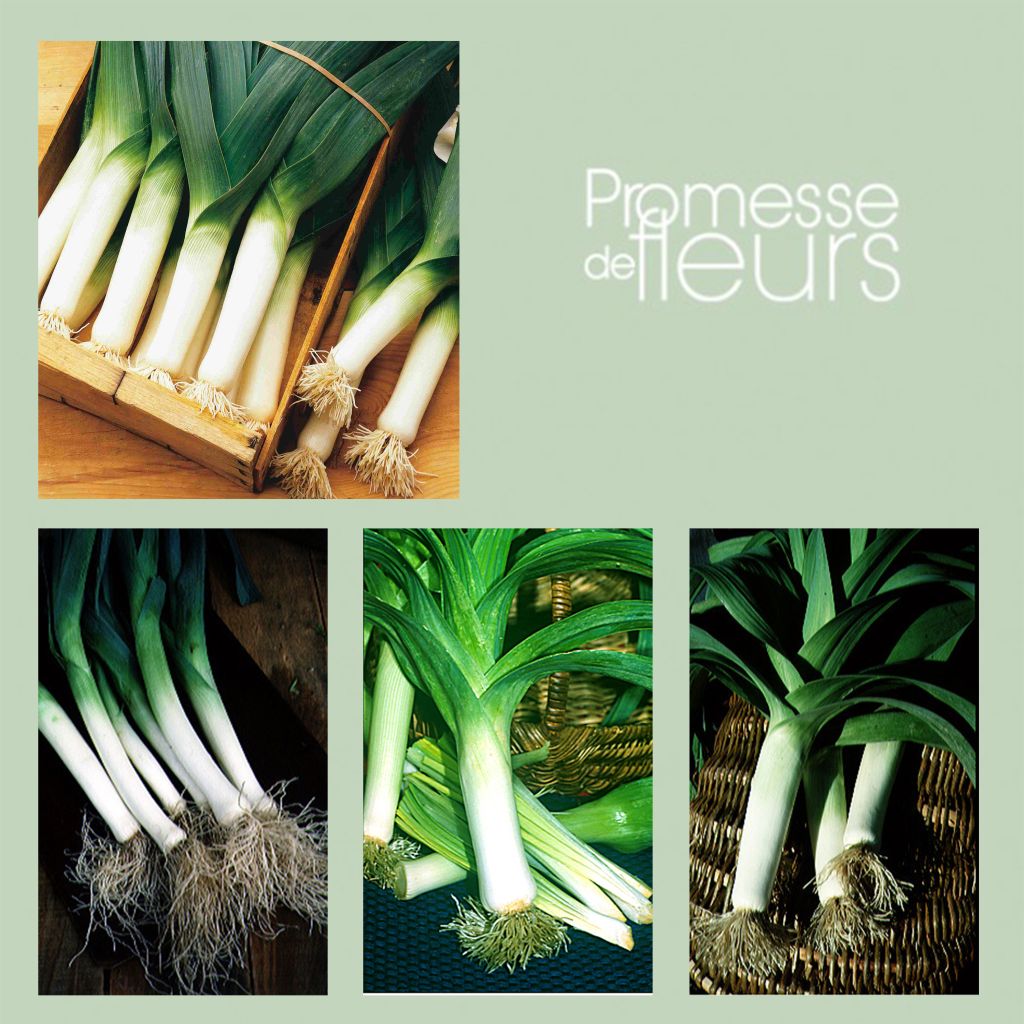
Leek Collection - 4 Varieties for Long Harvests
Leek Collection - 4 Varieties for Long Harvests
sowing done 3 weeks ago in the greenhouse with the first packet, to this day not a single shoot. RESPONSE FROM PROMESSE DE FLEURS We are sorry as we attach great importance to the quality of our young plants as well as their growth, if you encounter any problems, do not hesitate to contact us at 03.61.76.08.10 and we will proceed with replacement or refund.
Danielle Jeanjean, 11/04/2016
Back-to-school special offer!
Get €10 off for every €50 you spend! And get up to €40 off on a single order.
How does it work?
1. Shop your favourites
Add your favourite plants to your basket. For every €50 you spend (excluding delivery charges, store credit and the plastic-free option), you’ll receive a €10 voucher.
€50 spent = €10 voucher
€100 spent = €20 voucher
€150 spent = €30 voucher
€200 spent = €40 voucher
2. Place your order
Once your basket reaches one of the spending thresholds, place your order. You can even choose your delivery date!
3. Receive your voucher
As soon as your order has been shipped, you’ll receive an email containing your personal voucher code and its value.
4. Use it on your next order
Your voucher is valid for 90 days from the date you receive it. It can be used once only, on a new order worth at least the value of the voucher, excluding delivery charges.
Please note: Vouchers can be combined with other offers, but cannot be split or refunded.
This plant carries a 6 months recovery warranty
More information
We guarantee the quality of our plants for a full growing cycle, and will replace at our expense any plant that fails to recover under normal climatic and planting conditions.
Description
This seed collection brings together 4 excellent leek varieties for long harvests from early summer until early spring. The collection consists of the following varieties in individual seed packets: 'Gros Jaune du Poitou', 'Electra', 'Monstrueux d’Elbeuf' and 'De Saint Victor'.
'Gros Jaune du Poitou' leek is an early-maturing, fast-growing French summer variety. It produces short, white stems and light green to almost yellow leaves. Exceptional tender texture. Sow from February to April and harvest from July until the first frosts.
'Electra' leek is a fast-maturing, early variety suitable for late summer and autumn harvests. It forms long blue-green leaves and a thick, fairly short stem. Excellent, fine flavour. Sow from February to May and harvest from July to December.
'Monstrueux d’Elbeuf' leek is a very early-maturing French heirloom variety. It produces huge, short and thick, stems topped with tall, vigorous light green leaves. Excellent, strong flavour and tender texture. Sow from January to May and enjoy long harvests from June to December.
'De Saint Victor' leek is a very hardy winter variety is particularly resistant to allium leek miner. It forms dense blue-green leaves with a slight purple tinge and a thick, long non-stringy stem. Excellent, fine flavour. Sow from March to May and harvest from October to March.
The leek or Allium porrum is a biennial herbaceous plant belonging to the Alliaceae family. Originally from the Middle East, it was consumed by the Ancient Egyptians as far back as 1500 BC. It was also a popular food in Ancient Rome. Its appearance was similar to that of its cousin the onion, with a very thin shaft and a swollen bulb. By the Middle Ages, leeks were commonly grown throughout Europe with Wales even making the leek its national emblem.
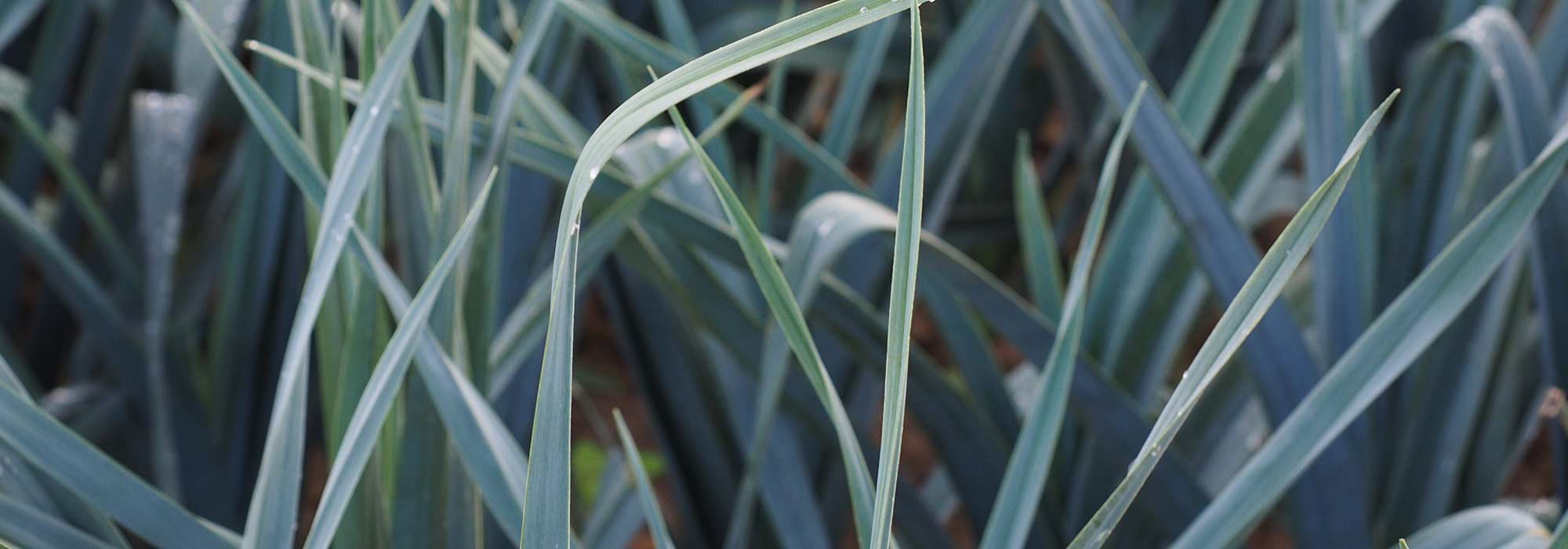
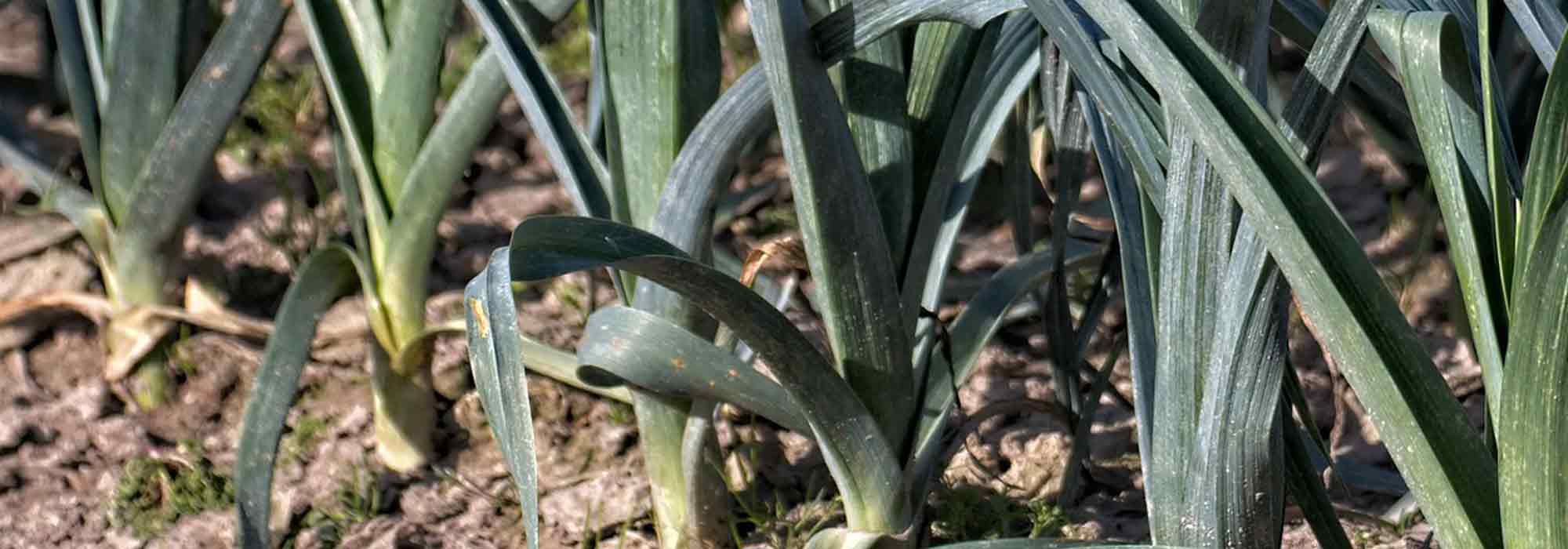
The leek has long, broad, sheathing blue-green or dark green leaves which grow closer together and become whiter in colour towards the bulbous end, forming the so-called “stem”. The stem owes its lighter colour to the fact that it is generally buried (blanched) or shielded from sunlight by the outer leaves. It is thought to be the tastiest part, with its very fine flavour and tender texture. At the end of the second year, leeks produce a flower "stalk" topped by a purple spherical umbel, about the size of a tennis ball.
The leek is a must-have in the kitchen garden! It has a delicious flavour, similar to onion and asparagus (so much so that in France it has even been named the “poor man’s asparagus”!). When cooked, its flavour becomes sweeter. It is generally grown for its white stem and rootlets, although the greener tops can be used in soups. Leek is a popular vegetable throughout the world. In France it is often sautéed in butter then added to quiche, eaten cold with vinaigrette, made into potato and leek soup etc. In Japan it is used in many dishes including sushi, sashimi or stir-fries with sesame seeds or ginger.
It is a very hardy vegetable that can be sown from February to August and harvested nearly all year round. Some winter varieties can withstand temperatures below -15 or even -20° C. Leek is a good source of fibre, vitamins C and B and sulphur compounds. It is an efficient antioxidant, and can help lower blood cholesterol levels and ease digestion.
Harvesting: Harvest your leeks as and when required, generally 5 to 8 months after sowing. Pull gently and firmly on the upper leaves, being careful not to damage the stem. You can use a garden fork or spade as a lever if the leeks are proving too difficult to pull up by hand.
Storage: Leeks will keep for up two weeks in the refrigerator, and almost 3 months in the freezer. Blanch them for a few minutes, run them under cold water, dry them then put them in freezer bags in the freezer for later use.
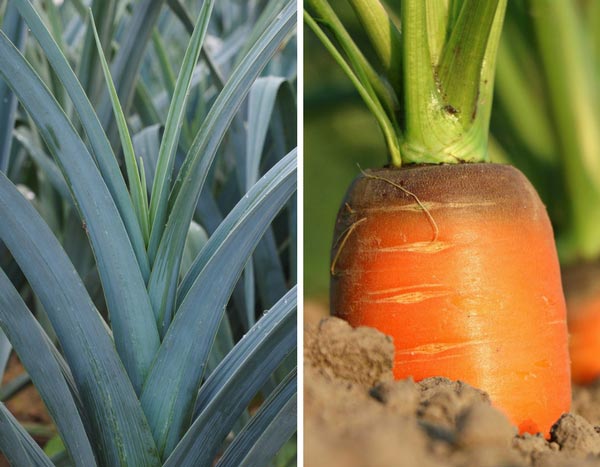
Good to know: Leeks and carrots are great companion plants as carrot fly hates leeks and leek fly hates carrots! Tomatoes, lettuces and strawberries are also good companion plants for leeks. Avoid growing leeks next to onions, beetroots and beans.
Harvest
Plant habit
Foliage
Botanical data
Cucurbitaceae
Cultivar or hybrid
Annual
Planting and care
The leek is often thought of as a winter vegetable, although summer varieties do also exist. It has a fairly long growth period that consists of several phases.
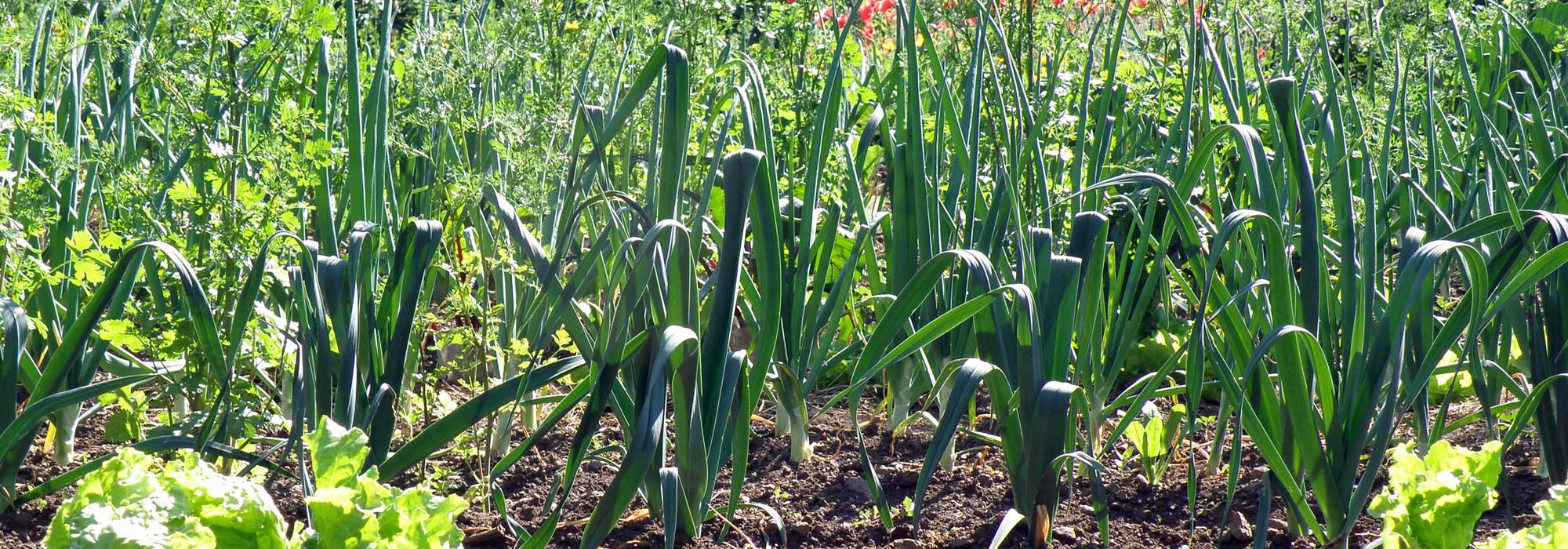
Soil preparation: leeks enjoy deep, rich soils with a good supply of organic matter. Make sure to amend your soil several months in advance as leek plants suffer from recent soil amendments. Choose an open, sunny location in cool, well-loosened soil.
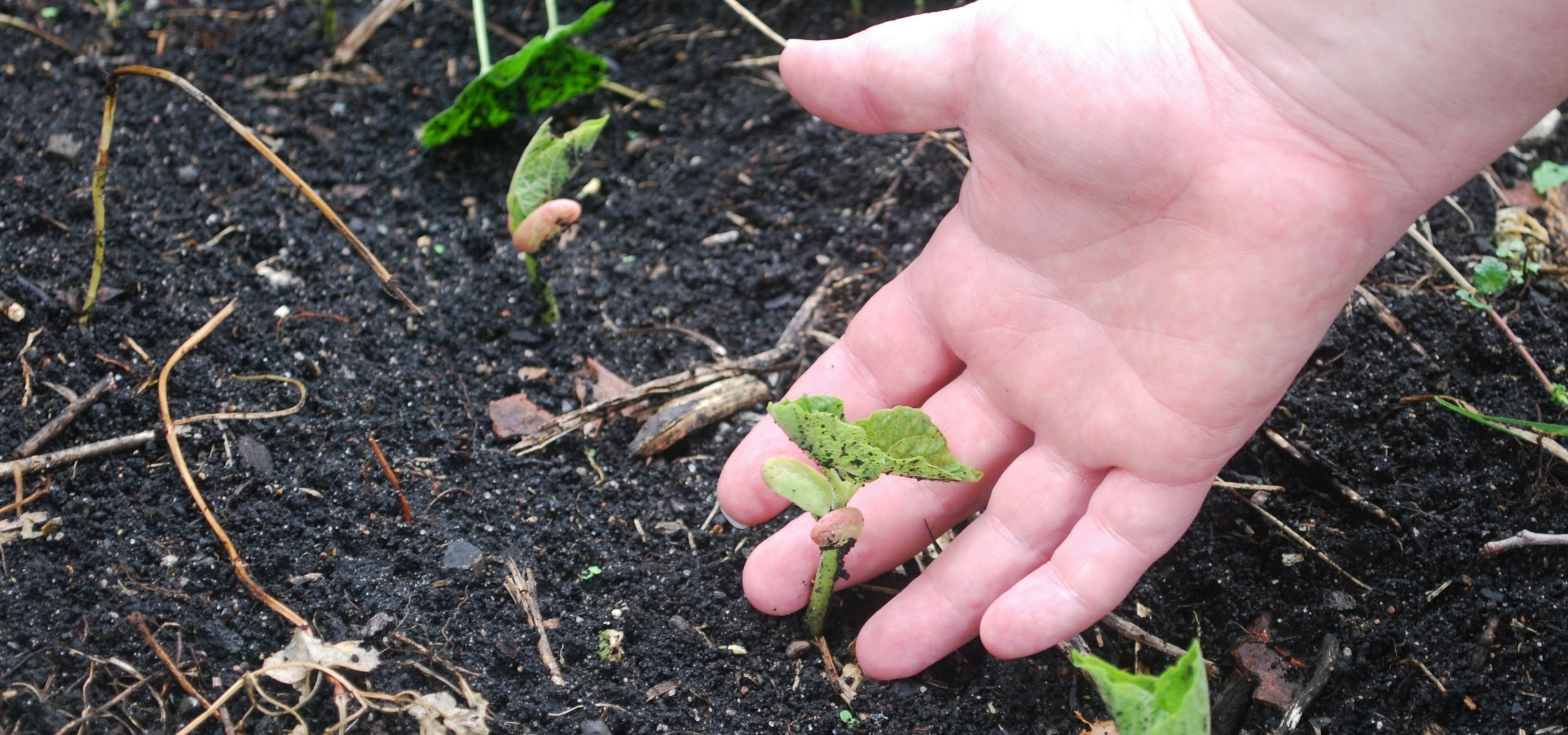
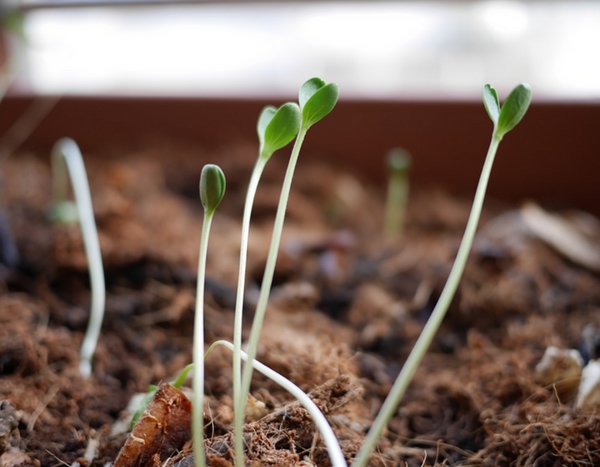
Sowing: Dig a 2 cm deep furrow and sow a small quantity of seeds every centimetre. Cover with sowing mix and firm down lightly with a rake. From February to May depending on the climate, sow under cover (cold frame, low tunnel, etc.). Germination takes between fifteen days and three weeks. When the young plants are about 15 cm tall and the thickness of a pencil, they are ready to be transplanted. Before doing so, they should be carefully lifted and left to dry on the ground, in the shade for a couple of days. This helps reduce the "leeky" smell and prevent your crops from being infested by the onion fly.
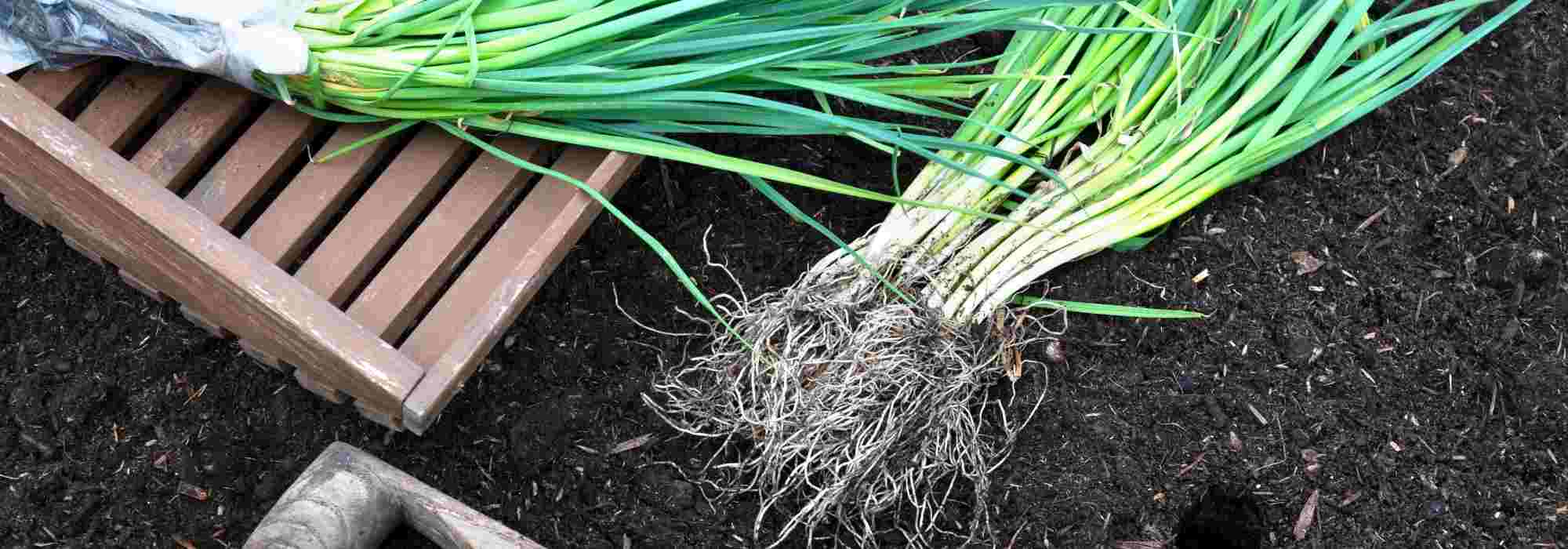
Transplanting: before transplanting, trim the roots 2-3 cm below the bulb and trim the young leaves a few cm above the stem. This stimulates the roots and prevents the plants’ precious water reserves from evaporating via the leaves.
Next, make holes about 15 cm deep, spaced 15-20 cm apart in all directions. Gently drop the baby leeks into the holes. The white part should be completely buried. Water generously as this will help seal all air gaps around the main stem. As leeks thrive in nitrogen-rich soil, mulch with freshly mowed grass between the rows. About a fortnight to a month later, the seedlings will start to pick up strength and grow. Hilling up the plants keeps the stem out of the sunlight, ensuring that it remains white and tender (blanching).
Seedlings
Care
Intended location
Planting & care advice
-
-
-
-
-

-

-
-
-
, onOrder confirmed
Reply from on Promesse de fleurs
Haven't found what you were looking for?
Hardiness is the lowest winter temperature a plant can endure without suffering serious damage or even dying. However, hardiness is affected by location (a sheltered area, such as a patio), protection (winter cover) and soil type (hardiness is improved by well-drained soil).
In temperate climates, pruning of spring-flowering shrubs (forsythia, spireas, etc.) should be done just after flowering.
Pruning of summer-flowering shrubs (Indian Lilac, Perovskia, etc.) can be done in winter or spring.
In cold regions as well as with frost-sensitive plants, avoid pruning too early when severe frosts may still occur.
The sowing periods indicated on our website apply to countries and regions within USDA Zone 8 (France, UK, Ireland, Netherlands).
In colder areas (Scandinavia, Poland, Austria...), delay any outdoor sowing by 3-4 weeks, or sow under glass.
In warmer climes (Italy, Spain, Greece, etc.), bring outdoor sowing forward by a few weeks.
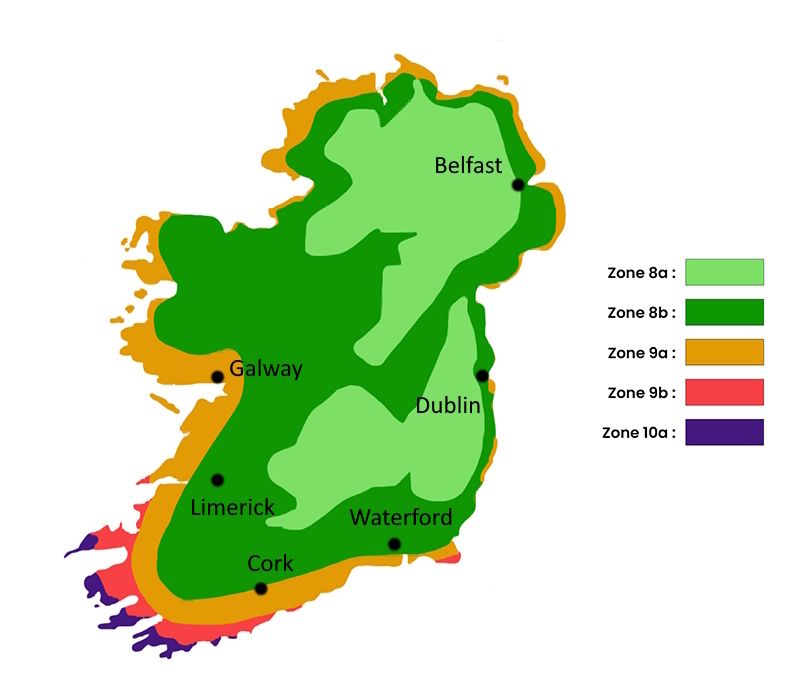
The planting period indicated on our website applies to regions in USDA Zone 9a (East Coast and Midlands: Dublin, Wexford, Waterford, Kilkenny, Portlaoise). It will vary depending on where you live:
- On the west coast and in the north-west (Galway, Limerick, Sligo, Donegal, Westport), delay planting by 1 to 2 weeks in spring and bring it forward by 1 to 2 weeks in autumn compared to the dates given, preferably choosing periods without strong winds.
- In the inland hills and plateaus (Wicklow Mountains, Macgillycuddy’s Reeks, Connemara, Killarney), it is best to plant in spring (April–May) or autumn (September–October), avoiding periods of waterlogged soil in winter and strong winds, which pose the main risk to newly planted trees in these areas.
The flowering period indicated on our website applies to regions in USDA Zone 9a, such as the East Coast and Midlands, including Dublin, Wexford, Waterford, Kilkenny and Portlaoise.
This will vary depending on where you live:
- On the west coast and in the northwest (Galway, Limerick, Sligo, Donegal and Westport), it will be delayed by one to two weeks compared to the given dates, due to stronger Atlantic winds and less spring sunshine.
- In the inland hills and plateaus (the Wicklow Mountains, the Macgillycuddy's Reeks, Connemara and Killarney), flowering will be delayed by two to three weeks. Flowering mainly occurs between May and July, with the limiting factors being less frost and more of the excessive humidity, strong winds and lack of sunshine that are characteristic of these areas.
The harvest period stated on our website applies to regions in USDA zones 8b to 9a (East, South-East and southern coast: Eastern Leinster, County Wexford and County Waterford, Cork region: Dublin, Wexford, Waterford, Kilkenny, Cork). It will vary depending on where you live:
- In the Midlands and the inland plains: the Middle Shannon Valley, Westmeath, Offaly, Longford, Cavan and Monaghan (Athlone, Mullingar, Tullamore, Longford, Cavan, Monaghan), in USDA zones 8a to 8b, the harvest will be delayed by 1 to 2 weeks compared with the dates given. Far from the moderating influence of the sea, these plains experience late frosts right up until the end of spring. The heavy, peaty soils warm slowly here, and damp patches form pockets of frost. Wait until the soil has dried out and warmed up before planting, and protect young plants with a fleece on clear nights.
- In the Atlantic West and North-West: Kerry, Clare, Galway, Connemara, Mayo, Sligo and Donegal (Killarney, Ennis, Galway, Westport, Sligo, Letterkenny), in USDA zones 8b to 10a, the harvest will be delayed by 1 to 3 weeks compared with the dates given. Summers here are cloudier, rainier and windier than in the east, which slows down ripening and encourages late blight and other fungal diseases. Kerry and Clare are at the lower end of the range, whilst Mayo and Donegal, which are cooler and more exposed, are at the upper end. However, the mild coastal winters mean that leafy vegetables and root vegetables can be harvested at dates close to those indicated, or even earlier: shelter crops from the wind with hedges and grow heat-loving plants in greenhouses or polytunnels.
- In the highlands, above 200 m: the Wicklow Mountains, Macgillycuddy’s Reeks, the Galtee and Comeragh ranges, the Twelve Bens in Connemara and the Donegal highlands, in USDA zones 7b to 8a, the harvest will be delayed by 2 to 4 weeks compared with the dates given, depending on the altitude, taking care to beat the first early frosts, which may occur as early as the start of autumn. Wind, constant damp and late frosts lasting into early summer significantly shorten the growing season. Opt for sheltered, south-facing slopes, early-maturing varieties and growing under cover.
Depending on your garden’s aspect, these variations can range from one to two weeks. A frost-prone valley floor delays the harvest, whilst a south-facing wall brings it forward.
Shipping country and language
Your country of residence may be:
Your country of residence is:
For a better user experience on our website, you can select:
Your shipping country:
-
 Austria
-
 Belgium
-
 Bosnia & Herzegovina
-
 Bulgaria
-
 Croatia
-
 Cyprus
-
 Czechia
-
 Denmark
-
 Estonia
-
 Finland
-
 France
-
 Germany
-
 Greece
-
 Hungary
-
 Iceland
-
 Ireland
-
 Italy
-
 Latvia
-
 Liechtenstein
-
 Lithuania
-
 Luxembourg
-
 Malta
-
 Netherlands
-
 Poland
-
 Portugal
-
 Romania
-
 Serbia
-
 Slovakia
-
 Slovenia
-
 Spain
-
 Sweden
-
 Switzerland
Language:
-
French
-
 English
-
Spanish
-
Italian
-
German
-
Portuguese
-
Dutch
-
Finnish
-
[pl]
My Account
Hello
My wish lists
My cart
Log in / Register
Existing customer?
This form is protected by reCAPTCHA - the Google Privacy Policy and Terms of Service apply.
New customer?
Create an account to track your orders, access our customer service and, if you wish, make the most of our upcoming offers.