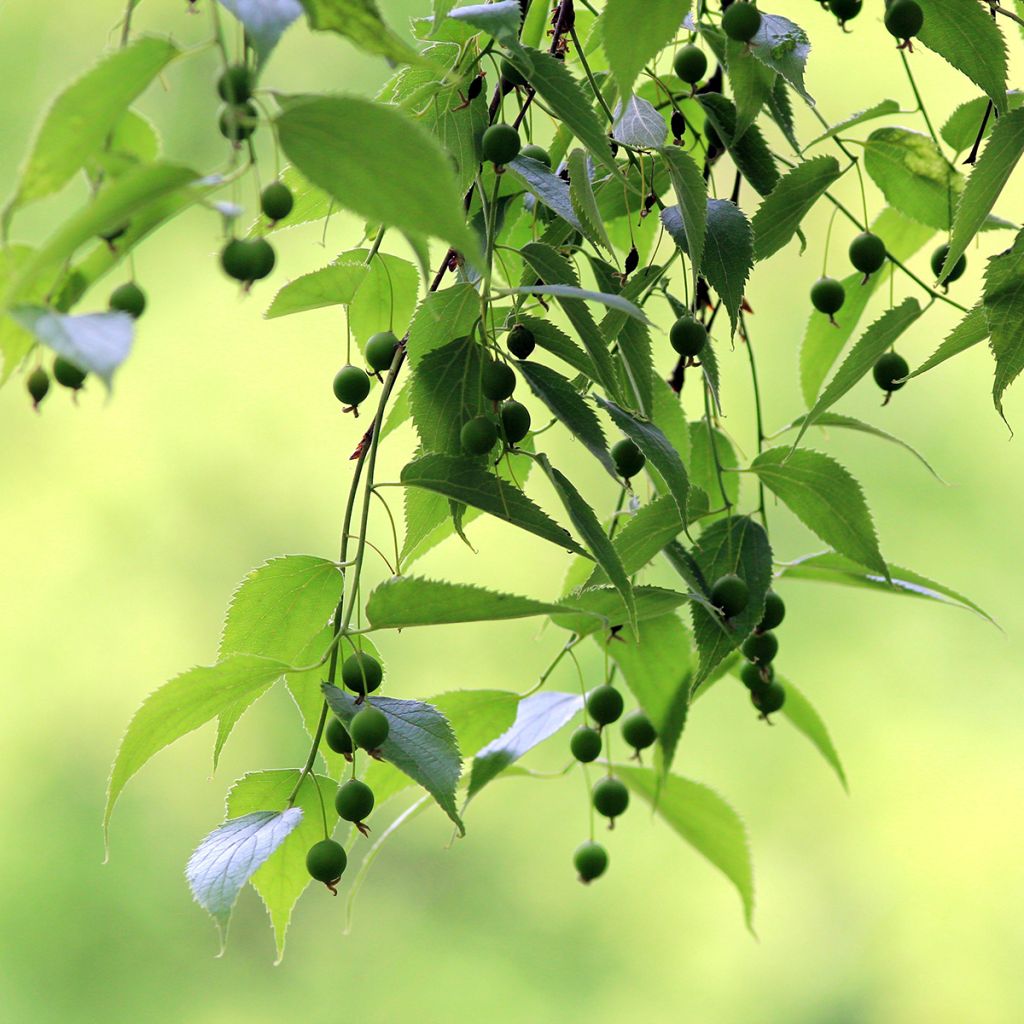
Celtis australis seeds
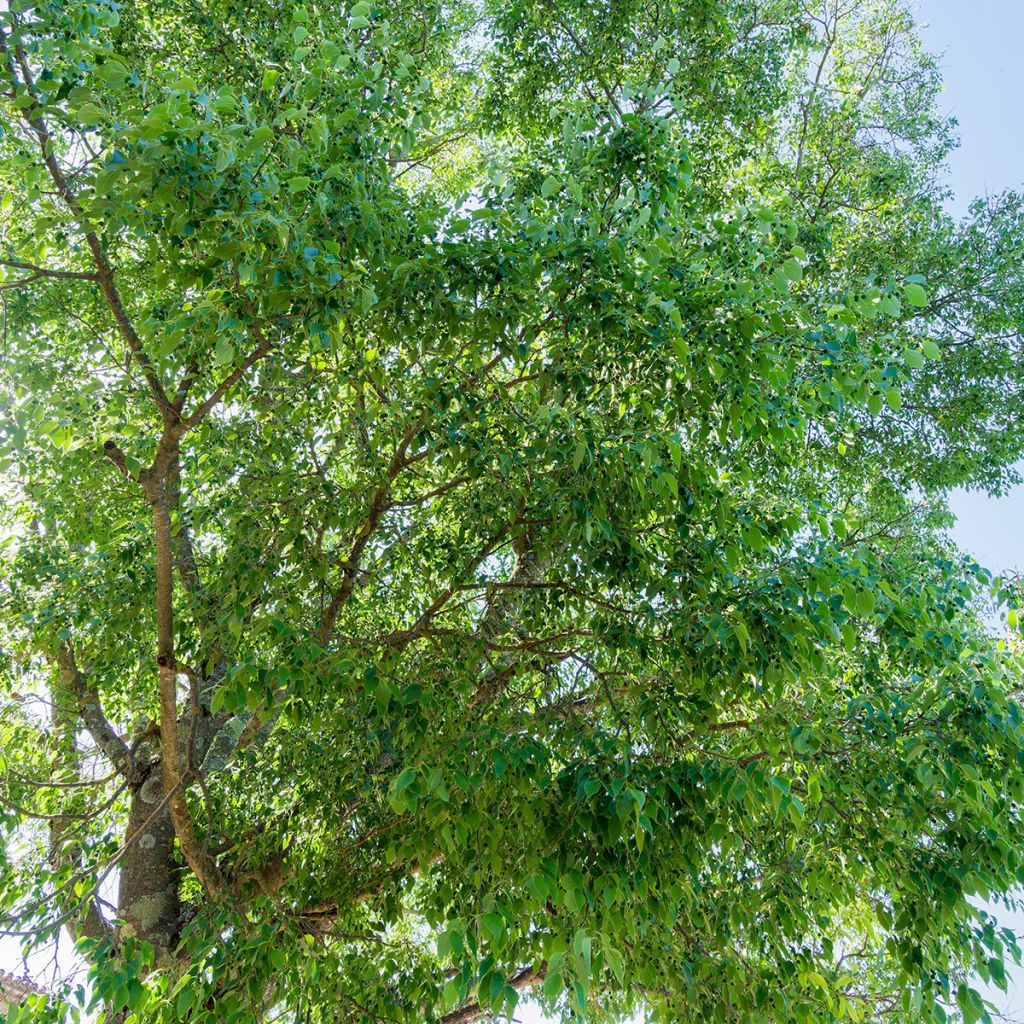
Celtis australis seeds
Celtis australis seeds
Celtis australis
European Hackberry, Mediterranean Hackberry, European Nettle Tree, Lote Tree. Honeyberry of Greece
Back-to-school special offer!
Get €10 off for every €50 you spend! And get up to €40 off on a single order.
How does it work?
1. Shop your favourites
Add your favourite plants to your basket. For every €50 you spend (excluding delivery charges, store credit and the plastic-free option), you’ll receive a €10 voucher.
€50 spent = €10 voucher
€100 spent = €20 voucher
€150 spent = €30 voucher
€200 spent = €40 voucher
2. Place your order
Once your basket reaches one of the spending thresholds, place your order. You can even choose your delivery date!
3. Receive your voucher
As soon as your order has been shipped, you’ll receive an email containing your personal voucher code and its value.
4. Use it on your next order
Your voucher is valid for 90 days from the date you receive it. It can be used once only, on a new order worth at least the value of the voucher, excluding delivery charges.
Please note: Vouchers can be combined with other offers, but cannot be split or refunded.
Why not try an alternative variety in stock?
View all →
Available in 1 sizes
Available in 1 sizes
Available in 1 sizes
Available in 1 sizes
Available in 1 sizes
Available in 1 sizes
Available in 1 sizes
Available in 1 sizes

Available in 1 sizes
Available in 0 sizes
This plant carries a 6 months recovery warranty
More information
We guarantee the quality of our plants for a full growing cycle, and will replace at our expense any plant that fails to recover under normal climatic and planting conditions.
Does this plant fit my garden?
Set up your Plantfit profile →
Description
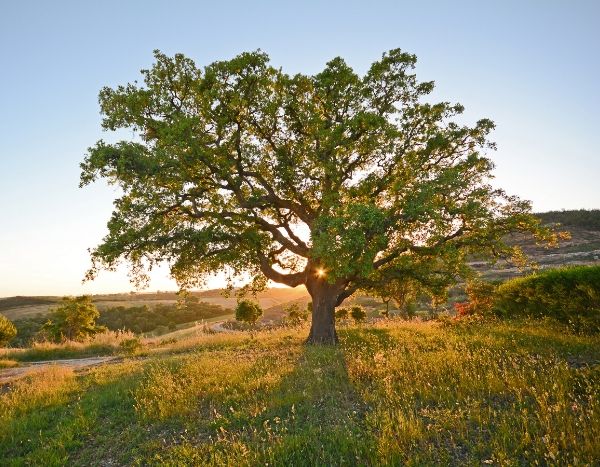
Celtis australis, the European nettle tree, is a majestic shade tree emblematic of Mediterranean landscapes. With its broad, rounded crown, its dense foliage and its grey, beech-like bark, it is a characterful tree for a large garden or an urban park. Untroubled by diseases, highly drought-tolerant, and cold-hardy, tolerant of poor soils and pollution, it is an excellent substitute for the plane tree. It is offered here as seeds to give the patient gardener the opportunity to raise excellent avenue trees.
Celtis australis belongs to the Cannabaceae family. It is known as the European nettle tree, the southern nettle tree, Mediterranean hackberry or simply the nettle tree. The species has several botanical synonyms, including Celtis excelsa, Celtis betulifolia, Celtis kotschyana and Celtis lutea. It is a deciduous tree, native to a wide belt around the Mediterranean: southern Europe (Portugal, Spain, southern France, Italy, the Balkans, Greece), the Mediterranean islands, North Africa and western Asia as far as Turkey, the Near East, Transcaucasia and northern Iran. In the wild, it favours warm valleys and open woodlands on deep, calcareous or loamy soils. Its hardiness is rated at -15/-18°C once established.
A tree of 15 to 20m in height (sometimes more under ideal conditions), Celtis australis develops a slender, regular trunk which, with age, develops root buttresses at its base. The light grey, smooth and finely wrinkled bark may become mottled with small, lighter patches over time. The branching forms a rounded or dome-shaped crown, fairly broad, with slender, more or less pendulous twigs. The deciduous, oval-lanceolate, 5 to 15cm long leaves have a slightly asymmetrical base, a toothed margin and a pointed tip. Rough to the touch and dull dark green on the upper surface, they are paler and slightly hairy on the underside. They take on a beautiful yellow hue in autumn before falling. The April-May flowering is insignificant: the small greenish flowers, without obvious petals, hermaphrodite or male, are pollinated by the wind. In late summer and autumn they are followed by small round drupes about 1cm in diameter, at first green, then reddish-brown to black. These edible hackberries are sweet but with little flesh and loved by birds.
The deep and powerful root system accounts for its good drought resistance, but it needs sufficiently deep soil and should be kept away from light structures.
Growing from seed has the advantage of moderate cost and plants well adapted to their soil, at the price of some patience: allow about 3 to 4 years to obtain a young tree of 2 to 3m, then a fine shade tree of 6 to 8m in about ten years, with natural variability between individuals.
Intimately linked to the history of the villages of southern France, the nettle tree was long cultivated for its strong and flexible wood, used for tool handles, forks, whips, walking sticks, cart wheels or coachbuilding parts. Its fruits were sometimes used to make small local liqueurs. The shade of large specimens, often planted on squares or near churches, was ideal for the summer siesta.
The European nettle tree is best reserved for large spaces: as a specimen in the middle of a dry lawn, to mark the entrance to a property or in a line along a wide driveway. Its shade will shelter a garrigue woodland: low shrubs, drought-tolerant perennials, grasses for dry soil. It can be paired with evergreen Mediterranean shrubs such as the mastic tree Pistacia lentiscus, the holm oak Quercus ilex or the narrow-leaved mock privet Phillyrea angustifolia ‘Rosmarinifolia’.
Report an error about the product description
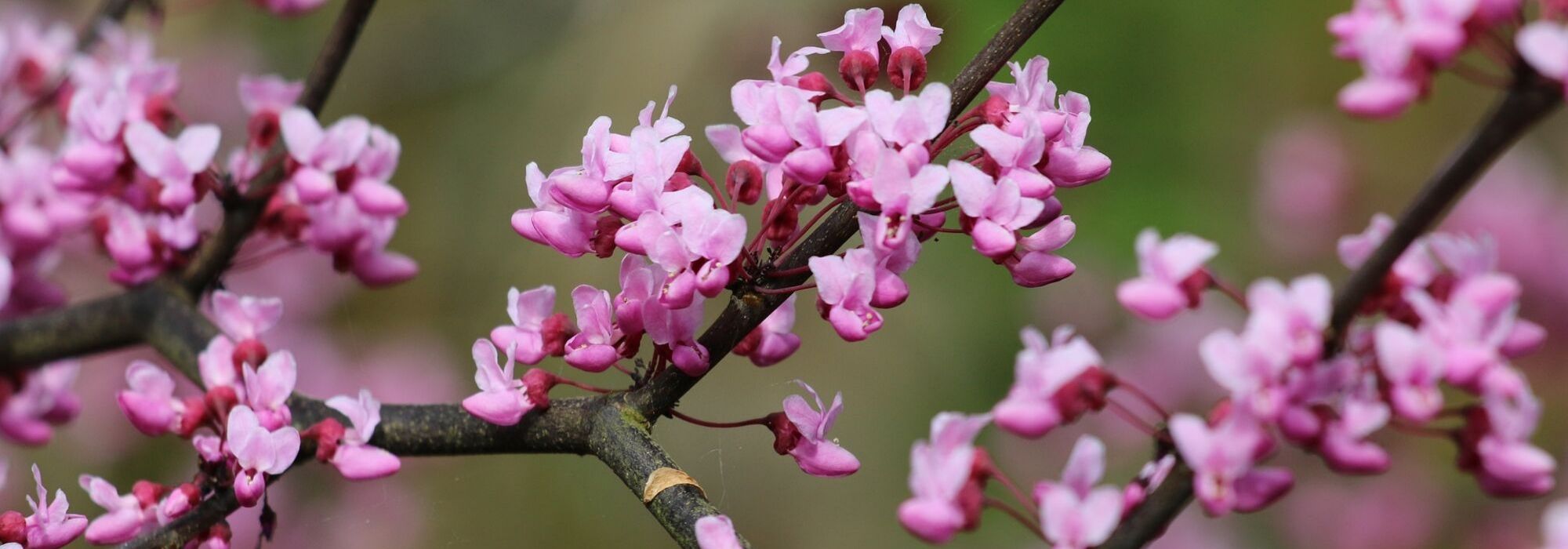
Flowering
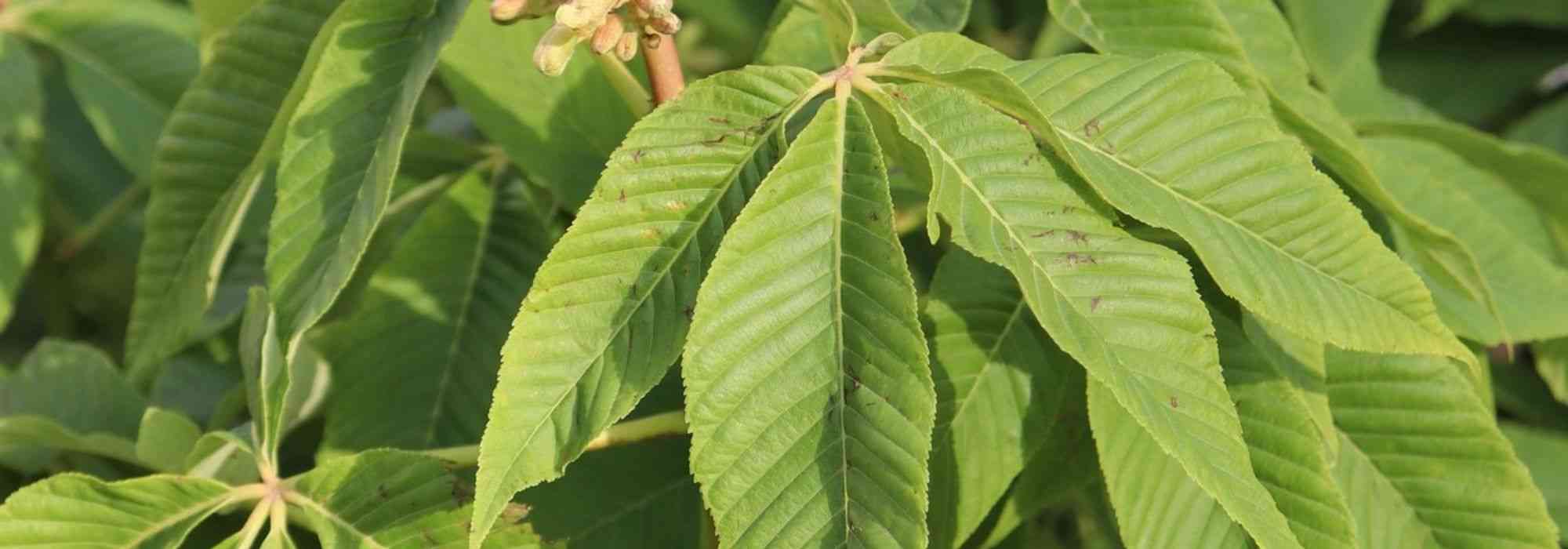
Foliage
Plant habit
Botanical data
Celtis
australis
Cannabaceae
European Hackberry, Mediterranean Hackberry, European Nettle Tree, Lote Tree. Honeyberry of Greece
Celtis excelsa, Celtis betulifolia, Celtis kotschyana, Celtis lutea
Southern Europe, Mediterranean, Balkans, North Africa, West Asia
Planting and care
The Mediterranean hackberry (Celtis australis) has seeds that need a little "artificial winter" to germinate well.
Start by soaking the seeds for 24 hours in water at room temperature to rehydrate them. Then, mix them with slightly moist sand or vermiculite (4 parts substrate to 1 part seeds), in a box or sealed but not airtight plastic bag, and place the whole thing in the refrigerator for 2 to 3 months, at between 3 and 5 °C. This period of moist cold breaks dormancy.
At the end of this period, sow from late winter to spring, in a seed tray or deep box, in a light mix (seed compost + sand). Bury the seeds about 1cm deep, in rows or slightly spaced, then water with a fine spray to settle. Place the tray in a mild temperature (15–20 °C), in full light without scorching sun. The substrate should remain just moist, never waterlogged. Germination is often quite staggered: some seeds sprout within a few weeks, while others may take several months, sometimes until the following spring, so keep the tray for a long time.
As soon as the young plants have 2 to 3 true leaves and are vigorous enough to handle, prick them out into individual pots, preferably deep ones, filled with a more nutritious mix: good potting compost, a little sand or pozzolana, and if possible a third of garden soil. Move the pots outdoors in light shade, sheltered from dry winds.
In the first year, growth is mainly in the roots, even though the stem lengthens noticeably. It is often best to keep young hackberries in pots for at least one full season, or even two in a slightly cold climate, so that they form a strong root system before planting out in open ground.
Plant in autumn, when the plants are established, or in early spring outside frost periods. Hackberry likes deep, well-drained soil, capable of staying moist at depth, even stony or chalky. Prepare a wide hole, break up the excavated soil and mix in well-rotted compost if the soil is very poor. Plant the young tree at the same depth as in its pot, taking care not to bury the collar.
After planting, water generously to eliminate air pockets, then mulch the base (shredded branches, dead leaves, gravel in very dry climates) to reduce watering.
Aftercare is simple: for the first two or three years, keep an eye on watering in summer, especially in light soil, while the tree anchors itself deeply. Thereafter, the hackberry becomes very drought-tolerant and is content with rainfall, even in dry regions.
Sowing period
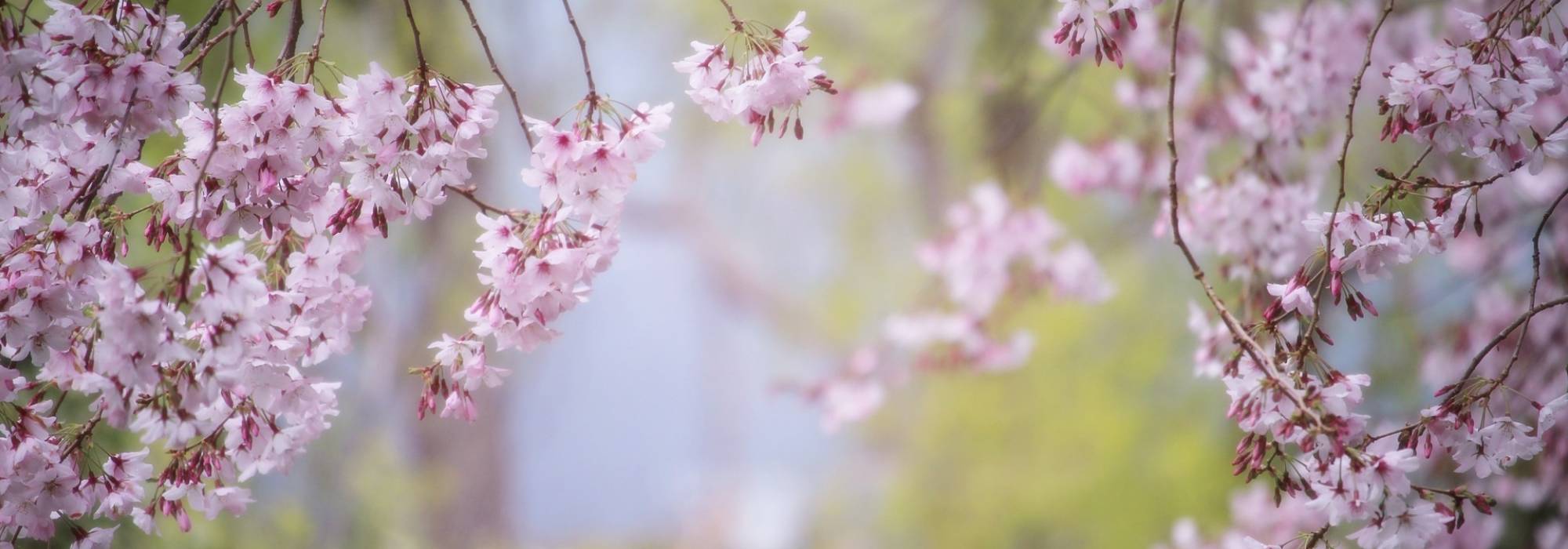
Intended location
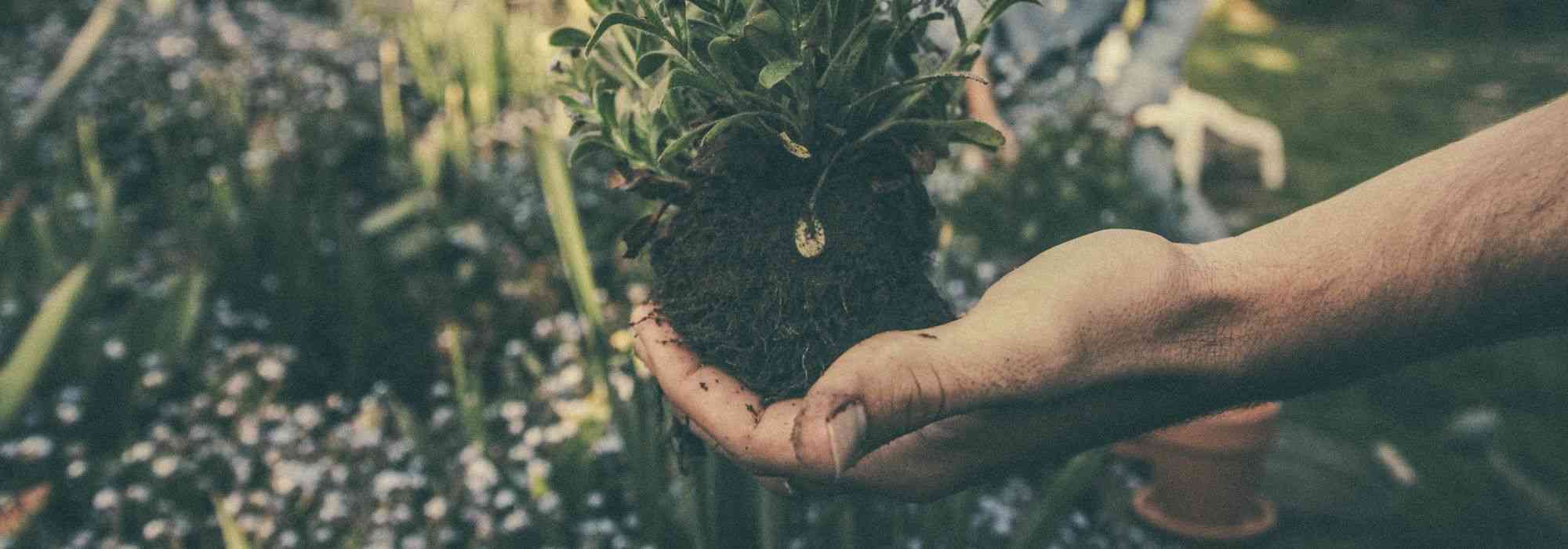
Planting & care advice
-
-
-
-
-
-
-
-

This item has not been reviewed yet - be the first to leave a review about it.
Recently viewed products
Haven't found what you were looking for?
Hardiness is the lowest winter temperature a plant can endure without suffering serious damage or even dying. However, hardiness is affected by location (a sheltered area, such as a patio), protection (winter cover) and soil type (hardiness is improved by well-drained soil).
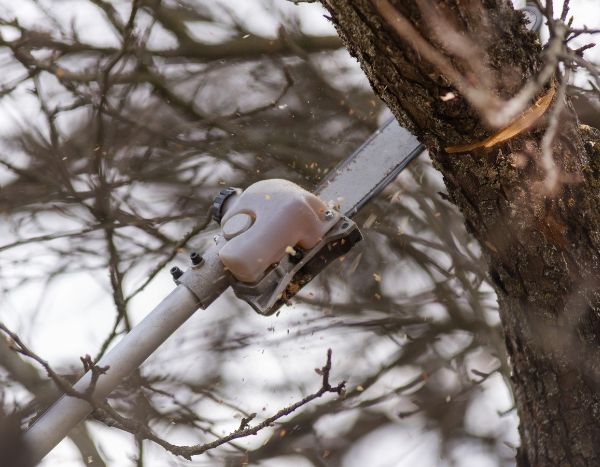
In temperate climates, pruning of spring-flowering shrubs (forsythia, spireas, etc.) should be done just after flowering.
Pruning of summer-flowering shrubs (Indian Lilac, Perovskia, etc.) can be done in winter or spring.
In cold regions as well as with frost-sensitive plants, avoid pruning too early when severe frosts may still occur.
The harvesting period indicated on our website applies to countries and regions in USDA zone 8 (France, England, Ireland, the Netherlands).
In colder areas (Scandinavia, Poland, Austria...) fruit and vegetable harvests are likely to be delayed by 3-4 weeks.
In warmer areas (Italy, Spain, Greece, etc.), harvesting will probably take place earlier, depending on weather conditions.
The sowing periods indicated on our website apply to countries and regions within USDA Zone 8 (France, UK, Ireland, Netherlands).
In colder areas (Scandinavia, Poland, Austria...), delay any outdoor sowing by 3-4 weeks, or sow under glass.
In warmer climes (Italy, Spain, Greece, etc.), bring outdoor sowing forward by a few weeks.
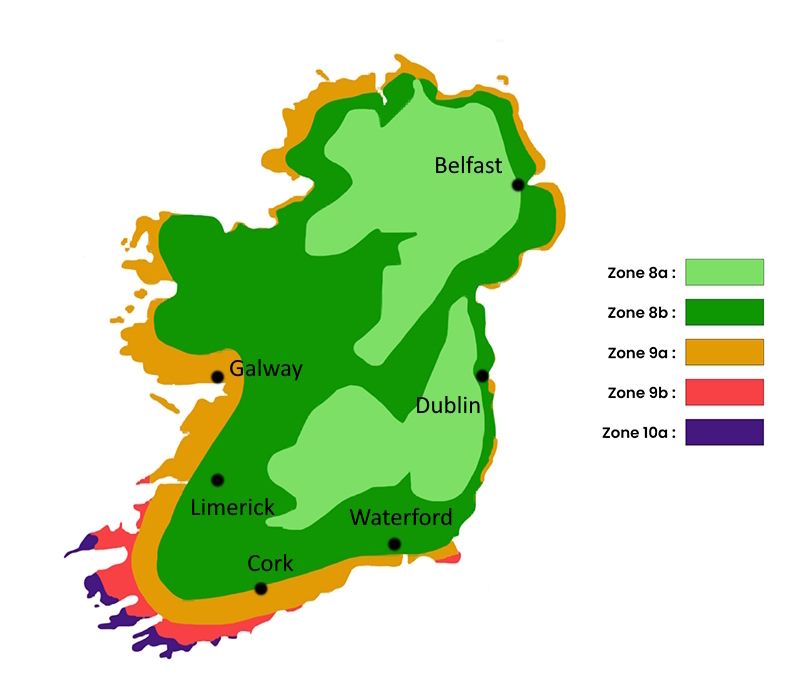
The planting period indicated on our website applies to regions in USDA Zone 9a (East Coast and Midlands: Dublin, Wexford, Waterford, Kilkenny, Portlaoise). It will vary depending on where you live:
- On the west coast and in the north-west (Galway, Limerick, Sligo, Donegal, Westport), delay planting by 1 to 2 weeks in spring and bring it forward by 1 to 2 weeks in autumn compared to the dates given, preferably choosing periods without strong winds.
- In the inland hills and plateaus (Wicklow Mountains, Macgillycuddy’s Reeks, Connemara, Killarney), it is best to plant in spring (April–May) or autumn (September–October), avoiding periods of waterlogged soil in winter and strong winds, which pose the main risk to newly planted trees in these areas.
The flowering period indicated on our website applies to regions in USDA Zone 9a, such as the East Coast and Midlands, including Dublin, Wexford, Waterford, Kilkenny and Portlaoise.
This will vary depending on where you live:
- On the west coast and in the northwest (Galway, Limerick, Sligo, Donegal and Westport), it will be delayed by one to two weeks compared to the given dates, due to stronger Atlantic winds and less spring sunshine.
- In the inland hills and plateaus (the Wicklow Mountains, the Macgillycuddy's Reeks, Connemara and Killarney), flowering will be delayed by two to three weeks. Flowering mainly occurs between May and July, with the limiting factors being less frost and more of the excessive humidity, strong winds and lack of sunshine that are characteristic of these areas.
Shipping country and language
Your country of residence may be:
Your country of residence is:
For a better user experience on our website, you can select:
Your shipping country:
-
 Austria
-
 Belgium
-
 Bosnia & Herzegovina
-
 Bulgaria
-
 Croatia
-
 Cyprus
-
 Czechia
-
 Denmark
-
 Estonia
-
 Finland
-
 France
-
 Germany
-
 Greece
-
 Hungary
-
 Iceland
-
 Ireland
-
 Italy
Italy
-
 Latvia
-
 Liechtenstein
-
 Lithuania
-
 Luxembourg
-
 Malta
Malta
-
 Netherlands
-
 Poland
-
 Portugal
-
 Romania
-
 Serbia
-
 Slovakia
-
 Slovenia
-
 Spain
Spain
-
 Sweden
-
 Switzerland
Language:
-
French
-
 English
-
Spanish
-
Italian
-
German
-
Portuguese
-
Dutch
-
Finnish
My Account
Hello
My wish lists
My cart
Log in / Register
Existing customer?
This form is protected by reCAPTCHA - the Google Privacy Policy and Terms of Service apply.
New customer?
Create an account to track your orders, access our customer service and, if you wish, make the most of our upcoming offers.