





























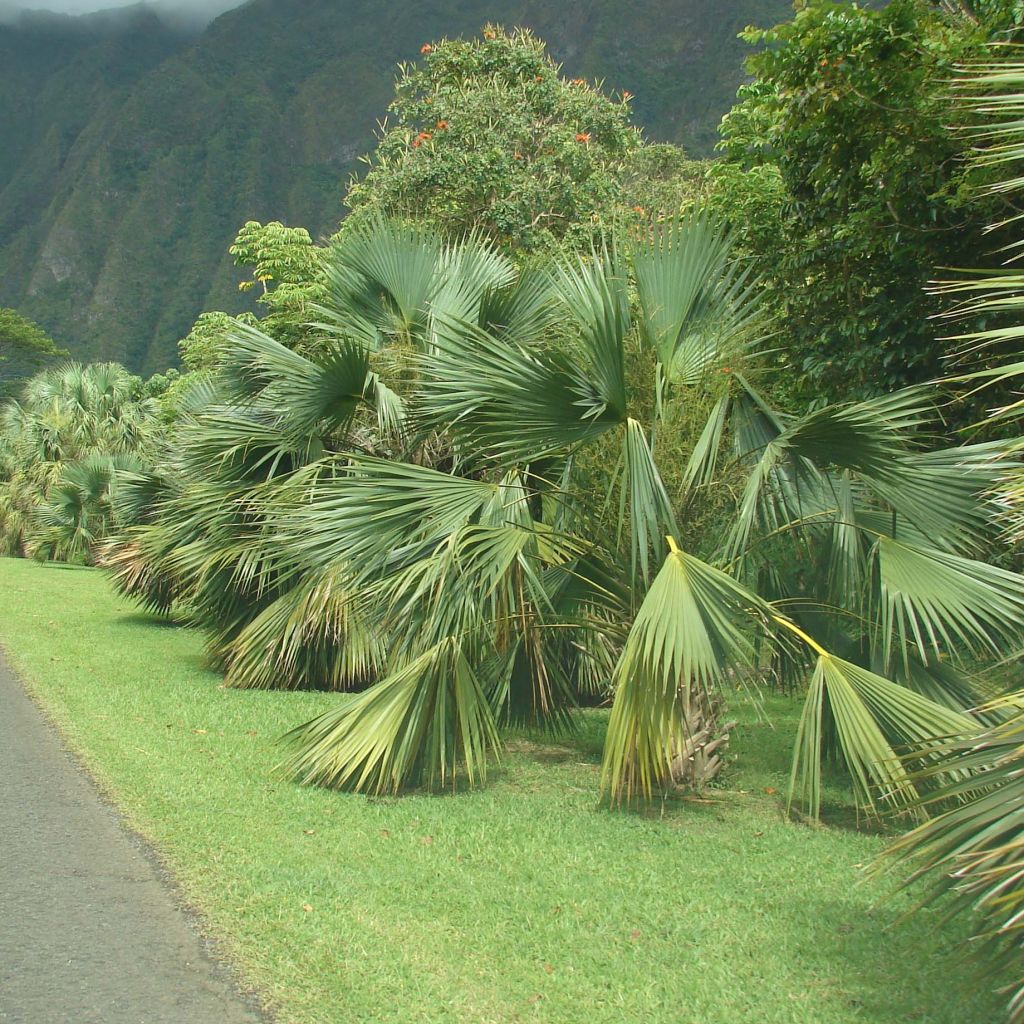
Sabal palmetto - Cabbage Palm
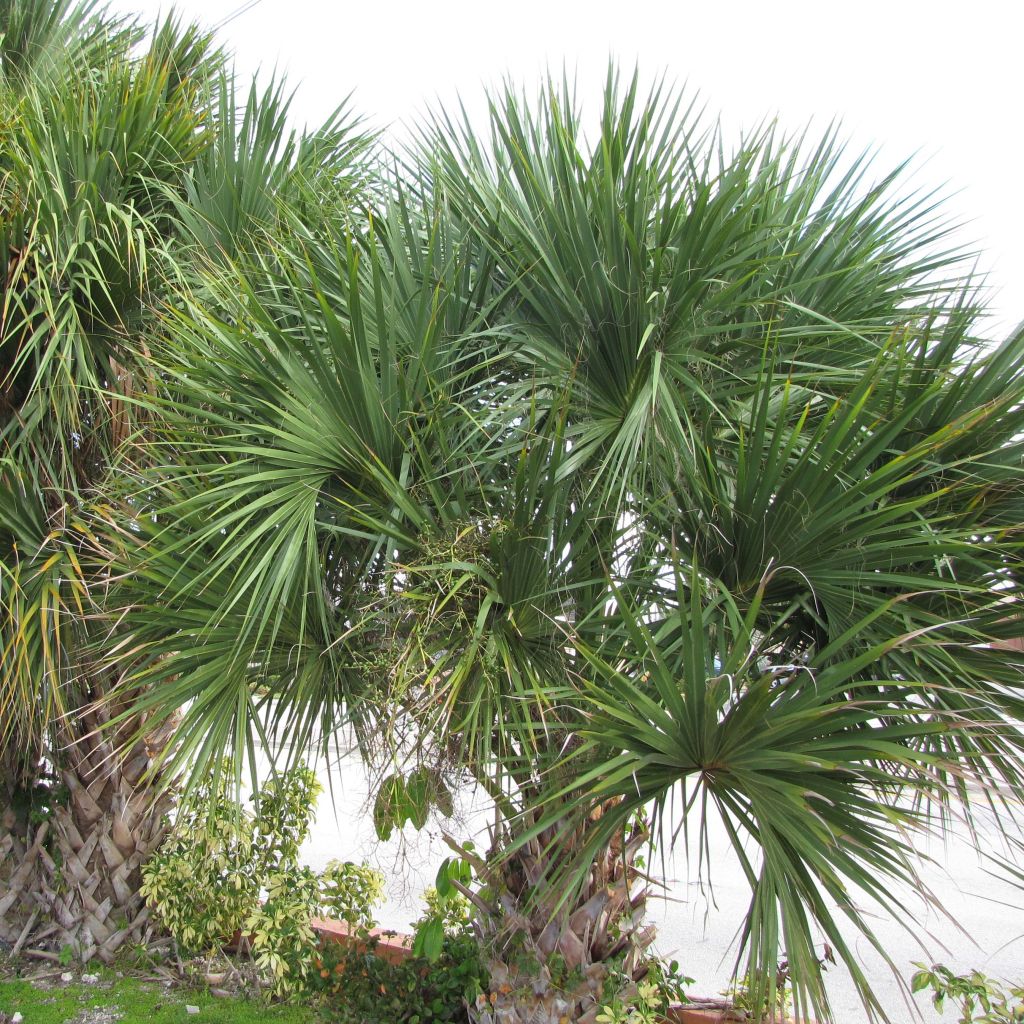
Sabal palmetto - Cabbage Palm
Sabal palmetto - Cabbage Palm
Sabal palmetto
Cabbage palm - Common palmetto - Blue palmetto
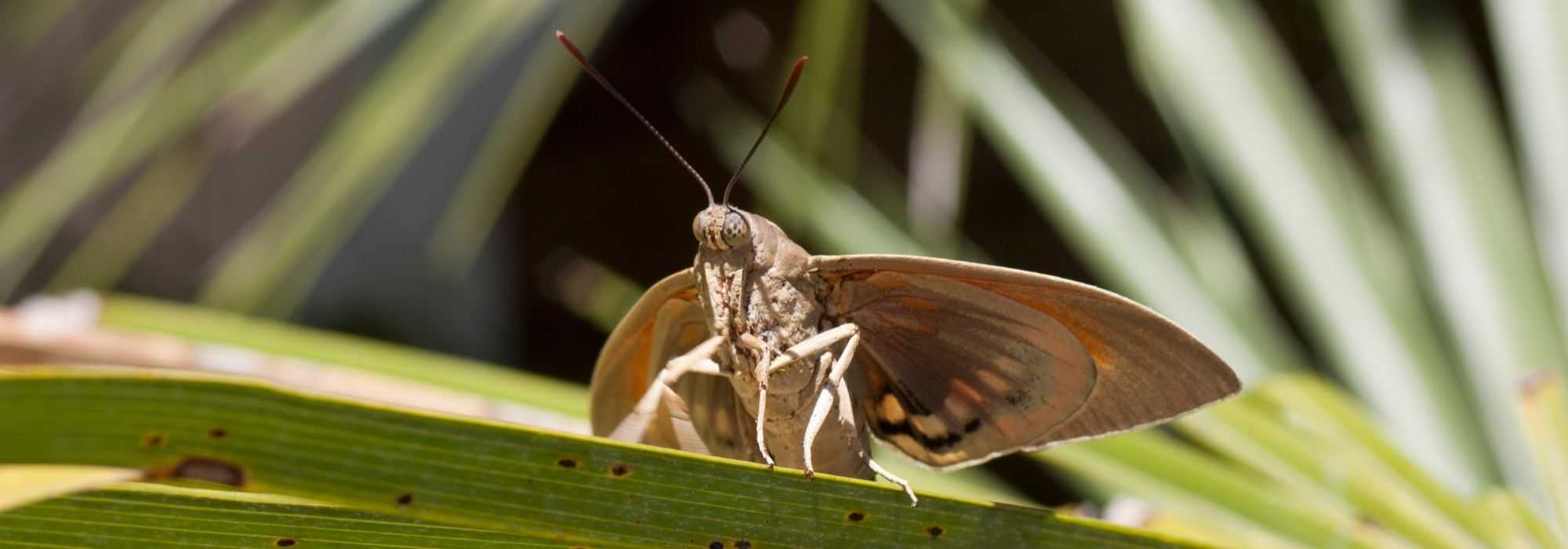
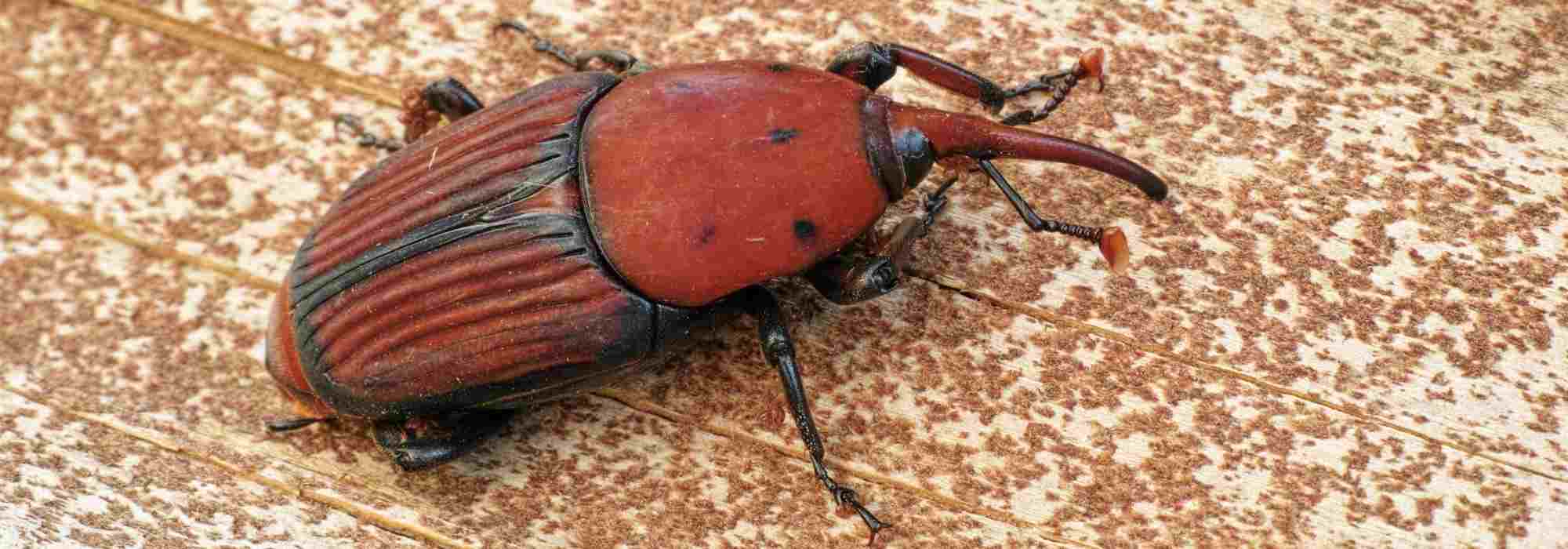
Outside of the species, there are several cultivars and natural hybrids of the cabbage palm with blue leaves, including one that is said to be particularly frost-resistant but is almost impossible to find in France, only in the USA!? (the forums of the gardenbreizh and Fous de palmiers websites echo this!) Hoping that it will not fall prey to red palm weevils, Paysandia bugs, southern cicadas, or diseases like fusarium wilt!
Stéphane M., 29/06/2018
Special offer!
Receive a €20 voucher for any order over €90 (excluding delivery costs, credit notes, and plastic-free options)!
1- Add your favorite plants to your cart.
2- Once you have reached €90, confirm your order (you can even choose the delivery date!).
3- As soon as your order is shipped, you will receive an email containing your voucher code, valid for 3 months (90 days).
Your voucher is unique and can only be used once, for any order with a minimum value of €20, excluding delivery costs.
Can be combined with other current offers, non-divisible and non-refundable.
Why not try an alternative variety in stock?
View all →
Available in 2 sizes

Available in 5 sizes
This plant carries a 24 months recovery warranty
More information
We guarantee the quality of our plants for a full growing cycle, and will replace at our expense any plant that fails to recover under normal climatic and planting conditions.

Does this plant fit my garden?
Set up your Plantfit profile →
Description
Sabal palmetto, known as the Cabbage Palm, is a large palm tree emblematic of the marshy coasts of the Bahamas, Cuba, and the southeastern United States. It is a palm tree of the sun, heat, and shores. It stands with a majestic silhouette, composed of a trunk adorned with unique geometric patterns, carrying a crown of large, arched and frayed fronds. Although it's hardy to -10° C (14° F), or even beyond for mature subjects, it prefers warmth and heat, but requires freshness at its base. In cooler climates, it would suit a heated conservatory.
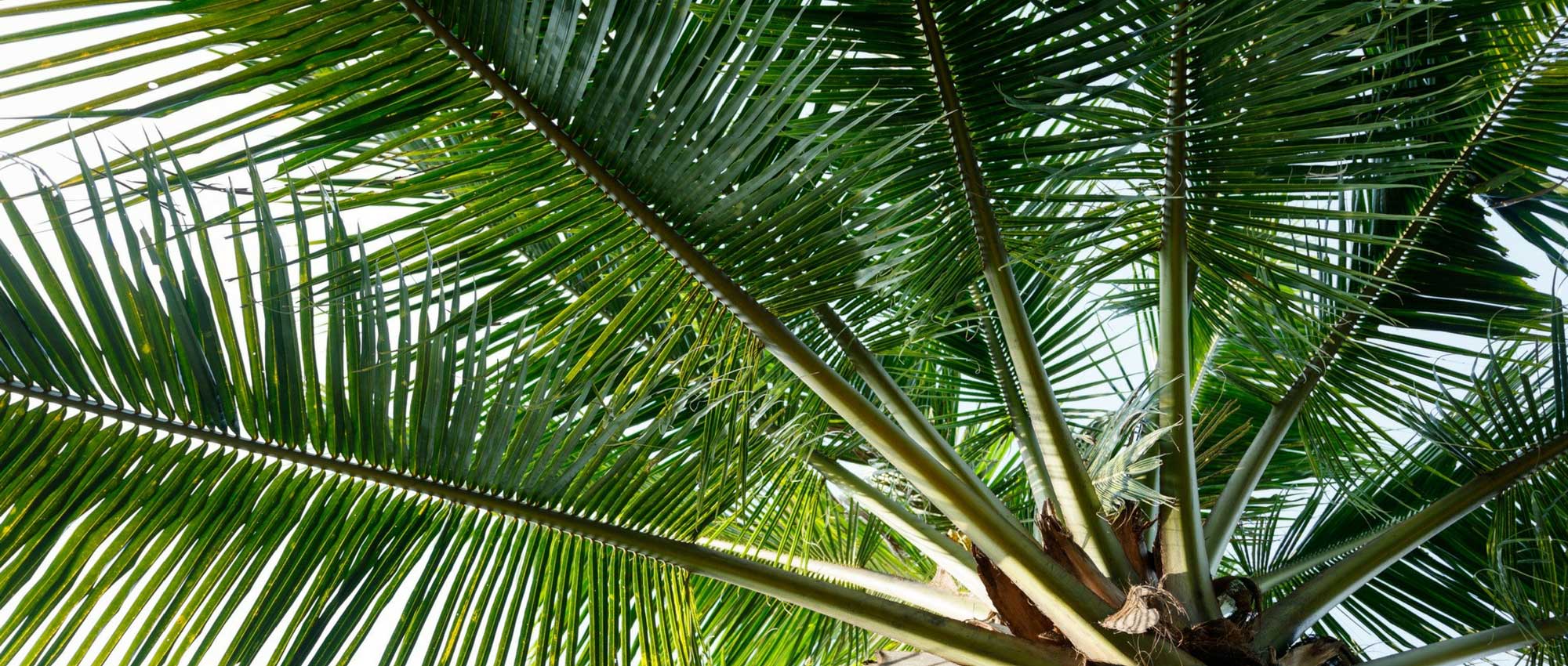
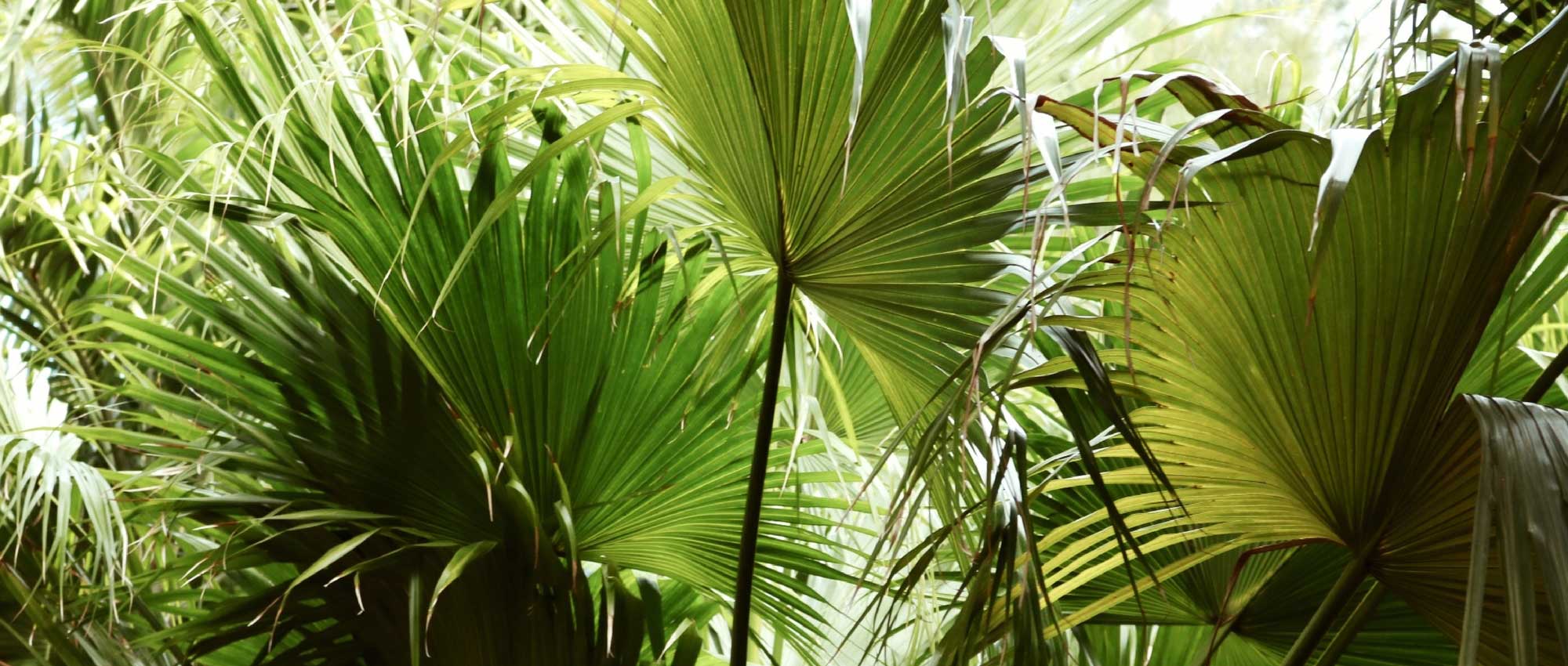
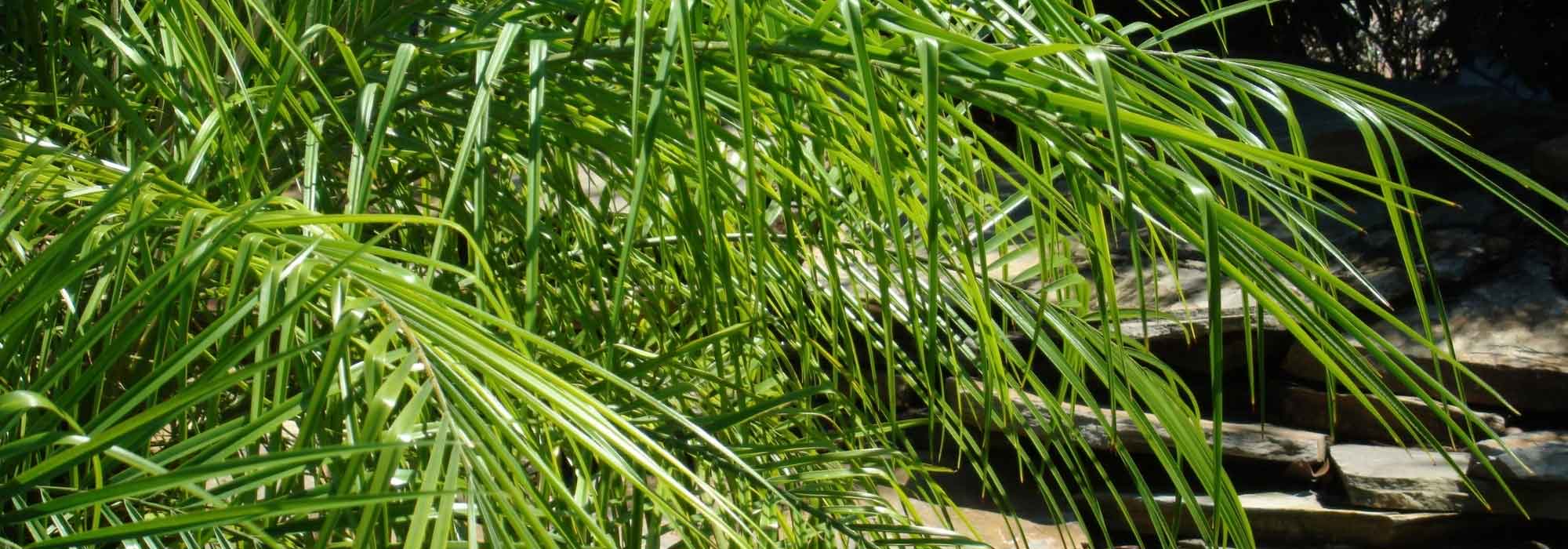
Sabal Palmetto belongs to the family of Arecaceae. It is native to Central America and the southeastern United States. Abundantly planted in Florida and South Carolina, it lines the main avenues and spontaneously forms large colonies grouping several thousand individuals along watercourses. This palm tree, which can eventually reach a height of 10 m to 12 m (32.8 ft to 39.4 ft), is carried by a single false trunk (stipe). This straight trunk is thickened at the base, grey in colour and woven in appearance, and can sometimes reach 25 cm (9.8 in) in diameter. The reticulated patterns on the trunk, characteristic of this species, are the remnants of the old dried petioles. The foliage is arranged in a terminal crown at the end of the stipe, and can eventually span 3 m to 4 m (9.8 ft to 13.1 ft). The crown is composed of 15 to 30 costapalmate leaves, meaning palmate leaves arranged in a fan around a central axis. Each leaf has a beautiful green-blue colour on the upper side and a more glaucous colour on the underside. It is divided into 60 to 90 rigid, erect segments, as if cut at the base on one-third of their length, and carried by a very robust petiole, reaching 2 m (6.6 ft) in length.
The flowering, which occurs on mature individuals, is composed of bisexual flowers, perfectly capable of forming fruits. The inflorescence is arched and emerges between the large leaves every year in summer. It can measure 2 m (6.6 ft) in length. It bears a large quantity of small whitish, fragrant, and honey-producing flowers, which will give birth, in favourable climates, to round, brown-coloured fruits, each containing a black, pear-shaped seed measuring about 1 cm (0.4 in) in diameter. This fresh seed will germinate after 5 to 6 months.
Highly appreciated as a specimen to be planted in isolation in seaside gardens, the Cabbage Palm is one of the most majestic palm species, along with the Jubaea chilensis and the Phoenix canariensis. Its hardiness depends a lot on soil drainage and ambient humidity. Irreplaceable and prestigious in mild climates, it can also be cultivated elsewhere in a large container, which can be stored during winter in a cool, bright, and airy room. Plant near an entrance, or on either side of a gate for a stunning welcome. Alternatively, plant in isolation as a specimen.
The honey from the flowers of this palm tree is marketed under the name 'Sabal palmetto'.
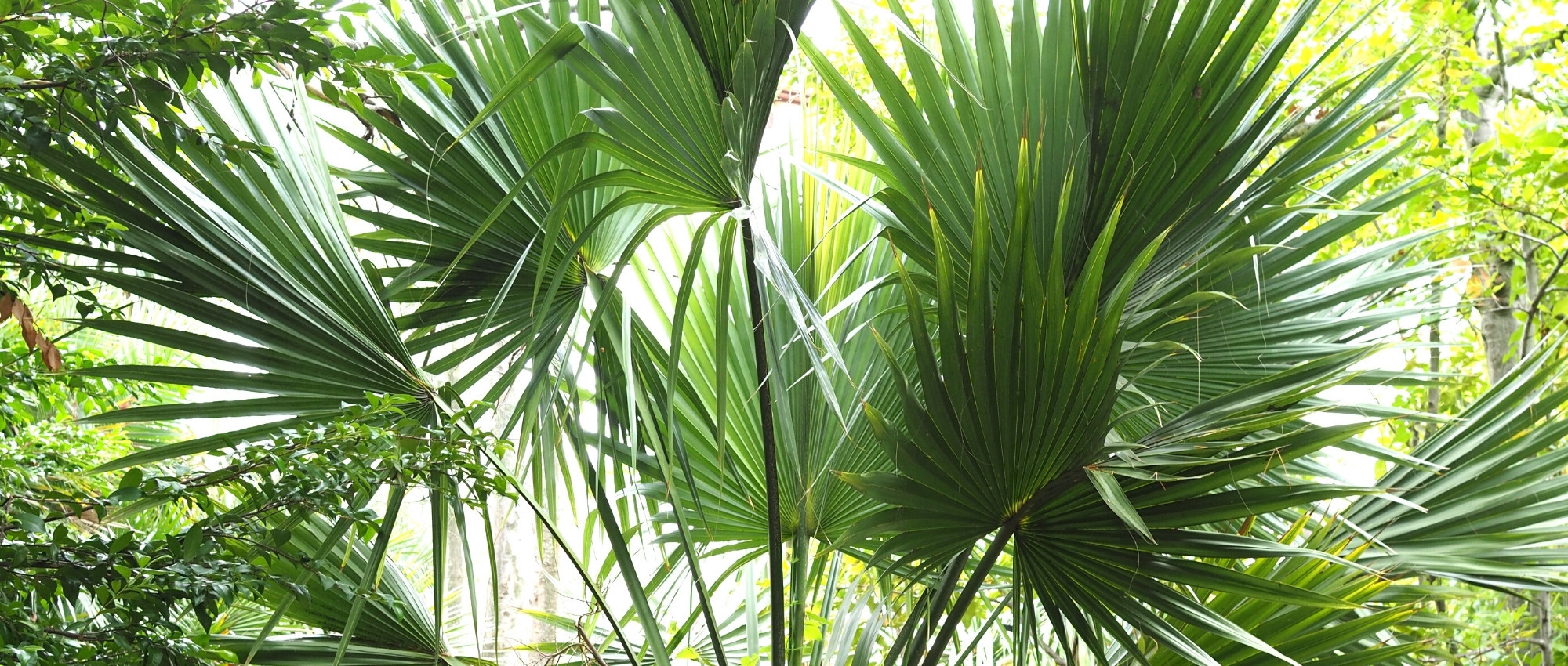
Sabal palmetto - Cabbage Palm in pictures
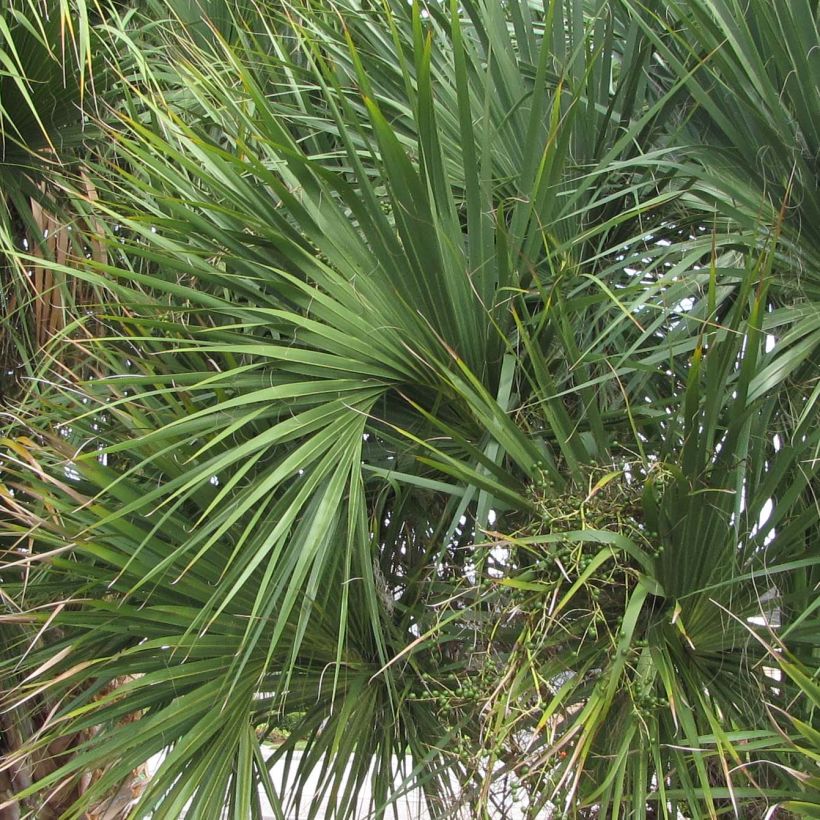
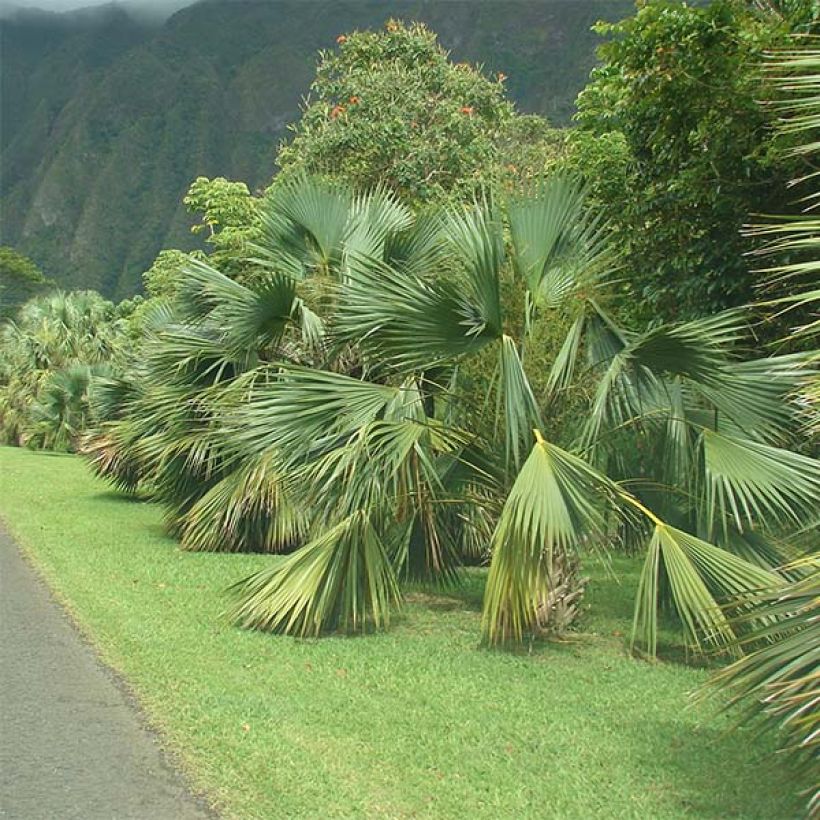
Plant habit
Flowering
Foliage
Botanical data
Sabal
palmetto
Arecaceae
Cabbage palm - Common palmetto - Blue palmetto
North America
Other Sabal
View all →
Available in 2 sizes
Available in 5 sizes
Planting and care
This palm tree grows slowly, especially during its first 8 or 10 years, and requires sunlight and warmth that will promote faster growth. Plant Sabal palmetto in open ground in warm climates that are not too severe, or in a very large pot in other regions. Set deeply in very well-drained, light and cool soil. It can even tolerate sandy and salty soil. Choose the hottest and sunniest spot in the garden. Regular watering in summer promotes growth. Protect it from cold and dry winds. It requires little maintenance except for pruning the oldest leaves close to the stem.
Propagation by sowing fresh seeds, which germinate after 6 months at 25° C to 28° C (77° F to 82.4° F) .
Planting period
Intended location
Care
Planting & care advice
-
-
-
-
-
-
-

-
-
, onOrder confirmed
Reply from on Promesse de fleurs
Similar products
Available in 2 sizes
Available in 2 sizes
Available in 3 sizes
Available in 1 sizes
Available in 1 sizes
Available in 2 sizes
Available in 1 sizes
Available in 1 sizes

Available in 3 sizes
Available in 1 sizes
Haven't found what you were looking for?
Hardiness is the lowest winter temperature a plant can endure without suffering serious damage or even dying. However, hardiness is affected by location (a sheltered area, such as a patio), protection (winter cover) and soil type (hardiness is improved by well-drained soil).
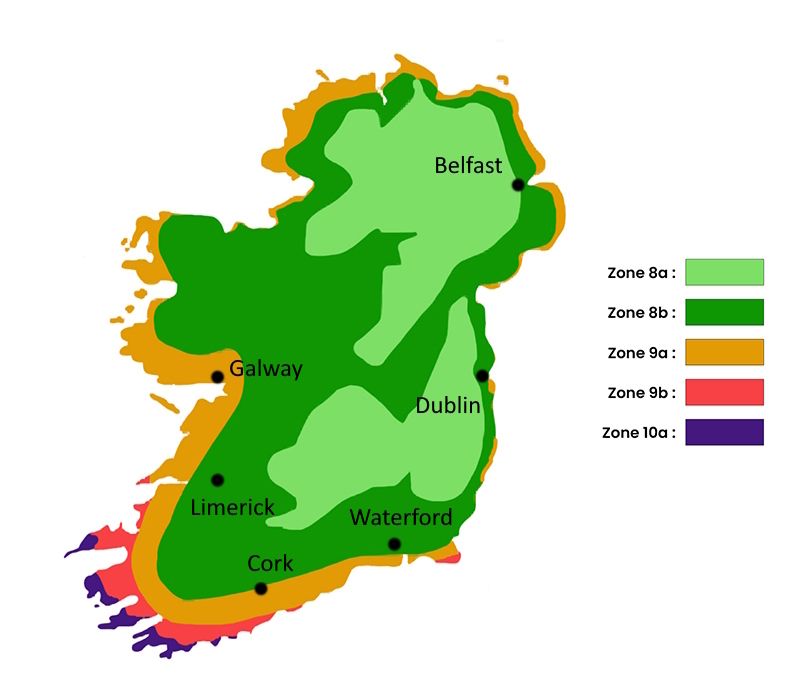
Photo Sharing Terms & Conditions
In order to encourage gardeners to interact and share their experiences, Promesse de fleurs offers various media enabling content to be uploaded onto its Site - in particular via the ‘Photo sharing’ module.
The User agrees to refrain from:
- Posting any content that is illegal, prejudicial, insulting, racist, inciteful to hatred, revisionist, contrary to public decency, that infringes on privacy or on the privacy rights of third parties, in particular the publicity rights of persons and goods, intellectual property rights, or the right to privacy.
- Submitting content on behalf of a third party;
- Impersonate the identity of a third party and/or publish any personal information about a third party;
In general, the User undertakes to refrain from any unethical behaviour.
All Content (in particular text, comments, files, images, photos, videos, creative works, etc.), which may be subject to property or intellectual property rights, image or other private rights, shall remain the property of the User, subject to the limited rights granted by the terms of the licence granted by Promesse de fleurs as stated below. Users are at liberty to publish or not to publish such Content on the Site, notably via the ‘Photo Sharing’ facility, and accept that this Content shall be made public and freely accessible, notably on the Internet.
Users further acknowledge, undertake to have ,and guarantee that they hold all necessary rights and permissions to publish such material on the Site, in particular with regard to the legislation in force pertaining to any privacy, property, intellectual property, image, or contractual rights, or rights of any other nature. By publishing such Content on the Site, Users acknowledge accepting full liability as publishers of the Content within the meaning of the law, and grant Promesse de fleurs, free of charge, an inclusive, worldwide licence for the said Content for the entire duration of its publication, including all reproduction, representation, up/downloading, displaying, performing, transmission, and storage rights.
Users also grant permission for their name to be linked to the Content and accept that this link may not always be made available.
By engaging in posting material, Users consent to their Content becoming automatically accessible on the Internet, in particular on other sites and/or blogs and/or web pages of the Promesse de fleurs site, including in particular social pages and the Promesse de fleurs catalogue.
Users may secure the removal of entrusted content free of charge by issuing a simple request via our contact form.
In temperate climates, pruning of spring-flowering shrubs (forsythia, spireas, etc.) should be done just after flowering.
Pruning of summer-flowering shrubs (Indian Lilac, Perovskia, etc.) can be done in winter or spring.
In cold regions as well as with frost-sensitive plants, avoid pruning too early when severe frosts may still occur.
The harvesting period indicated on our website applies to countries and regions in USDA zone 8 (France, England, Ireland, the Netherlands).
In colder areas (Scandinavia, Poland, Austria...) fruit and vegetable harvests are likely to be delayed by 3-4 weeks.
In warmer areas (Italy, Spain, Greece, etc.), harvesting will probably take place earlier, depending on weather conditions.
The sowing periods indicated on our website apply to countries and regions within USDA Zone 8 (France, UK, Ireland, Netherlands).
In colder areas (Scandinavia, Poland, Austria...), delay any outdoor sowing by 3-4 weeks, or sow under glass.
In warmer climes (Italy, Spain, Greece, etc.), bring outdoor sowing forward by a few weeks.
The planting period indicated on our website applies to regions in USDA Zone 9a (East Coast and Midlands: Dublin, Wexford, Waterford, Kilkenny, Portlaoise). It will vary depending on where you live:
- On the west coast and in the north-west (Galway, Limerick, Sligo, Donegal, Westport), delay planting by 1 to 2 weeks in spring and bring it forward by 1 to 2 weeks in autumn compared to the dates given, preferably choosing periods without strong winds.
- In the inland hills and plateaus (Wicklow Mountains, Macgillycuddy’s Reeks, Connemara, Killarney), it is best to plant in spring (April–May) or autumn (September–October), avoiding periods of waterlogged soil in winter and strong winds, which pose the main risk to newly planted trees in these areas.
The flowering period indicated on our website applies to regions in USDA Zone 9a, such as the East Coast and Midlands, including Dublin, Wexford, Waterford, Kilkenny and Portlaoise.
This will vary depending on where you live:
- On the west coast and in the northwest (Galway, Limerick, Sligo, Donegal and Westport), it will be delayed by one to two weeks compared to the given dates, due to stronger Atlantic winds and less spring sunshine.
- In the inland hills and plateaus (the Wicklow Mountains, the Macgillycuddy's Reeks, Connemara and Killarney), flowering will be delayed by two to three weeks. Flowering mainly occurs between May and July, with the limiting factors being less frost and more of the excessive humidity, strong winds and lack of sunshine that are characteristic of these areas.