Gardeners who have planted an asiminier in their garden do not always know whether to prune this attractive fruit tree. In fact, it is a tree that does not require any particular pruning except in specific situations. We explain everything in this tutorial!
Paw paw, in brief
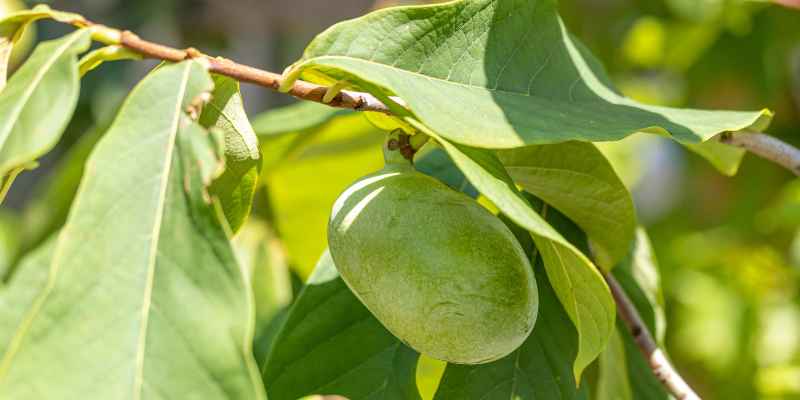
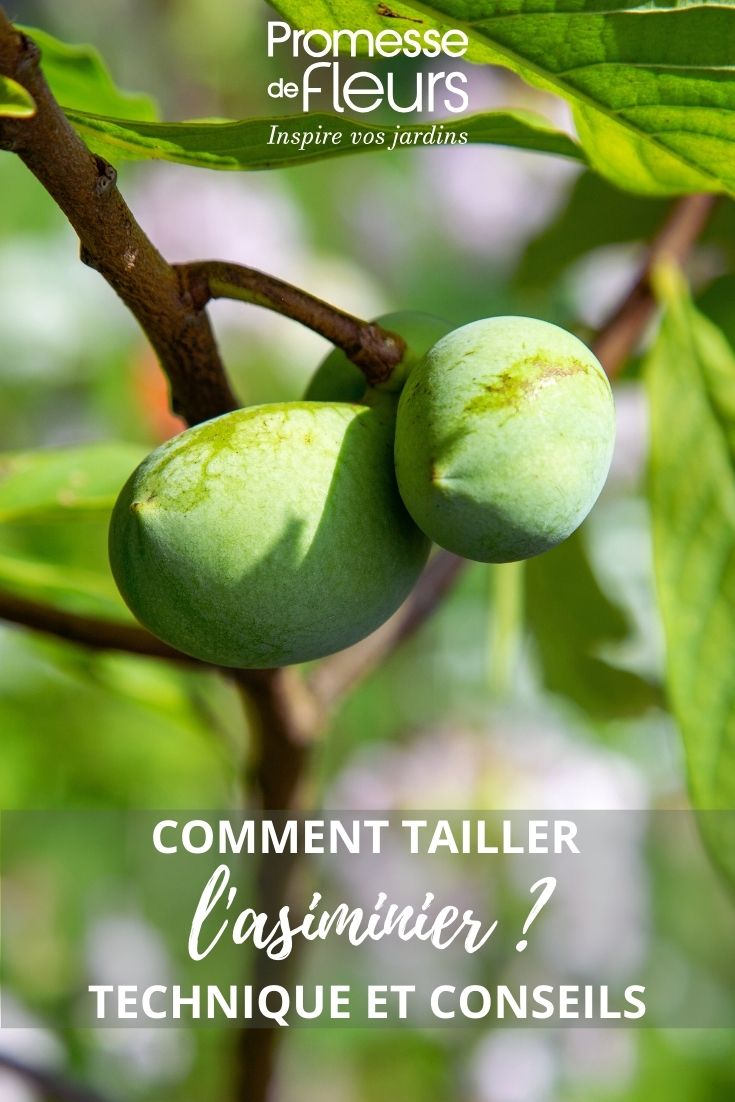
The paw paw, Asimina triloba, is a distinctive fruit tree, still little known, producing fruits – pawpaws – that resemble mangoes in shape, but with a creamier texture and a flavour bringing to mind banana and vanilla while remaining unique. Its drooping purple flowers and long foliage that yellows in autumn are additional assets for the ornamental garden.
Its other name used in Québec, the banana tree, or its English common name "paw paw" can mislead us: this is not a tropical tree at all, but a species native to the northern United States and Canada. It therefore tolerates very low winter temperatures, which can even improve fruiting, and does not fear summer heat. Flowering in May helps it avoid late frosts.
Should you prune a paw paw?
Generally no, because this tree does not need pruning to fruit well. Light pruning should only be considered if the paw paw has become too large for the space where it was planted, or if several trees were planted too close together: for example in an orchard if it interferes with other fruit trees, or in an ornamental garden.
NB: the paw paw grows in its natural habitat to 10–21 m, but here, under suitable growing conditions, it generally does not exceed 4–5 m.
When to prune a paw paw?
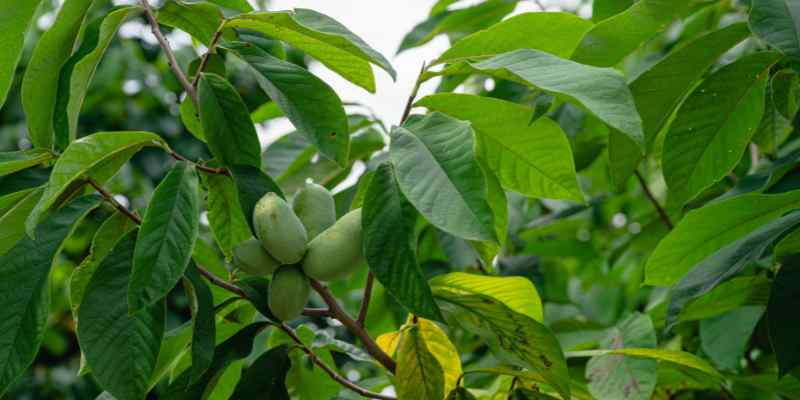
If you need to prune it, do so in winter on a paw paw: the period when sap is not flowing – between January and February – is ideal. The tree responds well without stress. It sets fruit on current-year shoots, so pruning will not affect production. Harvest begins at the end of summer, from August, extending to October in the warmest regions.
If your paw paw is too large to be moved in your garden or has grown so much that you cannot transplant it, then a very light annual maintenance pruning should be considered.
It is a slow-growing fruit tree in its early years: do not prune while it is young or before it is well established.
How to prune a paw paw?
Most cultivars and the species as a whole do not respond well to severe pruning. A reasoned pruning is enough to keep it healthy and ensure fruit production. Focus on opening the centre or upper parts of the tree to ease fruit harvesting.
Concentrate mainly on pruning:
- overly low branches
- branches that cross within the tree
- branches growing too tall: shorten terminal shoots growing upwards to balance the tree by reducing them by 20 to 30% maximum, never more than one-third of branch length
- suckers (offshoots) at the base of the tree if too numerous
- dead branches if the tree is mature.
Cut at an angle with a disinfected, well-sharpened loppers, 0.5 cm above a bud or a junction, to encourage healing.
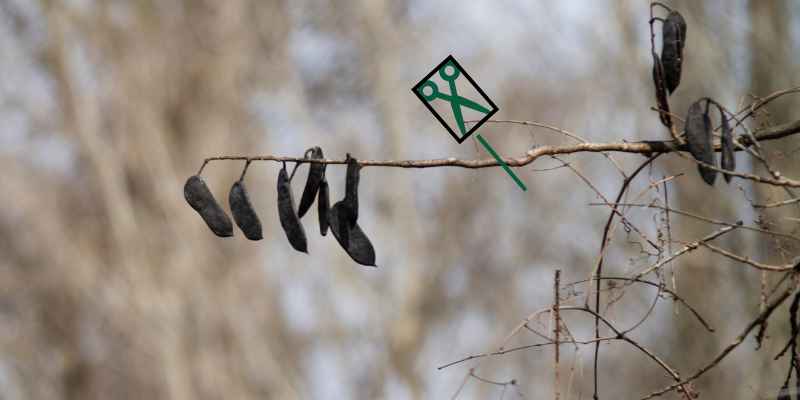
For a paw paw that is too large for its space, shorten branches throughout the crown – both height and spread. Again, do not remove more than one-third of the tree's branches, and step back regularly to ensure you maintain harmony in its silhouette.
Learn more about the paw paw in our articles and guides:
How to harvest and store pawpaw fruits
Choosing a paw paw: our buying guide
Asimina triloba, paw paw: planting, growing, harvesting
Paw paw diseases and pests.

































Comments