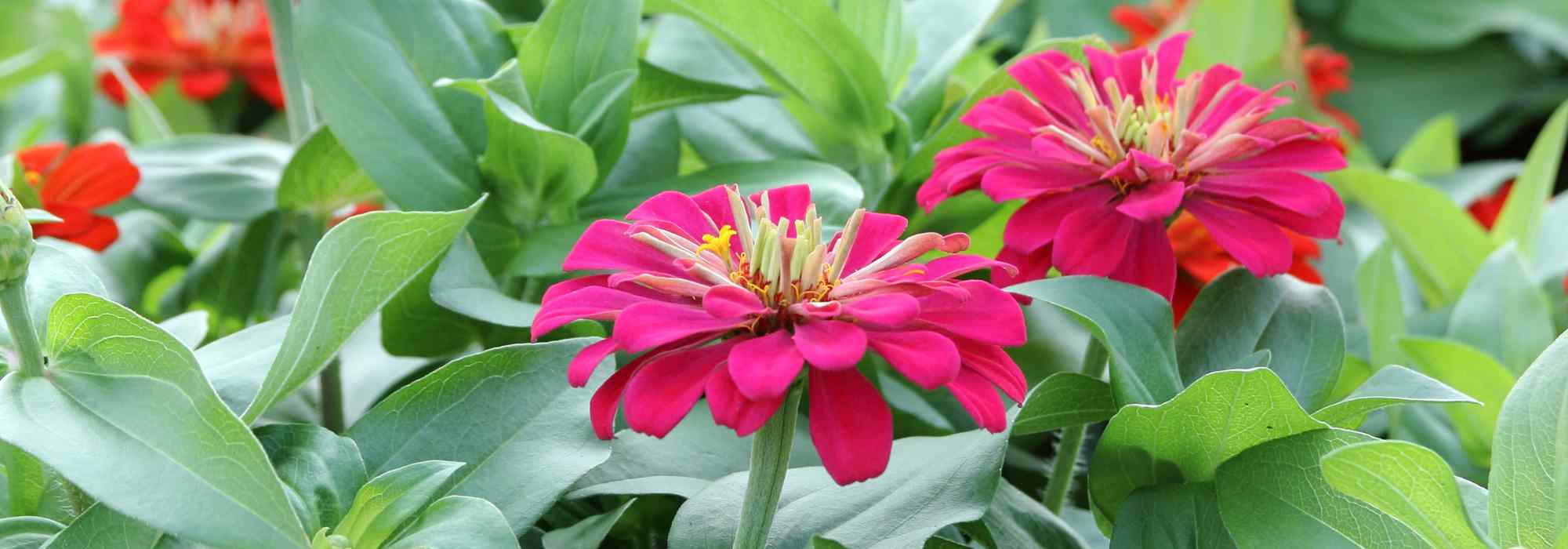
What is an annual plant? Simple definition and essential varieties
Easy-to-grow plants that grow quickly and have multiple ornamental features
Contents
Annual plants, biennials, perennials… Not always easy to tell difference between these plants. What distinguishes them? Duration of their life cycle. Although annuals have been somewhat neglected in recent years, many gardeners preferring more perennial plants, they still have plenty to offer. Sunflowers, poppies, Cosmos, and even tomatoes and courgettes… These short-lived plants are indeed as indispensable to vegetable garden as to orchard or ornamental garden. Rediscover annuals, our favourite species and our tips for choosing them.
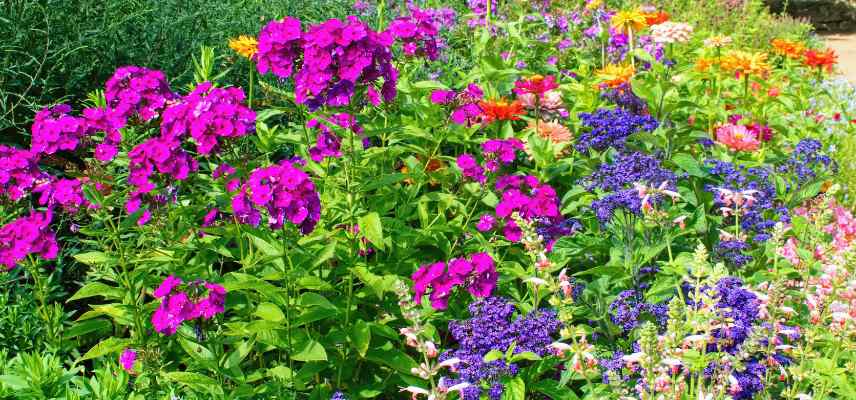
Annual plants (heliotropes in foreground) and perennials (such as Phlox here) complement each other so well

Life cycle of annual plants
An annual plant is characterised by a very short life cycle, under one year. This means that from seed germination to withering, only a few months elapse, often from spring until the onset of winter. The plant therefore completes its entire development very quickly, from foliage to flowering, including fruit and seed production enabling propagation.
Annuals are distinct from biennials, which have a two-year life cycle, and from perennials, which have a variable life cycle but always lasting several years. Even if their foliage disappears and they appear withered, the latter regrow from the stump, whereas annuals or biennials die at the end of their cycle.
Note that some short-lived perennials or those that are frost-tender (not or only slightly hardy) are sometimes classed as annuals, since they are in practice cultivated only for a few months. Conversely, some annuals can be hardy (it is not cold that brings about their end of life), but they still have this one-year life cycle.
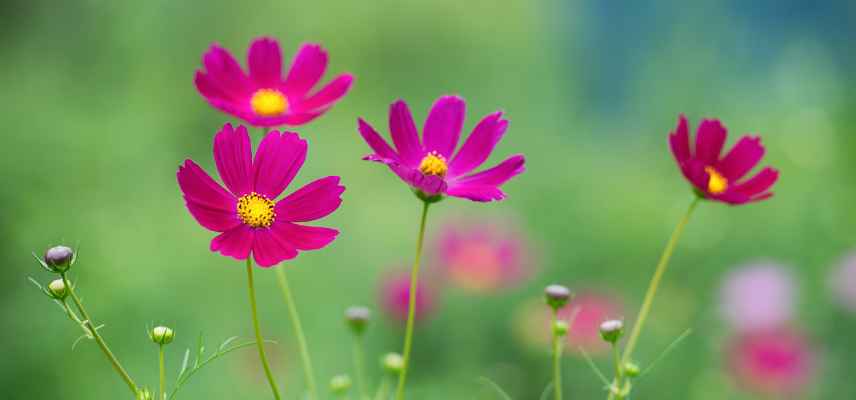
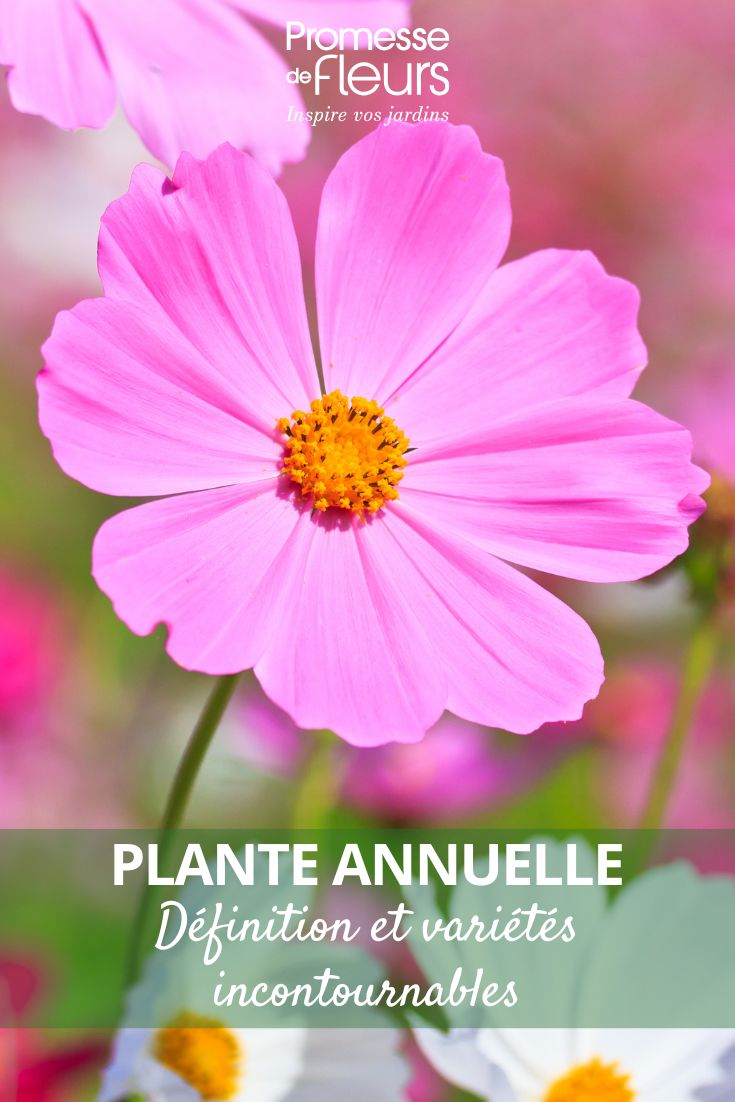
Cosmos are born and die within a few months, but how delicate they are!
Benefits of annuals in the garden
Annuals are sometimes overlooked in the garden because they are short-lived and, in theory, need replanting each year, whereas other plants remain in place much longer. Yet, they have many qualities that are enough to persuade any gardener not to neglect them.
- They are very easy to succeed with, even from seed. They are often the first plants we recommend amateur gardeners sow, as they quickly provide a sense of satisfaction. They are also accessible for children.
- They are fast-growing plants. They have no time to waste, since their life cycle is short. That explains why they often produce abundant flowers and develop quickly. These plants are therefore perfect for creating an instant display: beds, borders, containers… It will take only a few weeks to see them come to life. Some, notably climbing varieties, can even grow several metres in a single season.
- Annuals make perfect gap-fillers that can fill empty spaces to easily bulk up an area of the garden.
- There is an incredible diversity. Do you like pastel colours and romantic gardens? Prefer dark hues that bring sophistication and mystery to a contemporary setting? Lean towards a naturalistic style celebrating wildflower species? Love mixing colours and creating original combinations? No problem — annuals can meet all these demands.
- Although usually grown for their flowering (hence their other name, “annual flowers”), these plants actually have many aesthetic qualities. Coloured or unusually shaped foliage, heady scent, forms ranging from the smallest groundcover to the largest, most imposing specimens, etc.
- Many annuals self-seed each year if growing conditions are suitable (temperature, light, moisture, soil type). That means you might not even need to look after them.
- Most annuals are beneficial for biodiversity, especially for precious pollinating insects.
- If you like changing the look of your garden each year, annuals are perfect candidates.
- They are economical. Whether you buy seeds, plug plants or pots, they are often inexpensive to purchase. If you collect your own seeds at the end of the season or even in the wild, you can also multiply them for free.
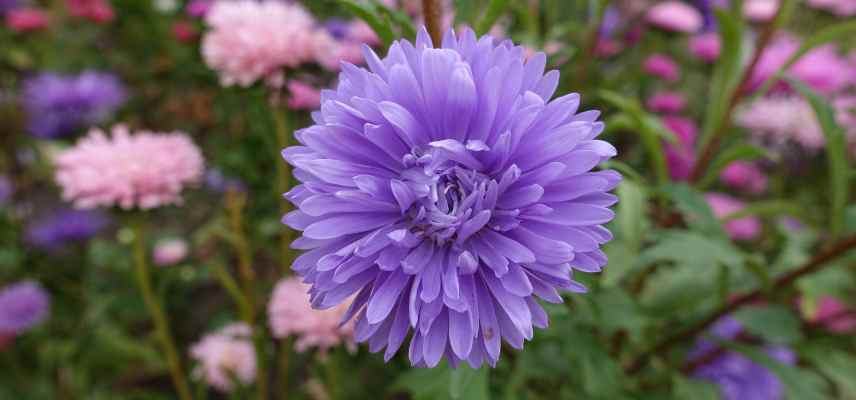
Marguerites are among annuals that flower in late summer
How to choose annual plants?
For annuals as for all other plants, there’s no secret: you must take your own growing conditions into account. We’ve all chosen a plant on impulse, without really knowing its needs. Those are often the ones that struggle to grow, that require a lot of care, prove susceptible to disease or cannot withstand certain extreme seasons.
To save money and time, it’s therefore best to turn to plants suited to the conditions you can offer them. To put it simply, you wouldn’t plant the same annuals in a rockery in the hot, dry south of France as in a shaded flower bed in Normandy.
When making your choice, take the following factors into account.
- Soil type: poor or rich in organic matter, clayey or sandy, wet or dry, calcareous or acidic pH…
- Climatic conditions: late cold spells, intense summer heat, heavy rainfall, frequent drought, sea spray, strong winds…
- Exposure: sunny, dappled, part-shade, shady…
- Available location: in a flower bed, in borders, in a rockery, in a small urban garden, in a pot on a balcony, terrace or patio…
Don’t hesitate to try our app Plantfit to help you create your garden profile.
Once you have defined these criteria, you can let your tastes and preferences guide you in choosing annuals that suit you. And you’ll see, the choice is vast!
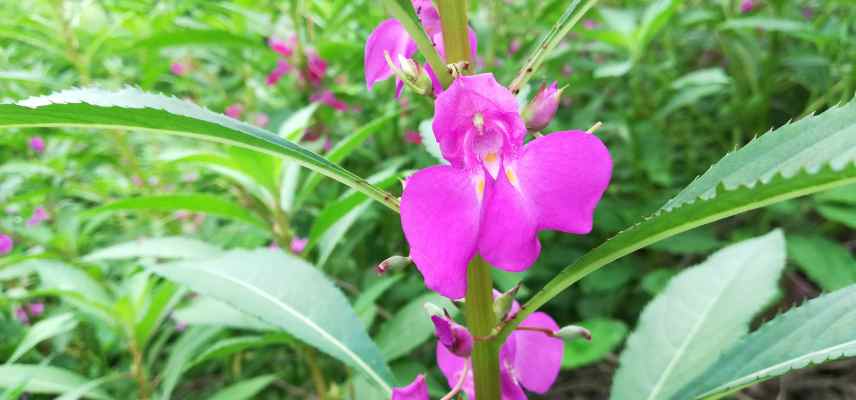
Balsam needs cool, shady conditions
Read also
5 annuals for a spring-flowering gardenOur favourite annuals
For sunny spots
Many annual flowers thrive in full sun, even in occasionally frugal conditions. Among the must-haves, start with the sunflower, always sun-loving. Its large flowers with dark centres come in many varieties, displaying different colours or even unusual flower forms, such as double-flowered types.
In a naturalistic garden, daisies, poppies, love-in-a-mist and other cornflowers have their place.
In a colourful border, you can’t miss zinnias, hollyhocks, strawflowers, California poppies or cosmos.
As companion plants in the vegetable patch, French marigolds, borage and calendulas are as useful as they are attractive, and even edible.
In pots, pansies and petunias work wonders.
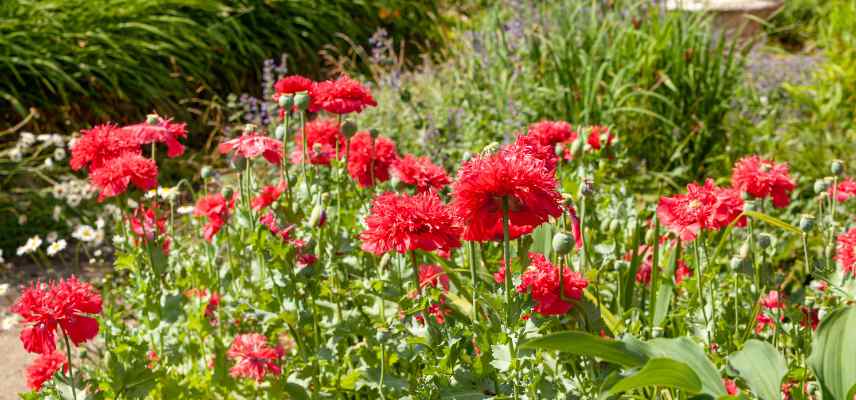
Annual poppies, perfect in full sun
For shady spots
In less bright exposures, for example under trees, choose from fuchsias (often not very hardy and therefore grown as annuals), foxgloves (biennials), garden primroses or impatiens.
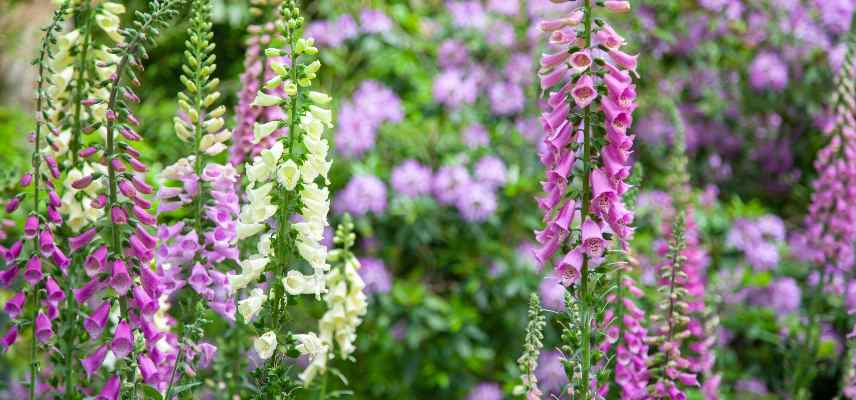
Foxgloves, stunning in partial shade
For fragrance
Certain annuals have strongly scented blooms, able to perfume the air. Among them, the remarkable chocolate cosmos, four o’clocks, sweet alyssum, ornamental tobacco or Peruvian heliotrope.
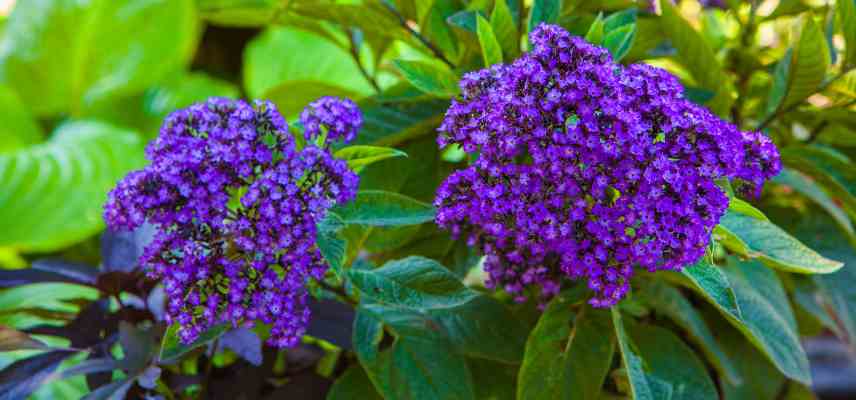
Heliotrope perfumes the evening air
For decorative foliage
For some annuals, foliage is just as striking. This includes ipomoea and ornamental sweet potatoes, which offer very colourful foliage. Also note coleus, with vivid colours and an exotic look, often on variegated leaves. Amaranths are also appealing, with sometimes richly coloured and lush leaves. And with the common castor bean, the leaves reach an impressive size: perfect for creating an exotic atmosphere.
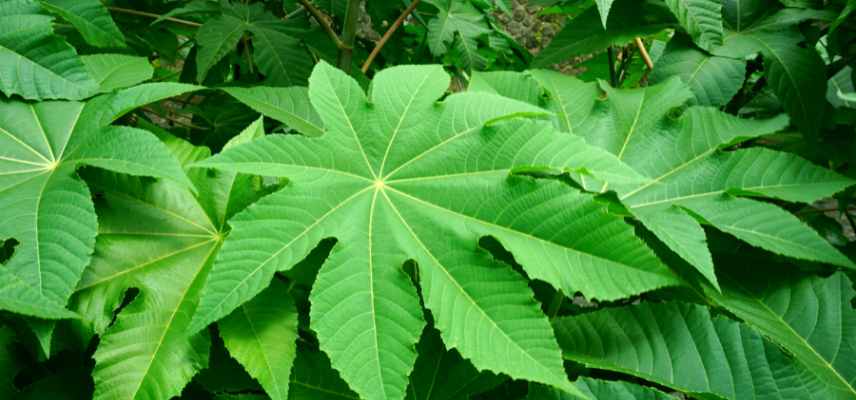
Common castor bean develops superb foliage in one season
Climbing annuals
Annual climbers are among the fastest-growing plants. If you need to provide shade, screen views or dress a structure during the growing season, they are the ideal solution. Give them a support (pergola, trellis, arch, balustrade…), let them run along the ground or simply trail from a hanging basket.
Adopt, for example, the black-eyed Susan, with simple flowers in bright tones contrasting with the dark centre that gives it its name. The nasturtium, with its colourful funnel-shaped flowers, is also valuable for ornamental foliage and is edible. The trumpet flowers of ipomoea endlessly brighten the space and cling everywhere. For a scented touch, opt for sweet peas. And don’t forget ornamental gourds, with decorative fruits in autumnal colours.
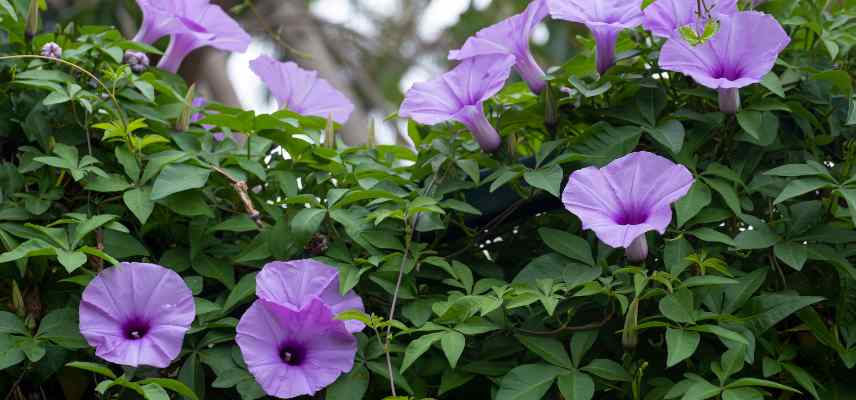
Morning glory, one of the stars of annual climbers
Vegetables
In the vegetable patch, annuals are the stars: without them, our meals would indeed be far less rich and colourful. Most of the vegetables we eat belong to this category: tomatoes, aubergines, peppers, chillies, courgettes, winter squashes, beans, cucumbers, lettuces, spinach, celery, onions, beetroots, cabbages, potatoes, etc.
Here, they are grown for their fruit, foliage or root, unlike ornamental annuals, prized mainly for their flowering.
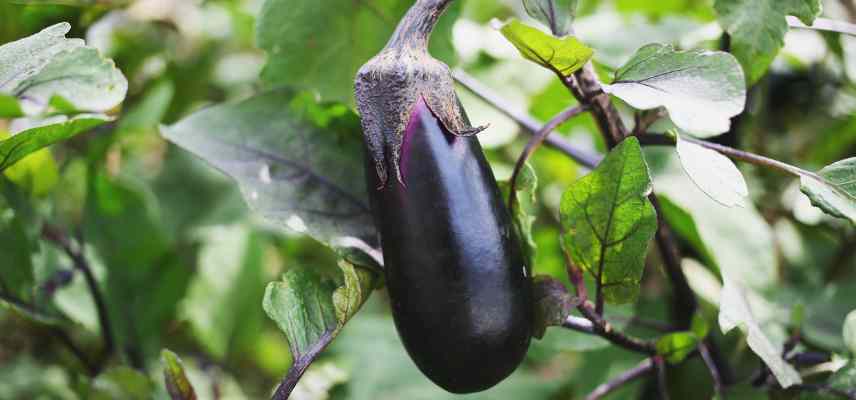
Aubergine in the vegetable patch
- Subscribe!
- Contents
This form is protected by reCAPTCHA - the Google Privacy Policy and Terms of Service apply.

































Comments