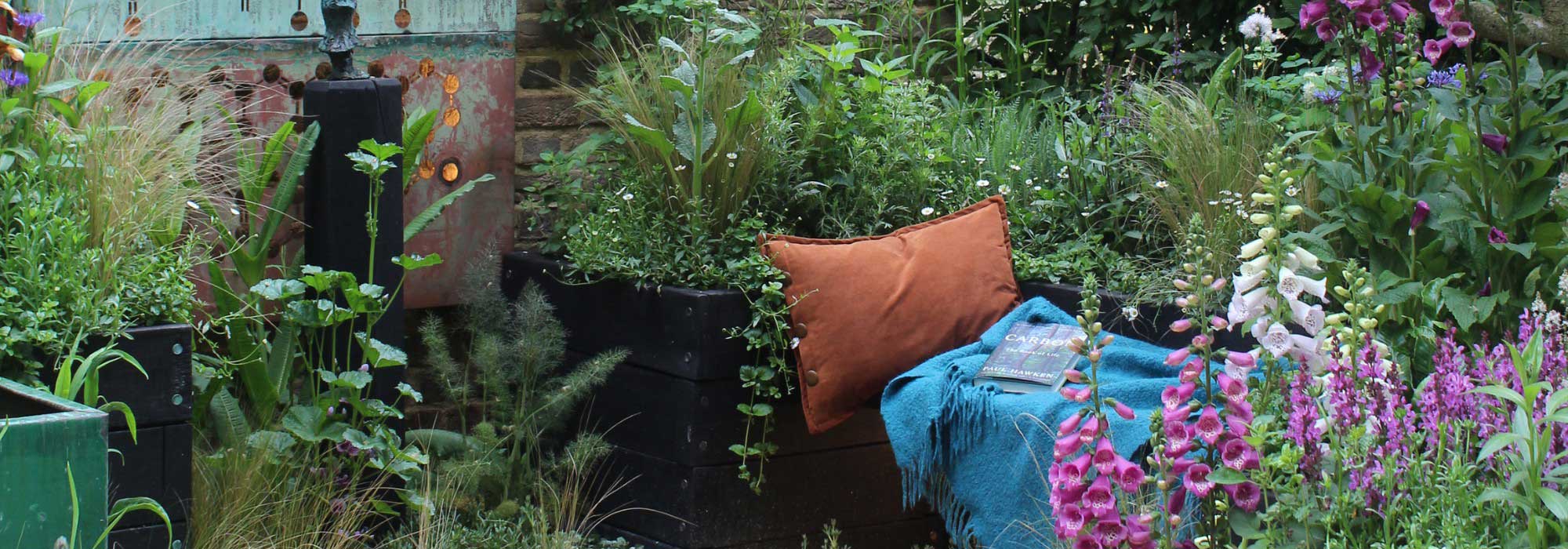
Plant interweaving: balcony or terrace inhabited by plants
Outdoor living space
Contents
In 2026, greenery no longer borders: it infiltrates the built environment. Plants settle at the heart of a porous setting, blurring boundaries between indoors and outdoors. Balconies, terraces or patios become true extensions of the home, where you can place a daybed, an outdoor bath, a few bookshelves or a reading nook. Around these home comforts, vegetation thickens in large planters to compose lush scenes.
Here’s how to recreate this ambience at home to craft an intimate plant-filled bubble, ideal for calm and unplugging!

Codes of plant intertwining
In this approach, tidy rows of pots are forgotten. Generous containers. Plants no longer keep their distance from built structures; they cling to them, slip into them and intertwine with them.
Gradually, boundaries between inside and outside become blurred.
Balcony or terrace becomes a micro-canopy. The idea: layer vegetation strata — tall plants, mid-layer plants and groundcover — to give an impression of natural abundance, even on a few square metres.
This trend rests on a simple idea: let plants interact with each other and with their environment. Plantings are organised in layers, in almost spontaneous compositions, mixing shrubs, grasses, perennials and climbing plants in large, deep containers.
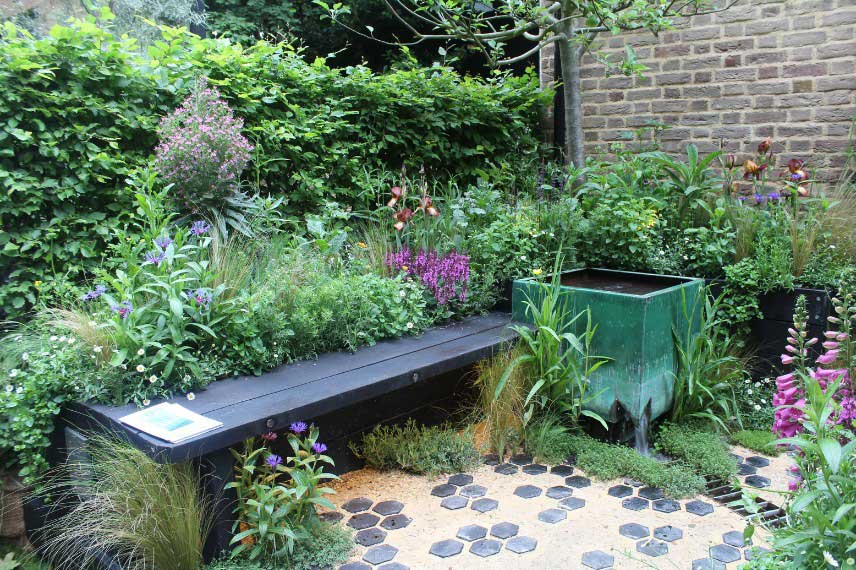
Space itself hybridises: balcony or terrace now host unexpected uses with elements borrowed from indoor comfort. Daybed, outdoor bathtub, bookshelf or simple reading nook find their place at the heart of the vegetation.
Read also
Make your garden a lush oasis!Lush vegetation, in strata
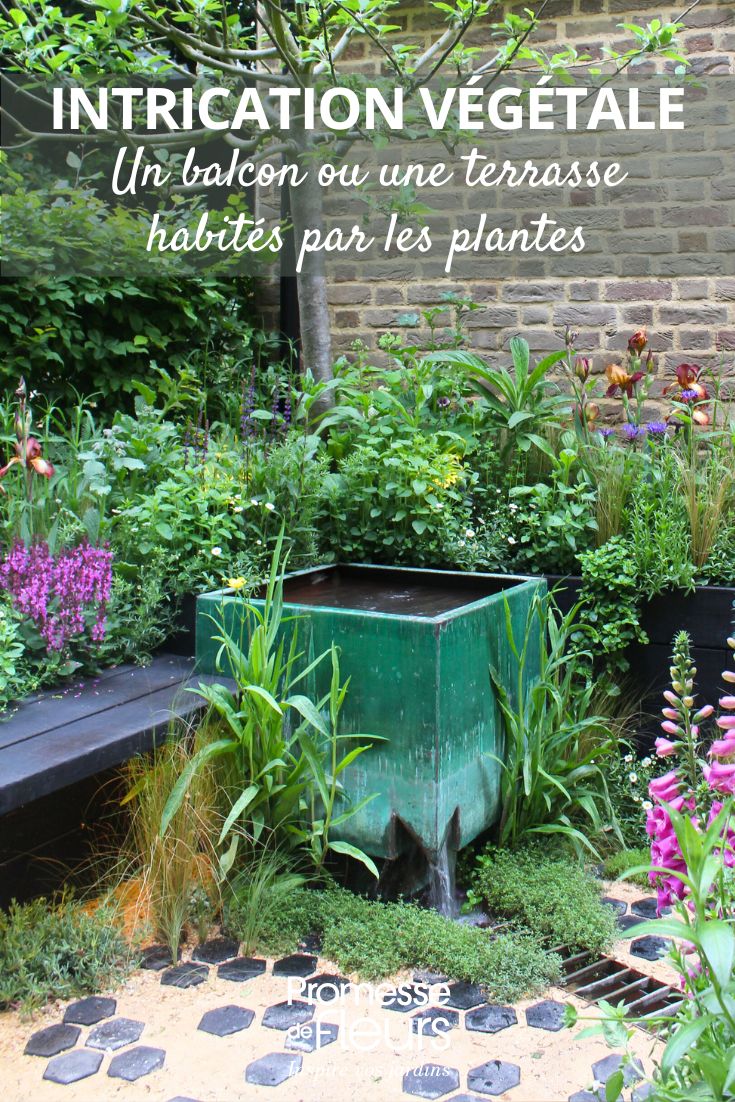
This inspiring balcony greenery scheme is based on a composition drawn from natural landscapes. Rather than isolating each plant, they are combined to create a dense, almost immersive vegetation, where heights and textures overlap.
The tall layer provides overall structure: multi‑stem trees or multi‑stem shrubs first establish depth, frame the scene and naturally filter views.
The climbing plants then take hold on walls, trellises or railings.
Perennials and easy floriferous plants complete the composition: gauras, salvias, hardy geraniums or verbenas bring movement and light flowering displays.
The idea is not to control everything, but to create a plant interweave, where plants intermingle and evolve through the seasons.
At the edges of the planters, herbs naturally find a place. Easy to reach from doors and windows, they are as useful as they are decorative and invite daily picking.
Soothing, immersive plant palette
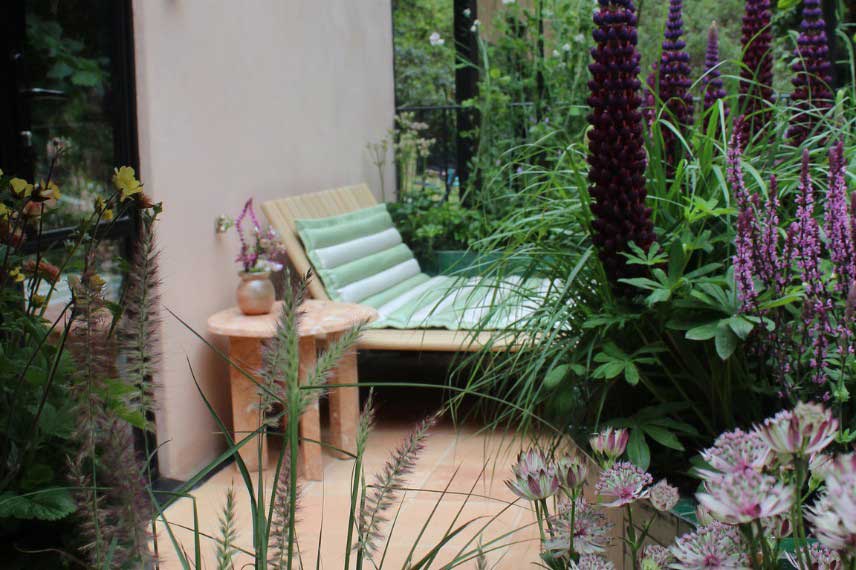
Planting palette favours above all shades of green, creating a soft, enveloping atmosphere. Broad foliage, fine textures of grasses and light silhouettes of perennials organise rich yet calming scenes, close to a small urban understorey. Flowering remains natural and occasional: pinks, whites or purples appear as light touches, without breaking overall harmony. They accompany vegetation rather than dominate the scene.
This deliberately restrained palette allows creation of a restful plant cocoon, where foliage, textures and movement of plants take precedence over colour effects.
Which plants to recreate this ambience?
The following plants offer some ideas to recreate this atmosphere: airy trees, evergreen shrubs, perennials and grasses. Balcony exposure plays a key role in plant selection. To achieve a lasting intertwined planting, it is important to match species to available light to maintain a dense, healthy and generous planting.
Heat and abundant light allow Mediterranean plants, aromatic plants or drought-tolerant species to be grown. Grasses also come fully into their own in these conditions.
In a cooler, shaded setting, favour plants that appreciate filtered light and a slightly cool substrate.
Shrubs and small trees to create a light canopy
The idea is to use small multi-stemmed trees and shrubs capable of growing in large containers, while providing height and privacy.
- Purple hazel
- Common hornbeam
- Acer palmatum
- Amelanchier lamarckii
- Betula utilis ‘Jacquemontii’
- Nandina domestica (heavenly bamboo)
- Philadelphus (mock orange)
- Sambucus nigra ‘Black Lace’
Shrubs to build mass
Structural grasses
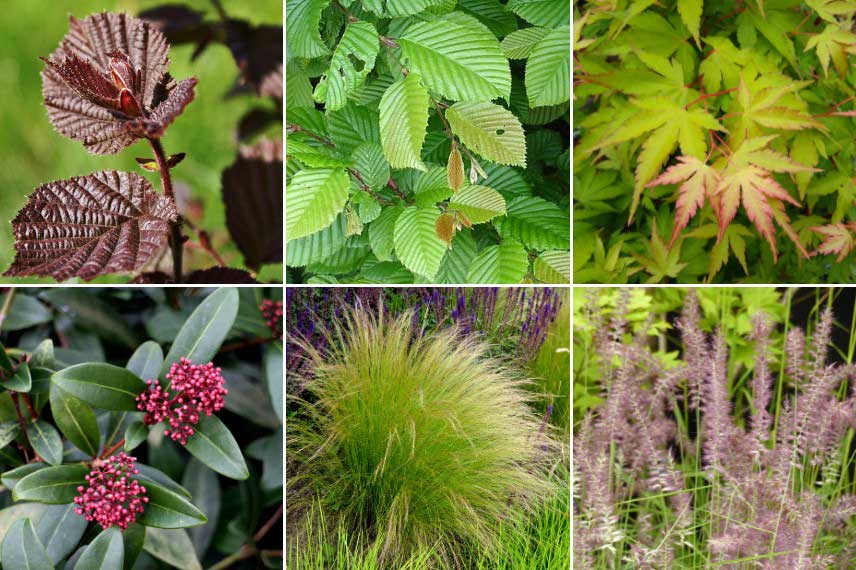
Purple hazel, Common hornbeam, Acer palmatum ‘Sangokaku’, Skimmia japonica ‘Rubella’, Stipa pennata and Pennisetum orientale ‘Karley Rose’
Decorative foliage
Naturally floriferous perennials
- Foxgloves
- Lupin ‘West Country Masterpiece’
- Astrantia ‘Buckland’
- Hardy geraniums
- Woodland sage ‘Midnight Rose’
Aromatic plants
Climbing plants
- Climbing rose ‘Trier’
- Also consider ivies and honeysuckles, perfect for dressing a balcony in greenery. Trachelospermum asiaticum ‘Ogon-Nishiki’, also called star jasmine, thrives in a bright north-facing position and is notable for its very decorative variegated foliage throughout the year.
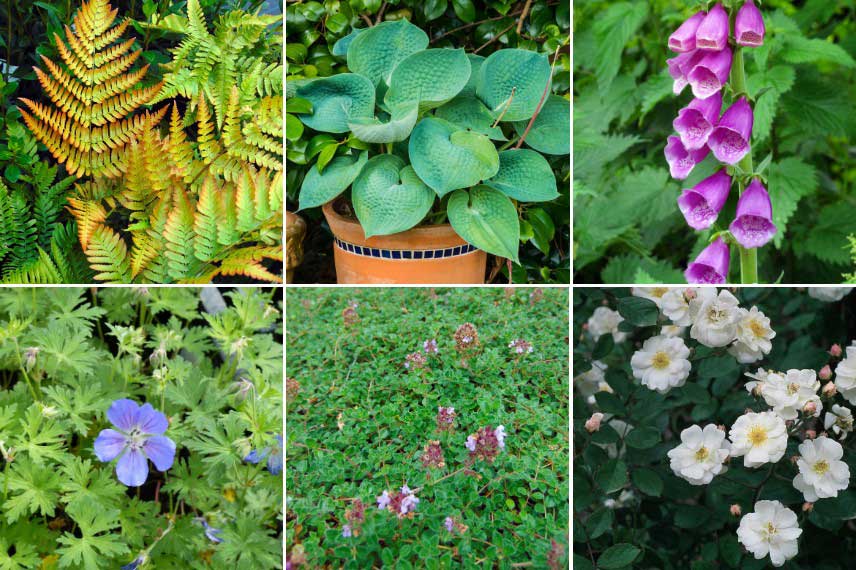
Dryopteris erythrosora, Hosta, Digitalis purpurea, Geranium ‘Johnson’s Blue’, Thymus serpyllum and Climbing rose ‘Trier’
Staging the space
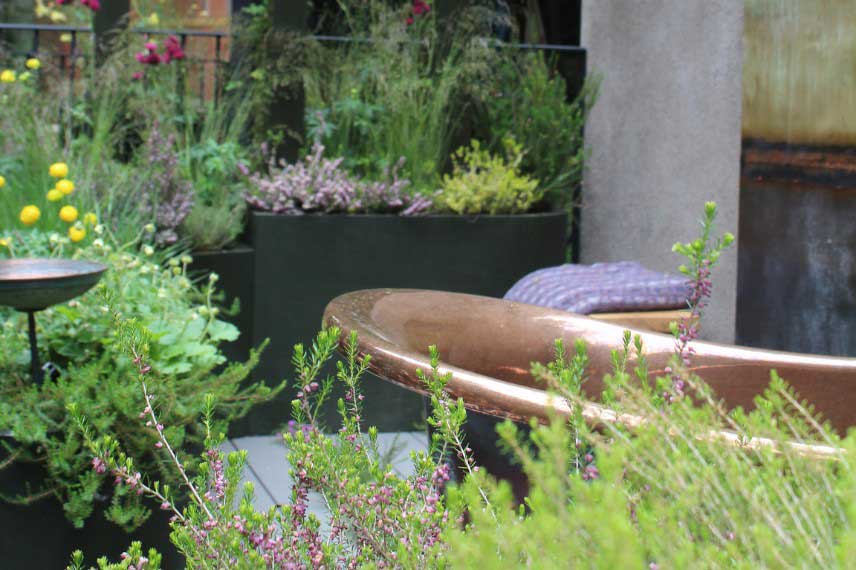
Balconies and terraces are becoming denser, welcoming new uses, from relaxation and reading to water play or outdoor bathing. To reinforce this urban-oasis atmosphere, a few simple elements suffice. Large planters allow dense planting. Furniture slips naturally into this luxuriant vegetation: a hanging chair for relaxation, a small bookcase, a wooden platform turned into a bench ideal for a nap or a reading area. The whole evokes a room immersed in plants, where vegetation envelops everyday activities. A new form of intimacy is born.
Materials also contribute to the atmosphere: planters in patinated metal or corten steel, zinc tubs, dark wood, natural tones. Discreet yet graphic, they leave room for vegetation and reinforce the impression of a verdant haven, even in the heart of the city.
- Subscribe!
- Contents
This form is protected by reCAPTCHA - the Google Privacy Policy and Terms of Service apply.

































Comments