Let's be honest. Creating a perennial border is fairly easy. Making it successful is a little less so.
Aside from plants' adaptation to soil and exposure, there is also the question of colour, just as tricky! On that point, I will humbly abstain: I have lost count of the times I have moved plants grumbling "too purple!", "too red!", "too yellow!". So today I suggest we explore shapes… by offering a selection of perennial plants that, when combined, will produce striking contrasts, essential to avoid boredom. Indeed, plays of harmony and contrast with shapes are what truly create a border's composition and framework. After all, colour schemes are only "finishing touches" that will dress the border at a later stage 😉
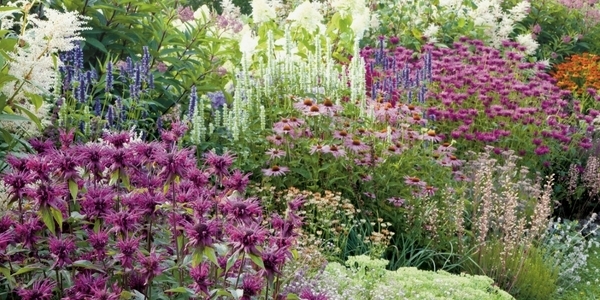
Vertical forms: reaching for the sky!
Often graphic, these plants provide verticality and form a genuine link between sky and earth. They are perfect for enlivening a border that is a little too monotonous. There are varieties to suit all garden styles and sizes.
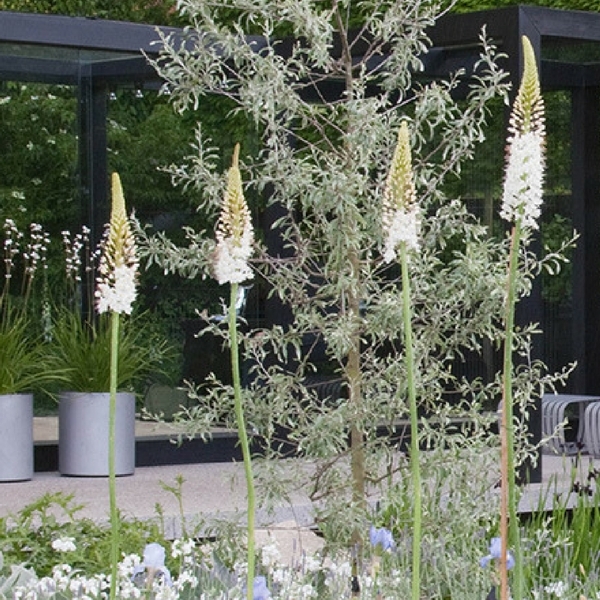
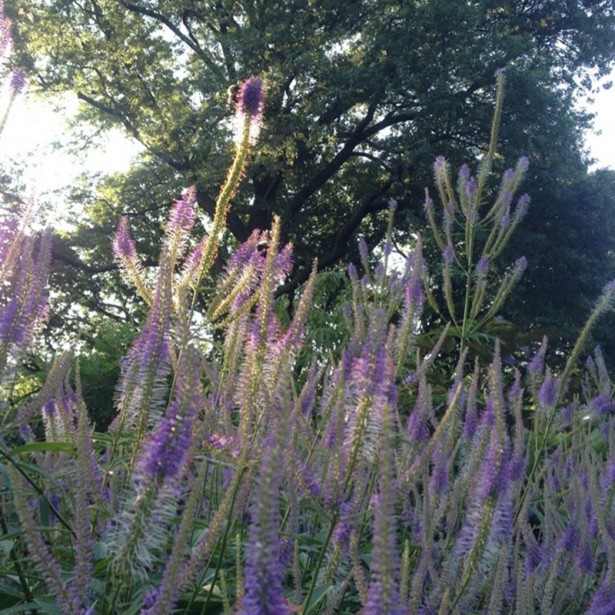
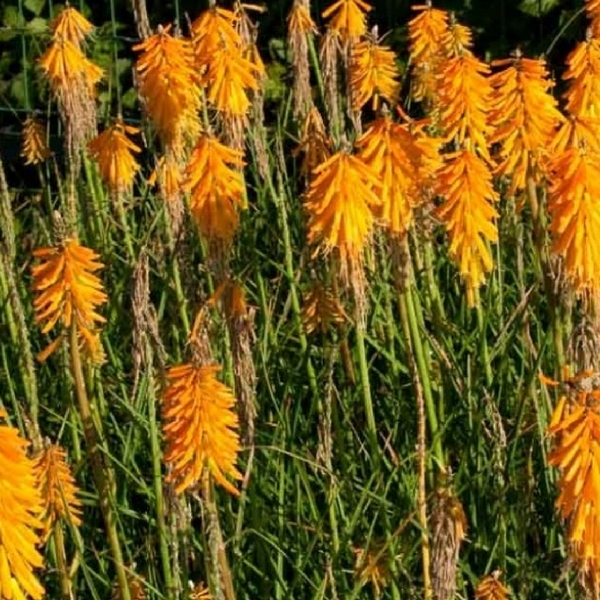
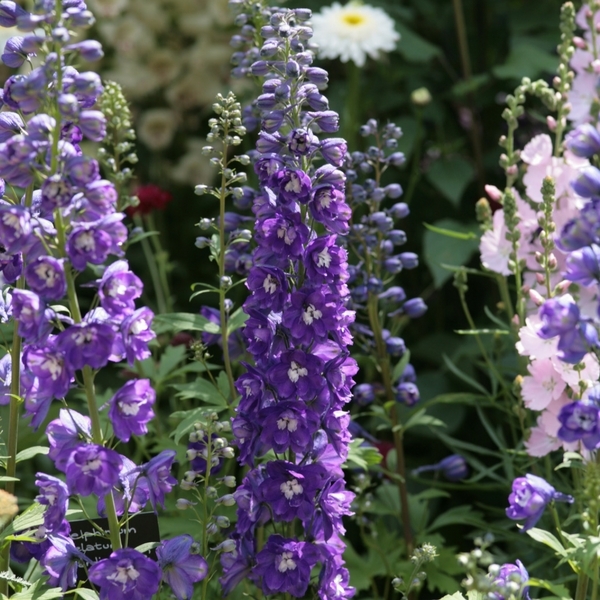
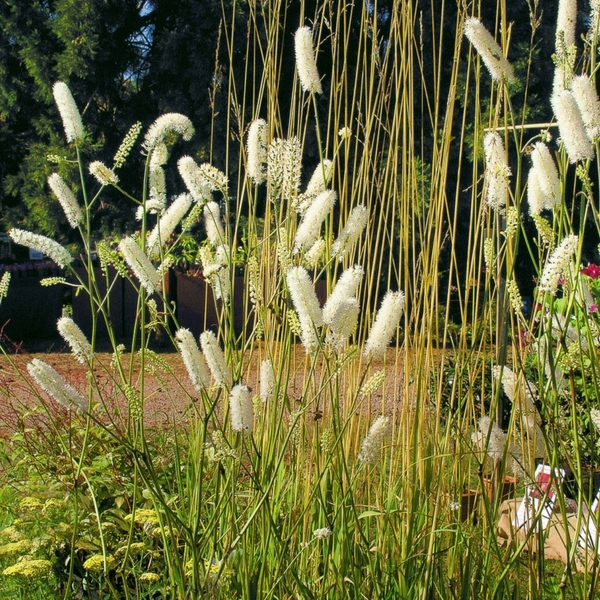
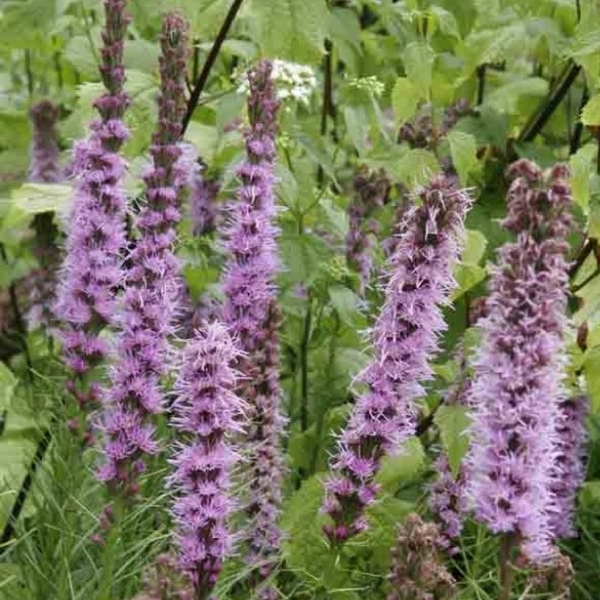
In well-drained soil, don't hesitate to plant Eremurus or Foxtail lily: relatively little known, it is a tuberous perennial with a very architectural habit. In the Veronica family, Veronicastrum virginicum are quite exceptional, proudly bearing their fine spikes like candelabra. Spectacular Kniphofias add an exotic touch and are unrivalled for warming up a border. For a more traditional, English-style garden, think of Delphiniums or Larkspurs. In shade or part shade, Cimicifugas are very effective. In a slightly "wild" vein, I also like Liatris spicata or Blazing star, which is furthermore very melliferous.
Pom-poms… more or less round
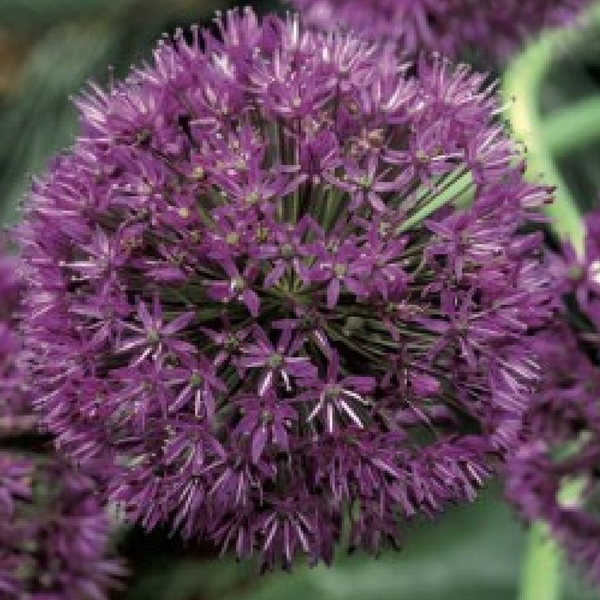
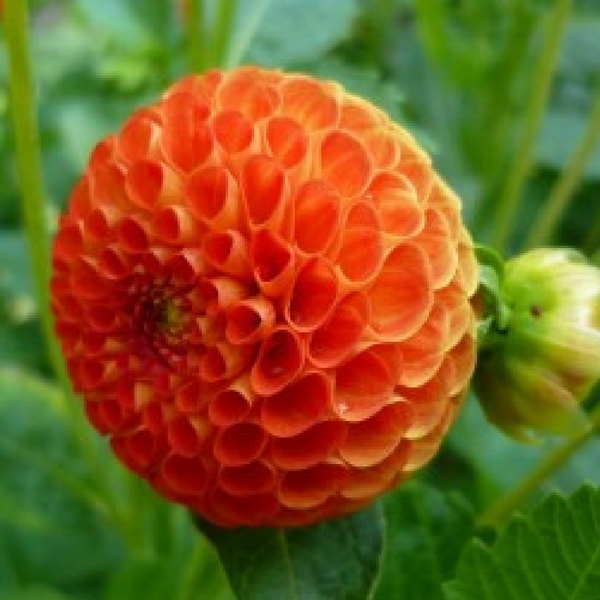
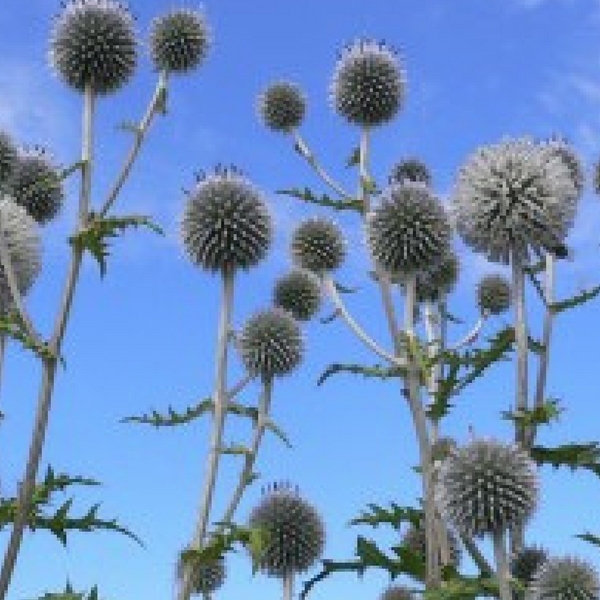
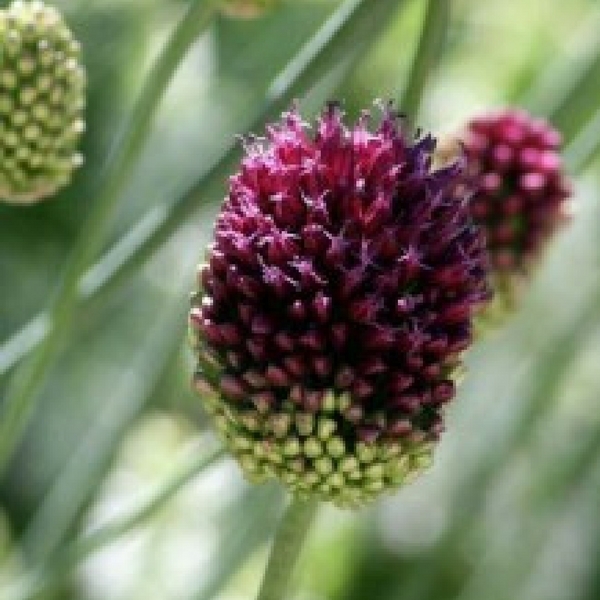
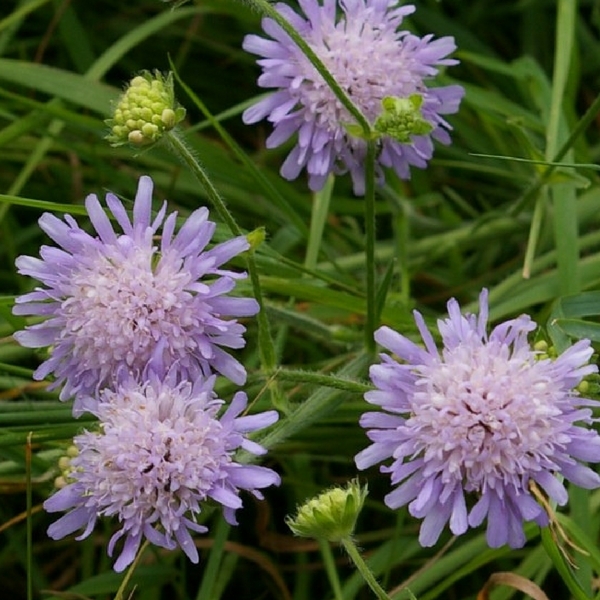
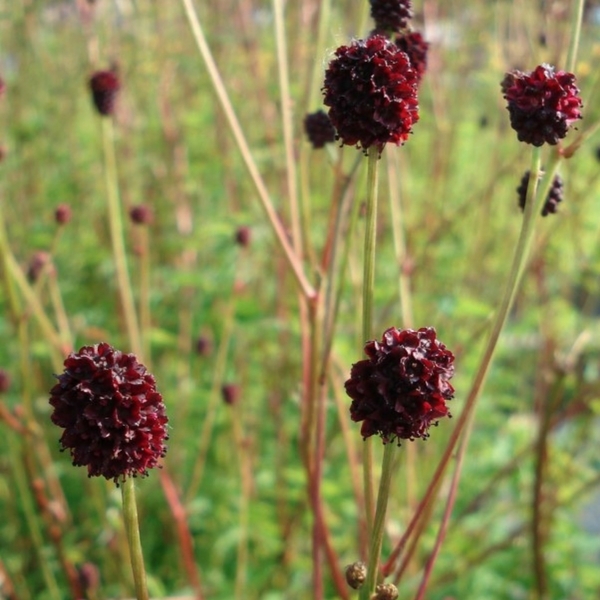
When thinking of spherical shapes, ornamental alliums are the first to come to mind. We all know 'Globe Master' and 'Purple Sensation'. They certainly make an impact! But there are many others: Pompon dahlias, globe thistles, and among the smaller, slightly less round types (great in drifts), Allium sphaerocephalon or round-headed garlic and the adorable Knautias and Sanguisorba 'Chocolate Tip'.
Stars: "Big star" or Milky Way
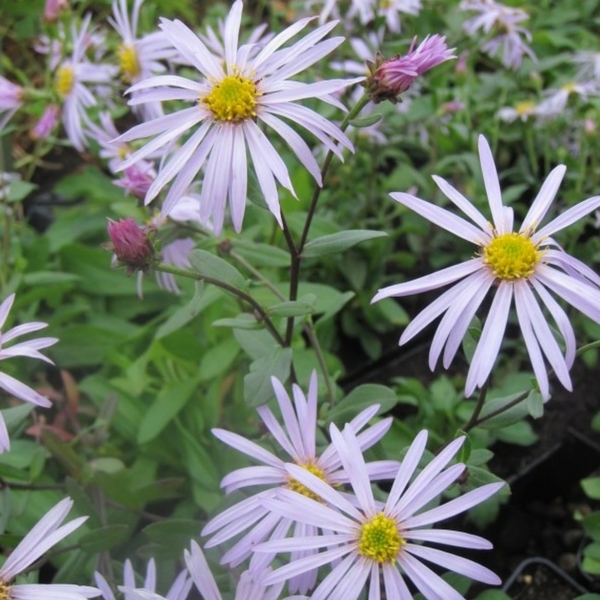
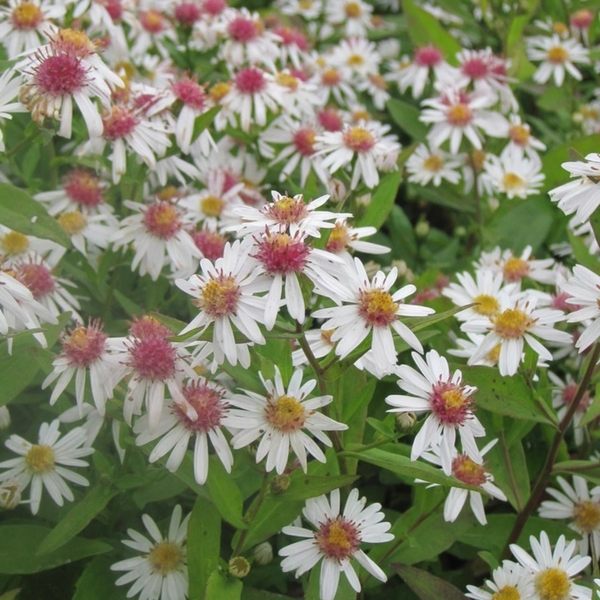
No need to be perceptive to guess that Asteraceae are, by nature, made to shine. Asters are my favourites in this respect. They have the advantage of being very diverse and can display either large flowers (such as the remarkable Aster pyrenaeus 'Lutetia') or spread a host of small stars like a Milky Way, as with the charming Aster 'Chloé'.
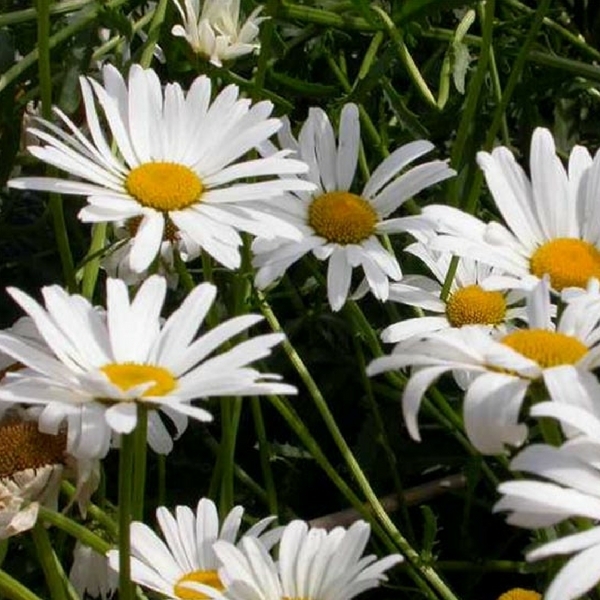
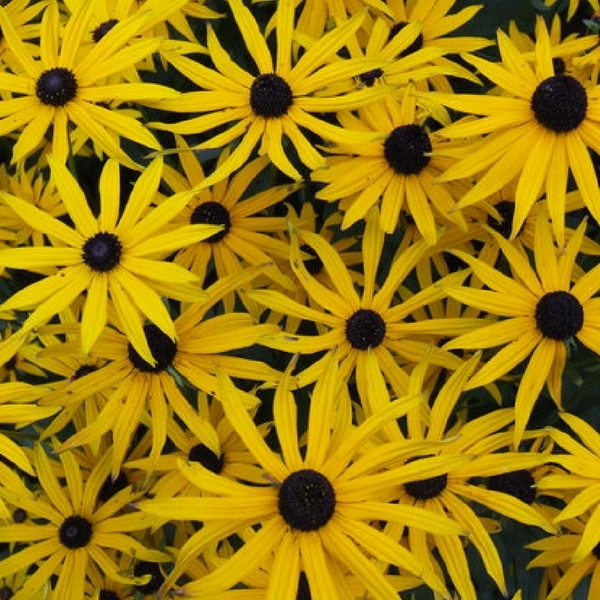
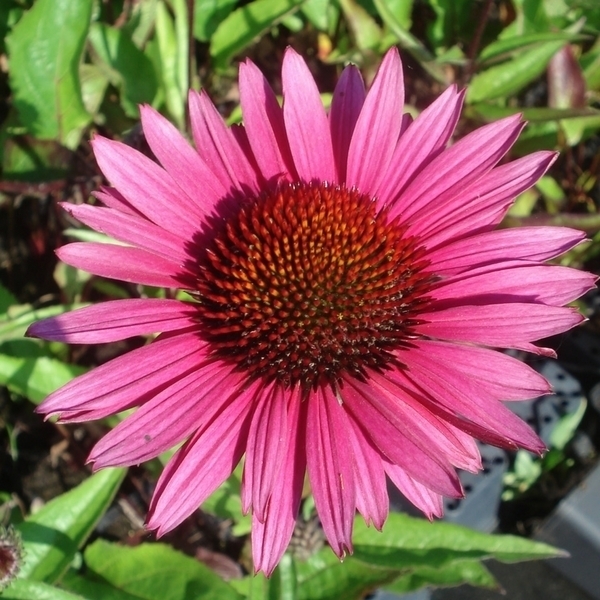
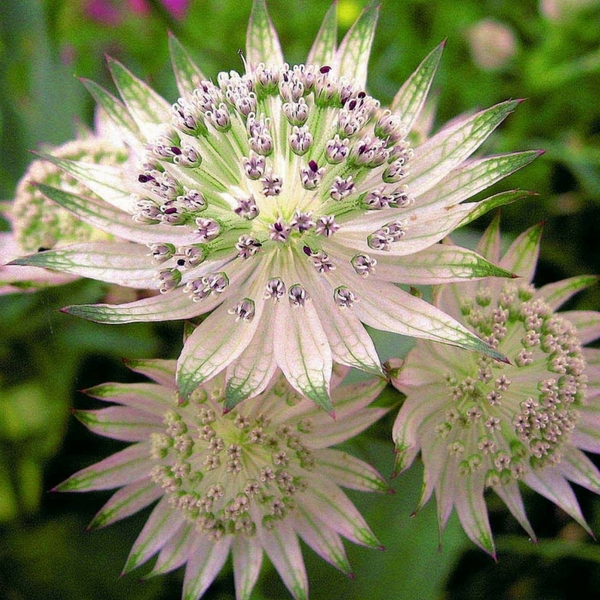
But as their flowering is rather late, the border can be complemented with other species such as Leucanthemums or oxeye daisies: simple but natural, Rudbeckias, very sunny, or Echinaceas, those fine Americans… In shade, Astrantia (which is not an Asteraceae but an Apiaceae) is perfect and offers a more refined style.
The airy ones: light mist, soft clouds or cotton candy
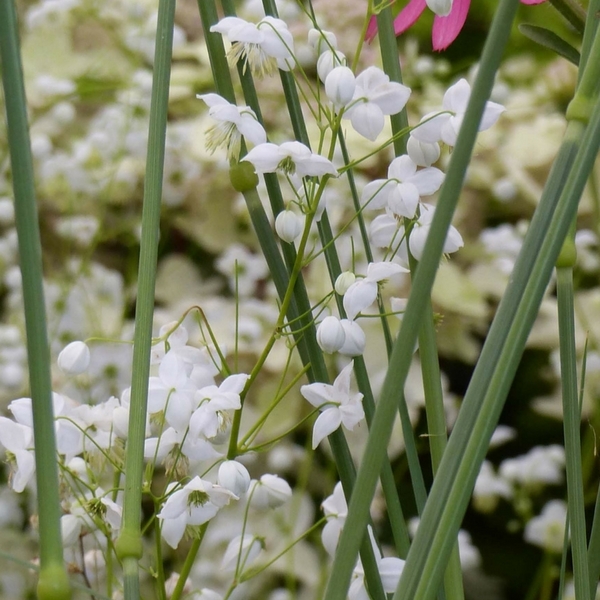
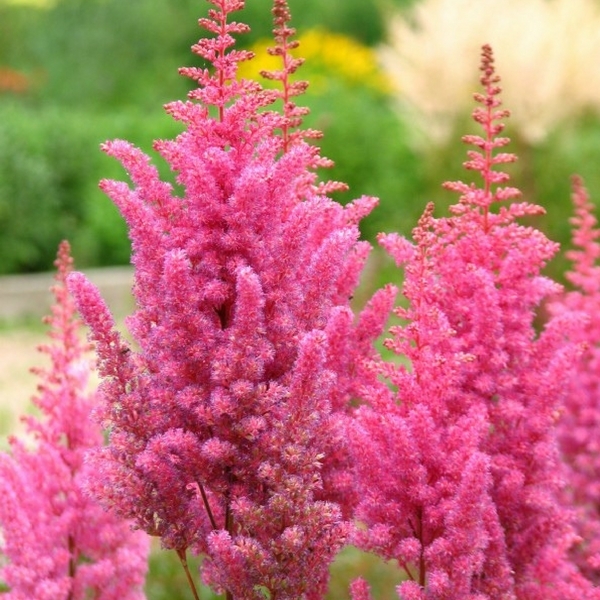
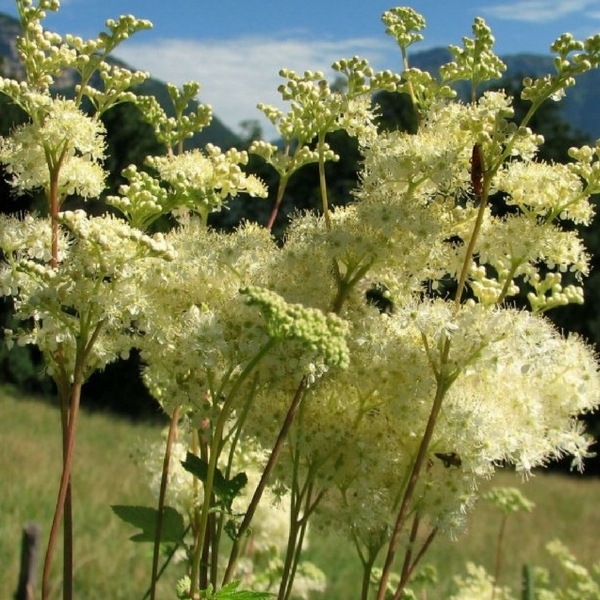
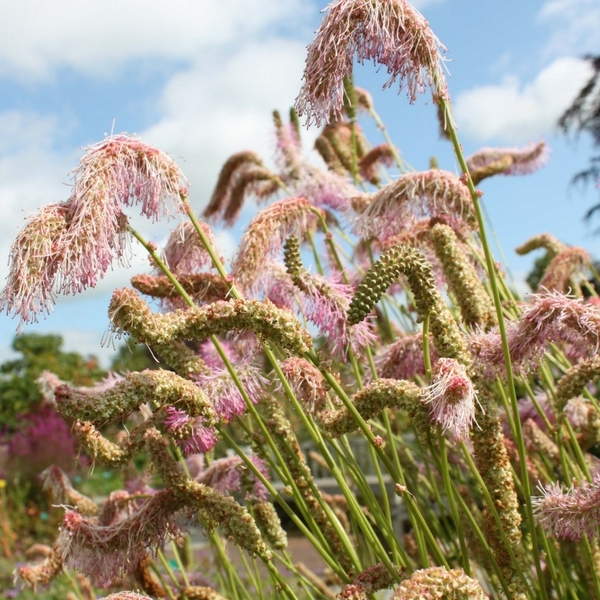
Whether they form a light haze, gentle plumes or generous "cotton candy" flowerheads, airy-looking perennials are precious. Depending on their size, they can be placed at the back or edge of borders but also as delicate curtains. Their suppleness and lightness complement more compact or rigid shapes very well. Very popular, Buenos Aires verbena is part of this group but needs no introduction… and others deserve your attention too.
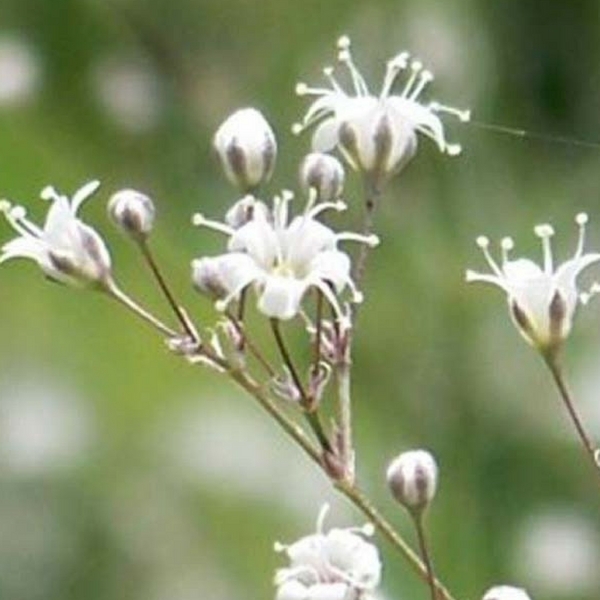
Among the lightweights are Gypsophilas ('White Festival' is a marvel) and Thalictrums. Astilbes and Filipendulas are notable for their cloud-like inflorescences that can evoke cotton candy when pink… Still rather rare in gardens, Sanguisorbas hakusanensis and obtusa are charming as well!
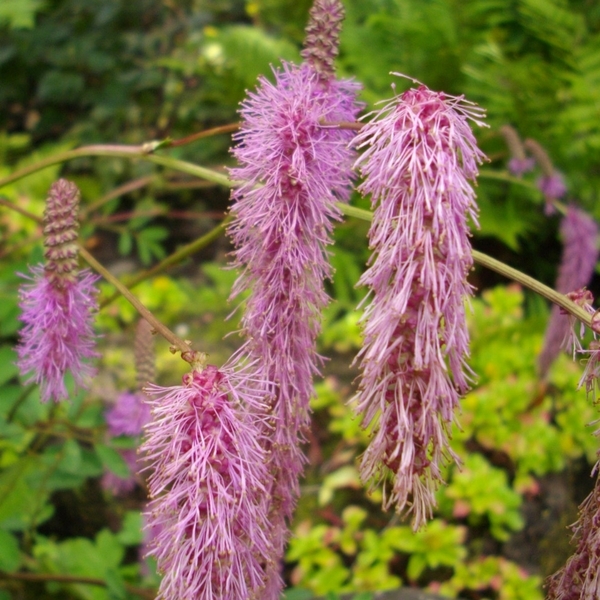
The tousled ones — delightfully whimsical in a border!
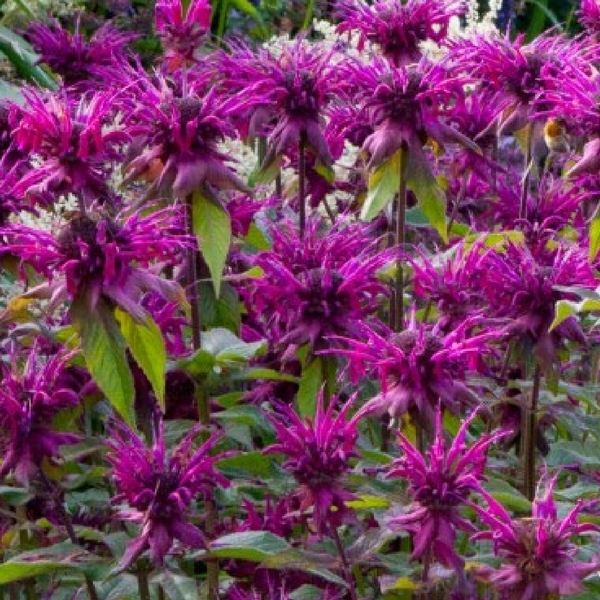
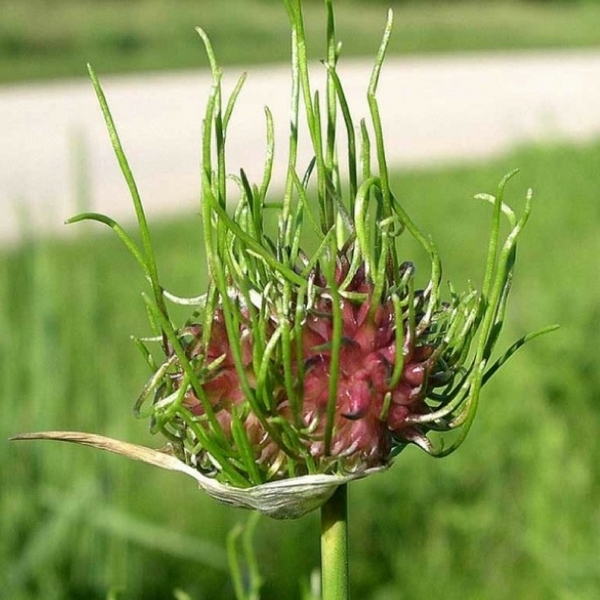
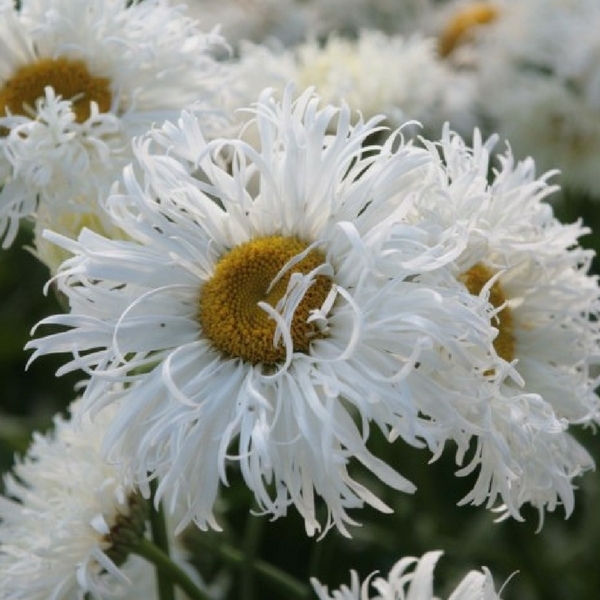
What better way to catch the eye than a touch of fantasy? Plants with tousled flowers have plenty of that. We love their slightly extravagant look, always in good taste… provided they are used in moderation. A few examples: Monardas, certain varieties of Alliums and the highly horticultural forms of oxeye daisy.
And you, what are your favourite plants for composing beautiful, varied and dynamic borders?
For further reading, discover our advice sheet: "How to create a beautiful perennial border"
Let’s be honest. Creating a perennial border is fairly easy. Making it successful is a little less so. Aside from plants’ adaptation to soil and exposure, there is also the question of colour, just as tricky! On that point, I will humbly abstain: I have lost count of the times I have moved plants grumbling […]
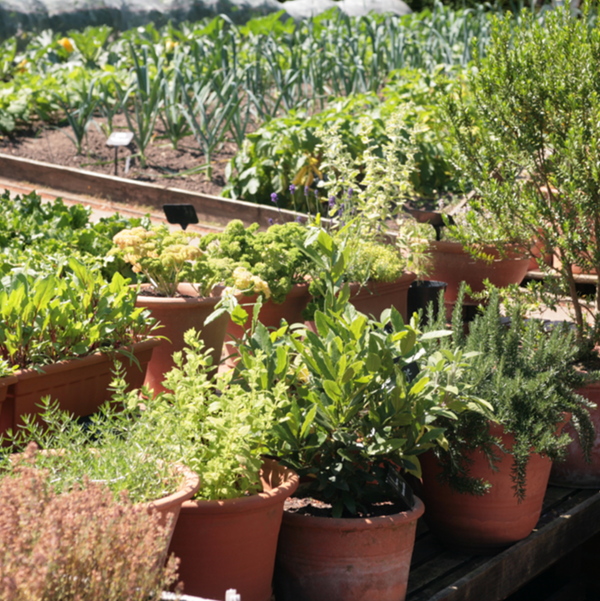
Exuding a thousand flavours and as many scents, from the most subtle to the most intense, aromatic and culinary herbs also have the advantage of being undemanding. They can be grown anywhere, whatever size or style of garden: in pots on terraces or balconies and in the ground, either in a dedicated area, at the edge of a vegetable patch and even within borders.
In our garden, they are everywhere and here’s how we "accommodate" them :
1- In the vegetable garden, "grouped" by theme, in raised beds
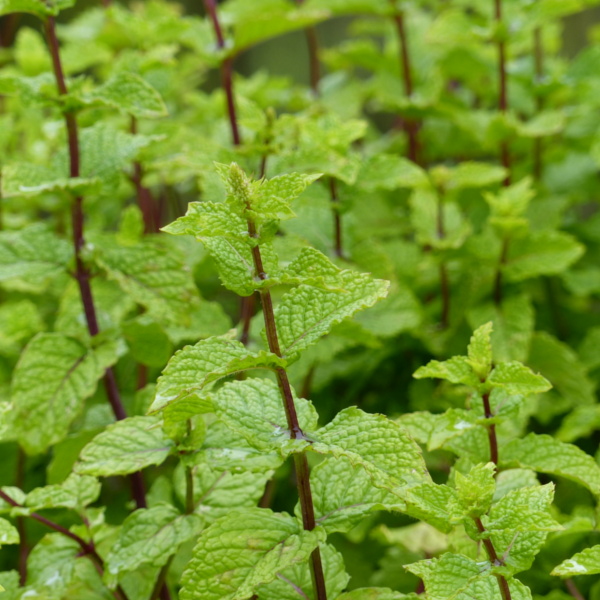
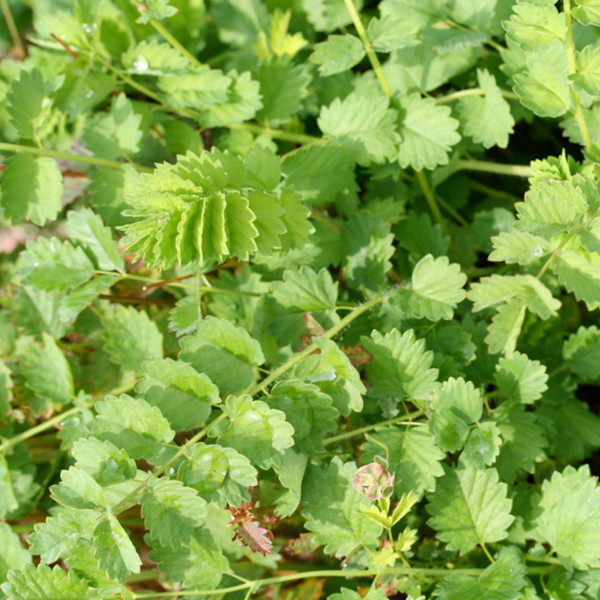
Because it’s very practical, we have grouped the herbs most commonly used in cooking into raised beds. Mediterranean ones that accompany barbecues and pizzas (oregano, basil, thyme) are planted in sun, in a well-draining mix as they dislike moisture. In light shade, lemon verbena grows with lemon balm and Moroccan mint; they are used for infusions. A third bed, also in partial shade, houses chives, coriander, parsley and salad burnet, grown as much for its charming name as for its faint cucumber flavour!
2- Along terrace edges, as a low hedge
More sprawling aromatics, which at maturity form undershrubs, are used as a low hedge along south-facing terraces: rosemary, tarragon, common sage, curry plant (Helichrysum) and Santolina with its pretty grey foliage.
3- With roses, in a romantic pairing
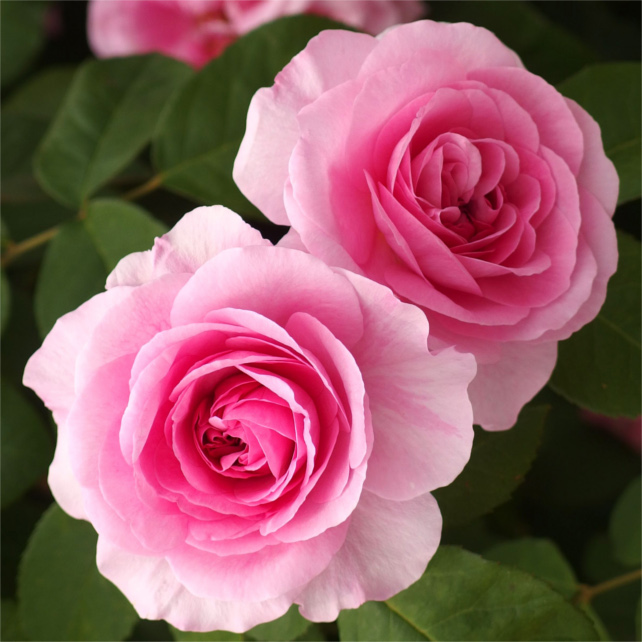
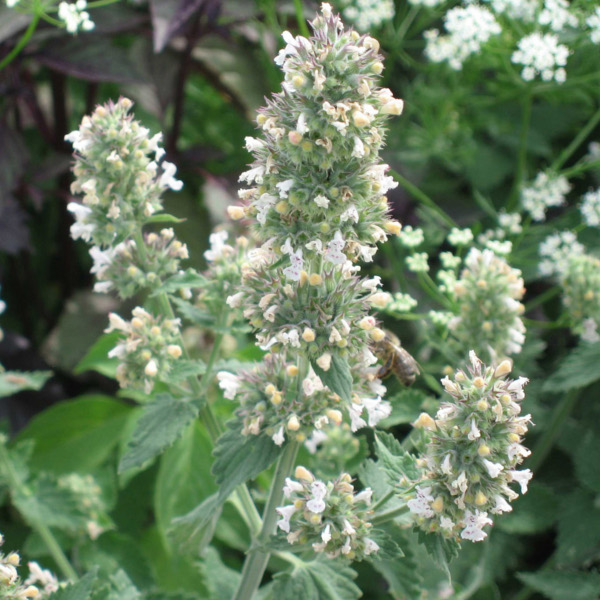
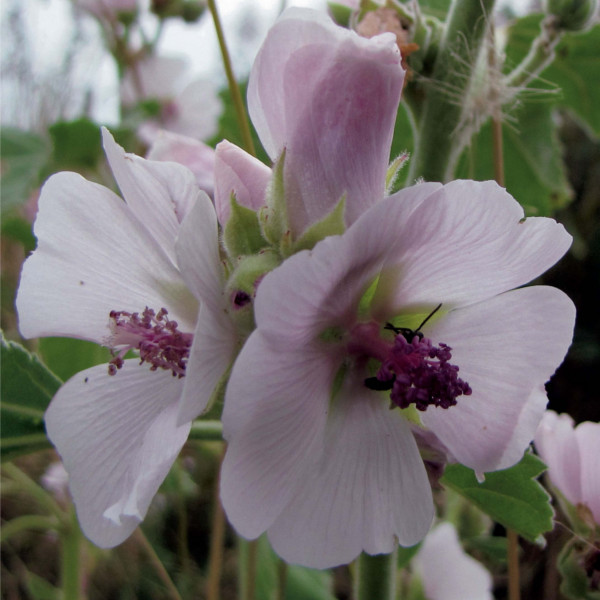
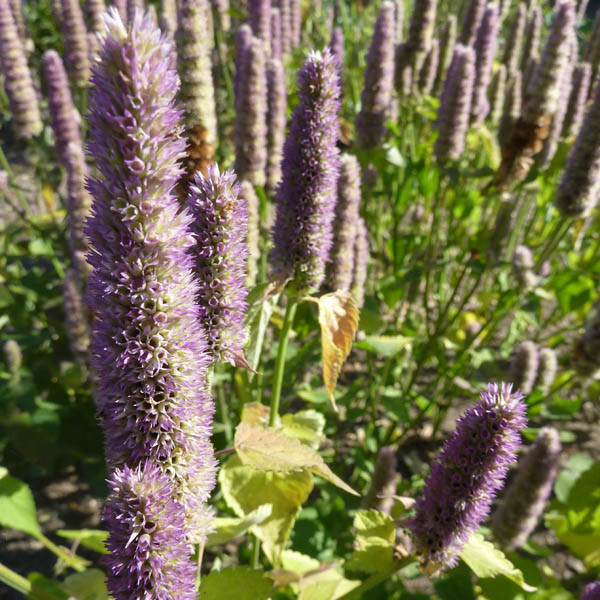
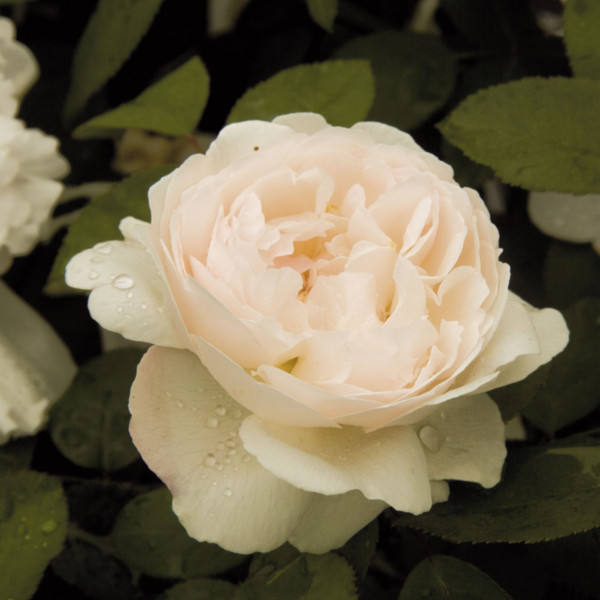
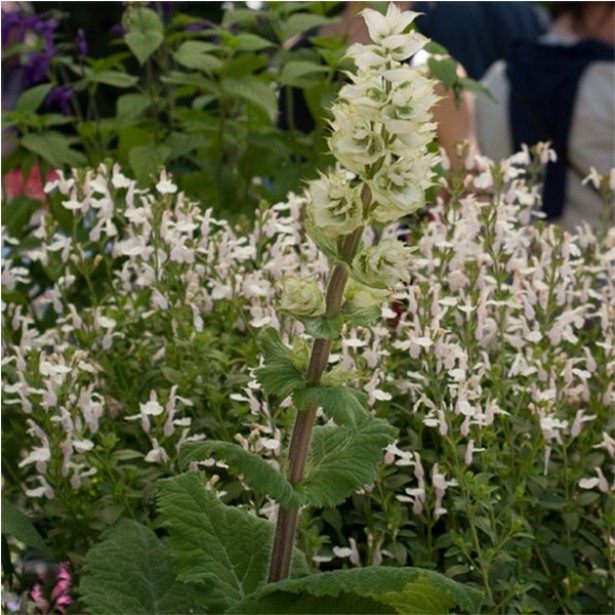
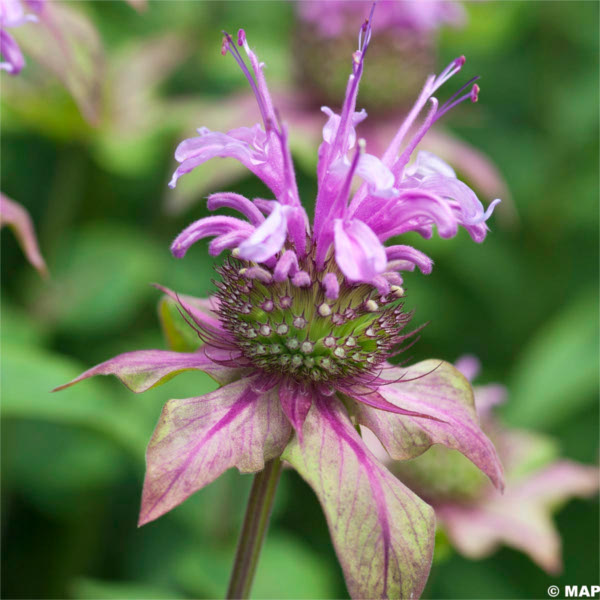
For several years, clary sage has made its home (it self-seeds) in the slightly romantic rose beds, alongside anise-leaved agastache, bergamot monarda and catnip, which Michoko, our cat, adores… which partly offsets the smell of rue that he dislikes but whose bluish foliage I love. This year I’m thinking of adding a few marshmallow plants; their flowering will harmonise beautifully with that of David Austin English roses.
4- In the heart of perennials
Every year, in every bed, I sow dill seeds generously two or three times (to enjoy them for longer), so taken am I with their elegant habit. While I use the leaves with fish and to pep up cucumber salads, I also add their wonderful umbels to my bouquets. Bronze fennel and angelica have found their place in a "meadow" bed where they sit well among the grasses. Finally, pineapple sage, which flowers late and whose leaves are wonderful in fruit salads, has taken up residence in another, more colourful bed.
5- At the foot of fruit trees
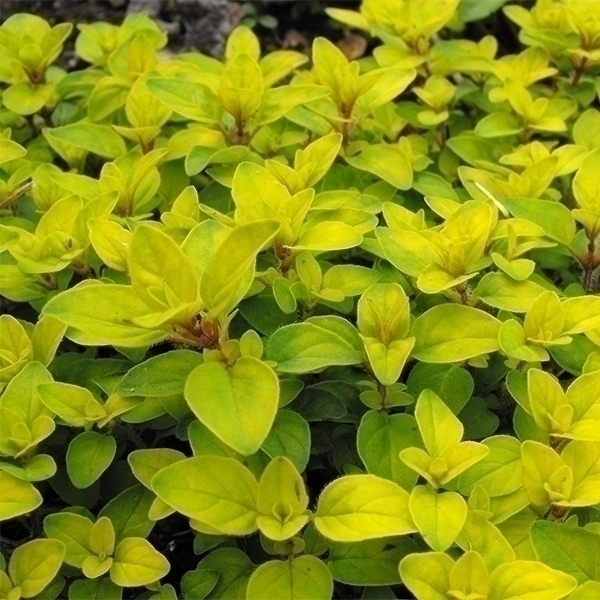
I interplanted tansy, reputed to repel worms, between two rows of raspberry canes (everbearing and non-everbearing are separated because they are pruned differently, but that’s another topic…) and I’m waiting for our young fruit trees to establish before planting at their feet a few plants of mugwort, golden oregano and chamomile.
And what about you? Do you have a small medieval-style area, a pretty dry-stone spiral where they are clustered or, like us, are you more 'freestyle' and plant them here and there? Tell us!
Exuding a thousand flavours and as many scents, from the most subtle to the most intense, aromatic and culinary herbs also have the advantage of being undemanding. They can be grown anywhere, whatever size or style of garden: in pots on terraces or balconies and in the ground, either in a dedicated area, at the […]