Frankly, aren't you fed up with being buried under apple harvests so abundant that even your neighbours no longer want to open their door? If the prospect of baking yet another homemade tart with your own plums sends you into a cold sweat, it's high time to take back control of your garden by learning delicate art of horticultural sabotage. This guide promises to turn any vigorous pear tree into a pathetic pile of dead wood in just three radical steps.
Of course, for twisted minds who would actually like to fill their baskets, simply take this manual literally and do exactly the opposite of our advice.
Choose the worst possible moment!
The secret to a spectacular failure lies above all in your timing: if you prune at the right moment, you risk strengthening the tree, which would be a total failure for our mission. For successful sabotage, aim for peak sap flow, ideally when the tree is in flower; not only is it pleasing to see petals fall like snow beneath your pruning shear, but it also ensures the tree will exhaust its precious reserves for nothing.
If you miss the spring window, turn to the "Thermal Shock" technique: wait for a polar freeze overnight, around -10°C, before bringing out your tools. By opening tree tissues in severe cold, you prevent any healing and let the frost burst the wood cells, thus creating splendid permanent necroses.
Finally, to perfect the job, don't forget golden rule of moisture: the more it rains, the merrier. Fungal spores and bacteria are poor swimmers, so make life easy for them by offering gaping wounds under driving rain. It's a free pass to all cryptogamous diseases in neighbourhood, which will happily settle into your orchard.

The real advice
If, by strange fit of kindness, you want your trees to survive, know that pome fruit trees (apple, pear trees) are generally pruned only during full dormancy (winter, but when frost-free), and stone fruit trees (cherries, plums) just after harvest to avoid excessive gum loss.
Wield your tools with artistic negligence
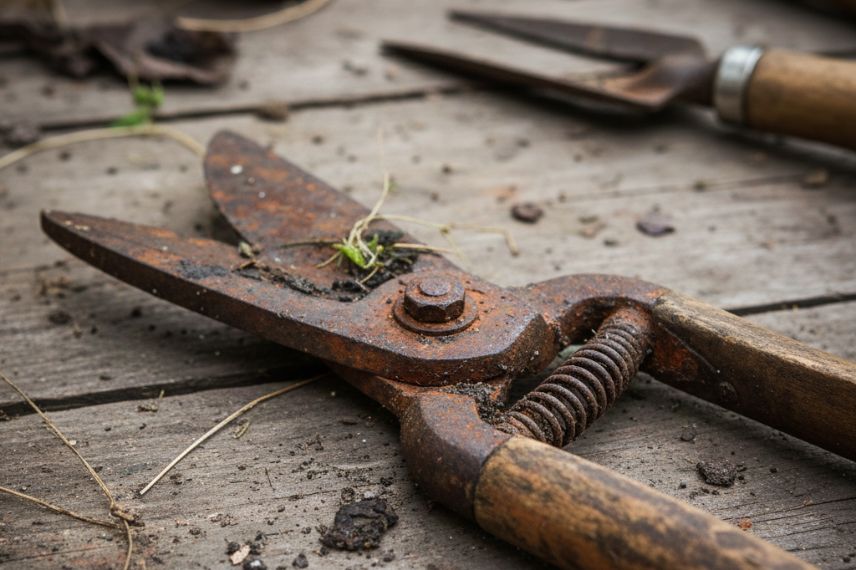
Once you've chosen worst possible moment, it's time to use the most unsuitable equipment. For optimal result, forget shiny pruning shears and embrace liberating rust philosophy. Bring out grandad's old pruning shear, the one that hasn't seen a sharpening stone since 1998 World Cup: if blade is so blunt it no longer cuts but happily crushes wood fibres, you're on right track. A crushed branch is a branch that never heals, offering unlimited playground for bacteria.
In spirit of generosity, also practise disease sharing. Why confine a nice canker or grey rot to single apple tree when you can spread it across whole orchard? By stubbornly refusing to disinfect your blades between trees, you become vector of a magnificent, supportive parasite community. It's the all-you-can-eat buffet: what tree A has, tree B will receive free of charge via your filthy blade.
Finally, let your creativity run wild with "Free Style" cutting angle. Ignoring bevel rule is excellent way to create little stagnant pools on each cut surface. By cutting square or, better, towards bud, you turn every wound into tiny watering hole for fungi and wood-boring insects. After all, why let water run off naturally when you can invite it to settle and rot wood from inside?
The real advice
Those who care about their fruit will tell you that cutting tool must be razor-sharp for a clean cut and disinfected with 70% alcohol between each subject. They also recommend always cutting on a slant (about 45°), away from bud, so rainwater runs well clear of sensitive area.
Practice "Chainsaw Massacre" pruning
Here is where your misunderstood artist soul comes into play. To turn a fruit tree into sterile abstract sculpture, forget delicacy.
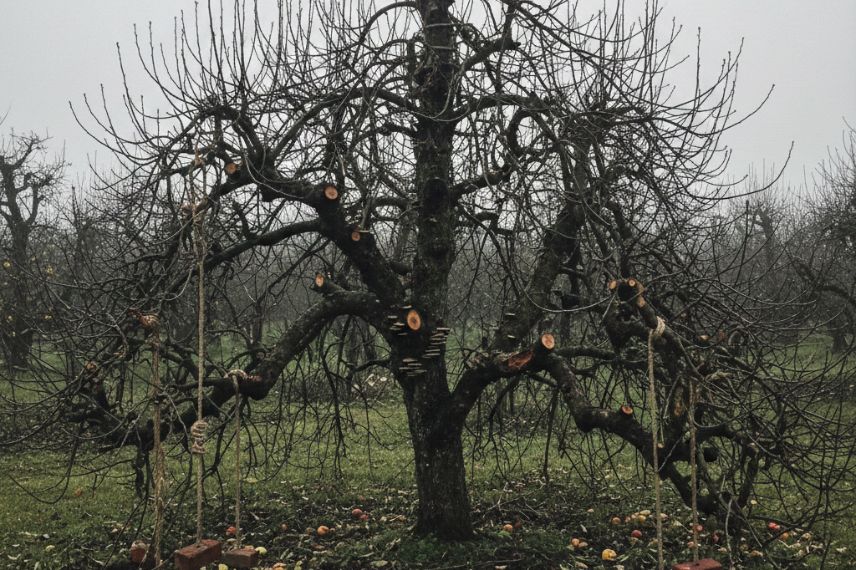
Start with radical method of wild topping. Why let central leader rise gracefully towards sky when you can lop it off at two metres? By cutting top, you force tree into absolute panic: it will respond by producing forest of vertical shoots (the water shoots) that will drain all energy and never deliver a single apple. Chaos guaranteed, and that's exactly what we're after.
Continue with strategy of total darkness. A well-maintained tree often looks like light well, but we aim for impenetrable jungle vibe. Carefully leave all dead wood and crossing branches in centre of trunk. By preventing air and sun from circulating, you create warm, humid microclimate at tree core, ideal for raising colonies of aphids and mosses.
Finally, to finish your masterpiece, practise systematic removal of spurs. These short, stubby buds are future fruit, so sworn enemies. Cut them mercilessly thinking they are useless protrusions. By contrast, keep long, smooth, vertical shoots that reach for clouds: they look magnificent, consume all sap and have wonderful trait of never, ever producing fruit.
The real advice
For those who prefer harvests to disasters: good pruning involves thinning centre to let light through and encouraging horizontal branches (those that bear fruit). Aim to preserve fruit buds (the spurs) while limiting vigour of vertical water shoots.
Comparison table: real vs fake
| Pruning action | "Sabotage" objective (wrong move) | Harvest objective (truth) |
|---|---|---|
| Timing | During freeze (-10°C) or in torrential rain. | In dry conditions, frost-free, during dormancy. |
| Tool condition | Rusty, blunt and covered in last year's dried sap. | Blade sharpened (clean cut) and disinfected with alcohol. |
| Structure | Keep dense centre to create fungus nest. | Open tree centre to let light through (daylight shaft). |
| Cutting angle | Straight or sloping towards bud to retain moisture. | On a slant (45°), away from bud to shed water. |
| Fate of vigorous shoots | Leave them to grow vertically to the sky. | Remove or bend to favour fruiting. |
Frankly, aren’t you fed up with being buried under apple harvests so abundant that even your neighbours no longer want to open their door? If the prospect of baking yet another homemade tart with your own plums sends you into a cold sweat, it’s high time to take back control of your garden by learning […]
When we go shopping or peel an apple, we don't really think about the origins of the various fruits that grace our tables, as they are such a part of our daily lives. Yet, if they could speak, they would tell us the incredible journey that brought them to us, from the earliest times!
These juicy and fragrant fruits that we enjoy throughout the year mostly appeared long ago in distant lands, although some arrived on our old continent more recently.
As I shared the epic of vegetables in a previous episode, I invite you this summer to continue this tasty journey into the colourful world of our most familiar fruits.
Origin of fruits: the continents that they originate from
There are nearly 150 different fruits in the world... and thousands of varieties. While we associate some with a national culture, the vast majority come from countries, or even distant continents. Some, like cherries or pears, have two distinct origins. Here are the distribution areas and origins* of some of the most consumed fruits today, by continents and major regions of the world:
- America: pineapple (Brazil), avocado (Mexico), tomato - botanically a fruit! - (Mexico and Central America), papaya (Central America), guava (Central America and Brazil).
- Asia: pear, peach, apricot, kiwi, and orange (China), banana (Southeast Asia), lemon and mango (India), pomegranate (Central Asia, Afghanistan).
- Middle East: fig (Turkey), date (Mesopotamia), pomegranate (Iran), cherry (Anatolia).
- Europe: apple (Caucasus), pear (Europe and Asia Minor), grape (Middle East and Europe), strawberry (Europe and North America), grape (Caucasus and Southern Europe).
- Africa: watermelon, melon.
* This distribution lists fruits native to countries that were later introduced to other regions of the world, before becoming naturalised in some.
Fruits through time and cultures
Wild berries, ancestors of our blackberries and raspberries, were an important part of the diet of hunter-gatherers and were consumed by prehistoric humans long before agriculture developed.
But one of the oldest cultivated fruits in humanity is considered to be the fig. It is believed to be the first fruit to have been domesticated, even before cereals in some regions of the present-day Middle East. Excavations in the Jordan Valley, in the Jericho region of the West Bank, have uncovered carbonised figs dating back to around 9000 BC. Dates were also cultivated from antiquity.
In the Middle Ages and the Renaissance, fruit cultivation developed in Europe and Asia. In European monasteries, the creation of the kitchen garden with the medieval enclosed garden played a crucial role in the preservation and development of fruit cultivation, particularly of apple, quince, and cherry trees. The medieval orchard is associated with the lost paradise, and many illuminations depict it. Fruits like apple, pear, and grape made their way to the tables. The Crusades and later the great maritime expeditions would enrich the diversity of available fruits. This was a time when fruits were often consumed in dried form, allowing for longer preservation (figs, apples, apricots, plums, and cherries).
During the Renaissance, trade introduced new varieties of grapes, enriching European viticulture. The Crusades also facilitated the introduction of citrus trees to Europe, significantly transforming eating habits. Horticulturists and later fruit growers made decisive advances in fruit-growing techniques (grafting, cultivation on trellises, and the creation of fruit shapes, hardening under glass), leading to the fruit heritage as we know it today.
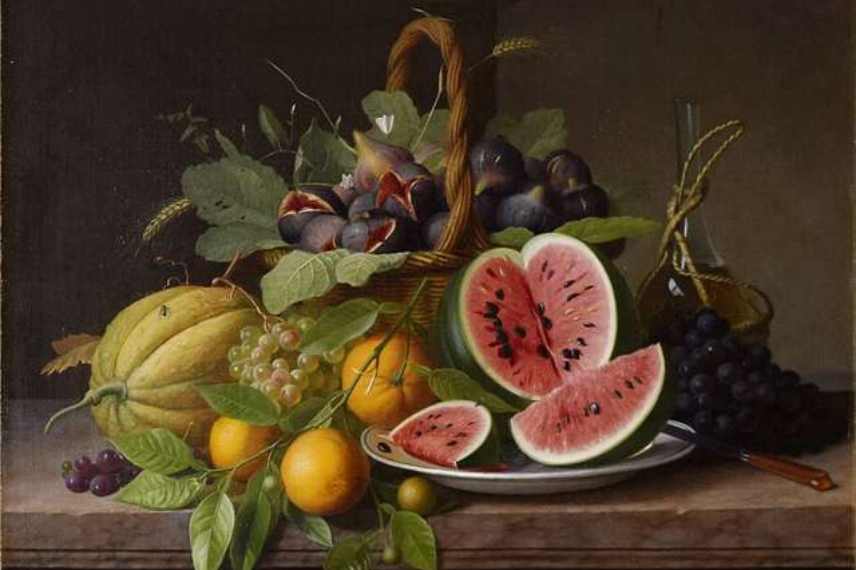
Photo Wikimedia Commons
Discovering three iconic fruits: pear, melon, and strawberry
Among the wide array of fruits available to us today, I have chosen to talk about three fruits that have now become part of our consumption habits.
Pear: millennia of know-how and innovations
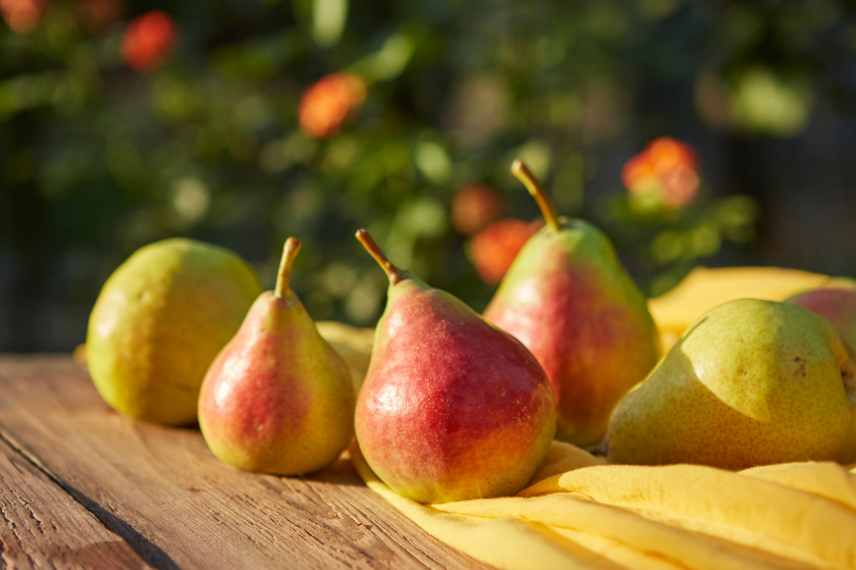
A common fruit today, the pear is counted among around sixty species, and nearly 2000 varieties worldwide!: Comice, Conference, Williams, Passe Crassane, or Guyot... to name just a few of the most common in our markets.
It is actually one of the oldest fruits cultivated in the Northern Hemisphere, and its history dates back millennia.
Originating in Asia, the pear later made its way to Europe. In China, where writings dating back to the 5th century BC mention it, it has been cultivated for over 5000 years. Remains and seeds of pears (Pyrus communis) have been found in the lake dwellings of present-day Switzerland and in prehistoric Neolithic sites. While it appears in Egyptian and Greek civilizations, it was the Romans who first developed and improved this fruit by practising early grafting. By 50 AD, there were already 35 different species.
The pear established its presence in Europe from the Middle Ages, but at that time it was little appreciated, often cooked, and had various unflattering names (anguish pear or rosy stone). Quintinie (1626-1688) truly gave it its letters of nobility: King Louis XIV was fond of it (well... mainly to decorate his gala tables), and it was from the 17th century that cross-breeding began, with quince trees. Improvements in fruit cultivation techniques then allowed for the production of higher quality pears, much more melting, contributing to their growing popularity among both nobles and commoners. Five hundred species were already recorded during Quintinie's time, including the stars of the era, Bon Chrétien or Cuisse-Madame.
The Williams pear was born in 1796, the Conference pear was named in 1885, and the Angelys pear, one of the latest, was born in 1998. It is now marketed under the name Angys®, a product of Angevin research from INRAE (hurray!), resulting from a cross between Doyenné du Comice and Doyenné d'Hiver.
Asian pears (Pyrus pyrifolia) and their descendants are crunchy-fleshed fruits, like the Nashi, while our common European pear trees (Pyrus communis), descended from wild pear trees in the mountainous regions of the Caspian Sea, produce tender and juicy fruits. Even today, we distinguish between "knife pears" for raw tasting, melting pears, and "cooking pears," much like with apples. The main edible species come from Pyrus pyrifolia. In Asia, there are nearly 3000 varieties from Pyrus pyrifolia, Pyrus ussuriensis, and Pyrus bretshneideri, some of which are hardy to below -30°C.
The sixth favourite fruit of the French, available all year round in our markets, and in world-renowned recipes like pear Belle Hélène, this fruit continues to charm us. Notably, the largest producer of pears in the world is once again... China, with a production of 16.5 million tonnes of pears. Strangely, 50% of the pears consumed in France are imported, knowing that our main producing regions are the Loire and Val-de-Loire regions.
Apricot: from Tibet to Provence
Its botanical name, Prunus armeniaca, mistakenly attributed by Carl von Linné, would suggest an Armenian origin for the apricot tree. This is not the case, as this highly appreciated summer fruit, associated with the Mediterranean basin, actually originated on the foothills of the Himalayas, between Turkestan, Tibet, and Manchuria, just like our good old peach. This wild ancestor of the modern apricot tree was introduced much further east, indeed passing through Armenia, via the Silk Road. The apricot arrived in the West in already improved forms, as the Chinese had been cultivating it for millennia. It conquered Greece and the Roman Empire at the very beginning of the Christian era. The Romans named it praecoquum, meaning the early fruit, and later Punum armeniacum, in reference to its introduction in Armenia. The name apricot would not appear in the French language until the 16th century, borrowed from the Spanish albaricoque, which itself derives from the Arabic al-barqūq.
It was the Moors who, in the 8th century, brought the apricot to Spain. It was not until the 16th century that this fruit gradually began to be appreciated. The good King René, who inherited the kingdoms of Naples and Sicily, is said to have introduced the apricot tree to Anjou a century earlier, around 1435. During the Middle Ages, it had a poor reputation, thought to cause fever. It took time before the apricot was consumed raw, as we do today by biting into the sun-warmed fruit right from the tree. Quintinie himself reserved it exclusively for cooked preparations like jams or compotes. It wasn't until the 18th century that its cultivation expanded in the southern regions of France, and more and more varieties began to emerge.
The modern apricot has thus been cultivated in our regions for less than 500 years. Today, the main apricot-growing areas are still the Mediterranean basin, with France being the 17th largest producer by volume. Turkey, the world's leading producer, primarily produces dried apricots from varieties particularly suited for drying.
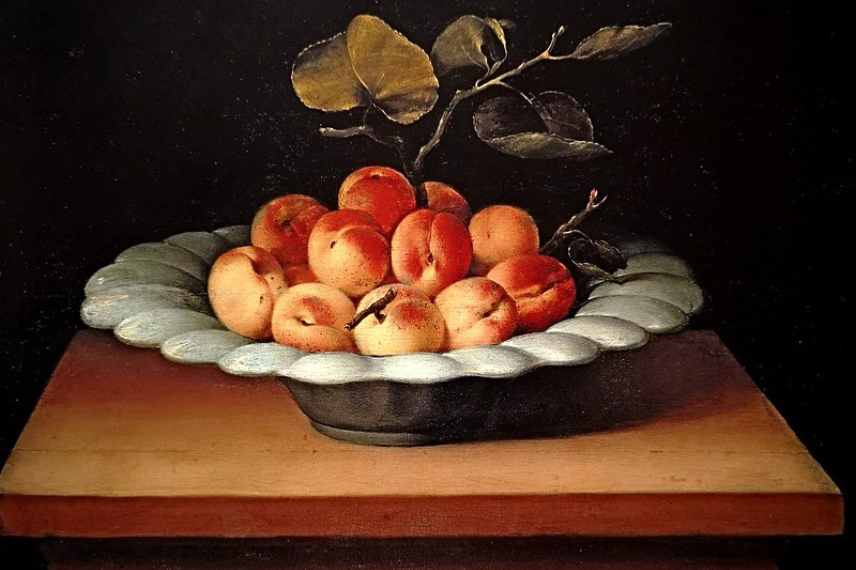
(oil on wood panel, circa 1630; Rennes Museum) - Photo Wikimedia Commons
Melon: an unloved fruit turned summer star
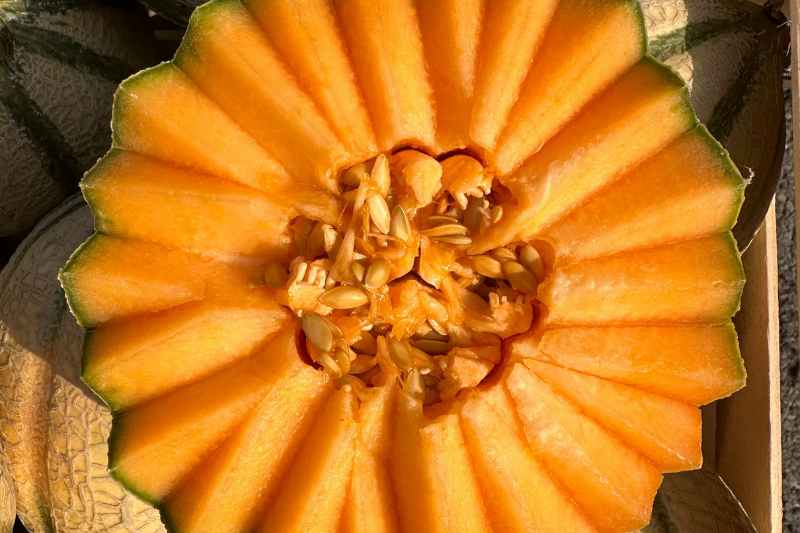
The orange-fleshed melon, bursting with sugar and sunshine that we enjoy in France in the heart of summer (Cucumis melo), originating from Africa and Asia, also has a fascinating history. Cultivated since antiquity in Egypt and Mesopotamia, it was then appreciated for its seeds as much as for its flesh. It appears, along with watermelon, in tomb frescoes. The Romans, likely the ones who introduced it to Europe, knew it but often preferred watermelon (Cucumis citrullus), finding it rather bland. At that time, the melon was actually considered more of a vegetable and was often consumed cooked and salted or in salads.
In the year 800, Charlemagne mentions it among the recommended plants in the Capitulaire de Villis, using the name given to it by the Greeks, "pepon" ('cooked by the sun).
This delicate fruit began to acclimatise in Europe thanks to the development of greenhouses, starting in the 17th century, which allowed it to be hastened and consumed year-round, as demanded by the nobility. It became larger and tastier. In France, the melon, like other fruits or vegetables, still had a poor reputation, often perceived by doctors as a dangerous food, causing indigestion due to its harmful juices, the "succum pessimum". Several popes even died from excessive consumption, as was said of Clement VIII. This reputation gradually faded in the 18th century, where an author like Marc-Antoine Girard de Saint-Amand made a flattering description in a poem full of finesse: The Melon. Voltaire even crowned it "the masterpiece of summer." Since 1780, the cantaloupe melon, round and with orange flesh, from the summer residence of the popes of Cantaluppi, became known in French gardens. The Marquise de Sévigné and later Alexandre Dumas became ambassadors of the Cavaillon melon, the former for her adoration of this Provençal fruit, the latter for having it delivered to him until his death as a life annuity in exchange for books!
Greenhouse and cloche cultivation methods improved, and the large melon cloche appeared in the 18th century, still used today by those fortunate enough to possess one. It became a fruit that signified a high social status.
Although few writings confirm it factually, it is often said that melons, due to their increasing market value and popularity, became targets of theft when grown in enclosed and monitored gardens, particularly in Europe during the 17th and 18th centuries.
Today, the melon is enjoyed worldwide and is cultivated in open fields or greenhouses in many regions. France is one of the leading producers in Europe, with Provence and Charente renowned for the quality of their melons. Charentais melons, recognisable by their orange flesh and wrinkled skin, are prized for their sweet and fragrant flavour. The Cavaillon melon remains a summer staple. In France, we are the thirteenth largest producer of melons globally, but we must import them (mainly from Spain and Morocco) for our summer consumption.
As for yellow melons or sweet melons, they are associated with Spain, where they are widely consumed. These melons, also known as Santa Claus melons or 'Piel de Sapo' melons (toad skin), have a green speckled skin and a very refreshing white or green flesh. They are primarily cultivated in the Spanish regions of Murcia, Andalusia, and Valencia.
The new hybrids and exotic fruits
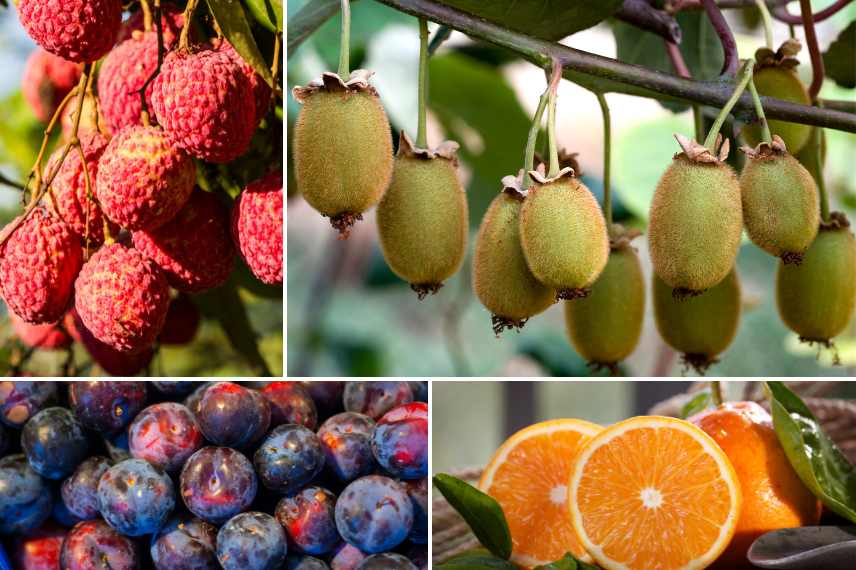
Most of our fruits date back to very ancient times, but some fruits only appeared late in our kitchens and on our tables. These are mainly exotic fruits that our palates began to discover and appreciate at the dawn of the 20th century, such as the kiwi, originally from China but cultivated in New Zealand since the early 20th century, and only becoming popular in Europe from the 1960s, or the lychee, which appeared in Europe as early as the 18th century thanks to colonial imports. The prickly pear, now available in some markets, had remained relatively unknown in the West since Christopher Columbus.
Since the 1970s and 80s, other fruits have appeared on the market, born from the hybridization of two species, horticultural selections, genetic manipulations, or natural mutations. Some are still little known, such as the boysenberry or blackberry-raspberry, a cross between a raspberry and a wild bramble, and the caseille or cassisberry, another cross of red fruits between a blackcurrant and a gooseberry. The aprium, born from the (American) love affair between a plum and an apricot tree, the pluot, another hybrid between plum and apricot, are other laboratory discoveries. Citrus fruits are not left out, with notably the tangelo (or Minneola), a hybrid of a mandarin and a grapefruit, less acidic and sweeter than a pomelo. The Americans, who have also developed pink blueberries (like 'Pink Lemonade'), are often behind these more or less fanciful genetic discoveries...
All these new fruits are proof that fruit innovation has not yet said its last word in adapting, among other things, to the new global climate challenges.
Heirloom and forgotten fruits
We are also currently witnessing the rediscovery of forgotten fruits like quince, medlar, jujube, or persimmon, often brought back to the forefront by chefs or organic orchards. Would you like to learn more about these ancient fruits? Browse our articles and recipes:
- Growing the male dogwood for its fruits
- The jujube tree: planting, pruning, and caring for
- How to make quince jelly? and How to harvest and store quinces?
- How to harvest and store medlar?
- How to harvest and store persimmons?
- Physalis: sowing, cultivation, harvest
- The beech nut: an edible fruit to discover.
Further reading: some useful books and websites
For botanists or history enthusiasts and those passionate about local and ancient fruit varieties, I recommend the following works (in French):
- The ABCs of Fruits, Antoine Jacobsohn. Flammarion Editions. 1997. A condensed source of information by the head of the King's Kitchen Garden.
- Astonishing Stories of Fruits. Bertrand Dumont. MultiMondes Editions. 2022.
- Fruits from Here and Elsewhere: Insights into the History of Some Fruits Consumed in Europe. Marie-Pierre Ruas. Omniscience Editions. 2016. A bible that will delight history enthusiasts.
- Rediscovered Fruits, Heritage of Tomorrow. History and diversity of ancient species from the Southwest. Evelyne Leterme and Jean-Marie Lespinasse. Rouergue Editions. Redouté Prize 2008. Another extensive book.
- And a historical detective novel by Michèle Barrière, Murder in the King's Kitchen Garden, about the famous thefts of melons at Versailles: a delightful summer read.
Several associations and organisations allow for further learning about the origin and conservation of fruits:
- The Apple Crunchers, who have been advocating for the preservation of regional fruit varieties for years.
- Forgotten Fruits: a network that contributes to the promotion and preservation of fruit heritage.
- The National Centre for Pomology, an association dedicated to the conservation, study, and promotion of fruit varieties, particularly ancient and local varieties.
To extend this reading, discover the ancestral history of the fig in this excellent article by Alain Bonjean in the Chronicles of Vegetal. You will learn all about the genomes of the apricot in this publication from INRAE. And Eric Birlouez tells you much more about the apricot's journey in his podcast on France Inter...
Finally, listen to a delightful segment, In the Intimacy of History: The Pear, an Erotic Fruit, narrated by historian Clémentine Portier-Kaltenbach.
.
When we go shopping or peel an apple, we don’t really think about the origins of the various fruits that grace our tables, as they are such a part of our daily lives. Yet, if they could speak, they would tell us the incredible journey that brought them to us, from the earliest times!These juicy […]
The Yellow Dragon disease, scientifically known as Huanglongbing (HLB), is one of the most serious current threats to citrus production worldwide. Caused by a deadly bacterium, this disease affects oranges, lemons, mandarins, and grapefruits, leading to significant economic losses and jeopardising the future of citrus orchards. Let’s explore the origins, symptoms, modes of transmission, consequences, and solutions to combat this scourge.
What is Yellow Dragon disease (HLB)?
Yellow Dragon disease (HLB), or Huanglongbing, was first identified in the early 20th century. It was described in China in 1919, where it was known as the "yellowing disease" of citrus. At that time, farmers observed symptoms of irregular leaf yellowing and tree decline, but the precise causes of the disease were not yet known. It was not until the 1940s-1950s that further research allowed for a better understanding of its bacterial origin and its transmission by vector insects. Since its emergence, the disease has spread rapidly, affecting Asia, Africa, Latin America, the United States, and even some regions of Europe. Today, it is considered one of the greatest threats to global citrus production. Associated losses are estimated to be in the billions of dollars each year.
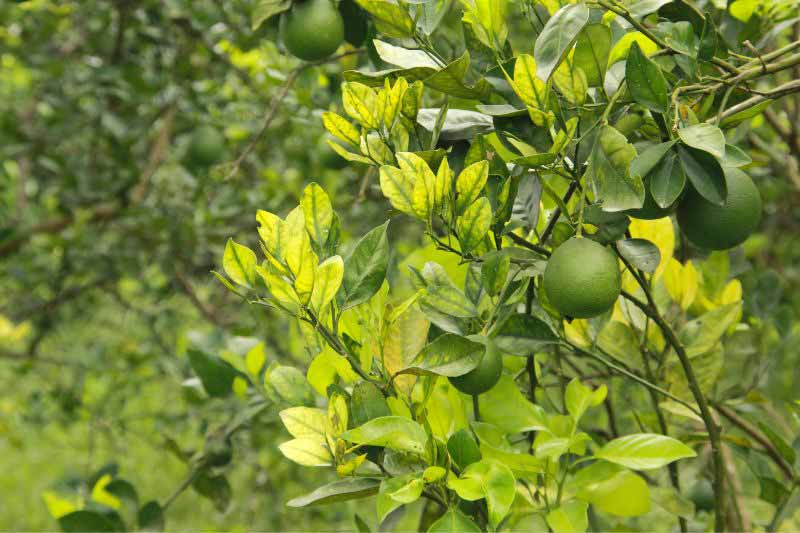
What is the pathogen of the dragon?
The Yellow Dragon disease is caused by a bacterium belonging to the genus Candidatus Liberibacter. Three main variants of this bacterium are known: asiaticus, africanus, and americanus. All attack the vascular system of citrus, blocking the circulation of nutrients and leading to tree decline.
Symptoms of Yellow Dragon disease
The first signs of the disease appear on the leaves, which exhibit irregular yellowing often confused with nutrient deficiencies. Unlike other diseases, the yellowing of leaves caused by HLB is asymmetrical, affecting part of the lamina while the other remains green. The fruits of infected trees become small, misshapen, and their taste is altered, often bitter or bland. The skin of the fruits may also show unusual colour spots.
As the disease progresses, the entire tree shows signs of decline. Leaves and fruits drop prematurely, growth slows, and if no intervention is made, the tree eventually dies. Once infected, a tree cannot be cured, making early detection and prevention essential.
In summary:
- Irregular yellowing of leaves
- Small, misshapen, and often bitter fruits.
- Irregular skin coloration.
- Premature dropping of leaves and fruits.
- Slowed growth.
- Possible death of the tree.
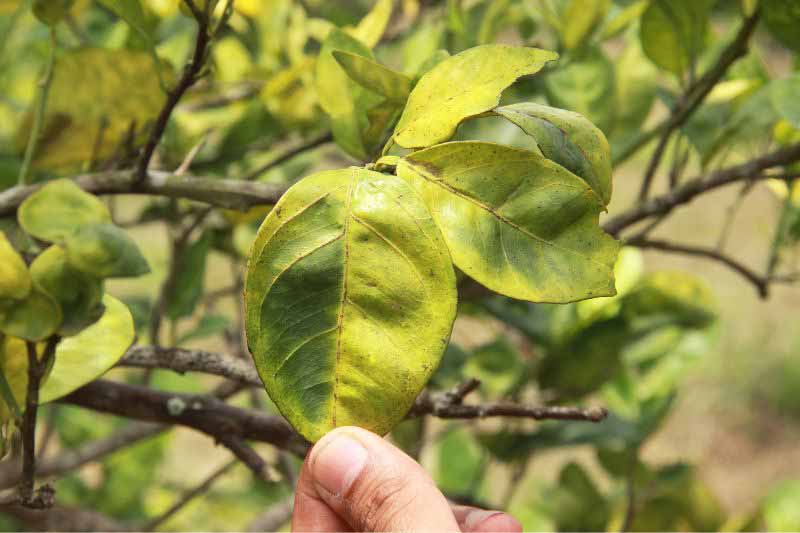
How does the disease spread?
The bacterium is transmitted by vector insects, primarily the Asian citrus psyllid (Diaphorina citri) and the African citrus psyllid (Trioza erytreae). These small insects feed on the sap and spread the bacterium from an infected tree to a healthy one. The dissemination of the disease is exacerbated by the transport of infected plants or contaminated grafts, usually from one region to another. The globalisation of agricultural trade has significantly contributed to the spread of the disease, making control even more complex. Poor agricultural practices and a lack of awareness in certain regions further worsen the situation.
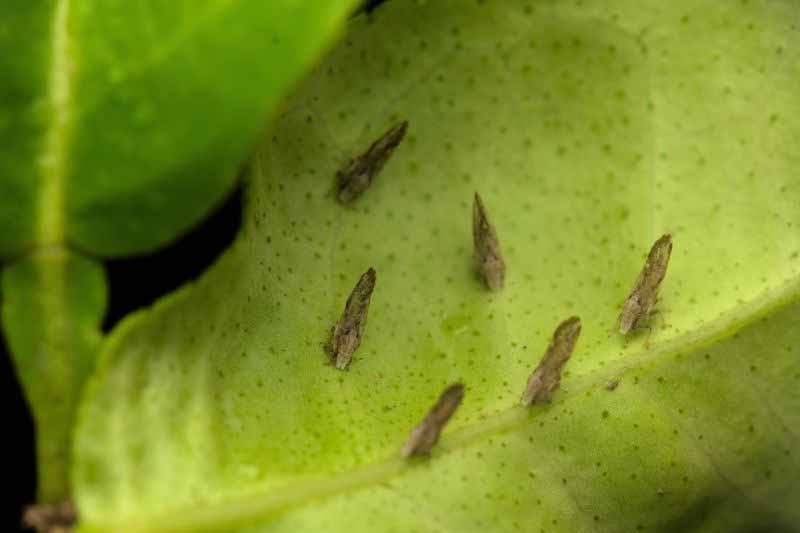
What cures the dragon disease?
Currently, there is no definitive cure for Yellow Dragon disease (HLB). HLB is an incurable disease. Once a tree is infected by the bacterium Candidatus Liberibacter, it cannot be cured. This is why prevention is key to protecting orchards.
Economic and environmental consequences
The impacts of HLB are catastrophic for producers. Yields drop dramatically, as fruits from infected trees cannot be marketed. Costs increase in attempts to control psyllid populations or replace lost trees. Yellow Dragon disease (HLB) has profound repercussions on the global economy, particularly in regions where citrus cultivation is an agricultural and commercial pillar, threatening the citrus sector.
Countries heavily dependent on citrus, such as Brazil, the United States, Mexico, and India, incur colossal losses each year. The decline in yields, combined with rising management costs (pesticides, replacement of infected trees, orchard monitoring), puts farms under pressure.
For many small farmers, these losses can be insurmountable, leading to bankruptcies and migrations to less affected crops. Beyond orchards, the repercussions are felt in the agri-food industry: the entire citrus supply chain is impacted, from processing (juices, jams, essential oils) to export. Fruit shortages drive up prices in the market, making products less accessible to consumers.
Increased use of pesticides
The fight against HLB also has concerning ecological impacts, particularly in areas where intensive practices dominate. To control psyllid vector populations, producers often turn to intensive chemical treatments. While these pesticides may temporarily reduce infestations, they pose major environmental problems.
Loss of biodiversity in orchards and indirect deforestation
Intensive monocultures of citrus, particularly vulnerable to HLB, are already ecologically fragile. The massive removal of infected trees, combined with intensive chemical management, exacerbates the loss of biodiversity in orchards, making them even more vulnerable to other diseases and pests. To compensate for losses caused by HLB, some producers clear new land to plant citrus, contributing to the destruction of natural habitats.
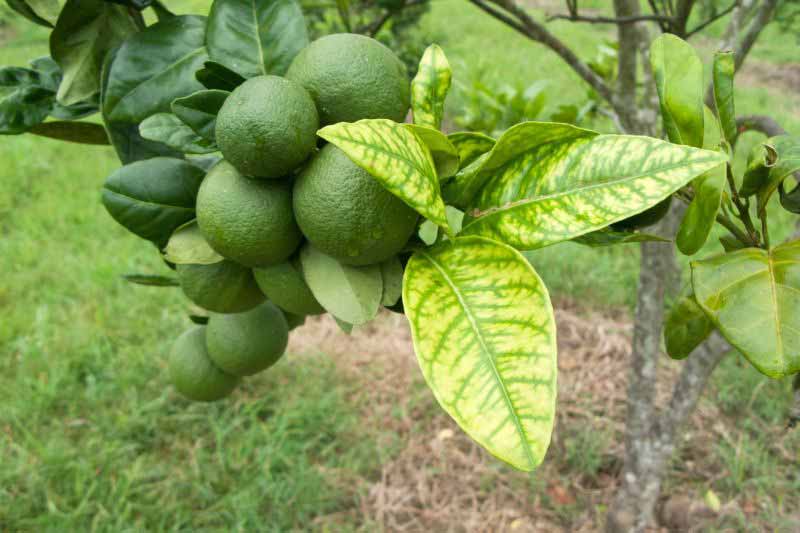
Control strategies and prevention
In the face of this threat, combating HLB relies on several axes. Prevention plays a key role. Strict phytosanitary controls aim to limit the spread of the disease through international trade of plants. Training farmers to detect early symptoms is also essential for rapid intervention.
Managing vector insects is another lever. Producers resort to insecticides to reduce psyllid populations, although this approach requires precautions to minimise its ecological impact. Alternative methods such as using traps or introducing natural predators, such as ladybirds, offer more sustainable options.
When trees are infected, their rapid removal is imperative to prevent contamination of neighbouring trees. Researchers are also actively working on selecting citrus varieties resistant to the bacterium, although this process is still ongoing.
What are the prospects?
Combating HLB, or Yellow Dragon disease, requires a comprehensive and multidimensional approach to protect global citrus production. The prospects rely on promising scientific advances, such as the creation of resistant citrus varieties through genomic editing (CRISPR), the use of bacteriophages, natural viruses, to target the bacterium Candidatus Liberibacter, and the search for vaccines to immunise trees. Initial tests of vaccines or resistant varieties show encouraging results.
To control psyllid vectors, sustainable alternatives to pesticide use are preferred, as seen, such as biological control using natural predators (ladybirds, parasitoid wasps), disrupting insect reproductive cycles with pheromones, and integrating companion crops to repel or attract these pests.
Modern technologies, including drones and artificial intelligence, also enable effective monitoring of orchards and early detection of infected trees, facilitating rapid interventions. Finally, regenerative agriculture, which enriches soils and strengthens the natural resilience of trees through practices such as adding compost or using cover crops, is a key solution to reduce the vulnerability of citrus to diseases. These combined efforts aim to limit the economic and environmental impacts of this disease while ensuring the sustainability of citrus production and the preservation of ecosystems.
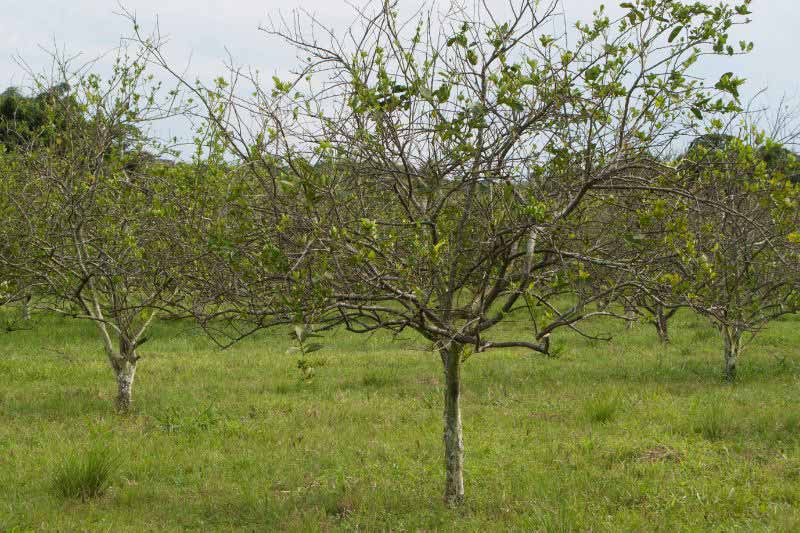
The Yellow Dragon disease, scientifically known as Huanglongbing (HLB), is one of the most serious current threats to citrus production worldwide. Caused by a deadly bacterium, this disease affects oranges, lemons, mandarins, and grapefruits, leading to significant economic losses and jeopardising the future of citrus orchards. Let’s explore the origins, symptoms, modes of transmission, consequences, […]
The festive season often leaves its mark: a muddled complexion, an overloaded liver, and mysteriously shrunk clothes… It’s no wonder that Eating better is among the top 10 New Year’s resolutions. To achieve this, nothing beats "superfoods"! Here’s my little selection of "healthy" fruits and vegetables that are particularly good for your health, which you can grow in your garden; this will also allow you to get a bit of exercise 😉
1) Chia Seeds
Chia seeds come from an annual sage, Salvia hispanica, native to Mexico. Cultivated for thousands of years on the American continent, this tiny seed has only recently made its way onto our plates. Packed with numerous benefits, it is an excellent source of omega-3 and fibre. Additionally, it has the unique ability to thicken preparations by forming a mucilage when in contact with liquid, which increases the satiety effect of foods.
- How to use chia seeds?
Chia seeds have a mild flavour, although some find a pleasant nutty note. They can be sprinkled on salads, mixed into homemade bread, or added to yoghurts. Virginie makes an excellent pudding in the morning with almond milk and seasonal fruits. - How to grow chia seeds in the garden?
Chia grows easily in a mild climate, in good soil. Sowing takes place in spring, and the seeds are harvested in autumn. Be careful, this sage is not hardy!
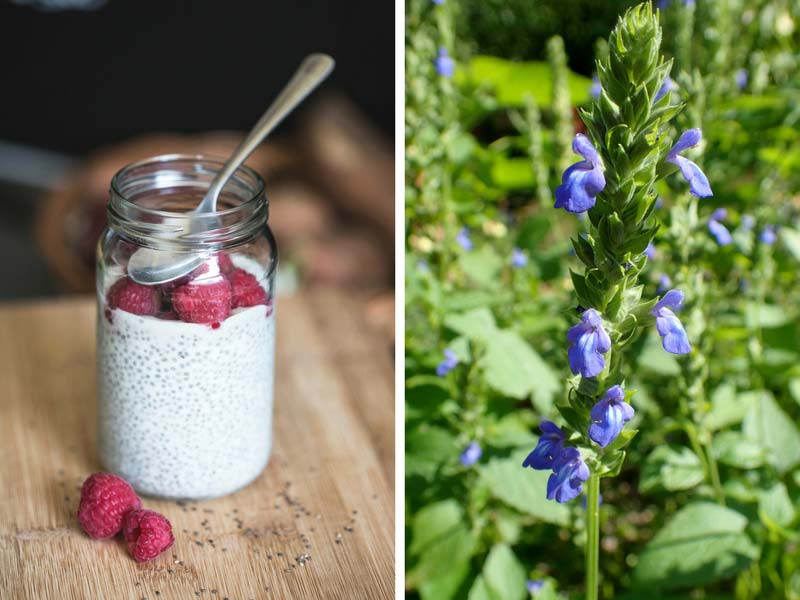 Chia seeds: a "superfood" from a sage, Salvia hispanica
2) Kale
A true trendy vegetable, kale has garnered a lot of attention in recent years. And if Americans are crazy about it, it’s because of its high content of fibre, iron, vitamins A, C, and K, as well as antioxidants. Excellent for eye health due to the lutein and zeaxanthin it contains. It is also a very good source of calcium.
- How to use kale?
Kale is best consumed raw to retain maximum vitamins. It can easily be juiced to "boost" a smoothie or juice. It can also be cooked, for example, in a gratin. But I won’t lie to you: kale leaves are quite tough! Before consuming, they should be softened after removing the central rib. To do this, look, it’s easy (it’s in English but you’ll understand quickly):
- Growing kale
This cabbage is grown like any curly cabbage. It requires rich soil but has the advantage of being very resistant to diseases and pests. To learn more, check out our advice sheet: "growing kale and curly cabbage in the vegetable garden."
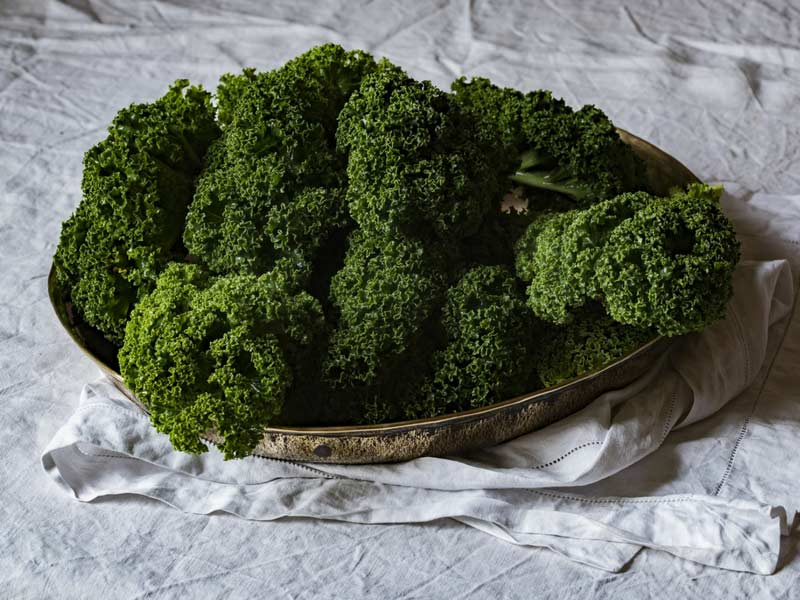 Kale, a "super cabbage" that loves massages
3) Flower Sprout
The Flower Sprout or Kalettes (BrusselKale for English speakers) is a promising newcomer. A hybrid of kale and Brussels sprouts, it produces, like Brussels sprouts, stems adorned with leaf buds. These mini-cabbages, serrated, dark green, and purple, are low in calories and very rich in vitamins C, K, and B6. The icing on the cake is that this cabbage also tastes good… Indeed, it is not bitter, and its sweet and mild flavour is accompanied by a pleasant nutty note. Original, it will also delight busy cooks as it cooks very quickly and retains a pleasant crunchy texture.
- Flower sprout in the kitchen
Quick to cook, it can be prepared in any way you like: steamed, quickly sautéed, or boiled in just 4 minutes… all with little to no smell. Versatile, it can serve as a side dish, but also as a base for many salads and, like kale, can be added to fruit juices. - Growing flower sprouts
In the vegetable garden, these small cabbages are grown just like Brussels sprouts. To learn more, follow our advice: "Growing Brussels sprouts"
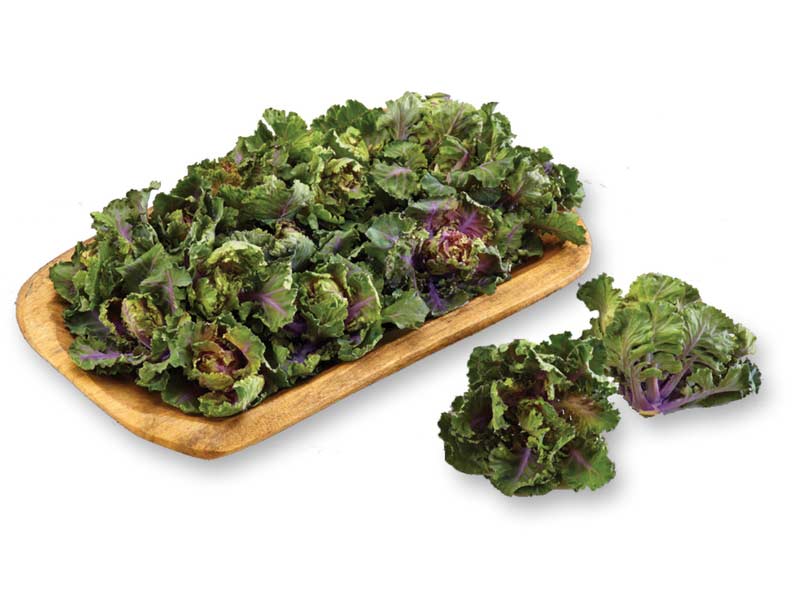 The Flower Sprout: half kale, half Brussels sprout - Photo: www.kalettes.com
4) Ginger
Exotic, ginger has long been known for its aphrodisiac effects. Popularised with the rise of sushi restaurants, it is now appreciated for its taste as well as its tonic, digestive, antibacterial, and antioxidant properties.
- Fresh ginger in the kitchen
The health benefits of ginger are numerous, but it is especially essential in Asian cuisine (in marinades, broths, or stir-fries to enhance a wok), as well as in traditional cooking. At home, I often use it in baking to add a kick to apple compotes. I also love it candied; its spicy flavour is perfect for a little boost during moments of fatigue. Finally, ginger can also be used in infusions with lemon as part of a detox cure. - Growing your own ginger:
Ginger is not complicated to grow, but it needs warmth. Unless you live in a tropical zone, it is best grown in a large pot, indoors or under a heated veranda.
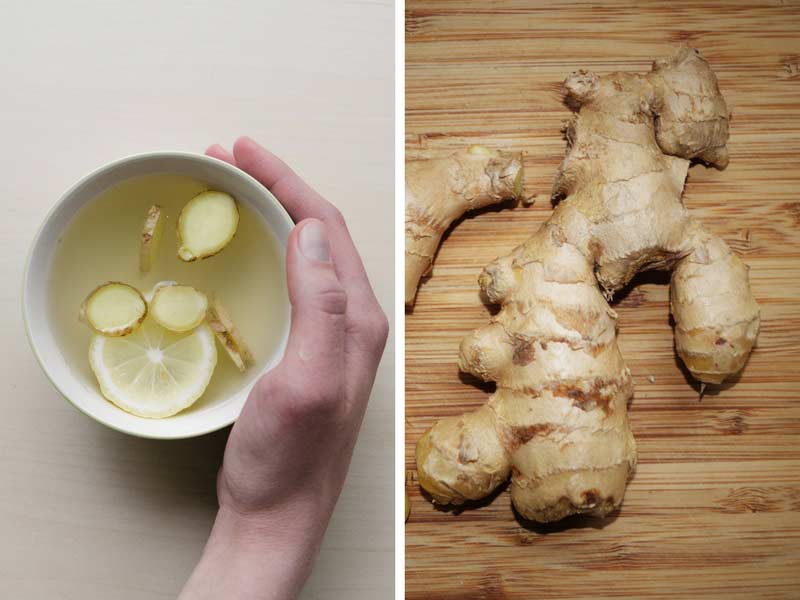 Ginger rhizome can be used in infusions as part of a detox cure
5) Goji
Goji berries come from an Asian bush, the Lycium. They are consumed fresh or dried. This small fruit has long been popular for its content of vitamins B, C, and E, but especially for its richness in antioxidants. However, its popularity has somewhat diminished following the discovery of batches, even certified organic, containing high levels of pesticides. All the more reason to grow them yourself!
- What to do with goji berries?
Fresh, goji berries can be added to homemade mueslis and granolas, yoghurts, fruit salads, or even juices. They can also add a sweet note to salads. Dried, they easily incorporate into cookies and other cakes. - Can you grow goji in your garden?
Yes, absolutely! Like many Asian shrubs, Lycium barbarum thrives in our climates. It is hardy and even tolerates lime. However, it is in the sunniest regions that it will fruit best. To learn all about growing these delicious berries, check out our advice sheet: "Cultivation, harvest, and drying of goji berries"
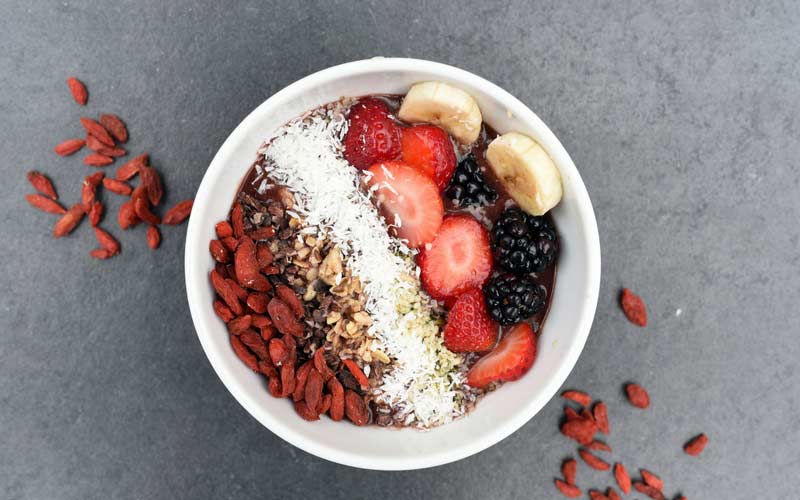 Goji berries lend themselves to many preparations. Add them to your mueslis daily
6) Black Radish
The black radish is one of those vegetables that can be a bit puzzling at first glance. Generally large, it has a black skin that covers a white, crunchy flesh, rich in potassium and magnesium. Slightly laxative and detoxifying, black radish aids digestion and "cleanses" the liver, but it is especially appreciated for its antibacterial properties. Rich in raphanine, it helps treat winter ailments like coughs.
- How to use black radish?
This radish is simply consumed raw, in thin slices or grated, in salads or on a slice of buttered bread. You can also choose to extract its juice, which, when mixed with sugar, makes an excellent syrup for a productive cough. The radish greens can also be prepared in soup. - How to grow black radish in the vegetable garden
This is a winter radish that is sown in summer. Its cultivation is not difficult, but due to its long root, it requires fairly deep and well-loosened soil.
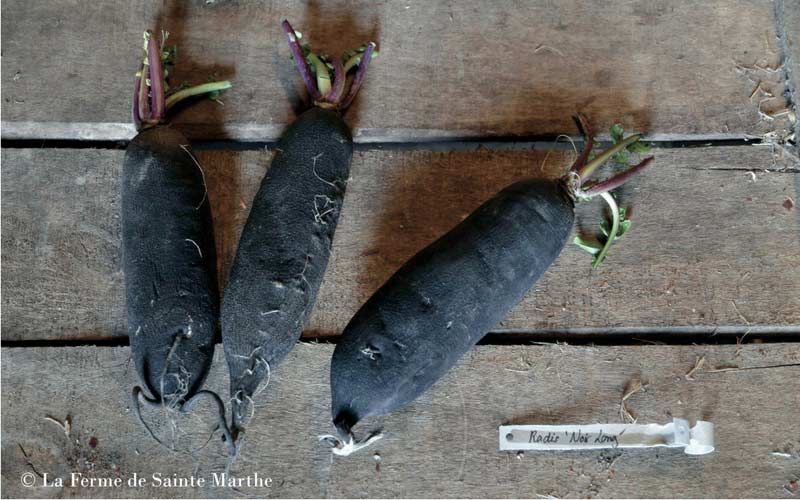 Long Winter Black Radish
7) Pumpkin Seeds
Pumpkin seeds are very rich in protein (between 20 and 25%), unsaturated fatty acids, vitamins, and minerals, including magnesium and iron. Often consumed as part of a vegetarian or vegan diet, they are also indicated for relieving urinary problems.
- How to incorporate pumpkin seeds into your diet?
Roasted, pumpkin seeds are perfect as a snack or nibble. Whole or crushed, they can be sprinkled on salads or incorporated into bread or cake mixtures. - How to produce your own pumpkin seeds:
All pumpkins are suitable, but to avoid the tedious peeling process, you should choose the Lady Godiva Pumpkin. This variety has the advantage of producing seeds without a shell. To succeed, proceed as with other pumpkins: give it a spacious area and plant it in rich soil or heavily enriched compost, even if it is not fully matured.
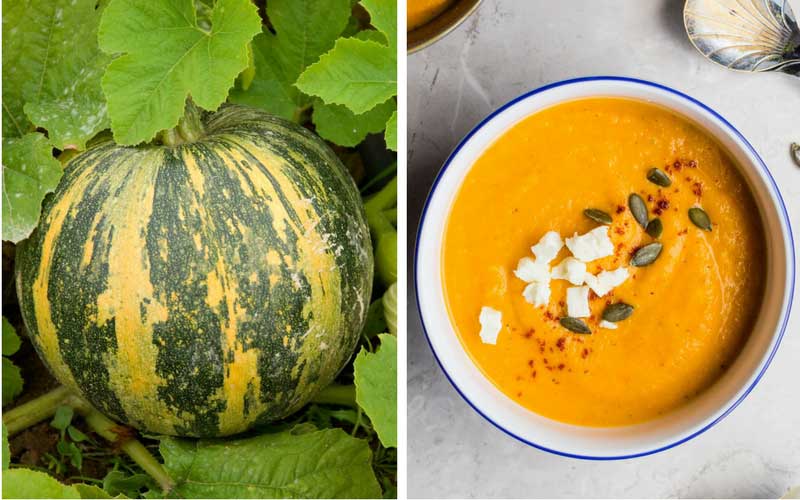 The Lady Godiva pumpkin (Photo: Ferme de Sainte Marthe), a perfect pumpkin for seed production. Its medium flesh is very suitable for soups.
And you, do you consume one or more of these "superfoods"? Let us know!
The festive season often leaves its mark: a muddled complexion, an overloaded liver, and mysteriously shrunk clothes… It’s no wonder that Eating better is among the top 10 New Year’s resolutions. To achieve this, nothing beats “superfoods”! Here’s my little selection of “healthy” fruits and vegetables that are particularly good for your health, which you […]
Once relatively unknown, Yuzu or "Yuzu Lemon" is currently experiencing a true surge in popularity. This is hardly surprising, as it is essential in Asian cuisine; this small Japanese lemon with its aromatic flavour is now used by top chefs and renowned pastry chefs alike.
And as is often the case with vegetables and fruits from Japan, buying fresh fruit is almost an impossible mission. But if you accept this challenge... and succeed, be prepared to pay the price: over 50 euros per kilo!
The best solution (after the black market or a friend who pilots for Japan Airlines) is, therefore, to plant your own Japanese lemon tree.
But before you dive in, let’s take stock of its uses, the taste of its fruit, its benefits, and how to cultivate it in our climates.
What is Yuzu?
The term Yuzu refers to both the fruit, the Yuzu lemons, and the small tree that bears them.
This Japanese lemon tree (Citrus junos, family Rutaceae) appears as a large bush with very thorny branches and evergreen foliage. It is believed to be the result of hybridization between the wild mandarin and Citrus ichangensis, or Ichang lemon.
From its parents, Yuzu has retained a remarkable vigour and hardiness, around -10 to -12 °C, which is uncommon for a citrus and allows it to be cultivated in our climates.
The Yuzu fruit, although often likened to a lemon, resembles more a large mandarin. About the size of a tennis ball, it is covered with a thick, slightly bumpy skin, which is green and turns yellow-orange at ripeness. Its flesh contains many seeds and produces relatively little juice.
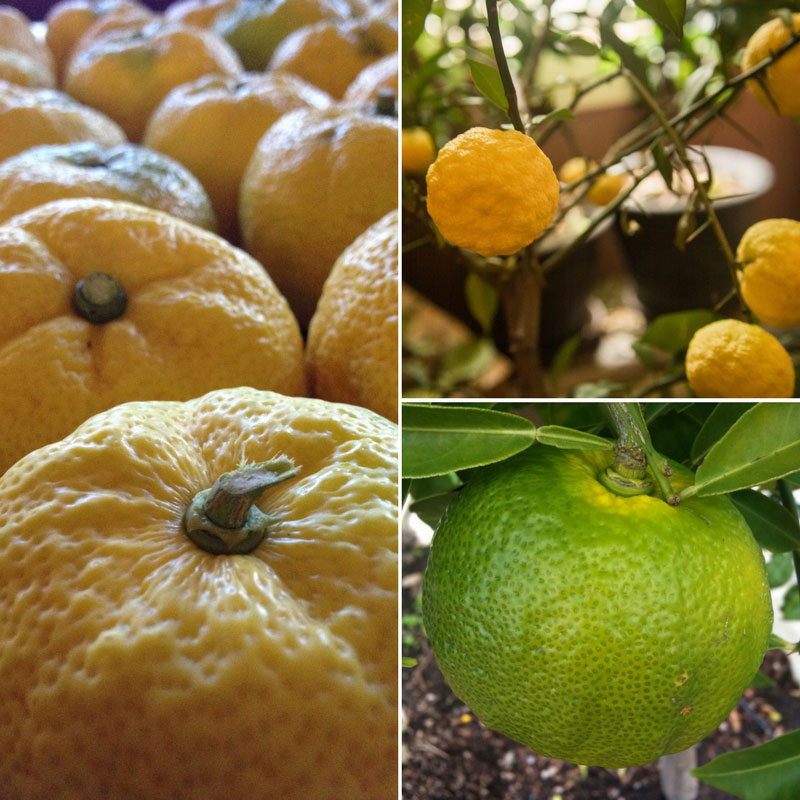 Yuzu lemon fruits - Photos: Seahill, Edsel Little
What does Yuzu taste like? How to use it in cooking?
The flavour of Yuzu is unique and powerful. Very tangy, it can be described as a subtle blend of grapefruit, mandarin, and lime, with spicy notes of bergamot.
In cooking, Yuzu is suitable for both savoury and sweet preparations:
- the zest of Yuzu is used as a condiment to flavour fish and shellfish, as well as to enhance butter or add an original touch to a chocolate tart.
- the juice of Yuzu is used to marinate meats and fish, as well as to make exquisite sorbets. In pastry, it elevates fruity mousses and other creams, such as the delightful Yuzu curd.
Is Yuzu good for health?
Like all citrus fruits, Yuzu is known to be very rich in vitamin C. It is invigorating and may boost immunity. It is also believed to have anti-inflammatory and antioxidant properties.
By the way, did you know that a popular belief in Japan suggests taking Yuzu baths at the winter solstice to ward off colds for the entire year!
Look, it seems very fun!
Is it possible to grow Yuzu in your garden?
But before you can indulge in a Yuzu bath, you need to grow them… and, as I mentioned earlier, it is entirely possible in France.
Although hardy, Yuzu prefers warm and sheltered situations. Its cultivation in open ground is therefore mainly recommended in mild climates or in the area known as "the olive zone", which corresponds to the Mediterranean basin. Elsewhere, we advise you to install it in a large pot and move it to a cool place when a cold snap is forecast.
Vigorous but with a somewhat slow growth in the first few years, the Japanese lemon tree typically bears fruit after reaching the age of 4. The harvest occurs in autumn, from September to December.
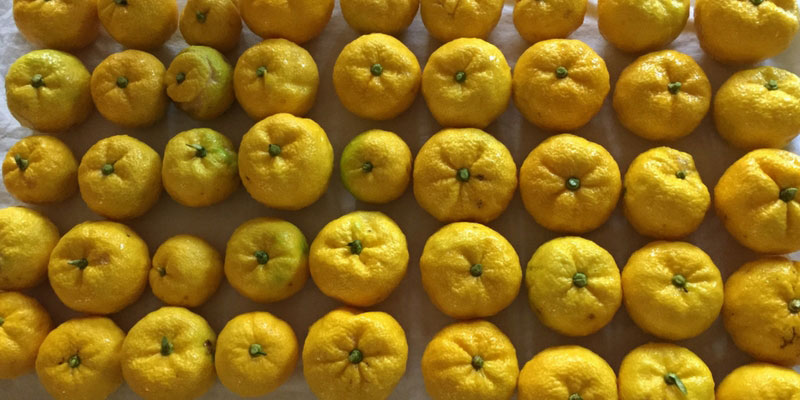
This does require a bit of patience, but it will be rewarded with a harvest of delicious, rare, and original fruits!
Once relatively unknown, Yuzu or “Yuzu Lemon” is currently experiencing a true surge in popularity. This is hardly surprising, as it is essential in Asian cuisine; this small Japanese lemon with its aromatic flavour is now used by top chefs and renowned pastry chefs alike. And as is often the case with vegetables and fruits […]
It’s well known, “on Saint Catherine’s Day… every stick takes root”. It is indeed the ideal time to plant your fruit trees.
Apple, cherry, pear, plum trees… Choosing a variety is not easy. It gets even more complicated when it comes to deciding on a form: scion, goblet, half-standard, standard, single U palmette or Verrier? Rather than give up, remember another proverb:
The best time to plant a tree was 20 years ago. The second best time is now.
Now let’s see together how to choose your next fruit trees, starting today.
Different forms of fruit trees
Choosing a tree form is essential because it determines size and shape of the mature tree. But forms are numerous and sometimes so complicated that there are encyclopaedias devoted to listing them. To simplify your choice, we will only cover the most common ones here.
- Low-stem forms: scion, goblet
A fruit tree sold as a scion is a very young tree, one to two years old, grafted the previous year. It appears as a single stem, more or less branched. Still pliable, this is a tree you will train yourself over the years by pruning. Its main advantage is its price.
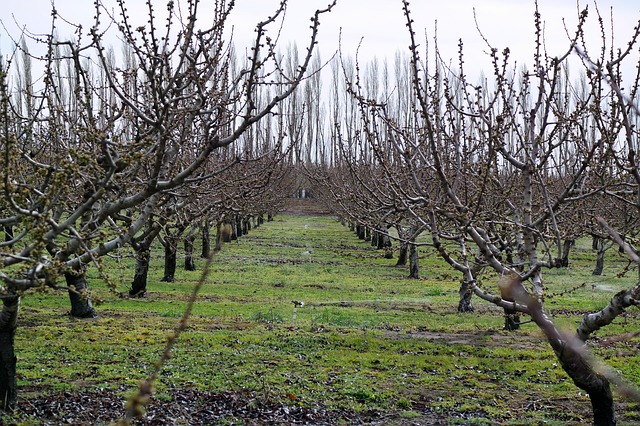
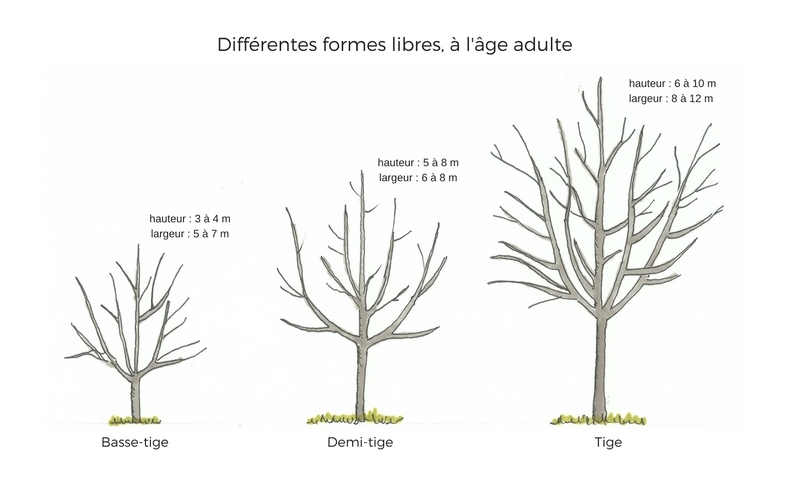
The goblet is a slightly older fruit tree. Cultivated for 2 to 3 years, its trunk measures around 60 cm in height. This tree is partially formed with the aim of producing a fairly low tree, 3 to 4 metres tall at maturity. This size is particularly convenient for harvesting fruit without the need for acrobatics! However, their low habit is more obstructive and makes it harder to move around the tree.
They are well suited to medium-sized gardens and productive orchards, as recommended planting distances are relatively small: about 3 to 4 metres between trees.
- High stems or open-grown trees: half-standard and standard
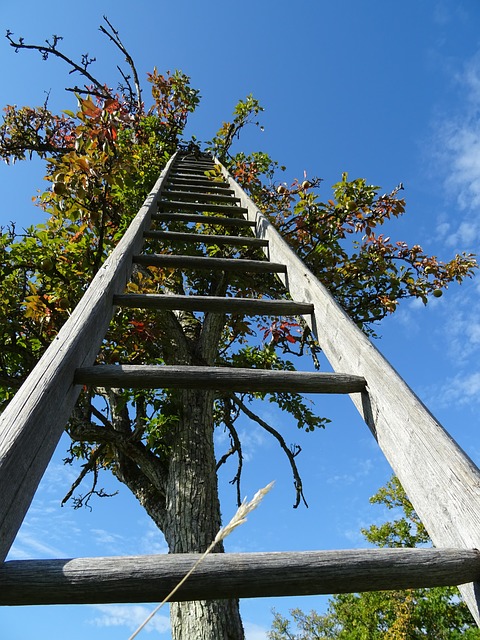
Half-standard and standard fruit trees differ by their morphology. They are not older than a goblet, but have been grafted higher, at 110–130 centimetres for half-standards and 180 cm for standards. When mature they form fine trees. Half-standards will reach 5 to 6 metres in height versus 6 to 10 metres for standards… but they occupy less ground area. They require little pruning apart from simple thinning, and their production is substantial. Finally, their lifespan is long and can reach up to 100 years.
Because of their height and crown width, these trees are best planted in large gardens.
- Palmettes and other common trained forms
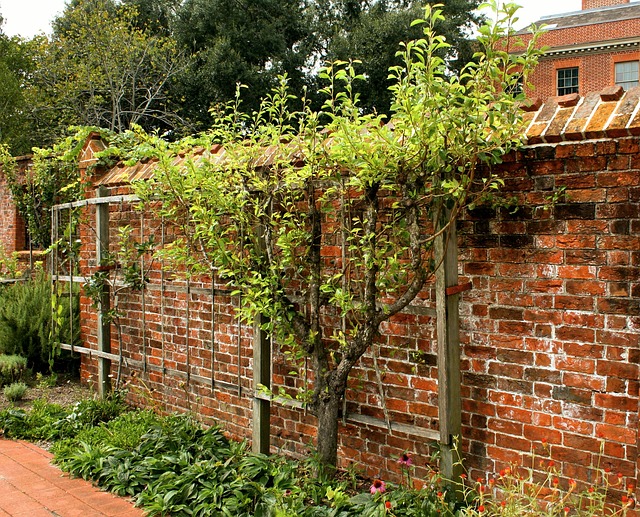
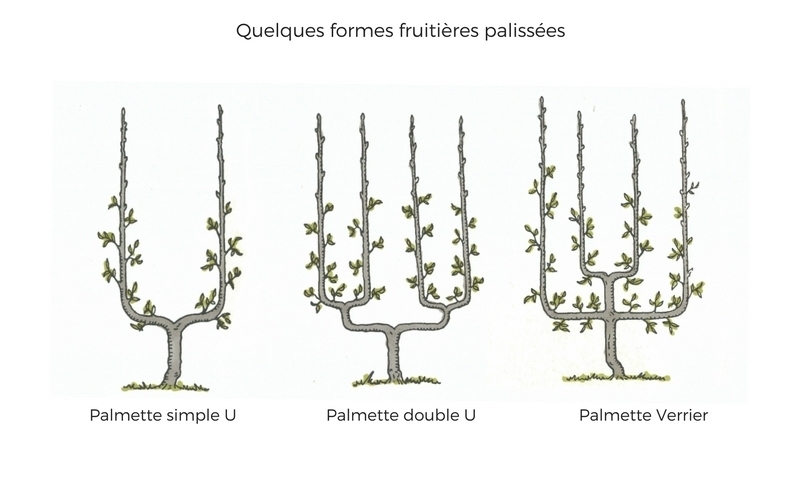
Training fruit trees is an art that produces very attractive, productive and space-saving specimens. At maturity their height varies greatly depending on the form, while their width remains around 50 cm. Single U palmette, double U, Verrier, vertical cordon (columnar) with one or two arms… All these forms have the advantage of suiting small gardens. Espaliered fruit trees are very practical and find their place against a well-exposed wall or planted in a line. Supported on a sturdy trellis, they form ornamental fruit hedges that enliven and define spaces with charm. Columnar forms can even be placed in the vegetable garden.
Espaliered fruit trees require a certain know-how: they must be pruned every year with care. They are rather intended for experienced gardeners and for those who enjoy learning. Nevertheless, the simplest forms such as cordons (vertical, single or double) are within reach of all pruning shears, even beginners’.
- Dwarf fruit trees: a special case
If dwarf fruit trees have been booming in recent years, it is because they can be grown anywhere: in pocket gardens and even in pots on a balcony or terrace. Selected for their very short internodes and grafted onto a dwarfing rootstock, their development is limited (maximum 2 metres in height) but they offer generous harvests of fruit just as large as standard varieties.
For full information on these varieties and their cultivation, discover our advice sheet: "Dwarf fruit trees"
Choosing a variety
Choice of variety is, admittedly, a matter of taste but not only...
When planting fruit trees or creating an orchard, you can opt for well-known, reputable varieties such as apple 'Belle de Boskoop', pear 'William's' or cherry 'Burlat', seek originality with the Nashi, for example, or cultivate authenticity with old varieties.
However, certain criteria should lead you to refine your selection.
- Fruit trees and varieties adapted to your climate and soil
If Arras figs and Vendée mirabelles do not enjoy a fabulous reputation everywhere, it is because climate and soil play a decisive role in production and fruit quality… and even in the tree’s survival! In continental and oceanic climates the range of possibilities is wide, but it narrows when conditions become more difficult.
The most determined may create favourable microclimates in their gardens or look for fruit trees on rootstocks adapted to their pedoclimatic conditions. But, in absolute terms, making informed choices is more sensible. Take inspiration from what is generally grown locally or select varieties that are hardy, accommodating and cold-resistant.
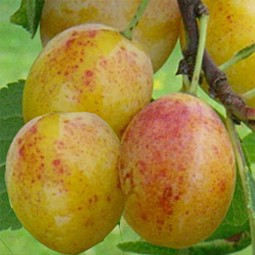
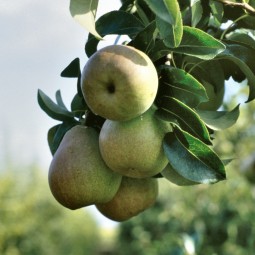
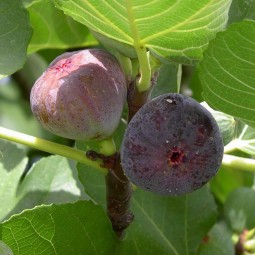
- Self-fertile or not?
Most fruit trees require the presence of another variety to fruit well (cross-pollination). Conversely, self-fertile varieties have the advantage of being self-sufficient and can therefore be planted alone, which is very useful when space is limited or when you want to grow many different fruits.
Packaging: bare roots or container-grown?
Our fruit trees are sold as bare roots or in pots. Bare-root trees are more economical, but planting is only possible during the dormant period and requires one extra precaution: coating the roots with pralin. Trees supplied in pots or containers, on the other hand, can be planted simply and all year round.
Now you’re briefed, all that remains is to take action! To carry out your planting properly, I invite you to consult our advice sheet: "Planting fruit trees".
It’s well known, “on Saint Catherine’s Day… every stick takes root”. It is indeed the ideal time to plant your fruit trees. Apple, cherry, pear, plum trees… Choosing a variety is not easy. It gets even more complicated when it comes to deciding on a form: scion, goblet, half-standard, standard, single U palmette or Verrier? […]
Picking your own fruit straight from the tree is a dream for many food lovers... even if they don't have the space for a full orchard. Why not combine the useful with the edible and plant a fruit hedge?
Fruit trees and berry bushes can all be planted in an edible hedge, regardless of the size of your garden.
Which fruit trees or bushes should I plant in my edible hedge?
Of course, the ideal is to design your fruit hedge according to your tastes (don't plant a medlar if you're not the type to eat over-ripe fruit!). Cherry, Apple, Pear, Plum trees, as well as Hazelnut, Raspberry, and Currant bushes are all classics. I don't think it's necessary to elaborate on these. Moreover, nature... and horticulture often hold delightful surprises, including in terms of taste. Here’s a small selection of trees or bushes, less common options chosen for their good productivity, originality, or the nutritional value of their fruits.
- The Black Elder 'Haschberg' (Sambucus nigra) is a highly regarded variety for its high productivity. However, you'll need to make a choice: pick its flowers in May to prepare fritters, make the famous elderflower lemonade, or wait until September to harvest its berries, which make delicious jams. This is a vigorous shrub that grows quickly, typically reaching a height of 4 metres and a width of 2 metres... but it prunes well and even forgives mistakes!
- The Thornless Blackberry (Rubus fruticosus) offers only advantages: fruit without the scratches! It can be easily trained on a trellis, making harvesting much easier. Among the many varieties, I particularly like 'Little Black Prince', a dwarf and compact variety that doesn't exceed one metre in height, as well as 'Thornfree', which is fast-growing, productive, and produces large fruit. Their only downside: children will help themselves long before you do.
- The Fig 'Icecrystal' (Ficus carica), which has a low growth habit (about 2 metres high and wide), is quite hardy, ideal for areas north of the Loire, and offers two fruiting periods per year. And, as the icing on the cake, its foliage, which is very lobed, is particularly ornamental. In heavy soil, be sure to plant it on a mound. Like all figs, it dislikes humidity.
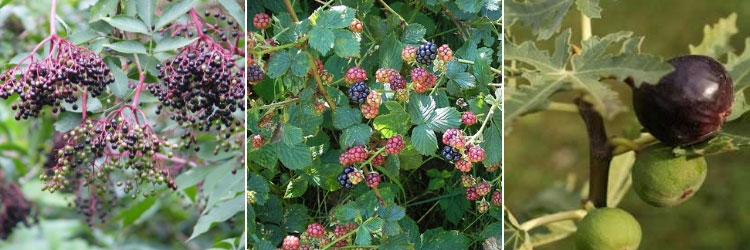
Black Elder 'Haschberg', Thornless Blackberry, and Fig 'Icecrystal'
- The "Mayberry" or Honeyberry (Lonicera caerula kamtschatica) is a bush honeysuckle with edible fruit. It hails from Siberia, which speaks to its hardiness... but it is not self-fertile, so you need to plant at least two for its lovely white flowers to produce, from mid-May, small, pruinose blue fruits, whose flavour lies somewhere between blueberry and kiwi. These prunes can be enjoyed fresh or dried, in juice, jam, or jelly.
- The Goji or Wolfberry (Lycium barbarum) is best known for its red berries with numerous properties (rich in vitamins, minerals, and antioxidants). Its origin is controversial (China? Mediterranean?), but I won't delve into the debate... because, in the end, it grows very well here! Its size varies depending on the variety: 'Sweet Lifeberry®' and 'Instant Success®' form compact shrubs (1.5 metres in all directions), while the species type can reach 3 metres under favourable conditions. Note that the purple flowers of the Wolfberry are charming and fit well in an ornamental garden.
- The Jostaberry or Caseille (Ribes x) gets its name from the contraction of blackcurrant and gooseberry. It’s the ideal fruit for those who can’t decide and for small gardens that require a choice. Self-fertile, this small fruit tree manages well on its own and forms a beautiful bush, without thorns, reaching 2 metres at maturity. Its black berries, larger than those of blackcurrants, develop a tart flavour... and can be enjoyed, as you might have guessed, like blackcurrants or gooseberries.
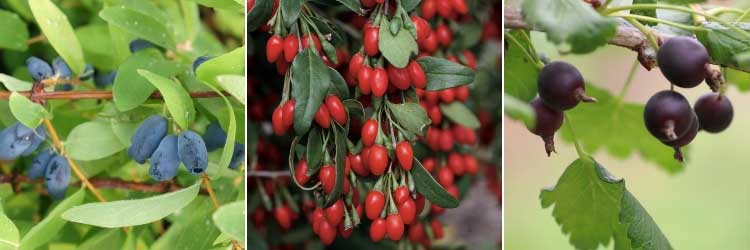
Mayberry, Goji, and Jostaberry
- The Sea Buckthorn (Hippophae rhamnoides), not to be confused with the Strawberry Tree (whose fruits are also edible), is not just popular with chickens! This is a low-maintenance thorny shrub that produces decorative orange berries and, most importantly, is very high in vitamin C, which can be consumed fresh, in compote, jam, or syrup. Self-fertile, the variety 'Friesdorfer orange' is now available in our catalogue, so don't miss out!
- The Nashi (Pyrus pyrifolia) is also one of those fruit trees that could be described as "2 in 1": it’s no wonder it’s called, interchangeably, "Apple Pear" or "Pear Apple." It is not the result of hybridization, as it is actually an Asian pear that produces round fruits like apples, with a taste closer to that of pears. Some varieties like 'Shinseiki' or 'Nijisseki' are self-fertile. Non-self-fertile varieties can be pollinated by a different variety or by the Williams Pear.
- The Serviceberry, particularly the variety Saskatoon berry (amelanchier alnifolia), is a variety that comes straight from the USA. Hardy and robust, it forms a small shrub about 3 metres high and can produce up to 8 kg of sweet berries.
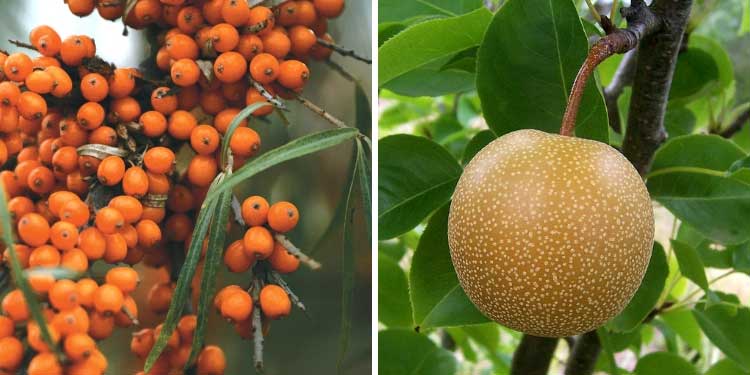 Sea Buckthorn and Nashi
And to top it all off, don't hesitate to plant some herbs (Mint, Lemon Balm, Golden Oregano) at the base of your edible hedge; they will create a lovely border and help reduce weeding.
Planting a fruit hedge: some tips
Unlike traditional hedges, the primary goal of a fruit hedge is not to create a green wall but to harvest fruit.
To achieve this, when planting, allow for generous spacing to:
- let each tree or bush fully express itself,
- allow light to penetrate,
- facilitate pruning, which should be tailored to each fruit tree to encourage fruiting.
Depending on the size and layout of your garden, fruit hedges can be installed:
- on the perimeter, to mark the property line or as a boundary (discuss with your neighbours... when it comes to fruit, creating a hedge and especially sharing the harvest is generally a well-received idea)
- within the garden itself to define spaces... and ideally, in two rows and staggered to save space in length while also achieving a beautiful natural appearance.
Picking your own fruit straight from the tree is a dream for many food lovers… even if they don’t have the space for a full orchard. Why not combine the useful with the edible and plant a fruit hedge? Fruit trees and berry bushes can all be planted in an edible hedge, regardless of the […]
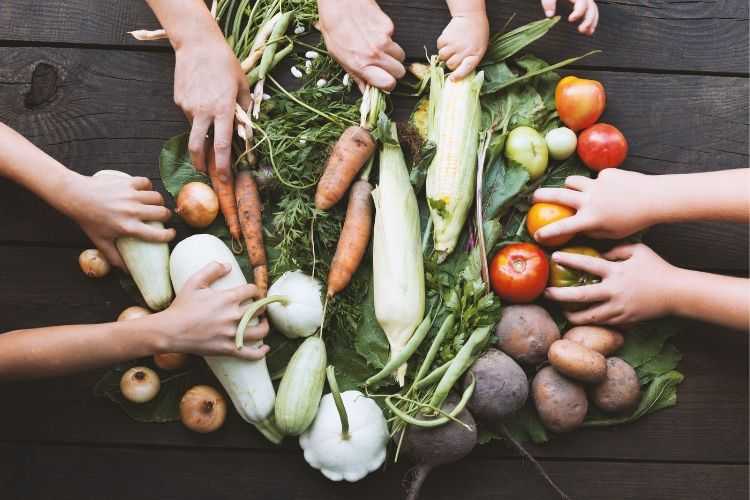
Here in August, our vegetable garden becomes a veritable cornucopia: tomatoes, courgettes, beans, to name but a few, are harvested in such quantities you do not know what to do with them. And that is precisely the problem. So, if you too are buried under surplus produce, here are a few ideas to avoid wasting your vegetables.
Idea No. 1: Give away or swap surplus vegetables
Sharing harvests is a pleasure… provided it is done with restraint. Bringing your neighbours a full crate of courgettes is a kind gesture, certainly. But unless you live next door to an XXL family, it simply shifts the problem, because they too may not know what to do with them! Next time, they may well pretend to be out when they see you approaching with a basket, even when empty. So give, but first make sure your friends will have time to use the vegetables, and bear in mind that a small mixed basket (especially if it contains strawberries) is more popular.
Also consider contacting local charities and other community food shops; they will be able to tell you what they need.
Idea No. 2: Sell your produce, at home or online
Selling your produce is also an option. It may seem mean, but the vegetables you grow have value; they did not grow by themselves. I have not found specific legislation on the subject; however, it appears tax authorities have no objection provided your vegetable garden is under 500 m² and is attached to your home. Out of fairness to professional market gardeners, do not set up on markets. Putting up a sign outside your house, advertising on Le Bon Coin or a local Facebook group is often enough to attract interested people. Another option is to register on a dedicated site, such as Le potiron.fr or cavientdujardin.fr
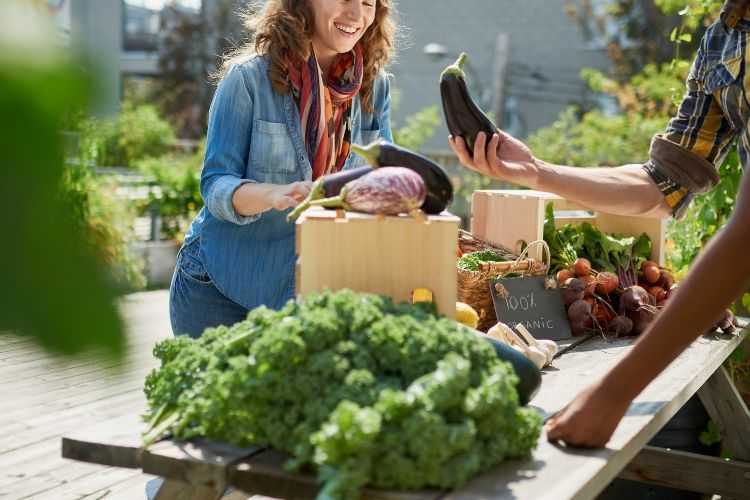
I have heard that in some English villages, surplus vegetables are sometimes left outside the house, accompanied by an honesty box where anyone can drop a coin. Clever, isn't it? Have you ever heard of this practice?
Idea No. 3: Transform them… but be inventive!
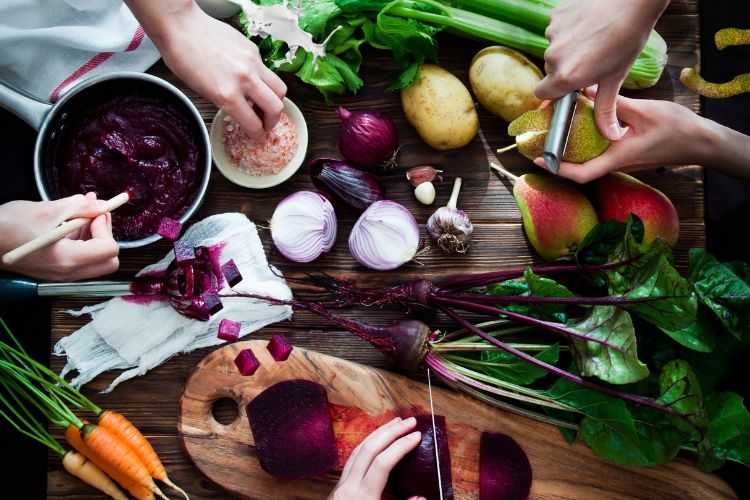
Let's think: what is the real problem with surplus harvests? Often, truth be told, it is the boredom ("More beans?") caused by the cook's lack of imagination, isn't it? Talent helps too, and time above all… Nonetheless, facing a glut of courgettes can lead to new taste experiences: ratatouille is not the only option! Why not try apple-and-courgette salad, courgette fritters or courgette cake? Perhaps a homemade gazpacho? 100% vegetable lasagne? Remember how lovely it is, in the depths of February, to rediscover the flavour of summer vegetables. That should give you a bit of courage to tackle the next point:
Idea No. 4: Preserve, yes, but with discernment
Ah, the memory of my grandmother's "Le Parfait" jars, meticulously lined up in the larder! Who has not wanted to take up the tradition of home preserves again? It is easy and economical.
On preserving fruits and vegetables, we have prepared two guides you can consult:
But it requires time, suitable equipment and, above all, enough space to store everything.
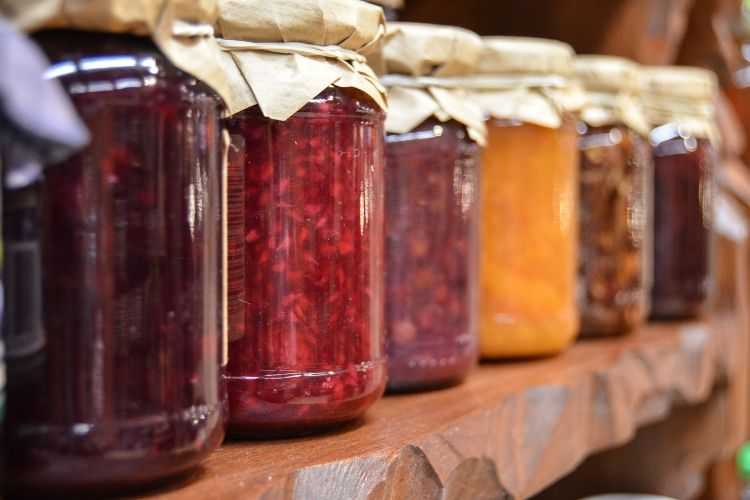
So take stock before you start:
- how much space you have, including freezer space?
- what are your eating habits? Do you regularly eat preserves or frozen meals, or are you a fan of 100% fresh, seasonal produce?
- are you more into jam, fruit in syrup or do you prefer chilled smoothies?
- do you have several weekends to dedicate to preparing preserves?
If the answers are: I have no space / I only eat fresh produce / I don't like jam / I'd rather read on the terrace or go to the beach... go back to ideas No. 1 and 2 🙂
And you? What are your tips for dealing with an overly generous harvest? Any recipes?
Here in August, our vegetable garden becomes a veritable cornucopia: tomatoes, courgettes, beans, to name but a few, are harvested in such quantities you do not know what to do with them. And that is precisely the problem. So, if you too are buried under surplus produce, here are a few ideas to avoid wasting […]
It is often believed that allowing wild herbs to grow at the base of fruit trees is detrimental to their growth, and that if they are not cut back frequently, all sorts of diseases may spread. On the contrary, it seems they offer more benefits than drawbacks, and while some may give a "neglected" look to the garden, many have been selected for years to be part of the composition of fallow and flowering meadows.
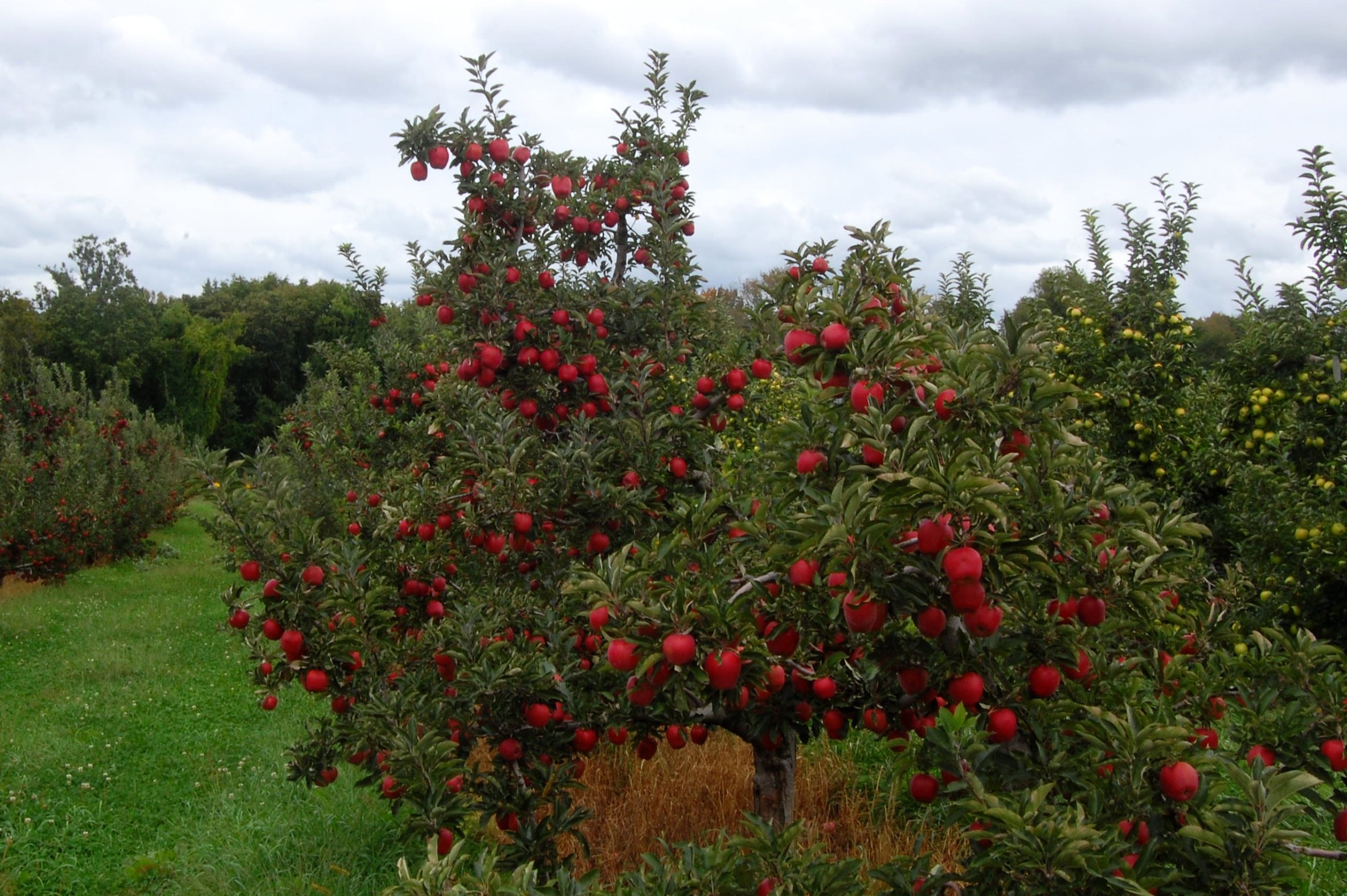
While the natural criterion is important in the garden, particularly in the orchard and vegetable patch, aesthetic appeal also matters. Fallow and flowering meadows have the benefit of combining aesthetics and ecology; they prove to be valuable allies in fighting pests and/or improving yields while maintaining an attractive flowering display. The numerous seed mixes found in flowering fallows enrich the soil, attract pollinators, and even aerate the earth, with each mix having its own specificities.
Flowers to improve yields
To improve yields, one should choose mixes rich in melliferous plants. Although they bloom much later than fruit trees, their flowers provide shelter and food resources in the late season for pollinators, which, well-fed with nectar, reproduce and nest in the orchard. Once established, insect populations are ready in spring to pollinate the first flowers of cherry and apple trees.
To enrich and aerate the soil
To enrich soil, mixes composed of leguminous plants will be used, as they act directly on the soil. Clover, for example, is capable of fixing nitrogen from the air and storing it in the nodosities of its roots. As it grows, it gradually releases this nitrogen, benefiting the surrounding plants.
To aerate soil and make it more permeable, one should look towards herbaceous plants with taproots. Dandelions, of course, but also all plants from the umbellifer family, which have powerful roots that break up the soil, making it softer and more aerated.
Promoting biodiversity in the orchard
In addition to these specific mixes, flowering fallows create a protective environment that promotes biodiversity and helps establish an ecological balance; they cover and protect the soil from erosion and dehydration, being much more frugal in nutrients and water than a lawn mowed every week. In summer, fruit trees provide protective shade, while the fallow offers nutrients and freshness at the base of the trees, creating a win-win exchange. Finally, this protective mat cushions the fall of fruits, preventing them from bruising and allowing them to be stored for much longer.
How to sow your flowering meadow at the base of fruit trees
Establishing a flowering fallow is simple; sowing takes place in spring, around April/May, on a soft and clean surface. First, prepare the soil by removing weeds*, lightly tilling the surface to a depth of 5-10 cm, and raking the soil to break it up. Sow the flower mix, ensuring the seeds are well scattered, then lightly cover the seeds with soil using a rake, compact the soil, and water lightly to press the seeds into the ground. Germination is quick, taking 1 to 3 weeks; once the seedlings develop, keep the soil moist for 3-4 weeks. After this period, the fallow becomes self-sufficient, and the first flowers will bloom.
*The most effective method is to eliminate weeds a few months in advance, around August/September, by covering the soil with either a tarp or cardboard, which you will then bury in the soil in spring.
It is often believed that allowing wild herbs to grow at the base of fruit trees is detrimental to their growth, and that if they are not cut back frequently, all sorts of diseases may spread. On the contrary, it seems they offer more benefits than drawbacks, and while some may give a “neglected” look […]