Prunus domestica Węgierka Dąbrowicka - Common plum
Prunus domestica Węgierka Dąbrowicka - Common plum
Prunus domestica Węgierka Dąbrowicka
Plum, European Plum
Back-to-school special offer!
Get €10 off for every €50 you spend! And get up to €40 off on a single order.
How does it work?
1. Shop your favourites
Add your favourite plants to your basket. For every €50 you spend (excluding delivery charges, store credit and the plastic-free option), you’ll receive a €10 voucher.
€50 spent = €10 voucher
€100 spent = €20 voucher
€150 spent = €30 voucher
€200 spent = €40 voucher
2. Place your order
Once your basket reaches one of the spending thresholds, place your order. You can even choose your delivery date!
3. Receive your voucher
As soon as your order has been shipped, you’ll receive an email containing your personal voucher code and its value.
4. Use it on your next order
Your voucher is valid for 90 days from the date you receive it. It can be used once only, on a new order worth at least the value of the voucher, excluding delivery charges.
Please note: Vouchers can be combined with other offers, but cannot be split or refunded.
Home or relay delivery (depending on size and destination)
Important: You may be charged customs duties by your country’s customs authorities upon delivery.
Schedule delivery date
and select date in basket
This plant carries a 12 months recovery warranty
More information
We guarantee the quality of our plants for a full growing cycle, and will replace at our expense any plant that fails to recover under normal climatic and planting conditions.
Description
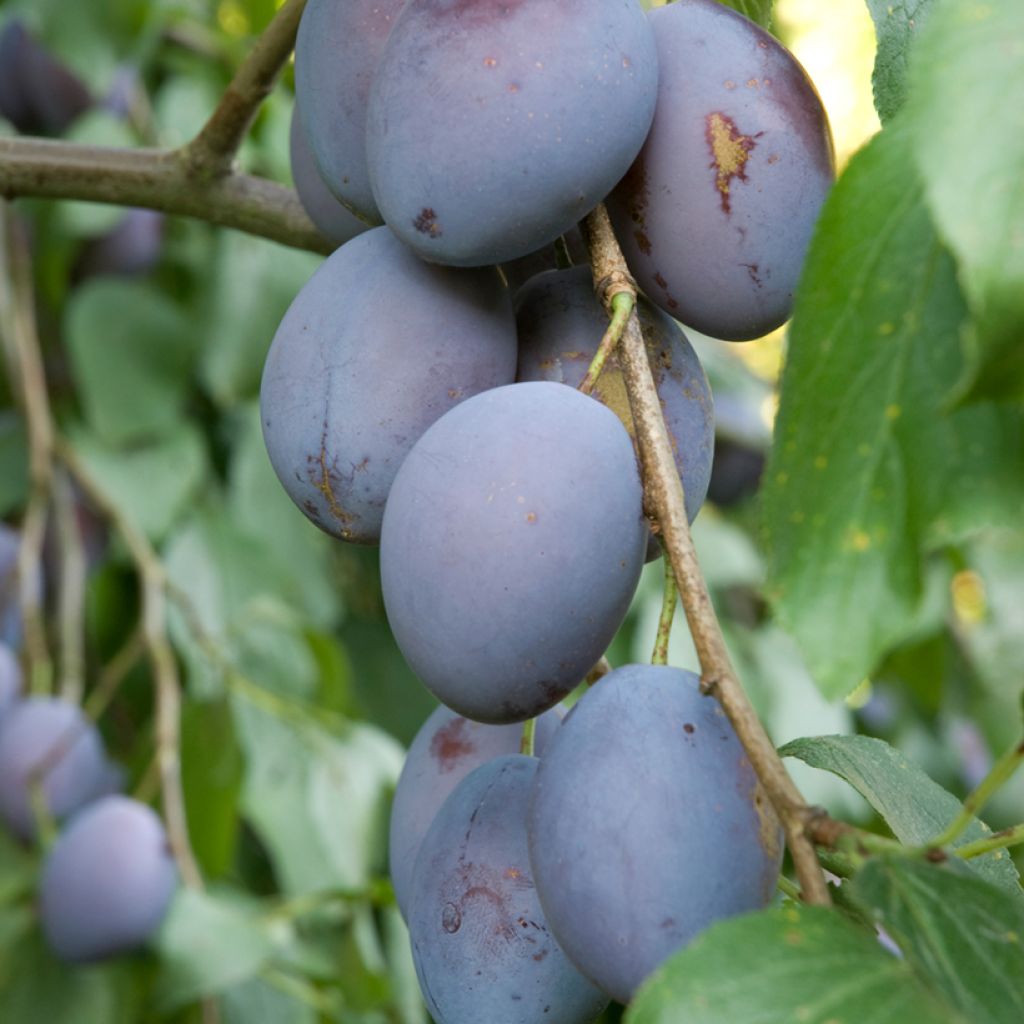
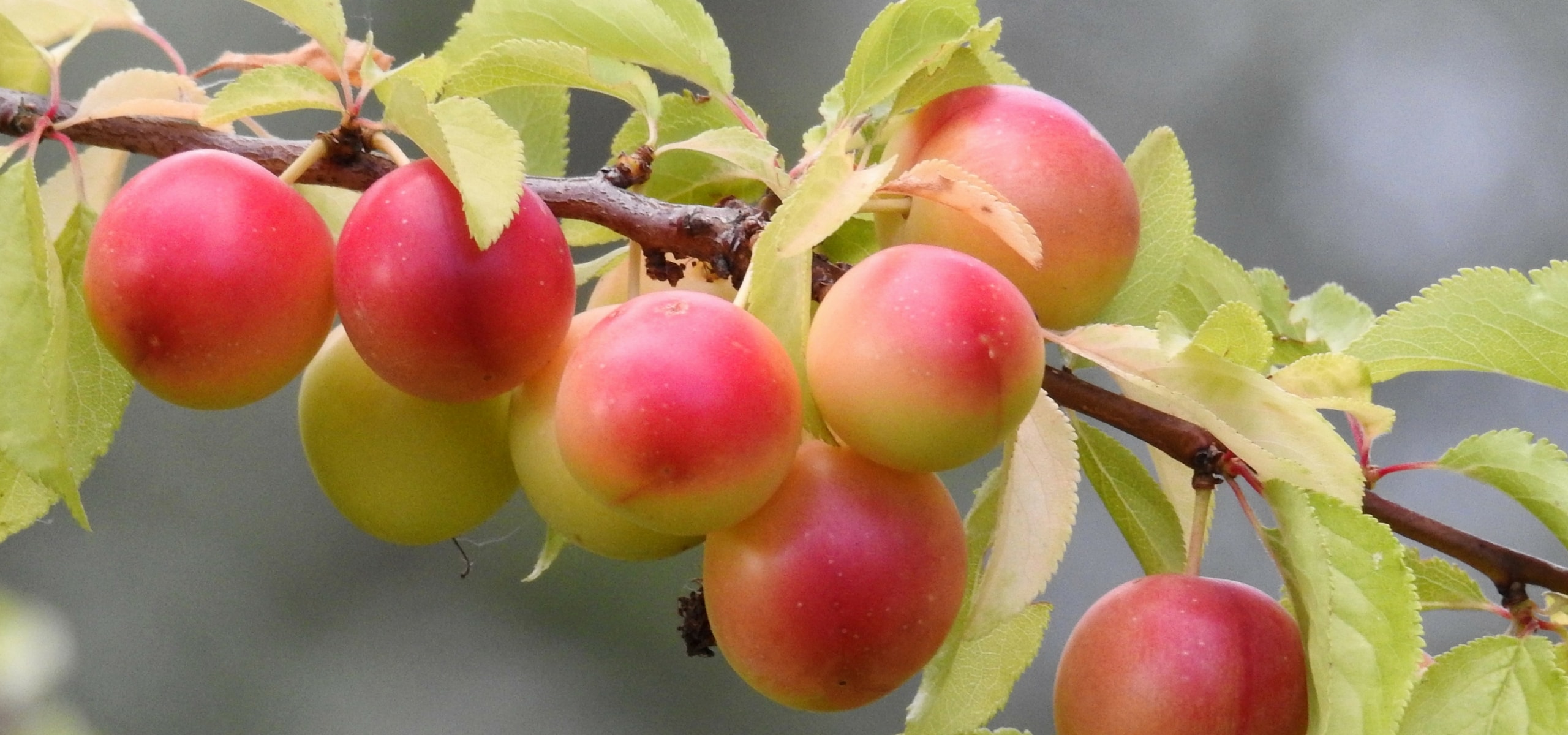
Prunus Węgierka Dąbrowicka is a Polish variety of Plum widely grown in orchards. It is interesting for its abundant, but often irregular, biennially bearing. It produces relatively large, navy blue fruits with a hint of purple. The yellowish-green flesh is sweet and easily separates from the stone. Flowering in April, harvesting takes place as early as August. A medium-sized fruit tree, easy to grow, not very susceptible to diseases, but requiring a companion plant as it is not self-fertile.
The Prunus genus, rich in 300 species of both fruit and ornamental trees, belongs to the vast Rosaceae family (around 5000 species). This family hosts most of our cultivated fruit trees, as well as many wild plants in our countryside, and numerous ornamental plants (Rhaphiolepis, Photinia, Exochorda...). The Common Plum, or Prunus domestica, likely originates from a cross between the Blackthorn (P. spinosa) and the Cherry Plum (P. cerasifera). It is native to Anatolia and the Caucasus, where it grows up to 1300 m altitude, forming a tree up to 8 to 10 m tall, with brittle branches and elongated, reddish or purple fruits. It has been extensively cultivated and improved in Western Asia, notably in Syria, where the Damson Plums were highly valued by the Romans. It is believed to have been introduced to Europe during the Crusades.
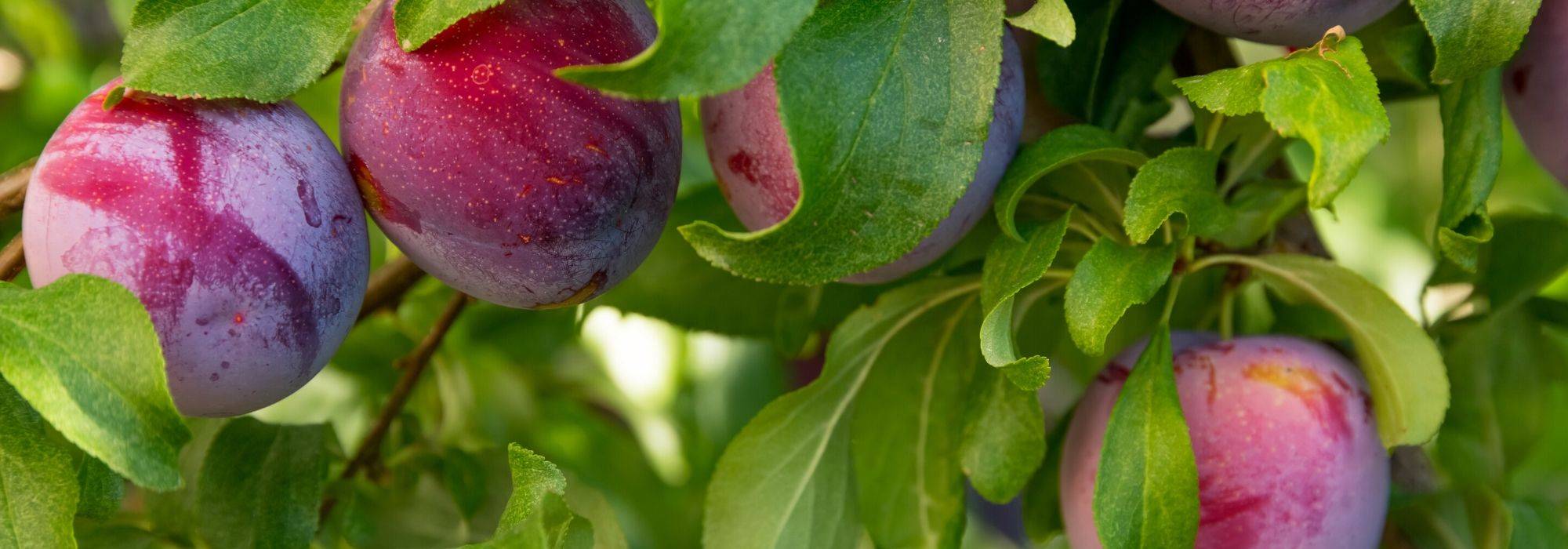
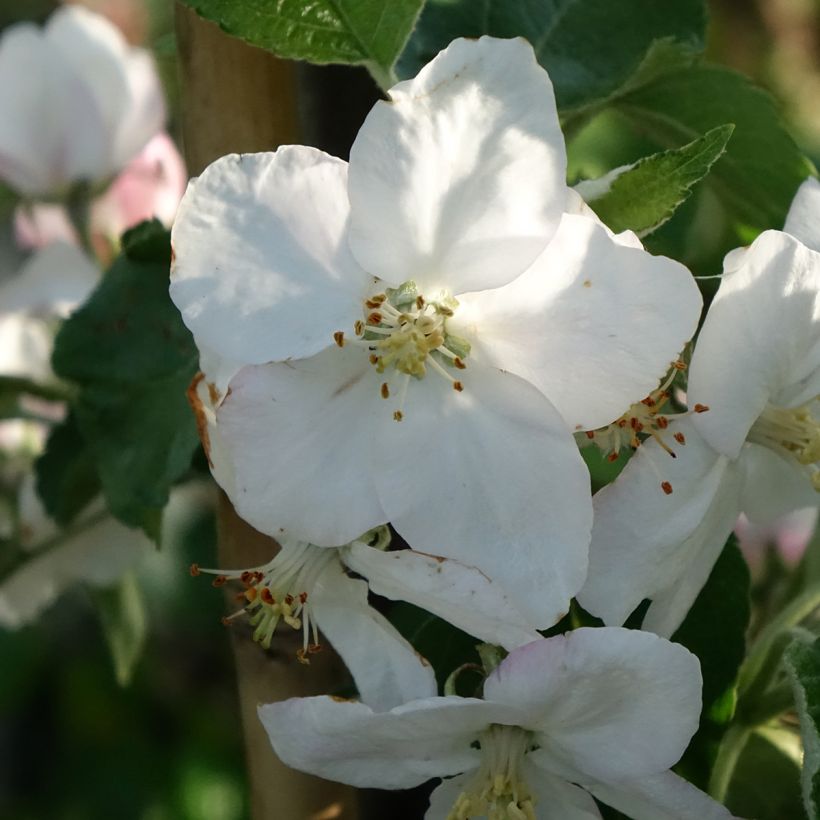
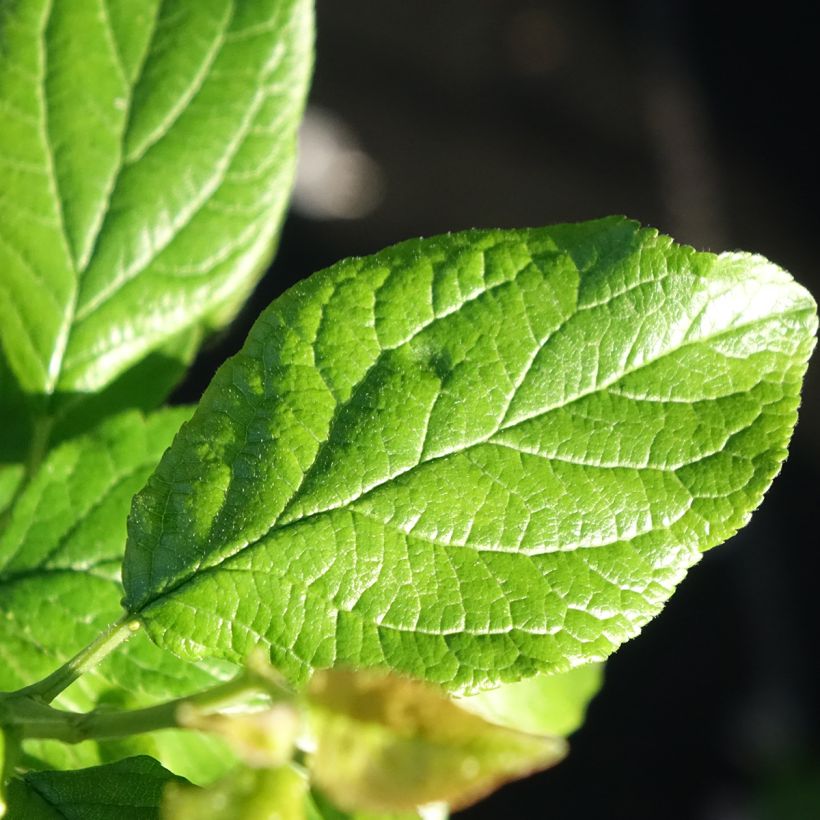
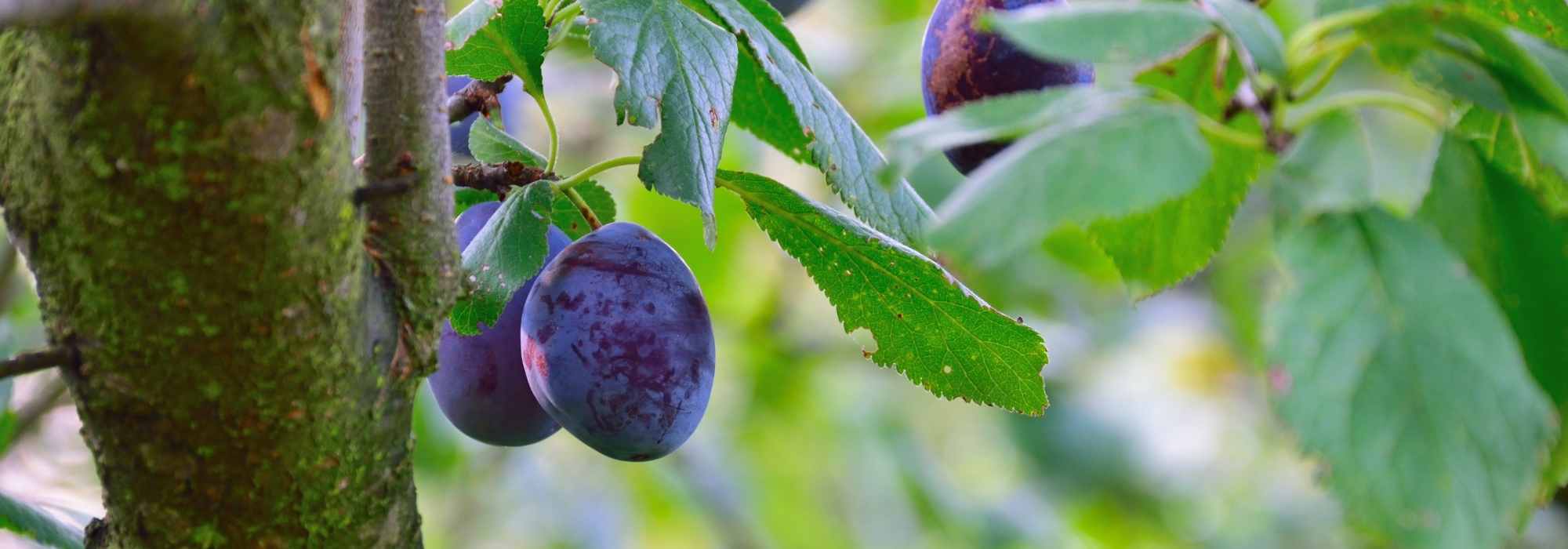
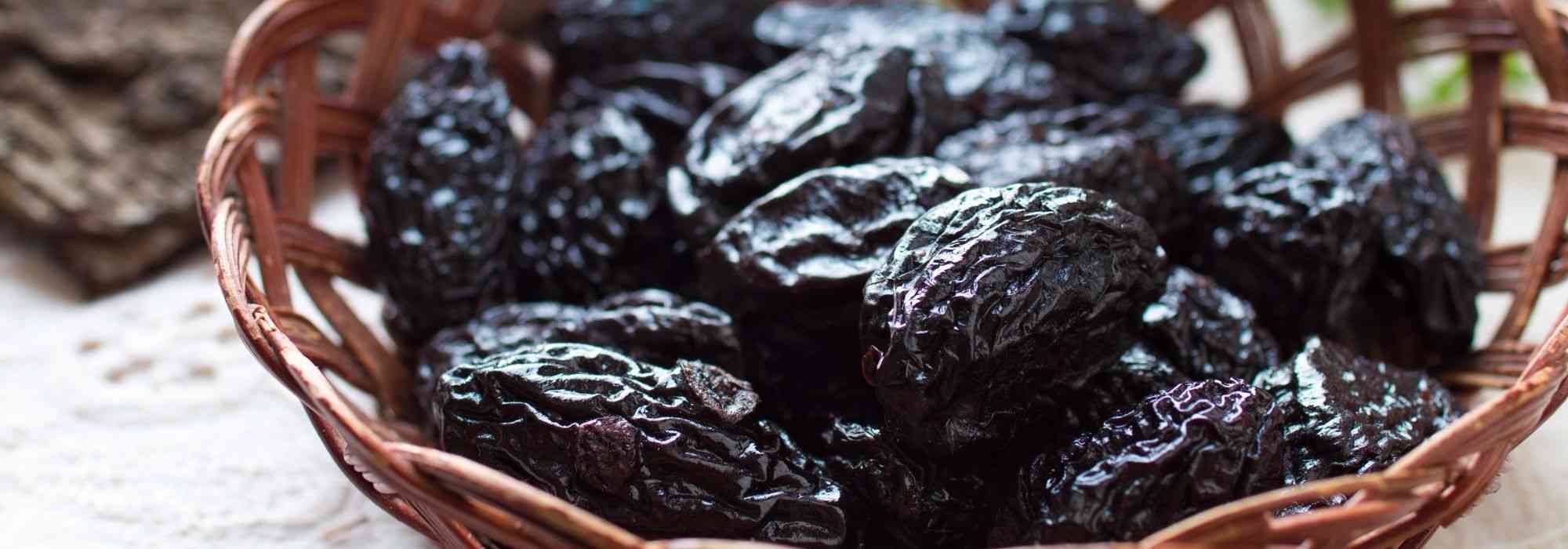
'Węgierka Dąbrowicka' is a Polish variety selected in 1962 by A. Jackiewiczowa at the Horticultural Institute of Skierniewice, in the central part of the country. A medium-sized tree, this Plum tree reaches approximately 5 m in height and 4 m in spread, with a moderately dense to dense, more or less spherical crown. It has a moderate growth rate and bears fruit early, usually from the 2nd year. Flowering occurs in April, shortly before the new leaves emerge. The small, 1.5 to 2 cm diameter flowers, are single, composed of 5 rounded, pure white petals, highlighted by the rust-orange heart of the corolla, from which a cluster of white stamens with yellow tips emerge. they are honey-producing and delight pollinating insects. The young, beautiful light green leaves, appear before the end of flowering, growing up to 8 to 10 cm in length, taking on an elongated elliptical shape as they turn from light to medium to dark green. Not self-fertile, the flowers need to be pollinated by pollen from other varieties, among which the most compatible are 'Cacanska Rana', 'Renkloda Ulena', 'Opal', 'Węgierka Łowicka', 'Empress', 'Cacanska Najbolja', 'Amers', 'Bluefree', 'Herman', 'Ruth Gerstetter'... A tree of one of these varieties should be planted nearby for a successful harvest. In this case, the fruiting will often be abundant, although, especially in poor soil, heavy harvests may lead to lower yields the following year, as this variety tends to alternate. From August, the plums are ready to be harvested. Fairly large, weighing 30 to 35 g and up to 40 g in fertile soil, the fruits have a dark navy blue skin, with a surface bloom. Their yellowish-green flesh is sweet and tangy, easily separating from the stone. These succulent plums can be eaten fresh or used for making jams or preserves. Fresh plums are low in calories (45 kcal/100 g) and have a low glycemic index. Dried plums have 260 kcal/100 g. Due to their alkalising compounds that neutralise excess digestive acids, dried plums can be beneficial in dishes that are hard to digest.
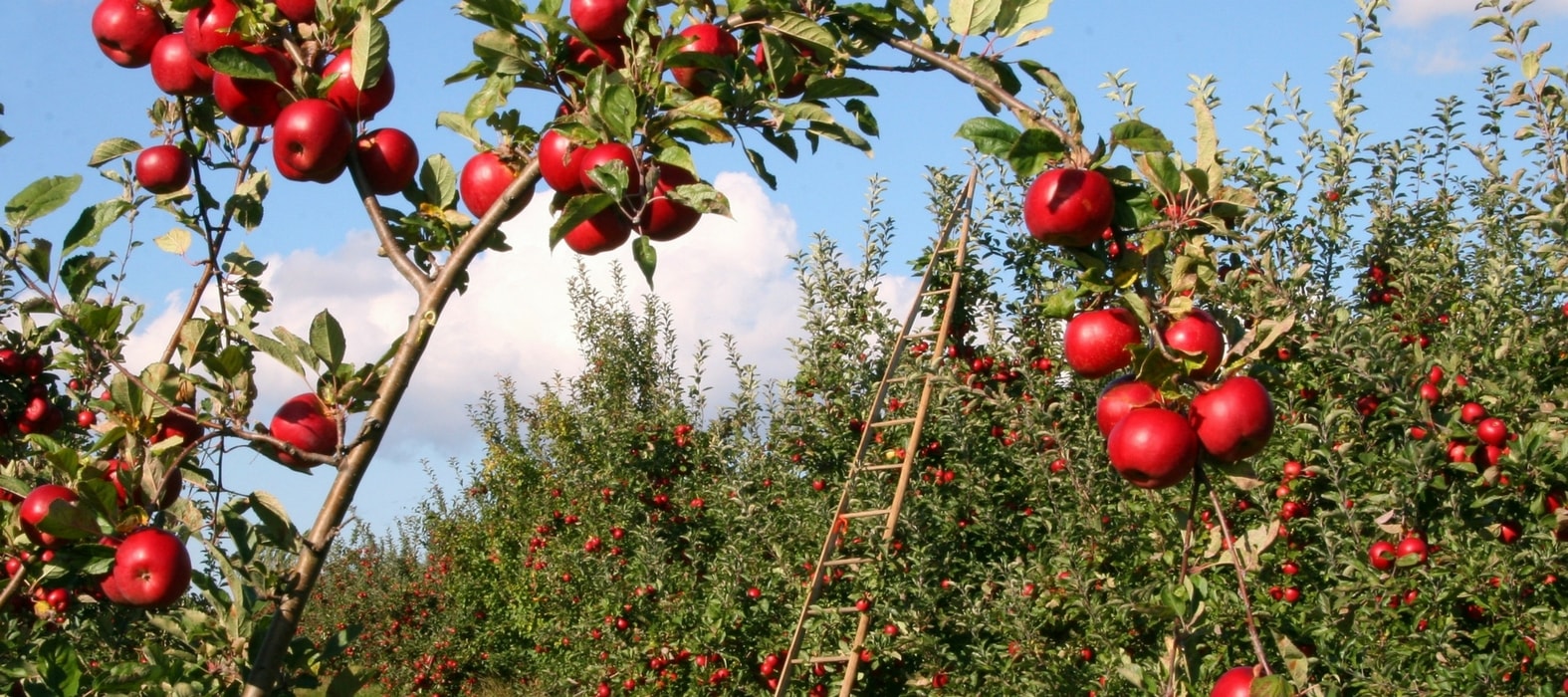
Prunus Węgierka Dąbrowicka is an easy-to-grow variety, best suited to sunny locations in moist, well-drained, fertile soil to reduce its biennial bearing tendency. It will find a place in an orchard where you can plant it alongside other fruit trees like Apple trees and Pear trees, choosing staggered ripening varieties to extend the harvest season. Also, consider soft fruits like Redcurrants and Raspberries to diversify your harvest as summer approaches.
Prunus domestica Węgierka Dąbrowicka - Common plum in pictures
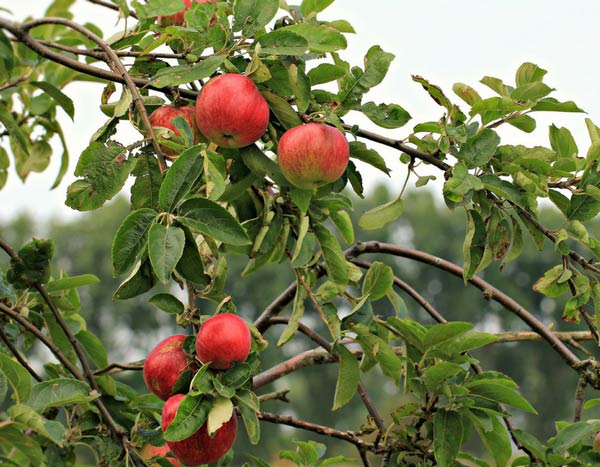
Plant habit
Fruit
Flowering
Foliage
Botanical data
Prunus
domestica
Węgierka Dąbrowicka
Rosaceae
Plum, European Plum
Cultivar or hybrid
Planting and care
Easy to grow Plum Tree 'Węgierka Dąbrowicka' thrives in light, rich soils, preferably neutral or slightly chalky and moist, without excess humidity. If the soil is too acidic, a soil improver will be needed to raise the pH level. Ensure proper drainage in the planting hole with a thin layer of gravel. Dig a hole two to three weeks before planting, twice as wide and deep as the pot. On the day of planting, place the tree with its pot in a basin of water to moisten the entire root ball. Add compost to the bottom of the hole, then place the root ball in it, backfill with soil mixed with compost. Be careful not to bury the graft union (if grafted at the base). Water generously to compact the soil. In winter, you can add a small scoop of wood ash, rich in potash, to enhance fruiting.
Planting period
Intended location
Care
Planting & care advice
-
-
-
-
-
-
-

-
This item has not been reviewed yet - be the first to leave a review about it.
Recently viewed products
Haven't found what you were looking for?
Hardiness is the lowest winter temperature a plant can endure without suffering serious damage or even dying. However, hardiness is affected by location (a sheltered area, such as a patio), protection (winter cover) and soil type (hardiness is improved by well-drained soil).
In temperate climates, pruning of spring-flowering shrubs (forsythia, spireas, etc.) should be done just after flowering.
Pruning of summer-flowering shrubs (Indian Lilac, Perovskia, etc.) can be done in winter or spring.
In cold regions as well as with frost-sensitive plants, avoid pruning too early when severe frosts may still occur.
The harvesting period indicated on our website applies to countries and regions in USDA zone 8 (France, England, Ireland, the Netherlands).
In colder areas (Scandinavia, Poland, Austria...) fruit and vegetable harvests are likely to be delayed by 3-4 weeks.
In warmer areas (Italy, Spain, Greece, etc.), harvesting will probably take place earlier, depending on weather conditions.
The sowing periods indicated on our website apply to countries and regions within USDA Zone 8 (France, UK, Ireland, Netherlands).
In colder areas (Scandinavia, Poland, Austria...), delay any outdoor sowing by 3-4 weeks, or sow under glass.
In warmer climes (Italy, Spain, Greece, etc.), bring outdoor sowing forward by a few weeks.
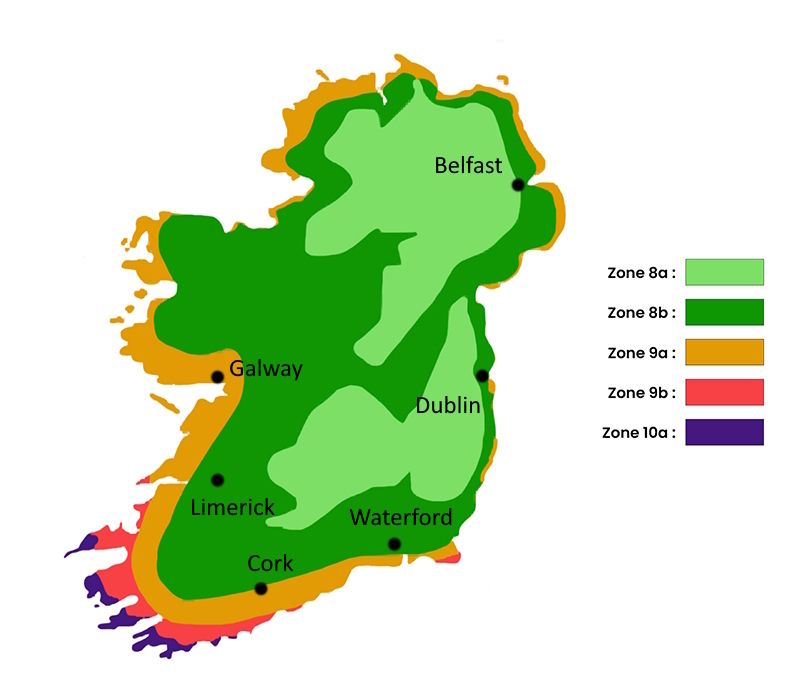
The planting period indicated on our website applies to regions in USDA Zone 9a (East Coast and Midlands: Dublin, Wexford, Waterford, Kilkenny, Portlaoise). It will vary depending on where you live:
- On the west coast and in the north-west (Galway, Limerick, Sligo, Donegal, Westport), delay planting by 1 to 2 weeks in spring and bring it forward by 1 to 2 weeks in autumn compared to the dates given, preferably choosing periods without strong winds.
- In the inland hills and plateaus (Wicklow Mountains, Macgillycuddy’s Reeks, Connemara, Killarney), it is best to plant in spring (April–May) or autumn (September–October), avoiding periods of waterlogged soil in winter and strong winds, which pose the main risk to newly planted trees in these areas.
The flowering period indicated on our website applies to regions in USDA Zone 9a, such as the East Coast and Midlands, including Dublin, Wexford, Waterford, Kilkenny and Portlaoise.
This will vary depending on where you live:
- On the west coast and in the northwest (Galway, Limerick, Sligo, Donegal and Westport), it will be delayed by one to two weeks compared to the given dates, due to stronger Atlantic winds and less spring sunshine.
- In the inland hills and plateaus (the Wicklow Mountains, the Macgillycuddy's Reeks, Connemara and Killarney), flowering will be delayed by two to three weeks. Flowering mainly occurs between May and July, with the limiting factors being less frost and more of the excessive humidity, strong winds and lack of sunshine that are characteristic of these areas.
Shipping country and language
Your country of residence may be:
Your country of residence is:
For a better user experience on our website, you can select:
Your shipping country:
-
 Austria
-
 Belgium
-
 Bosnia & Herzegovina
-
 Bulgaria
-
 Croatia
-
 Cyprus
-
 Czechia
-
 Denmark
-
 Estonia
-
 Finland
-
 France
-
 Germany
-
 Greece
-
 Hungary
-
 Iceland
-
 Ireland
-
 Italy
Italy
-
 Latvia
-
 Liechtenstein
-
 Lithuania
-
 Luxembourg
-
 Malta
Malta
-
 Netherlands
-
 Poland
-
 Portugal
-
 Romania
-
 Serbia
-
 Slovakia
-
 Slovenia
-
 Spain
Spain
-
 Sweden
-
 Switzerland
Language:
-
French
-
 English
-
Spanish
-
Italian
-
German
-
Portuguese
-
Dutch
-
Finnish
My Account
Hello
My wish lists
My cart
Log in / Register
Existing customer?
This form is protected by reCAPTCHA - the Google Privacy Policy and Terms of Service apply.
New customer?
Create an account to track your orders, access our customer service and, if you wish, make the most of our upcoming offers.