Corymbia citriodora Lemon Bush - Lemon-scented gum
Corymbia citriodora Lemon Bush - Lemon-scented gum
Corymbia citriodora Lemon Bush
Lemon-scented Gum, Citron-scented Gum, Lemon-scented Eucalyptus
Back-to-school special offer!
Get €10 off for every €50 you spend! And get up to €40 off on a single order.
How does it work?
1. Shop your favourites
Add your favourite plants to your basket. For every €50 you spend (excluding delivery charges, store credit and the plastic-free option), you’ll receive a €10 voucher.
€50 spent = €10 voucher
€100 spent = €20 voucher
€150 spent = €30 voucher
€200 spent = €40 voucher
2. Place your order
Once your basket reaches one of the spending thresholds, place your order. You can even choose your delivery date!
3. Receive your voucher
As soon as your order has been shipped, you’ll receive an email containing your personal voucher code and its value.
4. Use it on your next order
Your voucher is valid for 90 days from the date you receive it. It can be used once only, on a new order worth at least the value of the voucher, excluding delivery charges.
Please note: Vouchers can be combined with other offers, but cannot be split or refunded.
Home or relay delivery (depending on size and destination)
Important: You may be charged customs duties by your country’s customs authorities upon delivery.
Schedule delivery date,
and select date in basket
This plant carries a 6 months recovery warranty
More information
We guarantee the quality of our plants for a full growing cycle, and will replace at our expense any plant that fails to recover under normal climatic and planting conditions.
Does this plant fit my garden?
Set up your Plantfit profile →
Description
The Eucalyptus citriodora, now renamed Corymbia citriodora, is famous for the earthy scent of its foliage from which lemon-scented Eucalyptus essential oil is extracted. It is a hardy tree only in the orange zone, capable of reaching large dimensions in open ground and in favorable climates. Its evergreen foliage with a slightly grayish color emits a fragrance in humid weather. This eucalyptus is also appreciated for its decorative bark, straight trunk, and translucent foliage that provides light shade. While successful germination requires some experience and skill, its cultivation presents no particular difficulty in well-drained soil, even if it is poor and dry in summer. It adapts well to container cultivation, where it can be maintained for several years. This allows amateur gardeners who enjoy exotic plants to protect it from the cold in winter.
The Corymbia citriodora is a tree from the Myrtaceae family native to Eastern Australia, specifically Queensland. In its natural habitat, it can reach a height of about 50m (164ft). On the French Riviera, it rarely exceeds 27m (89ft) in height and 18m (59ft) in width. Cultivating it in containers allows for much smaller proportions, at least during its young years, and outdoor cultivation during the warm season in all regions. It prefers acidic or basic soil (rich in volcanic rocks such as basalt or peridotite), but not too calcareous, with good drainage and low nutrient content. This eucalyptus does not tolerate heavy and compact soils, especially clayey ones. Young plants must be protected from frost.
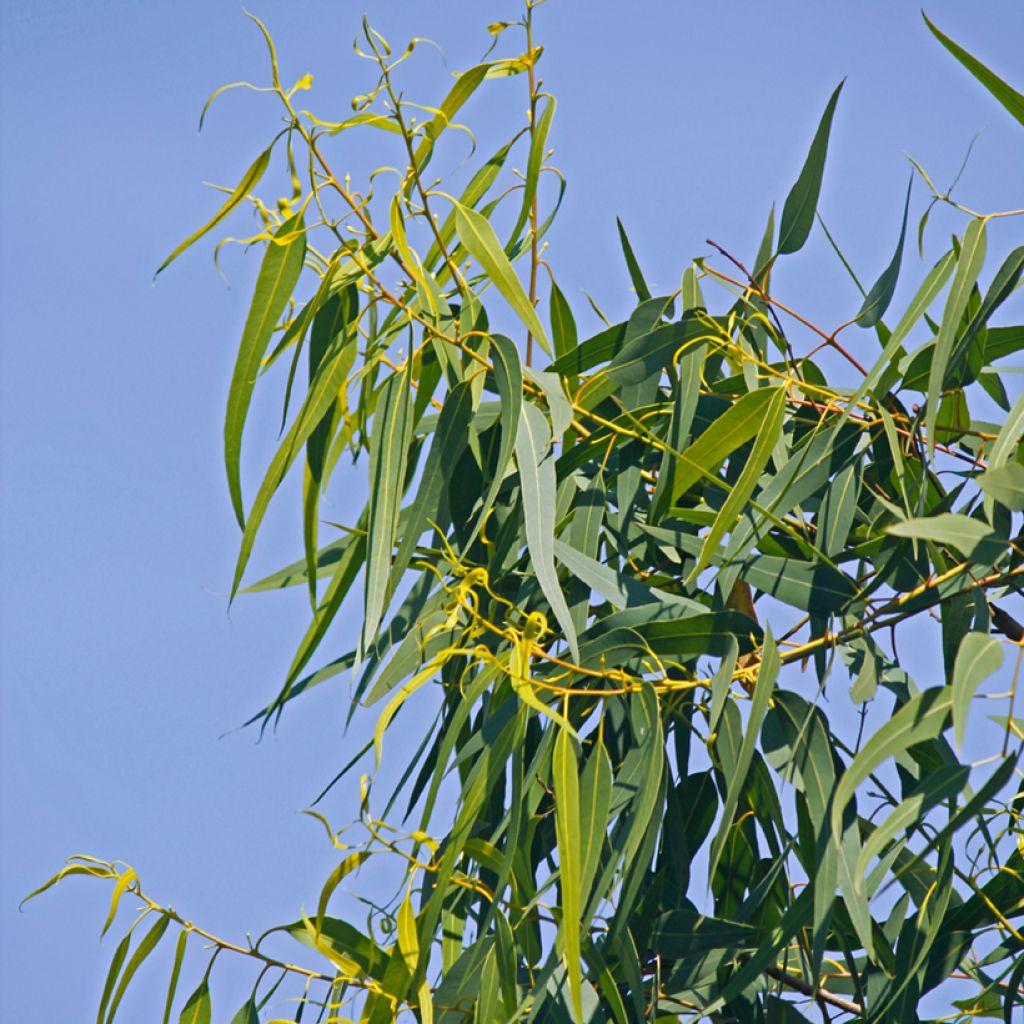
The lemon-scented Eucalyptus has a sparsely branched habit, with a very straight trunk and a light, underdeveloped canopy. It is covered with fibrous bark that changes colour throughout the seasons: from white to pink or light beige, while flaking into small irregular patches, usually at the end of June. The branches bear evergreen leaves in winter. They are entire, narrow, and lanceolate (ending in a point), measuring 7 to 15 cm (3 to 6in) long and 0.7 to 1.50 m (2 to 5ft) wide. Their colour is a beautiful soft grey-green. The shape of the leaves varies depending on the age of the branch that bears them: on young branches, they are wide, without petioles, pubescent, and slightly wavy. Later, the developing leaves are carried by a long petiole. They elongate and become thinner while becoming leathery and glabrous. In pots, the shrub can be pruned every spring:
Mature trees will bloom in summer. The flowers, cream-yellow in colour, are grouped in inflorescences of 11 to 20 units that arise from the axils of the leaves. The fruits of Corymbia citriodora are small woody capsules containing numerous very fine seeds.
Eucalyptus citriodora can be planted in open ground on a narrow strip of the Mediterranean coast, or in pots anywhere else. It can be used as a specimen tree, in rows, or in groups in a large garden. Traditionally, mimosas (Acacia sp) are among the few shrubs and trees that appreciate the close company of Eucalyptus, which deplete the soil's water and nutrient reserves. In an exotic setting, they can be combined with tall palms (Jubea chilensis), Banksia, Metrosideros, large Grevillea, etc.
Aromatherapy uses: rubbing the foliage on the skin is said to repel mosquitoes. Due to its composition, rich in anti-inflammatory properties, lemon-scented Eucalyptus is traditionally used to relieve rheumatic pain. The essential oil is also known for its calming and relaxing effects in case of stress or difficulty falling asleep.
Report an error about the product description
Flowering
Foliage
Plant habit
Botanical data
Corymbia
citriodora
Lemon Bush
Myrtaceae
Lemon-scented Gum, Citron-scented Gum, Lemon-scented Eucalyptus
Australia
Planting and care
Sowing:
Sow the seeds of Eucalyptus citriodora at any time of the year.
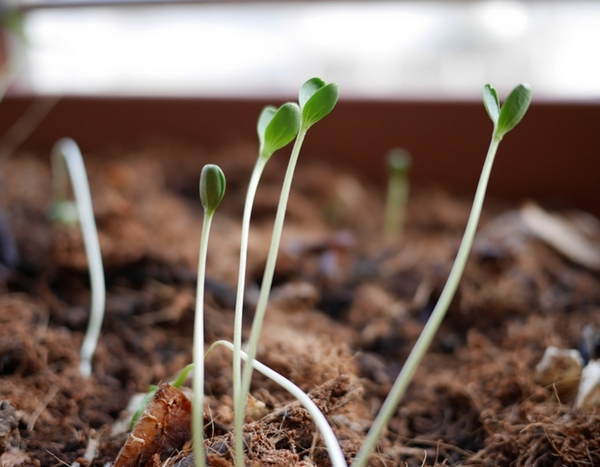
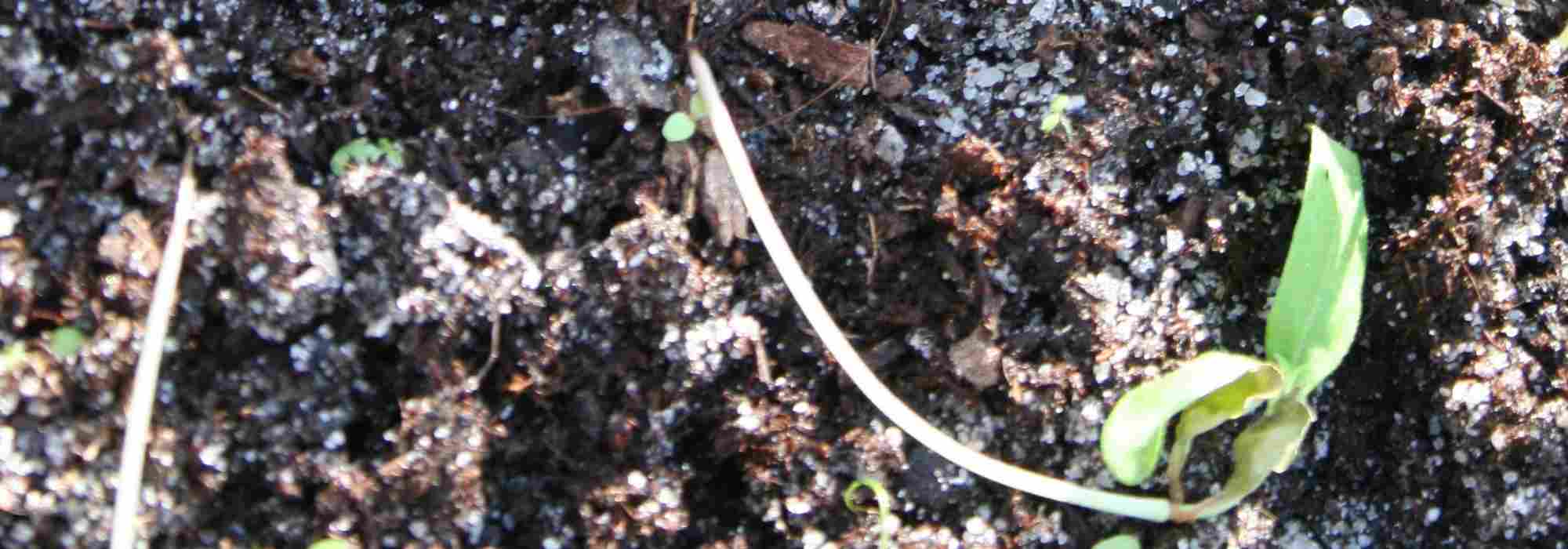
Sow the seeds on the surface of a moistened sowing compost, in trays or pots. Light is necessary for germination, barely cover the seeds with a thin layer of vermiculite or do not cover them at all. Enclose your sown seeds in transparent plastic, and maintain at a temperature between 20 and 25 ° C. Keep the surface of the compost moist but not waterlogged. Germination can be slow and erratic, usually taking between 14 and 90 days.
Some gardeners recommend soaking the seeds in cold water for 3 days before sowing them in warm trays (20-22°C / 68 to 71.6°F).
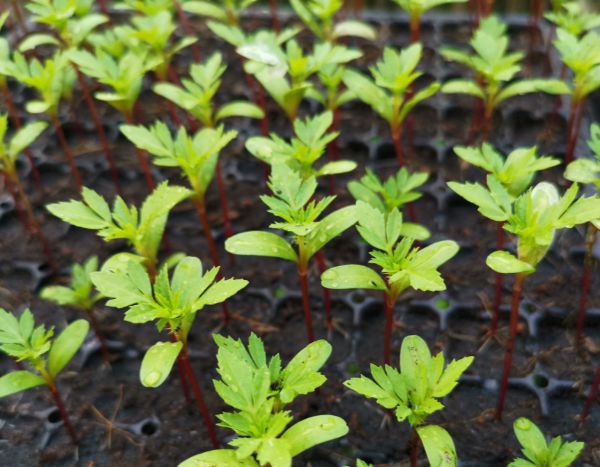
When they are developed enough to be handled, transplant your young eucalyptus into 7.5 cm (3in) pots in a soilless substrate, rich in compost and sand. Grow them like this for a while, then repot them again into 13 cm (5in) pots until your plants have reached a sufficient size, 40 to 60 cm (16 to 24in) to be transplanted outside or into large pots. Gradually acclimatise your young Eucalyptus to cooler growing conditions for a few weeks before moving them outside, once the frost has passed. The young plants will need to be protected from frost during their first 2 or 3 years of life.
The growth of the seedlings is slow until they reach a height of 20 cm (8in). Once this size is reached, it accelerates significantly.
In-ground cultivation:
Not very hardy, Corymbia citriodora does not tolerate frost well, especially in its youth. It prefers full sun. It adapts to slightly acidic to very slightly calcareous soils, but it does not tolerate compact soils and any waterlogged soils. Very well-drained soil is essential, whether sandy or schistous. Its tolerance to limestone is still poorly evaluated. However, it tolerates drought well. Pruning is not necessary.
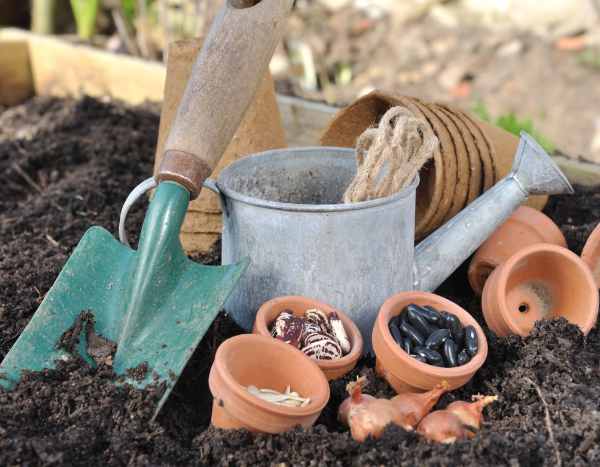
Container cultivation: A mixture of leaf compost and coarse sand should be suitable. Watering should be regular but spaced out in time: let the substrate dry out a bit before watering again. Protect your pots from winter frosts in a very bright, but cool, room.
Sowing period
Intended location
Planting & care advice
-

-
-
-
-

-
-
-

This item has not been reviewed yet - be the first to leave a review about it.
Recently viewed products
Haven't found what you were looking for?
Hardiness is the lowest winter temperature a plant can endure without suffering serious damage or even dying. However, hardiness is affected by location (a sheltered area, such as a patio), protection (winter cover) and soil type (hardiness is improved by well-drained soil).
In temperate climates, pruning of spring-flowering shrubs (forsythia, spireas, etc.) should be done just after flowering.
Pruning of summer-flowering shrubs (Indian Lilac, Perovskia, etc.) can be done in winter or spring.
In cold regions as well as with frost-sensitive plants, avoid pruning too early when severe frosts may still occur.
The harvesting period indicated on our website applies to countries and regions in USDA zone 8 (France, England, Ireland, the Netherlands).
In colder areas (Scandinavia, Poland, Austria...) fruit and vegetable harvests are likely to be delayed by 3-4 weeks.
In warmer areas (Italy, Spain, Greece, etc.), harvesting will probably take place earlier, depending on weather conditions.
The sowing periods indicated on our website apply to countries and regions within USDA Zone 8 (France, UK, Ireland, Netherlands).
In colder areas (Scandinavia, Poland, Austria...), delay any outdoor sowing by 3-4 weeks, or sow under glass.
In warmer climes (Italy, Spain, Greece, etc.), bring outdoor sowing forward by a few weeks.
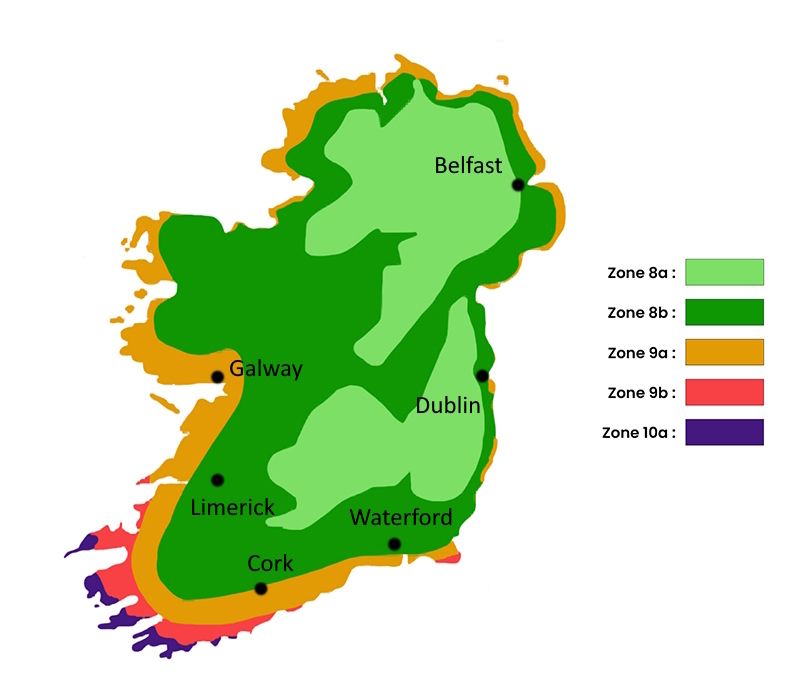
The planting period indicated on our website applies to regions in USDA Zone 9a (East Coast and Midlands: Dublin, Wexford, Waterford, Kilkenny, Portlaoise). It will vary depending on where you live:
- On the west coast and in the north-west (Galway, Limerick, Sligo, Donegal, Westport), delay planting by 1 to 2 weeks in spring and bring it forward by 1 to 2 weeks in autumn compared to the dates given, preferably choosing periods without strong winds.
- In the inland hills and plateaus (Wicklow Mountains, Macgillycuddy’s Reeks, Connemara, Killarney), it is best to plant in spring (April–May) or autumn (September–October), avoiding periods of waterlogged soil in winter and strong winds, which pose the main risk to newly planted trees in these areas.
The flowering period indicated on our website applies to regions in USDA Zone 9a, such as the East Coast and Midlands, including Dublin, Wexford, Waterford, Kilkenny and Portlaoise.
This will vary depending on where you live:
- On the west coast and in the northwest (Galway, Limerick, Sligo, Donegal and Westport), it will be delayed by one to two weeks compared to the given dates, due to stronger Atlantic winds and less spring sunshine.
- In the inland hills and plateaus (the Wicklow Mountains, the Macgillycuddy's Reeks, Connemara and Killarney), flowering will be delayed by two to three weeks. Flowering mainly occurs between May and July, with the limiting factors being less frost and more of the excessive humidity, strong winds and lack of sunshine that are characteristic of these areas.
Shipping country and language
Your country of residence may be:
Your country of residence is:
For a better user experience on our website, you can select:
Your shipping country:
-
 Austria
-
 Belgium
-
 Bosnia & Herzegovina
-
 Bulgaria
-
 Croatia
-
 Cyprus
-
 Czechia
-
 Denmark
-
 Estonia
-
 Finland
-
 France
-
 Germany
-
 Greece
-
 Hungary
-
 Iceland
-
 Ireland
-
 Italy
Italy
-
 Latvia
-
 Liechtenstein
-
 Lithuania
-
 Luxembourg
-
 Malta
Malta
-
 Netherlands
-
 Poland
-
 Portugal
-
 Romania
-
 Serbia
-
 Slovakia
-
 Slovenia
-
 Spain
Spain
-
 Sweden
-
 Switzerland
Language:
-
French
-
 English
-
Spanish
-
Italian
-
German
-
Portuguese
-
Dutch
-
Finnish
My Account
Hello
My wish lists
My cart
Log in / Register
Existing customer?
This form is protected by reCAPTCHA - the Google Privacy Policy and Terms of Service apply.
New customer?
Create an account to track your orders, access our customer service and, if you wish, make the most of our upcoming offers.