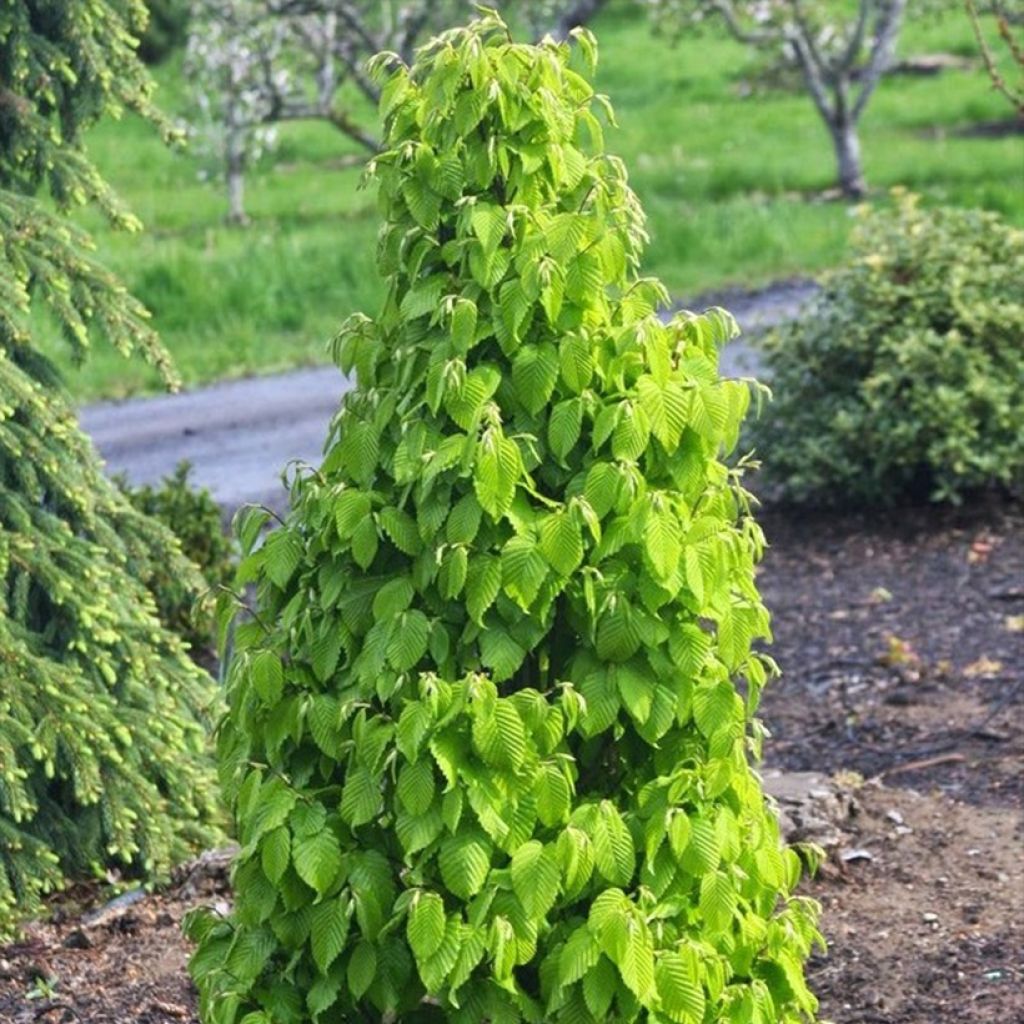
Carpinus betulus Monumentalis - Hornbeam
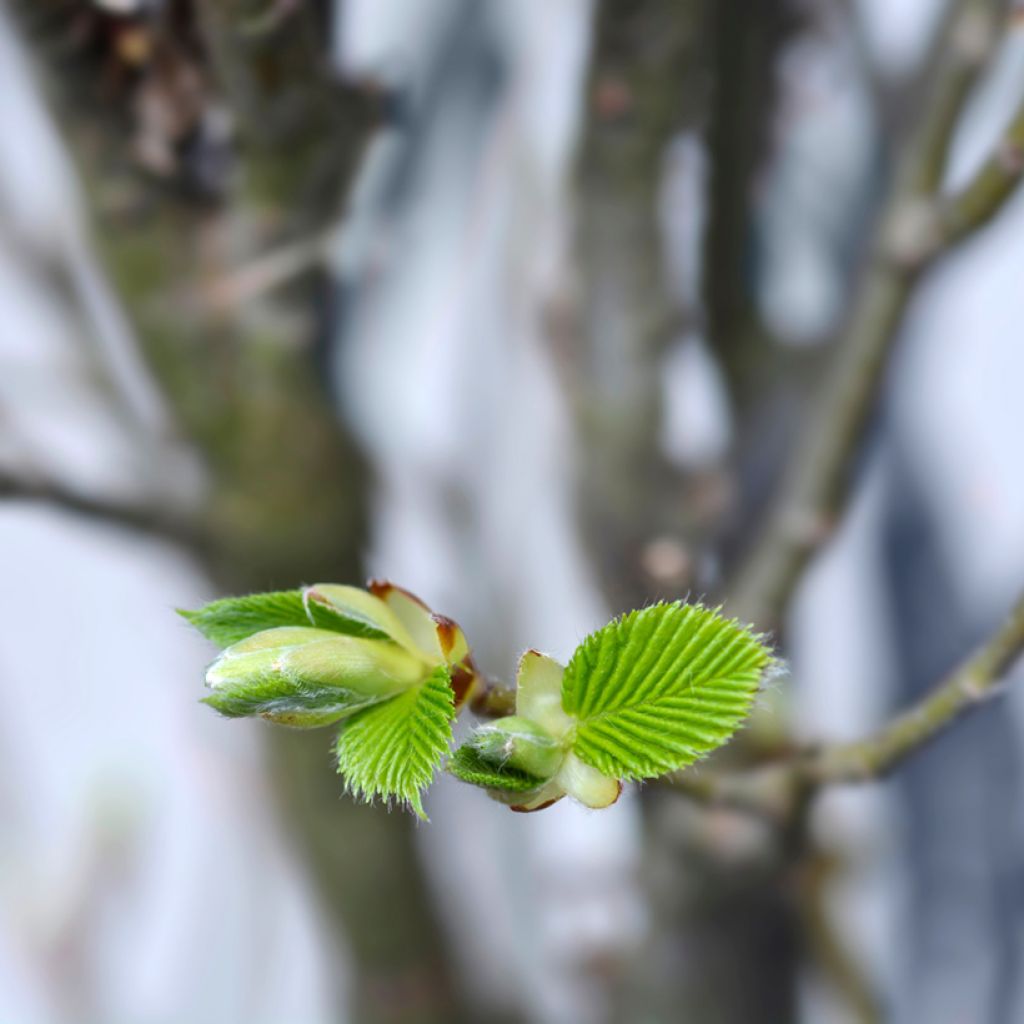
Carpinus betulus Monumentalis - Hornbeam
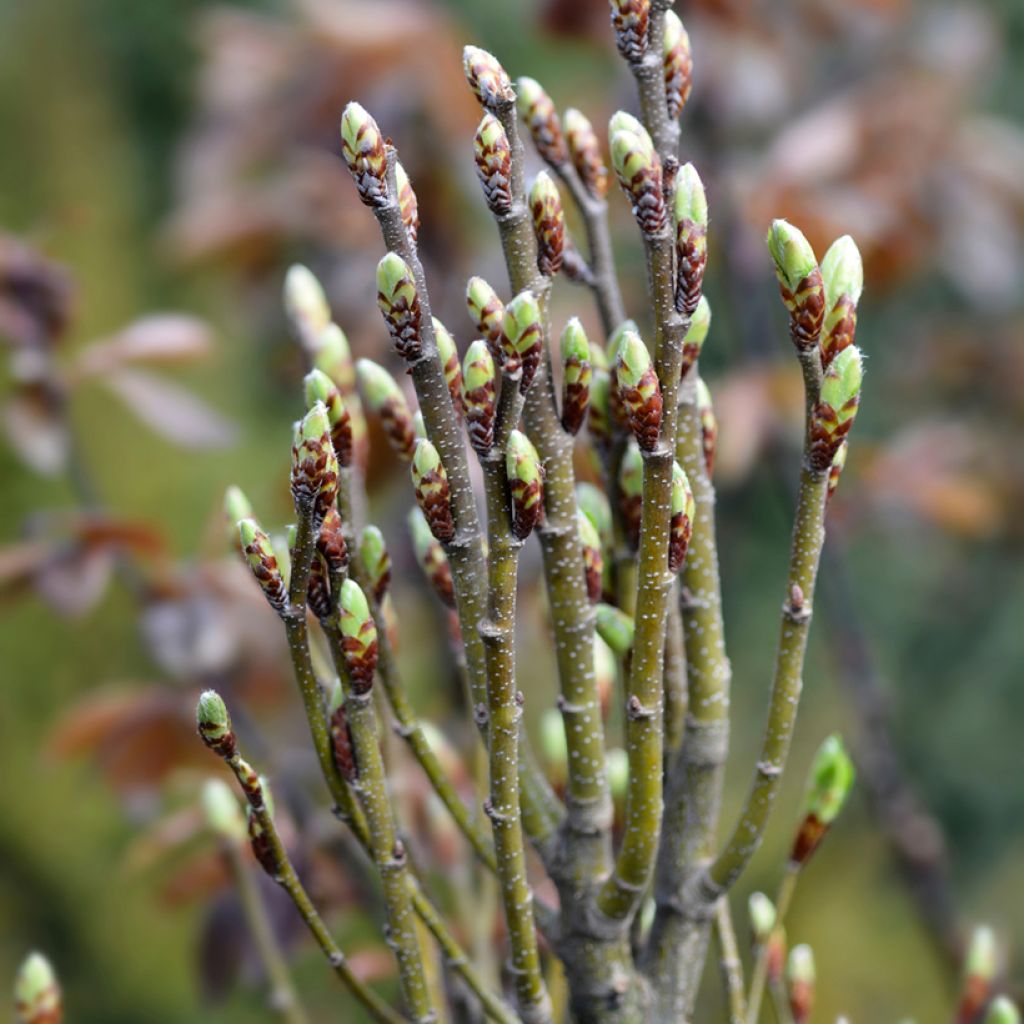
Carpinus betulus Monumentalis - Hornbeam
Carpinus betulus Monumentalis - Hornbeam
Carpinus betulus Monumentalis
Common Hornbeam
Back-to-school special offer!
Get €10 off for every €50 you spend! And get up to €40 off on a single order.
How does it work?
1. Shop your favourites
Add your favourite plants to your basket. For every €50 you spend (excluding delivery charges, store credit and the plastic-free option), you’ll receive a €10 voucher.
€50 spent = €10 voucher
€100 spent = €20 voucher
€150 spent = €30 voucher
€200 spent = €40 voucher
2. Place your order
Once your basket reaches one of the spending thresholds, place your order. You can even choose your delivery date!
3. Receive your voucher
As soon as your order has been shipped, you’ll receive an email containing your personal voucher code and its value.
4. Use it on your next order
Your voucher is valid for 90 days from the date you receive it. It can be used once only, on a new order worth at least the value of the voucher, excluding delivery charges.
Please note: Vouchers can be combined with other offers, but cannot be split or refunded.
Home or relay delivery (depending on size and destination)
Important: You may be charged customs duties by your country’s customs authorities upon delivery.
Schedule delivery date
and select date in basket
This plant carries a 24 months recovery warranty
More information
We guarantee the quality of our plants for a full growing cycle, and will replace at our expense any plant that fails to recover under normal climatic and planting conditions.
Does this plant fit my garden?
Set up your Plantfit profile →
Description
Carpinus betulus 'Monumentalis' is a variety with a dense ovoid habit that is perfectly suited for planting in rows or as a standalone specimen. It is a cultivar of a very small tree that is ideal for gardens with limited space or to highlight the surroundings of a house. Its extremely slow growth and short branching require no pruning. Despite being deciduous, this tree maintains a full silhouette almost all year round and offers changing colours throughout the seasons. Its charming pleated medium green foliage turns bright golden yellow in autumn before browning and persists throughout the winter until the emergence of young tender green leaves in spring. Hardy and vigorous, it is a native species of our regions that is synonymous with our familiar landscapes and is increasingly found in private gardens, as it is beautiful, useful, and easy to grow in all deep soils!
Carpinus betulus, sometimes called hornbeam, is a tree native to forests in Europe and Asia Minor (Turkey and Ukraine) with a pyramidal habit that becomes more rounded over time. Its straight trunk is covered with pale grey to grey-green bark. The bark is smooth on young hornbeams and becomes fissured as it ages. Its flowers are monoecious, either male or female, with slightly different appearances and appear in autumn (male catkins) and spring (female catkins). Carpinus betulus produces pendulous clusters of fruits that are 3 to 6cm (1.2 to 2.4in) long and green in colour, turning yellow-brown when mature, in late September. These fruits are called samaras and are toxic.
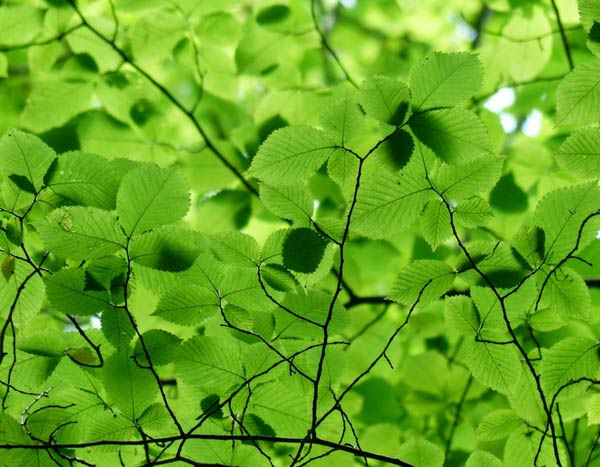
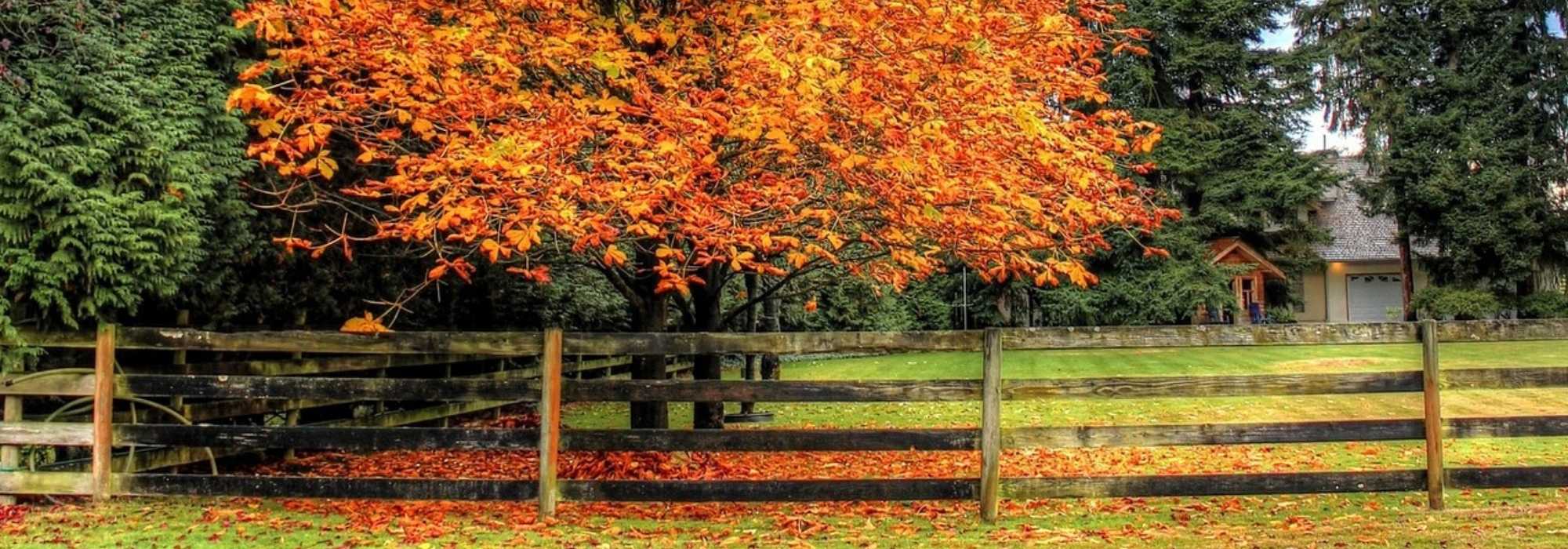
The 'Monumentalis' variety is a horticultural selection often confused with the 'Fastigiata' variety. It is distinguished by a more upright cone-shaped habit and a much more compact growth with very dense branching. At maturity, this tree will only reach 5m (16ft 5in) in height by 3m (9ft 10in) in width. It has a very slow growth rate, growing only 10 to 15cm (3.9 to 5.9in) per year. Its very dark, grey-brown-black branches bear foliage composed of ovate leaves with double serrations, measuring 5 to 10cm (2 to 3.9in) long. The foliage is initially tender green in spring, then turns medium green, and from late September to November, it takes on a beautiful golden yellow colour. Marcescent, its withered foliage remains attached and falls with the new leaf growth in spring, allowing it to maintain an ornamental aspect throughout the seasons. When planted as a hedge, it provides privacy even in the winter.
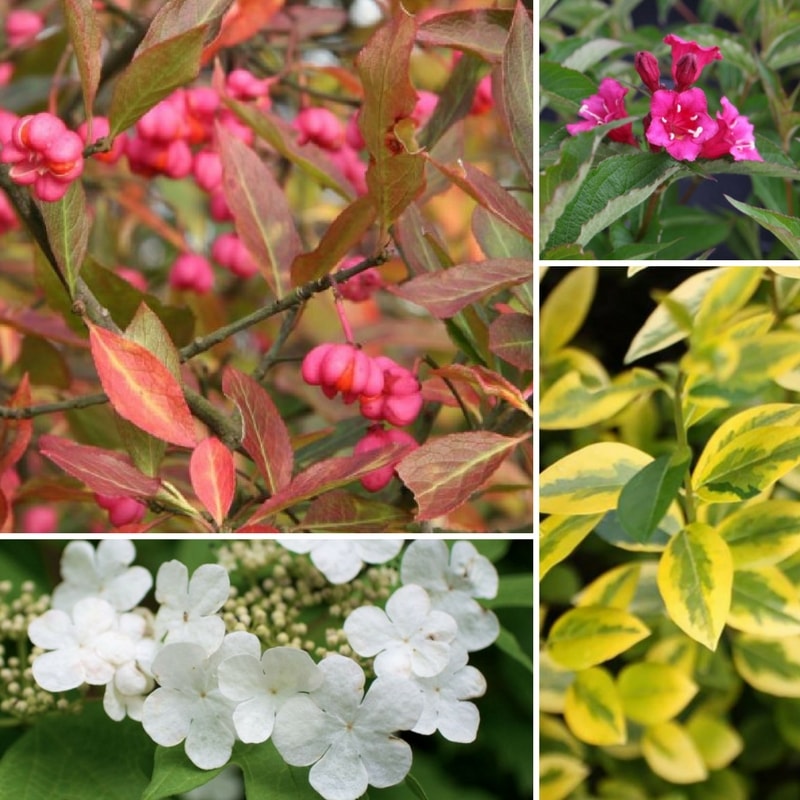
The 'Monumentalis' hornbeam is a very hardy and undemanding tree, adapting to any soil that is sufficiently deep, including limestone and occasionally dry soil. It is most commonly used in rows or as a standalone tree in gardens. When planted together, it provides a lasting structure to the garden while having a changing appearance throughout the seasons. It can be paired with other shrubs and autumn foliage trees such as Cotinus, deciduous Euonymus, Persian ironwood, or Montpellier maple, all of which are equally easy to grow in all regions. The orange hips of English roses 'Morning Mist' or 'Fighting Temeraire' should accompany its flamboyant branches until the frosts.
The wood of the common hornbeam is used for heating, papermaking, as well as for tools and children's toys. It is a shrub that rarely lives longer than 100 years in nature.
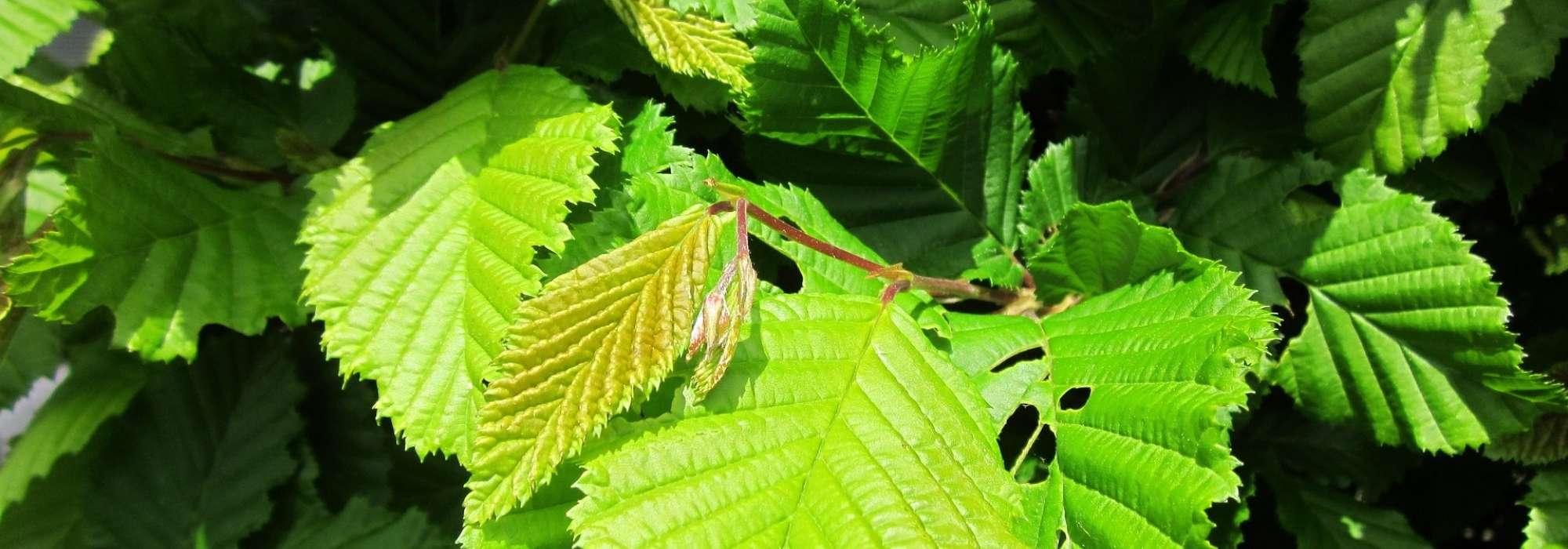
Carpinus betulus Monumentalis - Hornbeam in pictures
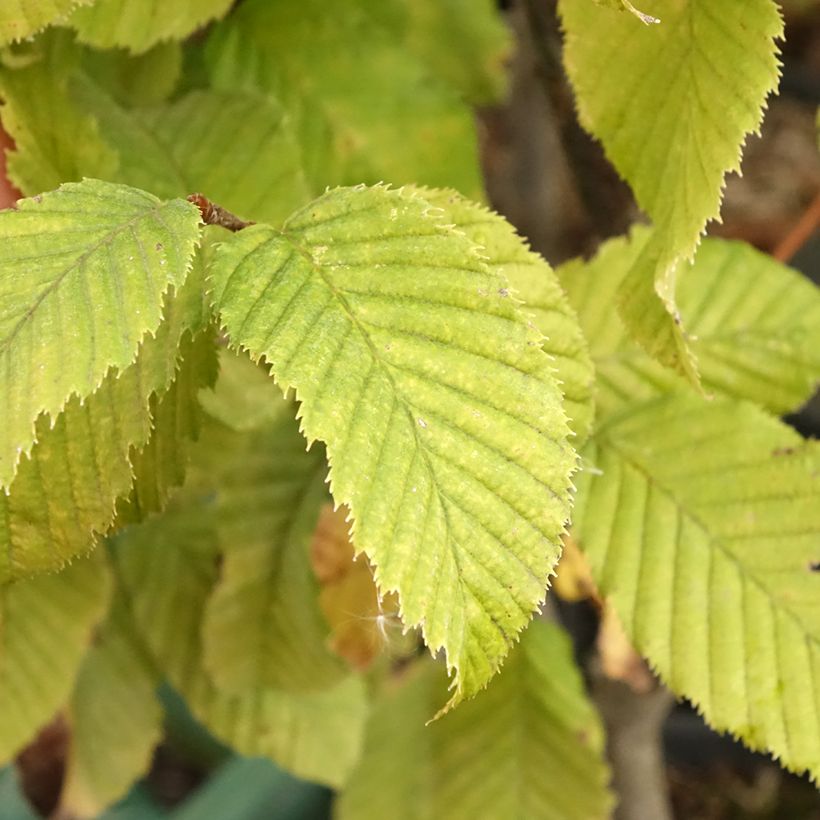
Plant habit
Flowering
Foliage
Safety measures
Botanical data
Carpinus
betulus
Monumentalis
Betulaceae
Common Hornbeam
Cultivar or hybrid
atteinterespiratoire
Cette plante peut entraîner des symptômes allergiques.
Evitez de la planter si vous ou vos proches souffrez de rhinite saisonnière ("rhume des foins").
Davantage d'informations sur https://plantes-risque.info
Planting and care
The 'Monumentalis' Hornbeam particularly enjoys cool, semi-shaded locations but can also thrive in gentle sunlight. Place it sheltered from cold and drying winds in any type of soil as long as it is well-drained. However, it dreads acidic soils. The common Hornbeam withstands cold and heat well but cannot tolerate summer heatwaves, especially when the soil lacks depth. It thrives in a continental climate. It can be susceptible to coral disease and can be invaded by caterpillars and aphids.
Planting period
Intended location
Care
Planting & care advice
-
-

-

-
-
-
-
-
This item has not been reviewed yet - be the first to leave a review about it.
Recently viewed products
Haven't found what you were looking for?
Hardiness is the lowest winter temperature a plant can endure without suffering serious damage or even dying. However, hardiness is affected by location (a sheltered area, such as a patio), protection (winter cover) and soil type (hardiness is improved by well-drained soil).
In temperate climates, pruning of spring-flowering shrubs (forsythia, spireas, etc.) should be done just after flowering.
Pruning of summer-flowering shrubs (Indian Lilac, Perovskia, etc.) can be done in winter or spring.
In cold regions as well as with frost-sensitive plants, avoid pruning too early when severe frosts may still occur.
The harvesting period indicated on our website applies to countries and regions in USDA zone 8 (France, England, Ireland, the Netherlands).
In colder areas (Scandinavia, Poland, Austria...) fruit and vegetable harvests are likely to be delayed by 3-4 weeks.
In warmer areas (Italy, Spain, Greece, etc.), harvesting will probably take place earlier, depending on weather conditions.
The sowing periods indicated on our website apply to countries and regions within USDA Zone 8 (France, UK, Ireland, Netherlands).
In colder areas (Scandinavia, Poland, Austria...), delay any outdoor sowing by 3-4 weeks, or sow under glass.
In warmer climes (Italy, Spain, Greece, etc.), bring outdoor sowing forward by a few weeks.
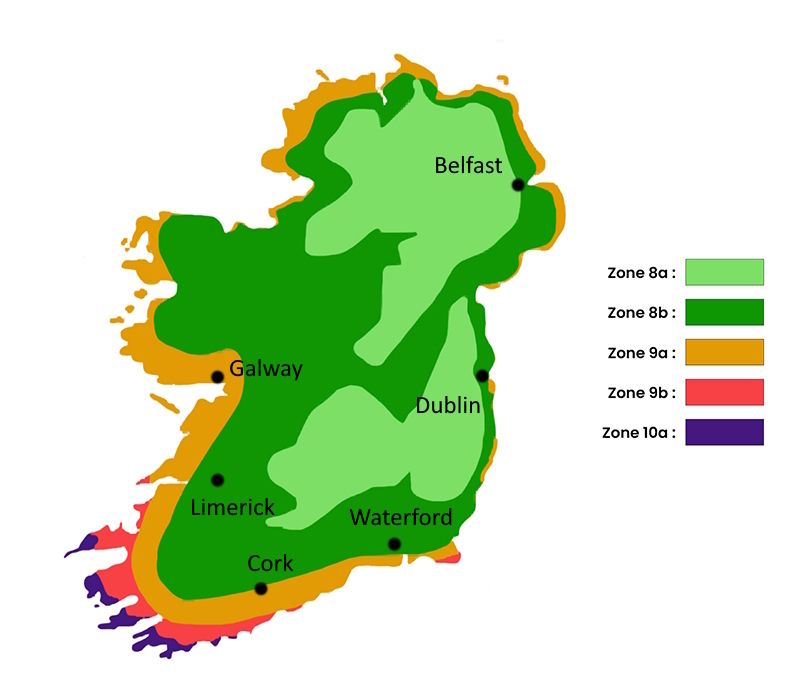
The planting period indicated on our website applies to regions in USDA Zone 9a (East Coast and Midlands: Dublin, Wexford, Waterford, Kilkenny, Portlaoise). It will vary depending on where you live:
- On the west coast and in the north-west (Galway, Limerick, Sligo, Donegal, Westport), delay planting by 1 to 2 weeks in spring and bring it forward by 1 to 2 weeks in autumn compared to the dates given, preferably choosing periods without strong winds.
- In the inland hills and plateaus (Wicklow Mountains, Macgillycuddy’s Reeks, Connemara, Killarney), it is best to plant in spring (April–May) or autumn (September–October), avoiding periods of waterlogged soil in winter and strong winds, which pose the main risk to newly planted trees in these areas.
The flowering period indicated on our website applies to regions in USDA Zone 9a, such as the East Coast and Midlands, including Dublin, Wexford, Waterford, Kilkenny and Portlaoise.
This will vary depending on where you live:
- On the west coast and in the northwest (Galway, Limerick, Sligo, Donegal and Westport), it will be delayed by one to two weeks compared to the given dates, due to stronger Atlantic winds and less spring sunshine.
- In the inland hills and plateaus (the Wicklow Mountains, the Macgillycuddy's Reeks, Connemara and Killarney), flowering will be delayed by two to three weeks. Flowering mainly occurs between May and July, with the limiting factors being less frost and more of the excessive humidity, strong winds and lack of sunshine that are characteristic of these areas.
Shipping country and language
Your country of residence may be:
Your country of residence is:
For a better user experience on our website, you can select:
Your shipping country:
-
 Austria
-
 Belgium
-
 Bosnia & Herzegovina
-
 Bulgaria
-
 Croatia
-
 Cyprus
-
 Czechia
-
 Denmark
-
 Estonia
-
 Finland
-
 France
-
 Germany
-
 Greece
-
 Hungary
-
 Iceland
-
 Ireland
-
 Italy
Italy
-
 Latvia
-
 Liechtenstein
-
 Lithuania
-
 Luxembourg
-
 Malta
Malta
-
 Netherlands
-
 Poland
-
 Portugal
-
 Romania
-
 Serbia
-
 Slovakia
-
 Slovenia
-
 Spain
Spain
-
 Sweden
-
 Switzerland
Language:
-
French
-
 English
-
Spanish
-
Italian
-
German
-
Portuguese
-
Dutch
-
Finnish
My Account
Hello
My wish lists
My cart
Log in / Register
Existing customer?
This form is protected by reCAPTCHA - the Google Privacy Policy and Terms of Service apply.
New customer?
Create an account to track your orders, access our customer service and, if you wish, make the most of our upcoming offers.