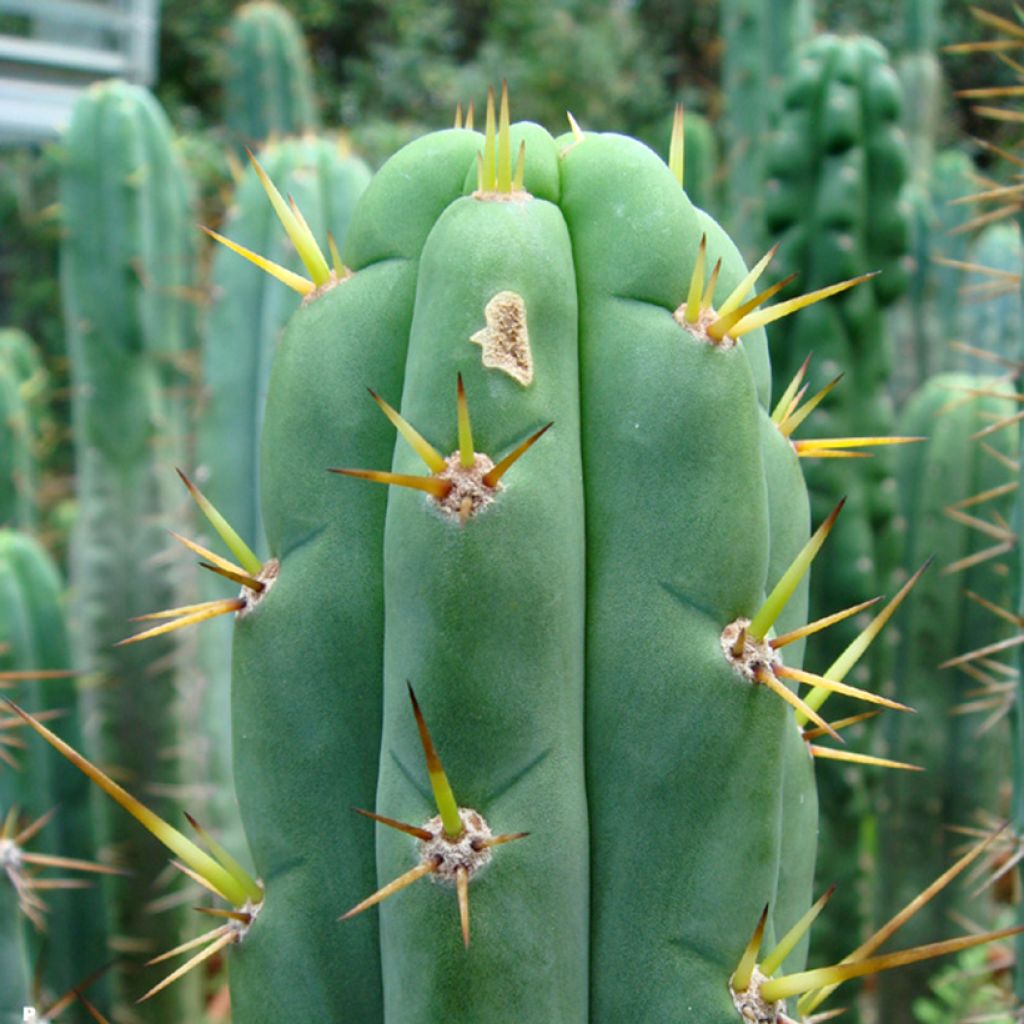
Trichocereus cuzcoensis - Cactus
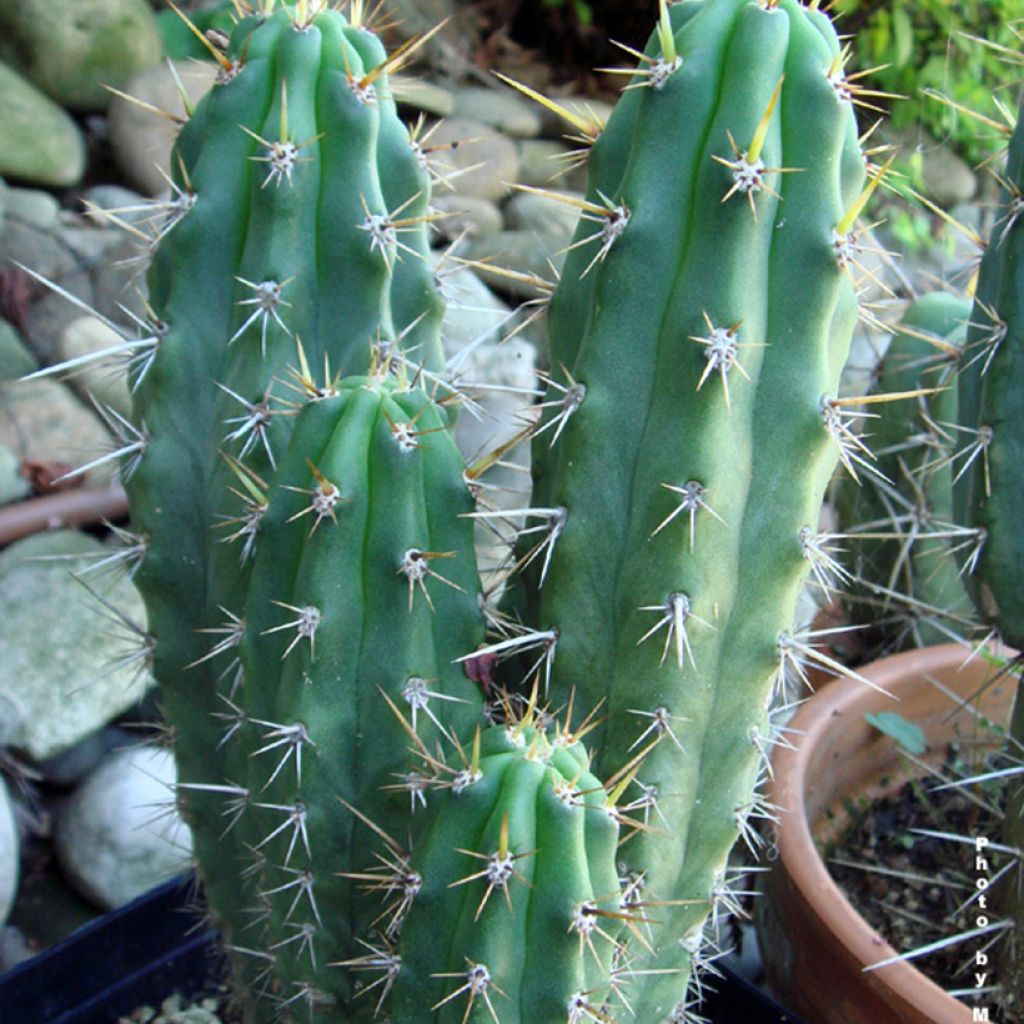
Trichocereus cuzcoensis - Cactus
Trichocereus cuzcoensis - Cactus
Trichocereus cuzcoensis
Cactus
Back-to-school special offer!
Get €10 off for every €50 you spend! And get up to €40 off on a single order.
How does it work?
1. Shop your favourites
Add your favourite plants to your basket. For every €50 you spend (excluding delivery charges, store credit and the plastic-free option), you’ll receive a €10 voucher.
€50 spent = €10 voucher
€100 spent = €20 voucher
€150 spent = €30 voucher
€200 spent = €40 voucher
2. Place your order
Once your basket reaches one of the spending thresholds, place your order. You can even choose your delivery date!
3. Receive your voucher
As soon as your order has been shipped, you’ll receive an email containing your personal voucher code and its value.
4. Use it on your next order
Your voucher is valid for 90 days from the date you receive it. It can be used once only, on a new order worth at least the value of the voucher, excluding delivery charges.
Please note: Vouchers can be combined with other offers, but cannot be split or refunded.
This plant carries a 12 months recovery warranty
More information
We guarantee the quality of our plants for a full growing cycle, and will replace at our expense any plant that fails to recover under normal climatic and planting conditions.
Does this plant fit my garden?
Set up your Plantfit profile →
Description
In the highlands of Cuzco in Peru, not far from Machu Picchu, Trichocereus cuzcoensis is a tall columnar cactus that stands like a sentinel in the landscape, unfazed by wind and scorching sun. Its thick, columnar, dark green stems, marked with deep midribs and armed with long golden thorns, cluster tightly together. Capable of rapid growth in dry, sunny climates, this cactus gains stature and majesty year after year. It adapts well to outdoor cultivation in Mediterranean regions. In a large pot, it makes a striking architectural feature on a terrace or balcony. This majestic cactus adds structure to arid and exotic gardens while requiring minimal maintenance.
Trichocereus cuzcoensis, belonging to the Cactaceae family, is a robust columnar cactus from Peru. It is mainly found in desert or dry scrubland areas, at altitudes between 3,100 and 3,600 m. This species has a tree-like habit with numerous slightly spreading branches. The plant reaches a height of 5 to 6 m in its natural habitat. In cultivation, particularly in pots, its size is more modest, often limited to 2 or 3 m. The fleshy, cylindrical, green stems feature seven to eight low, rounded midribs. The areoles, spaced 1 to 1.5 cm apart, produce about twelve rigid and sturdy thorns, which can grow up to 7 cm long and have a characteristic swollen base. The fragrant, funnel-shaped, pure white flowers bloom both day and night. They measure between 12 and 14 cm in length. In the temperate climate of the northern hemisphere, the flowering period typically occurs in July-August. Pollination is carried out by nocturnal insects attracted by the flowers' fragrance. The fruits that result are globose, measuring approximately 5 cm in diameter and containing a sweet, edible pulp. The stems have a smooth surface with green skin, becoming slightly woody at the base in older specimens. The root system is fibrous and shallow, adapted to quickly absorb water from rare rainfall.
Trichocereus cuzcoensis has traditional uses in the Cuzco region, where locals prepare an infusion from its flowers, renowned for its medicinal properties.
Like a botanical pillar, Trichocereus cuzcoensis commands attention in dry gardens and large arid rockeries. Its vertical form pairs well with the more wavy silhouette of Yucca whipplei and the lush shapes of Agave ovatifolia. At its base, dense, colourful cushions of Delosperma will carpet the ground in summer. In pots, on a stone terrace, it harmonises perfectly with a Pachycereus pringlei and a few Kalanchoe thyrsiflora for a mix of forms, textures, and green-grey hues.

Trichocereus cuzcoensis - Cactus in pictures
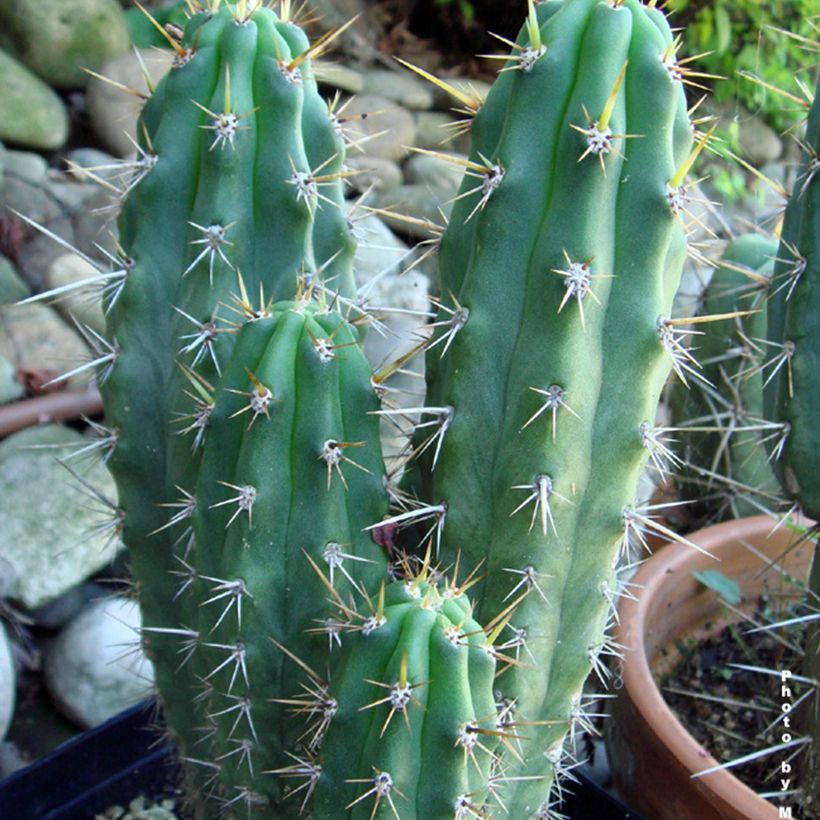
Flowering
Foliage
Plant habit
Botanical data
Trichocereus
cuzcoensis
Cactaceae
Cactus
Echinopsis cuzcoensis, Cereus cuzcoensis
South America
Planting and care
Handle your columnar cactus with gloves and protective goggles!
To cultivate Trichocereus cuzcoensis, it is essential to provide conditions suited to its specific needs.
In the ground, choose a sunny spot with extremely well-drained soil, ideally rocky, very stony, or sandy. Plant in spring, between May and June, once the risk of frost has passed. Although this cactus can tolerate temperatures as low as -9°C for short periods, it is wise to protect it from winter rains. Several solutions exist for this:
A transparent polycarbonate roof or an inclined plexiglass sheet placed above the cactus diverts rain while allowing light to pass through. Ensure good ventilation to prevent condensation.
Create a raised bed: Planting the cactus on a mound of gravel or a highly draining substrate (a mix of sand, pumice, and poor-quality soil) prevents water stagnation around the roots.
Use a waterproof winter fleece: A specialised cactus protection fleece, slightly tilted, prevents water from pooling on the plant. It is important to remove it as soon as the weather turns dry to avoid trapped moisture.
Plant at the base of a south-facing wall: A wall provides natural protection against rain and cold while also radiating stored heat from the day.
In regions with wet and cold winters, container cultivation is essential. Choose a pot slightly larger than the root ball, with drainage holes to prevent waterlogging. Use a cactus-specific substrate, composed of light potting mix with coarse sand to ensure good root aeration. Potting is best done in April. Place the pot in a bright location, gradually acclimatising the plant to full sun to avoid scorching. Water moderately: during active growth, allow the substrate to dry out between waterings, and drastically reduce watering in winter to prevent rot. A diluted cactus fertiliser, applied monthly during the growing season, can promote balanced development. Repot the plant every two to three years, preferably in spring, to refresh the substrate and inspect the root system, removing any damaged parts if necessary.
Planting period
Intended location
Care
Planting & care advice
-

-
-
-
-

-

-

-

This item has not been reviewed yet - be the first to leave a review about it.
Recently viewed products
Haven't found what you were looking for?
Hardiness is the lowest winter temperature a plant can endure without suffering serious damage or even dying. However, hardiness is affected by location (a sheltered area, such as a patio), protection (winter cover) and soil type (hardiness is improved by well-drained soil).

In temperate climates, pruning of spring-flowering shrubs (forsythia, spireas, etc.) should be done just after flowering.
Pruning of summer-flowering shrubs (Indian Lilac, Perovskia, etc.) can be done in winter or spring.
In cold regions as well as with frost-sensitive plants, avoid pruning too early when severe frosts may still occur.
The harvesting period indicated on our website applies to countries and regions in USDA zone 8 (France, England, Ireland, the Netherlands).
In colder areas (Scandinavia, Poland, Austria...) fruit and vegetable harvests are likely to be delayed by 3-4 weeks.
In warmer areas (Italy, Spain, Greece, etc.), harvesting will probably take place earlier, depending on weather conditions.
The sowing periods indicated on our website apply to countries and regions within USDA Zone 8 (France, UK, Ireland, Netherlands).
In colder areas (Scandinavia, Poland, Austria...), delay any outdoor sowing by 3-4 weeks, or sow under glass.
In warmer climes (Italy, Spain, Greece, etc.), bring outdoor sowing forward by a few weeks.
The planting period indicated on our website applies to regions in USDA Zone 9a (East Coast and Midlands: Dublin, Wexford, Waterford, Kilkenny, Portlaoise). It will vary depending on where you live:
- On the west coast and in the north-west (Galway, Limerick, Sligo, Donegal, Westport), delay planting by 1 to 2 weeks in spring and bring it forward by 1 to 2 weeks in autumn compared to the dates given, preferably choosing periods without strong winds.
- In the inland hills and plateaus (Wicklow Mountains, Macgillycuddy’s Reeks, Connemara, Killarney), it is best to plant in spring (April–May) or autumn (September–October), avoiding periods of waterlogged soil in winter and strong winds, which pose the main risk to newly planted trees in these areas.
The flowering period indicated on our website applies to regions in USDA Zone 9a, such as the East Coast and Midlands, including Dublin, Wexford, Waterford, Kilkenny and Portlaoise.
This will vary depending on where you live:
- On the west coast and in the northwest (Galway, Limerick, Sligo, Donegal and Westport), it will be delayed by one to two weeks compared to the given dates, due to stronger Atlantic winds and less spring sunshine.
- In the inland hills and plateaus (the Wicklow Mountains, the Macgillycuddy's Reeks, Connemara and Killarney), flowering will be delayed by two to three weeks. Flowering mainly occurs between May and July, with the limiting factors being less frost and more of the excessive humidity, strong winds and lack of sunshine that are characteristic of these areas.
Shipping country and language
Your country of residence may be:
Your country of residence is:
For a better user experience on our website, you can select:
Your shipping country:
-
 Austria
-
 Belgium
-
 Bosnia & Herzegovina
-
 Bulgaria
-
 Croatia
-
 Cyprus
-
 Czechia
-
 Denmark
-
 Estonia
-
 Finland
-
 France
-
 Germany
-
 Greece
-
 Hungary
-
 Iceland
-
 Ireland
-
 Italy
Italy
-
 Latvia
-
 Liechtenstein
-
 Lithuania
-
 Luxembourg
-
 Malta
Malta
-
 Netherlands
-
 Poland
-
 Portugal
-
 Romania
-
 Serbia
-
 Slovakia
-
 Slovenia
-
 Spain
Spain
-
 Sweden
-
 Switzerland
Language:
-
French
-
 English
-
Spanish
-
Italian
-
German
-
Portuguese
-
Dutch
-
Finnish
My Account
Hello
My wish lists
My cart
Log in / Register
Existing customer?
This form is protected by reCAPTCHA - the Google Privacy Policy and Terms of Service apply.
New customer?
Create an account to track your orders, access our customer service and, if you wish, make the most of our upcoming offers.