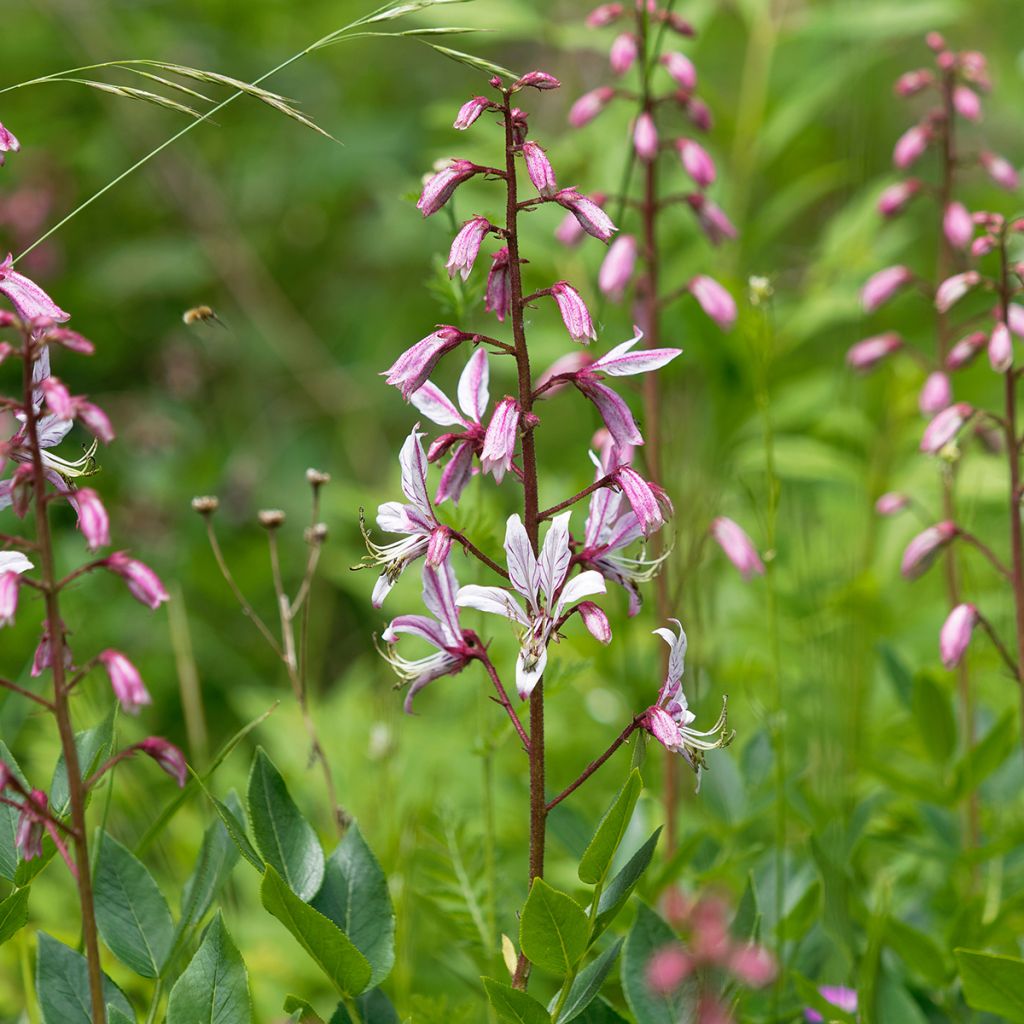
Dictamnus albus - Fraxinelle, Buisson ardent, Dictame blanc, Dictame des boutiques, Fraxinelle blanche, Petit Frêne
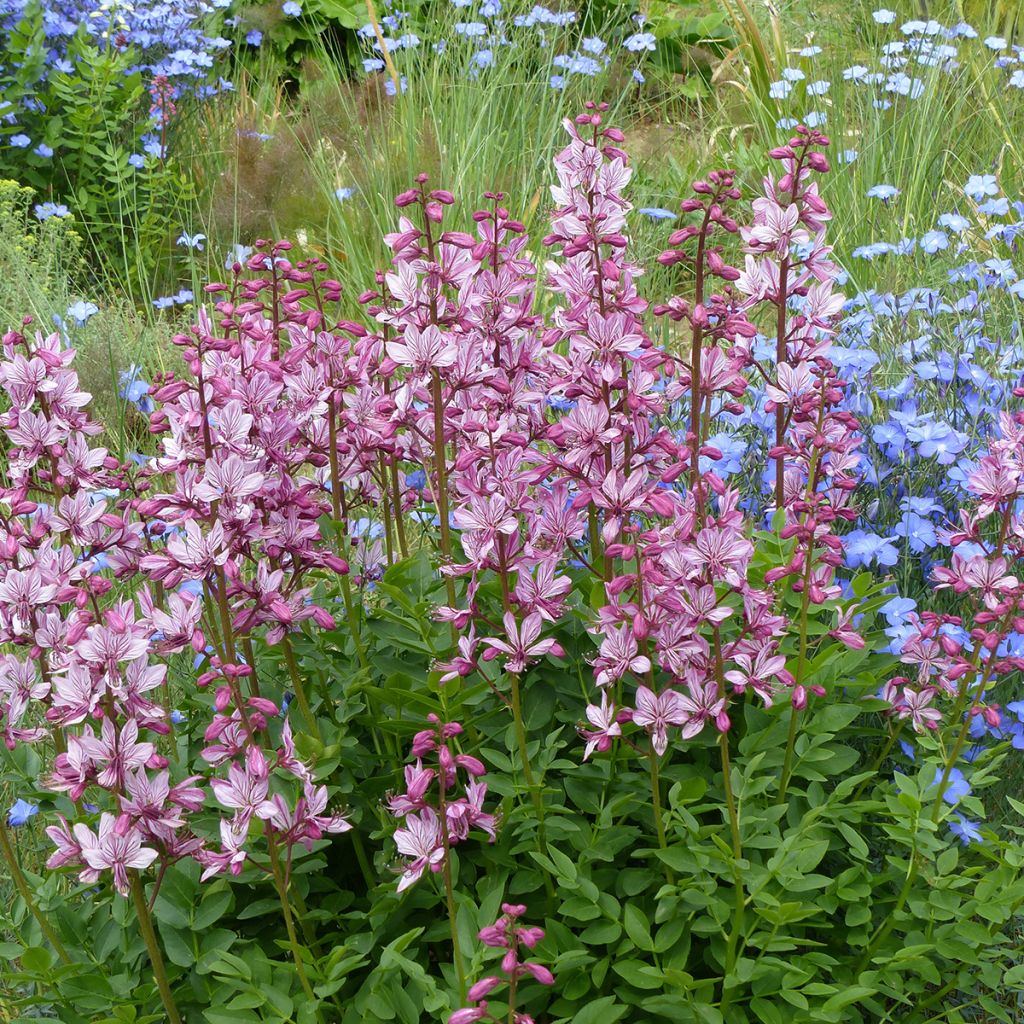
Dictamnus albus - Fraxinelle, Buisson ardent, Dictame blanc, Dictame des boutiques, Fraxinelle blanche, Petit Frêne
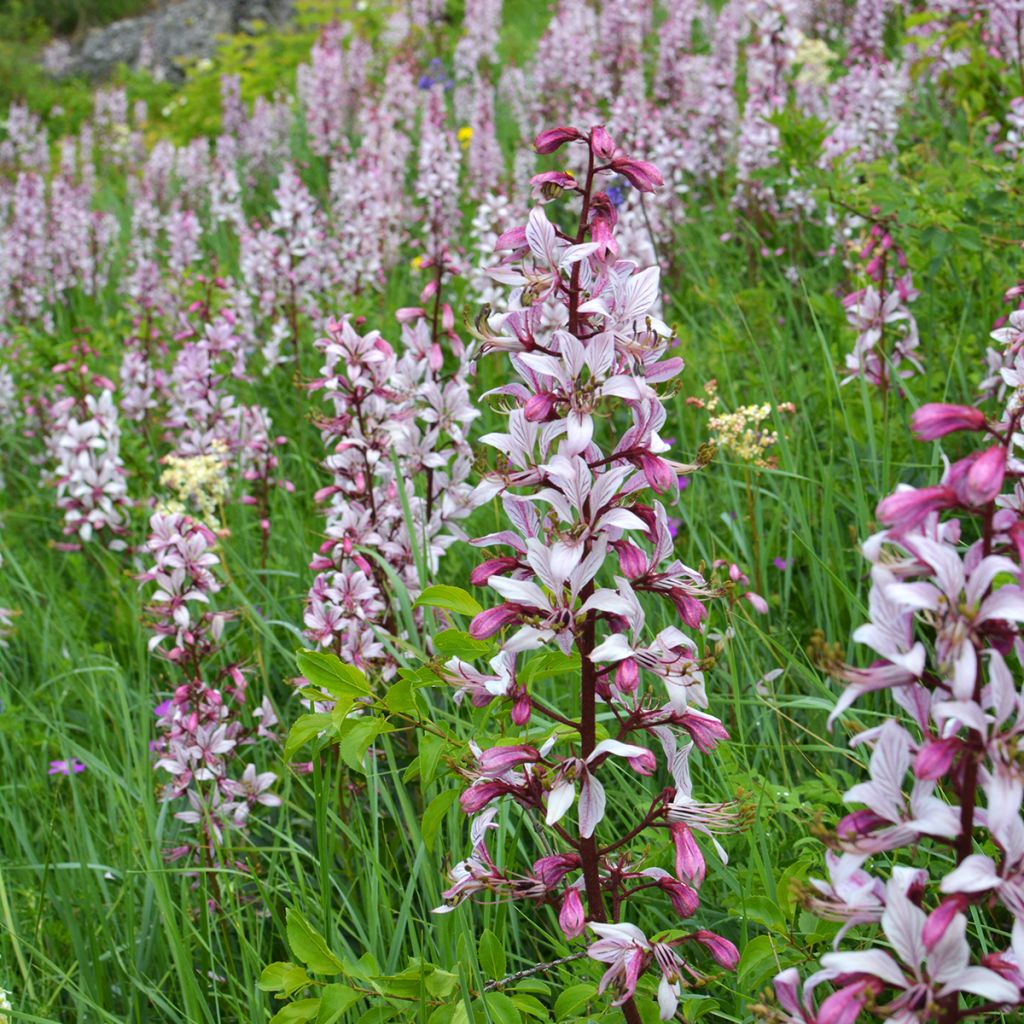
Dictamnus albus - Fraxinelle, Buisson ardent, Dictame blanc, Dictame des boutiques, Fraxinelle blanche, Petit Frêne
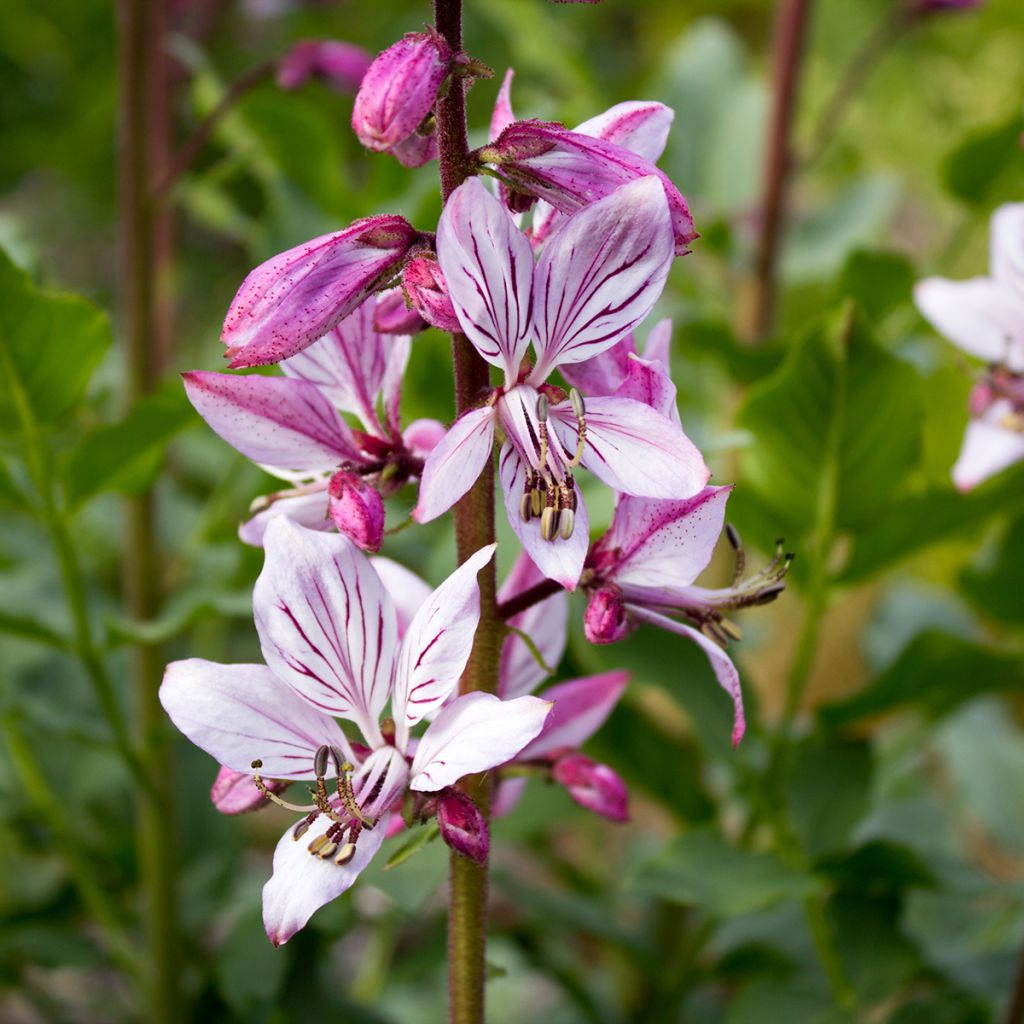
Dictamnus albus - Fraxinelle, Buisson ardent, Dictame blanc, Dictame des boutiques, Fraxinelle blanche, Petit Frêne
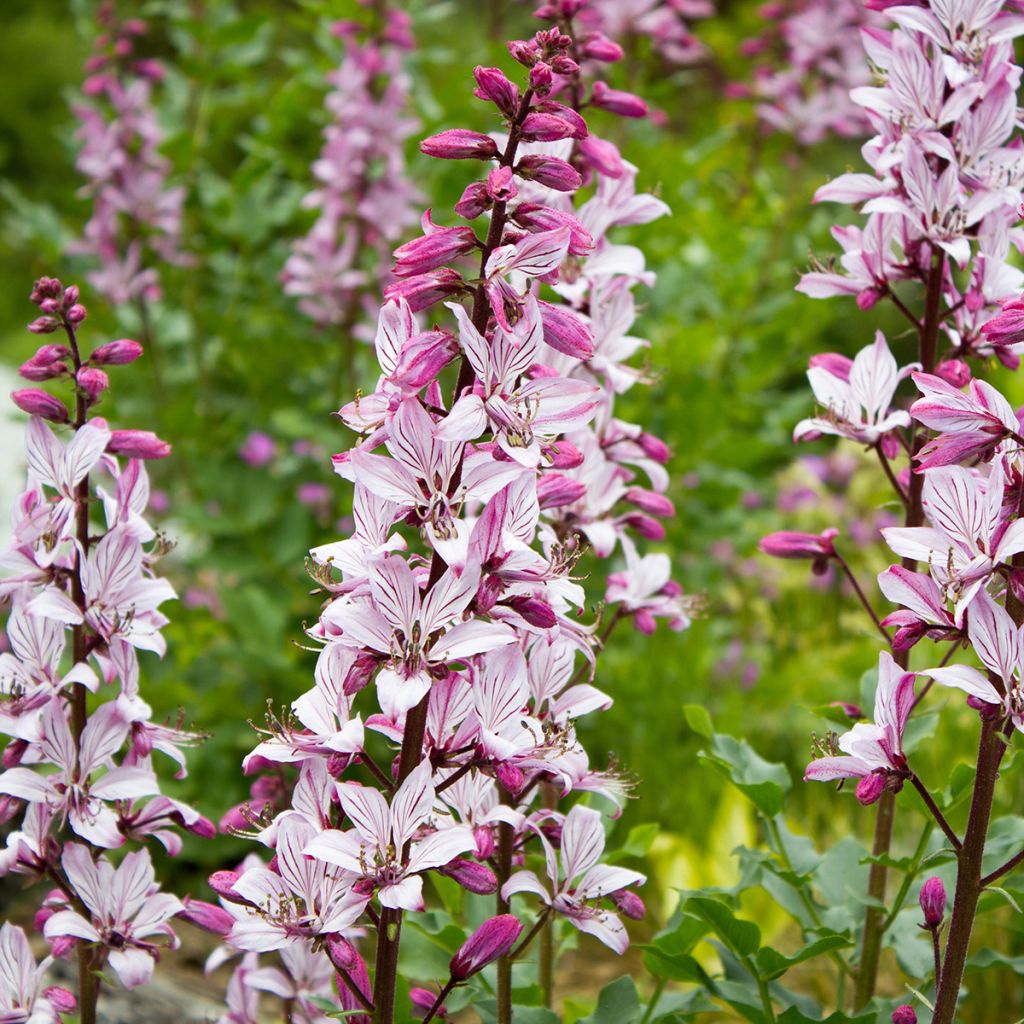
Dictamnus albus - Fraxinelle, Buisson ardent, Dictame blanc, Dictame des boutiques, Fraxinelle blanche, Petit Frêne
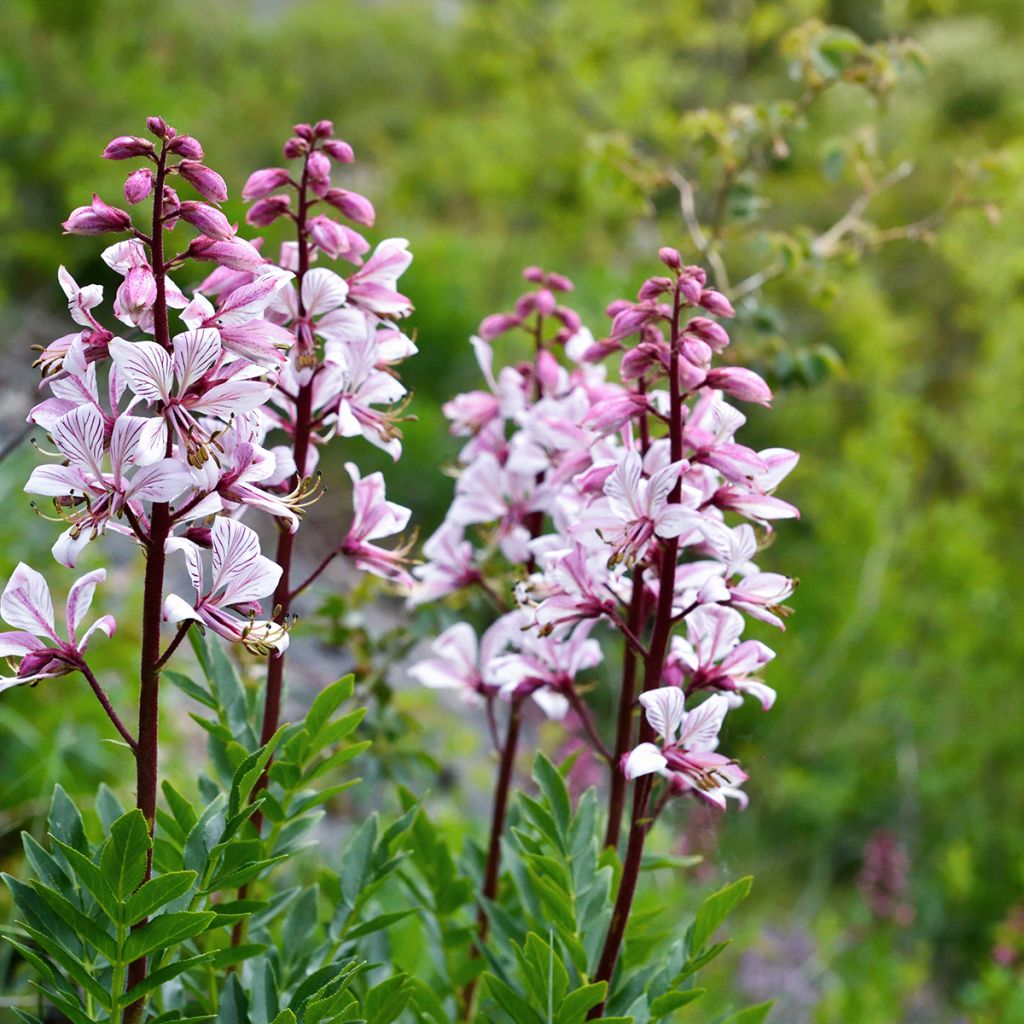
Dictamnus albus - Fraxinelle, Buisson ardent, Dictame blanc, Dictame des boutiques, Fraxinelle blanche, Petit Frêne
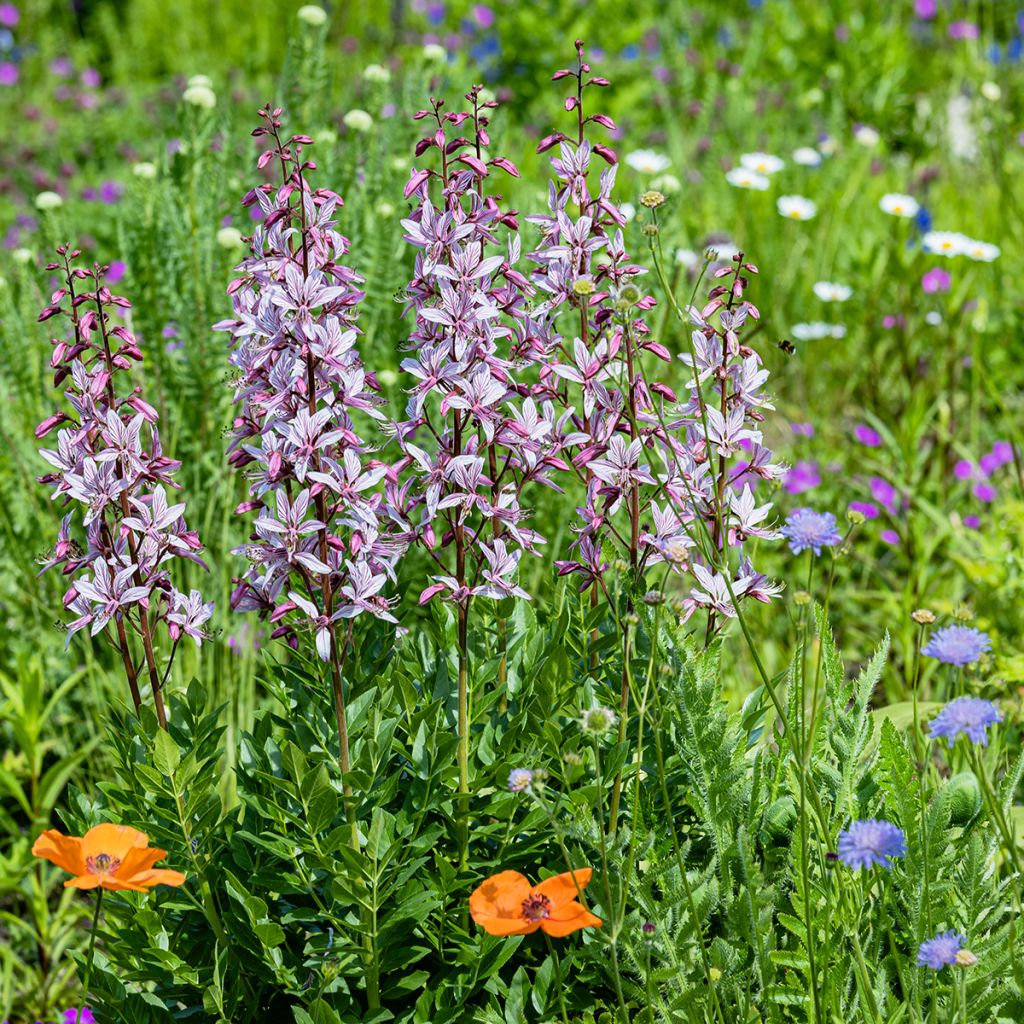
Dictamnus albus - Fraxinelle, Buisson ardent, Dictame blanc, Dictame des boutiques, Fraxinelle blanche, Petit Frêne
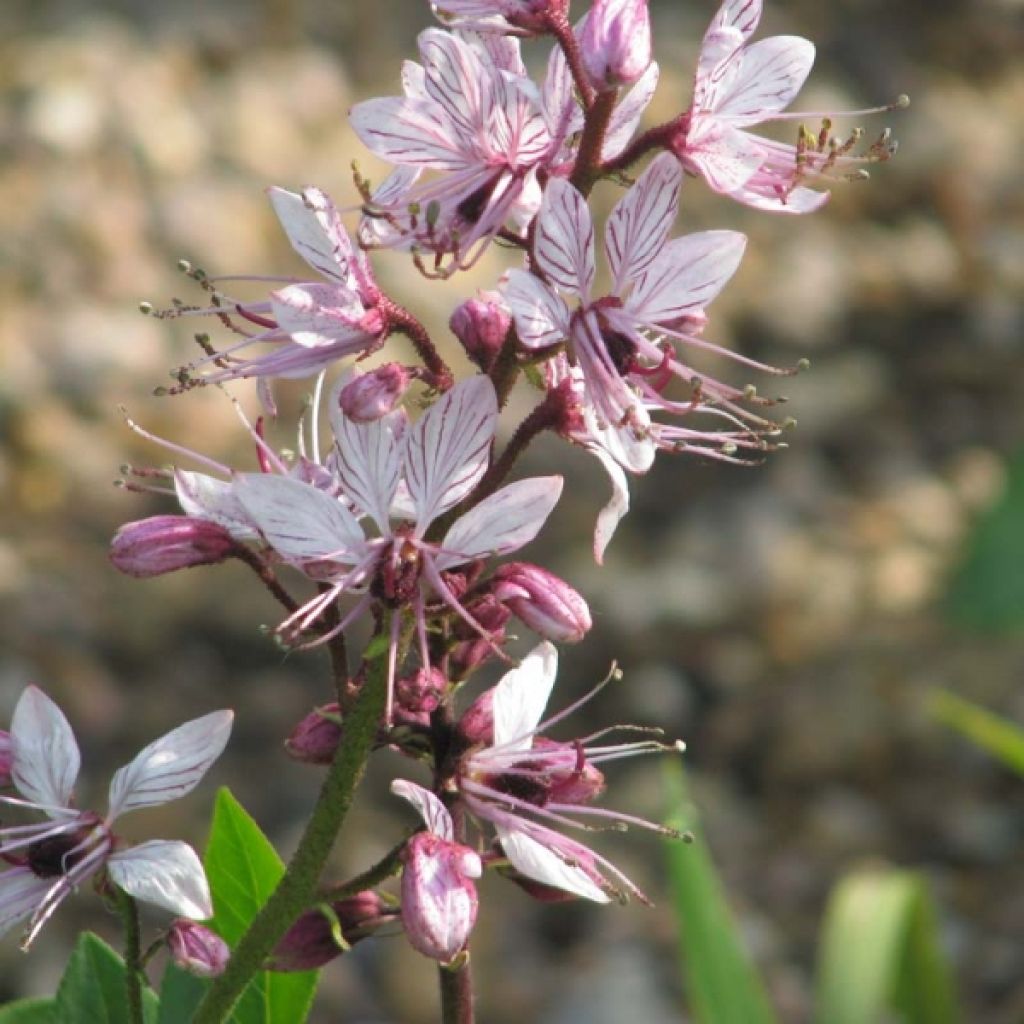
Dictamnus albus - Fraxinelle, Buisson ardent, Dictame blanc, Dictame des boutiques, Fraxinelle blanche, Petit Frêne
Dictamnus albus - Fraxinelle, Buisson ardent, Dictame blanc, Dictame des boutiques, Fraxinelle blanche, Petit Frêne
Dictamnus albus - Fraxinelle, Buisson ardent, Dictame blanc, Dictame des boutiques, Fraxinelle blanche, Petit Frêne
Dictamnus albus
The young plants received as a replacement under warranty seem healthy. I am now patiently waiting for them to take root... (or not?).
Thierry, 29/08/2025
Back-to-school special offer!
Get €10 off for every €50 you spend! And get up to €40 off on a single order.
How does it work?
1. Shop your favourites
Add your favourite plants to your basket. For every €50 you spend (excluding delivery charges, store credit and the plastic-free option), you’ll receive a €10 voucher.
€50 spent = €10 voucher
€100 spent = €20 voucher
€150 spent = €30 voucher
€200 spent = €40 voucher
2. Place your order
Once your basket reaches one of the spending thresholds, place your order. You can even choose your delivery date!
3. Receive your voucher
As soon as your order has been shipped, you’ll receive an email containing your personal voucher code and its value.
4. Use it on your next order
Your voucher is valid for 90 days from the date you receive it. It can be used once only, on a new order worth at least the value of the voucher, excluding delivery charges.
Please note: Vouchers can be combined with other offers, but cannot be split or refunded.
Home or relay delivery (depending on size and destination)
Important: You may be charged customs duties by your country’s customs authorities upon delivery.
Schedule delivery date,
and select date in basket
This plant carries a 12 months recovery warranty
More information
We guarantee the quality of our plants for a full growing cycle, and will replace at our expense any plant that fails to recover under normal climatic and planting conditions.
Does this plant fit my garden?
Set up your Plantfit profile →
Description
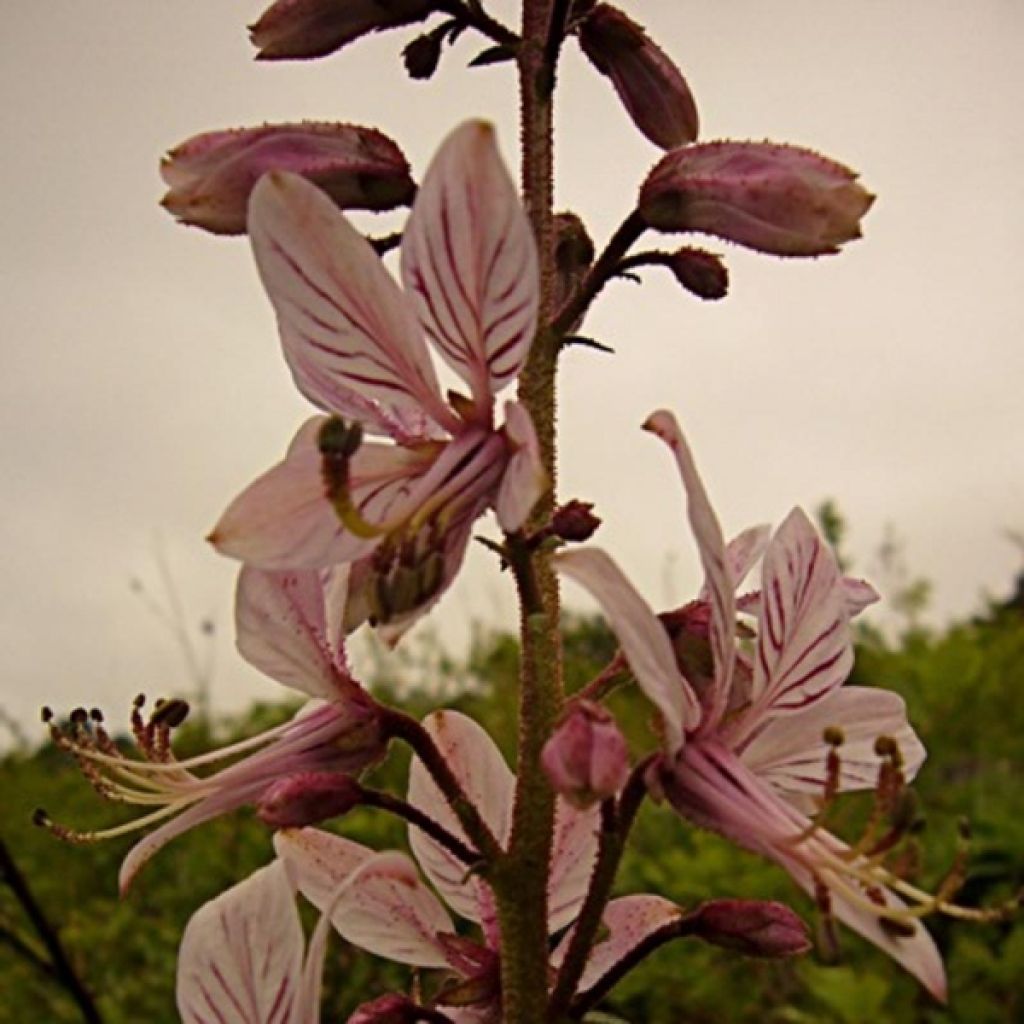
Dictamnus albus, the dittany, is an uncommon aromatic perennial that forms a large, very floriferous clump in late spring. Its sturdy stems bear long clusters of pale pink flowers veined with purple. In hot weather, its foliage releases an aromatic oil with a lemony, resinous scent. Slow to establish, this plant then lives for many years with little care. Once well rooted, it tolerates dry summers remarkably well. It fits perfectly into herbaceous borders as well as dry gardens on stony, chalky soils.
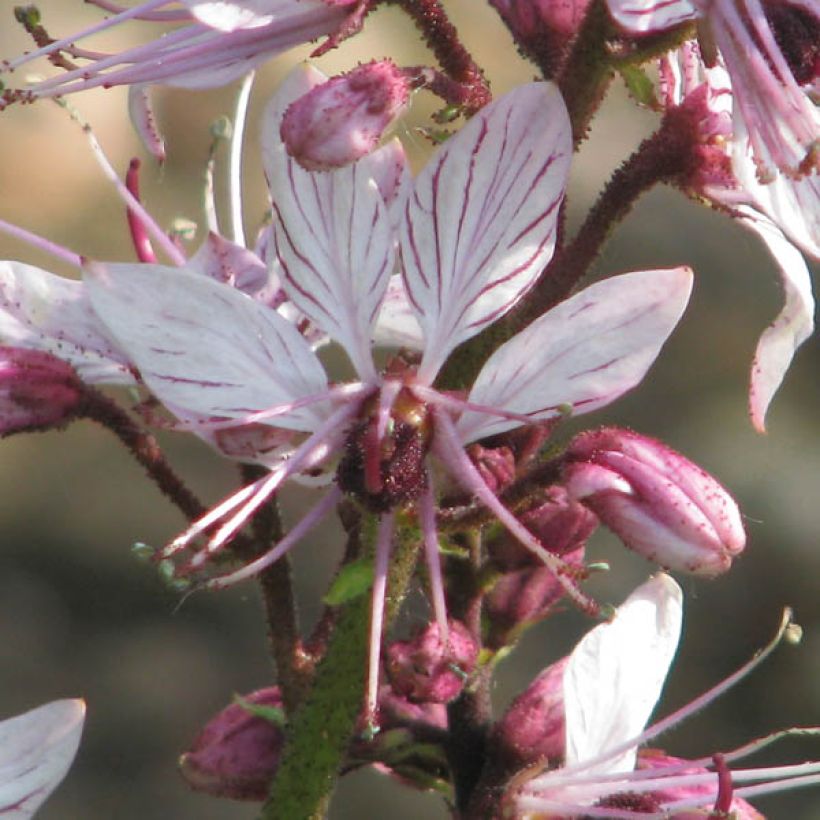
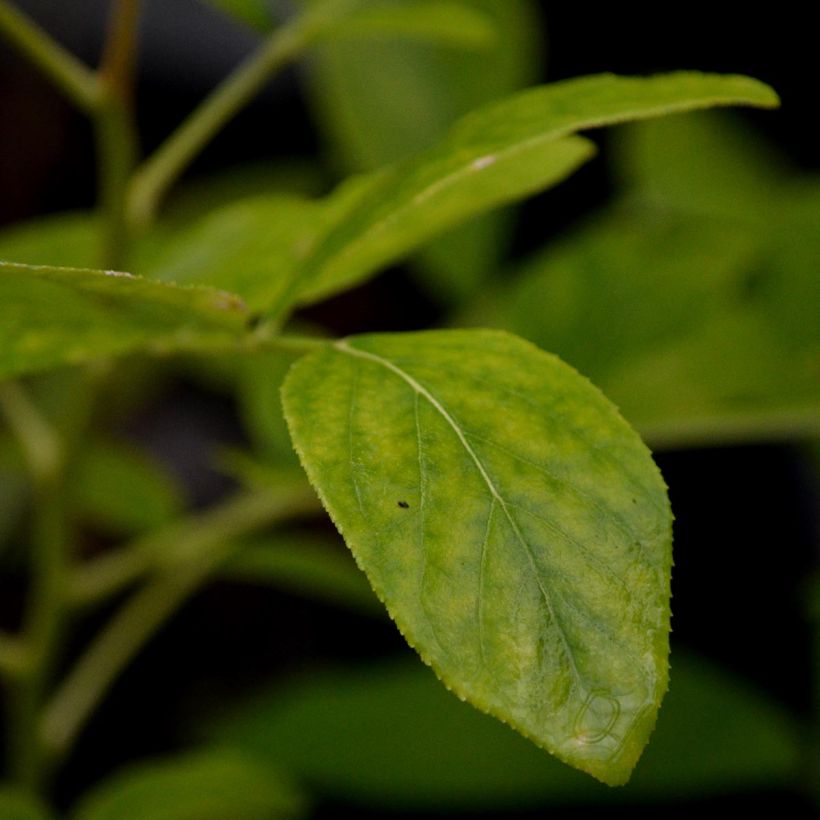
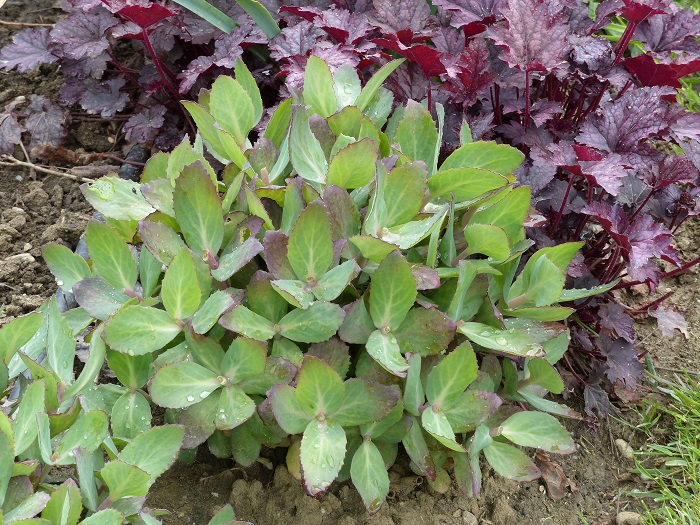
This species belongs to the Rutaceae family, the same as citrus trees. It is a herbaceous perennial with a woody base: its leafy stems die back in autumn and regrow from the stump in spring. Its natural distribution range includes southern, central and eastern Europe, then extends towards the Caucasus, western and central Asia, as far as south-western Siberia and the western Himalayas. This botanical species is present in some French regions. It grows in clearings, open woodland, dry grasslands and rocky terrain, with a preference for chalky soils. The name dittany refers to its compound leaves, which resemble those of the ash tree in miniature. The plant develops a deep, thick, fleshy root. This allows it to draw water from deep soil layers, but also explains why an established plant resents being moved or divided. In the first few years, growth remains modest and flowering may be slow to appear. Once established, the clump persists for many years and gradually becomes more floriferous. The foliage reaches 60 to 70 cm in height. The flowering stems, stiff and upright, rise to 80 or 100 cm; the clump spreads 50 to 60 cm across. This plant bears leaves divided into oval to lanceolate leaflets, slightly toothed, leathery and glossy. The flowers, 2.5 to 3 cm wide, are gathered in long terminal clusters. Each has five irregularly arranged petals, the lower petal curving downwards, as well as ten long arched stamens. The petals are most often very pale pink, almost white, traversed by purplish-pink veins. The colour can vary from white to light mauve. Flowering begins in May in warm regions and occurs mainly in June and July in cooler climates. It is followed by the formation of five-pointed capsules that open in a star shape at maturity. The leaves, flowers and fruits bear glands that release volatile oils with a lemony, resinous scent. On a very hot, still evening, these vapours can produce a brief flame; they do not ignite spontaneously. This peculiarity also explains its nickname of burning bush. Dittany also contains photosensitising substances: contact with the plant followed by exposure to sunlight can cause a skin reaction. Its hardiness reaches -20 °C and it shows little susceptibility to diseases or pests. In regions with very hot, dry summers, the foliage may yellow after flowering and die back earlier.
Dittany is planted in the middle of a sunny border or in a dry garden. It can be paired with the smoky purple clusters of Baptisia 'Purple Smoke', the purple spikes of Linaria purpurea and Perovskia 'Little Spire', which flowers lavender-blue in summer, and Nepeta 'Walker's Low' for the same reasons. All these plants have a similar size and enjoy sun as well as well-drained soil that dries out in summer. Plant dittany away from paths to avoid contact with its foliage.
Report an error about the product description
Dictamnus albus - Fraxinelle, Buisson ardent, Dictame blanc, Dictame des boutiques, Fraxinelle blanche, Petit Frêne in pictures
Flowering
Foliage
Plant habit
Safety measures
Botanical data
Dictamnus
albus
Rutaceae
Dictamnus fraxinella, Fraxinella alba, Dictamnus angustifolius
Central Europe, Eastern Europe, Southern Europe, Caucasus, Central Asia, West Asia
Phytophotodermatoses
Cette plante peut provoquer l'apparition de réactions cutanées indésirables en cas de contact suivi d'une exposition au soleil.
Ne la plantez pas là où de jeunes enfants peuvent évoluer. Evitez l'exposition au soleil après l'avoir manipulée. Evitez tout contact avec la peau: privilégiez l'emploi de gants pour la manipuler. En cas de contact, lavez-vous soigneusement les mains et rincez abondamment à l'eau la zone concernée. Lavez les vêtements entrés en contact. En cas de réaction cutanée, contactez votre médecin ou le centre antipoison le plus proche de chez vous. En cas d'atteinte étendue, appelez sans tarder le 15 ou le 112.Pensez à conserver l'étiquette de la plante, à la photographier ou à noter son nom, afin de faciliter le travail des professionnels de santé.
Davantage d'informations sur https://plantes-risque.info
Planting and care
Plant Dictamnus albus in spring in cold regions or when the soil is heavy. In Mediterranean climates, prefer September or October, when the rains return. Choose its permanent position from the outset: its deep, fleshy root tolerates transplanting and division poorly. Place it in full sun, in deep, well-drained soil, neutral to lime-bearing and moderately fertile. In clay soil, plant on a mound so that water does not stagnate around the stump in winter. Water after planting, then when the soil dries out during the first season. By the second summer, a few waterings suffice during prolonged drought. Once well rooted, the dittany withstands long, dry summers. Avoid fertilisers rich in nitrogen.
Planting period
Intended location
Care
Planting & care advice
-
-
-
-
-

-
-

-
-
, onOrder confirmed
Reply from on Promesse de fleurs
Recently viewed products
Haven't found what you were looking for?
Hardiness is the lowest winter temperature a plant can endure without suffering serious damage or even dying. However, hardiness is affected by location (a sheltered area, such as a patio), protection (winter cover) and soil type (hardiness is improved by well-drained soil).
In temperate climates, pruning of spring-flowering shrubs (forsythia, spireas, etc.) should be done just after flowering.
Pruning of summer-flowering shrubs (Indian Lilac, Perovskia, etc.) can be done in winter or spring.
In cold regions as well as with frost-sensitive plants, avoid pruning too early when severe frosts may still occur.
The harvesting period indicated on our website applies to countries and regions in USDA zone 8 (France, England, Ireland, the Netherlands).
In colder areas (Scandinavia, Poland, Austria...) fruit and vegetable harvests are likely to be delayed by 3-4 weeks.
In warmer areas (Italy, Spain, Greece, etc.), harvesting will probably take place earlier, depending on weather conditions.
The sowing periods indicated on our website apply to countries and regions within USDA Zone 8 (France, UK, Ireland, Netherlands).
In colder areas (Scandinavia, Poland, Austria...), delay any outdoor sowing by 3-4 weeks, or sow under glass.
In warmer climes (Italy, Spain, Greece, etc.), bring outdoor sowing forward by a few weeks.
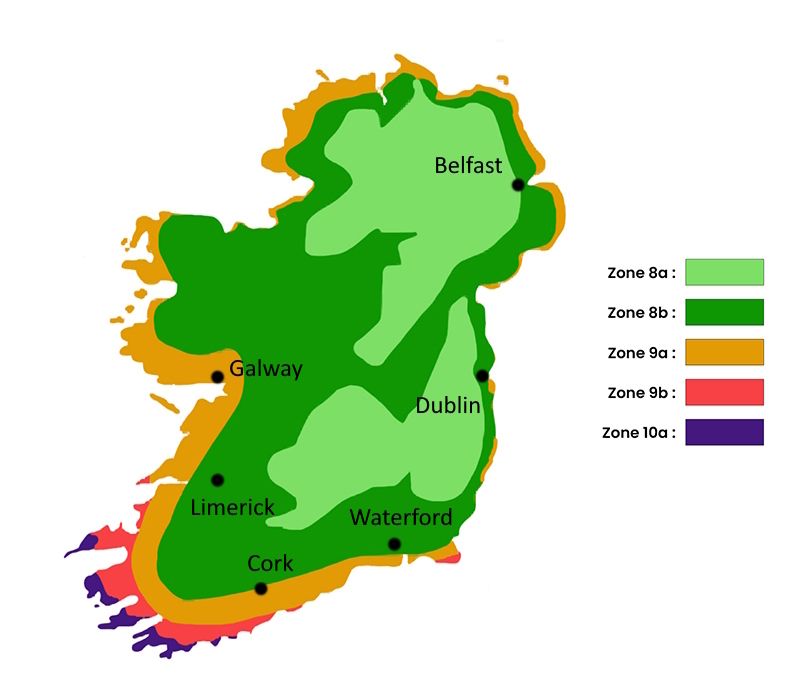
The planting period indicated on our website applies to regions in USDA Zone 9a (East Coast and Midlands: Dublin, Wexford, Waterford, Kilkenny, Portlaoise). It will vary depending on where you live:
- On the west coast and in the north-west (Galway, Limerick, Sligo, Donegal, Westport), delay planting by 1 to 2 weeks in spring and bring it forward by 1 to 2 weeks in autumn compared to the dates given, preferably choosing periods without strong winds.
- In the inland hills and plateaus (Wicklow Mountains, Macgillycuddy’s Reeks, Connemara, Killarney), it is best to plant in spring (April–May) or autumn (September–October), avoiding periods of waterlogged soil in winter and strong winds, which pose the main risk to newly planted trees in these areas.
The flowering period indicated on our website applies to regions in USDA Zone 9a, such as the East Coast and Midlands, including Dublin, Wexford, Waterford, Kilkenny and Portlaoise.
This will vary depending on where you live:
- On the west coast and in the northwest (Galway, Limerick, Sligo, Donegal and Westport), it will be delayed by one to two weeks compared to the given dates, due to stronger Atlantic winds and less spring sunshine.
- In the inland hills and plateaus (the Wicklow Mountains, the Macgillycuddy's Reeks, Connemara and Killarney), flowering will be delayed by two to three weeks. Flowering mainly occurs between May and July, with the limiting factors being less frost and more of the excessive humidity, strong winds and lack of sunshine that are characteristic of these areas.
Shipping country and language
Your country of residence may be:
Your country of residence is:
For a better user experience on our website, you can select:
Your shipping country:
-
 Austria
-
 Belgium
-
 Bosnia & Herzegovina
-
 Bulgaria
-
 Croatia
-
 Cyprus
-
 Czechia
-
 Denmark
-
 Estonia
-
 Finland
-
 France
-
 Germany
-
 Greece
-
 Hungary
-
 Iceland
-
 Ireland
-
 Italy
Italy
-
 Latvia
-
 Liechtenstein
-
 Lithuania
-
 Luxembourg
-
 Malta
Malta
-
 Netherlands
-
 Poland
-
 Portugal
-
 Romania
-
 Serbia
-
 Slovakia
-
 Slovenia
-
 Spain
Spain
-
 Sweden
-
 Switzerland
Language:
-
French
-
 English
-
Spanish
-
Italian
-
German
-
Portuguese
-
Dutch
-
Finnish
My Account
Hello
My wish lists
My cart
Log in / Register
Existing customer?
This form is protected by reCAPTCHA - the Google Privacy Policy and Terms of Service apply.
New customer?
Create an account to track your orders, access our customer service and, if you wish, make the most of our upcoming offers.