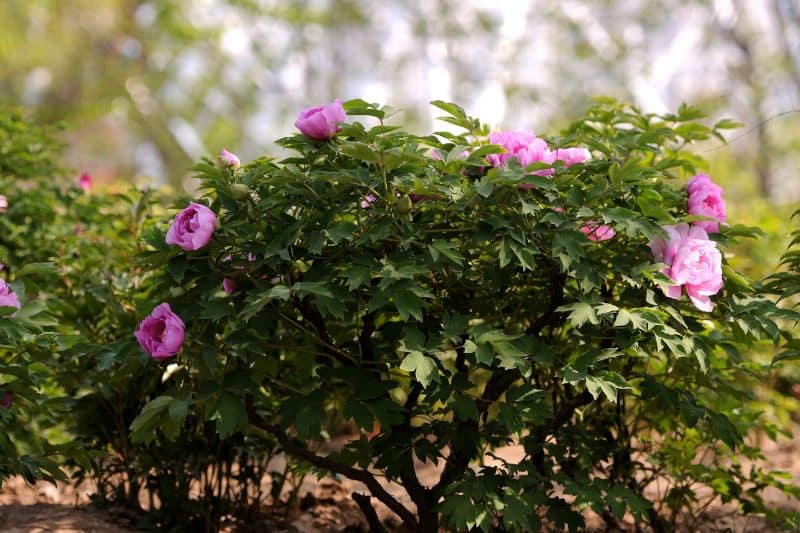
Tree peonies (Paeonia suffruticosa) are shrubs highly valued for their spectacular flowers, often scented, and their elegant spring appearance. To keep them vigorous and floriferous, appropriate pruning is essential. Done well, it renews the branches, opens up the plant's centre and encourages new flower bud formation. Discover our tips for successful pruning of tree peonies.
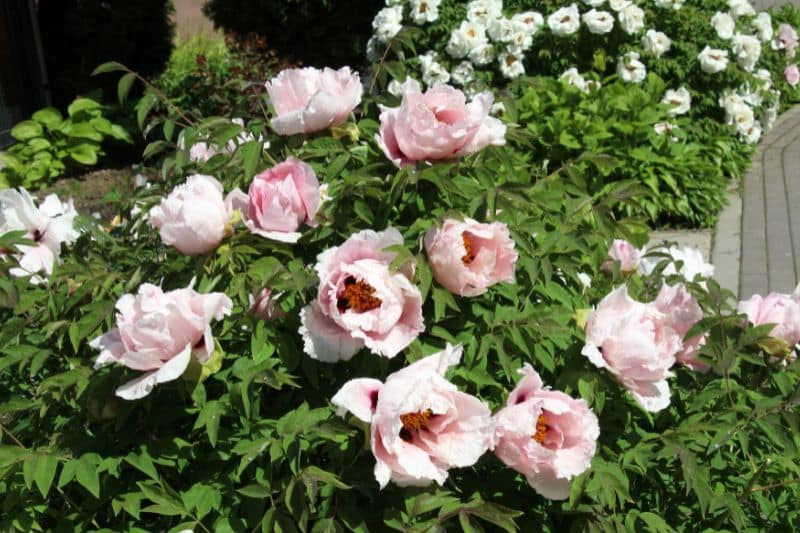
When to prune tree peonies?
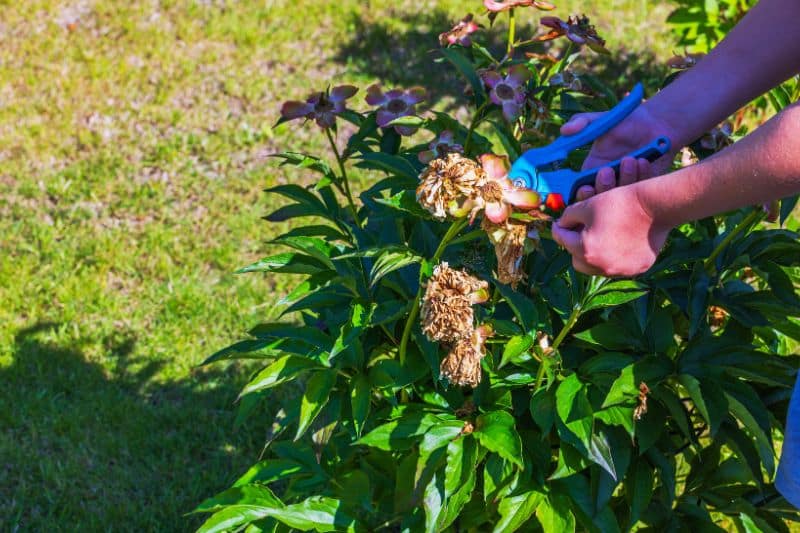
Pruning tree peonies is done just after flowering, generally between May and June depending on variety and region. At this time carry out maintenance pruning: remove faded flowers and shorten spent stems.
In late winter, between February and March, perform a cleaning prune to remove dead wood or poorly placed branches. But beware: branches already carry the flower buds!
Did you know? Tree peonies flower on one-year-old wood. Their flower buds form during summer and autumn. Avoid pruning in autumn so as not to remove these flower buds.
How to prune a tree peony?
Tools required
To carry out pruning of your tree peony you will need:
- a sharp pruning shear for clean cuts;
- a lopper or a pruning saw for older branches;
- gardening gloves to protect your hands.
Tip: Clean and disinfect your tools before and after pruning to prevent disease spread between plants.
Spring pruning of tree peonies
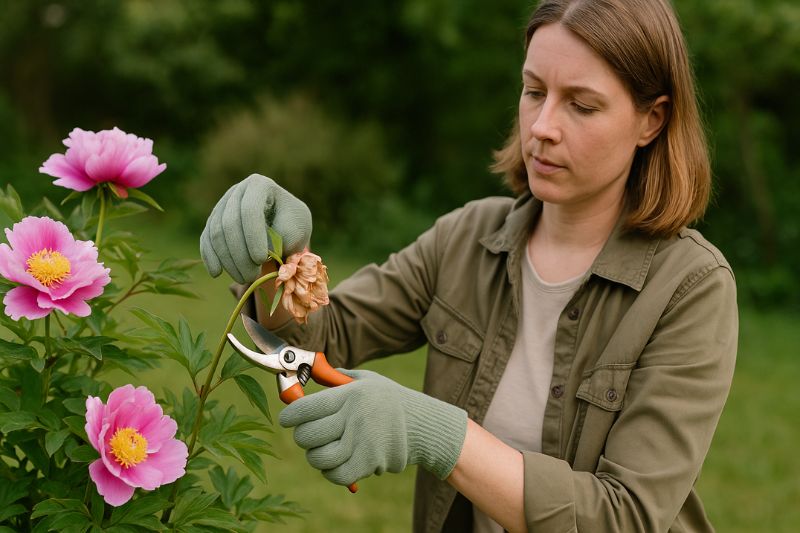
- Start by removing faded flowers, cutting just above the first or second well-developed leaf.
- Slightly shorten excessively long tips, cutting above a leaf or a bud facing outwards.
- Remember to remove offshoots below the graft union, often recognisable by different foliage, as they come from the rootstock.
Cleaning prune in late winter
- Remove at the base any dead, diseased or broken wood.
- Eliminate crossing shoots.
- Slightly open up the centre of the clump if the plant becomes too dense by removing a few weak or poorly placed shoots.
- Bear in mind that a hard cut removes flower buds; limit shortenings to only unbalanced parts.
Good to know: In case of late frost, wait until the plant clearly shows which shoots have been damaged before cutting away blackened wood.
Rejuvenating an old tree peony
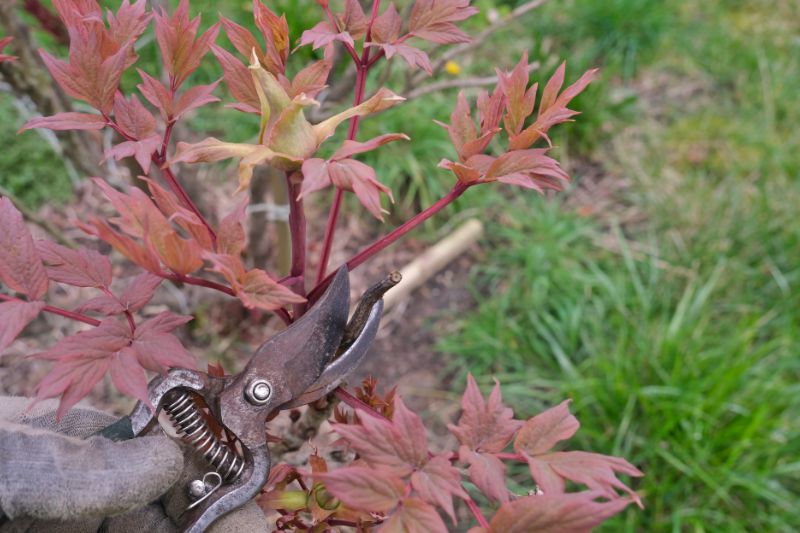
With age, an old tree peony often becomes bare at the base. The right strategy is to renew the wood gradually in late winter, spreading interventions over two or three years so as not to compromise flowering.
Each late winter, cut back one or two old shoots to 20–30 cm from the soil, just above a vigorous bud, and leave the others intact to preserve flowers.
This staged method encourages production of low shoots without entirely depriving the plant of flowers. Avoid cutting back completely in one go, which tree peonies tolerate poorly and which delays recovery.
Tips and care after pruning tree peonies
- Prefer pruning in dry weather to aid wound healing.
- Make angled cuts, 2–3 mm above an outward-facing bud, to help rainwater run off.
- After pruning, collect and remove debris to limit botrytis (grey mould) hotspots. For more information, see our article: "the main diseases of peonies".
- An application of organic fertiliser (well‑rotted compost, etc), rich in potash, in spring, helps your peony's flowering.
- You can lay a layer of mulch (wood chips, dead leaves, hay, etc) at the base of the peony to retain soil moisture in summer and protect roots from cold in winter.
- Avoid moving an established tree peony, as it does not like transplanting.



































Comments