Tetragon: sowing, cultivation, harvest
Contents
Tetragon in a nutshell
- Tetragon is an annual and vigorous vegetable plant of the Aizoaceae family
- Nicknamed “New Zealand spinach”, tetragon has, however, no botanical relation to spinach
- Rich in vitamins and mineral salts, corniculate tetragon is an ally for health and slimming
- Easily grown in a sunny position, in slightly acidic, deep, fertile and light soil
- Leaf vegetable with a briny flavour, top chefs increasingly use it in their recipes
- Leaves of corniculate tetragon resemble those of species of the genus Datura, which are toxic
A word from our expert
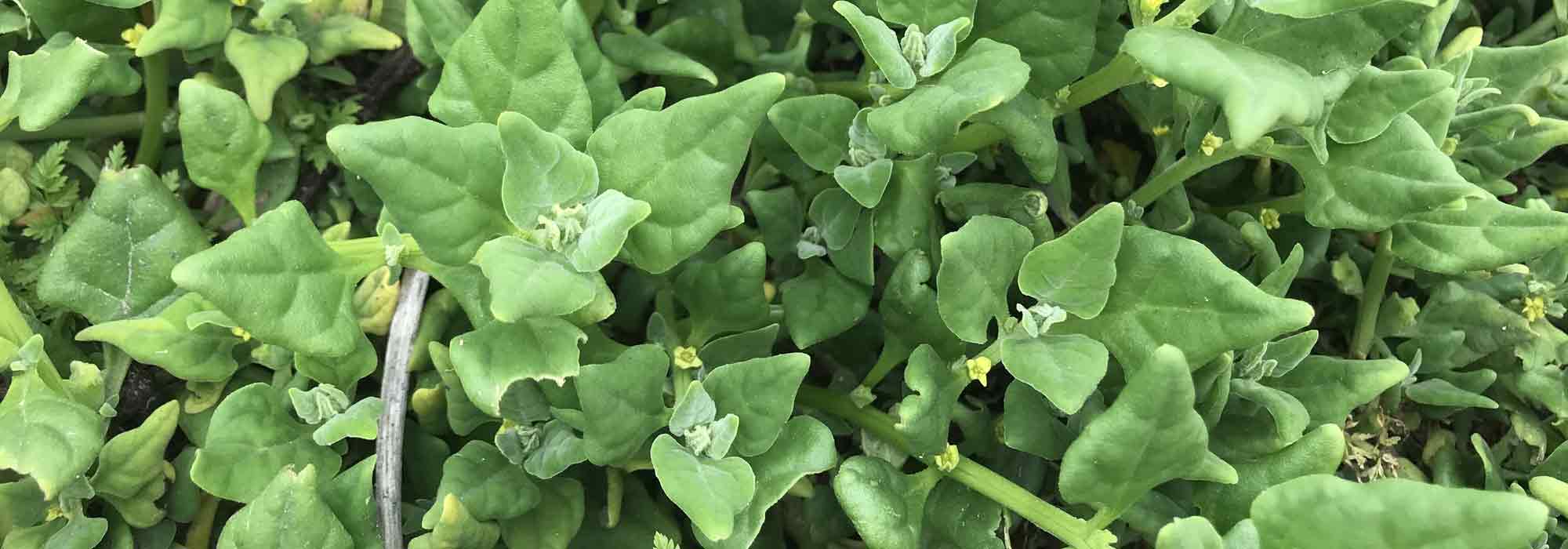
Horned tetragon is very often called “New Zealand spinach” because of its obvious resemblance to spinach. But despite their similarities, tetragon is very much a species in its own right, from the family Aizoaceae. Among the features that distinguish them, note that this vigorous annual vegetable plant produces large fleshy, triangular leaves with a distinctly iodine-rich flavour.
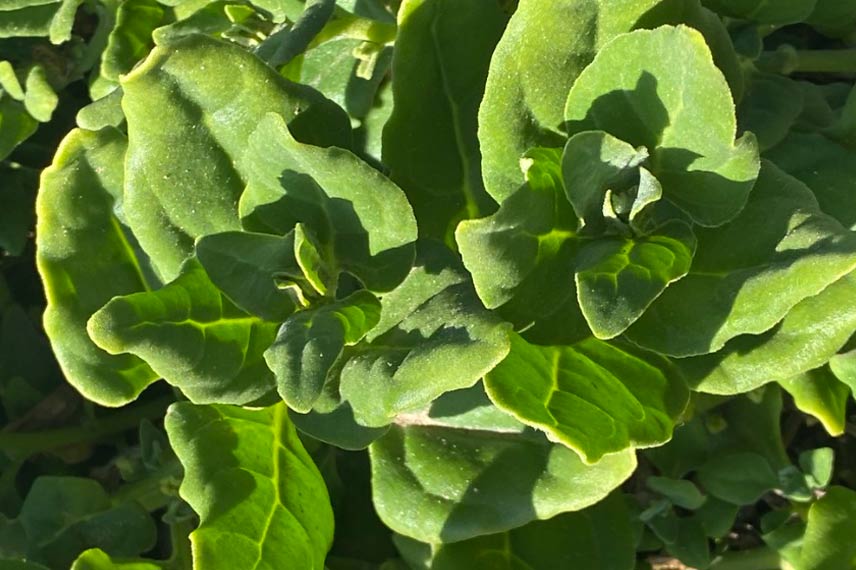
Foliage of horned tetragon | © Dana L. Brown – Flickr
Tetragonia tetragonoides is a rare leaf vegetable in France, yet highly prized in English-speaking countries. In recent years, however, tetragon seems to be winning over more and more gardeners, particularly home gardeners.
Its iodine-rich flavour is also much sought-after by top chefs who increasingly include it in their recipes. Horned tetragon is therefore used raw or cooked in many dishes, served in salads, sautéed in a pan, or even steamed.
New Zealand spinach is a vegetable rich in minerals and vitamin C.
Easy to grow and suitable for beginner gardeners, horned tetragon is a heat-tolerant plant, even drought-resistant.
Be careful not to confuse horned tetragon with species of the genus Datura, which are toxic and potentially fatal. Their leaves do resemble those of tetragon.

Description and botany
Botanical data
- Latin name Tetragonia tetragonoides
- Family Aizoaceae
- Common name New Zealand spinach, horned tetragonia
- Flowering from July
- Height 1 m
- Sun exposure sunny
- Soil type rich in humus, fresh, light, deep, not too acidic
- Hardiness frost-tender
Tetragonia, Latin Tetragonia tetragonoides, is also known by common names horned tetragonia and New Zealand spinach.
From family Aizoaceae, this herbaceous plant occurs in New Zealand, as well as in China, Chile and on various islands in the Atlantic Ocean. It reached Europe in the 18th century, introduced by English botanist and explorer Joseph Banks, companion of Captain Cook, after a mission to New Zealand. However, it was not introduced to France until 1830. Today, tetragonia is particularly widespread in English-speaking countries, but remains relatively little grown in France.
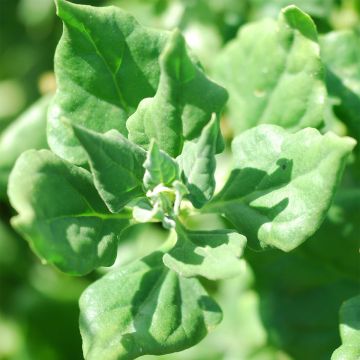
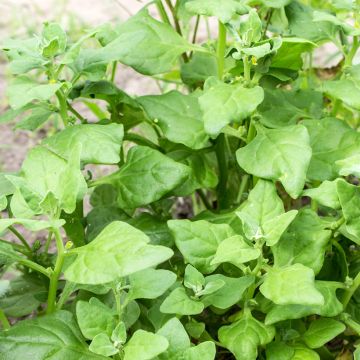
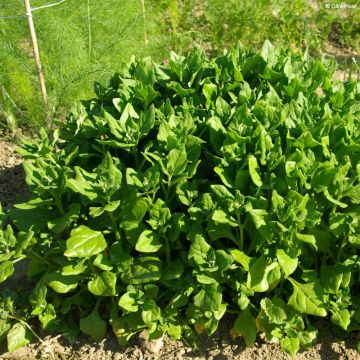
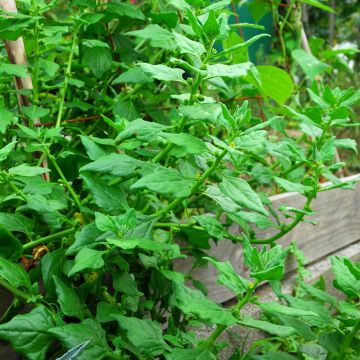
Horned tetragonia produces spreading, thick, branched stems that can reach 1 m across. Its foliage consists of alternate, fleshy (almost succulent), crinkled leaves that are triangular in shape. Of dark green colour, these very large leaves measure between 3 and 15 cm long. Flowering of Tetragonia tetragonoides begins in July and produces small, solitary yellow flowers borne in the leaf axils. The fruit of the plant is a bristly capsule bearing small spines. Horned tetragonia takes its name from the shape of its four-sided seeds: in Ancient Greek “tetra” means “four” and “gonu” means “angle”.
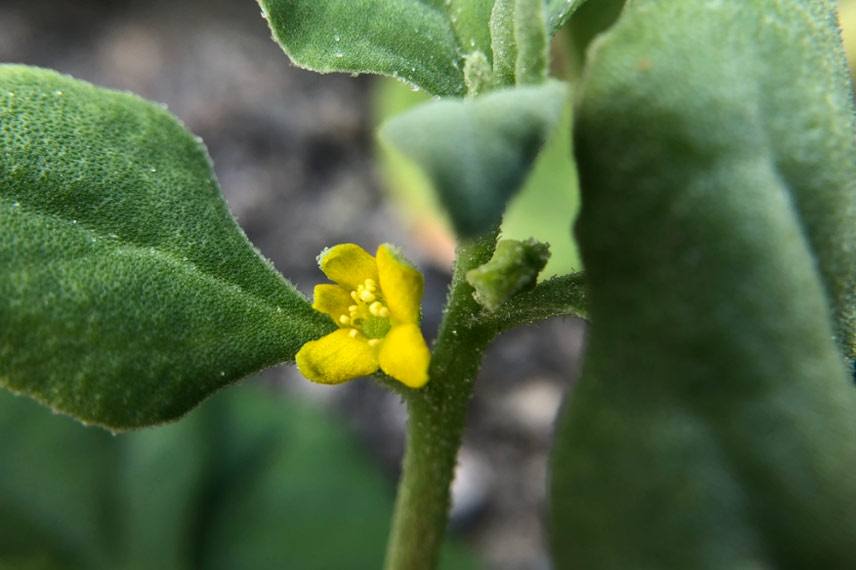
Flower of horned tetragonia | © Cheng-Tao Lin – Flickr
Note that only the type species, Tetragonia tetragonioides, is cultivated.
New Zealand spinach is both high in water and in fibre, and low in calories. The plant is also rich in vitamin C, B1, B2, PP and in mineral salts.
Main species and varieties
Our horned tetragon varieties
Tetragonia tetragonoides
- Flowering time July to October
- Height at maturity 30 cm
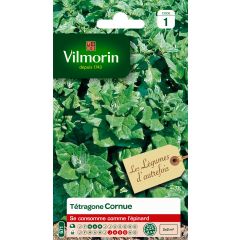
Tetragonia tetragonioides
- Height at maturity 60 cm
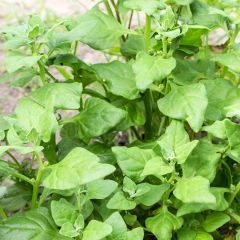
New Zealand Spinach - Tetragone - Tetragonia tetragonioides
- Height at maturity 60 cm
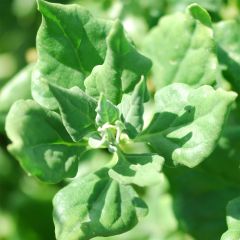
Horned Tetragon NT - Ferme de Sainte Marthe seeds
- Height at maturity 60 cm
Discover other Tetragon
View all →
Available in 1 sizes
Available in 1 sizes
Available in 1 sizes
Available in 1 sizes
Available in 1 sizes
Sowing and planting tetragon
Bear in mind that, unlike spinach, the tetragon sets seed with difficulty, even if you live in a region where summers include periods of high heat. Sowing remains, however, the only method of propagation for New Zealand spinach. The plant also self-seeds and thus renews itself each spring in the same spot.
Where to plant New Zealand spinach?
The tetragon is an edible that thrives in all regions. Place it in a sunny spot, even in southern France. The location should offer soil rich in humus, cool, light, deep and slightly acidic.
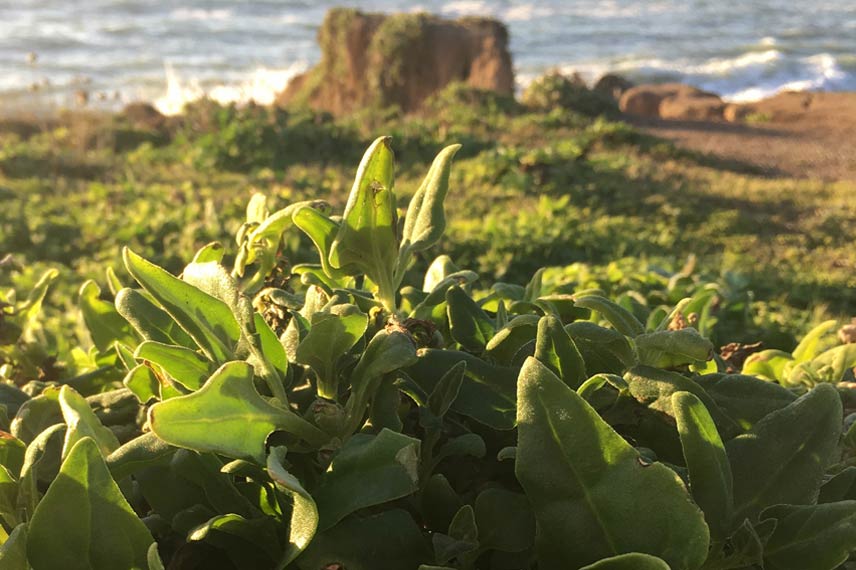
Tetragonia tetragonoides | © Jon Sullivan – INaturalist
When and how to sow tetragon?
Sowing tetragon is done under cover between March and May. Seeds need a germination temperature of around 15°C. Indeed, this is a tender plant that prefers well-warmed soil and does not tolerate frost. You can also sow tetragon seeds directly outdoors from mid-May until the end of June.
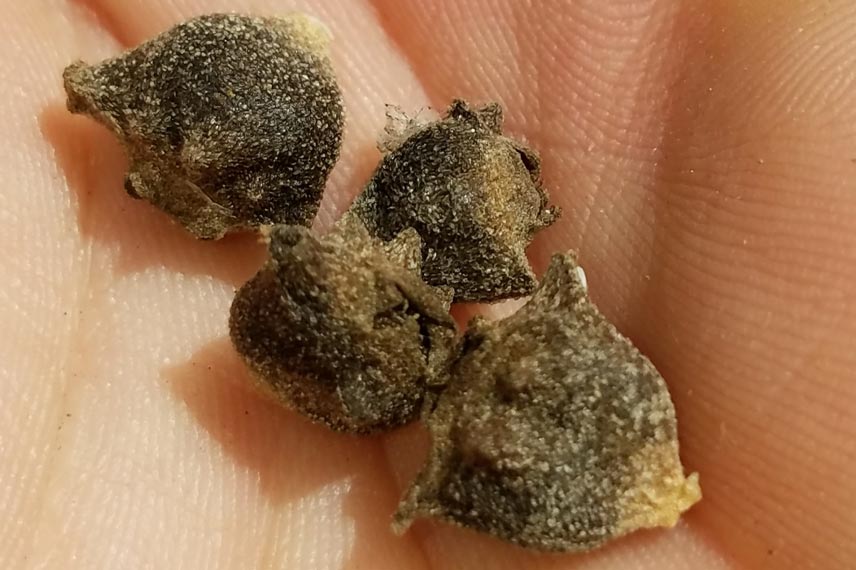
Tetragon seeds | © Benjamin J. Dion – INaturalist
Sowing in pots
- Start by soaking the seeds in water for 12 to 24 hours to help germination.
- Sow the tetragon seeds in pots, covering them with compost to a depth of 2 or 3 cm.
- Water the sowings with a watering-can rose.
- When seedlings appear, thin out to leave a single vigorous plant per pot.
Sowing outdoors
- Sow 3 or 4 seeds of tetragon per station, after soaking for 12 to 24 hours.
- Cover them with soil to a depth of 2 or 3 cm, spacing plants 70 to 80 cm in all directions.
Germination of tetragon seeds occurs on average within 8 to 10 days, although it can sometimes take longer.
When and how to plant tetragon?
If you have sown New Zealand spinach in pots, plant out at the final position around mid‑May, once the risk of frost has passed.
In the vegetable patch
- Work into the soil two spadefuls of well‑rotted compost per m2.
- Keep again a spacing of 70 to 80 cm between each plant.
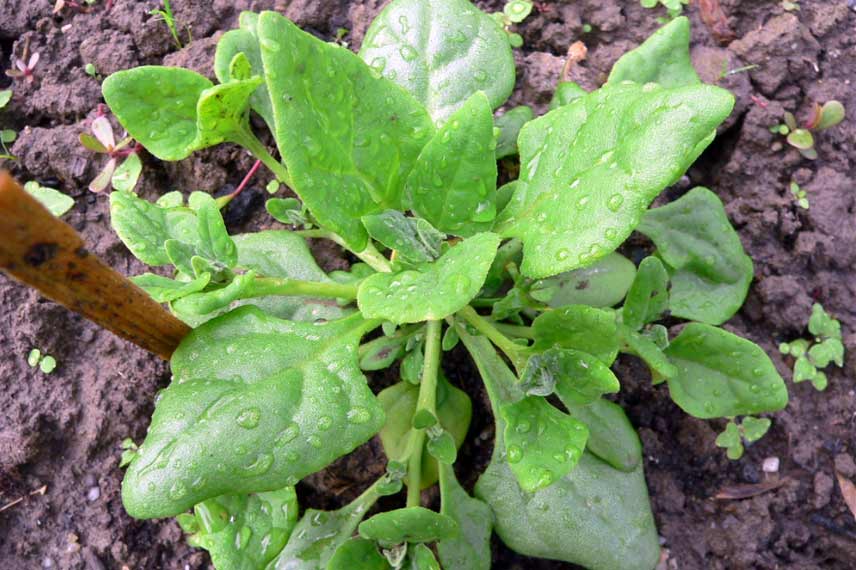
New Zealand spinach © mbalazs2 – Flickr
Tip: preferably use peat pots for sowing tetragon. These can be planted straight into the soil with your young plants, reducing handling of this species, which tolerates transplanting poorly.
In a pot
If you live in an apartment with a balcony, you can pot up your tetragon seedlings.
- Choose a container of at least 30 cm diameter.
- Place a layer of gravel or clay pebbles in the bottom of the pot and fill it with a mix made of 3/4 rose potting compost, 1/4 enriched sand and two handfuls of compost.
Harvest, storage and use
Harvesting New Zealand spinach leaves
Allow on average three months from sowing New Zealand spinach before starting to harvest. Pick leaf by leaf. To harvest New Zealand spinach, cut the leaves growing around the edge of the plant to avoid damaging the plant’s heart so it can continue to produce new leaves.
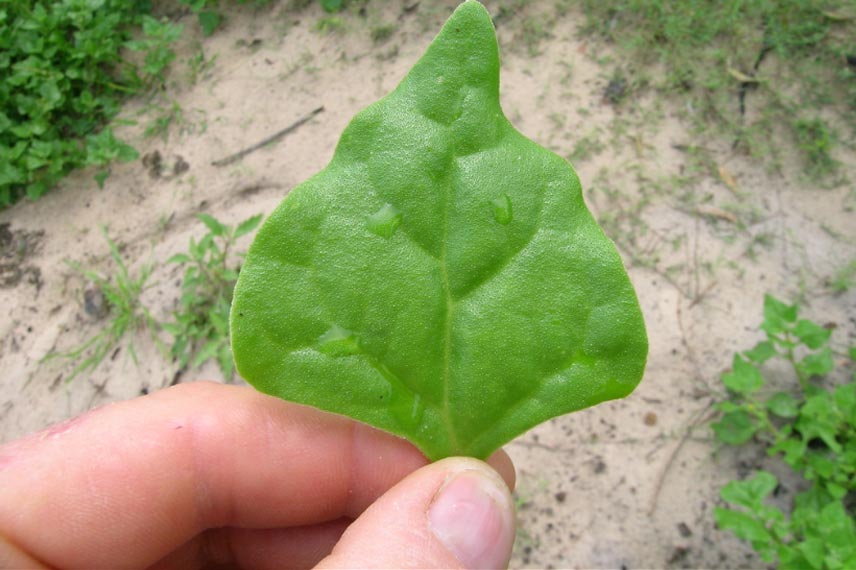
Storing New Zealand spinach leaves
New Zealand spinach leaves do not keep well in the fridge. They tend to go limp quickly. Better to pick them as needed and eat them as soon as possible after harvest.
Note that New Zealand spinach freezes very well, provided it has first been blanched for 3 minutes in salted boiling water.
Harvesting New Zealand spinach seeds
Flowering of New Zealand spinach gives way to green capsules that brown as they dry and then fall to the ground. Harvest them before they detach from the plant (between September and October), as soon as they begin to brown. They can then be stored for later use in your next sowings.
Storing New Zealand spinach seeds
After harvest, dry the capsules on absorbent paper for 1 to 2 hours. Then place them in an envelope, jar or small box, and keep everything in a dark place. Seed viability for New Zealand spinach is generally between 3 and 4 years.
Health benefits of New Zealand spinach
From a nutritional point of view, New Zealand spinach is a very interesting health food.
To begin with, it is a great ally for weight-loss diets. Its leaves are rich in water and fibre but low in calories. Like spinach, New Zealand spinach promotes intestinal transit and detoxification.
In addition, this plant is rich in vitamins C, B1, B2, PP, and in mineral salts, while containing less oxalic acid than spinach. It can therefore be eaten by people suffering from rheumatism.
Note that New Zealand spinach also has anti-inflammatory and antioxidant properties, as well as benefits for skin, mucous membranes and the nervous system.
Culinary uses for New Zealand spinach
New Zealand spinach is a leafy vegetable with very interesting culinary qualities.
New Zealand spinach can be eaten raw (when leaves are very young) or cooked. When cooked, its taste is very similar to spinach, though somewhat more briny. By contrast, the texture of young raw leaves is much crunchier and richer than that of young spinach shoots.
- Eaten raw, New Zealand spinach can be blended into a smoothie or added to a salad. It pairs particularly well with tomato and sorrel.
- Eaten cooked, New Zealand spinach suits many preparations. It can be used in a gratin, pan-fried, boiled and dressed with butter and garlic, served with white meats and fish, etc.
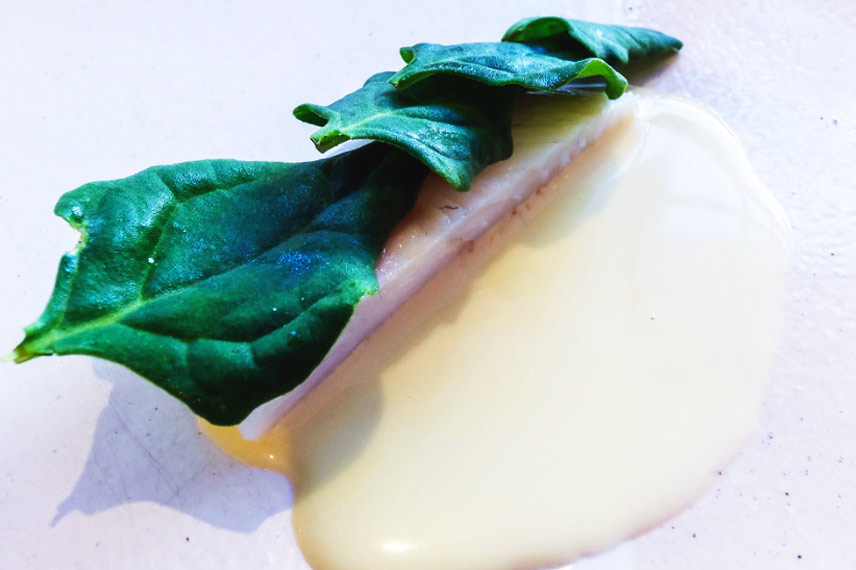
Poached turbot and New Zealand spinach leaves | © alh1 – Flickr
Use in the garden
Its vigour and summer hardiness make New Zealand spinach very useful for garden maintenance. Indeed, its abundant foliage is an effective alternative to groundcover plants, while being edible.
In the vegetable patch, when combined with a mulch layer, New Zealand spinach helps limit common vegetable diseases (particularly those affecting tomato), such as blossom end rot and grey mould.
Caring for horned tetragon
Horned tetragon is a fairly heavy feeder, especially of nitrogen and potassium. Well-manured soil is therefore very favourable to its growth. In autumn (preferably), apply well‑rotted compost at a rate of 3 kg per m2. Start by carefully loosening compacted soil before incorporating the compost by forking in to a depth of about 5 cm. Do not hesitate to also apply nitrogenous fertiliser, such as blood meal or horn meal. Note that tetragon prefers neutral to slightly acidic soils (with a pH between 5.5 and 7).
Good to know: young New Zealand spinach plants sometimes get off to a slow start. Keep an eye on watering, and pinch out the tips of their shoots to encourage branching and leaf development.
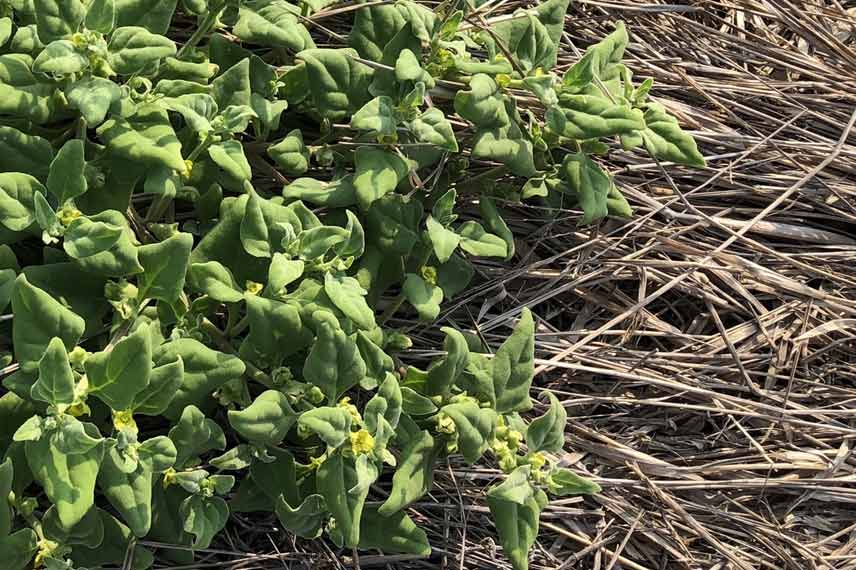
Tetragon and mulch © mutolisp – INaturalist
Bear in mind that despite being very heat‑tolerant, New Zealand spinach needs cool soil to thrive. Once soil is well warmed and tetragon plants are sufficiently developed (10–14 cm tall), it is therefore recommended to mulch with thin successive layers of grass clippings, ideally mixed with fallen leaves. This organic mulch reduces the plant’s water needs by limiting soil evaporation. It also drastically cuts weeding and feeds the soil as the materials break down.
Originally, New Zealand spinach is a perennial. However, it is a frost‑tender plant that cannot tolerate our winter cold. It is therefore grown as an annual in our latitudes. Once harvest season is over, leave its stems to dry in place. It can then self‑seed from year to year.
Potential diseases and pests
Horned tetragon is a plant not very susceptible to disease. However, it is highly attractive to slugs that feast on its young plants.
- To keep slugs away from your plantings as a preventive measure, try attracting their natural predators, such as ground beetles, hedgehogs, toads or birds. Also plant repellent species around the vegetable patch, such as mustard, clover, tagetes or blackcurrant.
- If the infestation has already begun, favour ecological solutions to get rid of slugs. You can opt for slug barriers, install protective cloches over young plants, use beer traps, or use fern or rhubarb manure to repel them.
Companion planting New Zealand spinach
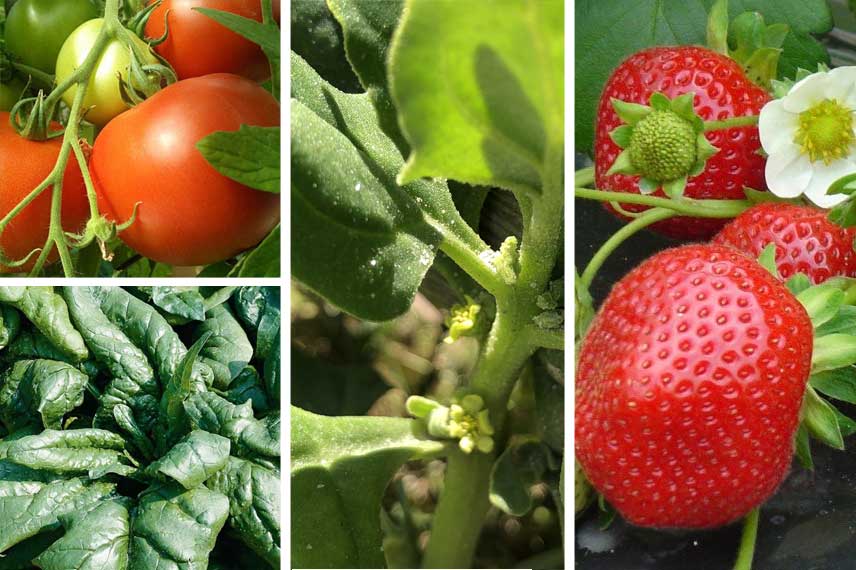
Most beneficial and best-known association here is that between corniculate tetragon and strawberry. Indeed, strawberry plants are known to favour development of tetragon leaves and to enhance their flavour. Note that New Zealand spinach can also be associated with the tomato, and with any other plant with an upright habit that does not shade it. It is also associated with spinach, although the two plants are botanically completely distinct.
Useful resources
- To avoid confusing the two, also see our comprehensive fact sheet on growing spinach in the vegetable garden.
- Discover the “Horn, blood & specific fertilisers” section on Promesse de Fleurs to feed your young horned tetragon plants.
- Find our care and organic control to naturally combat slugs and thus protect your young New Zealand spinach plants.
- Subscribe!
- Contents
This form is protected by reCAPTCHA - the Google Privacy Policy and Terms of Service apply.

































Comments