Is my rockrose dead? What should I do?
Causes of sudden dieback and our practical advice
Contents
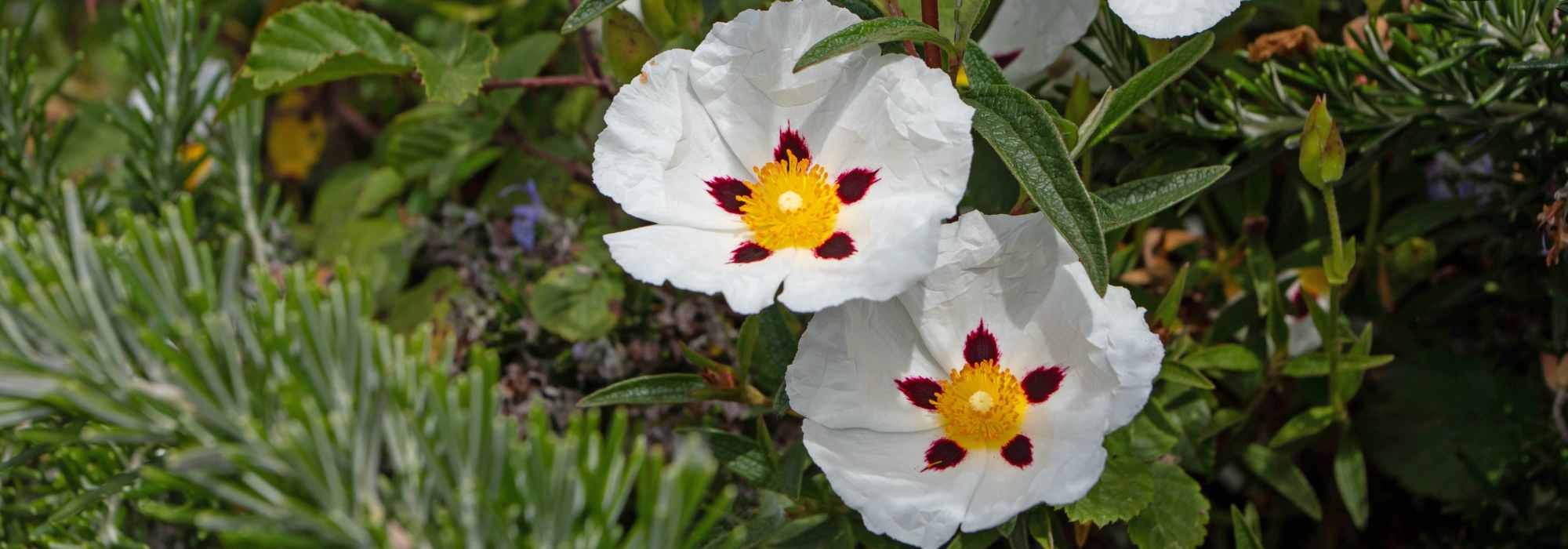
Drought-tolerant garden star, delight of spring, the rockrose blooms for a long time with its crumpled flowers. This superb garrigue plant is not confined to southern France, as it tolerates sub-zero temperatures. But seeing a rockrose that does not wake up in spring and has discoloured is a bad sign. This shows it has literally been scorched, which is often linked to a wet spring.
What to do if your rockrose is all brown and appears dead? Can it be revived? We’ll tell you everything!

Why is my cistus completely dry and looking scorched?
A sudden dieback with brown colouring as spring ends is, unfortunately, often the symptom of a shrub that has suffered from an overly wet spring. This is often associated with poorly drained soil. If winter has been very wet and spring is dry or warmer than normal, roots become waterlogged then suffer thermal stress. Result: root asphyxiation causes sudden desiccation of the plant.
We see the same with cistus that have suffered late frosts. Although it is one of the plants of the garrigue accustomed to cold winds, a cistus can weaken if exposed to a wet winter. It may gradually weaken, then rapidly dry out completely.
If a cistus shows identical signs at another season, the cause is likely different. Indeed, its life expectancy is fairly limited, and after about 10 years a cistus planted in conditions that previously suited it may begin to decline.
If a young cistus was recently planted, it is likely due to insufficient drainage and/or excessive watering.
Severe pruning is rarely responsible for complete desiccation, especially if carried out at the right time. Note that cistus remains an interesting shrub because it requires little pruning.
Another explanation, much rarer though (and often to be ruled out given cistus’s reputation for hardiness), is attack by a pest on an already stressed plant.

A cistus all brown in spring… It has been scorched on the spot! (© Gwenaëlle Authier)
Can a scorched rockrose be saved? Is there still hope?
To find out whether a rockrose can be saved despite its appearance, try two things :
- Check whether stems are brittle and dry right down to the base : if so, the plant is usually lost. Presence of green wood when scraping the bark indicates the plant may resprout. In that case prune only the dead wood and wait for any regrowth (admittedly, that’s still rare). But if the entire above‑ground part is affected, the plant is lost.
- Check condition of the roots : black or soft, they are rotten; dry or brittle, they are suffering from water stress. If the plant is really dry and brittle right down to the base, it is best to pull it up and replace it. Severe pruning will not be enough if the roots are affected.
How to replant to avoid disappointment?
Unfortunately we are not immune to disastrous winters or springs, with torrential downpours increasingly linked to climate change. Even brief waterlogging is fatal to cistus.
To ensure longevity of a cistus in your garden — all the more so if you do not live in garrigue regions with stony soils — it is essential to give special attention to planting a new cistus:
- Choose a cistus species “slightly more tolerant” of winter wetness, with some adaptability to cool soils such as Cistus × pulverulentus, which has a compact habit, Cistus parviflorus or Cistus x purpureus. That said, take this with caution: cistus will always need perfectly drained soil. Ideally plant on a small raised mound, a bank, or in a rockery to ensure good run-off. And in any case, choose a different spot!
- Choose autumn for planting in mild climates, which will allow the cistus to establish better before first summer; elsewhere favour spring planting, managing watering carefully during summer.
- Prepare the planting hole carefully: avoid replanting in the same spot without improving the soil. Mix soil with gravel and/or pumice for optimal drainage. Once planted, avoid a thick organic mulch that would retain too much moisture.
- Water sparingly during the first year, then let nature take over: cistus will make do with rainwater and requires little maintenance once established.
Final tip: cistus are plants of dry garrigue — any prolonged moisture is a major risk. So if your soil is damp, forget cistus and turn to alternatives that provide a similar garrigue look: Halimium, rosemary, or lavender (Lavandula angustifolia and its cultivars).
- Subscribe!
- Contents
This form is protected by reCAPTCHA - the Google Privacy Policy and Terms of Service apply.


































Comments