Heather soil: how to use it properly in the garden?
Precautions to take with this substrate
Contents
Camellias, azaleas, rhododendrons, hydrangeas, Japanese maples… These plants are often classed in the category of “heather soil” shrubs. Their magnificent blooms make many gardeners dream but they are acidophilous, that is they favour acidic soils and are intolerant of lime, which sometimes limits planting possibilities in some gardens.
Should you then replace your good garden soil with heather soil to grow these plants? But what exactly is this famous “heather soil“? And above all, is it really good for plants, even those described as “heather soil” plants? We explain all this in our guide!

What is heather soil?
Under the term “heather soil”, two quite different substrates are found:
- genuine heather soil,
- so‑called heather soil.
Genuine heather soil
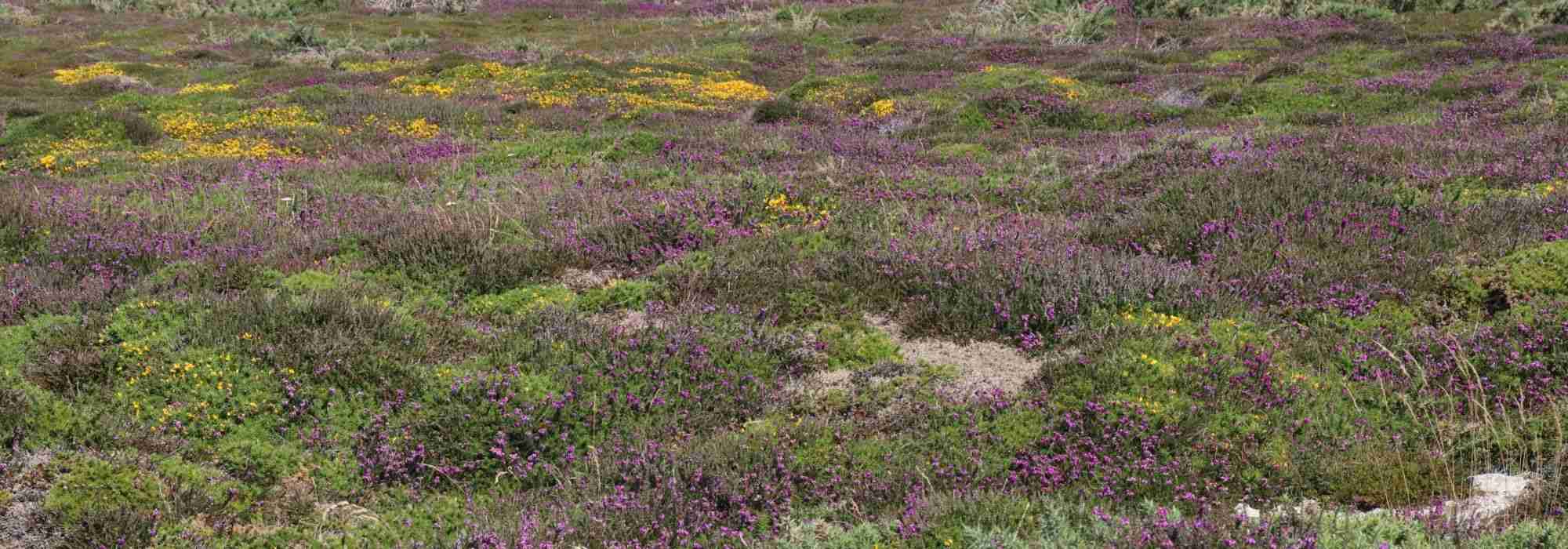
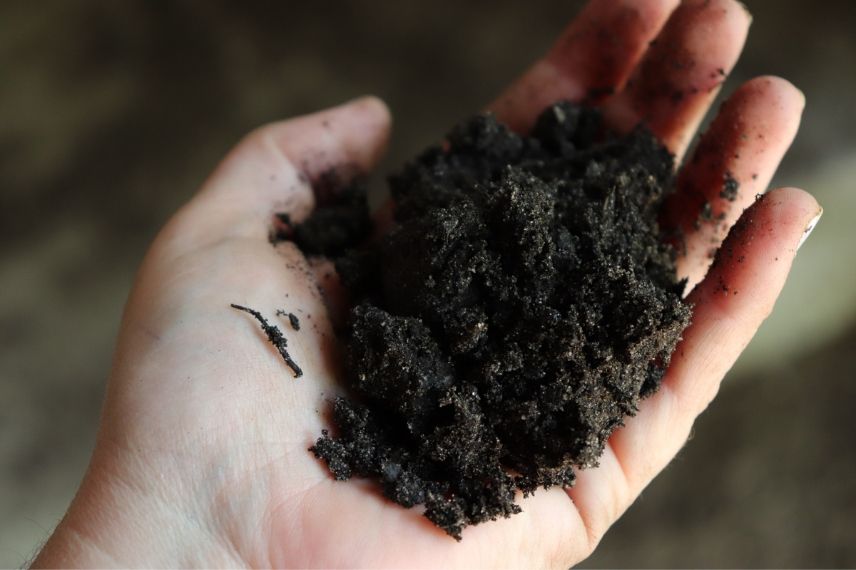
Genuine heather soil, natural, is found in undergrowth, on sandy soil, at foot of conifers or in heathland. This soil is formed mainly by decomposition of heather, an organic matter low in nutrients. Heather soil is very acidic (pH < 5), nitrogen and phosphorus are poorly available and pollutants or heavy metals such as aluminium ions are often present. As this soil is now exploited only on a very small scale in Sologne (France), it is scarce and therefore costly.
So‑called “heather soil”
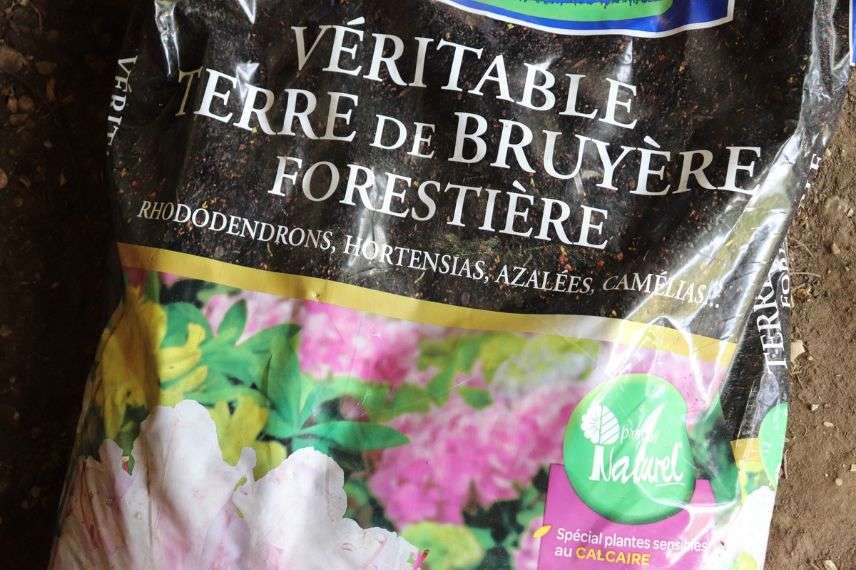
It is an “imitation” of genuine heather soil. It is formed of siliceous soil, a little sand for permeability, bark and pine needles ground to powder, plant fibres, compost and sometimes turf. In some cases, fertiliser is also added to this “potting compost“.
please note : turf moors are very fragile acidic natural habitats supporting a highly specialised flora and fauna. Exploitation of these turf moors almost irreversibly destroys them because it takes thousands of years for them to re‑form. So avoid commercial so‑called “heather soil” that contain blond turf.
Read also
Plant young ericaceous plantsDisadvantages of heather soil
Gardeners are generally well-meaning. If they read “ericaceous plant”, they plant in pure heather soil. Unfortunately, there is nothing more effective at killing a plant, even an “ericaceous plant”! It is, moreover, one of the main reasons for failure when growing acidophilous plants.
Why? Because genuine heather soil must never be used pure!
In reality, this substrate’s strengths are also its weaknesses:
- High acidity: hooray! It’s acidic so it’s good for acidophilous plants. True, but not to the point of planting directly in this very acidic substrate. Excessive acidification of the soil will reduce activity of the soil fauna and thus limit availability of nutrients. Soil fauna comprises the soil’s animals (worms, invertebrates, springtails and even bacteria) which help create a soil and mineralise organic matter, thus feeding plants.
- Rich in humus but… poor in nutrients: this soil results from decomposition of heather. Moreover, what little there is is hard to assimilate (see above).
- It does not retain water: due to its composition, it is a very permeable soil. This is an advantage because ericaceous plants prefer free-draining soils, especially in winter, but… once dry, this substrate is almost impossible to re-wet, bringing death and desolation to your beloved little plants.
- It warms up quickly in spring: this can sometimes cause problems for some acidophilous plants that flower early in the season. They can then be caught out by a late frost which aborts flowering.
Planting in pure heather soil is one of the main causes of failure in the garden; if you’re looking for the other nine, read our article: “10 ways to naturally kill a plant“
Discover other Ericaceous Shrubs
View all →
Available in 1 sizes
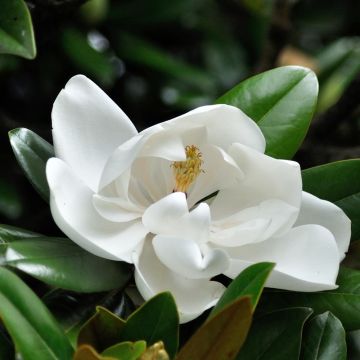
Available in 1 sizes
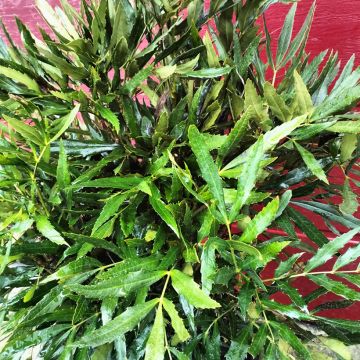
Available in 1 sizes
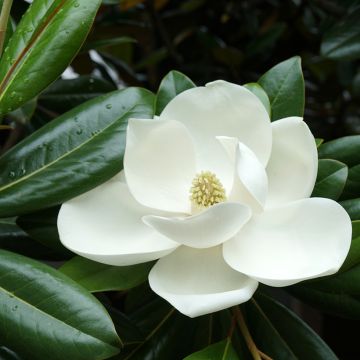
Available in 1 sizes
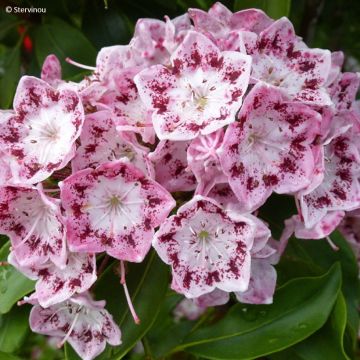
Available in 1 sizes

Available in 0 sizes
Available in 1 sizes
Available in 1 sizes
Available in 1 sizes
Available in 1 sizes
How to make best use of heather soil, and what can be used instead?
At planting
Heather soil and so-called heather soil substrate are used to increase soil acidity and improve drainage.
- Genuine heather soil
Genuine heather soil must never be used pure! Use only up to 30% maximum: minimum 1/3 heather soil to 2/3 loam.
However, to plant acidophilous plants, best is to create a mix of:
1/4 heather soil + 1/4 leaf mould + 1/4 loam + 1/4 “substrate” draining such as gravel, sand or pumice.
- So-called heather soil
With so-called heather soil: mix it with your soil at 50% so-called heather soil and 50% loam. You may, if necessary, use pure so-called heather soil only for plantings in pots. But remember to water!
If no heather soil or so-called heather soil available, replace it with:
- pine needles and pine bark: soil under conifers is often very acidic because it results from accumulation of needles. Add a thin surface layer of pine needles; you can also add some pieces of decomposing bark.
- leaf mould: it is the result of fermentation and decomposition of leaves. This leaf mould is more acidic than ordinary compost. Best leaves to use are oak and chestnut leaves. To make it, store leaves in a wire mesh bin, aerating occasionally by turning with a fork.
And of course, use dead leaves and pine needles as mulch. This will keep area at shrub bases cool and moist, while enriching soil and maintaining some acidity.
To find out more...
Planting ericaceous plants isn’t that complicated if you follow Michael’s good advice. He also gives 5 tips to successfully grow ericaceous shrubs.
With all that, you’ll no doubt want to start planting acidophilous plants. The most beautiful plants in this category are available in our online nursery: ericaceous shrubs.
- Subscribe!
- Contents
This form is protected by reCAPTCHA - the Google Privacy Policy and Terms of Service apply.


































Comments