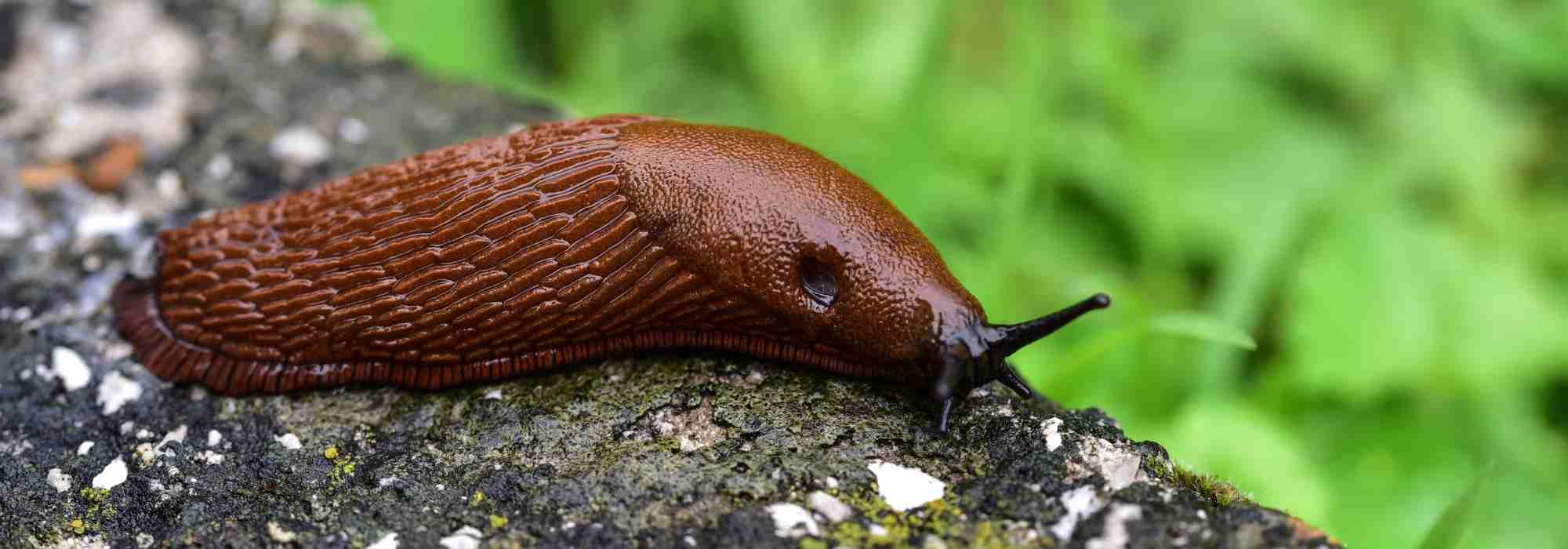
What really attracts slugs to your garden?
Understand why your garden is infested with slugs... and how to tackle them
Contents
Grindelias in a nutshell
Every spring, it’s the same story! Slugs invade your garden, swooping down on your young vegetable shoots, ornamental plants and soft fruit, devouring them overnight. And in the morning, all you can do is weep, with one nagging question in the background: why do these gastropods and their companions set their sights on your garden for shelter and food? What conditions make slugs thrive in your garden?
Let’s take a look together at the situations that encourage slugs to take up residence in your garden and gorge themselves on your vegetables and soft fruit. And above all, discover our solutions to prevent an invasion.
Constant humidity
Slugs thrive on humidity because they depend heavily on water for survival. Their thin, permeable skin causes rapid water loss through evaporation, making them highly vulnerable to dehydration. To maintain hydration, they secrete a viscous mucus that helps them move while limiting that water loss. But this secretion itself is costly in terms of moisture. That is why activity is closely linked to ambient humidity levels. In dry conditions or in full sun, slugs can dry out quickly, which may lead to death.
Consequently, slugs adopt a mostly nocturnal or crepuscular lifestyle. They take advantage of cooler temperatures and increased humidity at night or during periods after rain to emerge from shelter and feed. So, admittedly, nothing can be done when it rains… However, some gardening practices can turn your soil into a little paradise for slugs.
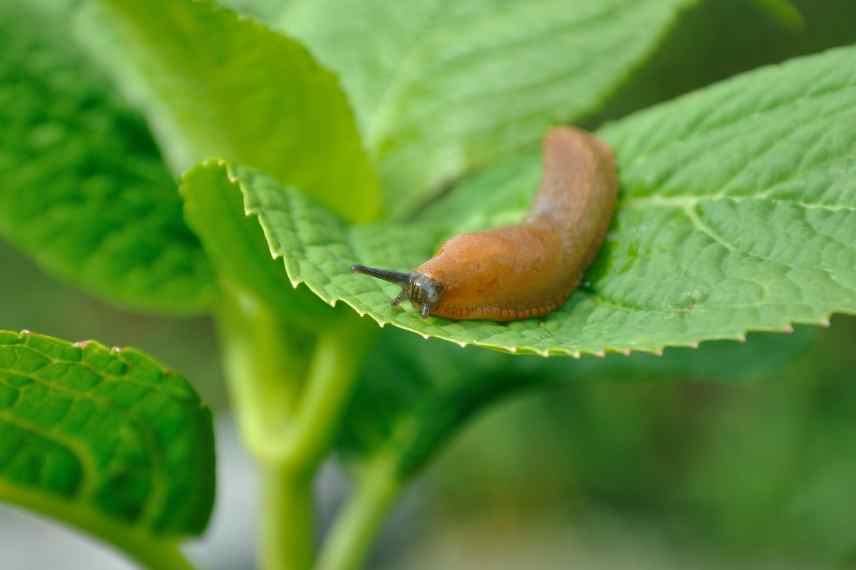
Slugs need moisture to move
What attracts slugs :
- Watering late in day or late in evening, which keeps soil moist through the night when slug activity peaks
- Heavy, poorly drained soil that retains too much moisture
- Thick mulch that keeps soil cool and creates a microclimate ideal for slugs
Our solutions
- Water in the morning to limit night-time moisture. Also effective for plants, which will better resist daytime heat
- Choose a less dense, more airy mulch made of fine particles such as hemp chips or flax, cocoa shells or buckwheat hulls, wood shavings, dry fern fronds… Overall, a well-dried mulch attracts fewer slugs than a slightly damp, organic-rich mulch such as grass clippings
- Add sand to soil to improve drainage.
Presence of daytime hiding places
Slugs need shelter to protect them during the day from heat and light, but also from daytime natural predators such as ground beetles, rove beetles or birds. But sometimes, without realising it, you as a gardener provide slugs with five-star hotels where they can shelter during the day in peace and quiet.
What attracts slugs
- Loose objects left in the garden such as overturned flower pots, wooden boards used between beds, piles of decomposing leaves…
- Certain garden features such as wooden edging, container-grown plants, damp compost bins…
Our solutions
- Store unused items away
- Remove garden debris regularly
- Use boards as traps — simply turn them over each morning to collect slugs by hand. Upside-down tiles are also very effective.
Food available to them
Logically, as a gardener you go to a restaurant mainly attracted by menus that match your tastes. The same applies to slugs. If they hang around your garden, it’s because they know they can find what they love there. And if your garden or vegetable patch is brimming with food they like, they will settle and reproduce there.
What attracts slugs
- Freshly transplanted salad plants (especially lettuces), strawberries, basil leaves, hosta foliage, beans…
- Sowing and young plants of vegetable and ornamental plants.
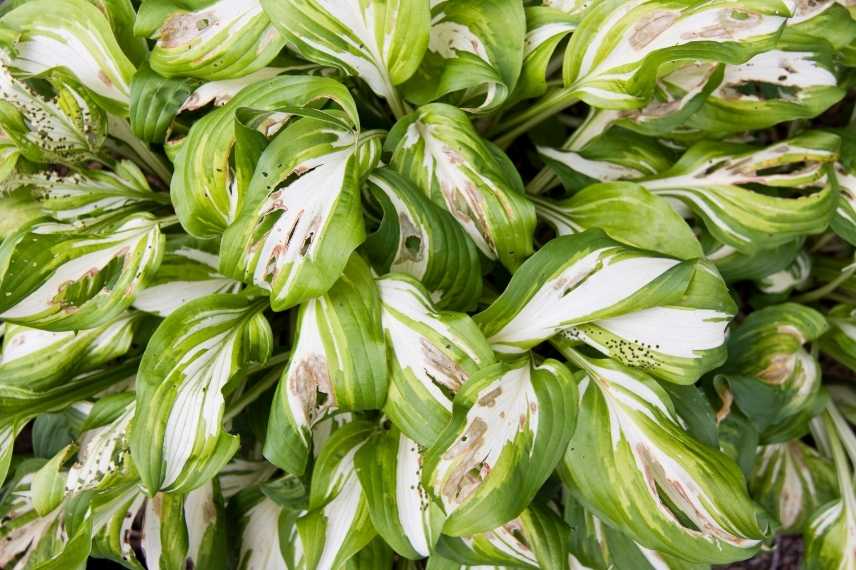
Hosta foliage damaged by slugs
Our solutions
A garden that is too tidy or too neglected
This argument, which relies on a complete contradiction, may surprise you, but it is entirely valid. A garden that is too tidy or, conversely, left completely neglected can favour slug infestations. This paradox is explained by complex interactions between garden fauna, natural shelters and biodiversity.
What attracts them
- An overly managed garden with bare soil, and a complete absence of weeds and wild areas, reduces presence of beneficial wildlife such as hedgehogs, toads, slowworms, ground beetles or even some birds such as blackbirds. Gastropod populations are left unregulated and this absence of predators therefore favours their proliferation.
- A fallow garden with tall weeds, piles of decaying vegetation, uncontrolled mulching and soil constantly covered creates a perfect habitat for slugs. They find everything they need there: moisture, food and shelters to hide in during the day.
Our solutions
- Create a living, managed garden by leaving a few small semi-wild areas (wood piles, stone heaps, informal hedges…) around the garden edges to shelter beneficial wildlife while keeping edges of vegetable beds and seedbeds clearer.
- Maintain balance in the garden, with gentle management of plants and biodiversity, to favour natural regulation of slugs. Accept some slugs because they are useful, but only within reason.
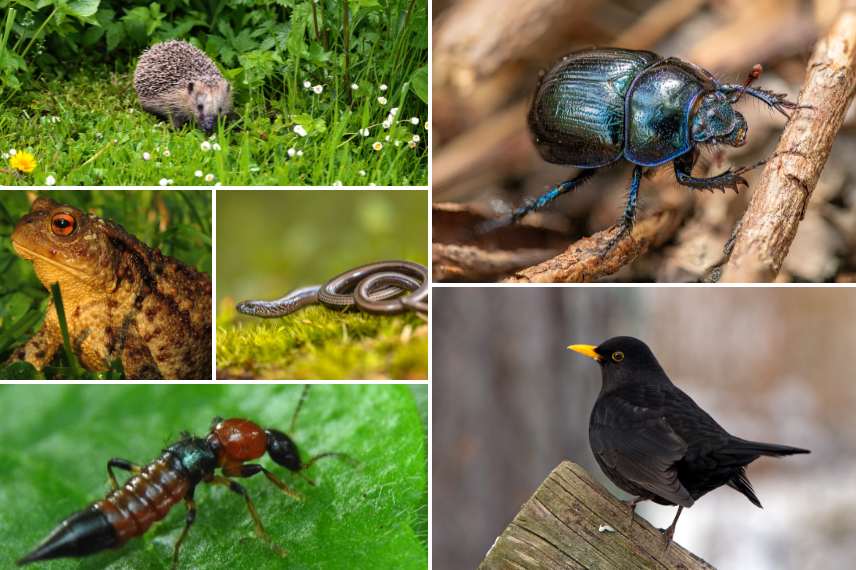
Main slug predators in the garden
Poorly managed compost
Poorly managed or poorly maintained compost can quickly become a food source, even a daytime refuge or a cosy nest for eggs.
What attracts them
- Compost that is too wet and too rich in fresh, green organic matter
- Compost bin placed close to plantings and sowings.
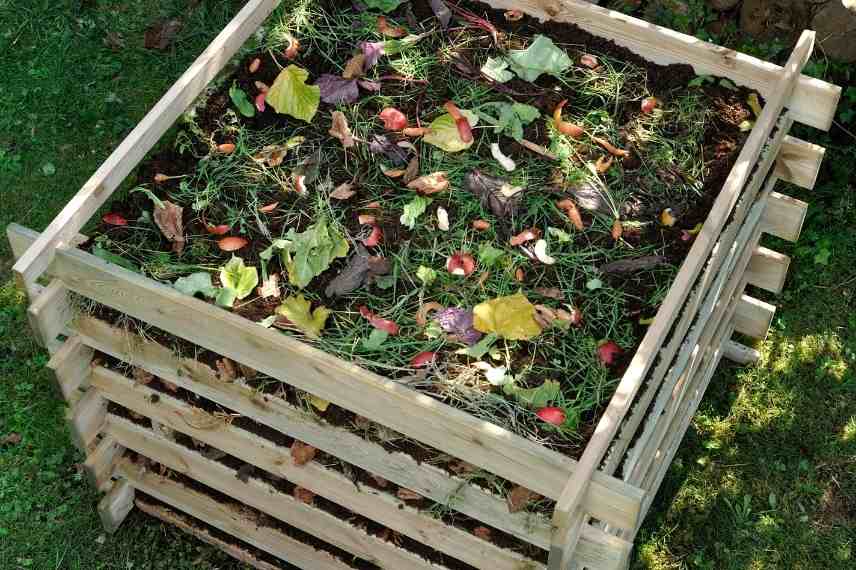
Compost that is too wet and too rich in fresh, green organic matter can attract slugs
Our solutions
- Cover compost bin to stop rain from keeping it constantly damp
- Balance additions by alternating layers of brown, dry materials and fresh, green materials
- Aerate compost regularly by turning it
- Keep compost bin away from sensitive garden areas.
Microclimate zones within the garden
Some areas of garden can create perfect conditions for slugs without gardener realising. A shaded corner, poor air circulation and slow evaporation favour slug presence.
What attracts them
- Areas under hedges or against a north-facing wall
- Gaps, however small, between garden structures (cold frames, tunnels, greenhouses…)
- Poorly drained slopes and hollows in soil
Our solutions
- Inspect garden after rain or early morning to spot areas where humidity lingers
- Improve air circulation in structures such as greenhouses, cold frames, tunnels
- Drain wettest corners
- Target hand-picking of slugs in those areas.
Also worth reading
- Discover our range of Grindelia
- To pair them, choose from our selection of plants for dry gardens
- Our advice sheets « Creating a rockery: our tips for success » and « 15 plants to design a sunny rockery »
The Grindelias in a nutshell
Grindelias are hardy perennials, annuals, or undershrubs native to the Americas and still relatively unknown in France. It is rare to see them in gardens, although they offer a stunning display of golden-yellow flower heads from mid-summer to early autumn. Their flowers resemble those of other Asteraceae, such as daisies, fleabanes, and asters. They are distinguished by their spiny bracts, which give the flower a unique style. They are beloved by pollinating insects, such as bees and butterflies, which come to forage on them. Grindelias are full-sun plants, ideal for greening challenging landscapes, as they thrive in dry and poor soils, even sandy and rocky ones. Moreover, they are quite hardy, able to withstand temperatures as low as -15 to -20°C. Once established, grindelias require very little maintenance! They blend effortlessly into naturalistic gardens, rockeries, slopes, sunny borders, and gravel gardens. In the garden, they pair beautifully with other plants suited to dry and sunny conditions: eryngiums, centranthus, gauras, sedums, achilleas, verbascums...- Subscribe!
- Contents
This form is protected by reCAPTCHA - the Google Privacy Policy and Terms of Service apply.

































Comments