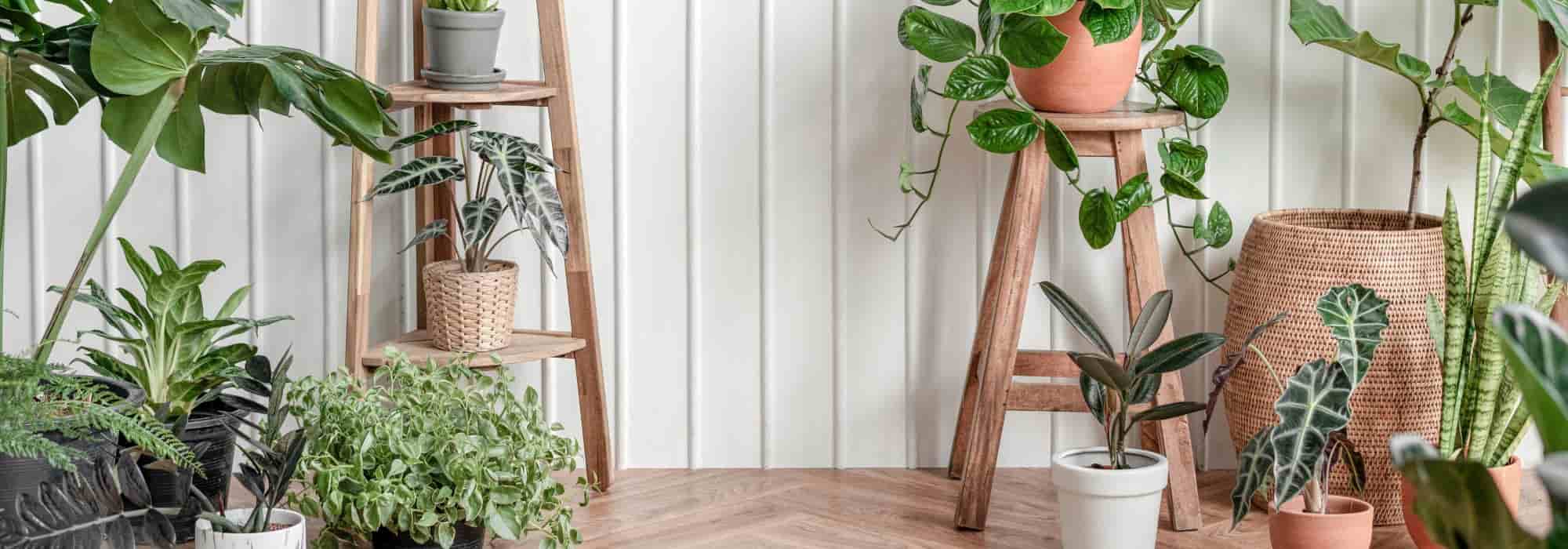
Is it good to have plants indoors?
Benefits, misconceptions and tips for plant-filled interiors
Contents
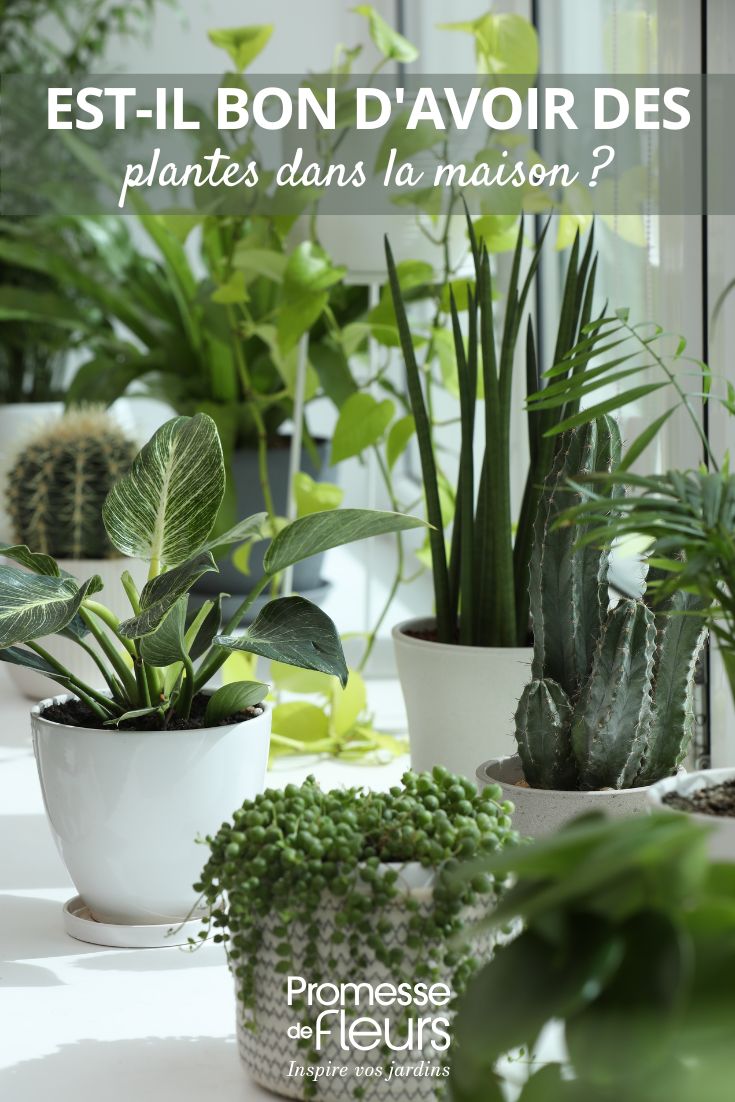
Enthusiasm for plants no longer stops at garden fences or balcony ledges. For several years, houseplants have been appearing in our living rooms, kitchens and even our offices!
But beyond the obvious beauty of a Monstera leaf or the graphic appeal of a Pilea, is it really good to have plants at home? Is it a mere interior-decorating trend or a genuine physiological need to surround ourselves with nature?
Between misconceptions about air-purifying plants, air quality and the calming benefits of indoor gardening, we take stock of the real effects of houseplants, to better understand what they can actually bring to our daily lives.
Plants in the home promote well-being
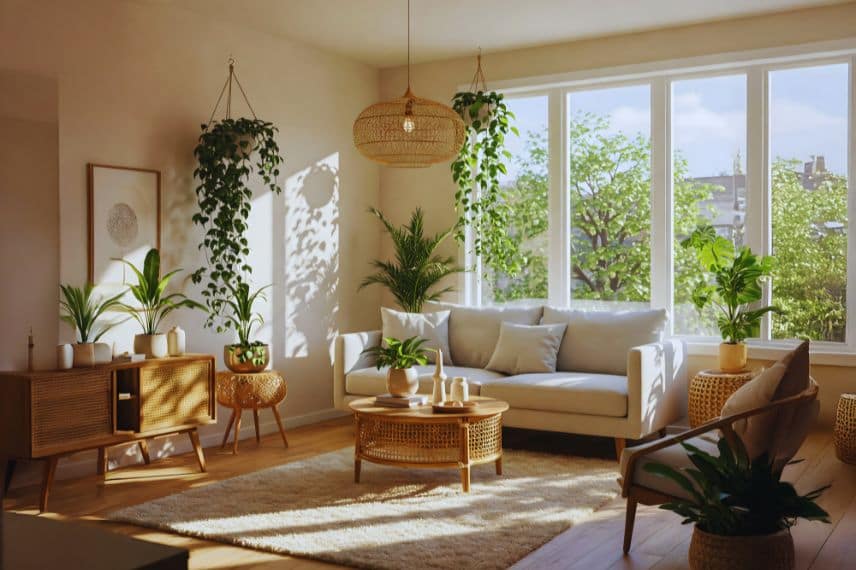
Have you ever felt a sense of well-being when entering a room with several plants? This feeling of calm is not just an impression. The work of Dr Roger Ulrich, devoted to the effects of contact (even merely visual) with nature, has shown that the presence of plants helps to reduce stress and promote relaxation. Even as potted plants, nature remains associated with a more soothing perception of the environment.
Presence of plants in a home primarily affects our perception of space. Houseplants introduce a living presence that softens interiors that can sometimes be very stark. The eye naturally rests on foliage, a new shoot or the light passing through a leaf.
Plants also play an important role in interior decor. Monstera, Ficus elastica or Chlorophytum can transform a room’s atmosphere by adding depth and a touch of greenery. In a living room, kitchen or hallway, a few plants are often enough to create a warmer, more welcoming atmosphere.
Did you know? Taking care of your plants also contributes to this sense of well-being. Observing their growth, adjusting watering or repotting a specimen that has become too cramped creates a daily connection with the plant that resembles a form of active meditation.
Plants can improve concentration at home
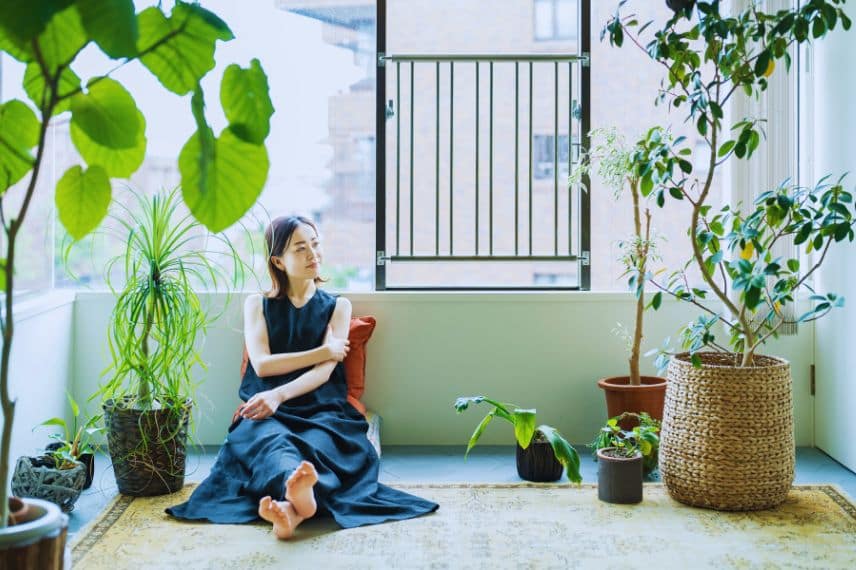
As we have seen, plants help to relax and this also influences the concentration and attention, particularly in workspaces, but also at home.
Research conducted by the University of Exeter in England shows that the presence of plants in a workspace can improve concentration, productivity and occupant satisfaction.
In a home office, a few easy-care houseplants are often enough to transform the atmosphere. Foliage in the field of view creates a natural visual anchor that breaks the omnipresence of screens and smooth surfaces.
Placing a plant near a desk, on a shelf or close to a window thus introduces a discreet yet stimulating plant presence. Robust species such as the Pothos, Sansevieria or Zamioculcas adapt well to these spaces and require little maintenance.

Air-purifying plants: a vastly overhyped idea
This topic often comes up in your questions: “Which are the best air‑purifying plants?” To be completely honest with you, it is important to distinguish myth from scientific reality so as not to give false hopes.
This idea originates from experiments carried out in the 1980s by NASA, which showed that certain plants, like Spathiphyllum (peace lily) or Pothos, could absorb chemical compounds under very controlled laboratory conditions, which bears no relation to the scale of a typical living room!
Since then, numerous studies have refined those results. In a typical home, plants’ effect on indoor air purification remains very limited, if not negligible. To obtain a measurable impact, you would have to turn your living room into a true tropical jungle!
That does not mean plants are useless. They mainly help create a more pleasant, livelier and more calming environment.
Good to know : to improve indoor air quality, the most effective solution remains simply to ventilate your home regularly by opening windows.
Read also
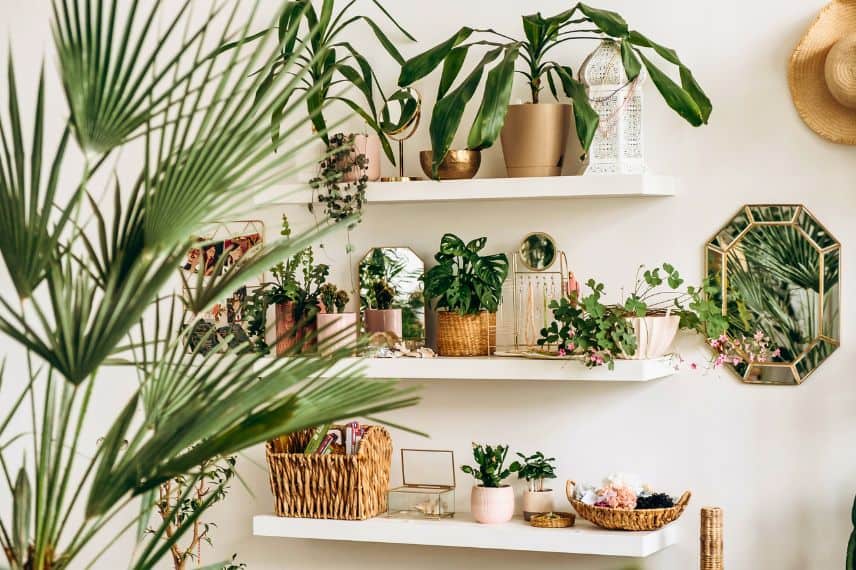
7 trailing indoor plantsPlants contribute to a more pleasant indoor atmosphere.
Real benefit of plants for our indoor environment lies elsewhere: humidity. Through evapotranspiration, plants release water vapour.
In winter, while heaters dry out air and irritate airways, a thriving collection of green plants helps maintain natural, comfortable humidity levels. They act as genuine little eco-friendly humidifiers, making air gentler to breathe and reducing airborne dust.
Can you sleep with plants in your bedroom?
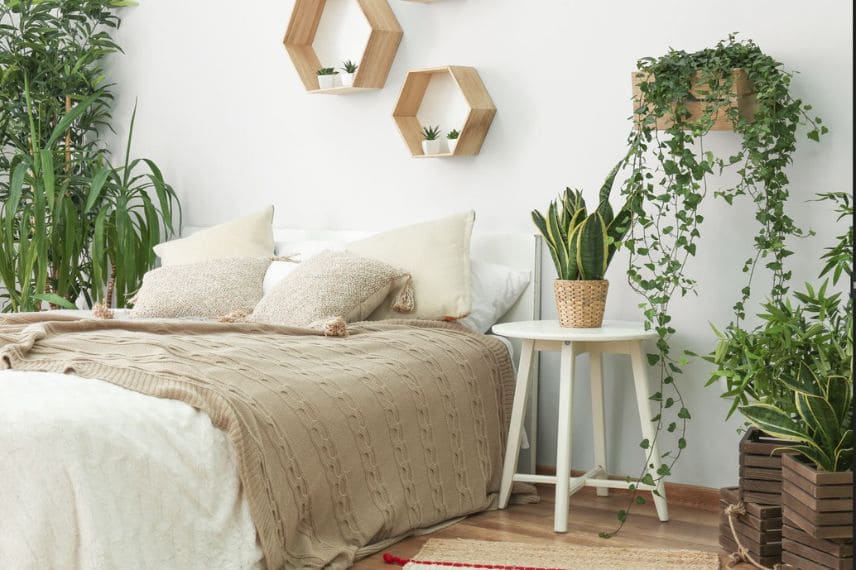
It’s a question that often comes up: “Is it dangerous to sleep with a houseplant?” People used to fear that plants might “steal” our oxygen during the night. That’s a persistent myth with no basis.
Admittedly, at night the process of photosynthesis stops and the plant releases a small amount of carbon dioxide (CO₂). But rest assured, the quantities produced are negligible, far lower than those emitted by a pet or even by the person sharing your bed!
On the contrary, some plant varieties make excellent sleep companions. Sansevieria (the well-known mother-in-law’s tongue) or Aloe vera are able to release oxygen even at night. Admittedly the amount is small, but their visual presence also provides a soothing botanical touch conducive to sleep.
Our gardener’s tip: simply avoid plants with overpowering scents (such as some jasmine varieties, orchids or lilies in flower) that could disturb your rest.
Which plants to choose to easily green your home?
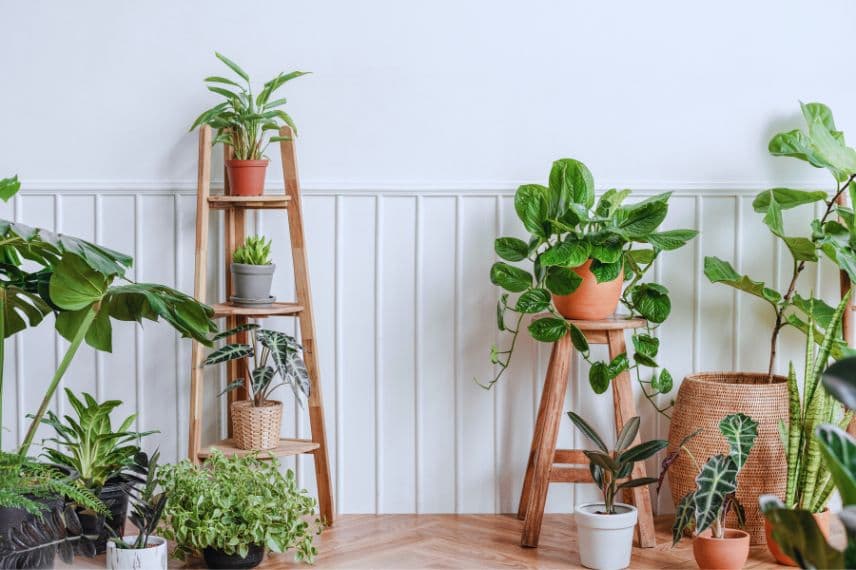
To fully enjoy the benefits of plants at home, it is often wise to start with easy-to-grow houseplants. Some hardy species adapt well to indoor conditions and require little maintenance.
Which plant for which aspect?
-
Full sun (south-facing aspect): if your window is bathed in direct light, opt for cacti and succulents (such as Echeveria). They love heat and tolerate strong sun through glass. It’s also an ideal spot for a handsome aloe vera. Other plants can suffer leaf burn from strong sun, especially in summer, but you can prevent this by installing a light sheer curtain or placing the plant slightly further back from the window.
-
Indirect light (east- or west-facing aspect): Ideal spot for most tropical plants. The Monstera deliciosa, the Pilea peperomioides (Chinese money plant) or Ficus will feel perfectly at ease here. It’s also where the famous Pothos will happily unfurl its vines, and where the peace lily (Spathiphyllum) will offer its elegant white flowers. They benefit from light without risk of leaf scorch.
-
Shade or low light (north-facing aspect or room corner): don’t give up if your flat is dark! Tough plants such as the Zamioculcas (ZZ plant), Aspidistra (the indestructible cast-iron plant) or Sansevieria cope very well in dim corners. They grow more slowly but instantly dress the space.
Essentials for healthy plants
To avoid common mistakes and keep your plants vigorous, remember these three pillars:
-
Get watering right: only water if top 2 centimetres of potting mix are dry. Overwatering is the number one enemy of roots.
-
Ensure drainage: use pots with drainage holes and a layer of clay pebbles at the bottom. Never let water sit in the outer pot.
-
Keep leaves dust-free: wipe leaves regularly with a damp cloth so they can properly capture light and breathe.
- Subscribe!
- Contents
This form is protected by reCAPTCHA - the Google Privacy Policy and Terms of Service apply.

































Comments