
Create a sensory garden
To stimulate all our senses
Contents
By definition addressing all five senses, a sensory garden can be created in various types of settings. It can be found in institutions caring for elderly or disabled people, as well as in places for young children or within spaces open to visitors (notable gardens, historic monuments, museums, etc).
Therapeutic for some, an awakening and introduction to the living world and nature for others, or simply entertainment, a sensory garden stimulates, astonishes, invites wandering, soothes… Even at home, creating such a garden is perfectly possible and accessible: a little inventiveness and creativity are all that’s needed. Children can be involved to their great delight, both in imagining it and in planting and helping to set up decorative elements and simple materials (wood shavings, sand, etc).
Taste, touch, hearing, sight and smell: how to create a sensory garden worthy of the name, engaging every sense? Follow our ideas and tips!

Sight: planting for visual effect
Overall look of garden is defined by its architecture, and plants are as suitable as materials to divide space and delineate areas. For stimulating sight is, of course, the role of colours, but it is also the role of shapes and volumes.
- Creating perspectives and distances will arouse interest, lend mystery by merely hinting at what will be discovered around the bend of a small path.
- Contrasts of form (upright, spreading, weeping, globe-shaped…), of colour and texture are important so eye finds maximum stimulation.
- And of course, colour must be present: garden can be divided into zones of different colours, or they can be made to play off one another.
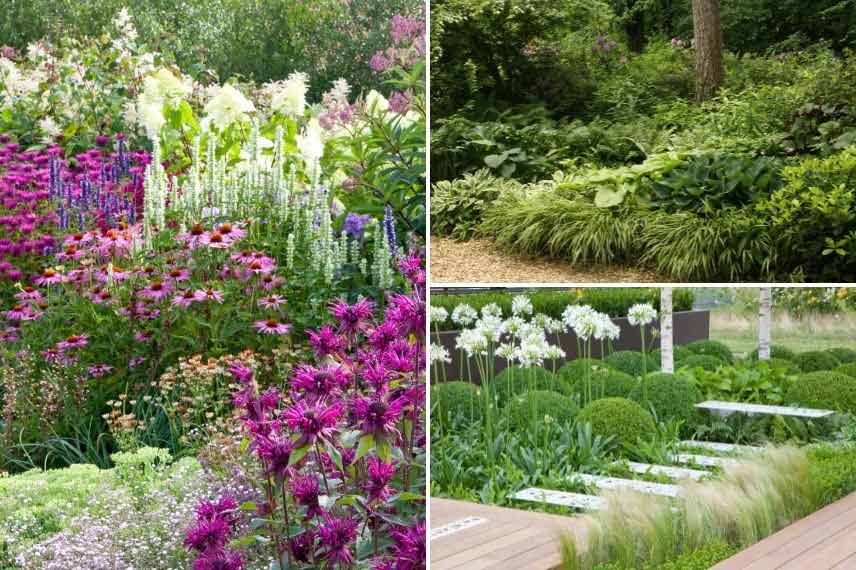
Sensory garden stimulates sight through plays on shapes, textures and colours
→ For inspiration, read Gwenaëlle’s article on the perception of flower colour and the theme “Colour inspiration” in our Gardening Tips section
Read also
10 fragrant and scented plantsSmell: propagating scented plants
With sight, smell is one of senses most naturally stimulated in the garden :
- Choose plants with scented flowers : Roses, Jasmines, Honeysuckles, Pinks, Lavenders, Phlox, Peonies, Wallflowers, Camellias, Mexican Orange Blossom, Gardenias, Myrtles, Magnolias
- Think of scented foliage, such as that of Pelargoniums with scented foliage or Lemon Verbena, and citrus trees
- Complement with aromatic herbs : Dill, Sweet Woodruff, basils with various scents, Cumin, Tarragon, Rosemary, Thymes, etc
- Finally, spark interest with surprising scents : Pineapple Sage, Curry Plant, Sporobolus with intense coriander scent, Tulbaghias with garlic scent, Tasmanian Pepper or Katsura tree (Cercidiphyllum japonicum)
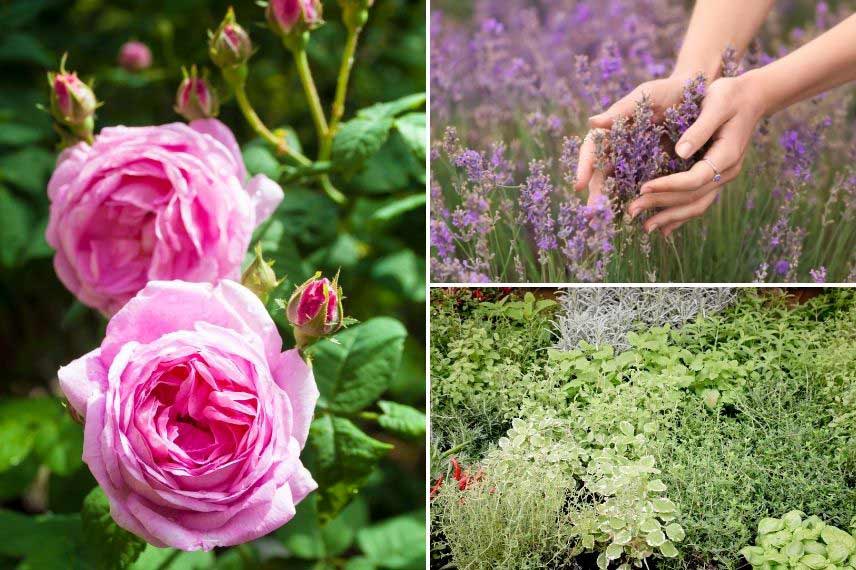
Old roses such as Rosa centifolia ‘Muscosa’, lavender or aromatic herbs stimulate our sense of smell when strolling through the garden
→ Get ideas from our articles to choose 12 fragrant bushes for a scented garden all year round, 10 scented flowering plants and 10 Pelargoniums with scented foliage
Hearing: sound of foliage and elements
Wind making foliage quiver awakens hearing : trembling aspen (Populus tremula) whose foliage vibrates at the slightest breeze, pliable ornamental grasses or bamboos, these “sonorous” plants can be complemented by small additions that will make the garden resonate :
- Add a small fountain and chimes for their crystal-clear sounds so pleasing to the ear
- Birdsong, buzzing of bees, croaking of frogs and toads, stridulation of crickets or cymbal-like cicada calls also strongly stimulate hearing : make your garden a biodiversity refugium thanks to hedges, flowering fallows, melliferous plants, pond, nest boxes and insect hotel : life that finds shelter there will delight your ears !
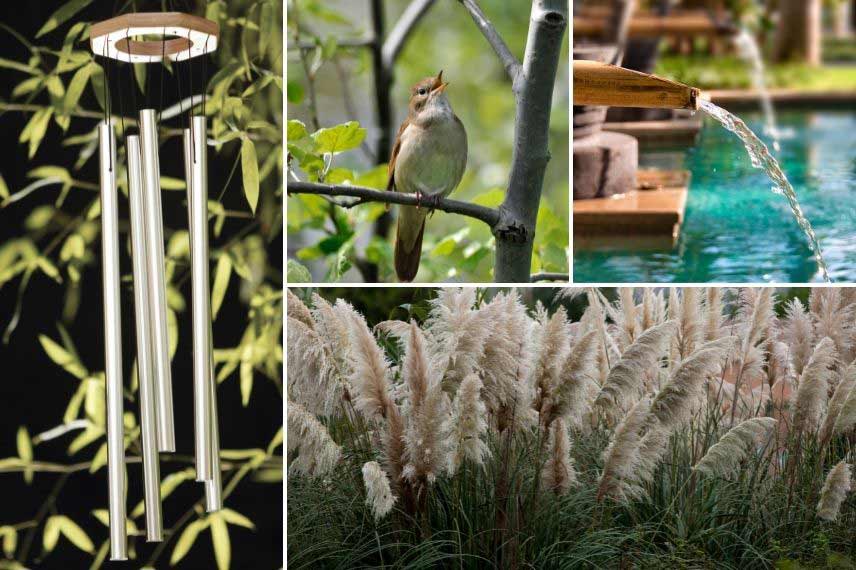
Different types of sounds can be heard in a sensory garden: chimes, birdsong, sound of water, rustle of foliage
→ Follow our advice to select the best melliferous plants by season and to find out how to encourage birds to nest in your garden
Read also
10 fragrant pink flowered rosesTouch: playing with plant textures
We perceive textures through our senses. Plants are like fabrics: their texture can be rough, velvety, silky, cushioned… or prickly! A sensory garden is an opportunity to include many plants with surprising or pleasant textures:
- Lamb’s ear (Stachys byzantina)
- Eupatorium ‘Elegant Plume’
- ornamental grasses
- fennel
- hairy broom (Genista pilosa)
- common cotton grass with fluffy, frayed-cotton-like inflorescences (Eriophorum angustifolium)
- Japanese burnet with soft, bottlebrush-shaped pale-pink flowers (Sanguisorba obtusa)
- or the Smoke tree (Cotinus coggygria) with tea-pink plumes
- and finally more or less rough bark of tree trunks.
A sensory trail can also be enjoyed barefoot, walking over all sorts of different textures: mosses, creeping plants (Rupturewort or Lippia nodiflora), fine sand or rounded pebbles.
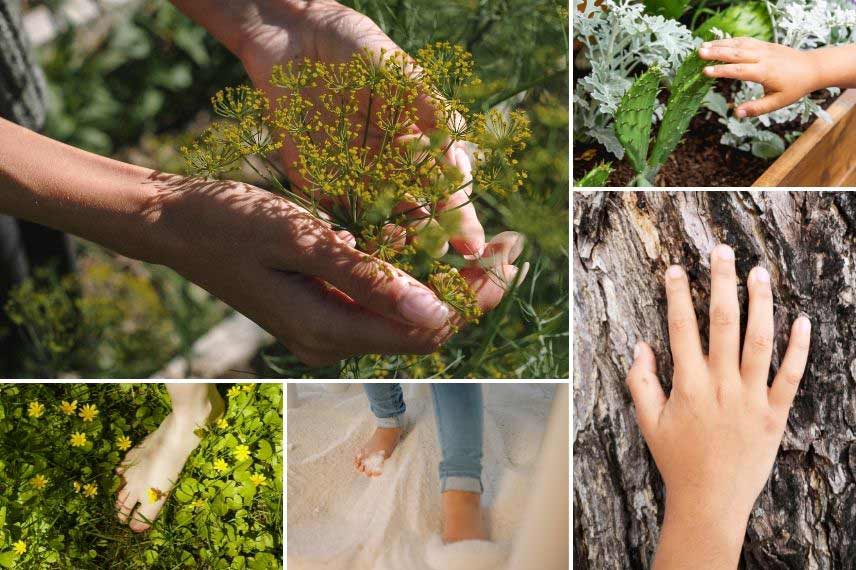
Our sense of touch can be stimulated in many ways in the garden
Taste: fruits, vegetables and edible plants
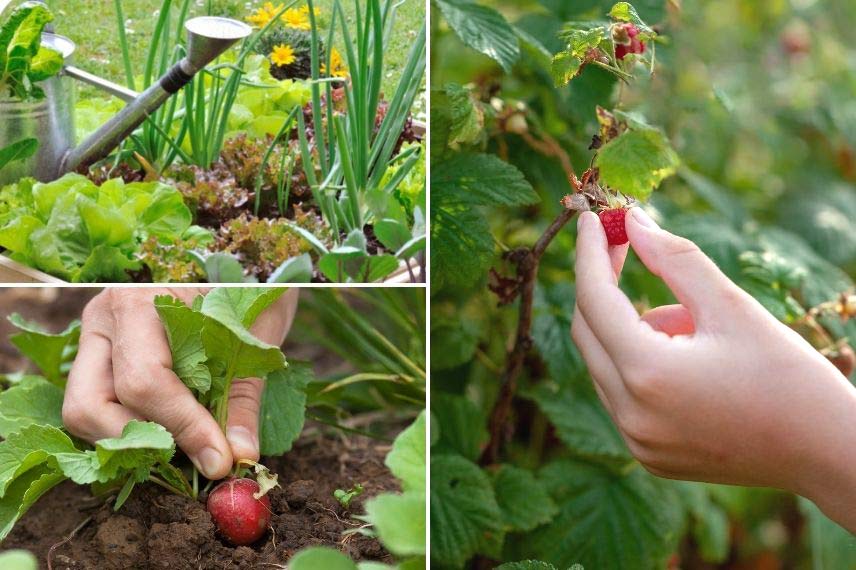
Finally, time for food lovers! The vegetable patch and the orchard, of course, are where taste buds are stimulated and delighted. If you have neither, some vegetables, herbs, berries can be incorporated into your borders or into tubs, window boxes and pots on the terrace for the flavour they provide. Also consider climbing plants such as grapevines and kiwifruit.
Your garden can be bordered by edible hedges of shrubs such as strawberry trees, Lonicera kamtschatica ‘Duet’ producing May berries, feijoas or pomegranates.

- Subscribe!
- Contents
This form is protected by reCAPTCHA - the Google Privacy Policy and Terms of Service apply.


































Comments