Strawberries are one of the most popular garden fruits! Besides their delicious flavour, strawberry plants establish easily in the garden, propagate readily from runners, and often produce a generous harvest. Yet, have you noticed that it is always in spring, when there are a thousand jobs in the vegetable plot, that people think about planting strawberry plants? Late summer and autumn (from late August to October) are actually more favourable times for planting them — here’s why!
Encourage better root development
In late summer and autumn, the soil is still warm enough to promote root development. Good rooting is essential for strawberry plants to absorb water and nutrients from the soil efficiently. The stronger and deeper their roots, the better they will cope with droughts and adverse weather conditions, such as summer heatwaves.
Autumn planting aligns with the strawberry's life cycle, as at that time the plant will establish itself naturally in the garden if you have not removed the runners. This gives strawberry plants plenty of time to develop a robust root system before the cold arrives. Once winter has passed, they will already have a head start and will be ready to grow more vigorously in spring.
To maximise rooting of strawberry plants in autumn, make sure to prepare the soil well before planting. Ensure it is well drained and enriched with organic matter (don't hesitate to add compost or well-rotted manure). We also recommend planting strawberry plants with a spacing of 30 to 40 cm between each plant to give them enough room to develop properly.
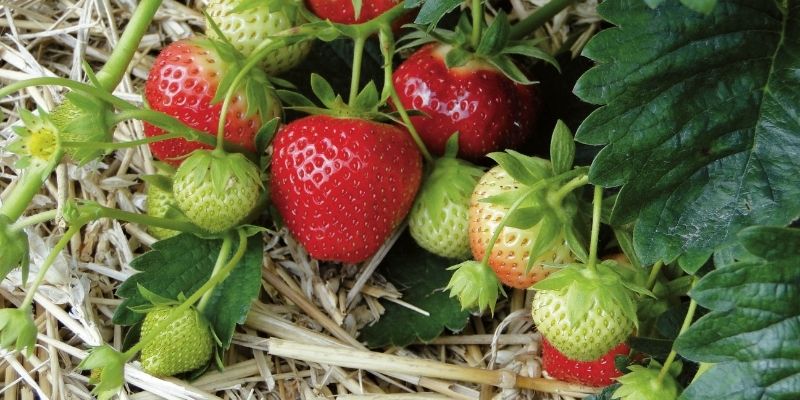
Reduce water stress
Strawberry plants can benefit from regular autumn and winter rainfall to take root. They will therefore need far less watering than if planted in spring. Indeed, a strawberry plant planted in spring is more quickly exposed to high temperatures, increasing its water needs. It then becomes vulnerable to water stress, which can slow growth and reduce strawberry production.
We recommend mulching the soil after planting your strawberry plants: this will limit weed growth while preserving soil moisture.
Enjoy an earlier and more abundant harvest
If you plant strawberry plants in autumn, they will bear fruit in their first year because they will have had time to root and will resume growth more quickly in spring. As soon as temperatures warm sufficiently, they can begin to produce flowers, then fruit. The harvest will also be more generous. Conversely, if you plant them in the garden in spring, you will have to accept a rather meagre first harvest. After all, strawberry plants can't do everything at once: root and fruit abundantly!
Because strawberry plants planted in autumn flower earlier, they often spread the harvest over a longer period. This gives you the chance to savour home-grown strawberries for several weeks, even several months, depending on the varieties you choose.
For everything you need to know about growing strawberries, feel free to consult our complete guide: "Strawberry: How to plant, grow and maintain"
Strawberries are one of the most popular garden fruits! Besides their delicious flavour, strawberry plants establish easily in the garden, propagate readily from runners, and often produce a generous harvest. Yet, have you noticed that it is always in spring, when there are a thousand jobs in the vegetable plot, that people think about planting […]
If there is one fruit that really deserves to be grown in the garden, and even on a balcony, it is strawberry. Freshly picked, it develops aromas and flavours no shop-bought strawberry can match, all without pesticides. And alongside taste pleasure comes a purely economic fact: growing strawberries quickly proves very profitable. One plant costs less than €1 and produces each year the equivalent of two to three 250 g punnets. Knowing that in June 2015 a kilogram of strawberries sold, on average, for €10.09 (source Insee), each strawberry plant therefore brings, each year, €7.57… provided you can harvest them.
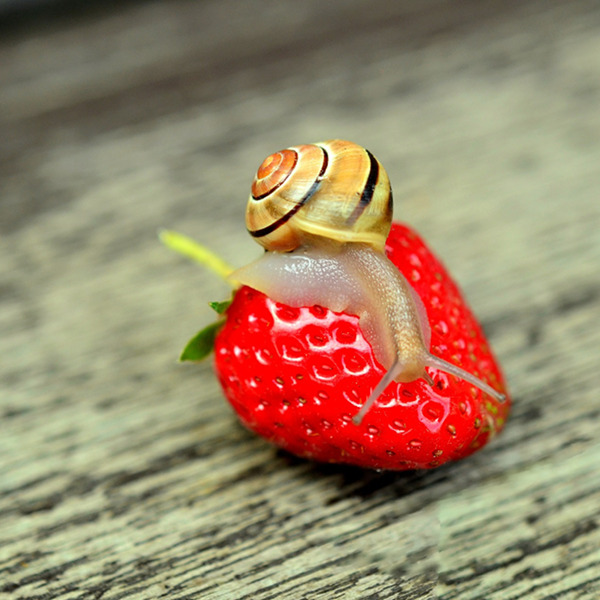
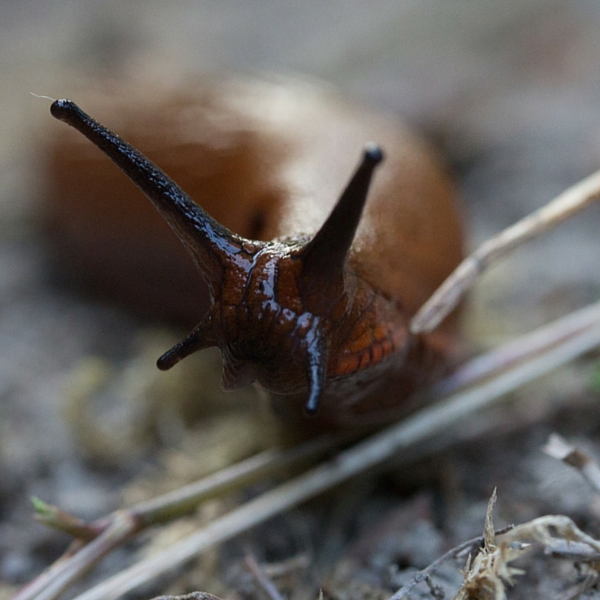
Because the problem is that everyone loves strawberries: adults, children, but also birds, slugs and even field mice! And what could be more exasperating than discovering that some have helped themselves before you, or that others have nibbled everything without really eating much.
Not one to share, I devised for our strawberry patch a few strategies to limit the pillaging of these precious fruits, while protecting the plants from the most common diseases.
Strategy no. 1: Discourage gastropods while preventing strawberry diseases
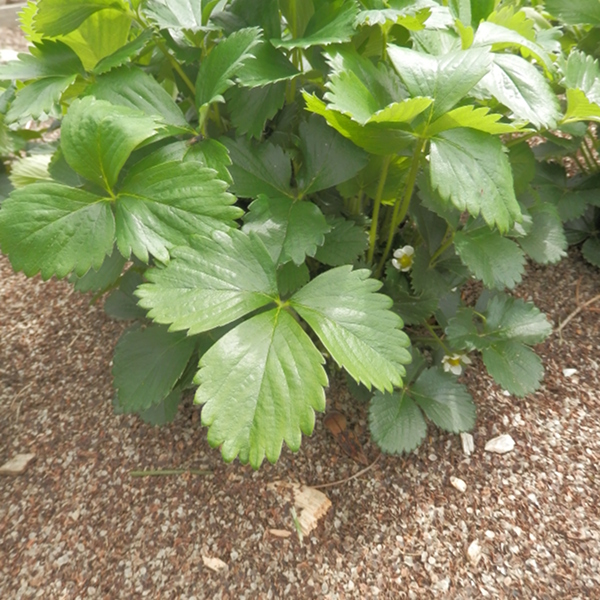
Like all strawberry plants in rather damp situations, my plants are susceptible to grey mould (Botrytis cinerea) and to purple spot disease. And as if those two troubles were not bad enough, they are also prey to slugs, especially the very small, fiendishly insidious ones.
As usual, at the first trace of slime I bring out the Ferramol, but as this precaution proved insufficient I reinforced prevention with two simple actions:
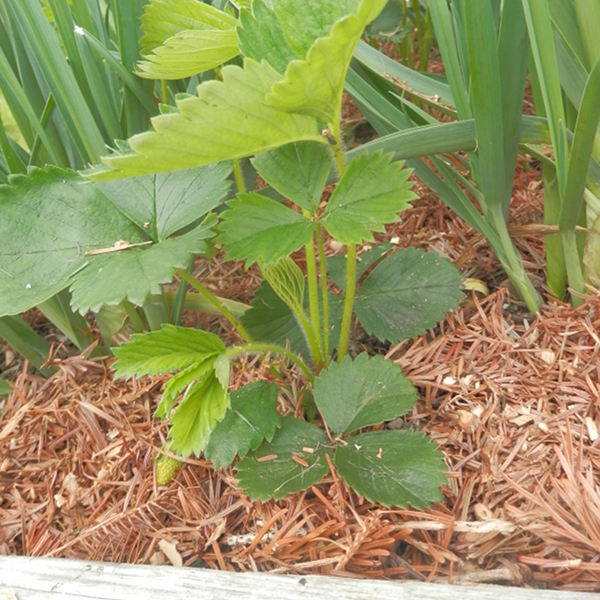
- an unwelcoming, fairly dry mulch. The Christmas tree, once chipped, is perfect, but it only lets me cover a small area. I used to use pruning woodchip, but this year I decided to try buckwheat hulls. Ideal for pots (effective, fine and attractive), this mulch does not seem to please gastropods, which struggle and froth on contact. And if that does not put them off, I think I will bring out the ultimate weapon: the slug barrier.
- the removal, as they appear, of all damaged fruit and leaves, going right into the heart of the plant. This regular tidying helps limit spread of diseases and prevents leaving decomposing material on the patch, which slugs love. At the same time, I pick up a few slugs which I promptly exile to the far end of the garden.
Strategy no. 2: Keep anything with a beak or small teeth away from strawberries
It is well known that birds also love strawberries. Putting up netting is effective, but I find it awkward: it must be installed and above all lifted when, during a little stroll, one is tempted by a lovely fruit. Another drawback: it is often necessary to free the most intrepid birds that get their feet caught in the mesh or that manage to get underneath. The alternative would be to build an easily liftable strawberry cage, but I am not good at DIY…
So, knowing that birds mainly eat small fruits to quench their thirst, I put a few shallow containers in the garden as drinking bowls. I refill them regularly with fresh water. This attention has not completely stopped the "harvesting", but it has greatly reduced it.
As for field mice, since the entrance to their burrow is right in the middle of the strawberry patch, any defensive equipment such as netting or cages is perfectly useless. Cunning, they are not easily trapped… We then draw the ultimate weapon: our cat. Every evening, from June until the end of September, he is driven out of the house and ordered to do his duty. The deal is clear: no field mouse on the doormat, no kibble in the bowl!
For all you need to know about growing strawberries, see our planting and advice sheets:
If there is one fruit that really deserves to be grown in the garden, and even on a balcony, it is strawberry. Freshly picked, it develops aromas and flavours no shop-bought strawberry can match, all without pesticides. And alongside taste pleasure comes a purely economic fact: growing strawberries quickly proves very profitable. One plant costs […]