It's easier than you think to fail at sowing your vegetable or flower seeds; even the best among us are caught off guard each year. Follow our tips, and soon you'll be able to boast about successfully failing your sowing!
Lesson No. 1: to fail at sowing, sow anytime!
Sowing experts will tell you: if there is a sowing calendar for each variety of vegetable and ornamental plants, it's for a reason! Indeed, each seed has an appropriate sowing period that spans several weeks. Seed purists take into account the right temperature and humidity levels of the air and substrate, as well as an optimal duration of sunlight. But if you don't want to bother with all these quirky parameters or waste time inspecting each seed packet, jotting down notes on your calendar to avoid missing the boat... you might as well follow your whims or trust your instincts. So, sow your seeds at any time: during a heatwave, when it's freezing, or even out of season. That way, you'll be sure to fail at your sowing.
- Make an early sowing indoors in a heated environment! You'll have the chance to see your young plantlets stretch their stems excessively due to a lack of light. As a good Samaritan, you'll have to embark on a rescue operation, but don't expect a miracle. Moreover, by sowing very early, you'll end up with a multitude of pots and containers in the house that you won't be able to plant in the garden because it's still too cold outside. Don't pay attention to your climate zone! If sowing directly in the ground, be prepared for the likelihood that you will never see any shoots emerge.
- Make a late sowing: this will impact production or flowering. For example, if you don't like peas, sow them in summer. It won't yield anything, and you'll have a good excuse not to eat them. Or, sow tomatoes in July, and you can be sure you won't harvest any before the cold returns in autumn. Finally, some salads should be sown early in spring, as they will bolt to flower and seed as soon as it gets warm.
You understand, ignoring the sowing calendar is almost guaranteed failure!
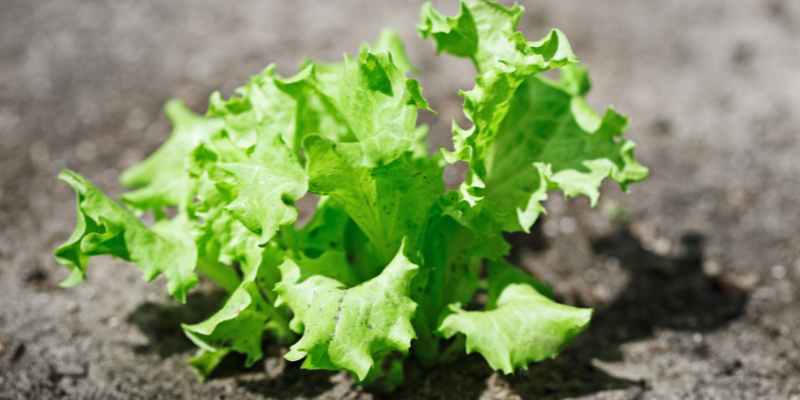
Lesson No. 2: to fail at sowing, sow anyhow!
There are several techniques that those who succeed at sowing will recommend: broadcasting, sowing in rows, in clusters... while respecting a certain depth according to the size of the seeds (this is indicated on the seed packets). Each of these methods is better suited to the type of seeds: in clusters in pots for larger seeds, spaced in rows in a seed tray... But if you have a rebellious spirit, just sow a seed here, another there, or empty your packet entirely, leaving it to chance; that will be good enough. Here are some tips to ensure you fail at your sowing:
- For temperamental seeds with unpredictable germination, sow only one seed per pot instead of 2 to 5 seeds to save money. "Less is more"; if the seed doesn't germinate, so be it.
- For small seeds, the most sadistic will put a thick layer of compost on top. The young plantlets will never see the light and will die before reaching the surface. For example, sow carrot seeds in a lovely trench of 30 cm; their roots grow deep after all!
- If you're competitive by nature, sow thickly! You'll enjoy watching your plantlets compete for light and nutrients. These young plants will either shoot up on spindly stems (this is called "bolting") or, conversely, stagnate. They will die if you don't intervene with thinning, which will be complicated due to the number of plantlets. Do you know the saying: "He who sows thickly, reaps sparingly"?
- Forget to soak certain seeds (parsley, sweet peas, cobaea...) overnight in room temperature water; after all, they don't know how to swim!
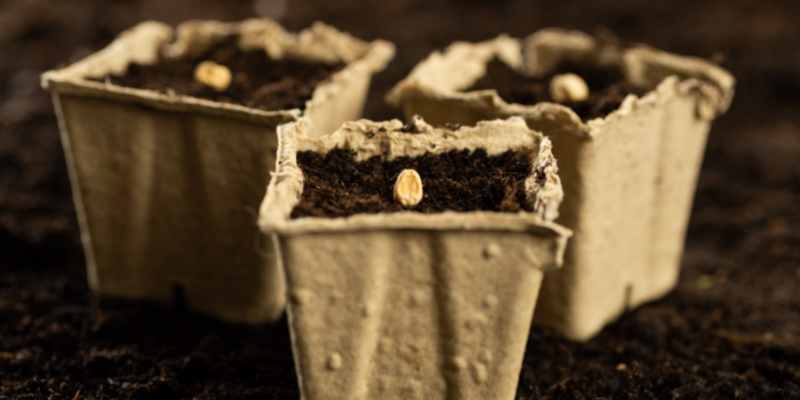
Lesson No. 3: to fail at sowing, ignore the temperature!
Gardening manuals tell us that a minimum temperature, depending on the type of seed, is necessary to start the germination phase. Radishes and salads germinate well between 5 and 10°C, while tomatoes, aubergines, and peppers need an ideal temperature of 20°C to germinate. In summary, if it's too cold, nothing will happen. At best, the seed will take longer to germinate. But often, it will rot in that cold, damp soil. So no bottom heat: no germination. To fail spectacularly at your sowing:
- Sow your sun-loving vegetables in an unheated greenhouse in February,
- Sowing needs warmth, so sow and place your seed tray directly on the radiator. Guaranteed overheating!
- It's a beautiful day and the sun is shining; place your sowings outside in full sun without any acclimatisation period. You'll get to admire some lovely sunburn on your plantlets.
- Don't open the frames! No need to ventilate; your sowings might catch a chill.
- It's spring... go for it! Sow directly in the ground, especially if you have heavy, clay soil that warms up slowly in spring.
- Here's a gift: transplant your vegetable plants before the Ice Saints; there's a good chance they'll be fried by the frost.
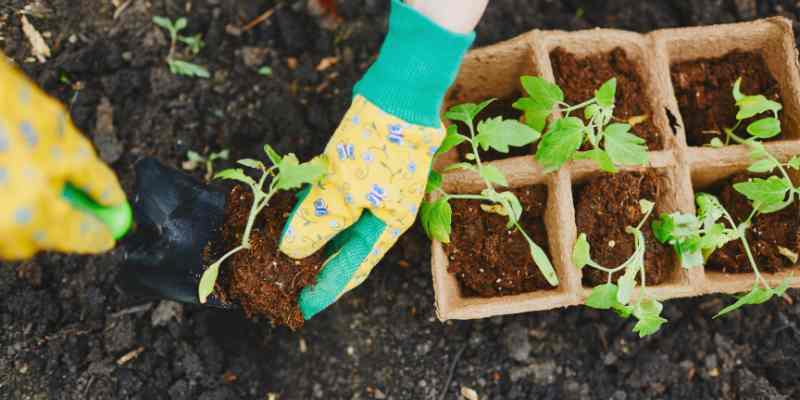
Lesson No. 4: to fail at sowing, either let them dry out or drown them!
This is probably where the difficulty of sowing lies, especially indoors: managing moisture. Young plantlets have very specific water needs: not too much, but enough for their survival. Watering pros soak the bottoms of their trays and pots in a basin of water or use a spray bottle. In the garden, they water with a fine spray using a watering can. To ensure they meet their demise without further ado:
- Forget your sowings in a corner; the substrate will dry out quickly, the seeds won't germinate, and if some dare to poke through a cotyledon, they will be finished off later;
- Or, give them the mephitic atmosphere of a putrid swamp; it will be a breeding ground for fungal diseases like damping off.
Lesson No. 5: to fail at sowing, use the wrong substrate!
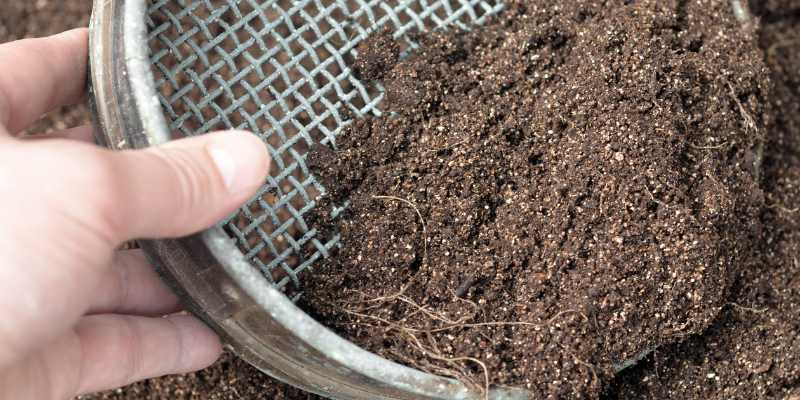
The most suitable substrate for good germination and excellent growth of young plantlets should be fine and very well-drained. It must allow gases and water to pass through easily. The "special sowing and cutting compost" is obviously the best solution. In the ground, for the finest seeds (salads, carrots...), meticulous gardeners do not hesitate to create a seedbed with finely crumbled soil, compost, or well-matured compost. To fail at your sowing indoors:
- Nothing beats using an old bag of dry or mouldy compost;
- Or taking heavy garden soil full of stones, poorly drained and teeming with pests.
That way, you can be sure of a result close to nothing.
Lesson No. 6: to fail at sowing, sow in the dark!
Remember? We learn in school, from a young age, that a plant needs light to perform photosynthesis. If you weren't paying enough attention, try this experiment:
- Sow in a dark room; the plantlets will seek out the light and grow... grow... grow... on spindly stems that will quickly break. Sowing will bolt, and this phenomenon is exacerbated indoors due to the heat. You can also observe this when seeds have been sown too thickly.
- No more space at home to store your young sowings? Set them up in the cellar or the darkest room in your house! Besides getting them out of the way, you'll soon forget about them, and the darkness will prevent you from seeing them die.
As a bonus: don't label anything!
Don't forget to note nothing, to label nothing, to avoid any inconveniences later on. This isn't really a method to fail at sowing, but it's nonetheless a fantastic way to mix everything up. Nothing looks more like a young tomato plant than another young tomato plant, but of a different variety.
- Sow freely and forget the labels: you'll have a good laugh later.
- Annotate with ink that washes away at the slightest drop of water! After all, you can surely recognise your young plantlets: no need to fuss.
And if you ever want to succeed at your sowing, read our article: Gardening for beginners: succeed with your first sowing in 7 easy steps
It’s easier than you think to fail at sowing your vegetable or flower seeds; even the best among us are caught off guard each year. Follow our tips, and soon you’ll be able to boast about successfully failing your sowing! Lesson No. 1: to fail at sowing, sow anytime! Sowing experts will tell you: if […]
With spring's arrival, activity is in full swing at the nursery. For several days, many gardeners have been asking us the following question: "My seedlings are becoming leggy — why?"
What is a leggy seedling?
Leggy seedlings show rapid, upward growth of seedlings. This is also described as etiolation. This etiolation appears as abnormally long, very thin and weak stems. Rather than standing upright, they may even flop over. Root system development is reduced, as are leaves, which may show discolouration.
Why are my seedlings leggy?
Leggy seedlings are a common problem when sowing indoors under warm conditions. Main cause: insufficient light combined with excessively high temperatures. Seedlings can also become leggy if sown too densely, not spacing seeds far enough apart.
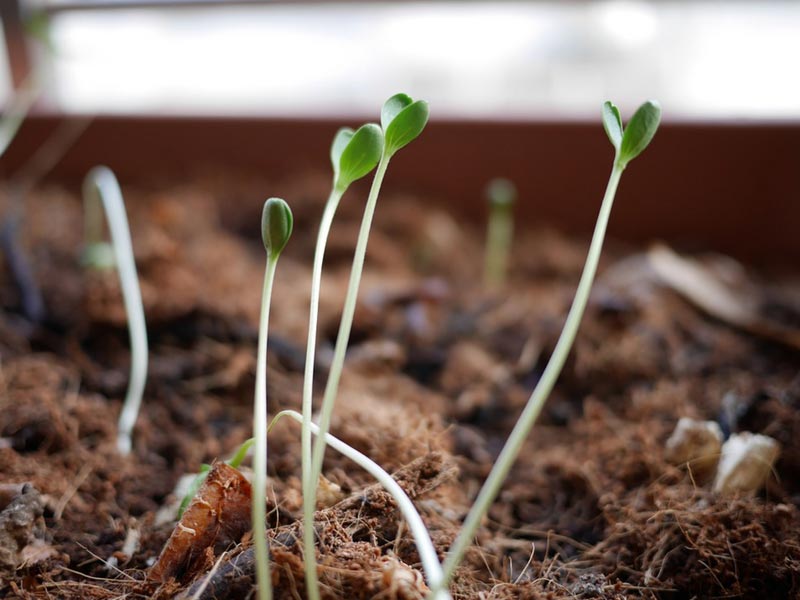
Searching for light, these young seedlings elongate their stems excessively
How to prevent this problem?
Put simply, in nature warm conditions occur in late spring or summer when days are long. If you reproduce those temperatures indoors, make sure light levels match.
To prevent seedlings becoming leggy, here are several practical solutions and tips:
- For plants that require relatively high temperatures to germinate (chillies, peppers, tomatoes), monitor germination closely. Once first leaves appear, move trays to a very bright but cooler spot (a windowsill). Also turn trays daily so all seedlings receive maximum sun.
- If that is not possible, provide supplemental horticultural lighting (available now at IKEA) to supply extra light to meet their needs.
- Don't coddle seedlings too much: do not sow indoors plants that germinate perfectly well at 10–15°C,
- space seeds well: overcrowded sowings create too much competition for light,
- If that all seems complicated, delay sowing by a few weeks. Lengthening days will provide more light and some sowings can even be done outdoors under cover.
What to do with leggy seedlings?
Most of the time, there is no miracle cure: you need to sow again because a leggy sowing rarely produces quality plants and any rescue attempts are long and tedious. For plants that are transplanted by burying part of the stem (Solanaceae), moderate etiolation is less serious because the too-long stem can be buried at transplanting. It will then develop into a well-established root system.
And you, do you have any tips to rescue a leggy seedling?
With spring’s arrival, activity is in full swing at the nursery. For several days, many gardeners have been asking us the following question: “My seedlings are becoming leggy — why?” What is a leggy seedling? Leggy seedlings show rapid, upward growth of seedlings. This is also described as etiolation. This etiolation appears as abnormally long, […]
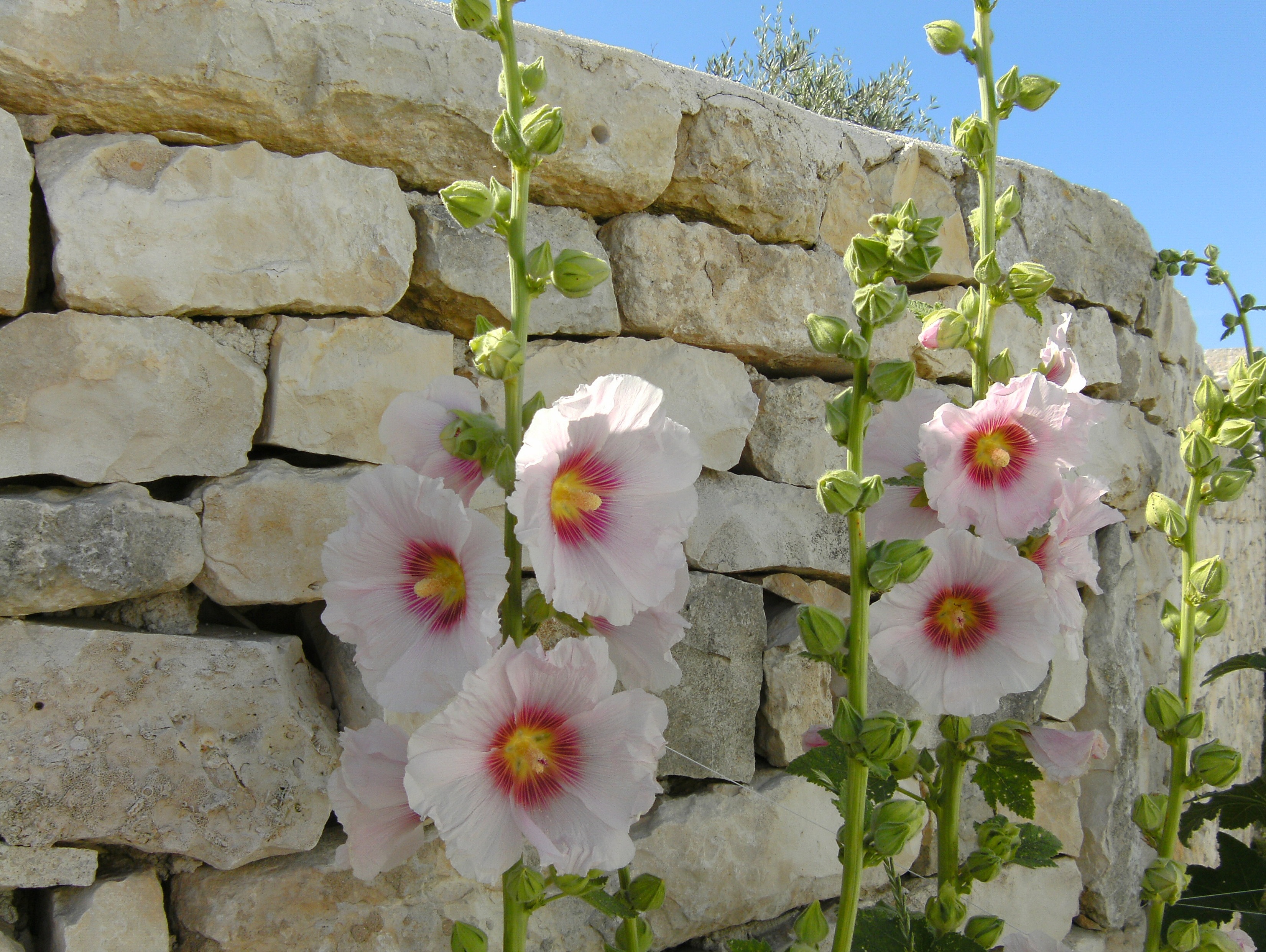
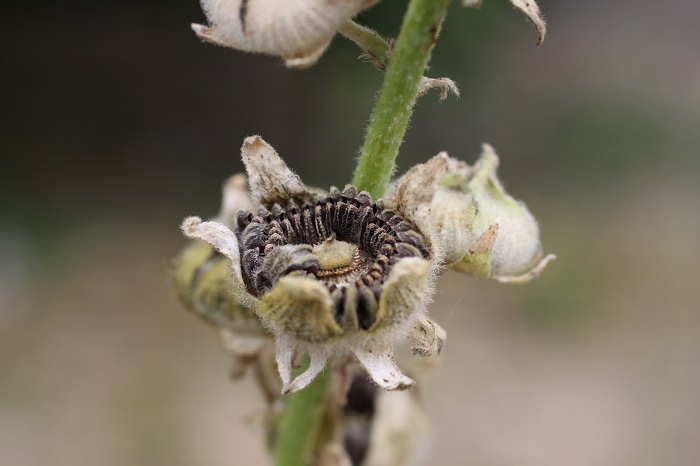
Sowing hollyhock seeds is an easy activity that requires no special skill to succeed. When they do not reseed here and there at the foot of country house facades or along the bucolic paths of Île de Ré, hollyhocks can be sown easily in pots or broadcast directly, provided they are sown at the right time — that is, now!
When to sow hollyhocks ?
Hollyhock seeds need plenty of heat and light to germinate, which is why it is important to sow them in summer to ensure rapid, even germination. Sow from late spring through mid-summer when the soil is warm enough and daytime temperatures exceed 20°C.
How to sow?
If you only have a few seeds of a selected variety, it is better to sow in pots or seed trays to give plants the best chance:
- Choose a seed tray or a large, deep pot (hollyhocks have long roots and therefore need plenty of depth).
- Add a seed compost or prepare a mix of one third fine potting compost, one third vermiculite (or perlite) and one third fine sand.
- Fill the tray, firm the surface and place the seeds on top.
- Cover the seeds with a thin layer of compost then water thoroughly.
- Place the tray in partial shade and keep the compost moist until germination.
Pot on seedlings 3–4 weeks after germination, when plants have four true leaves.
If, however, you have a large quantity of seeds collected from the garden, you can sow them directly in the ground.
- Choose a sunny, open spot, for example a path border.
- Broadcast the seeds over deep, stony or slightly sandy soil.
Germination will be less even, but the seedlings, whose roots can descend deeply, will produce flowering stems much taller than those sown in pots and then transplanted.
Sowing hollyhock seeds is an easy activity that requires no special skill to succeed. When they do not reseed here and there at the foot of country house facades or along the bucolic paths of Île de Ré, hollyhocks can be sown easily in pots or broadcast directly, provided they are sown at the right […]
Whether you are a beginner or experienced gardener, you cannot have failed to hear about the famous "Saints de Glace". When will they occur? Should you follow folk sayings and wait for them to pass before starting your vegetable garden and putting out planters? What should you fear during this period? We tell you everything!
You can also find this article in our podcast about the Saints de Glace :
What are the Saints de Glace?
The "Saints de Glace" refer to a period in May traditionally associated with the lune rousse, which occurs after Easter. In practice, it is a few rather tricky days in the garden during which late frosts can occur.
When are they? Dates of the Saints de Glace
There is no need to look for when the Saints de Glace will occur this year! They fall on the same dates every year: 11, 12 and 13 May. These three dates correspond respectively, in the old calendar, to Saint Mamert, Saint Pancrace and Saint Servais. In the cooler regions, one more companion is added: Saint Urbain, celebrated on 25 May.

Can you plant before the Saints de Glace or should you wait?
Of course, it is possible to plant all frost-resistant plants before this period: trees, shrubs and hardy perennials.
However, avoid planting frost-tender annual flowers (petunias, impatiens...) and all tender vegetables such as tomatoes, aubergines, courgettes and peppers. Another factor to take into account is, of course, the region where your garden is located. Risks of late frost are much lower in Nice than in Strasbourg, where you'll need to wait until the end of May to be completely out of the danger zone.
That said, in practice, statistically the risk of frost does not seem that high.
So, if you've been gardening in a T-shirt for 10 days and are eager to start your vegetable garden, nothing prevents you from planting a few tomato plants. Keep an eye on the weather forecast, but also on the sky because cloudless nights are conducive to frost. Make sure you have something to protect your seedlings and plants from the cold… just in case… and everything should be fine!
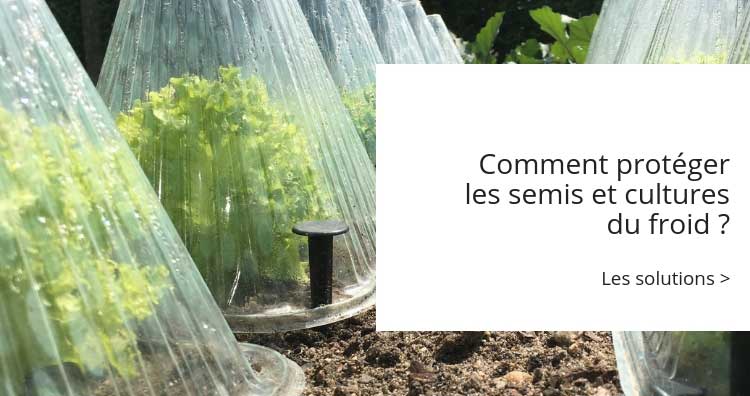
However, if you're the anxious, not-very-adventurous or absent-minded gardener: be patient! After all, everything in its own time… vegetables planted later, but into well-warmed soil, at the end of May or start of June will quickly catch up with those planted much earlier.
Whether you are a beginner or experienced gardener, you cannot have failed to hear about the famous “Saints de Glace”. When will they occur? Should you follow folk sayings and wait for them to pass before starting your vegetable garden and putting out planters? What should you fear during this period? We tell you everything! […]
Promesse de Fleurs offers no less than 2000 varieties of vegetable seeds: classic seeds, organic seeds certified AB, as well as F1 hybrid varieties (and even organic F1 hybrids!). With such a wide range of options, what should you choose?
To help you, today I propose to clarify these different types of seeds.
What is an organic seed?
What differentiates an organic seed from a conventional seed is the cultivation method of the seed-bearing plant. Indeed, organic seeds or "AB" are derived from plants grown without phytosanitary products (insecticides, synthetic herbicides, etc.). These seeds also do not undergo any treatment after harvest. They carry the AB label for Organic Agriculture and are certified by Ecocert, an independent control and certification body.
Why buying organic seeds?
- Are vegetables from organic seeds better for health?
On a garden scale, no, vegetables from organic seeds are not necessarily better because it is your way of managing your garden that will determine whether you have good vegetables or any pesticide residues in your harvests. However, on a global level, yes, because by buying organic seeds, you support the ecological practices of organic farming and thus protect the environment… since your supplier does not pollute.
- The specific case of untreated seeds
Untreated seeds or "NT" are derived from plants grown conventionally; they are not organic: during cultivation, the use of phytosanitary products is permitted. What differentiates them is that they do not undergo any treatment after harvest. For your information, these seeds are allowed in organic market gardening when organic seeds are out of stock.
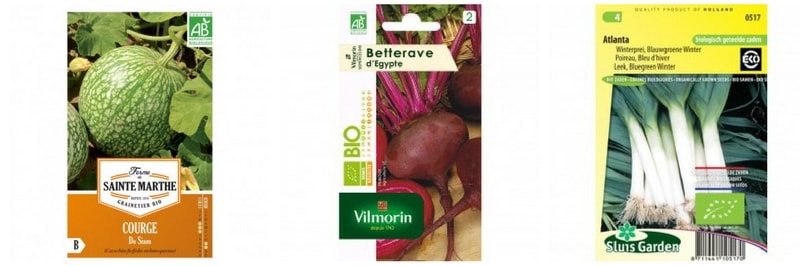
organic seeds: Sainte Marthe Farm, Vilmorin, Sluisgarden
What is an F1 hybrid seed? Should we be wary of them?
- What is an F1 hybrid?
F1 hybrid varieties are the result of crossing selected parent plants to combine their qualities. This results in varieties that are often earlier, more productive, and resistant to certain diseases. The productions are also more homogeneous, the vegetables are better sized and have better shelf life. The resulting plants can also be more compact and suitable for small spaces. As for taste, opinions vary: some find them generally bland, while others appreciate their flavour. But again, the way you cultivate the vegetables will certainly influence this.
Be aware that seed producers carry out selection and crossing work to regularly offer new varieties. These so-called improved varieties are not necessarily F1 hybrids!
- What is the problem with F1 seeds?
The main problem with F1 hybrid seeds is that it is impossible to save seeds from them. Their qualities do not pass on to the next generation. You will therefore have to buy them again. For the amateur gardener, even if the seeds are more expensive, it is an investment quickly recouped by the harvests… but it is a bit more complicated for market gardeners and farmers who become dependent on seed producers.
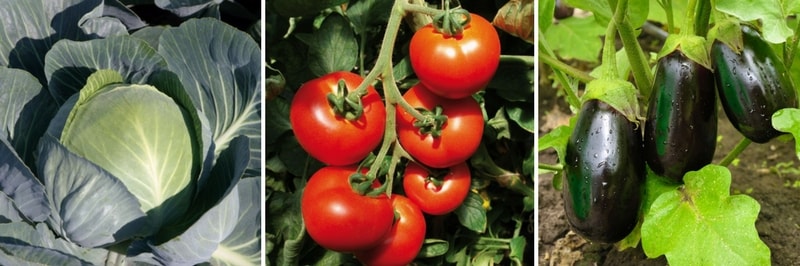
Stonehead Cabbage, Previa Tomato, and Bonica Aubergine: all productive, resistant, and reliable F1 hybrids.
And what about classic seeds?
Unlike organic seeds, classic seeds are cultivated conventionally. It is very rare for ranges intended for individuals, but sometimes seeds may have undergone treatment after harvest to eliminate any risk of mould and remove potential pests. If this is the case, the treatment will be mentioned on the packet.
By the way, coated seeds are not treated but simply covered with a natural substance (based on clay) that makes them much easier to sow and reduces the chore of thinning.
Organic or classic seeds… what about heirloom varieties?
Producers of organic seeds are known for maintaining heirloom varieties, selecting them to preserve their characteristics. Thus, it is more likely that you will find some rare gems, once cultivated in your region or by your grandfather, in organic. However, this is not a monopoly; traditional seed producers also offer heirloom vegetables, regional varieties known as "terroir" varieties.
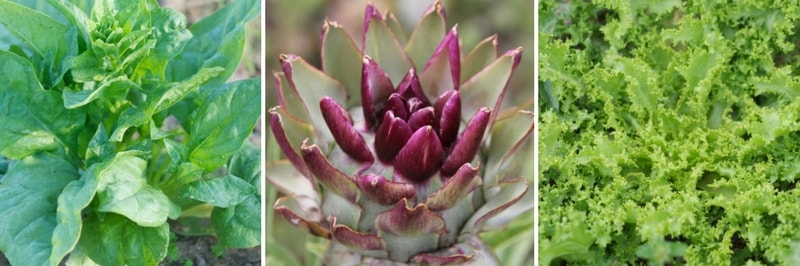 Viroflay Giant Spinach, Violet Artichoke from Provence, and Walloon Endive: heirloom or regional varieties offered in organic and classic seeds.
No F1 in an organic garden?
To conclude, and at the risk of sparking some debates, in my garden, Previa tomatoes sit alongside Black Crimea, Gynial cucumbers with English long greens... and I’m not even mentioning colourful sunflowers! Why? Because I believe that in an organic garden, F1 hybrids, AB seeds, and classic seeds can coexist perfectly without being inconsistent. And it’s not even contradictory; there are organic F1 varieties, such as Brussels sprout Igor, for example.
Why? Because I am pragmatic: the reliability and resistance of F1 hybrids allow for cultivation without any treatment (not even a little Bordeaux mixture spray, that’s not organic, is it?) and to achieve, almost certainly, abundant harvests. This assurance allows for trying out older, tastier varieties without fear, even though their results can be a bit more uncertain. On the other hand, what matters most is how you cultivate the vegetables: healthy soil, compost, good mulching, nothing simpler to grow your vegetables naturally!
What about you? Do you prefer classic seeds, certified AB, or are you more into F1?
Promesse de Fleurs offers no less than 2000 varieties of vegetable seeds: classic seeds, organic seeds certified AB, as well as F1 hybrid varieties (and even organic F1 hybrids!). With such a wide range of options, what should you choose? To help you, today I propose to clarify these different types of seeds. What is an […]
Aubergine, pepper and chilli share a strong taste for heat. That's why their sowing is done indoors, from February if you plan to grow them under glass and in March for outdoor cultivation in the vegetable garden.
How to succeed with your sowings and obtain healthy young plants?
This is a sowing sometimes feared by beginner gardeners because seeds need heat to germinate and are somewhat susceptible to damping off. However, if you follow a few simple rules, anyone can succeed.
- Sowing in a mini‑greenhouse or propagator
The classic method is to sow seeds in trays filled with a good seed compost. Sow seeds about 2 centimetres apart then cover them with a few millimetres of sieved compost. Water very gently, using a spray bottle… as a fine mist so as not to displace the seeds. To prevent damping off, then cover with a very fine layer of powdered charcoal.
The optimal germination temperature for these three vegetables is between 20 and 25 °C. Unless you live in an overheated flat, you will need to find the ideal spot. For these sowings, heated propagators (Garland, for example) are very handy but you can also use the top of or a place near a radiator. Personally, I put the trays on top of our masonry stove until germination.
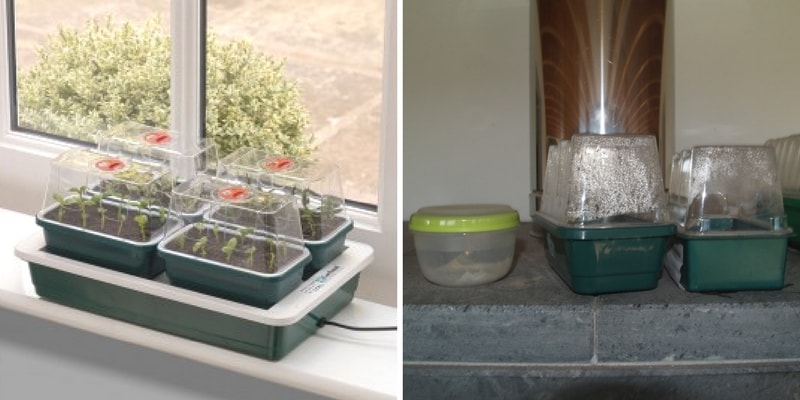
Place sowing in warmth: in a propagator (Photo: Garland) or, as with me, on top of a soapstone stove
With chillies, be careful when handling the seeds and wash your hands thoroughly afterwards: contact with the eyes may cause painful irritation.
- The "Scottex" method, have you heard of it?
There has been quite a lot of talk in recent years about the "Scottex" method… which gets its name not from some obscure botanist but from a brand of kitchen roll! This sowing technique is a little like germination tests. It involves placing the seeds on a piece of absorbent paper, previously moistened (with hot water, if you like), and enclosing them in a glass jar or a plastic tray. The advantage of this method lies in the speed of germination: the time spent at heat is therefore shorter. Having tried the method one year, I found it effective but… you mustn't have sausage fingers when it comes to'placing germinated seeds into pots: the operation requires precision and a gentle touch!
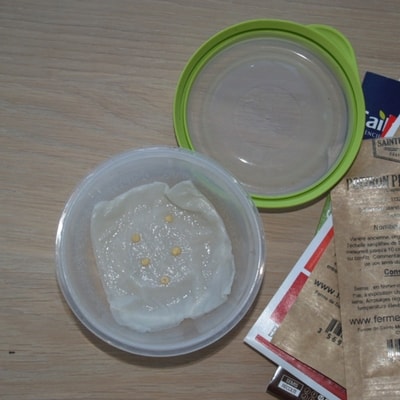
The "Scottex" method
From potting on to planting out in the vegetable garden: precautions to take
Once young plants are well developed (at least two true leaves but don't wait too long), you can prick them out into pots. They still need warmth (normal room temperature is sufficient) but also light, otherwise they will become leggy. Place them on the windowsill and wait… at least until after the last frosts (usually after 15 May) before planting out in the garden. Initially, if you live in a rather cool area, provide light protection against night‑time cold.
Which varieties to choose?
There are many varieties of chillies, peppers and aubergines… For chillies, choosing them according to their heat level will save you from growing something your palate couldn't handle. And for aubergines, if your climate isn't ideal for growing them, opt for sturdy F1s such as 'Bonica' (as seeds or as grafted plants), early and easy to succeed with.
For my part, here is my small selection for this year :
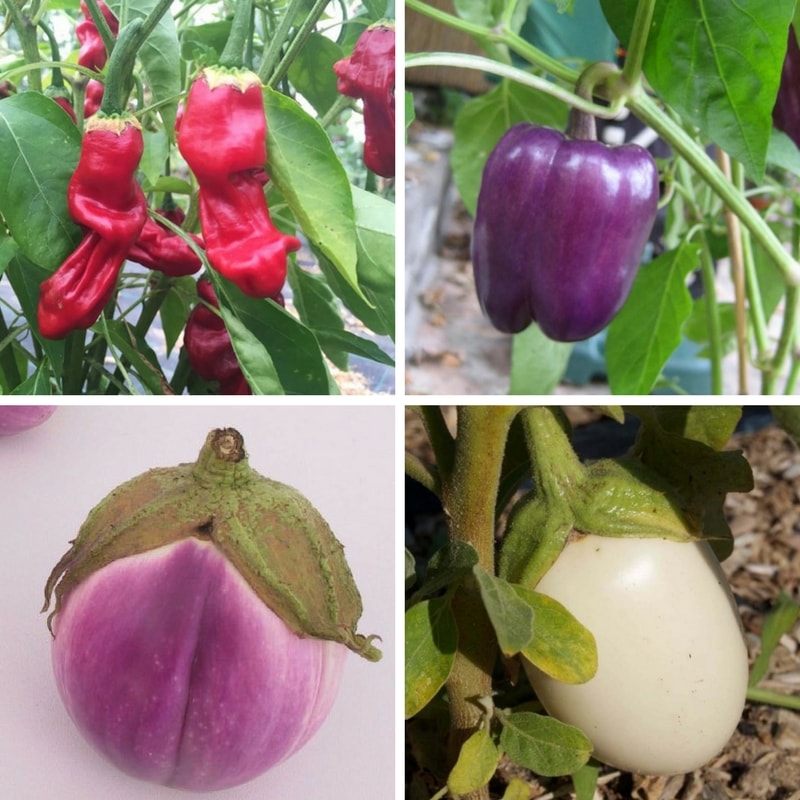
- The chilli 'Penis', a new arrival in our collection… which I must test, if only to see my neighbours' faces (and a little that of my mother‑in‑law... the gardener is mischievous)!
- The pepper 'Purple Bell', very unusual, which will complement my 'Californian Wonder'
- The aubergine 'Rotonda Bianca Sfumata di Rosa' and the aubergine 'Ronde à œuf', alongside the traditional 'de Barbentane'.
And you, have you started sowing for the vegetable garden? Any tips to share?
Aubergine, pepper and chilli share a strong taste for heat. That’s why their sowing is done indoors, from February if you plan to grow them under glass and in March for outdoor cultivation in the vegetable garden. How to succeed with your sowings and obtain healthy young plants? This is a sowing sometimes feared by […]
In the vegetable garden, sow in late summer to harvest through to spring
7 vegetables to sow, from late August to the end of October, in the vegetable garden
1) Chicories, all chicories!
Chicories, raw or cooked (gratin-style or braised…), are essential winter salads. I won't go on — we've already discussed them here…
2) Turnips
The yellow turnip 'Boule d’Or', with its pretty amber colour and very mild flavour, is one of my favourite winter vegetables. It goes down well with children, in soup, mashed or stuffed. Varieties 'de Croissy' and 'Noir Long' are also well suited to autumn crops and can be sown until the end of September.
3) Lamb's lettuce
Very rich in vitamin C and iron, lamb's lettuce is one of winter's "boosting" vegetables. It makes lovely salads. Have you ever tried pairing it with kiwi, avocado and a few pine nuts? Delicious! 'Vit' is a variety known for its productivity, rapid growth and excellent flavour. Cold-hardy and early 'Verte de Louviers' is also of very good quality. A little later in autumn, sow 'Verte de Cambrai': later-maturing, it will provide harvests until March.
4) Spinach
Spinach, although not always loved by children, is both delicious and "practical". It can be eaten as a salad at the young-leaf stage from autumn or cooked at maturity, up to the end of April. Among winter varieties, you'll find 'Géant d’hiver' of course, but also 'Monstrueux de Viroflay' and 'Parys', an F1 hybrid particularly resistant to cold and disease.
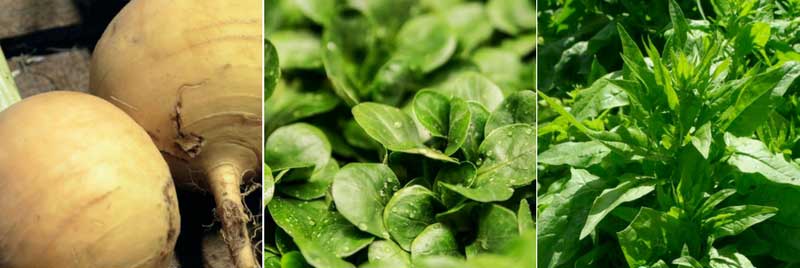
Turnip Boule d'Or, lamb's lettuce and spinach Géant d'Hiver
5) Long radishes
Long radishes are still little grown in the vegetable garden. Yet they are easy…and bring a range of colours! Why not try 'Rose d’Hiver de Chine'? Its name is a little dreamy, isn't it? Its flesh, white and crunchy, sliced very thin, is ideal in salad or simply on a slice of buttered bread. 'Chandelle de Glace' has a pretty ivory skin and is just as tasty… as are radishes 'Noir long d’hiver de Paris' and 'Violet de Gournay'. All keep very well.
6) Winter lettuces
As temperatures fall, it's possible again to sow lettuces. Don't miss out — wait a little, but it's a joy to harvest them from March. 'Merveille d’Hiver', 'Brune d'Hiver', 'Artic King', 'Bourguignonne' (also called 'Grosse Blonde d’Hiver') are all hardy and withstand winter cold admirably.
7) Early round cabbages for spring
Round cabbages 'Cœur de Bœuf des Vertus', 'Cœur de Bœuf moyen de la Halle', and 'Cabus express' (smaller) are three early cabbages known for producing, quickly, lovely conical heads with tender leaves in spring. Don’t miss them!
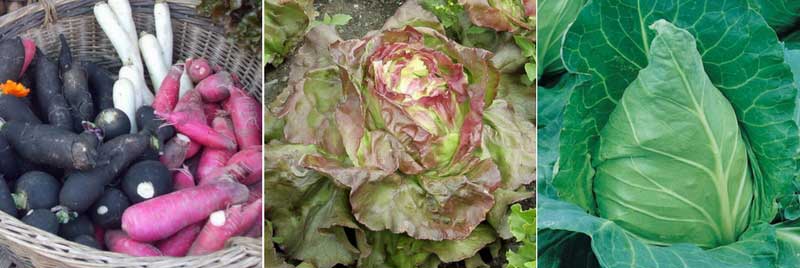
Long radish, Lettuce Brune d'Hiver and Cabbage Cœur de Bœuf Moyen de la Halle
There — you're briefed on late-summer sowings in the vegetable garden 🙂 You'll see, they're all easy and, if in doubt, consult our advice sheets.
Some of these crops may need a little protection if winter is severe; I will cover this in due course. So follow the blog or, better, sign up to the newsletter to be notified of new articles!
What to sow in late summer in the vegetable garden? At the end of August, buoyed by the joy of the harvest or overwhelmed by preparations for the return to school, gardeners often neglect the last seasonal sowings. I’m no exception. And when the holidays end, it’s already almost too late for some vegetables! In […]
June is well under way and here we are at the start of summer: fine weather is definitely here and the urge to harvest your own vegetables has been nagging you for a while. But let's face it: you've dawdled and, in the vegetable patch, no vegetables have been sown.
To be honest, although the situation is far from desperate, it may be a bit tricky for some vegetables such as tomatoes (take comfort, half the time they get blight), chillies, aubergines… But for the rest, almost everything is still possible!
First of all, let's see why sowing a little later than the "official calendar" can be a good thing:
Benefits of late sowing in the vegetable patch
Late sowing can prove preferable in cool regions, because sowing in well-warmed soil speeds up germination and promotes rapid plant growth.
I experimented with this last year by planting two rows of beetroot: the first from transplants and the second from seed. In less than a month, although both received the same care, the row sown from seed had caught up with the one from transplants.
Reassured? Let’s move on to our short selection of vegetables easy to sow in early summer:
7 easy vegetables to sow in early summer in the vegetable patch
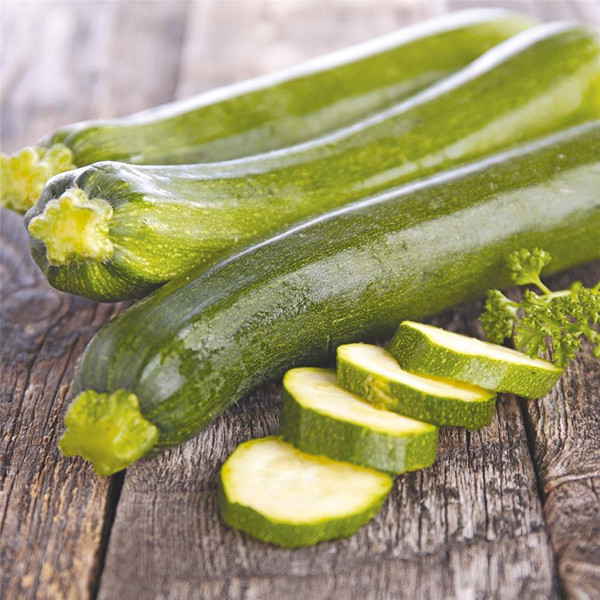
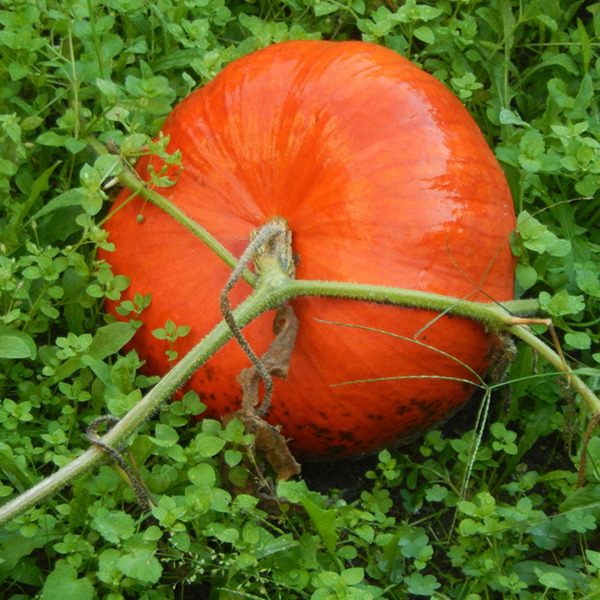
1) squash and courgettes
Although they are often recommended to be sown in April and started in pots, that is mainly to harvest them earlier, but direct sowing is perfectly feasible. Only drawback: harvest will be slightly delayed.
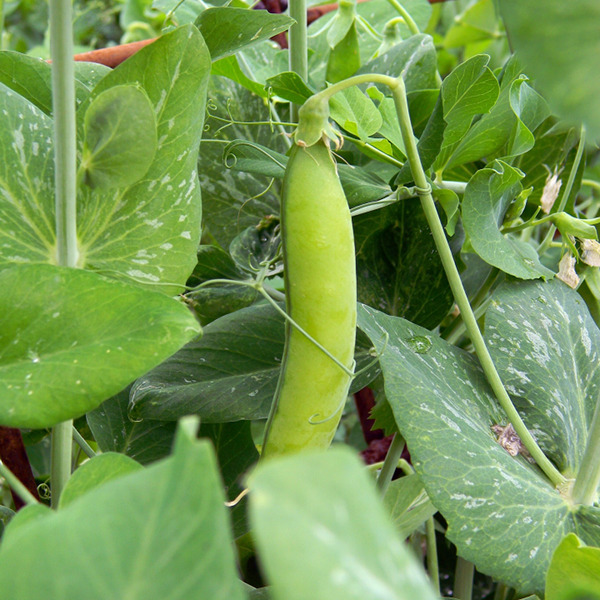
2) peas with wrinkled seeds
Usually sown until the end of May, wrinkled peas such as "Merveille de Kelvedon" or "Télévision à grain ridé" tolerate heat. A slightly late sowing, especially if you live in a temperate region, will not cause them any problem.
3) beetroot
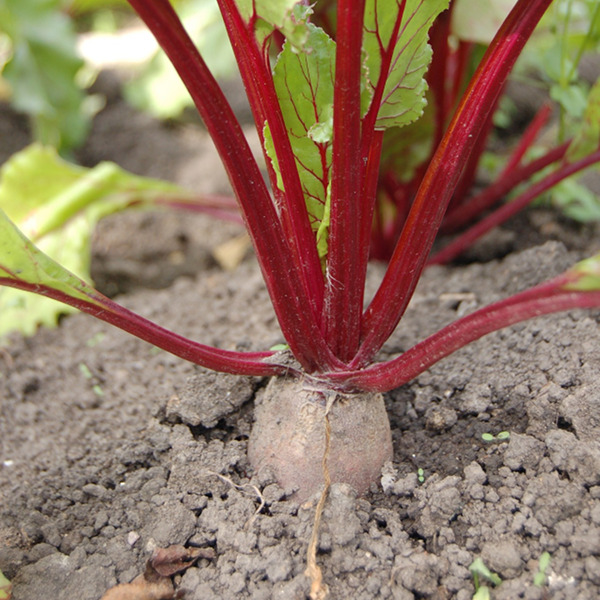
Easy to get right, beetroot tolerate a slightly late sowing very well provided you watch watering or, better, mulch the patch. Warmth speeds up growth: I've never had to wait four months before enjoying them! We particularly like 'Chioggia'… and the beetroot 'de Détroit'.
4) lettuce
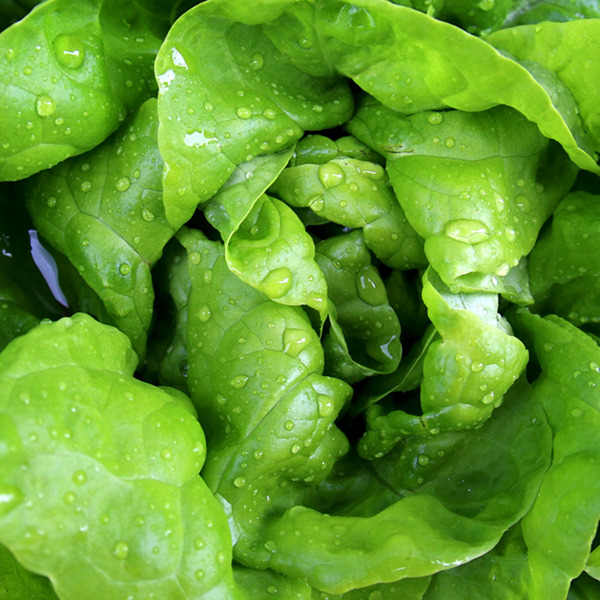
Summer lettuces grow at great speed… it's a real joy provided you choose the right variety, otherwise watch out for bolting! Aim for 'Kinemontepas' (of course!), 'Grosse Blonde paresseuse', 'Du bon jardinier' or, for cut-and-come-again lettuces, 'Lollo Rossa' or 'Red Salad Bowl'. All are well suited to heat, provided you give them some protection by situating them in partial shade.
5) beans
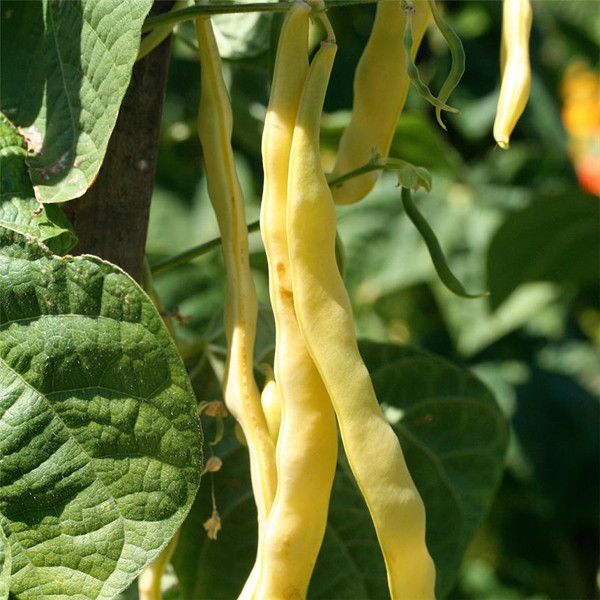
… all beans, including green beans! With them, it's simple: harvest comes 60 days after sowing. Very handy for timing pickings before you go on holiday or on your return, right? If your schedule isn't fixed, rather than a string-bean variety choose a mangetout which can wait a little longer without becoming stringy. And to vary things, consider butter beans, and also the stunning purple varieties such as 'Amethyst'…
6) radishes
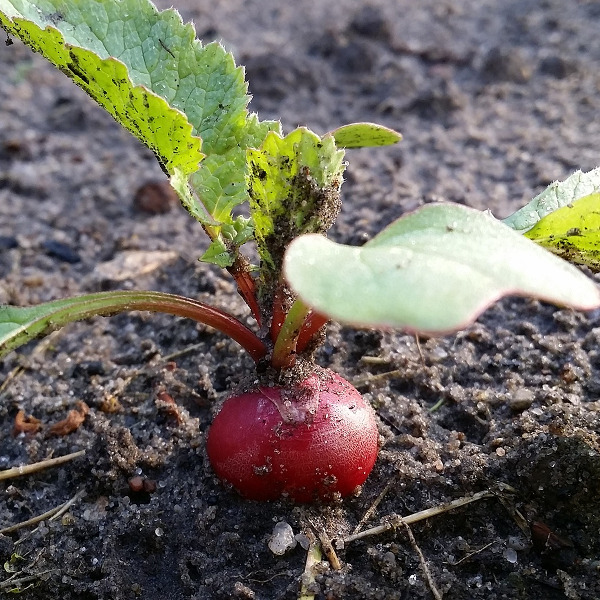
Radishes can be sown almost all year round… We covered this in this article on radishes. Summer is the perfect time to try new varieties especially well adapted, such as the radish 'Golden Yellow Oval' or 'Scarlet Globe'.
7) carrots
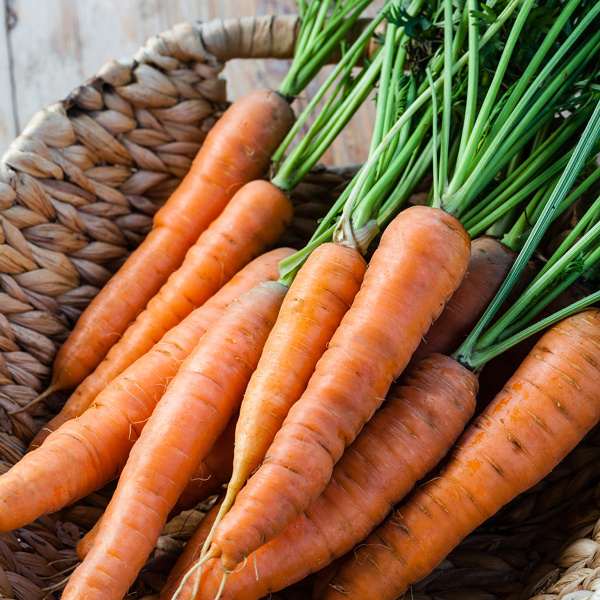
Sown in June–July, they'll be harvested in autumn. Consider sowing them with radishes to reduce the thinning chore. If this sowing worries you a little (it's delicate) and you don't have time to waste on a failure, go for seed tapes without hesitation: they're really handy, even if you're not a beginner!
Ready? Here are a few precautions to take to make sure everything goes well!
Precautions to take when sowing in hot weather
First, know that in the vegetable patch summer sowings are no more difficult than spring ones. However, they require closer monitoring, because for germination to proceed without mishap, soil must remain moist.
Which is not necessarily easy when the sun is beating down. If you cannot keep up with regular watering, consider shading the soil while waiting for emergence using crates, simple sheets of newspaper or a very thin layer of previously dried grass.
Finally, favour morning watering: it is less likely to attract slugs, which are fond of young seedlings in all seasons.
June is well under way and here we are at the start of summer: fine weather is definitely here and the urge to harvest your own vegetables has been nagging you for a while. But let’s face it: you’ve dawdled and, in the vegetable patch, no vegetables have been sown. To be honest, although the […]
Squashes and courgettes are a real joy in the vegetable garden: easy to sow, almost maintenance-free, fast-growing and, above all, very productive.
Sowing squashes and courgettes: child’s play, virtually foolproof
Sowing can be done directly in the ground or in pots — for this, follow the instructions in our advice sheet. In our rural garden, a bona fide “place to be” (that is: the place to be for partying, especially if there’s beer) for gastropods and other little nibblers, we play it safe. Squash and courgette plants are raised out of reach of their appetites. In April/May I’m a bit overwhelmed, so my eight-year-old daughter takes care of it, and I’m not worried because getting it wrong is impossible — unless you do it on purpose!
For squashes, pumpkins and potimarrons, which are greedy, laziest gardeners can simply throw a few seeds on the compost heap — that works very well too; but only if field mice don’t eat them all before they have a chance to germinate. I don’t recommend keeping self-sown seedlings: squashes cross with one another — we’re talking natural hybridization — with astonishing ease. You’ll end up with what I call the “Surprise” variety.
And true to the spirit of surprise, it might turn out well:
Yay, ten free squashes with no effort at all!
or badly:
Grrr, ten marauding squashes that took over the patch all summer and are completely inedible…
As for timing, try, where possible, to schedule your sowing around your holiday dates (if you’re away in July, sow later…) or hand harvesting over to a neighbour while you’re away: once the novelty wears off, nothing is more annoying than finding giant, seed-filled squashes dominating the garden instead of the fine, tender courgettes you were hoping for.
Growing courgettes, squashes, pumpkins and potimarrons? Easy: sun, air and rich soil
Courgettes and squashes grow in full sun on all soils, provided they are rich and fairly moist. If you didn’t add plenty of compost in autumn, it’s not too late: at planting time dig large holes and mix in compost — even if not fully mature — with garden soil.
Courgettes and squashes don’t have many pests (apart from slugs at the seedling stage) but, like good cucurbits, are often affected by powdery mildew. This cryptogamic disease, caused by a fungus, develops in warm (27 °C is its favourite temperature) and humid weather. It appears as white, powdery patches. Infected by the “white” and left untreated, leaves eventually dry out, yield collapses and the plant dies.
This disease is not inevitable; as prevention you can:
- space plants well at planting: 80 cm for non-vining varieties and at least one metre for others, as they need good air flow to dry quickly after rain,
- avoid nitrogen-rich fertilisers — they boost leaf growth but make foliage more fragile,
- use recent varieties, F1 hybrids, which are often more resistant.
Cucurbits: a multitude of varieties
If there is one group offering huge variety, it’s the cucurbits.
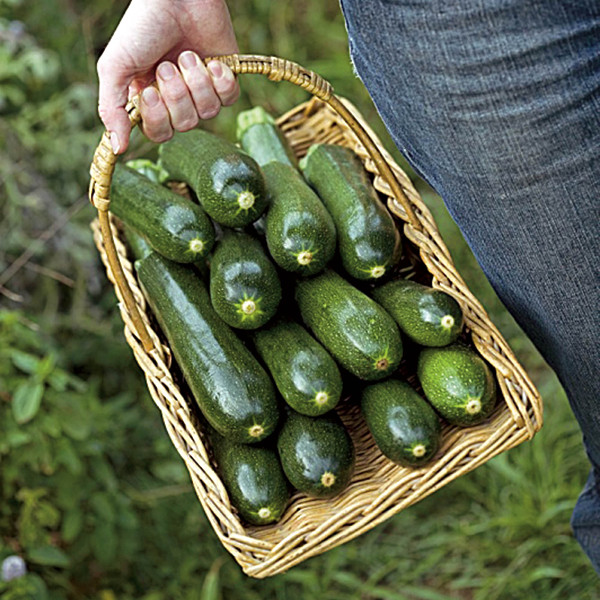
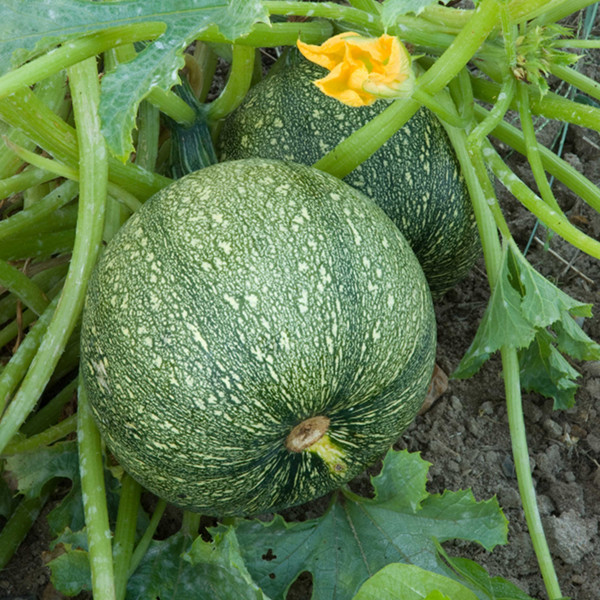
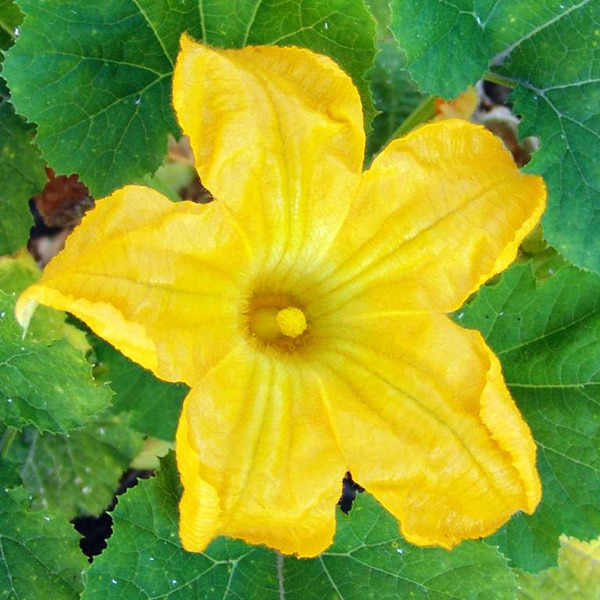
Every year I have to use reason to limit myself, especially on number of courgette plants. It’s hard, because I want them all: green, yellow, long, round… They produce so abundantly that, by mid-summer, neighbours barely open their doors when they see me arrive with a full basket, determined to distribute my surplus!
I particularly like:
- Précoce Maraîchère, because it produces early in the season and so prematurely satisfies our cravings for summer veg,
- Ronde de Nice and Tondo di Toscana, two round varieties ideal for stuffing,
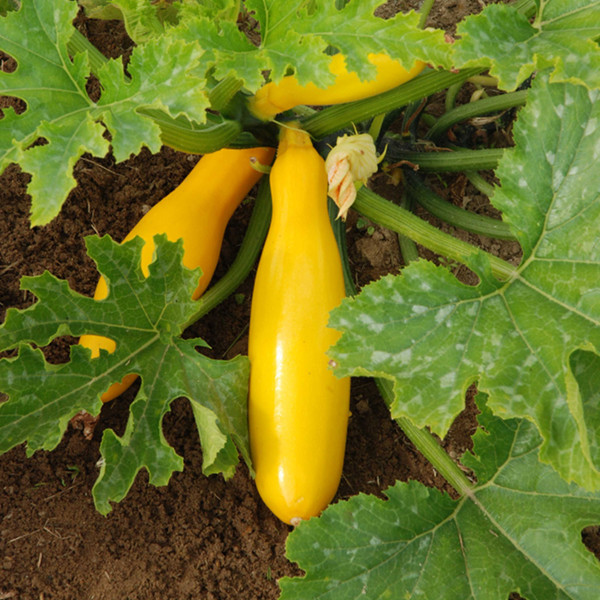
- Gold Rush, for its flavour and its yellow skin (children are less put off by yellow than by green…),
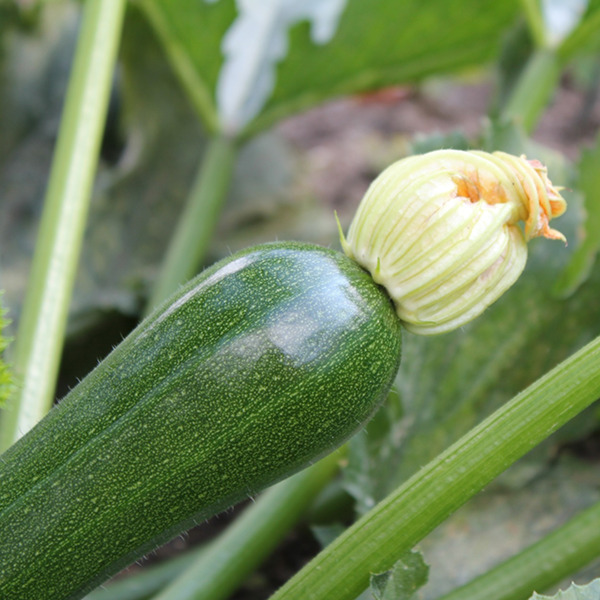
- Belor F1, such a productive variety that I have no qualms about picking its flowers to make tasty fritters,
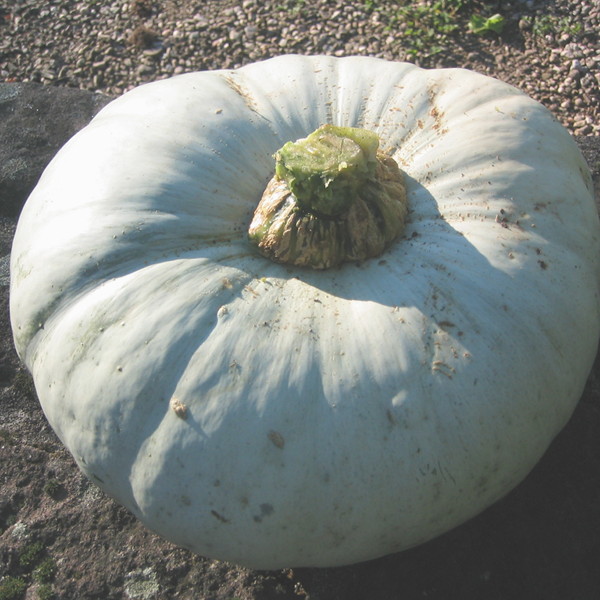
On the other hand, there are no restrictions for squashes, apart from available space, because they store superbly and are eaten well into early spring.
In our top 5 you’ll find:
- the Pumpkin Jack O'lantern — I donate the biggest specimens to the nursery school for their traditional Halloween lanterns and annual cookery workshop,
- the Pumpkin Bleu de Hongrie and its superb, very distinctive colour,
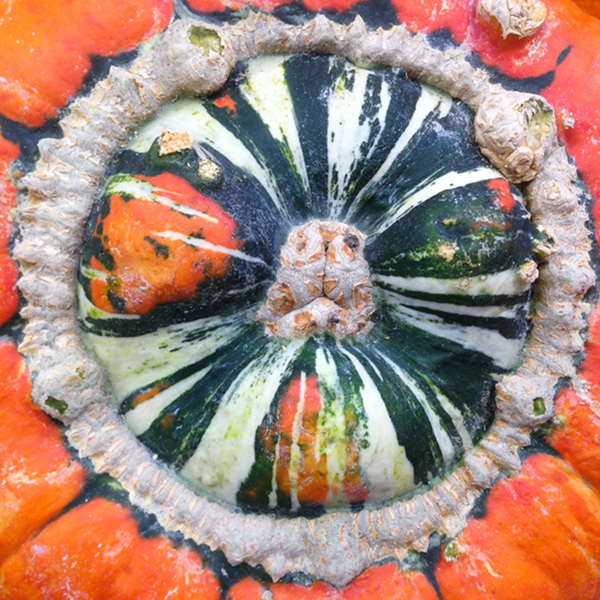
- the Pumpkin Giraumon Turban, as decorative as it is tasty,
- the Potimarron Uchiki Kuri — partly for its name, which sounds like “the archduchess’s socks…”, but mainly for its small size, which avoids waste: one fruit = one pot of soup,
- the Butternut Butternut for its characteristic, delicate flavour.

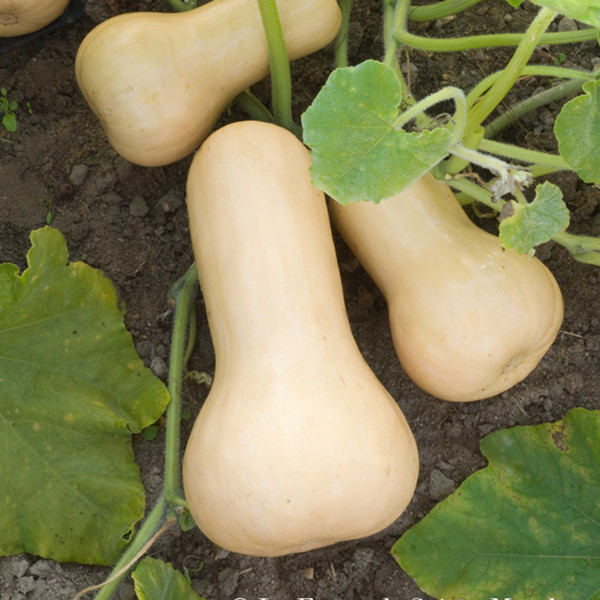
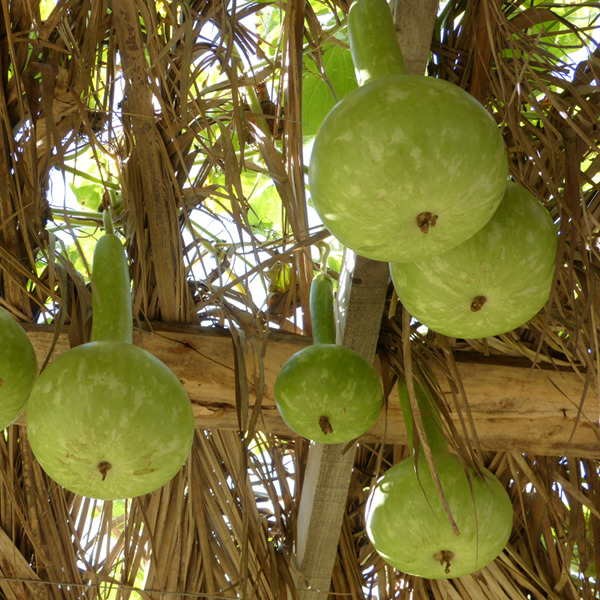
This year there will also be bottle gourds. They are not edible but that doesn’t matter, as I plan to use them for ornamental purposes. First, I’d like them to climb a frame made from rebar. Yes, squashes can be grown vertically! Next spring, once dried and perhaps painted (I can picture them bright red), they will be strung like beads on a large stake and decorate the garden. Apparently you can also carve them, cut them to make bowls and all sorts of objects… Plenty to keep us busy all winter!
Further reading :
- our full guide: "Courgette: sow, plant and grow in the vegetable garden"
- Sophie’s article: "Giant pumpkins: get sowing!"
- our tutorial: How to trellis squashes?
Squashes and courgettes are a real joy in the vegetable garden: easy to sow, almost maintenance-free, fast-growing and, above all, very productive. Sowing squashes and courgettes: child’s play, virtually foolproof Sowing can be done directly in the ground or in pots — for this, follow the instructions in our advice sheet. In our rural garden, […]
Here, under Brittany’s mild climate, March is marked by ubiquity: it has to be everywhere at once—in the vegetable garden for early sowings of late-spring vegetables, but also, warm indoors, to prepare the summer harvest.
So, let’s be honest, we’re rushing around… but it’s a joyful bustle as it heralds the return of spring. The programme is simple and revolves around two 'culinary themes': the Jardinère of small vegetables and Ratatouille.
1) Under cover (unheated): the spring vegetable jardinière
Our shelter, a tunnel greenhouse, is a real luxury. Originally devoted to tomatoes and other frost-prone vegetables, it now serves all year round, especially for early sowings. It can, in your garden, be replaced with equal effectiveness by: a well-sited frame, a mini-market-garden tunnel (to be erected on hoops or moulded plastic) or, even more simply, by a forcing fleece.
To obtain early harvests, I sow there from the end of February and directly in the soil:
- the smooth-shelled peas (one row of ‘Très hâtif d’Annonay’ and one row of ‘Petit Provençal’),
- the spring turnips ('Rave d’Auvergne hâtif' and ‘de Milan Rouge Extra Hâtif’),
- the early carrots ('Marché de Paris' is early and ideal in our heavy soil),
- the first radishes ('Fluo F1' for the half-long types and ‘Gaudry 2’ for the round ones).
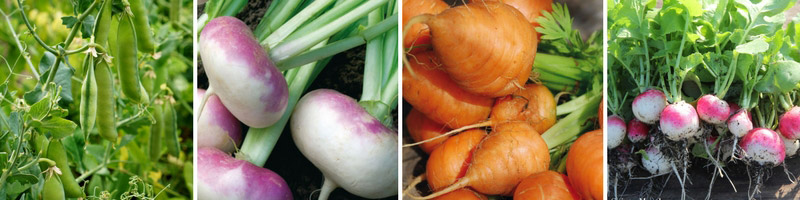
Peas, Turnip 'Rave d'Auvergne hâtif', Carrot 'Marché de Paris' and Radish 'Gaudry'
After seeing whole rows of young seedlings disappear, I resolved to start my lettuces ('Gotte Jaune d’Or', 'Batavia sanguine' and 'Reine de mai') in pots. They will grow under the greenhouse and will be planted three weeks later, once less vulnerable to slug damage.
2) Warm indoors: ratatouille… but also the flowers!
Early March, chillies and peppers get the season underway, as they develop fairly slowly. Then comes the turn of tomatoes and aubergines, and, at the very end of the month, of aromatic herbs that enjoy warmth such as basil and oregano. To these sowings, two or three courgette plants ('Précoce maraîchère') are added, which I sow a little early to enjoy a harvest at the start of summer.
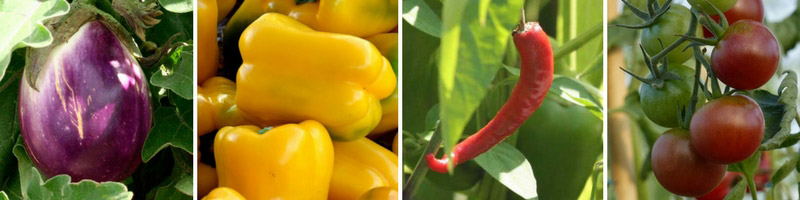
Aubergine 'Violetta di Firenza', Yellow pepper, Cayenne pepper and Tomato Black Cherry
And because I cannot imagine a kitchen garden without flowers, I take the opportunity to grow, still indoors, annual flowers: the marigolds that will accompany the tomatoes, but also the zinnias, which I pair with French beans, cosmos and annual Rudbeckias whose rustic charm delights me every year… not forgetting nasturtiums (very useful for distracting aphids), because even though they now reseed themselves, I never tire of discovering new varieties.

Zinnias, Cosmos, Marigolds and Nasturtiums: essential annual flowers for the vegetable garden
This list isn’t exhaustive; we invite you to add to it in the comments... and please don’t hesitate to ask us any questions, we’ll be very happy to reply.
Here, under Brittany’s mild climate, March is marked by ubiquity: it has to be everywhere at once—in the vegetable garden for early sowings of late-spring vegetables, but also, warm indoors, to prepare the summer harvest. So, let’s be honest, we’re rushing around… but it’s a joyful bustle as it heralds the return of spring. The […]