





























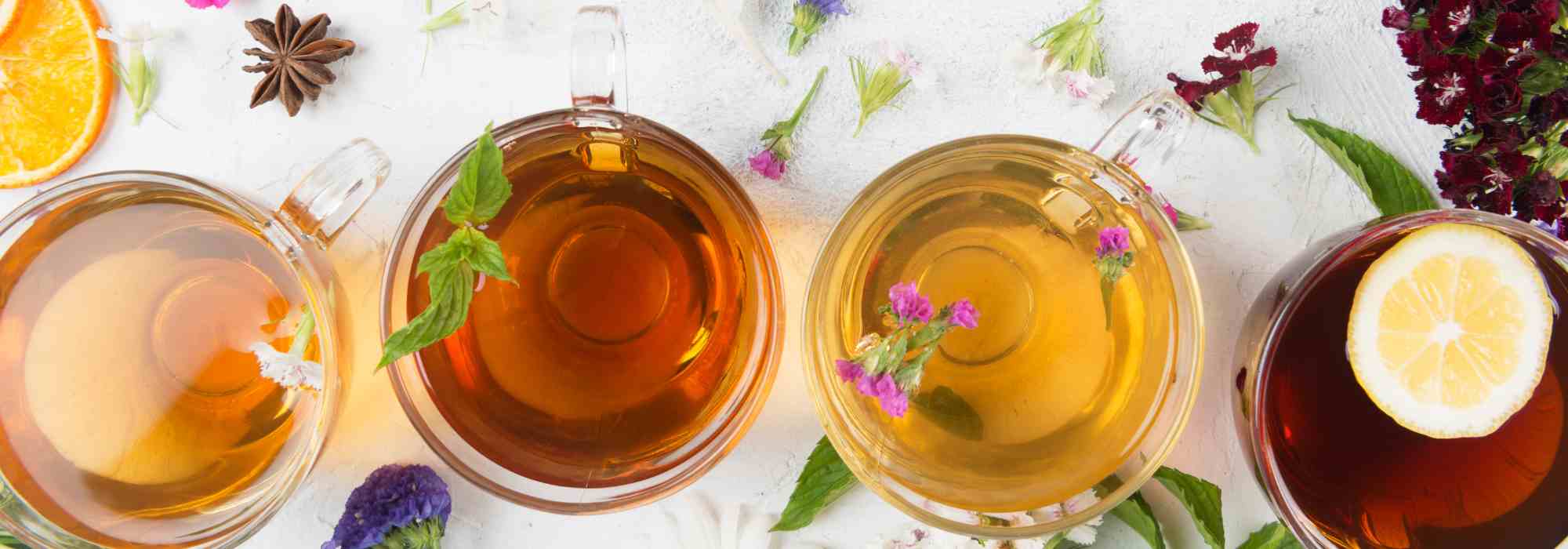
Winter anti-fatigue herbal teas
6 plants to combat winter fatigue
Contents
Natural remedies for winter fatigue, herbal teas are comforting hot drinks when it’s cold outside. Packed with benefits, they are ideal for boosting the immune system, regaining vitality, combating winter infections that drain us, and fighting fatigue! Most plants for infusing winter herbal teas are accessible to any gardener and are easy to grow in your garden or on your balcony. Here are 6 plants that will help you cope and tackle minor ailments during winter if you’re feeling flat!
Discover our selection of herbal teas for an anti-fatigue boost!
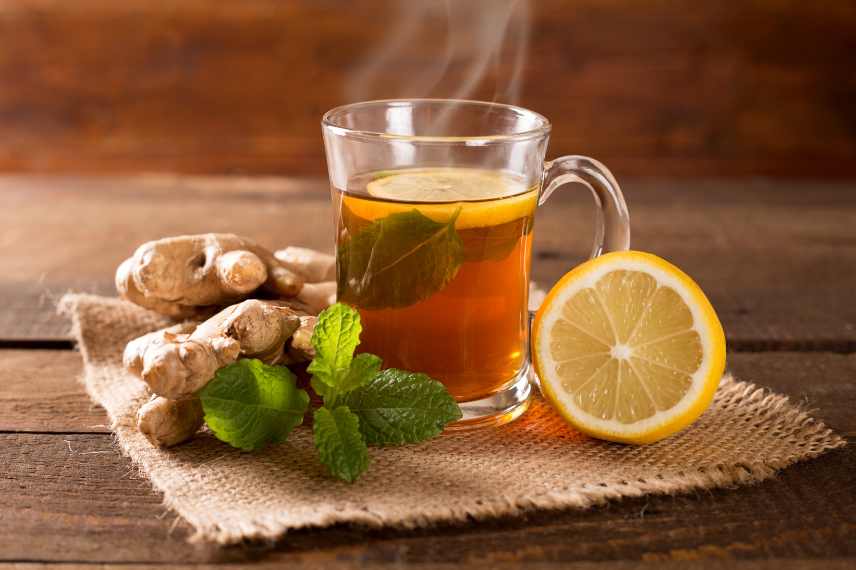

How to make an herbal tea with plants from your garden?
Herbal teas made from fresh or dried plants are very valuable during the winter months. Depending on the plants, leaves, branches, flowering tops, or roots are used. If you have a garden, terrace, or even a simple balcony, you’ll have plenty of options to create your own homemade teas.
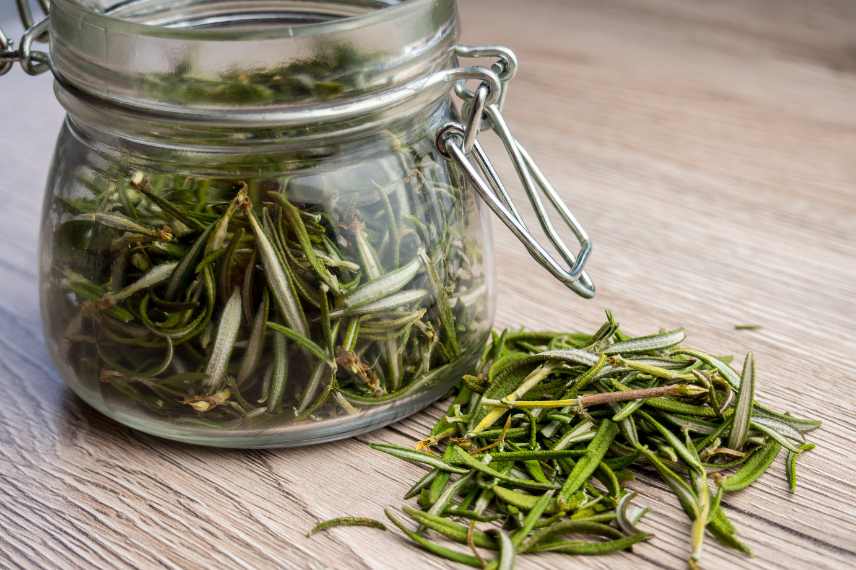
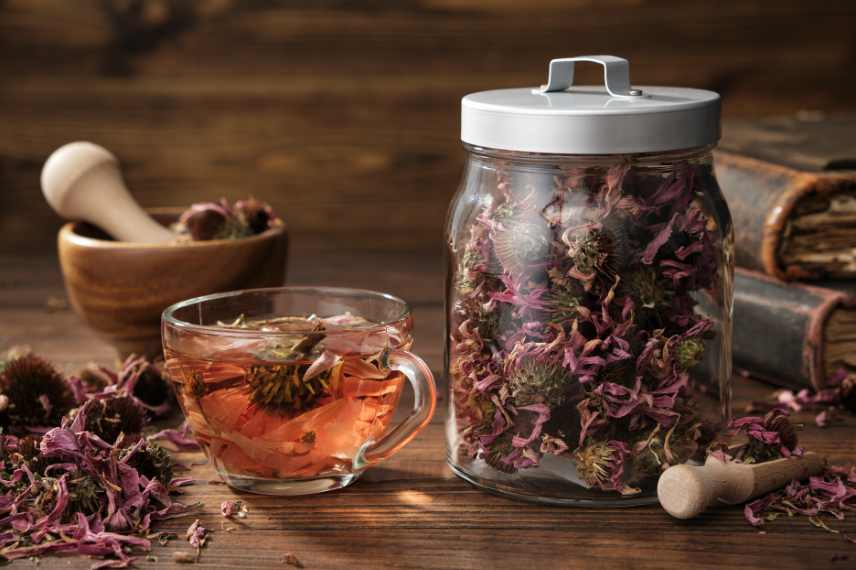
It is entirely possible to grow and then harvest your own plants and dry them. Just make sure to start early, after the growing season, to build your special infusion plant collection. To create your own homemade teas, the drying step is recommended. A tea made from fresh plants is indeed less potent than one made from dried plants, as fresh plants contain a lot of water. The aroma is more intense when the leaves are dried.
The recommended dosage is 5 to 20 g of dried plant per litre of water, which is about 2 tablespoons per litre of water. For fresh plants, remember to multiply this amount by two or five. Count on about one tablespoon of fresh plant per cup. You can mix several plants in the same infusion. Dried plants can be stored for one to two years.
- After harvesting, dry your plants in the open air on a cloth or absorbent paper, or in the oven at 50 °C
- Store them in a dry place away from light in a paper bag or glass jars
- Infuse the plants for about 10 minutes in simmering water in a teapot or herbal tea maker; the infusion temperature should be between 85°C and 90°C, never up to 100°C to avoid degrading beneficial compounds such as trace elements and vitamins
- Strain
- Once prepared, consume 1 to 3 cups of herbal tea each day for at least three weeks
Read also
How to make lavender tea?Nettle tea
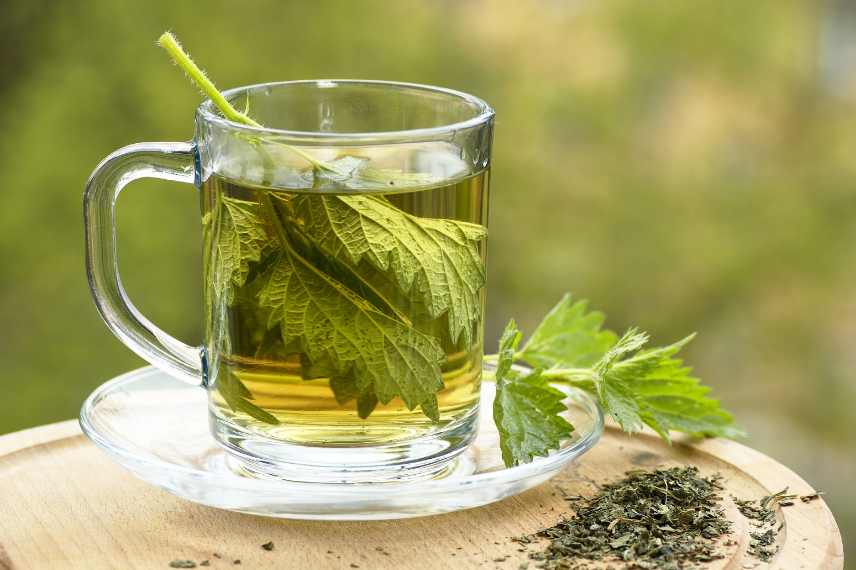
Nettle is a perennial plant from the Urticaceae family that is rich in vitamins and minerals. It has been known since antiquity for its many virtues. While the famous nettle manure is well-known, did you know that this unloved wild plant contains highly valued properties during the winter months?
Description
The dioecious nettle, or stinging nettle (Urtica dioica), is a herbaceous perennial plant that can reach up to 2 metres in height. It has long stems adorned with green leaves that are strongly dentate and covered in urticating hairs. Those who brush against it will get stung!
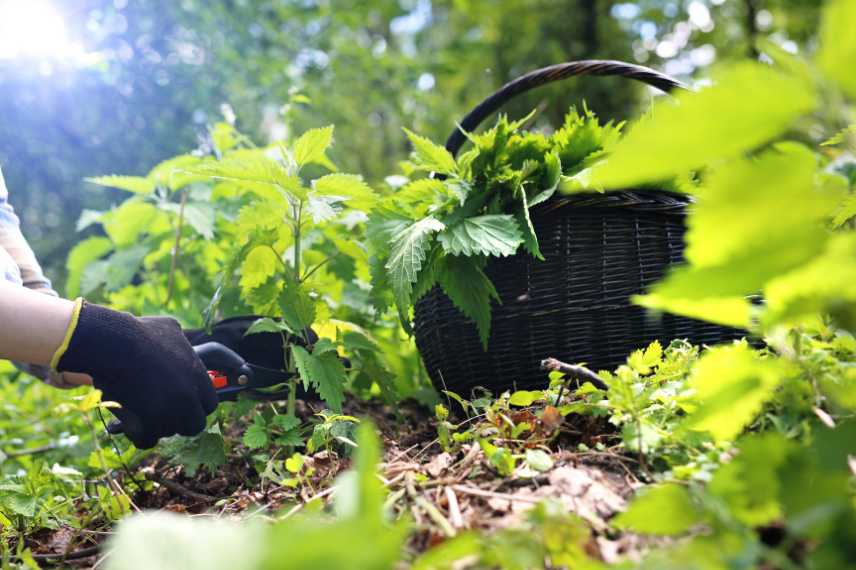
Its medicinal virtues
Often regarded as a weed, it actually possesses many virtues recognised since antiquity. Nettle is rich in essential amino acids, vitamins A, C, K, B, manganese, calcium, silica, magnesium, copper, zinc, phosphorus… It is very high in iron and protein. Its leaves have anti-anemic, tonic, stimulating, and detoxifying properties. It is a very effective plant in cases of asthenia. Three cups of nettle tea per day for two months should help you regain your strength!
Growing it in the garden
Nettle deserves to be grown in the garden for use in infusions. You can easily grow it in any good garden soil, rich in organic matter, well-drained, and remaining cool, in full sun or partial shade.
→ Discover the benefits of nettle
Discover other Herbs by variety
View all →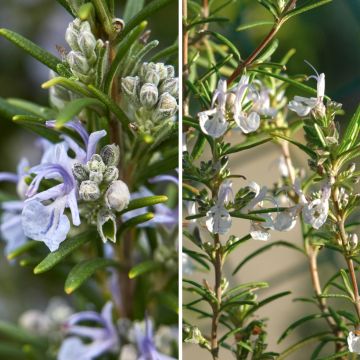
Available in 0 sizes
Available in 1 sizes
Available in 1 sizes
Available in 1 sizes
Available in 1 sizes
Available in 2 sizes
Available in 1 sizes
Available in 1 sizes
Available in 1 sizes
Rosemary tea
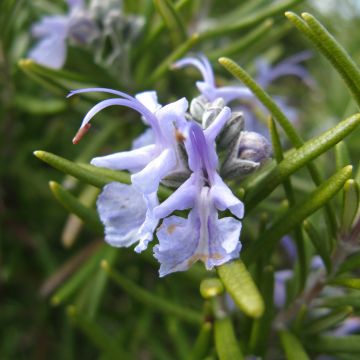
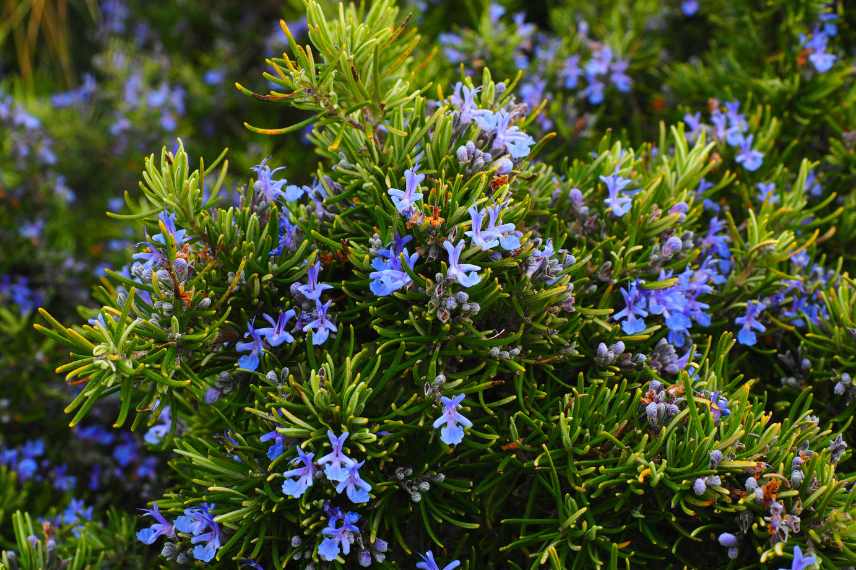
Rosemary is an aromatic, culinary, and medicinal shrub. The common rosemary (Rosmarinus officinalis) is cultivated for its foliage rich in essential oil, used fresh or dried, and is delightful in infusions. It exudes a powerful, invigorating, camphor-like scent.
Description
It is a small perennial shrub with aromatic leaves that can reach 1.5 m in height. It forms a lush evergreen bush that is covered with a multitude of small lavender-blue flowers and requires almost no maintenance.
Medicinal properties
Rosemary has been used since antiquity for its medicinal properties. It possesses antiseptic, bactericidal, digestive, and tonic properties. The leaves and flowering tops contain powerful antioxidants and components known for their antimicrobial properties. It is a natural antiseptic that helps combat stress, fatigue, and intellectual overwork.
Growing it in the garden
Rather hardy for a Mediterranean plant, tolerating temperatures down to -15 to -20°C if the soil is well-drained and dry in winter, rosemary thrives in arid, well-draining, poor, and stony soils. It loves sun, warmth, and even dryness, which enhance its fragrance. It is easy to grow in the ground, in pots, or in window boxes, on a windowsill or terrace.
→ Check out our detailed sheet on growing rosemary
→ Discover how to preserve and use rosemary?
Read also
How to dry and properly store thyme?Thyme tea
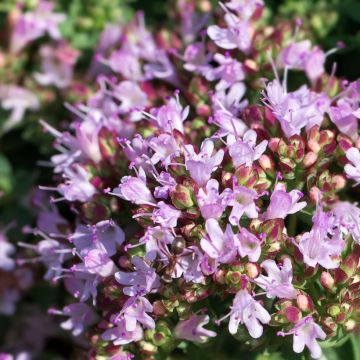
Just like rosemary, Thyme is another Mediterranean plant from the Lamiaceae family with numerous virtues! It is an aromatic, culinary, and medicinal perennial plant. It is valued for its strongly aromatic leaves and twigs used in cooking or for preparing beneficial herbal teas.
Description
It forms a small tuft 20 to 40 cm high composed of many small ramified stems. They bear small evergreen leaves, grey-green to yellow in colour, which are strongly fragrant when crushed. Common thyme (Thymus officinalis), Lemon thyme (Thymus citriodorus) with its lemony scent, or Orange thyme (Thym fragrantissimum) with citrus notes, you will be spoilt for choice!
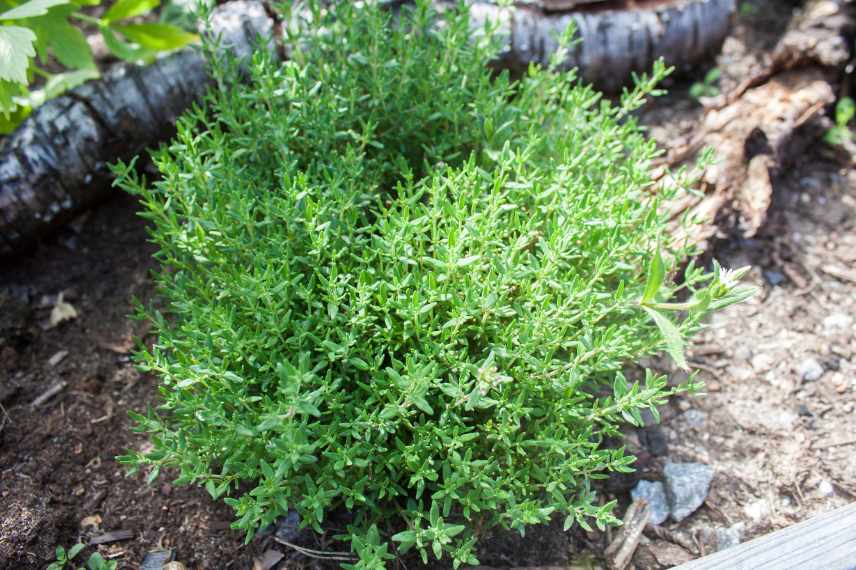
Its medicinal virtues
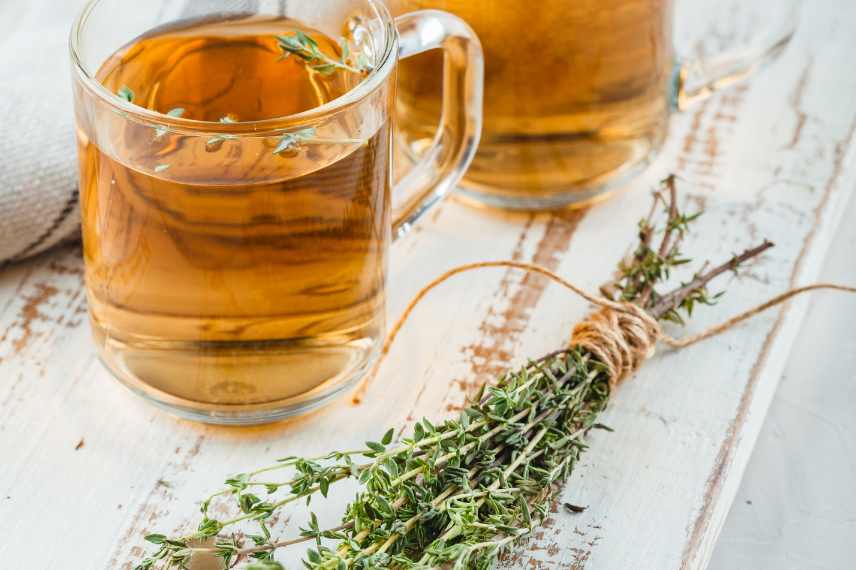
Thyme leaves are used in infusions to aid digestion and to combat respiratory infections. As it contains a significant source of vitamin C, it also helps to fight fatigue. Immerse 2 sprigs of thyme in 1/2L of boiling water. Infuse for 10 minutes.
Growing it in the garden
It is very easy to grow in pots or in the ground and thrives in full sun in well-drained soil. In harsh climates, opt for winter thyme, the hardiest variety.
→ Check our detailed sheet: “Thyme: how to grow, plant, and prune”
Jiaogulan Tea
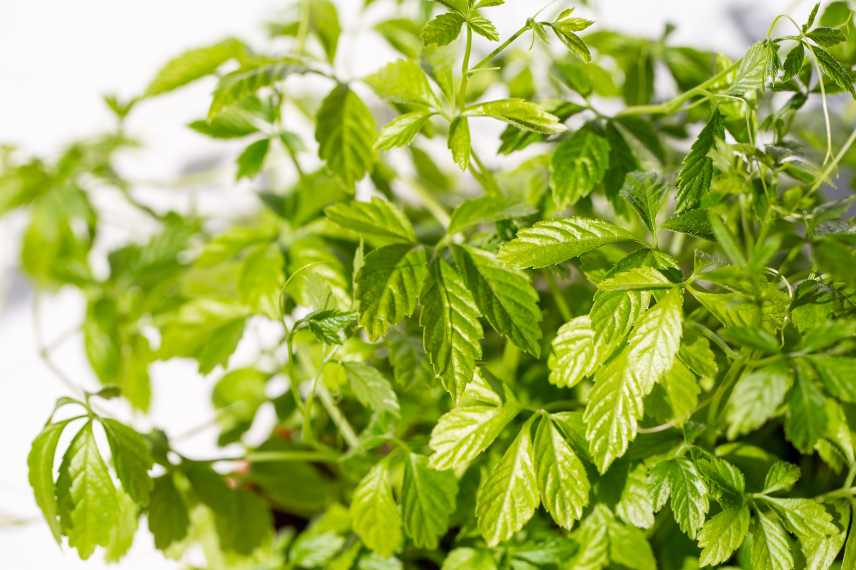
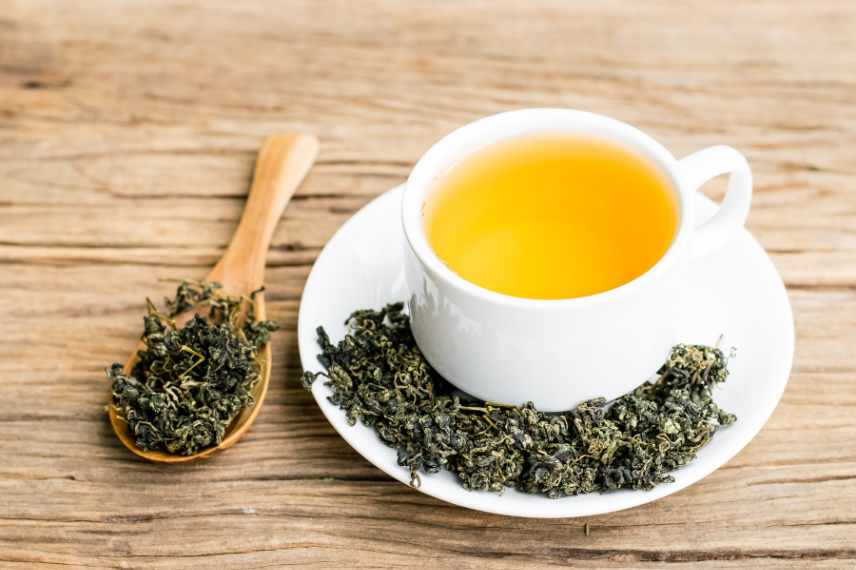
Jiaogulan (Gynostemma pentaphyllum), also known as immortality tea or herb, is a climbing plant from Asia cultivated for its sweet-tasting leaves used in infusions. Legend has it that regular consumption of Jiaogulan may have an effect on longevity!
Description
It forms a bush that can climb up to 1.5m high, composed of evergreen palmate leaves divided into 5 leaflets. Small white flowers appear from August to October. It clings to any support with its tendrils.
Medicinal properties
The leaves of jiaogulan are particularly rich in antioxidants and contain saponins, similar to those found in Ginseng. They possess energising and revitalising properties that are very useful during periods of fatigue and to avoid energy slumps. Jiaogulan has been used for centuries in traditional Chinese medicine to stimulate natural defenses, increase vitality, and resist stress.
Growing it in the garden
Very hardy (down to about -25°C), Jiaogulan can be planted in the ground or in pots. It is easy to grow in full sun or partial shade in any rich, well-drained soil. It can be supported on stakes, trellises, or shrubs, or it can spread as groundcover.
Ginger tea
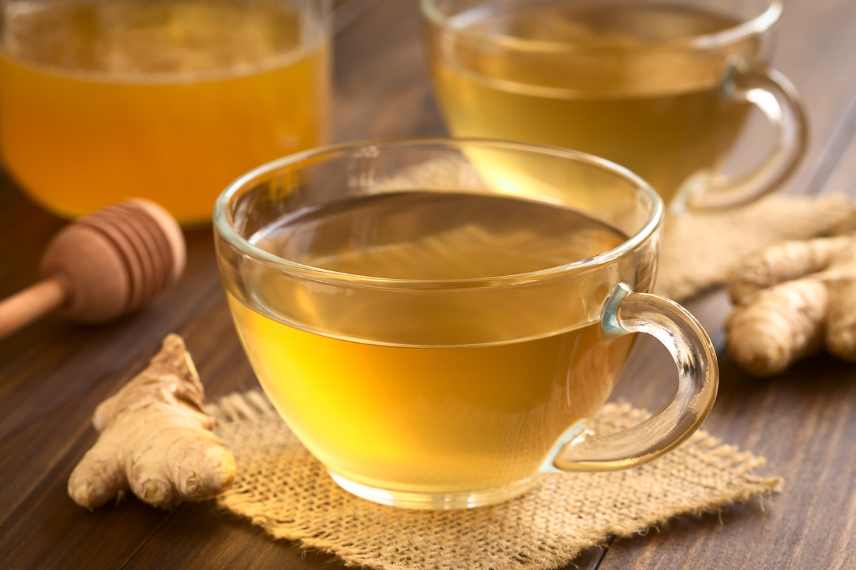
Ginger is a subtropical aromatic plant grown for its rootstock with a spicy, lemony flavour. This bumpy yellow root from Asia has been used for a long time for both its culinary qualities and medicinal virtues. The aromatic ginger (Zingiber officinalis) perfectly flavours herbal teas.
Description
The plant develops from its rootstock to form a clump of large leaves resembling a corn plant about one metre high. The original flowering in spikes is rare in our climates.
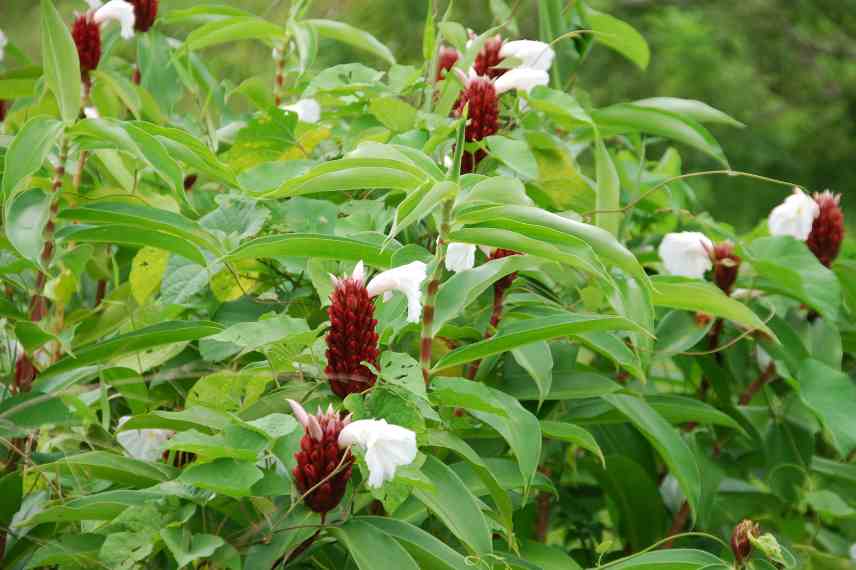
Its medicinal virtues
Ginger is a powerhouse of benefits known for its tonifying, digestive, analgesic, expectorant, and anti-haemorrhagic properties…The rootstock contains vitamins B, C, and E, minerals, and trace elements (magnesium, iron, potassium…) that help reduce fatigue. Ginger infusion boosts the body!
Growing it in the garden
Ginger is a tender exotic plant that requires warmth (25°C for several months) and humidity to thrive. It is grown in open ground only in regions with hot summers, primarily in pots elsewhere. Place your pot in partial shade in a location that enjoys a temperature of at least 20 to 25 °C outdoors in summer.
→ Discover how to grow ginger
Echinacea tea
Echinacea is a perennial from the aster family, known for its long summer flowering and medicinal benefits. The species pallida, angustifolia, and purpurea are medicinal plants whose roots and flowers are widely used in homeopathy and herbal medicine.
Description
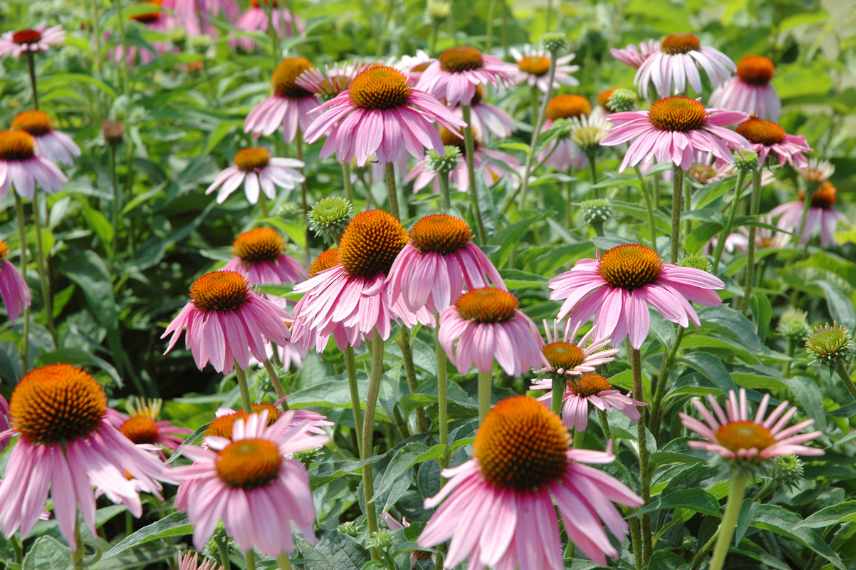
From a large black rootstock, this vigorous perennial forms dense, floriferous clumps that can easily reach 1 m in height for the more imposing varieties. It blooms with large daisies in various colours with a prominent, bristly centre, with the Greek term Echinea meaning “hedgehog.” This colourful flowering attracts pollinators, particularly butterflies.
Its medicinal virtues
It has tonifying properties, useful during periods of winter fatigue. It helps boost immunity, makes the body more resilient, and increases physical performance. It is very effective against winter infections (notably those affecting the respiratory system, such as sore throats, colds, bronchitis, sinusitis, flu…) and as a preventive measure against these winter ailments.
Growing it in the garden
It is a fertile plant as long as it is planted in full sun in fertile, deep, loose, cool, and well-drained soil. Hardy down to -15°C, it is very easy to grow in any garden, both in the ground and in pots.
→ Check our detailed sheet for growing echinacea
→ Learn more in our tutorial: How to sow echinaceas?
- Subscribe!
- Contents
![[tisane nom="anti-fatigue"]](https://www.promessedefleurs.ie/blogwp/wp-content/uploads/2022/12/tisane-anti-fatigue.jpg "[plant id=\"1234\" name=\"Fatigue Fighter Blend\"]")
Comments