





























Gardening for beginners: how to choose your tools wisely?
in a few simple steps
Contents
Getting started in gardening is a bit like cooking: with the right tools, everything becomes easier and more enjoyable. But faced with aisles of gear, it’s hard to know where to begin. Should you invest in a full set of equipment or stick to the essentials? Which tools should you prioritise for a small garden, a vegetable patch or a balcony? Here are five key steps to choosing your tools with confidence.

Start with the essential gardening tools
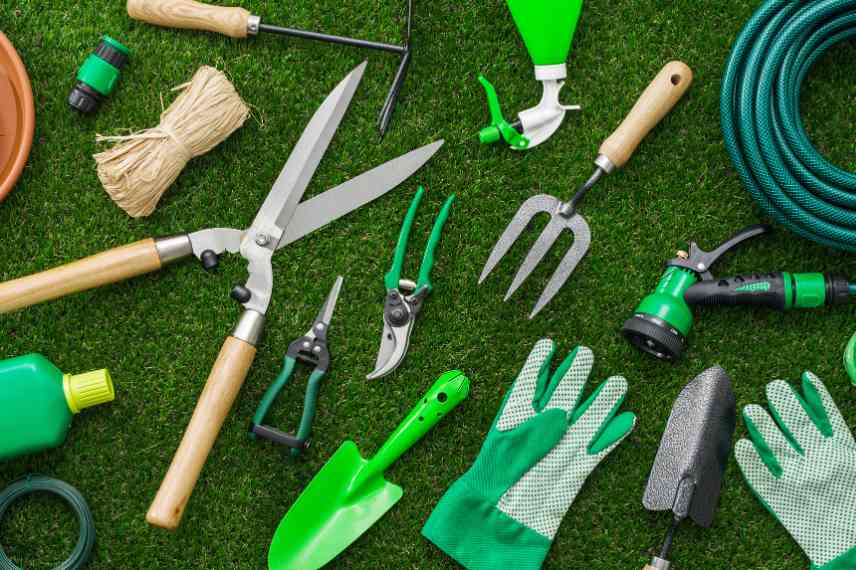
No need to buy a full arsenal right from the start. To begin with, here are five essential tools for the garden in general:
- A spade : for turning the soil and preparing your plantings.
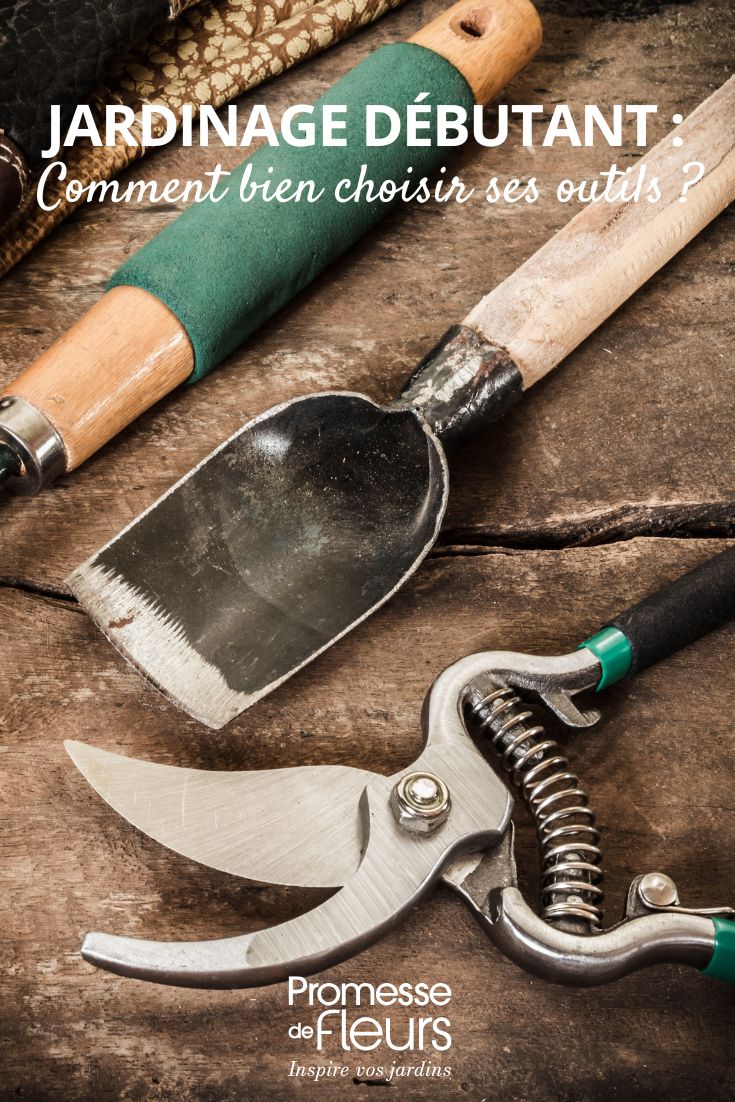
- A transplanter : a small spade ideal for planting and repotting.
- A pruning shear : essential for pruning branches and faded flowers.
- A watering can or hosepipe : to give your plants the water they need.
- Gardening gloves : to protect your hands from thorns, soil and blisters.
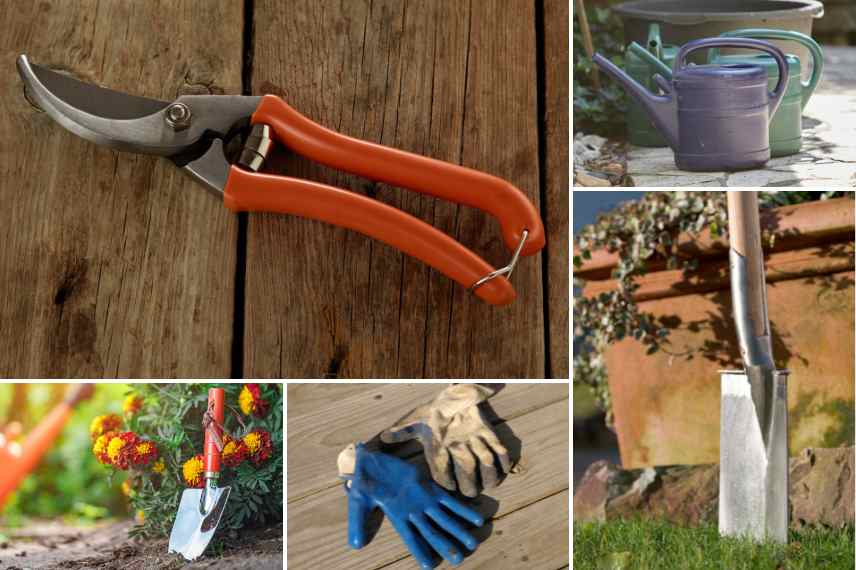
These tools are enough to get you started well without spending a fortune. But if you’d like to go further, below are the most useful (almost essential) tools for specific uses.
The tools for the vegetable garden
- Spade : for turning the soil and preparing the ground.
- Fork-spade : ideal for loosening the soil without disturbing soil organisms.
- Rake : for levelling the ground, removing stones and spreading mulch.
- Weeding hoe : allows weeding by cutting weeds at soil level.
- Serfouette : versatile tool for breaking clods and drawing furrows.
- Transplanter : small spade perfect for planting and pricking out seedlings.
- Garden claw : to aerate the soil surface and mix essential fertiliser or compost.
- Watering can or hosepipe : essential for hydrating plantings, with a watering rose for a fine spray.
- Pruning shear : useful for trimming plants and harvesting certain vegetables.
- Gardening gloves : indispensable for protecting hands from blisters, thorns and dirt.
Tools for a balcony garden
- Transplanter : a small spade perfect for filling pots, planting, and repotting.
- Hand claw : useful for loosening soil and mixing compost.
- Watering can : opt for a compact model with a rose for gentle watering.
- Sprayer : ideal for humidifying plants and tackling certain pests.
- Pruning shear : essential for trimming plants, cutting dry stems and harvesting aromatic herbs.
- Gardening gloves : to protect your hands from soil and any splinters from wooden pots.
- Small hoe : useful for weeding and loosening the top layer of the compost.
- Garden scissors : perfect for trimming aromatic herbs and small stems.
- Supports and ties : handy for fixing climbing plants and maximising space.
- Brush and hand trowel : for easy cleaning around pots and keeping a balcony tidy.
Tools for an ornamental garden with perennials, shrubs and trees
For soil and bed maintenance
- Spade : for planting, digging up or dividing perennials.
- Fork-spade : ideal for aerating the soil without damaging it.
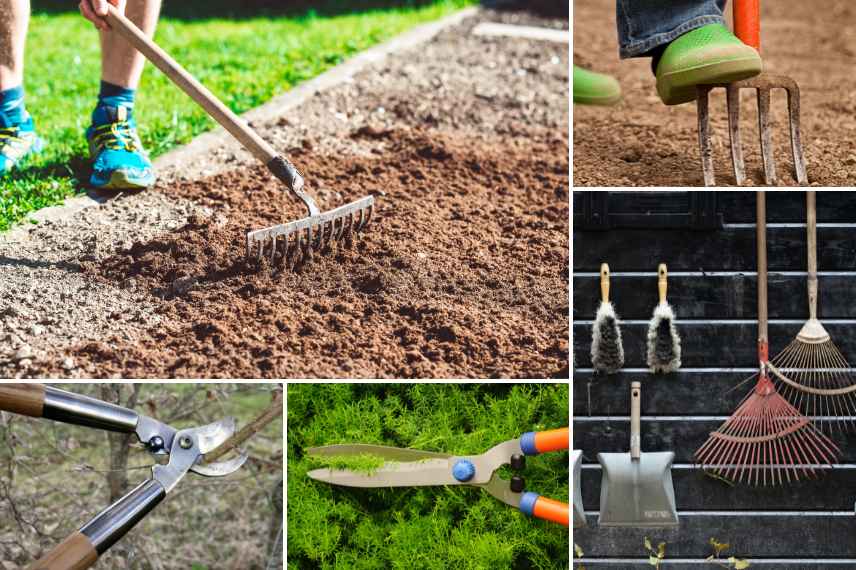
- Rake : for levelling the ground, gathering leaves and spreading mulch.
- Weeding hoe : for weeding and loosening soil between plantings.
- Garden claw : useful for aerating the soil surface and incorporating compost or fertiliser.
For pruning and plant maintenance
- Pruning shear : essential for pruning perennials, shrubs and deadheading faded flowers.
- Branch cutter (or pruner) : allows cutting thicker branches of shrubs and small trees.
- Pruning saw : useful for pruning thicker branches of trees.
- Hedge shears : for pruning and shaping shrubs and hedges.
For watering and plant care
- Watering can with rose : for gentle watering of young plantings.
For gathering and cleaning
- Gardening gloves
- Serfouette : for weeding the soil and hoeing around perennials.
- Shovel and wheelbarrow : for transporting soil, compost, fallen leaves or prunings.
- Leaf rake : handy for gathering fallen leaves and small plant debris.
Read also
Garden tools: essentialsChoose quality over quantity for your gardening tools
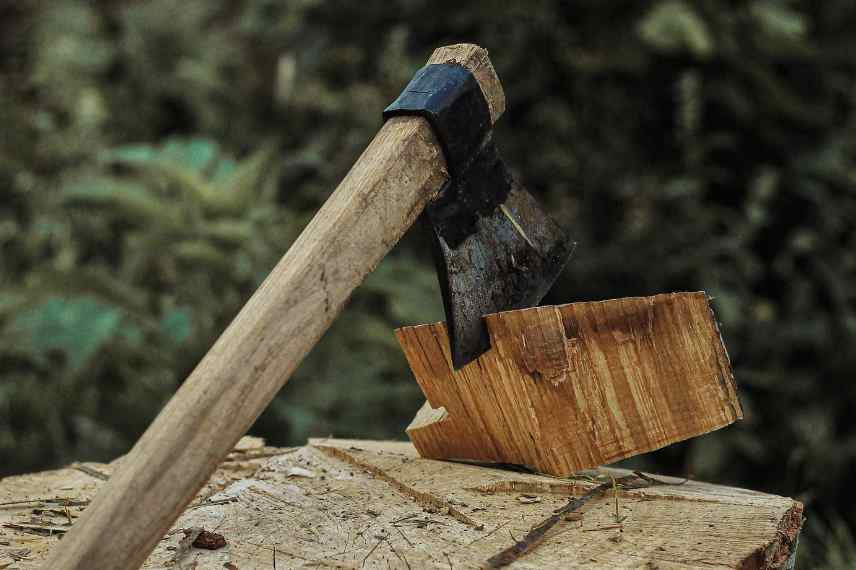
It’s better to buy fewer tools, but of higher quality. A good tool lasts for years and saves you a lot of frustration.
What to look for:
- Material: choose stainless steel, sturdy and rust-resistant.
- Handle: in ash wood or fibreglass for a comfortable grip.
- Ergonomics: try tools in-store; they should be comfortable, well-balanced and suited to your body shape.
Tailor your tools to your garden type
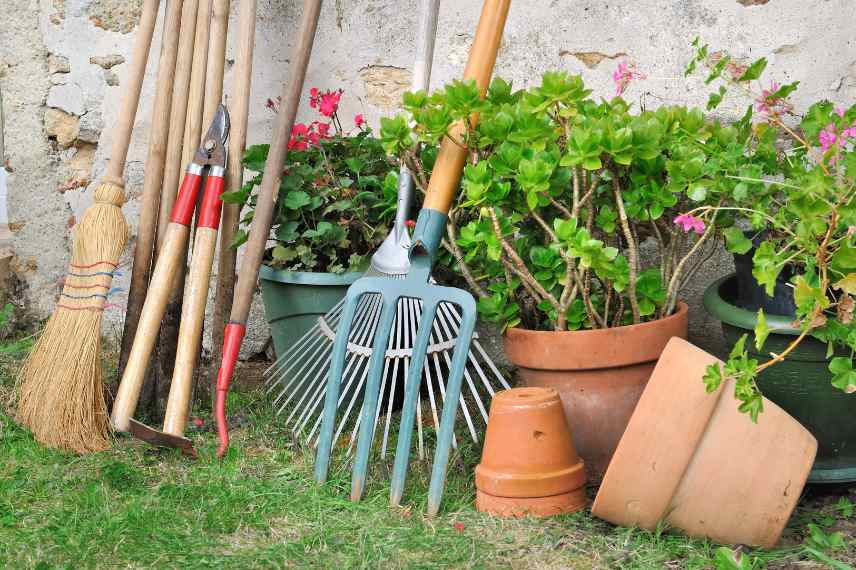
Depending on what you grow and the space you have, some tools will be more useful than others.
- Small garden or balcony: opt for compact tools such as a mini spade, a light watering can and a precise pruning shear.
- Vegetable garden: add a hand hoe for weeding and a hand cultivator to loosen the soil.
- Garden with trees and bushes: a branch cutter and a pruning saw will soon prove indispensable.
Think practically. There’s no need to buy a giant rake if you’re gardening on a balcony.
Read also
7 time-saving toolsThink about maintaining your garden tools for a long life
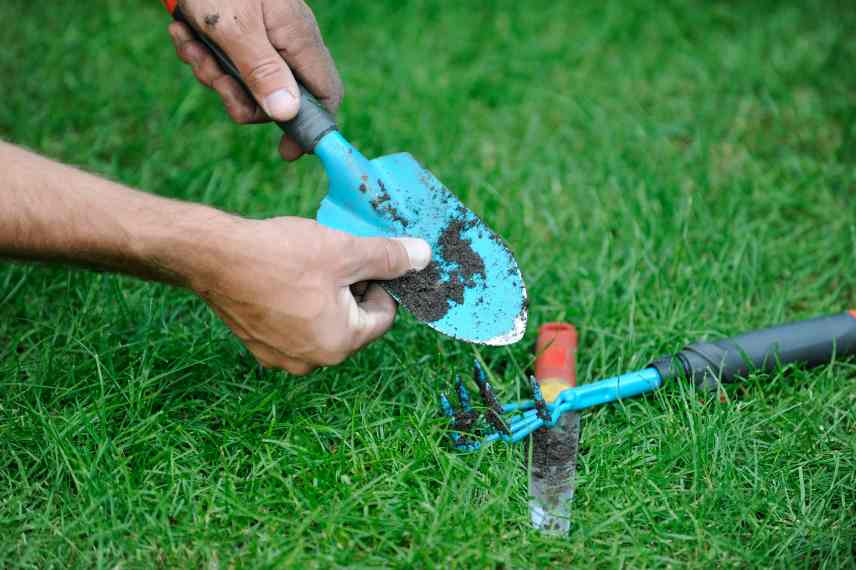
A well-maintained tool can last a lifetime. Take care of it with these simple steps:
- After each use: wipe away soil and moisture with a cloth or brush.
- Sharpen the blades (pruning shears and spades) once a year for more precise work.
- Keep your tools dry to prevent rust in a garden shed or a simple storage tub.
Regular maintenance helps keep tools efficient and pleasant to use. For more information, see this advice sheet: Cleaning, maintaining and protecting your gardening tools.
Gear up at the right place and at the right price
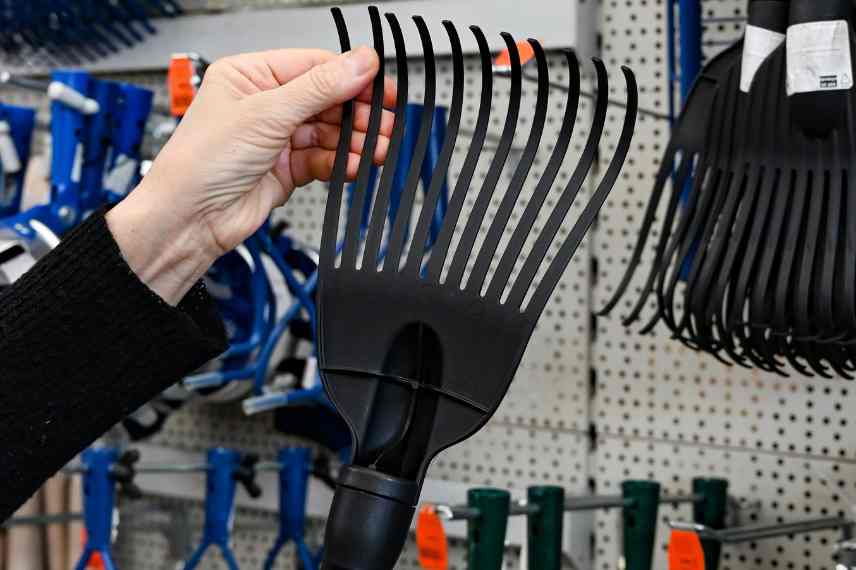
No need to break the bank to kit yourself out properly. Here are smart places to buy:
- Garden centres and DIY stores: plenty of choice, but you need to compare prices and quality.
- Markets and car boot sales: you can sometimes find excellent second-hand tools at reduced prices.
- Online shops: ideal for comparing reviews and snapping up promotions.
Budget tip: buy your tools in winter or at the end of the season; prices are often cheaper.
- Subscribe!
- Contents
Comments