Get 10% off your first order with the code: FIRST-10
Share your pictures? Hide split images
I have read and agree the terms and conditions of service.
New arrival

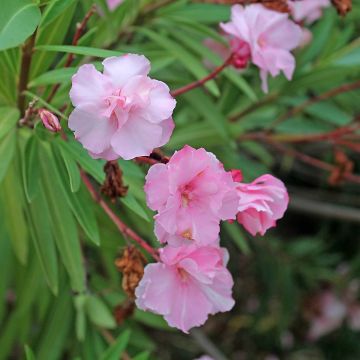
Nerium oleander Margarita

Nerium oleander Margarita
Oleander, Rose Laurel, Rose Bay

Be the first to leave a review

Why not try an alternative variety in stock?

8
From €9.50 12cm pot
13
From €5.50 Packet
4
From €3.90 mini plant
4
From €2.90 mini plant
29
From €4.50 Packet
13
From €9.90 1.5L/2L pot
16
30% €31.15 €44.50 Bare root
220
From €0.17 Bulb
1
From €3.90 mini plant

This plant carries a 24 months recovery warranty

More information

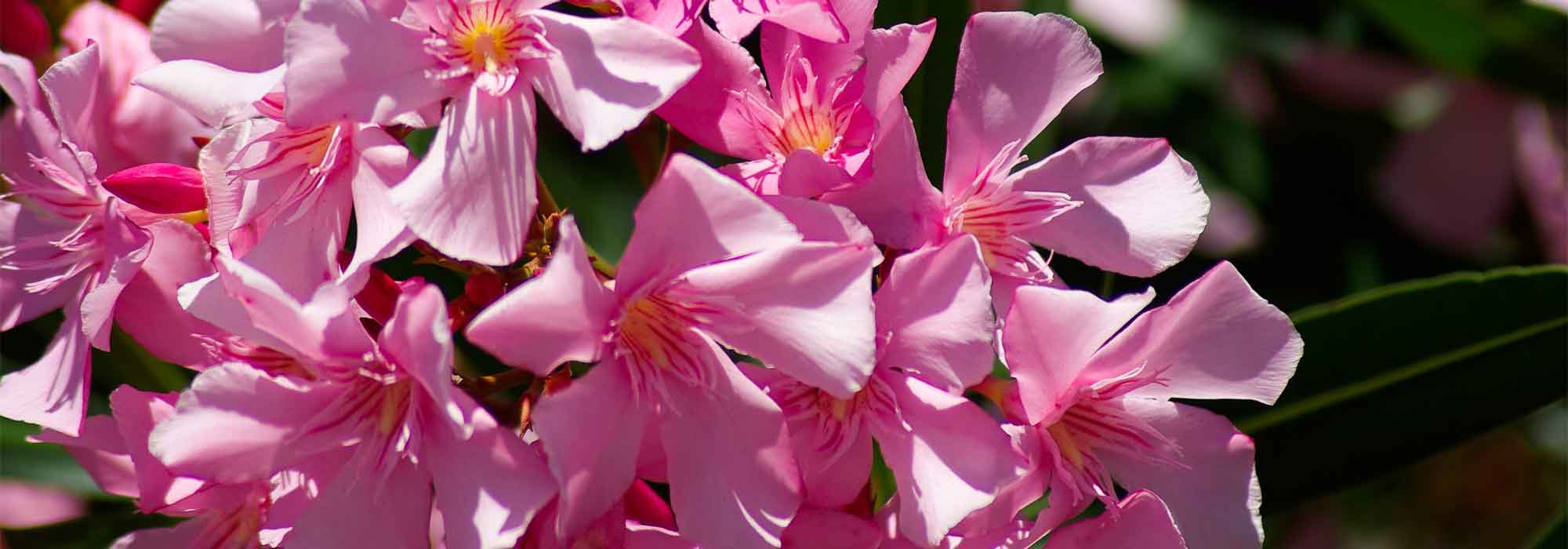
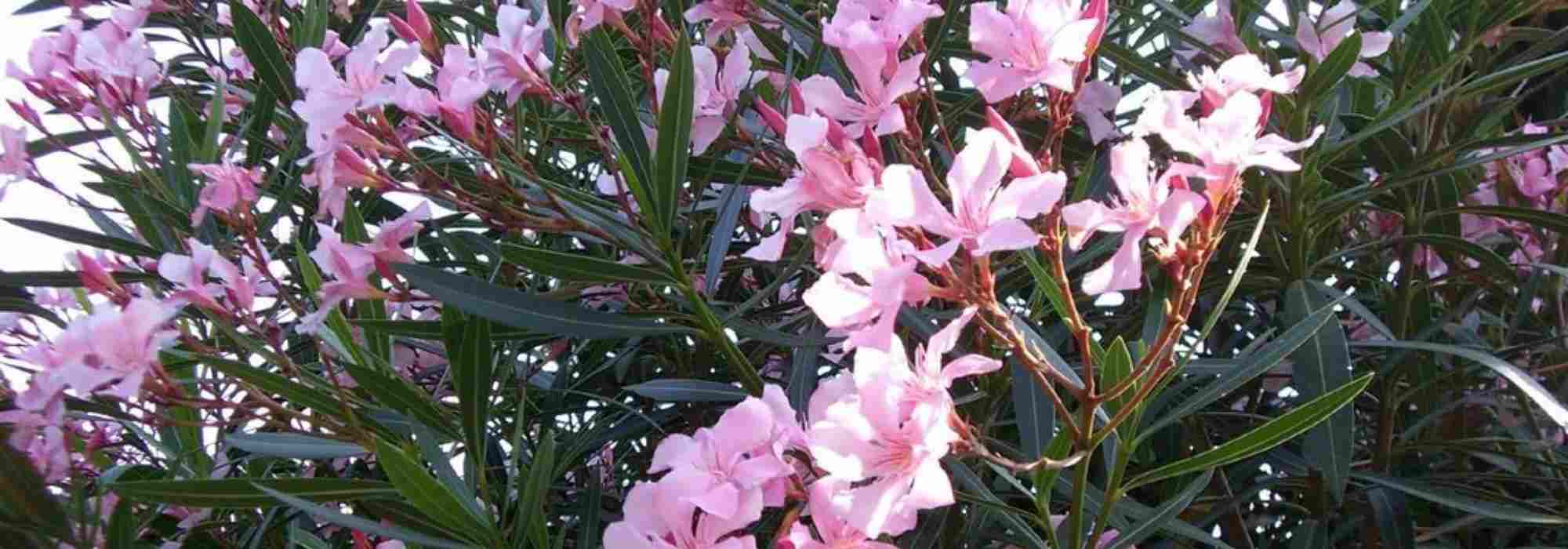
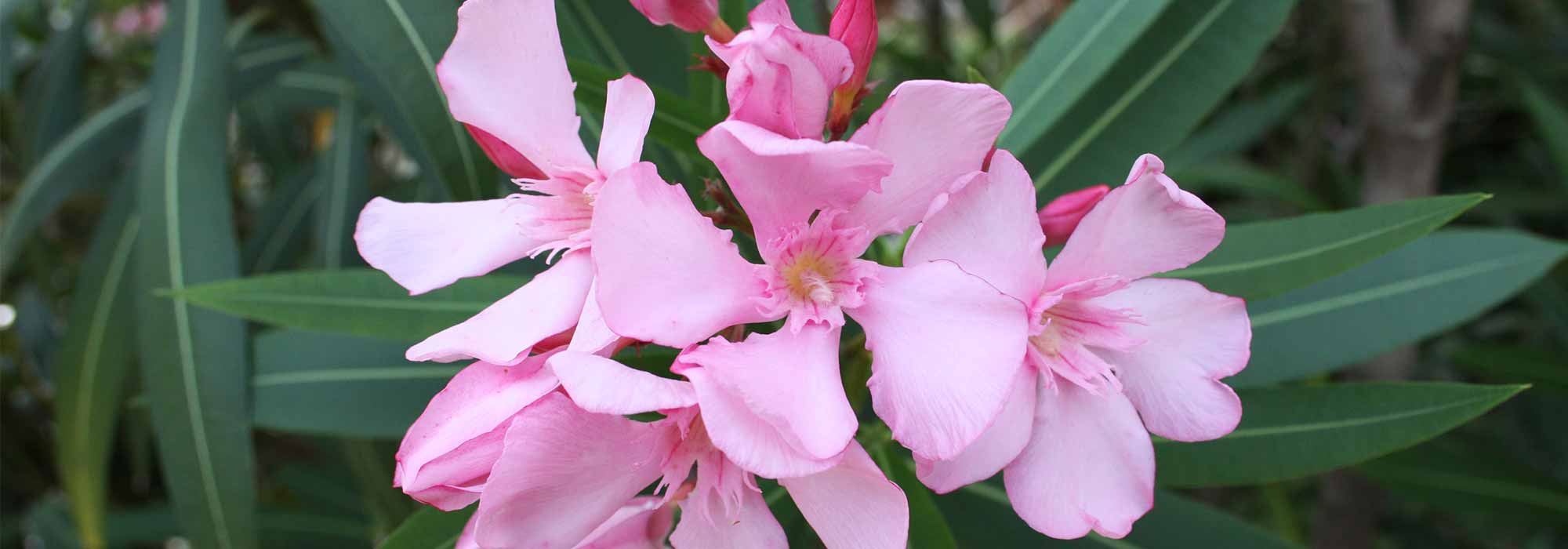
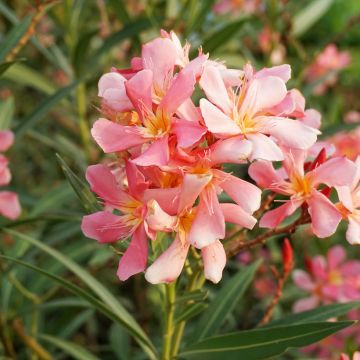
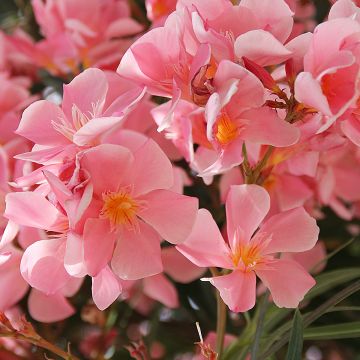
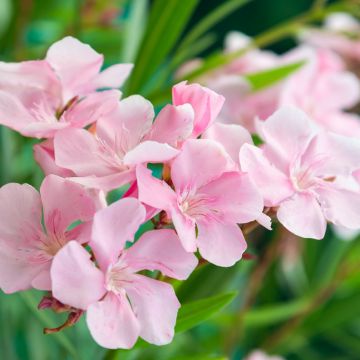
A large, very floriferous oleander, which quickly forms a handsome evergreen shrub. From June to October, it is covered in bunches of lightly scented, bright pink single flowers with a darker throat. It tolerates heat, poor soils and summer drought well once established. It can be grown in the ground in regions that are not too cold, or in a large container to overwinter frost-free elsewhere. Hardiness: -10/-12°C.
Flower size
4 cm
Height at maturity
3.50 m
Spread at maturity
2.25 m
Exposure
Sun
Hardiness
Hardy down to -12°C
Soil moisture
Dry soil, Moist soil
plantfit-full

Does this plant fit my garden?

Set up your Plantfit profile →

Best planting time April to May
Recommended planting time February to May, September to October
J
F
M
A
M
J
J
A
S
O
N
D
Flowering time June to September
J
F
M
A
M
J
J
A
S
O
N
D

Description

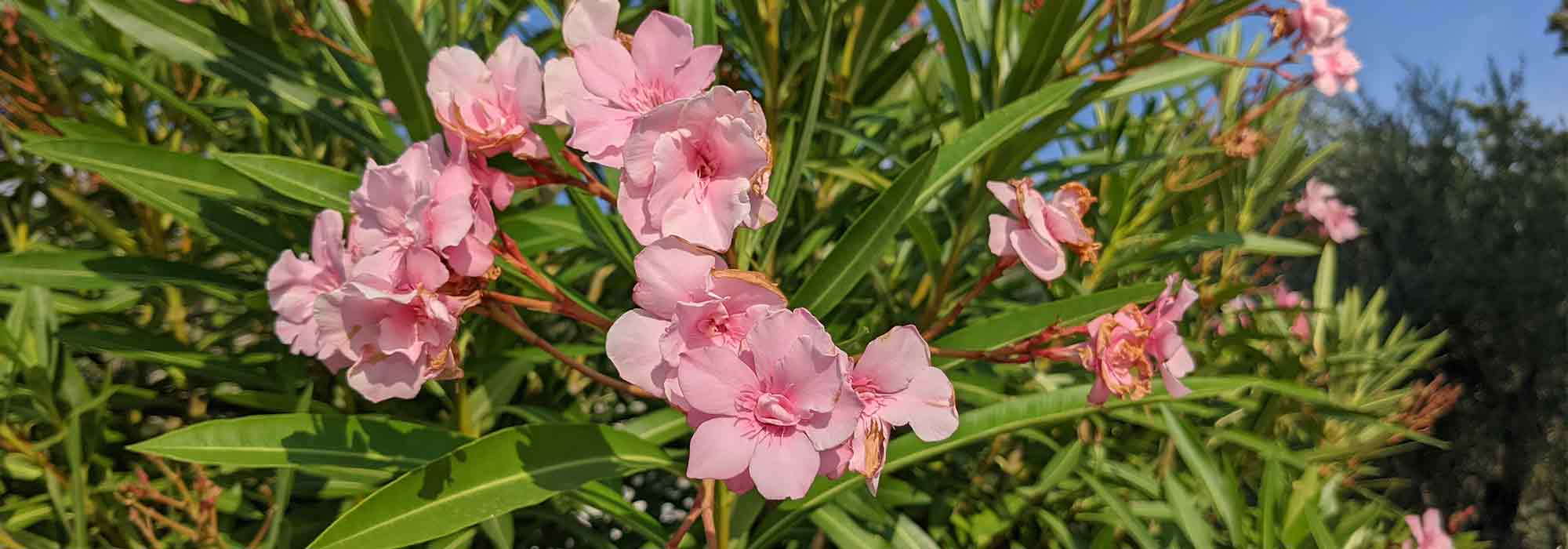
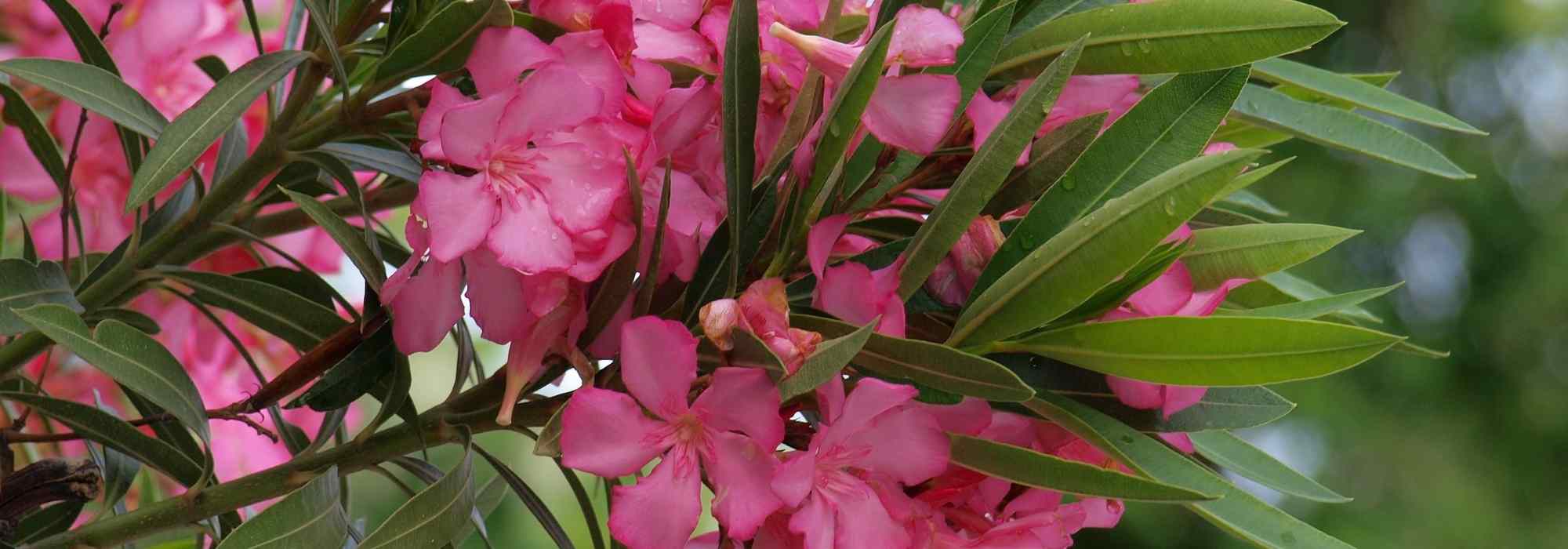
Nerium oleander 'Margarita' is a vigorous, hardy, bright and generous oleander, selected for its bright pink flowering, which is almost continuous from summer to autumn. Its clusters of single flowers stand out against dark green, evergreen foliage that remains attractive all year round. In a hedge, in a border or in a pot on a sunny terrace, 'Margaritha' creates a Mediterranean garden atmosphere.

Oleander belongs to the Apocynaceae family. The wild species Nerium oleander colonises riverbanks and cool valleys around the Mediterranean, southern Europe and North Africa, and extends into southwestern Asia as far as the foothills of the Himalayas and Myanmar. It is an evergreen shrub adapted to mild winters and hot summers.
The cultivar 'Margarita', often sold under the name 'Margaritha', is an old horticultural selection that shows good cold resistance compared to many classic oleanders. In the ground and in a favourable climate, the plant forms a large, bushy shrub 2.5 to 3 m tall and 2 to 2.5 m wide, sometimes more with age. Its twigs, first green then grey-brown, stand upright then arch slightly under the weight of the flowering. The shrub shows rapid growth after the establishment period. The root system is powerful, deep and well-branched, capable of withstanding periods of drought as well as episodes of temporarily wet soil.
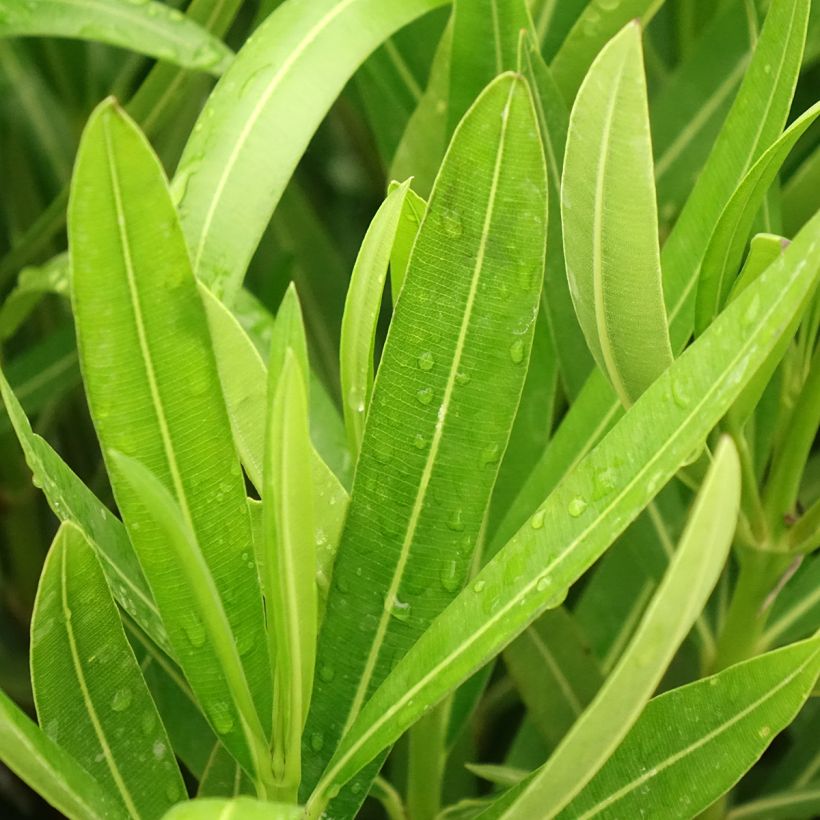
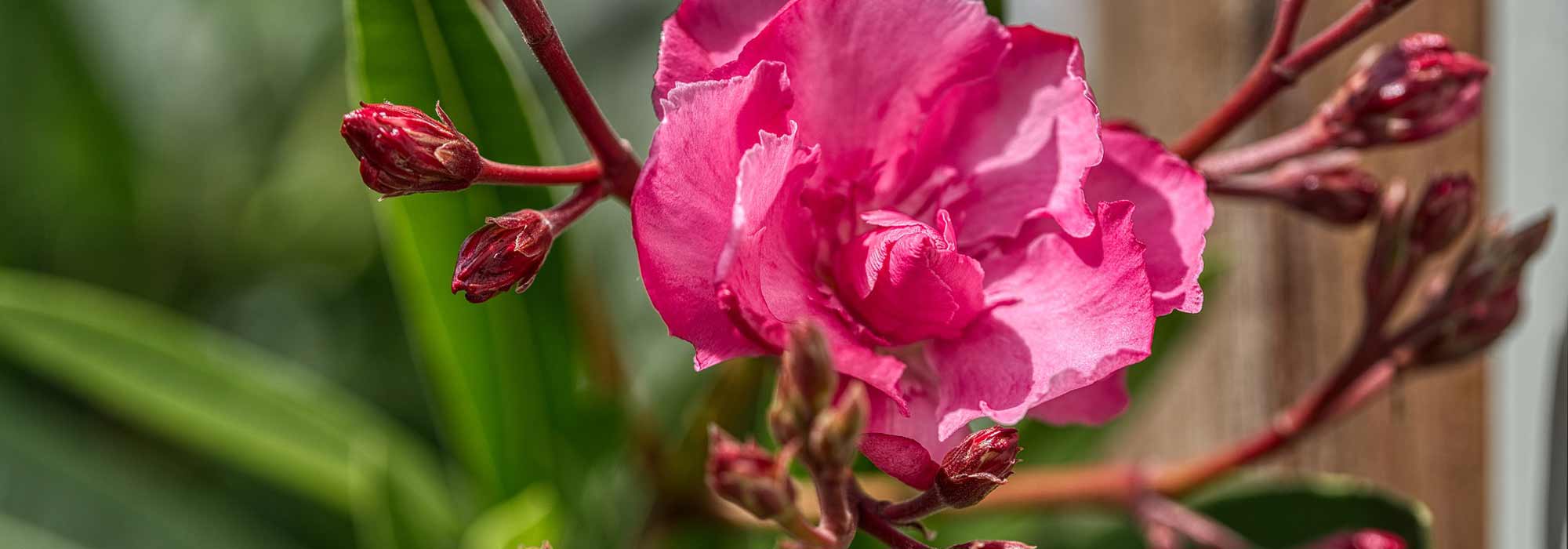
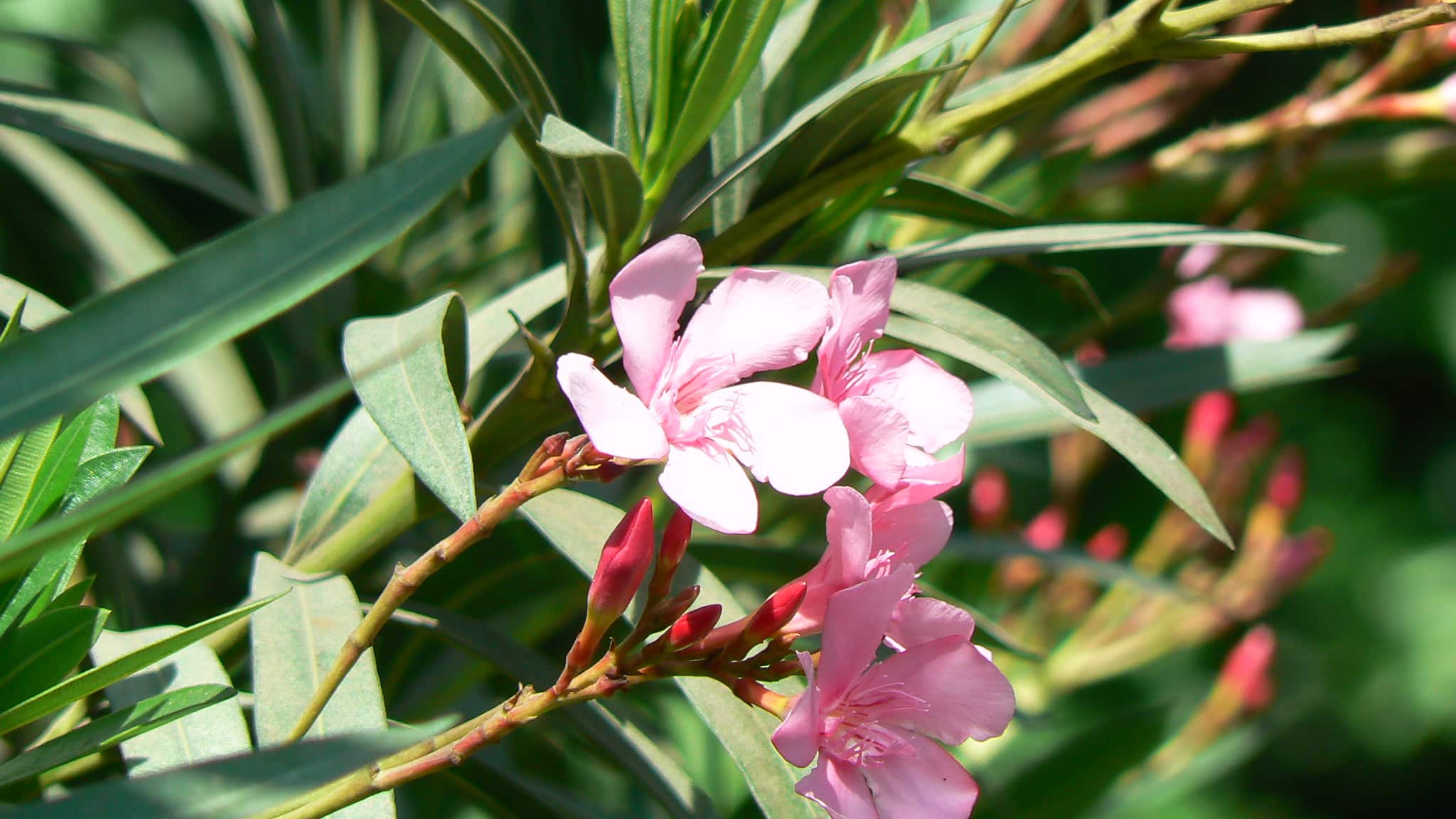
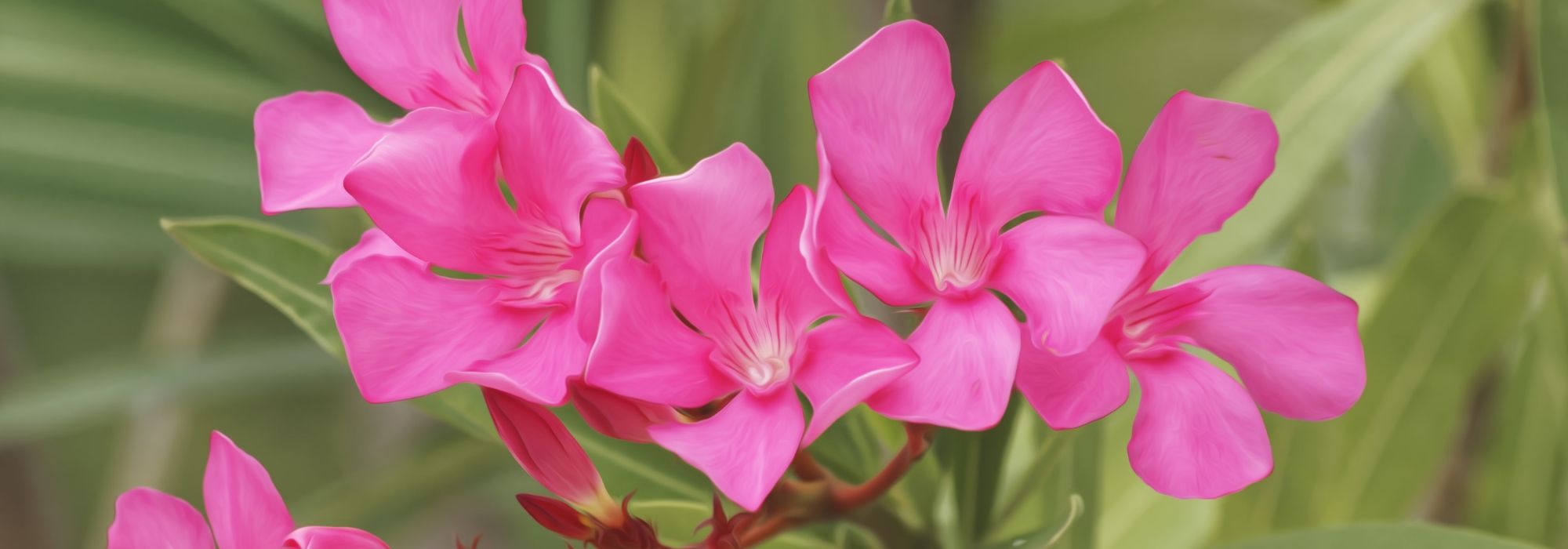
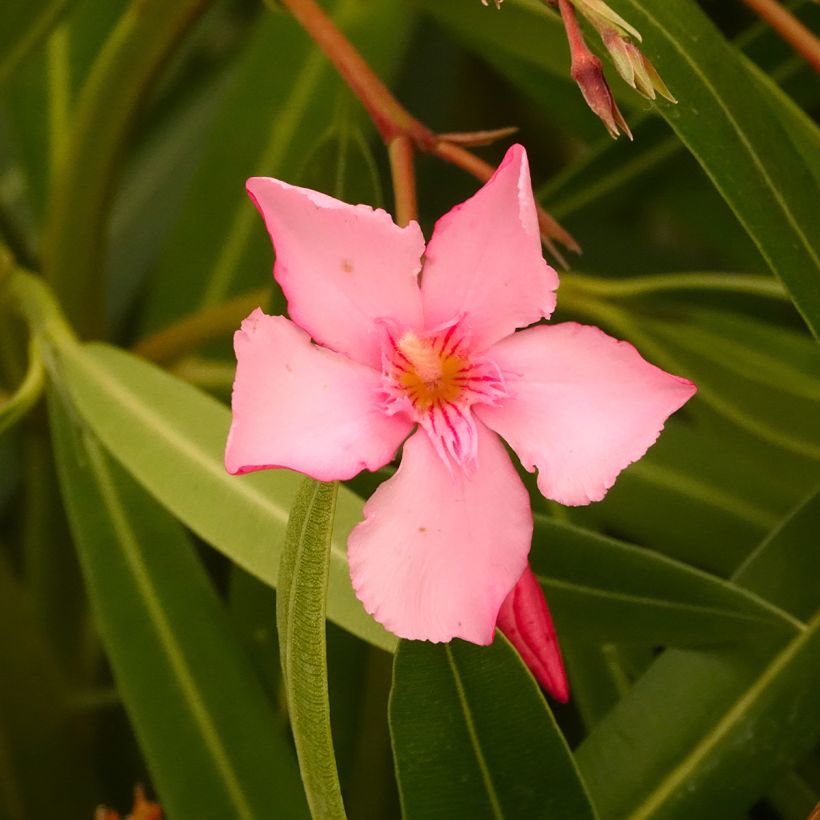
The foliage is evergreen in mild climates: the leathery, narrow and lanceolate leaves measure 10 to 15 cm long. They are a glossy dark green on top, paler underneath, in opposite pairs or in threes around the twigs. From late spring until the first frosts, 'Margarita' bears very dense terminal clusters or cymes. Its single, funnel-shaped flowers measure 4 to 5 cm in diameter with five rounded petals. They open bright pink, lighter on the edges, around a darker throat, often streaked with red. The scent is light. Flowering renews itself continuously if the soil remains slightly moist and faded clusters are removed. The fruits, when allowed to form, are long, brown, cylindrical pods, containing seeds equipped with a tuft of silky hairs; they are not very decorative and are often pruned. Fairly hardy for an oleander, this variety tolerates frosts close to –10 °C in well-drained soil. It produces a very toxic white latex: all parts of the plant are dangerous if ingested, it is prudent to garden with gloves and avoid burning the wood.

Nerium oleander 'Margaritha' can be used in an informal or pruned hedge, in a border or as a solitary specimen near the house, anywhere the sun shines. In southern areas or by the sea, it forms the evergreen base of a Mediterranean-style display. Pair it, for example, with the cultivar 'Alsace', white and very hardy, and with Nerium oleander 'Variegata', with variegated foliage. At its base, you can grow clumps of Agapanthus 'Phantom', purple rockroses and Perovskia 'Blue Spire'.

Cultivated since antiquity, the oleander has accompanied the civilisations of the Mediterranean basin and the Orient; traces of its cultivation are attested in Mesopotamia and ancient Egypt, and it is mentioned by Theophrastus in his History of Plants. Even today, rows of oleanders line the roads and gardens of the South. 'Margarita', with its brilliant pink flowering, is part of this long tradition of an ornamental plant emblematic of holiday landscapes.
Report an error about the product description

Oleander: planting, pruning and maintaining
Family sheet
by Eva 15 min.
Oleander: planting, pruning and maintaining
Read article

Plant habit

Height at maturity 3.50 m
Spread at maturity 2.25 m
Habit irregular, bushy
Growth rate fast

Flowering

Flower colour pink
Flowering time June to September
Inflorescence Corymb
Flower size 4 cm
Fragrance slightly scented
Fruit colour green

Foliage

Foliage persistence Evergreen
Foliage colour dark green

Safety measures

Potential risks Plant may be toxic if swallowed

Botanical data

Genus

Nerium

Species

oleander

Cultivar

Margarita

Family

Apocynaceae

Other common names

Oleander, Rose Laurel, Rose Bay

Botanical synonyms

Nerium oleander 'Margaritha'

Origin

Cultivar or hybrid

Product reference25833

Planting and care

We recommend planting the 'Margarita' oleander in spring in cooler regions, once the risk of frost has passed, but preferably in early autumn in hot, dry climates. Position it in a sunny, sheltered spot, in any deep, well-drained soil, even calcareous, and even where there is brackish water rising. While it will also grow in shade in Mediterranean climates, it will be much less floriferous there, and its habit will become more leggy and less bushy. Although it is very drought-tolerant and accommodates arid situations, it will only reach its full potential and flower abundantly in soil that remains sufficiently moist at depth. It is very resistant to sea spray. Monitor watering during the summer for the first two years. It will appreciate an application of compost and a thick layer of dead leaves, especially for the first two winters in areas at the limit of its hardiness. Watering should be done at the base of the plant, never on the foliage.



Nerium is often prey to scale insects, leading to the appearance of sooty mould on the foliage. Thin out and aerate the branches. You may treat with copper (Bordeaux mixture) in spring. If the scale insect infestation is very severe, cut your oleander back to 10-20 cm from the ground: its ability to regenerate from the stump is significant, and the shrub will regain its beautiful appearance in a short time. Aphids can also settle on the flower buds: treat in the evening with an insecticide based on pyrethrins.

Oleander is also famous for the toxicity of its sap; however, it has a violent, bitter and acrid taste, which discourages ingestion. Most accidents come from confusion between oleander and bay laurel in cooking (the aroma of bay laurel is nevertheless unmistakable), or from using the branches as skewers...

Planting period

Best planting time April to May
Recommended planting time February to May, September to October

Intended location

Suitable for Meadow
Type of use Border, Back of border, Container, Hedge, Greenhouse
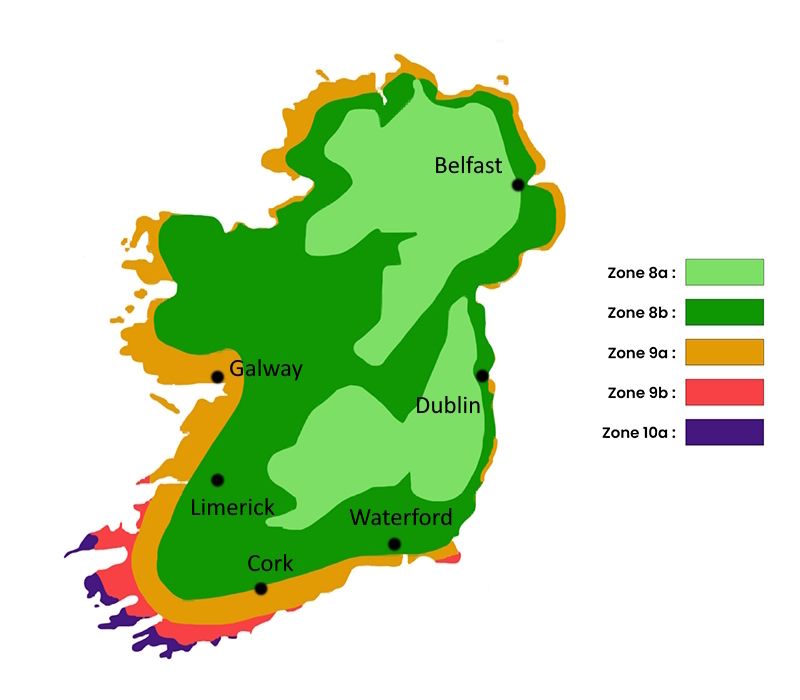
Hardiness Hardy down to -12°C (USDA zone 8a) Show map
Ease of cultivation Amateur
Planting spacing Every 100 cm
Exposure Sun
Soil pH Any
Soil type Chalky (poor, alkaline and well-drained), Clayey-chalky (heavy and alkaline), Silty-loamy (rich and light), Stony (poor and well-drained)
Soil moisture Dry soil, Moist soil well-drained, deep

Care

Pruning instructions Pruning oleander requires some precautions: as the shrub only flowers on young branchlets that have reached a certain length (typically stems less than 1 year old, not too short), it is essential not to cut back all the branches in the same year, otherwise you risk being deprived of flowers for the entire season. When necessary, pruning should be carried out in early spring. To train the Nerium into a standard form, select the most attractive stem on the young plant, stake it, and remove all others at ground level. During the first few years, systematically remove all secondary branchlets that emerge on this 'trunk' below 1m or 1.50m from the ground. The crown can then be treated according to the method described above.
Pruning Pruning recommended once a year
Pruning time March
Soil moisture Dry soil, Moist soil
Disease resistance Good
Overwinter Can be left in the ground

This item has not been reviewed yet - be the first to leave a review about it.

Leave a review →

Similar products

11
From €11.90 2L/3L pot
96
From €3.70 8/9 cm pot

Available in 5 sizes

14
From €28.90 3L/4L pot

Available in 3 sizes

7
From €14.90 2L/3L pot

Available in 2 sizes

89
From €4.90 8/9 cm pot

Available in 2 sizes

Dispatched on 15 May
€55.00 7.5L/10L pot

Available in 3 sizes

3
€29.50 4L/5L pot
30
€13.90 2L/3L pot

Available in 2 sizes

Haven't found what you were looking for?