
Fruit all year round: is it possible?
What to plant to harvest month by month?
Contents
What if your garden could provide fruit all year round? You can enjoy fruit from your own orchard or garden month by month, provided you are familiar with the harvest calendar. Harvesting fruit through the seasons also reconnects you with natural rhythm, reduces waste and allows you to enjoy ultra-fresh produce. But harvest times can vary greatly from one region to another: what is ripe in May in southern France may not be so until June in northern areas or at higher altitudes.
That is why this guide offers a month-by-month overview of fruit harvests in different climates encountered in France, Belgium and Switzerland: Mediterranean, oceanic, continental or montane climates. We will also conclude by looking at the particular case of citrus trees, which follow their own rhythm and often require more specific conditions.
January–February: the heart of winter in the orchard
In mid-winter, orchard is in deep dormancy and harvests are very scarce. We rely on fruit stored in autumn, together with a few less common but still edible species. It is also an important time for preparation: maintenance, pruning and planning.
Fruit to harvest in January–February
| Fruit | Regions | Notes |
|---|---|---|
| Storage apples | All regions | Late varieties keep very well (Reinette, Canada Gris…) |
| Storage pears | All regions | Conference, Doyenné d’Hiver, still good in a cool cellar |
| Kiwi | South-west, sheltered areas | Harvested in late autumn, keep for several weeks |
| Medlars (common medlar) | Cool regions | To be eaten after bletting, sometimes as late as January |
| Quinces (last chance) | Cool regions, old orchards | Still usable if well stored |
| Walnuts and hazelnuts | All regions | Harvested in autumn, keep all winter in a dry place |
Details by region
Mediterranean climate: few fresh fruits in the garden, but well-stored kiwis and walnuts are still available.
Oceanic climate: apples and pears keep well, as do walnuts, quinces and kiwis.
Continental climate: orchard completely dormant, but cellars enable good storage of fruits harvested in autumn.
Mountain climate: harsh conditions, no outdoor harvest, but stored supplies can be used.
Don’t forget in January–February
- Check apple and pear stocks regularly: remove damaged or shrivelled fruit.
- This is the ideal time to prune pome fruit trees (apple, pear), outside frost periods.
- Feed trees with well-rotted compost or well-decomposed manure around the base.
- Plan future plantings of bare-root fruit trees or soft fruit projects for spring.
March–April: fruit garden gradually emerges from winter
These two months mark the garden’s gradual awakening after months of dormancy. Harvests are still limited, but signs of recovery are visible. Make the most of fruits stored in autumn, some early varieties, and first rhubarb shoots. In the mildest regions, a few fresh fruits are already appearing.
Fruits to harvest in March–April
| Fruit | Areas concerned | Notes |
|---|---|---|
| Keeping apples | Everywhere | Late varieties still edible (Reinette, Boskoop…) |
| Keeping pears | Everywhere | Doyenné d’hiver, Conférence, still juicy if well stored |
| Kiwi | Southwest, mild areas | End of storage period, best eaten quickly |
| Medlars (common medlar, for bletting) | Cool areas | Harvested in autumn, eaten after bletting |
| Rhubarb | Everywhere except mountainous areas | First harvestable stalks from April, sometimes from March in mild climate |
| Early strawberries (under cover) | South, sheltered areas | Gariguette or Ciflorette under polytunnel or greenhouse |
| Loquats (Japanese medlar) | French Riviera, Corsica | Harvest starts late April depending on conditions |
Details by region
Mediterranean climate: strawberries under cover, rhubarb well advanced from March, loquats expected late April.
Oceanic climate: keeping apples and pears still edible, rhubarb productive in April.
Continental climate: harvest limited to rhubarb and stored fruits, garden slowly recovering.
Mountain climate: few or no harvests before late April, rhubarb beginning to emerge.
Don’t forget in March–April
- Regularly sort stored fruit: a damaged fruit can contaminate others.
- Mulch rhubarb plants to retain moisture and stimulate growth.
- Watch for late frosts: a fleece or protective cover can save early blossoms.
- Prune and clean up small fruit trees before vegetation fully resumes.
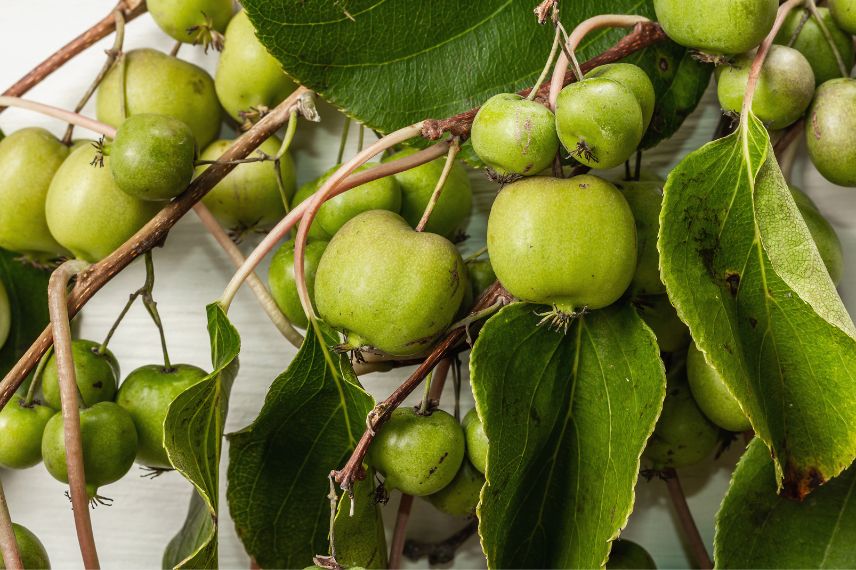
When the plant thrives, Actinidia is fairly generous in producing kiwifruit or kiwiberries.
May: first fruity delights
In May, garden slowly begins to offer its first fruits, especially in the mildest areas. Early varieties make a modest but very flavoursome appearance. It is also time to watch blooms that herald summer harvests.
Fruits to harvest in May
| Fruit | Relevant regions | Notes |
|---|---|---|
| Strawberries (early varieties) | south of France, sheltered areas in Belgium/Switzerland | Gariguettes get the season underway |
| Rhubarb | Everywhere, except Mediterranean regions (too dry) | More a vegetable than a fruit, but often eaten as a dessert |
| Cherries (very early) | Roussillon, Provence, Corsica | Harvest starts in warm areas |
| Loquats (bibacier) | French Riviera, Corsica | Very localised, but possible from late April |
| Garden blackberries (very early) | mild microclimates | Exceptionally from late May in the south |
Details by region
Mediterranean climate (south of France, Corsica): early cherry trees can already be producing their first fruits; strawberry plants are well advanced.
Oceanic climate (west of France, Belgium): strawberries under cover or in open ground if spring is mild; rhubarb abundant.
Continental climate (east of France, Switzerland): rhubarb dominates, strawberries arrive more slowly.
Montane climate: still few harvests, but rhubarb may already be present.
Don’t forget in May
- Mulching: mulch strawberry plants to protect fruits from soil moisture and slugs.
- Keep an eye on birds: they love early cherries.
- Harvest rhubarb by pulling the stems (not cutting them), and always leave a few leaves to feed the plant.
June: month of abundance begins
June marks the start of a generous period for fruit gardens. Harvests accelerate, especially for small red fruits, and the first summer varieties begin to appear. It is also a month when regional differences become very marked.
Fruits to harvest in June
| Fruit | Areas | Notes |
|---|---|---|
| Strawberries | Everywhere | In full season, all varieties |
| Raspberries (early varieties) | Temperate and mild areas | Start of first harvests |
| Gooseberries | All of France, Belgium, Switzerland | Harvest begins depending on aspect |
| Blackcurrant | North, East, cool areas | Ready to pick in milder climates |
| Cherries | Majority of regions except mountain areas | Mid-season varieties in full production |
| Rhubarb | Everywhere except overly warm areas | Last month for an abundant harvest |
| Loquats (Japanese medlar) | South, sheltered areas | End of harvest in the South |
| Garden blackberries (early varieties) | South of France, mild areas | First fruits in cultivated hedgerows |
Details by region
Mediterranean climate: strawberries are coming to an end, but cherries, raspberries and even the first blackberries are plentiful.
Oceanic climate: strawberries at their peak, cherries depending on aspect, gooseberries and blackcurrants beginning to ripen.
Continental climate: cherries ripe, rhubarb very productive, early raspberries available.
Montane climate: strawberries barely started, rhubarb well established, cherries expected rather in July.
Don’t forget in June
- Harvest strawberries regularly to prevent them rotting on the plant.
- Watch raspberry canes: repeat flowering varieties will begin a first fruiting.
- Prune rhubarb at the end of the month if you plan to let it rest over the summer.
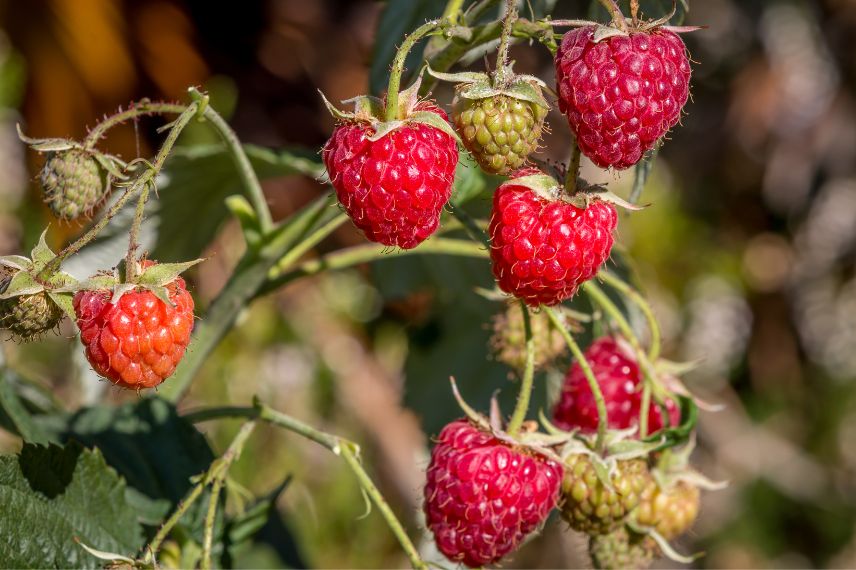
Yum! Fresh raspberries from the garden!
July: height of summer in orchards
July is one of the richest months of the year for fruit. Harvests follow one another and the orchard is working at full capacity, especially for soft fruit, plum trees, early apricot trees and late cherry varieties. It is also the start of the main season for preserving: jams, bottling and drying.
Fruits to harvest in July
| Fruit | Regions | Notes |
|---|---|---|
| Strawberries (everbearing varieties) | Everywhere | Second wave for everbearing varieties |
| Raspberries | Temperate and mild areas | Abundant crop, sometimes continuing until September |
| Currants and gooseberries | All of France, Belgium, Switzerland | Harvest at its best, especially in sunny positions |
| Blackcurrants | North, east and cooler areas | Excellent yield for jam-making |
| Cherries (late varieties) | Cooler areas | Still in production at altitude or in the north |
| Apricots | South of France and warm regions | Quick ripening: harvest needs close monitoring |
| Peaches and nectarines (early varieties) | South, sheltered areas | First juicy fruits from early July |
| Blackberries (early or cultivated varieties) | Mild areas | Gradual harvest through to autumn |
| Plums (Greengage, early mirabelles) | Sunny areas | Start of season depending on variety |
| Rhubarb | Everywhere except very warm areas | Last pickings before summer rest |
Details by region
Mediterranean climate: apricots, peaches, nectarines and plums are at the heart of the season; soft fruit begin to decline, except everbearing varieties.
Oceanic climate: raspberries, currants, blackcurrants and blackberries are at their peak; early plums are arriving.
Continental climate: generous season for all soft fruit, cherries still available, peaches at the start of harvest.
Mountain climate: strawberries and raspberries in full production, cherries and currants also present.
Don’t forget in July
- Harvest every 2–3 days to avoid damaged fruit or losses to birds.
- Monitor watering of soft fruit: water stress greatly reduces harvest quality.
- Consider freezing or processing surpluses: jams, purees, dried fruit or fruit preserved in syrup.
- Cut back rhubarb and let it rest over summer if the plant looks tired.
August: peak of summer harvests
August is month when orchard explodes with colours and flavours. Summer fruits are fully ripe, plum trees sag under their fruit, fig trees produce generously in South, and repeat-flowering raspberries offer a second wave. Ideal time to pick, preserve and savour.
Fruits to harvest in August
| Fruit | Regions | Notes |
|---|---|---|
| Raspberries (repeat-flowering) | Everywhere | Second crop more regular and extended |
| Blackberries | Across France | Peak season, pick fully ripe |
| Currants (end of season) | Cool areas | Still available in mildest climates |
| Peaches and nectarines | South, East, sheltered areas | Mid-season and late varieties |
| Apricots (late) | South | End of season, harvest quickly |
| Plums (Greengage, mirabelle, damson) | Everywhere | Abundant harvest depending on variety and exposure |
| Figs (early varieties) | South, sheltered areas | Start of production, check daily |
| Apples early (Transparente de Croncels, Discovery…) | Temperate areas | Start of harvests depending on variety |
| Pears early (Guyot, Williams…) | Sheltered areas | Pick as soon as they come away easily |
| Table grapes (early varieties) | South, warm areas | Start of harvests depending on exposure |
| Melon and watermelon | mainly in the South and South-West | Harvest from July to September |
Details by region
Mediterranean climate: figs, peaches, grapes and plums in full production, apricots nearing end of season.
Oceanic climate: blackberries, repeat-flowering raspberries, plums and first apples on the way.
Continental climate: good variety with plums, early apples, raspberries and blackberries in abundance.
Mountain climate: blackberries and raspberries in production, first apples depending on exposure.
Things not to forget in August
- Pick figs when fully ripe: they do not continue to ripen after picking.
- Keep an eye on plums: they can fall very quickly once ripe.
- Thin out branches carrying too much fruit to prevent them breaking.
- Try preserving: jars of plums, blackberry jams or peach compotes are perfect in August.
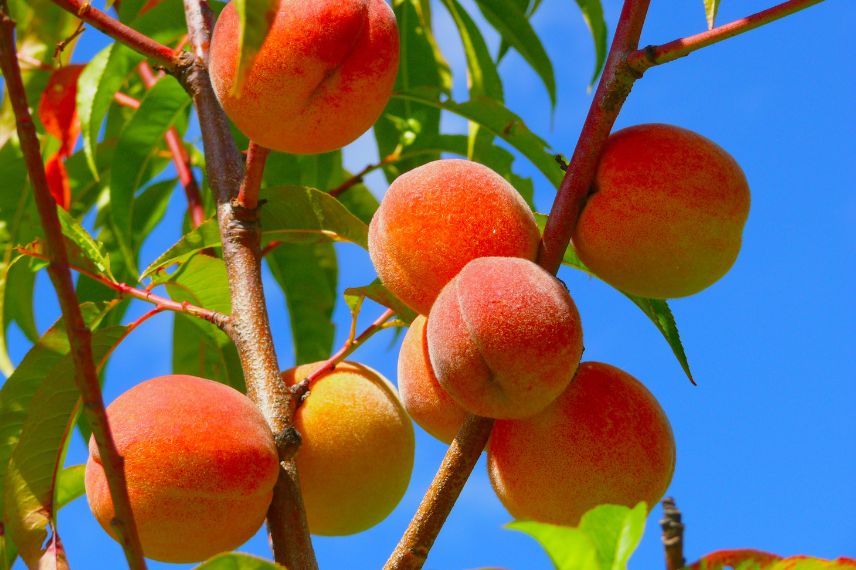
Although often affected by leaf curl, the peach tree remains an excellent fruit tree for the garden.
September: between late summer and early autumn
September is a pivotal month: last summer fruits overlap first autumn harvests. It’s a very generous time, especially for plums, figs, apples and pears. Conditions are ideal for making preserves, juices and for drying.
Fruits to harvest in September
| Fruit | Areas | Notes |
|---|---|---|
| Raspberries (repeat-flowering) | Everywhere | Second abundant crop if well watered |
| Blackberries | Everywhere | End of season, last pickings |
| Figs (biferous varieties) | South, sheltered areas | Second harvest, very generous |
| Plums (quetsche, late Reine-Claude) | Temperate and cool areas | Prime season, excellent for processing |
| Apples (seasonal varieties) | Everywhere | Gala, Elstar, Reine des reinettes… harvest according to ripeness |
| Pears (seasonal varieties) | Everywhere | Williams, Beurré Hardy, pick before they fall |
| Table grapes | South, East, sunny exposures | Harvest depends on variety and exposure |
| Quinces (start) | South, warm areas | Beginning of ripeness for some varieties |
| Hazelnuts | Woodland areas, hedgerows | Harvest once nuts fall naturally |
Details by region
Mediterranean climate: end of fig and grape season; early apples and pears already well advanced.
Oceanic climate: apples and pears in full harvest, blackberries and raspberries still available.
Continental climate: plums and apples in full season; quinces and pears to monitor.
Mountain climate: raspberries nearing end of production, early apples ready, plums sometimes still cropping.
Don’t forget in September
- Harvest pears just before full ripeness: they continue to ripen after picking.
- Store apples in a cool, dark and well-ventilated place for good preservation.
- Collect fallen hazelnuts, they are ripe as soon as they detach naturally.
- Prune repeat-flowering raspberry canes after last harvest if variety is not biferous.
October: time for autumn harvests
October marks the true start of the autumn fruit season. Orchards are overflowing with apples, pears, quinces and walnuts. It is the ideal time to fill crates, prepare preserves and stock up for winter. Fruits are hardier, often harvested just before full ripeness for better storage.
Fruits to harvest in October
| Fruit | Areas | Notes |
|---|---|---|
| Apples (late varieties) | Everywhere | Canada gris, Reinette grise du Canada, Belle de Boskoop… |
| Pears (late varieties) | Everywhere | Doyenné du Comice, Beurré d’Anjou, Conférence… |
| Quinces | Temperate and warm areas | Harvest as soon as fruits turn yellow and release their fragrance |
| Grapes (end of season) | South, sheltered areas | Last bunches to pick; watch for rot |
| Figs (end of season) | South, warm areas | Still some fruit if weather stays mild |
| Medlars (common medlar) | Cool areas | Harvest after first frosts to allow bletting |
| Walnuts | Everywhere | Collect from ground; dry thoroughly for storage |
| Hazelnuts (end of season) | Everywhere | Last nuts to collect before they are eaten |
| Lingonberries and cranberries | In cool or mountain climates | Harvest runs from September to October |
| Kaki (persimmon) | Mainly in the South and mild areas | Harvest late; for some varieties sometimes after first frosts |
| Pecan nuts | Mainly in the South-West | For collectors’ gardens |
| Arbutus | Exclusively in Mediterranean climate (South, Corsica) | Very late winter fruit |
Regional details
Mediterranean climate: late figs, table grapes, apples to harvest quickly before excessive heat.
Oceanic climate: apples and pears fully ripe, quinces ready for processing.
Continental climate: generous harvest of apples, pears and quinces, start of medlars.
Mountain climate: early to late apples, plentiful walnuts and hazelnuts.
Don’t forget in October
- Harvest quinces before the first frosts to avoid damage.
- Sort fruit carefully for storage: no knocks, no blemishes.
- Dry walnuts and hazelnuts in a sheltered, well-ventilated place.
- Note harvest dates and varieties to track changes from year to year.
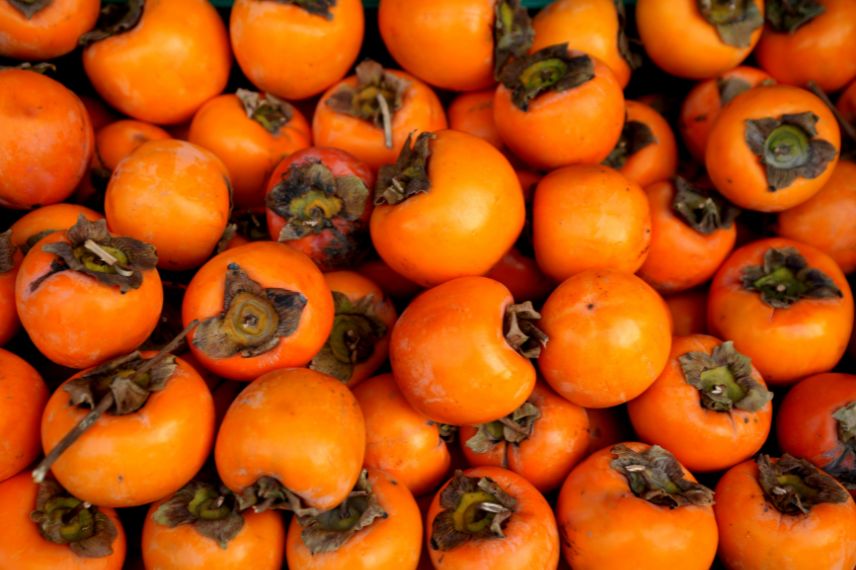
It must be picked at the right time! Also, kaki is an excellent source of vitamins before winter.
November–December: last fruits and early preservation
As winter approaches, the orchard gradually empties. Fresh harvests are scarce, but you can still enjoy hardy fruits harvested in October and those that ripen late or are eaten after bletting. It is also time to enjoy preserves, stored fruit, and to prepare your trees for winter.
Fruits to harvest in November–December
| Fruit | Regions | Notes |
|---|---|---|
| Storage apples | Everywhere | Late varieties picked in October, to be eaten gradually |
| Storage pears | Everywhere | Doyenné du Comice, Conférence… still excellent if well stored |
| Quinces | Temperate regions | Final fruits to pick in early November if not yet harvested |
| Medlars (common medlar) | Cool areas | Harvest after frost, to be bletted before eating |
| Kiwis | South-west, sheltered sites | Harvest in November, leave to ripen after picking |
| Walnuts | Everywhere | Finish drying or store in shell |
| Hazelnuts | Everywhere | Stored stocks nearing end of consumption |
| Chestnuts | Wooded areas | Hand-harvest in woodland or old orchards, consume quickly |
Details by region
Mediterranean climate: kiwis and quinces still available in early November, easy storage of apples and pears.
Oceanic climate: kiwi harvest, storage of apples and pears, watch medlars at the end of December.
Continental climate: orchards are resting, fruits harvested in October fill the larder shelves.
Mountain climate: no more outdoor harvesting, use reserves and bletted medlars.
Don’t forget in November–December
- Harvest kiwis before first severe frosts, leaving to ripen indoors.
- Store apples and pears in a cool, dark, frost-free, well-ventilated place.
- Check condition of stored fruit: sort regularly to avoid contamination.
- Enjoy medlars after bletting: soft texture, sweet and slightly vanilla-flavoured taste.
- Prepare fruit trees for winter: mulching, gentle pruning, and frost protection where necessary.
And citrus trees in all that? They deserved a section of their own.
The citrus trees do, in fact, have a harvest rhythm very different from fruits of our temperate orchards. They ripen mainly in autumn and winter, but depending on variety, some harvests can extend into spring.
As they are mostly grown in Mediterranean climate (or under glass in other regions), their presence in a harvest year depends greatly on geographical area.
| Month | Citrus trees harvested | Remarks |
|---|---|---|
| January | Lemons, oranges, mandarins, clementines | Main harvest period |
| February | Lemons, oranges, grapefruits, clementines (late) | Good ripeness, especially in mild climates |
| March | Lemons, late oranges, pummelos | Start of end-of-season for some varieties |
| April | Lemons, kumquats | Harvest possible depending on exposure and variety |
| May | Lemons (repeat-flowering), kumquats (end) | Four-season lemon varieties still productive |
| June | Little or no harvest | Quiet period, but some repeat-flowering lemon trees still produce |
| July | Repeat-flowering lemon trees | Small yields possible |
| August | Repeat-flowering lemon trees | Fruits still green; monitor closely |
| September | Lemon trees (first ripe fruits), bergamot (start) | Some varieties begin to ripen |
| October | Lemons, first clementines | Tentative start to the citrus season |
| November | Lemons, clementines, early oranges | A fine season settles in |
| December | Lemons, clementines, oranges | Perfect ripeness for many citrus fruits |
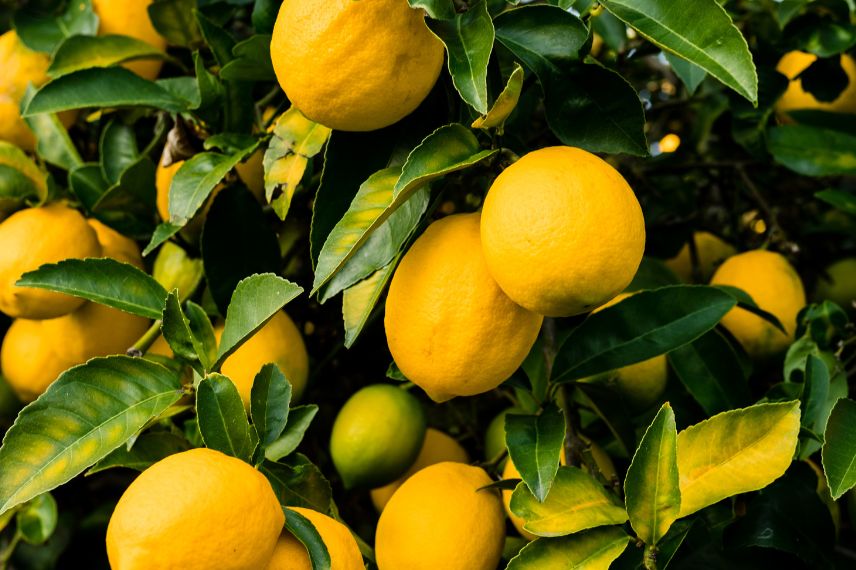
Who has never dreamt of growing their own lemons at home?
Staggered harvests: long-season fruits
Bear in mind that some fruits are not harvested all at once but offer a progressive production over several weeks, even several months. This period is largely influenced by the variety (early, in-season, repeat-flowering) and, even more, by local climate and exposure.
| Fruit | Typical harvest period | Variations with climate and exposure |
|---|---|---|
| Strawberries | May to October | Repeat-flowering varieties (Mara des Bois, Charlotte) produce from June to October, while early varieties (Gariguette) finish in June. In open ground, harvest begins in May in the South, in June in the North/at altitude. |
| Raspberries | June to October | Non-repeat-flowering varieties produce mainly in June–July. Repeat-flowering varieties provide a first wave in summer, then a significant second crop from mid-August until the first frosts. |
| Blackberries | July to October | Depending on variety, the first blackberries (cultivated thornless) arrive as early as July in the South, but the main harvest in wild hedgerow or cultivated hedge extends from mid-August to September. The latest fruit can persist into October if weather is mild. |
| Figs | July to November | Biferous fig trees give a first harvest (“flower figs”) in July, then the main harvest (“autumn figs”) from late August to October. Uniflorous fig trees produce only one harvest from August to November depending on area (mainly South). |
| Apples and Pears | August to November | The period is very long. Early varieties (Discovery, Guyot) are picked from August and do not keep. Storage/keeping varieties (Reinette, Conférence) are harvested in October to be stored through winter. |
| Walnuts | September to November | Harvest is prompted by fruits naturally falling. It starts as early as mid-September in warm areas and finishes early November at altitude. Timing is very sensitive to late-summer humidity and heat. |
Key point: for all these fruits, don’t look for a precise date; monitor the ripeness on the tree itself. Regular picking helps prolong and optimise production.
- Subscribe!
- Contents
This form is protected by reCAPTCHA - the Google Privacy Policy and Terms of Service apply.

































Comments