





























My strawberry tree is not bearing fruits, why?
Causes and solutions
Contents
The Arbutus unedo or Strawberry Tree is a small ornamental and fruiting tree of Mediterranean origin. It is valued for its edible round fruits, the arbutus berries, reminiscent of strawberries, yellow then red as they ripen. The arbutus berries can be eaten raw, cooked or fermented. If you take good care of your strawberry tree, it grows well, but the fruits are not appearing. Why? What factors can prevent a strawberry tree from bearing fruit? Here are the answers to understand the causes and find solutions.

Strawberry tree fruits: fruits that resemble strawberries
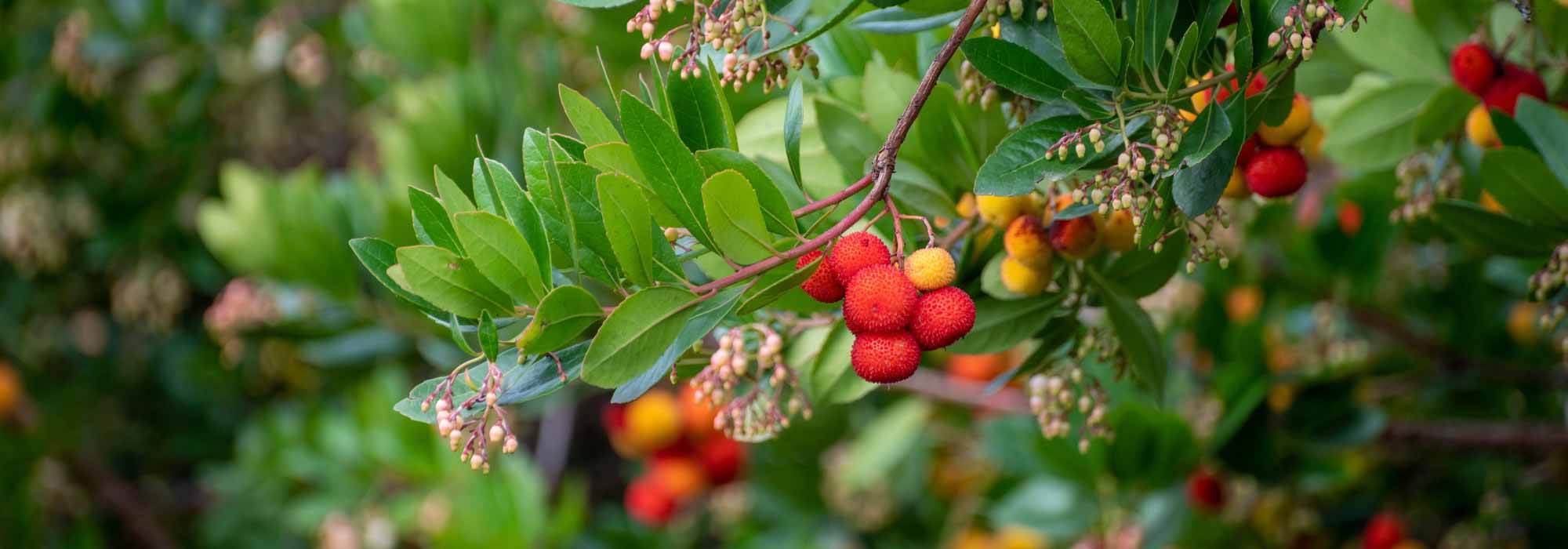
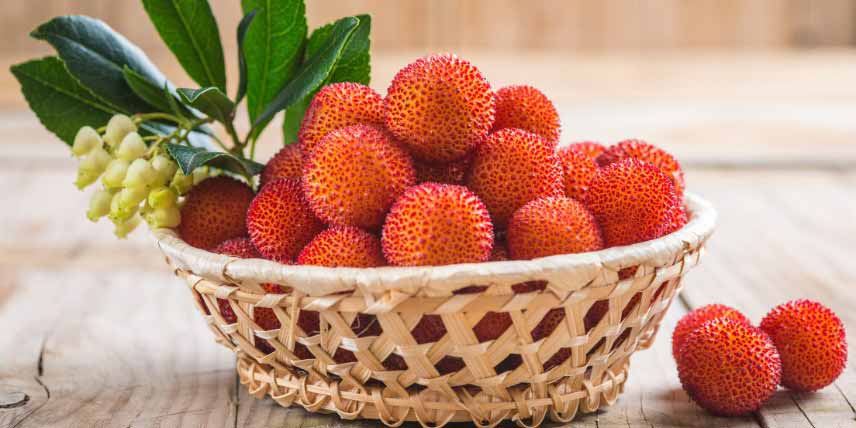
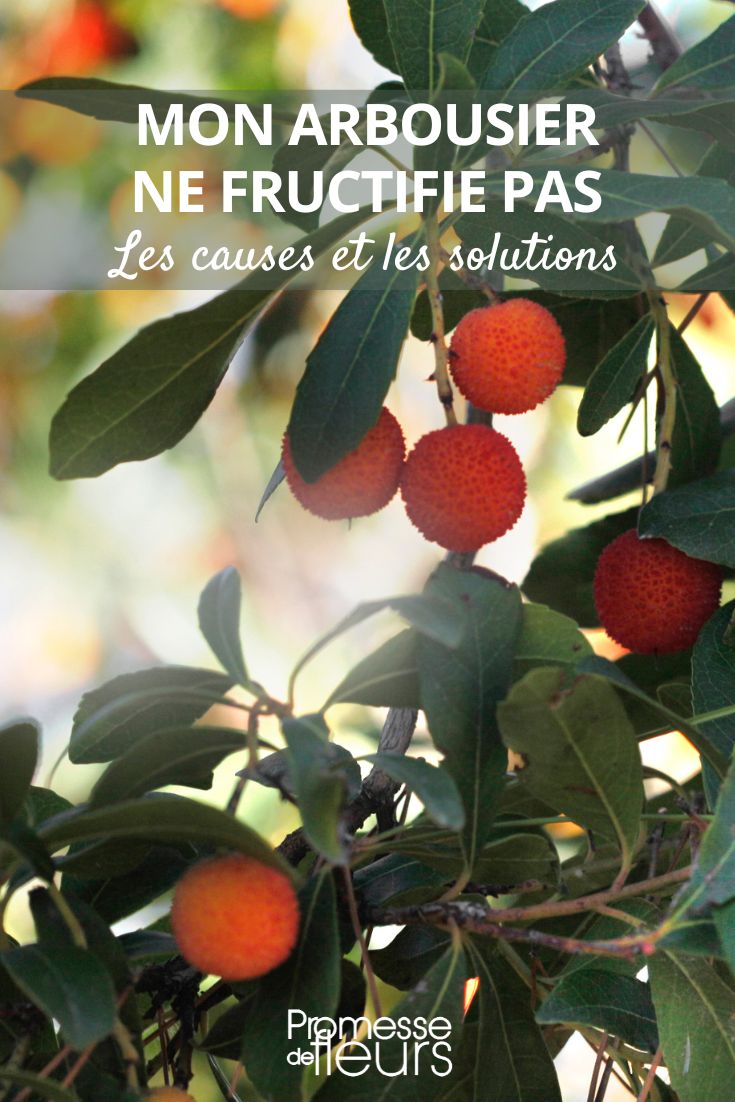
Strawberry tree is a shrub typical of Mediterranean regions and the Atlantic coast. Appreciated for its decorative appearance, it generally reaches 2–5 m in height and offers bright, glossy evergreen foliage all year round. In autumn, it is adorned with white or pink bell-shaped flowers, while on its branches it retains the fruits from the previous year, the famous arbutus berries. These small red fruits with a granular texture ripen slowly. The drupes take a year to mature. Resembling strawberries, these small fleshy spheres measure 2–3 cm in diameter and contain a tart flesh and sweet, rather bland, with a lychee flavour. Best cooked than raw, they are eaten in compotes, jellies, jams or even fermented to make arbutus liqueur. This shrub, well suited to mild climates (hardy to -12 to -15°C), undemanding and drought-tolerant, grows in well-drained, non-calcareous soil, in a sunny or partly shaded position, sheltered from cold winds. It can be planted as a free-standing hedge, as a specimen plant or in a border.
When does the strawberry tree bear fruit?
Good news: the strawberry tree is self-fertile, so you don’t need to plant two plants to enjoy its fruits. Fruiting is more or less slow depending on the species and varieties: you should allow a little over five years to see Arbutus unedo bear fruit, while other varieties, such as the Arbutus unedo ‘Compacta, are fruit-bearing from the early years. The strawberry tree bears its fruits through a rather peculiar annual cycle. Flowering takes place in autumn, usually between late August and October. The flowers in the form of small white or pinkish bells develop at this time, and their fertilization gives rise to fruits that take almost a year to ripen. In warmer regions, flowering may begin a little earlier, which slightly speeds up the fruit maturation cycle.
Thus, arbutus berries begin forming after flowering, but are not ready to be harvested until the following autumn, between October and December. They are harvested when they are red and tender to the touch. This calendar creates an interesting coexistence: the flowers of the new season and the fruits of the previous year coexist on the bush.
Why isn't your strawberry tree bearing fruit?
A strawberry tree that fails to bear fruit can be frustrating. If your strawberry tree isn’t producing fruit, several factors may be to blame. Here are the main possible reasons:
1. It is still too young
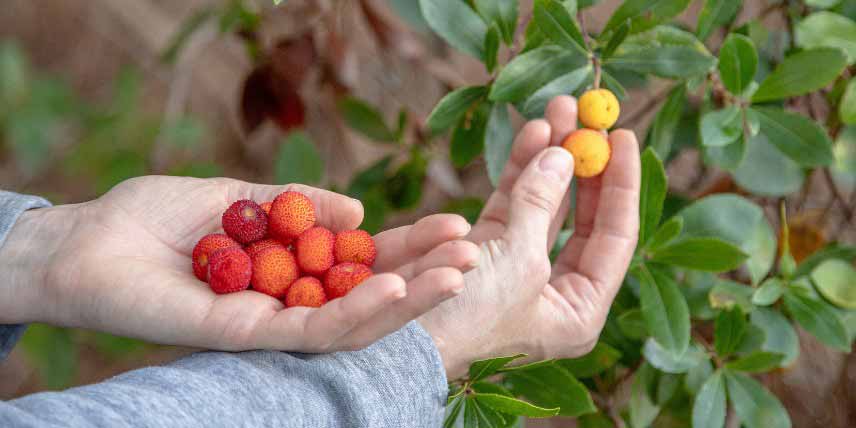
If your strawberry tree has been planted recently and is still young, it is normal that it does not yet bear fruit. Most strawberry trees take a few years before they start to produce. On average, you should expect 3 to 5 years after planting to see the first fruits.
2. Its flowers have not been properly pollinated
The strawberry tree is self-fertile, which means it can produce fruit from its own pollen without the need for another shrub nearby for pollination. However, even if it is capable of self-pollination, the presence of pollinators remains important to optimise fruiting. Wind, pollinating insects such as bees or bumblebees play a key role in fertilisation. A good pollination activity can increase the quantity and quality of the fruit produced. If your strawberry tree is not fruiting, we recommend planting melliferous flowers nearby to attract pollinating insects.
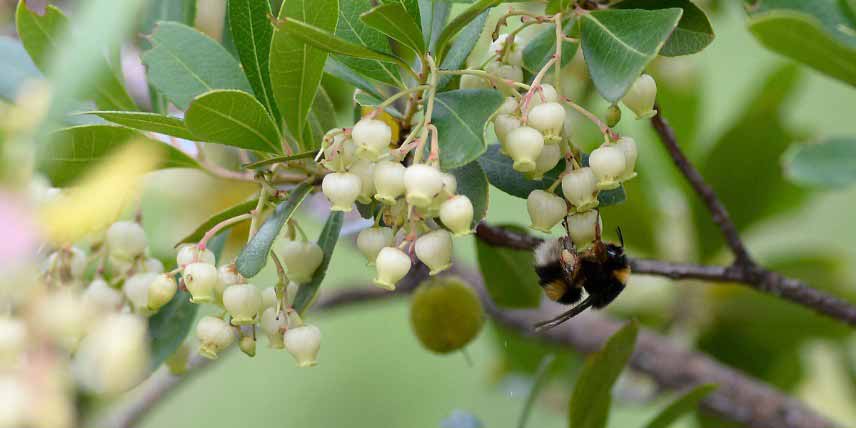
A bumblebee pollinating strawberry tree flowers
3. The climatic conditions are not suitable for it
The strawberry tree is hardy, but needs specific conditions to bear fruit well. It is particularly well suited to regions where minimum temperatures do not fall below -15°C. It tolerates salt spray, but is sensitive to cold and drying winds, especially in winter. Although hardy, the strawberry tree fears heavy frosts. It will appreciate planting sheltered from winter storms and drafts to preserve its flowering. Late frosts can destroy the flowers before they are fertilised. In regions with severe winters, when temperatures regularly fall below -10°C, it is advisable to protect the strawberry tree with a fleece and to spread a good layer of organic mulch (bark or pine needles, a carpet of leaves) at its base to protect the roots from frost. → Learn more in our article Protecting and overwintering the strawberry tree.
Even though the strawberry tree tolerates drought, excessive water stress can limit its fruiting, especially during flowering and fruit set. During the three years following planting, ensure it is well watered, 2 to 3 times a month. A lack of water during the flowering period can affect fertilisation. During dry periods, therefore ensure regular watering, especially when young. After 2 or 3 years, it will even tolerate occasionally dry soil.
4. The soil is not suitable
The strawberry tree prefers well-drained soils, slightly acidic to neutral. Soil that is too compact or calcareous can hinder its growth and limit its ability to bear fruit. The strawberry tree will thrive in ordinary soil provided it is well-drained, light and free of limestone. It is a plant for dry ground that does not survive in waterlogged soils.
Solutions :
- If the soil is too calcareous, add ericaceous compost or compost to acidify
- For planting, plan a very well-drained, light mix based on garden soil, heather soil, well-decomposed compost, sand and pouzzolane to ensure perfect drainage, as it does not tolerate stagnant moisture.
5. It has been pruned too severely
An inadequately maintained strawberry tree may have trouble bearing fruit. It is not advised to prune it. However, if you do, intervene only at the end of winter, in February–March, to remove any dead shoots or to perform a very light refresh to maintain a balanced habit. An autumn pruning or overly drastic pruning would deprive you of its precious red fruits. So, minimal pruning is advised!
6. It is affected by diseases or pests
Cultivated in good conditions, the Strawberry tree shows resistance to diseases and pests. It can however be subject to strawberry tree septoria, a fungal disease (caused by fungi) that attacks the leaves and is likely to compromise its fruiting.
- As a preventive measure, in autumn and late winter, spray the foliage every 15 days with Bordeaux mixture.
- Collect and burn fallen and contaminated leaves
In spring and summer, of the strawberry trees:
- Spray with liquid black soap and plant nearby nasturtiums which will attract these unwanted pests.
- Subscribe!
- Contents
Comments