





























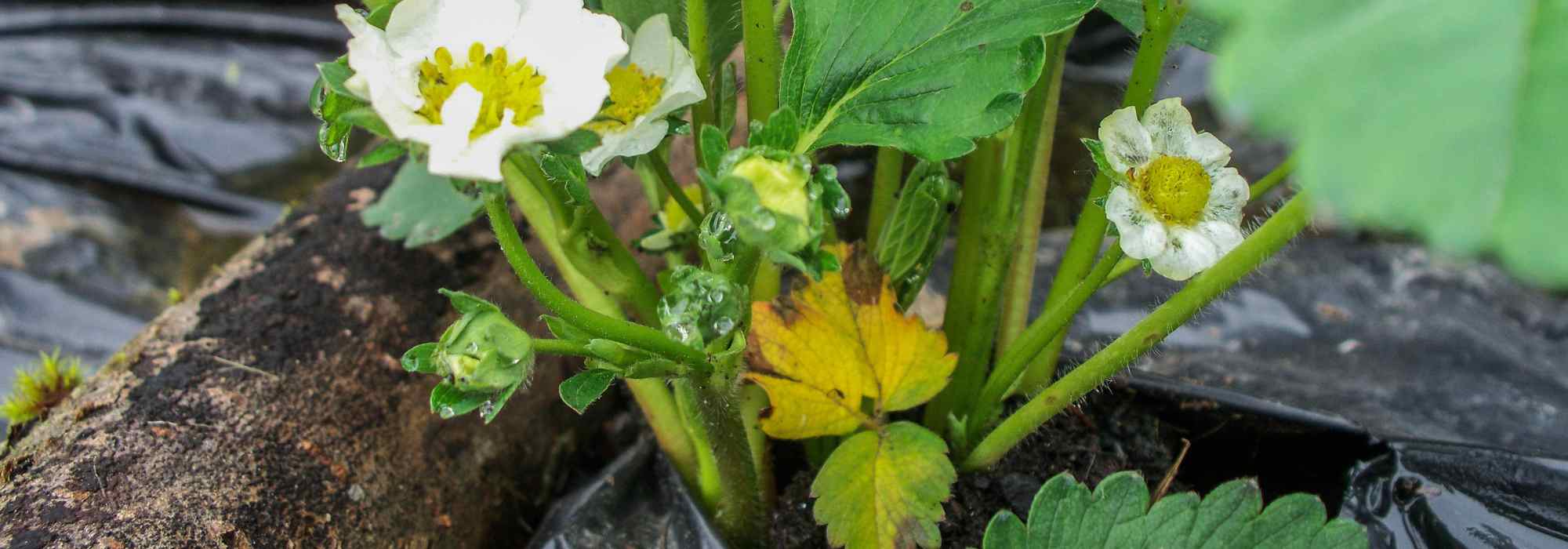
What to use instead of a mulch sheet? Our eco-friendly and durable alternatives
The best natural solutions to protect and enrich your soil sustainably
Contents
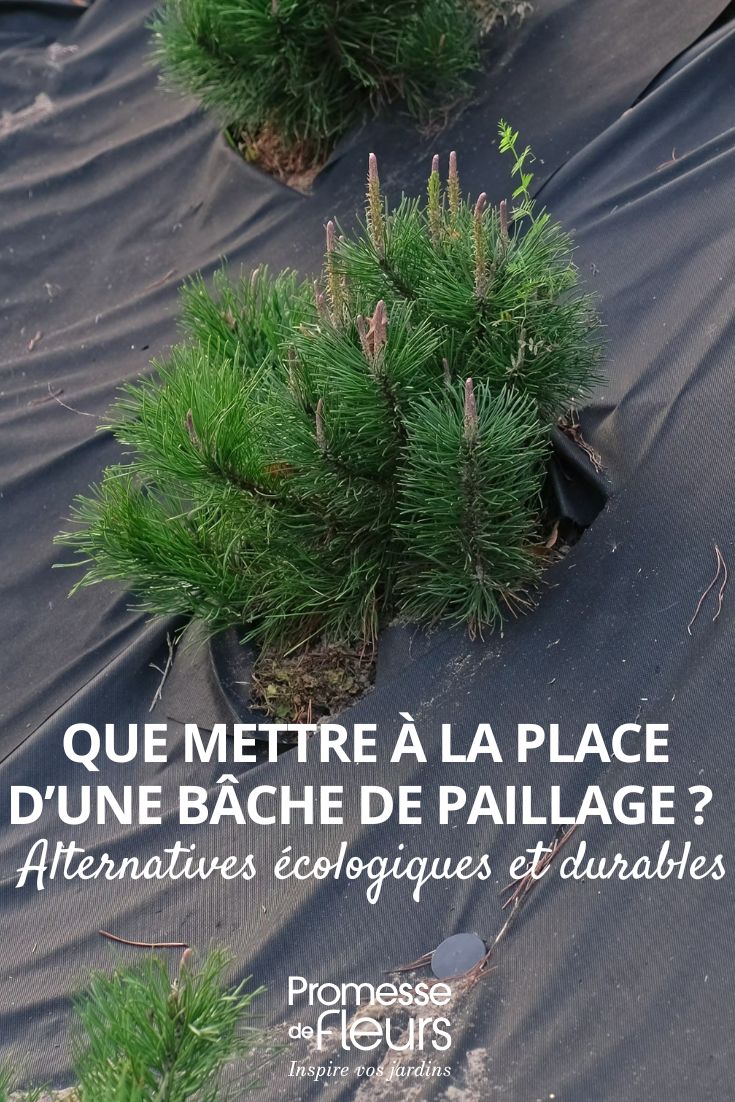
Synthetic mulching fabrics, originally used to limit adventive shoots and reduce maintenance, end up posing several problems: wear, plastic pollution, soil impoverishment… and, in fact, adventive shoots push through them. Over time, they degrade, prevent soil from breathing and harm biodiversity. When they are removed, soil can become compacted, poor in organic matter and quickly overrun by adventive shoots. To avoid these issues, it is essential to choose an appropriate alternative. Natural mulching, green manures, living groundcovers… Discover how to protect and enrich your garden without tarpaulins, while promoting a healthy and sustainable ecosystem.

Overview: we observe and reflect before selecting the best natural alternative
Before removing a tarpaulin and selecting an alternative, it is essential to analyse the condition of your soil and consider the intended use of the area. A good diagnosis will help you opt for the best solution to improve soil fertility and optimise your garden maintenance.
Analysing your soil
When you remove a polypropylene mulching fabric that has been in place for some time, the soil underneath may have undergone various changes:
-
Compacted soil : if the sheet mulch has been in place for a long time, the soil can be hard and compacted, preventing water and air from circulating properly. Do a simple test by inserting a fork or a dibber into the soil: if it is difficult to penetrate, you will need to plan for aeration (broadfork, addition of organic matter).
-
Poor and depleted soil : the absence of vegetation and organic decomposition may have weakened the soil life. If it is dry, dusty or, on the other hand, very clayey and sticky, it will be necessary to apply natural amendments such as compost, green manures or mulch.
-
Presence of adventive plants : some adventive plants will rapidly colonise bare soil after the removal of a tarp. Observe which plants appear spontaneously :
- Nettles or dandelion indicate soil that is too rich in nitrogen.
- Thistles or bindweed indicate compacted soil.
- Moss can reveal soil that is too acidic and poorly drained.
Once the tarp has been removed, leave the area exposed for a few days to observe how it evolves naturally before intervening.
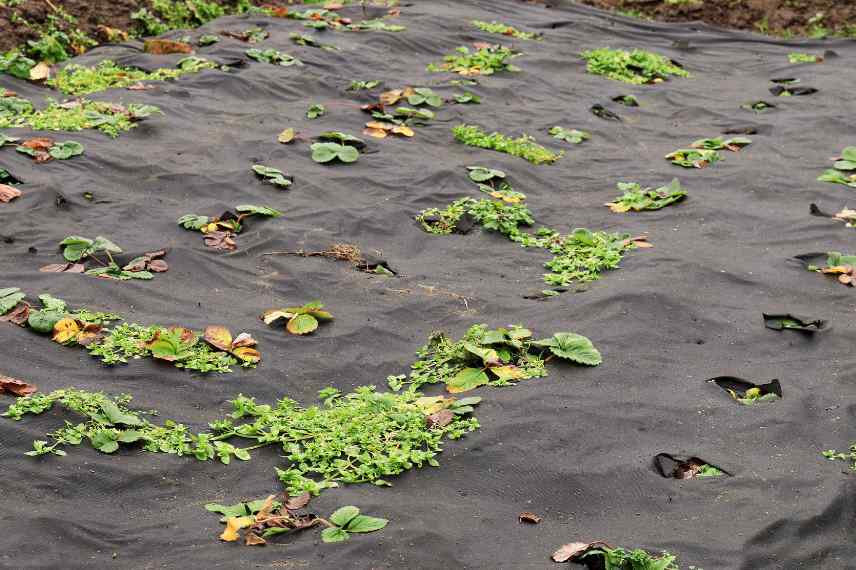
Under the tarp, the soil is often compacted and poor
Determining the use of the area
The aim is to determine what the freed-up space will be used for in order to choose the best alternative. Ask yourself these questions :
-
Vegetable patch : if you plan to grow vegetables there, opt for soil-enhancing solutions such as green manures, organic mulch or the addition of compost.
-
Flower borders or shrubs : a thick mulch (wood chippings, bark, RCW) will reduce maintenance and preserve soil moisture while feeding the plantings.
-
Avenues and walkways : if the area must remain practical, opt for a drainage-friendly and natural surface such as wood chippings, gravel or spaced paving slabs with a few small groundcover plants.
-
Grassy area : if you want the area to naturalise, sow a wildflower meadow or white clover as a fast and excellent option to promote biodiversity and reduce maintenance.
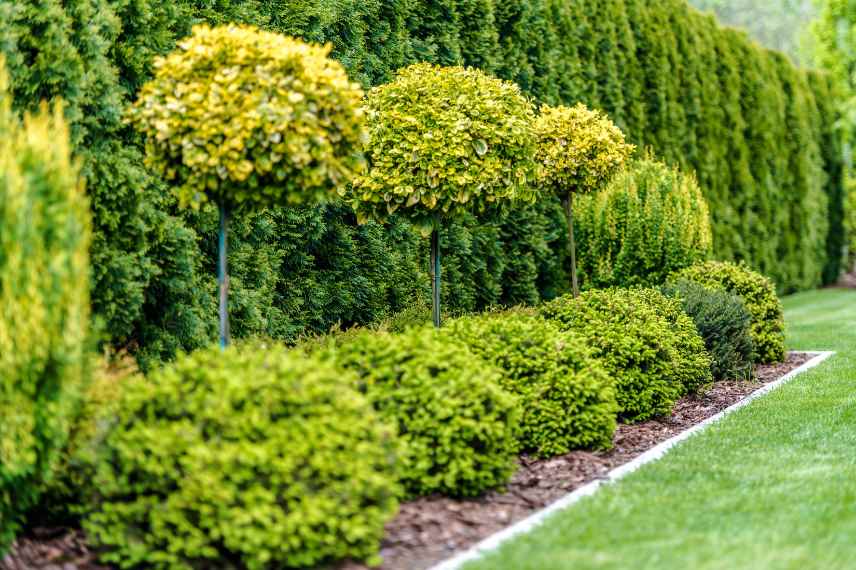
On a bed, RCW or wood chips are practical and ornamental at the same time
Taking climate and exposure into account
Local climate and the site’s exposure are key factors in choosing materials or plants to install.
-
Full sun exposure :
- Light mulch (straw, wood chippings) will reflect heat and keep the soil cool.
- Drought-tolerant groundcover plants (sedum, thyme, yarrow) will help reduce evaporation.
-
Shaded or damp area :
- Avoid thick organic mulches that could retain too much moisture and encourage fungi.
- favour a living soil with suitable groundcovers such as periwinkle or ivy.
-
Region with heavy rainfall :
- Good drainage is essential, with gravel or stabilised paths.
- Green manures such as phacelia will improve soil structure and prevent erosion.
-
Dry climate :
- A generous mulch (minimum 5 cm thick) will slow evaporation and protect the soil’s microfauna.
- Mediterranean and drought-tolerant plants (Lavender, Santolina) will be more suitable.
Natural and eco-friendly alternatives to synthetic tarpaulins
Removing a tarp leaves the soil bare and exposed to the weather, which can lead to rapid drying, erosion or colonisation by unwanted plants. To avoid these drawbacks and promote a living soil, several natural alternatives exist, tailored to how the area is used.
For a living, fertile soil
The aim here is to protect the soil, improve its structure and enrich its fertility by supporting biological activity.
Natural mulching: protecting and feeding the soil
Mulching involves covering the soil with organic or mineral materials to limit evaporation, slow weed growth and feed soil life as they decompose. Several options exist:
- Straw and hay: economical and effective, they decompose quickly and add organic matter to the soil.
- Ramial chipped wood (RCW): improves soil structure in the long term and promotes microbial biodiversity.
- Bark: more durable and better suited to borders and shrubs.
- Leaves: rich in minerals, they are ideal for protecting the soil in winter.
Advantages:
- Protects the soil from climatic stresses (rain, wind, drought).
- Limits evaporation and retains moisture.
- Nourishes the soil as it gradually decomposes.
Disadvantages:
- Must be renewed regularly, especially light materials such as straw or leaves.
- May attract certain pests (slugs, rodents) if the soil is already imbalanced.
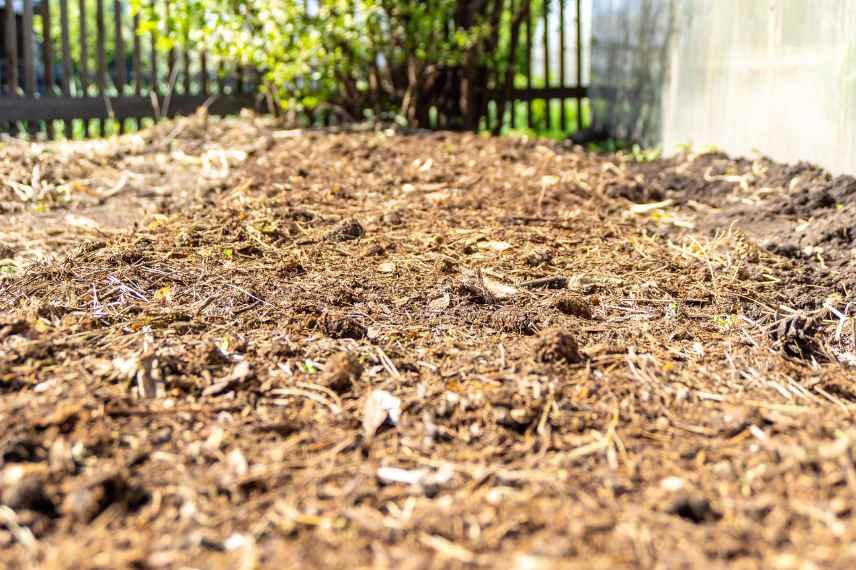
Green manures: improving soil structure
Green manures are plants sown temporarily to enrich the soil with nutrients and improve its structure. Once developed, they are cut down and left on the ground to decompose.
Some interesting varieties:
- White mustard: traps nitrates and reduces erosion.
- Phacelia: attracts pollinators and loosens the soil thanks to its deep roots.
- Clover: fixes nitrogen in the soil, useful before growing vegetables.
Advantages:
- Improves soil fertility and structure.
- Limits weed growth.
- Promotes biodiversity by attracting pollinators and soil microfauna.
Disadvantages:
- Requires sowing and a growing period before it becomes effective.
- Some species must be well managed to prevent them from becoming invasive.
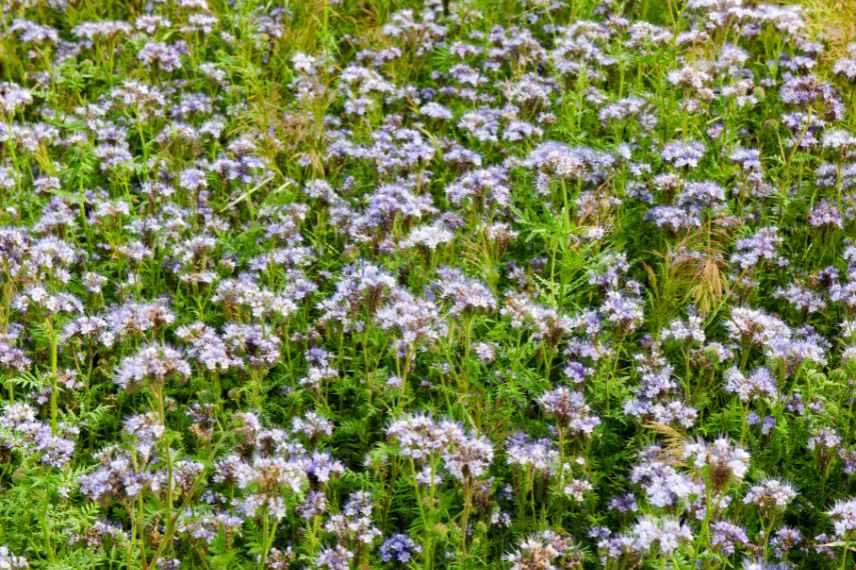
Phacelia
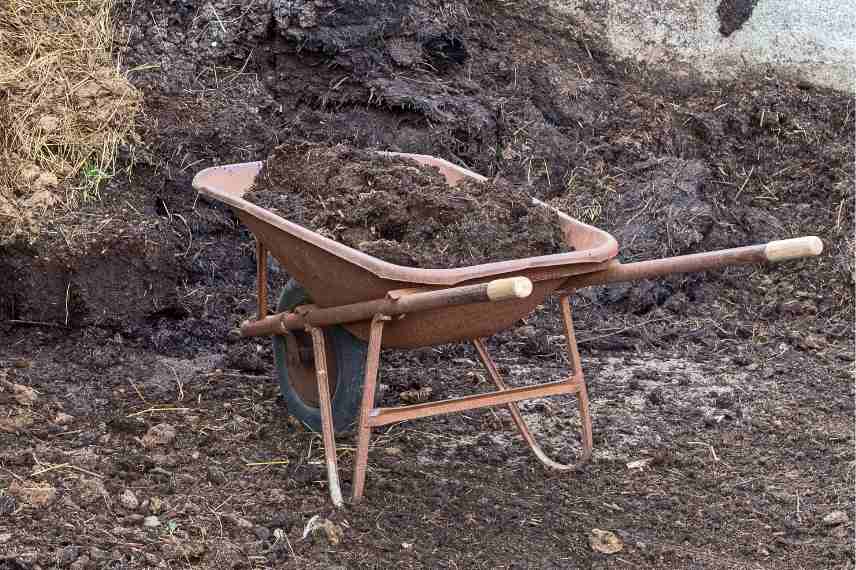
Compost or manure: enriching the soil deeply
A poor or exhausted soil needs an input of organic matter to regain fertility and biological balance.
- The compost provides nutrients easily assimilable by plants and promotes soil microorganisms’ activity.
- The manure is particularly rich in nitrogen and stimulates plant growth, but it must be well decomposed before use to avoid burning the roots.
Best used when the soil is poor, very sandy or too compact, to restore structure and life.
To limit weeds and structure the space
If the aim is to prevent the regrowth of unwanted plants while maintaining an attractive appearance, several alternatives can be put in place.
Ground-cover plants: a durable alternative to mulching
Ground-cover plants allow you to replace tarpaulins or mulches by occupying the space and preventing weed growth. They also play an aesthetic and ecological role by promoting biodiversity.
Some examples suited to exposure:
- Dwarf clover: hardy and suitable for moderate foot traffic.
- Periwinkle: ideal for woodland shade or shaded areas.
- Sedum: a hardy groundcover that tolerates drought.
Advantages:
- A durable solution that requires little maintenance once established.
- Contributes to biodiversity by attracting insects and pollinators.
- Aesthetically pleasing and suitable for different soil types and exposures.
Disadvantages:
- Installation can take longer than simple mulching, as the plants must spread and gradually cover the surface.
- Some species require regular pruning to prevent them from becoming invasive.
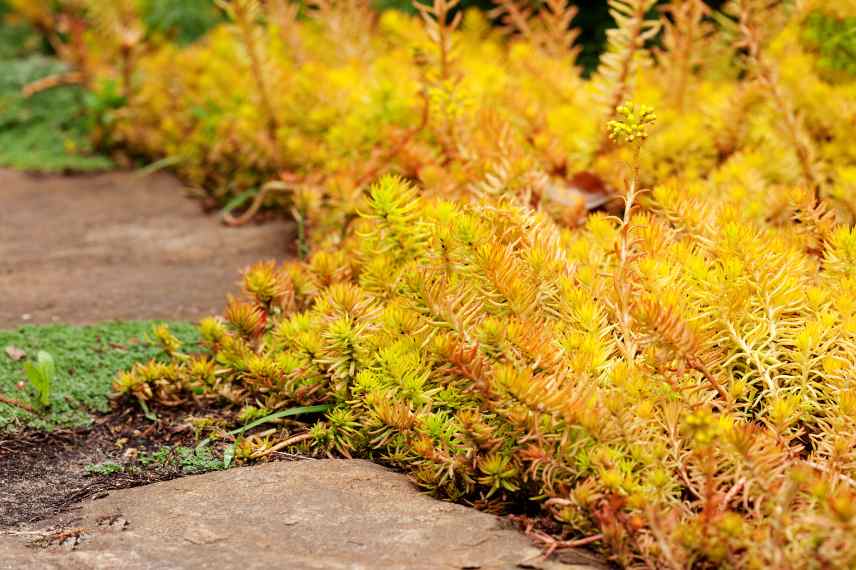
Sedum
Natural-material paths: a permeable and aesthetically pleasing surface
If the area is a frequently used path, natural solutions exist to stabilise the soil while avoiding synthetic tarpaulins.
Some options depending on use :
- Wood chippings: pleasant underfoot and biodegradable, ideal for lightly used paths.
- Bark : drainage-friendly and suitable for regular passages, sometimes requiring edging to prevent spread.
- Branch chippings: an affordable option if you have access to pruning waste.
- Biodegradable mulch fabrics: made from jute or hemp. They are used like polypropylene sheets, but are biodegradable and eco-friendly.
The choice of material depends on use: an occasional pedestrian path can be covered with chips or thick mulch, while a more regularly used route may sometimes require stabilised gravel or slabs.
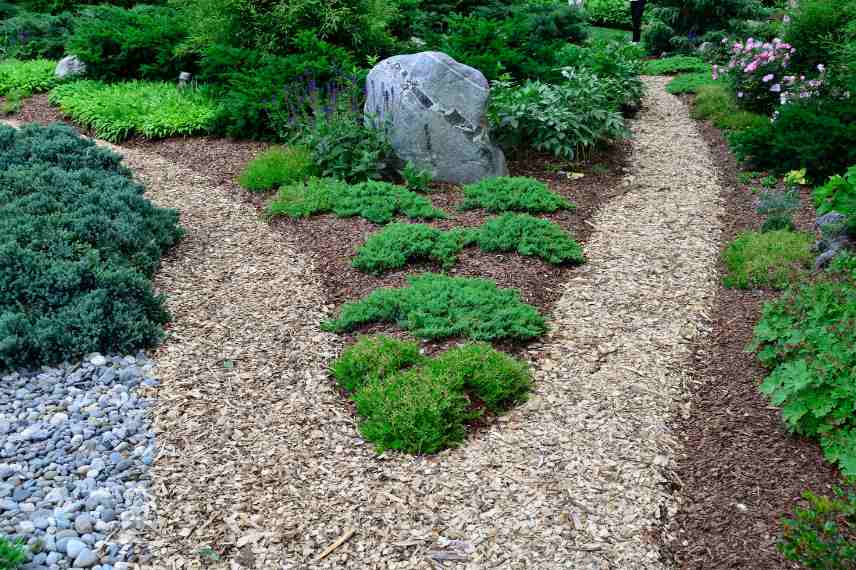
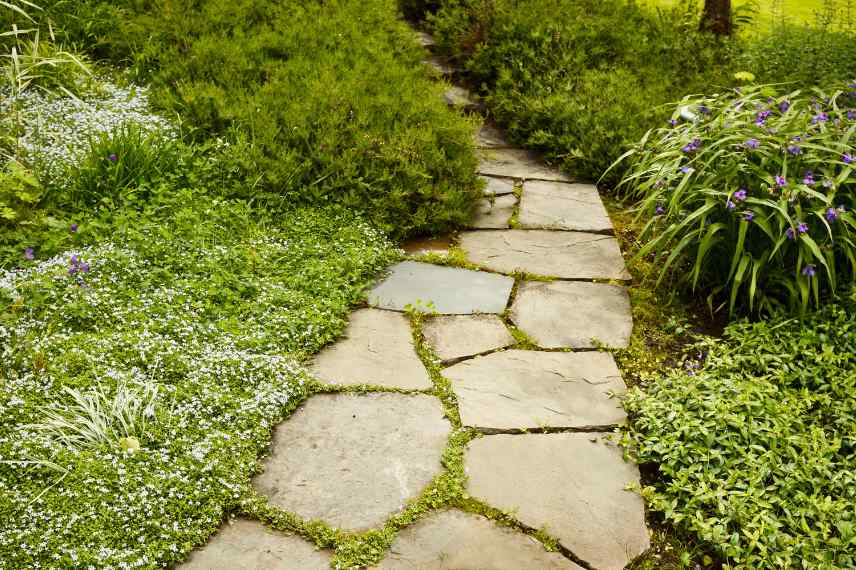
Paving slabs and stepping stones: structuring the space while letting the soil breathe
Paving slabs and stepping stones allow you to create a path without covering the soil completely. This solution is particularly useful in gardens where you want a usable area while promoting a living soil.
- Natural stone or concrete slabs: sturdy and durable, they give a neat appearance.
- Wood, concrete-wood or stone stepping stones: visually lighter, they leave spaces of greenery between each element.
They help prevent soil compaction by concentrating foot traffic onto defined areas, while maintaining a natural aesthetic.
Setting up an alternative to weed barrier fabric
Once the alternative to replace the tarpaulin has been chosen, it is essential to install it properly to ensure long-term effectiveness. Regular maintenance will also help preserve the benefits it brings to the soil and avoid common issues.
How to install each option correctly?
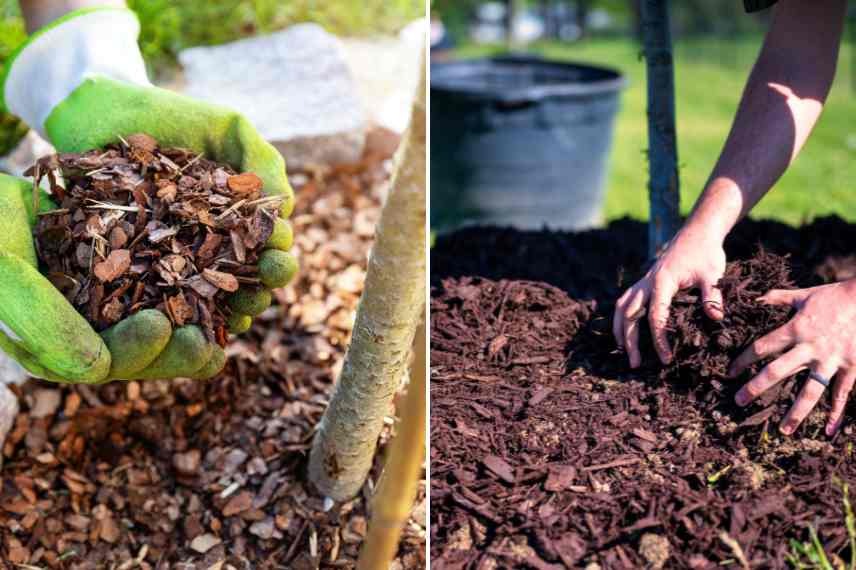
1. Natural mulch
- Soil preparation: weed manually or use a broadfork to aerate the soil before laying mulch.
- Recommended thickness :
- Straw or hay: 5–10 cm to prevent evaporation.
- RCW and bark: 3–5 cm to avoid suffocating the soil.
- Dead leaves: a light layer to prevent compaction.
- Spacing around plants: do not press mulch up against the bases of stems or trunks to prevent rot.
- Best time to lay mulch: the best time to lay natural mulch is in spring, after soil has warmed, or in autumn, to protect it from cold and inclement weather. Avoid applying it to soil that is too dry or frozen, as it could prevent water from penetrating properly.
2. Green manures
- Sowing :
- Choose a suitable window (spring or autumn depending on species).
- Broadcast the seeds onto slightly loosened soil.
- Roll or lightly firm to ensure good contact with the soil.
- Growth management : mow before flowering to prevent them from becoming invasive.
- Incorporation into the soil : after mowing, leave residues on the surface or lightly bury them to enrich the soil.
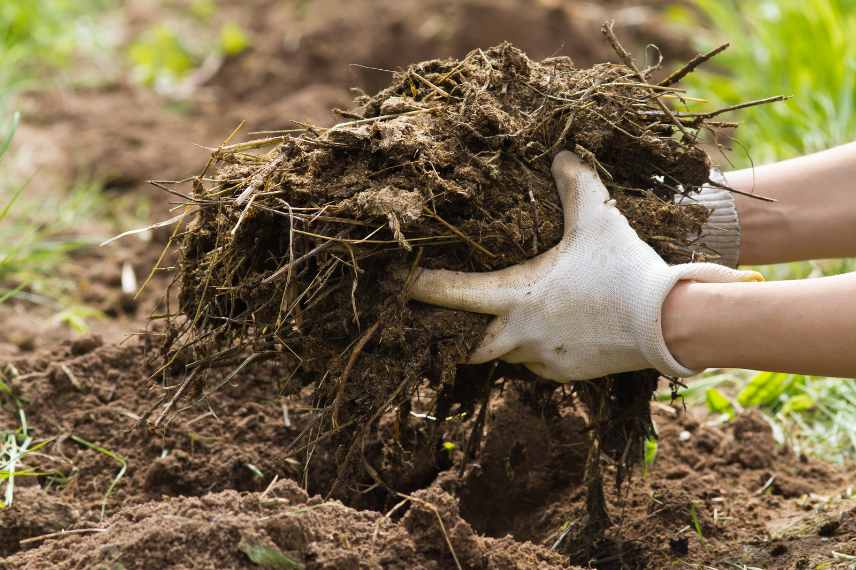
3. Compost or manure
- Application :
- Spread a layer of mature compost (2–5 cm) at the base of crops or over the entire surface.
- Lightly bury to improve assimilation.
- Renewal : once or twice a year, depending on soil depletion.
- Precautions : avoid fresh manure, which can burn plants.
4. Groundcover plants
- Soil preparation : weed and lightly loosen before planting.
- Planting density : space according to growth rate (e.g.: 20 cm between each sedum plant, 30 cm for periwinkle).
- Initial watering : maintain good moisture until rooting.
- Planting period : the best time to plant groundcover perennials is autumn or spring, when the soil is still moist and temperatures are mild, promoting good rooting.
5. Natural paths (wood chips, gravel, wood chippings)
- Preparation :
- Weed and level the soil.
- Lay geotextile to prevent weed growth.
- Recommended thickness :
- Wood chips and wood chippings: 5–10 cm.
- Gravel: 3–5 cm on a stable soil.
6. Slabs and Japanese stepping stones
- Installation :
- Dig slightly so each slab sits level.
- Fill the joints with sand, small gravel or a groundcover.
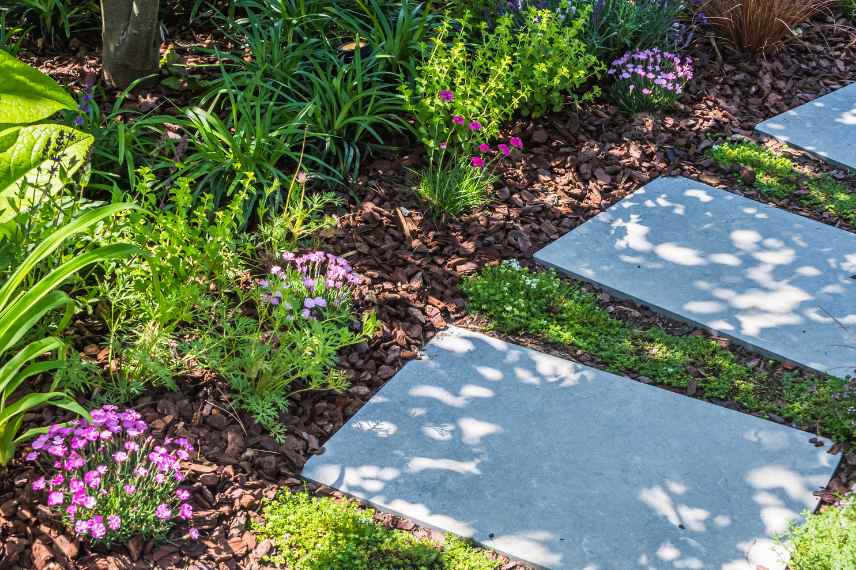
Here, slabs and wood chips coexist
Read also
5 groundcovers for clay soilCare tips and replacement of materials
Each alternative requires regular upkeep to maintain its benefits.
- Mulching: add a fresh layer each year, especially for materials that decompose quickly such as straw or fallen leaves. Check that soil beneath remains well-aerated.
- Green manures: do not let them go to seed to prevent them from becoming invasive. Cut down before flowering and reseed if necessary.
- Compost and manure: renew inputs each season according to soil needs.
- Groundcover plants: prune or thin some invasive species. Avoid overwatering for hardy plants.
- Paths with natural materials: rake regularly to prevent chips from dispersing. Replenish the layer every one to two years.
- Slabs and stepping stones: check stability and fill gaps if necessary.
Mistakes to avoid
- Mulching too thick: an excessive layer can prevent air and water from penetrating the soil, promoting rot and disease.
- Green manures poorly cut: if cut too late, they may go to seed and self-seed everywhere, making management difficult.
- Gravel without geotextile: without this protection they can sink into the soil or allow weeds to pass through, making maintenance more difficult.
- Poorly installed slabs: poorly prepared soil leads to rapid settlement and an uneven finish.
- Manure too fresh: if used before maturation, it can burn plant roots and upset soil life.
- Subscribe!
- Contents
Comments