





























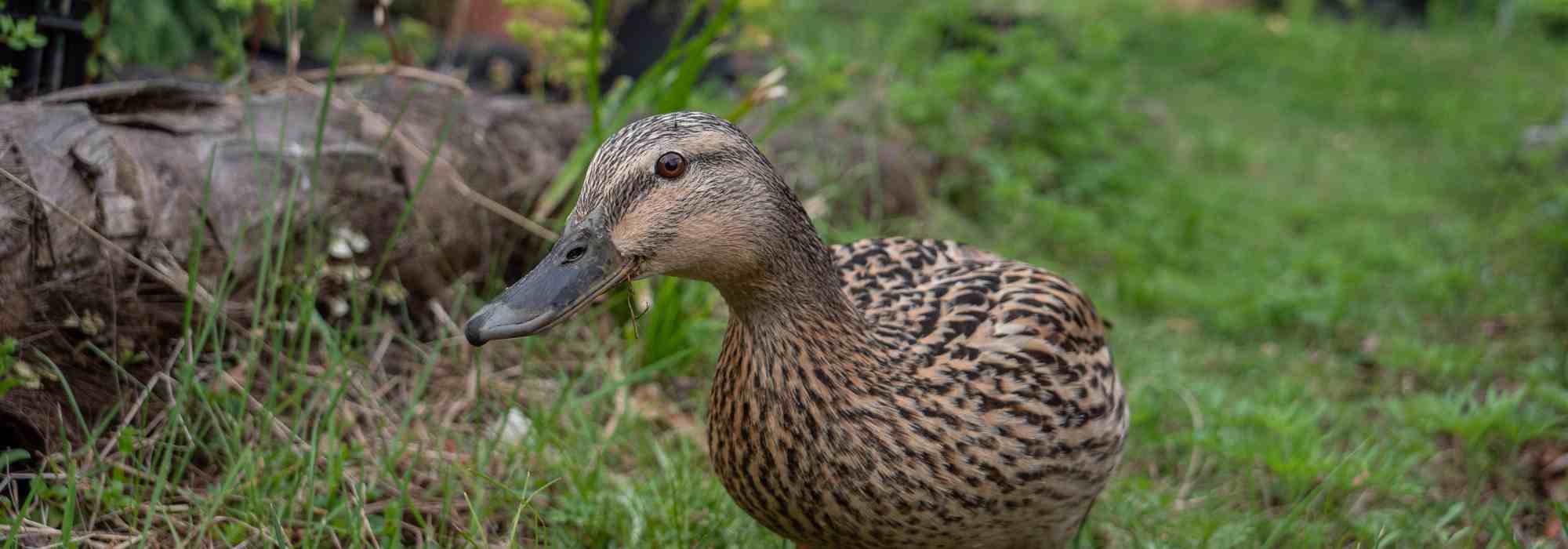
How to keep and raise ducks in the garden?
Everything you need to know to keep ducks in the garden
Contents
Imagine the bucolic charm of ducks waddling gracefully, while helping you maintain a healthy and thriving garden. Yes, you heard that right! Ducks aren’t just adorable; they’re valuable allies for the gardener. In this handy guide, we’ll share plenty of tips for welcoming and rearing ducks in the garden successfully: feeding, shelter, enrichment, duckling rearing and disease prevention. Get ready to laugh at their antics while enjoying their numerous ecological and practical benefits: let’s create a small corner in our gardens for ducks!

Why having ducks in the garden?
Ecological benefits: pest control and natural fertilisation
Ducks are excellent natural predators of pests. They feed on numerous insects deemed ‘crop pests’, as well as slugs and snails, naturally regulating their populations.
Ducks also play an important role in fertilising your garden. Their droppings are rich in nitrogen, phosphorus and potassium. By letting them roam freely around your garden, they enrich the soil in a natural, regular fashion.
Advantages for the gardener: companionship, fresh eggs and garden maintenance
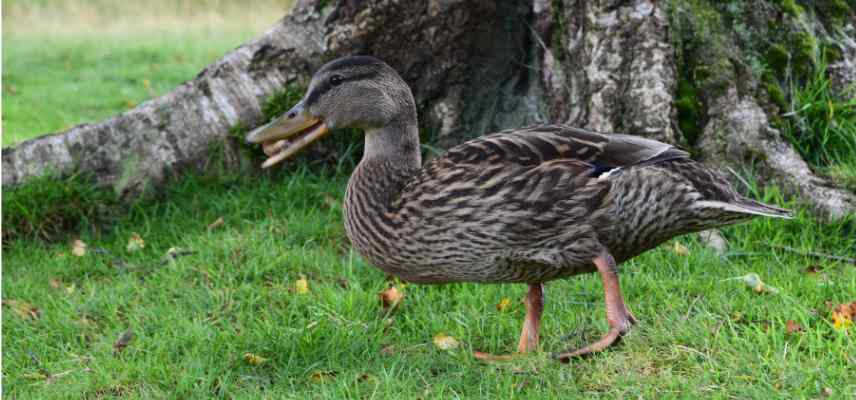
In addition to ecological benefits, ducks are also sociable and curious animals, bringing a pleasant and lively presence to your garden. Their friendly behaviour and their ability to interact with humans make them charming companions, particularly appreciated by families and children.
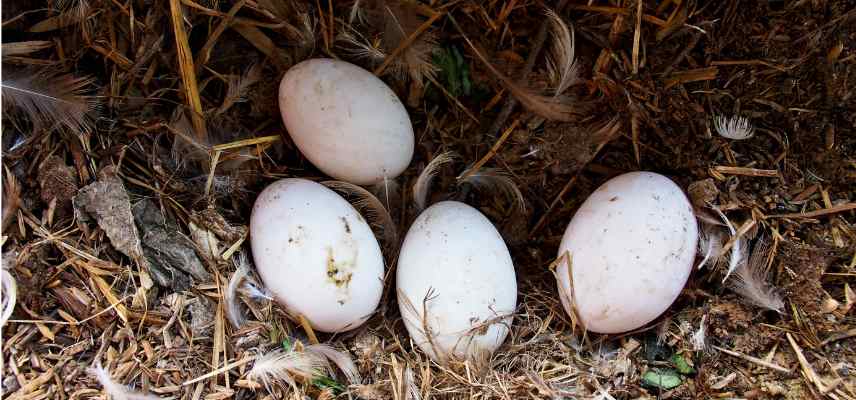
Moreover, some duck breeds (Rouen Clear or Pekin, for example) are renowned for their ability to lay regularly nutritious eggs, often larger and tastier than eggs from chickens.
Finally, ducks actively contribute to your garden’s maintenance. By foraging in the soil for food, they contribute to aeration and turning over the soil, thereby aiding the incorporation of organic matter and improving soil structure. Their presence can also help control invasive vegetation, as they feed on certain herbs and undesirable plants.
Warning! Ducks can uproot young plants and tender vegetables, so protect sensitive areas with low fences or nets. Create dedicated zones for the ducks so they can feed without damaging the plantings, and alternate their access to different parts of the garden to avoid too much pressure on a single area.
Choosing the right duck breeds
Each duck breed has its own characteristics and specific needs. Understanding these particularities will help you choose the breed that best suits your goals and environment.
Pekin duck
- Characteristics : white plumage, orange beak, medium size.
- Specific needs : requires a spacious shelter and a water source for swimming. Easy to feed with a balanced diet of grains and vegetables.
- Behaviour : calm and sociable, ideal for families and environments with children.
Please note : Pekin ducks are excellent layers, laying between 150 and 200 eggs per year. Their calm temperament and sociable nature make them ideal companions for families.
Light Rouen duck
- Characteristics : brown plumage with distinctive markings, yellow beak, large size.
- Specific needs : space to move about and swim, weatherproof shelter. Prefers a protein-rich diet for good egg production.
- Behaviour : docile and easy to handle, well suited to varied climates.
Please note : It can lay up to 150 eggs per year and is also prized for its tasty meat. Its docility and ease of care make it an excellent choice for those starting out with ducks.
Khaki Campbell duck
- Characteristics : light brown plumage, olive green beak, small to medium size.
- Specific needs : needs space to move freely and a night-time shelter. A nutrient-rich diet to maintain high egg production.
- Behaviour : active and energetic, it may require more frequent supervision to prevent boredom and stress.
Please note : The Khaki Campbell is renowned for its exceptional egg production, with up to 300 eggs per year. Although somewhat more energetic than the preceding breeds, it remains easy to rear for beginners thanks to its robustness and its ability to adapt to different types of environments.
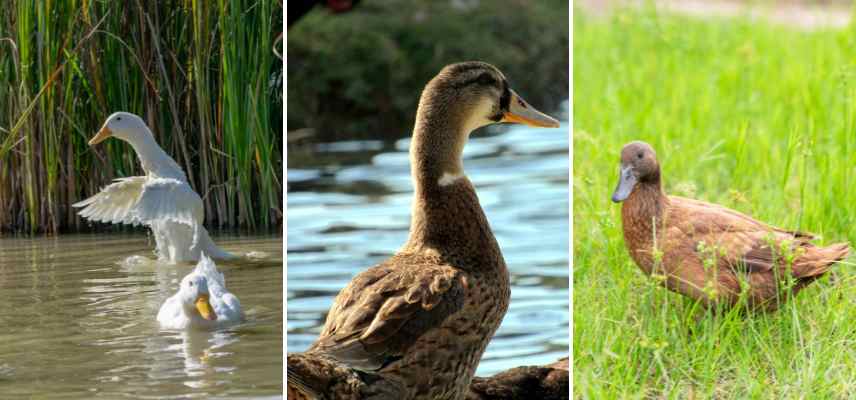
Pekin ducks, Rouen ducks and Khaki Campbell ducks
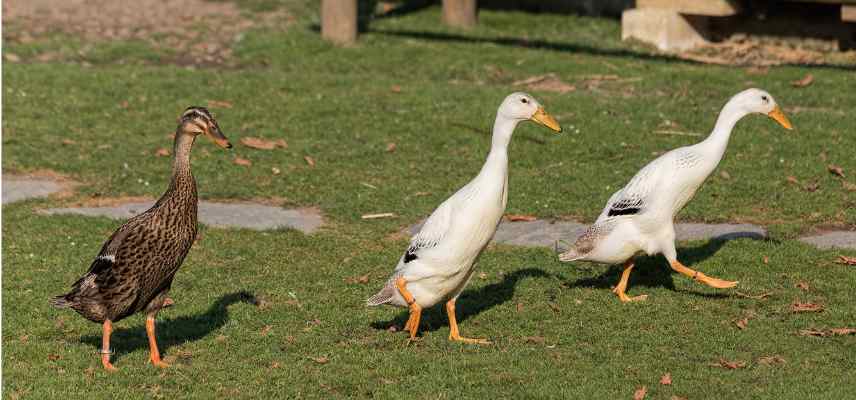
Indian Runner duck
- Characteristics : slender, upright body, varied plumage, very light.
- Specific needs : needs a large space to run and explore, a water source for swimming. A varied diet including insects and grains.
- Behaviour : very active and curious, excellent for controlling insects and slugs in the garden.
Please note : Indian Runner ducks are somewhat shy, they prefer quiet places and areas with hiding places that reassure them.
Get your garden ready to welcome ducks
Fences
Ducks are curious animals that enjoy exploring their surroundings. It is therefore crucial to install fences to keep them safe and protect them from predators such as foxes, dogs or birds of prey. Fences should be high enough (about 1.2 to 1.5 m) and sturdy to prevent them from escaping. Use fine-meshed netting to prevent ducklings from slipping through.
Shelters
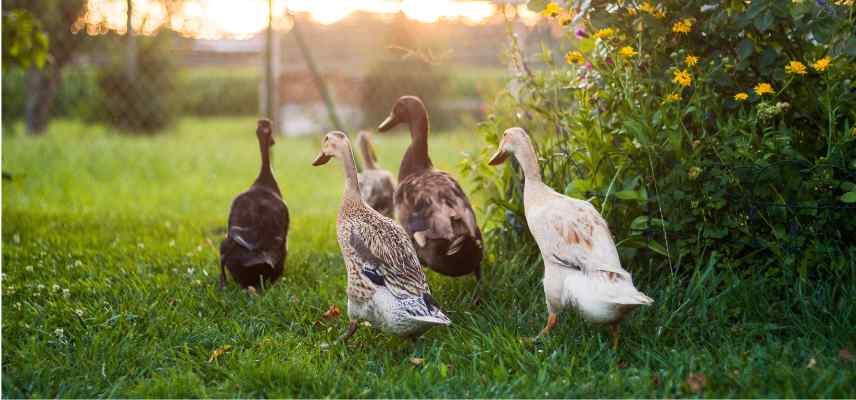
Ducks need shelter to protect them from weather and nocturnal predators. The shelter should be spacious, well-ventilated and easy to clean. Prefer a concrete floor covered with a litter layer (straw, wood chips) to aid maintenance. Shelter must also be insulated and, if possible, elevated, to protect them from extreme temperatures, in winter as well as in summer. Incidentally, although the expression “froid de canard” might suggest they are very cold-tolerant, this isn’t the case for all species and breeds.
Resting spaces
Ducks enjoy resting in quiet, shaded areas. Create resting spaces with plants and bushes to provide shade and hiding places. Raised platforms or small huts can also be installed to allow them to rest up high.
Water source: basin, pond or alternatives
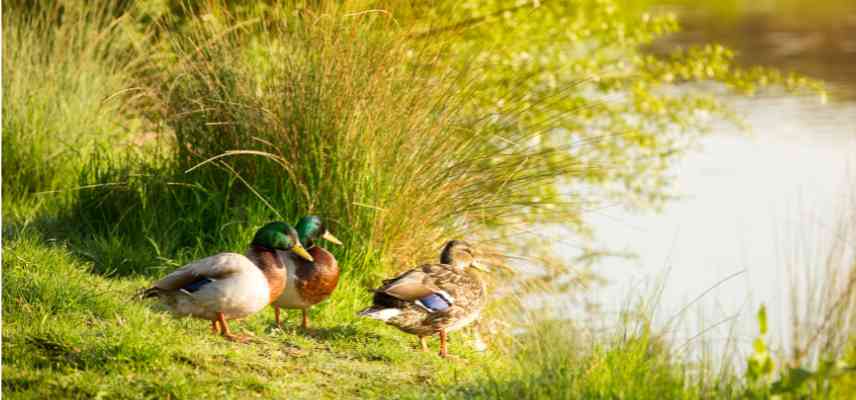
Ducks love water and need it to stay healthy. If you have space, a small pond or basin is ideal for your ducks. They enjoy swimming, bathing and foraging for food in the water. Make sure the basin or pond has gently sloping edges to allow ducks to enter and exit easily. A depth of around 30 to 50 cm is sufficient for most duck breeds.
If you cannot install a basin or pond, there are alternatives: you can opt for water troughs or children’s paddling pools. These containers should be large enough to allow ducks to swim and bathe. Change the water frequently to prevent stagnation and the buildup of dirt. Ducks also need clean drinking water at all times, so ensure they have fresh water every day.
Feeding ducks
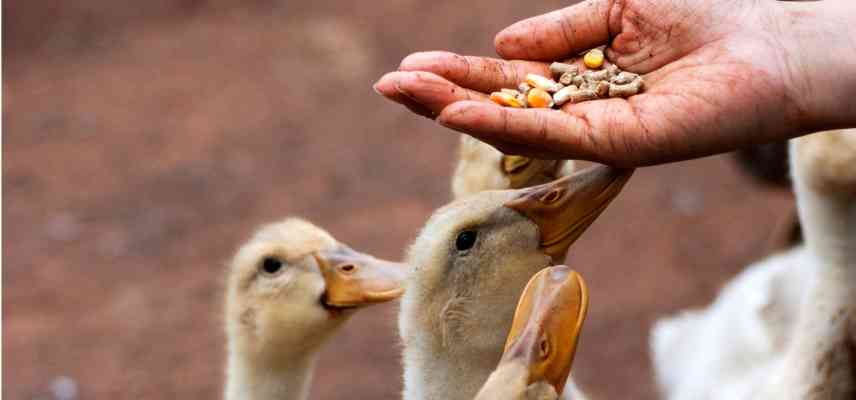
To ensure the health and productivity of your ducks, it is crucial to provide them with a balanced diet. A good diet mainly consists of grains, vegetables and supplements.
- Grains: Grains form a major part of ducks’ diets. Choose blends of grains specifically designed for ducks, available from animal feed stores. These blends typically contain maize, wheat, barley and oats. Ducks also enjoy sunflower seeds and peas, which are rich in protein and essential nutrients.
- Vegetables: Fresh vegetables are also important for a balanced diet. Ducks love green vegetables such as lettuce, spinach, cabbages, broccoli, carrots, peas or courgettes. Chop the vegetables into small pieces to make them easier to eat and to reduce the risk of choking.
- Supplements: Ducks may require supplements to complement their diet, especially if they cannot access a sufficient variety of food in their environment. Crushed oyster shells are an excellent source of calcium, necessary for the strength of bones and egg production. Commercial duck pellets often contain additional vitamins and minerals to ensure a complete diet.
Oliver’s little note: Store duck food in airtight containers kept away from moisture to prevent contamination by rodents and mould. Always feed your ducks fresh food: if you wouldn’t eat it yourself, don’t feed it to your animals! Thoroughly wash vegetables before giving them to remove any pesticide or contaminant.
Foods to avoid at all costs
- Bread and bakery products: Contrary to popular belief, bread is not good for ducks! It is low in nutrients and can cause serious digestive and growth problems. Bakery products can also contain harmful additives. In addition, some moulds can develop on bread and cause disease.
- Salty and sugary foods: Ducks should not consume salted or sugary foods. Salt can cause electrolyte imbalances and serious health issues, while sugar can lead to digestive problems.
- Avocado and chocolate: These foods are toxic to many animals, including ducks. They can cause heart problems, digestive disturbances and even death.
- Raw potatoes and potato peels: Raw potatoes contain solanine, a toxin for ducks. Potato peels can also be difficult to digest and cause intestinal blockages.
Winter feeding tips
In winter, ducks need more calories to maintain their body temperature. Increase the amount of grains in their diet to provide the energy they need. Whole grains such as maize and wheat are particularly effective at supplying extra calories. Complement their diet with additional protein sources such as peas, mealworms or protein-rich duck pellets. Nutrient-rich vegetables such as kale, spinach and broccoli are also particularly beneficial this season.
And don’t forget the water!
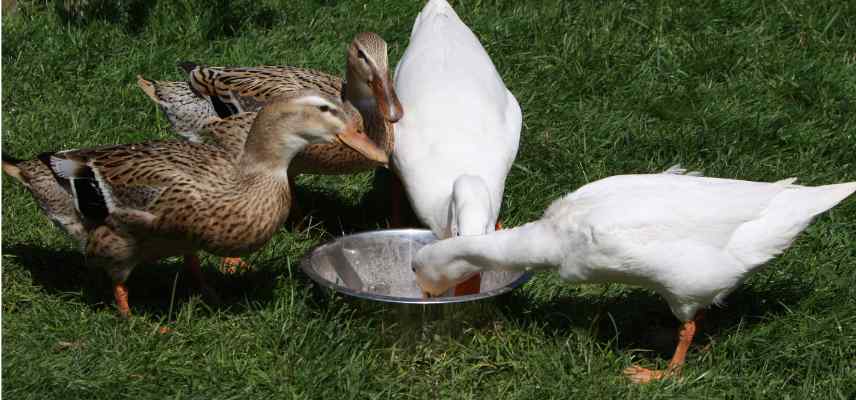
If your ducks do not have access to a pond or basin, you will need to provide water daily: in a trough, a children’s pool, or a simple weighted bowl so it doesn’t tip over too quickly (it should be large enough for the duck to dip its head) or via automatic waterers. Remember that the water must remain clean and available at all times for your ducks.
Oliver’s little note: in winter, ensure ducks always have access to unfrozen water. Check the water regularly to prevent it from freezing. Ducks need water to properly digest their food and stay hydrated.
Daily care and hygiene
Duck shelter cleaning
Clean the duck shelter at least once a week. In winter or in damp weather, you may need to do this more often to prevent the buildup of mud and mould. Remove the soiled litter layer and replace it with clean, dry litter. Use straw, wood chips or absorbent pellets. Regularly disinfect the floor and the walls of the shelter with a product safe for animals (available from specialist shops). Make sure the shelter is well ventilated to prevent excessive moisture and odours, which also helps to reduce the risk of respiratory diseases.
Cleaning water sources
Change the water in troughs and bowls at least once a day. Clean the containers with a brush and soapy water, then rinse them thoroughly to remove any soap residue. If you have a pond or basin, remove leaves, algae and other debris and install a filtration system to maintain water quality and prevent the build-up of organic waste. In the case of automatic drinkers, check daily that they are functioning properly and clean them according to the manufacturer’s recommendations to avoid blockages and contamination.
Disease prevention
Consult a veterinarian to determine whether vaccinations are necessary in your area. Some diseases, such as avian influenza, can be prevented through vaccination. Administer regular worming treatments to prevent parasitic infestations. Internal and external parasites can weaken ducks and make them more susceptible to infections.
Watch your ducks daily for any signs of illness, such as lethargy, loss of appetite, ruffled feathers or difficulty moving.
Oliver’s tip: Give your ducks enough space to move, swim and explore. Exercise is essential for their physical and mental health. You can also introduce enrichment elements (a term borrowed from zoos and wildlife parks where animal boredom is a primary concern) into their environment, such as floating toys, tunnels or perches to stimulate their curiosity and activity.
Behaviour and welfare of ducks
Ducks aren’t solitary
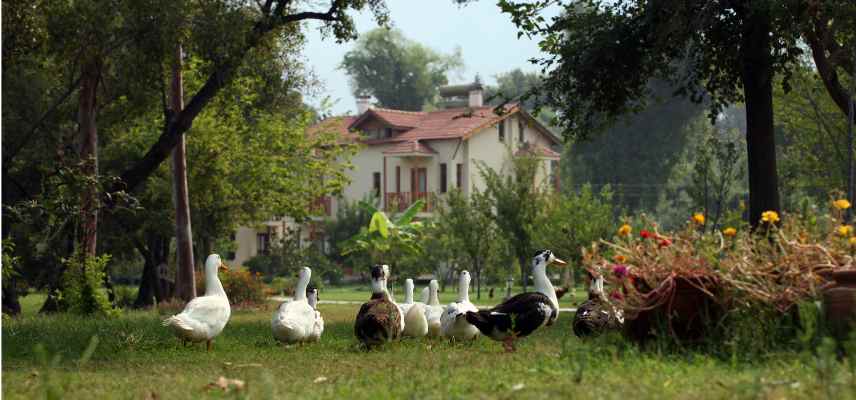
Ducks generally live in groups and develop a social hierarchy. In a group, there are often one or more leaders. This hierarchy can be observed through behaviours such as access to food or water sources, where dominant ducks go first. Ducks enjoy moving about and feeding in groups. This tendency to stay together helps them to protect themselves from predators and to find food more easily. If possible, raise several ducks together so they can interact and develop social bonds.
Ducks use a variety of vocalisations and body movements to communicate. Ducks emit sounds to warn of danger, call their fellow ducks or express their contentment. Head and body movements, such as wing-beating or head shakes, also play an important role in their communication.
Note: if you have other animals in the garden, introduce ducks to the other animals gradually, initially separating them with a fence. Provide enough space for each species and ensure they have separate shelters. Monitor initial interactions to prevent any conflicts (between ducks).
Stress in ducks
Signs of stress in ducks may include:
- Behavioural changes: stressed ducks may become more aggressive or, conversely, withdraw into themselves.
- Loss of appetite: a stressed duck eats less or refuses to feed.
- Ruffled plumage: feathers can become dishevelled or shed in greater numbers.
- Excessive vocalisations: frequent or unusual cries may be a sign of stress.
To avoid stress, ensure the ducks’ environment is safe and free from predators. Install secure fencing and put them into a shelter at night. Provide enough space so that each duck can move freely and avoid conflicts related to overcrowding. Ducks appreciate a stable daily routine. Try to feed and let your ducks out at regular times. Finally, handle ducks gently and regularly so they become accustomed to your presence and avoid perceiving you as a threat.
Breeding and rearing ducklings
Encouraging natural breeding
To encourage the natural breeding of ducks, create a safe and spacious environment with shelters and nesting materials such as straw. Maintain a ratio of one male to three to five females and ensure a nutritionally rich diet, especially calcium for strong eggs.
Care of eggs and ducklings
- Natural incubation : allow the female to brood the eggs in a quiet nest. Incubation lasts about 28 days.
- Artificial incubation : use an incubator at 37.5°C with humidity of 55–60%, increasing to 65–70% in the final days. Turn the eggs several times a day.
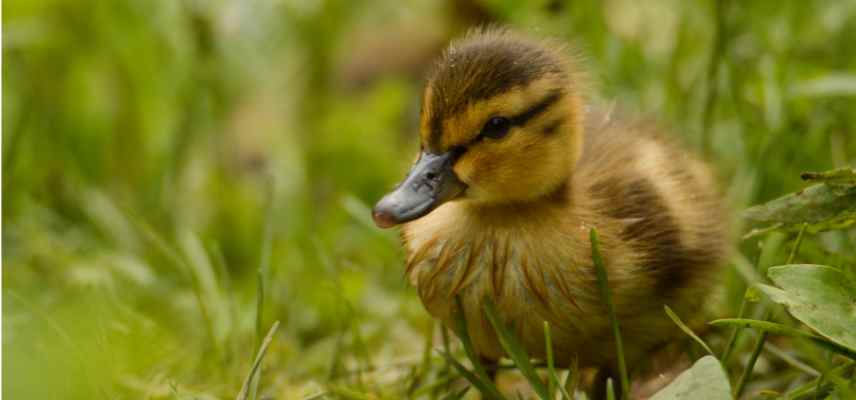
- Care of ducklings : maintain a temperature of 32–35°C during the first week, then gradually reduce. Provide clean water and a protein-rich diet.
Transition of ducklings to outdoor life
Wait until the ducklings are fully feathered (6–8 weeks) before taking them outside. Introduce them gradually with short supervised outings, increasing time outdoors each day. Ensure a secure outdoor environment with shelter available. Monitor interactions with adult ducks to avoid conflicts.
- Subscribe!
- Contents
Comments