





























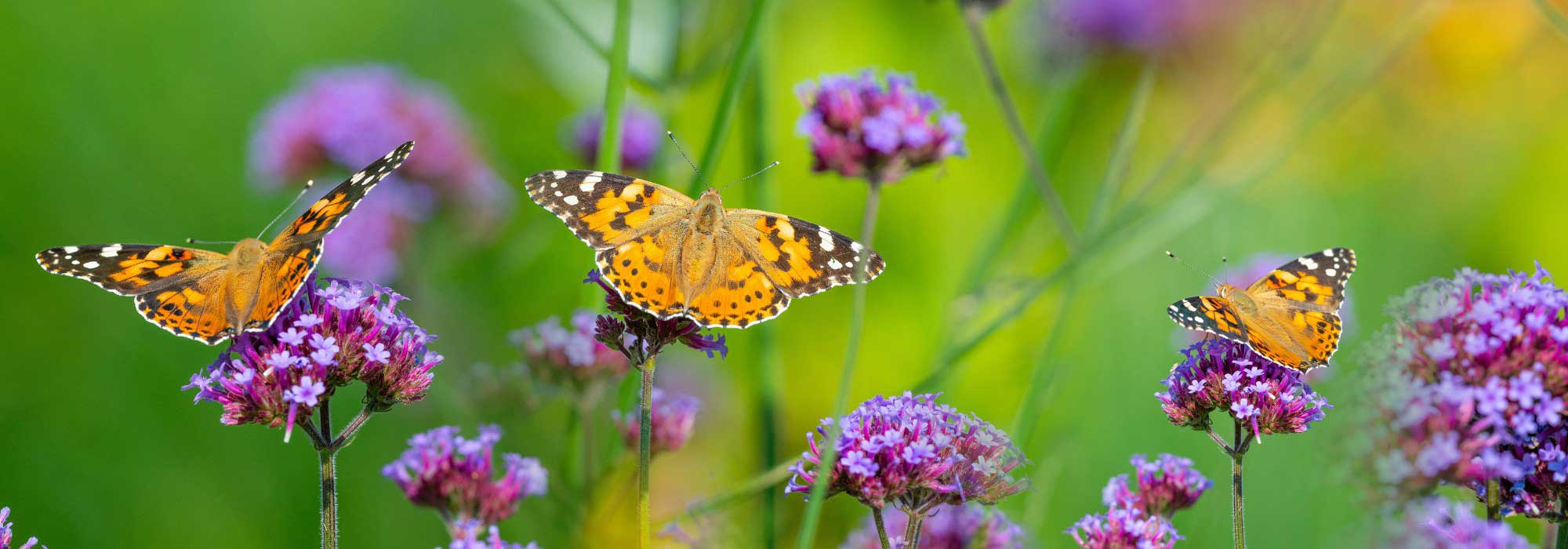
Butterflies in the garden: how to attract and welcome them naturally
Create a butterfly-friendly natural garden
Contents
Nothing beats the colourful ballet of butterflies to bring life and poetry to a garden! But beyond their delicate beauty, the butterflies play a vital role in the balance of our ecosystems. These essential insects are not merely pretty visitors: butterflies are pollinators, essential to the reproduction of plants. Their presence often reflects the health of an ecosystem. So why not offer them a little corner of paradise by creating a refugium for butterflies, planting butterfly flowers or nectariferous plants? Here are our tips for attracting butterflies to the garden or balcony and providing them with a favourable habitat, rich in nectar and in biodiversity.

The life cycle of butterflies and their role in the garden
Butterflies go through several stages of development: egg, caterpillar, chrysalis, and then adult. This life cycle of the butterfly varies by species and climate conditions, but lasts on average between one month and several months. Each phase has specific needs, which makes garden design crucial. As pollinators, butterflies help with fertilisation of flowers, thereby promoting abundant and diverse flowering. They also contribute to the food chain, providing food for many birds and insects. Their comings and goings in the garden bear witness to the presence of a balanced and welcoming ecosystem.
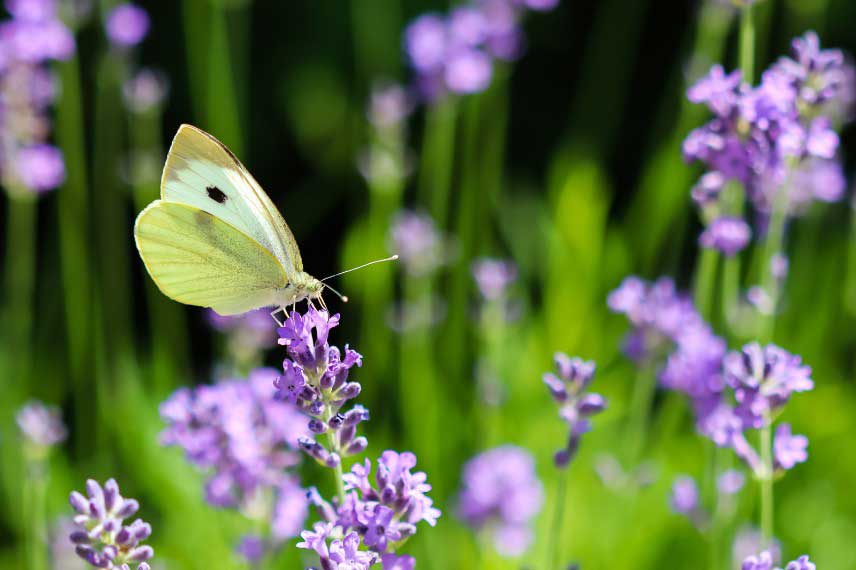
The Brimstone butterfly (Gonepteryx rhamni) on lavender
Read also
10 good reasons to let weeds growWhy attracting butterflies to your garden?
Today, butterflies are endangered by habitat loss, light pollution, and, above all, the use of chemicals. Encouraging their presence means choosing a natural garden without pesticides, more vibrant, balanced and environmentally friendly. Butterflies pollinate the garden’s flowers: as they feed on nectar, they also disperse pollen from the flowers, thereby enabling them to reproduce by bearing fruit and seeds. Moreover, their presence is a good indicator of the health of your green space.
Nectariferous plants, indispensable allies for attracting butterflies to the garden
To attract butterflies to the garden, you need to provide them with a regular source of food. Nectariferous plants are flowering plants that produce nectar, a sweet, highly energetic substance that adult butterflies feed on. The nectar is drawn by the butterfly’s proboscis directly from the heart of the flower. It is this resource that provides them with the energy required for daily activities: flight, reproduction, partner search. Here are a few must-have butterfly flowers:
- Buddleja or Butterfly Tree
- Echinacea, Buenos Aires Verbena, Lavender (Lavandula sp.), Eryngium
- Yarrow, Scabious, Autumn-flowering Asters, Sedum
Even on a balcony, attracting butterflies is entirely feasible. Simply choose nectariferous plants suitable for pot culture: lavender, Oregano, mints, thyme or verbena are perfect in containers. You can also plant a few host plants for caterpillars such as nasturtium or fennel in pots. Sun exposure, wind shelter and the diversity of flowering make all the difference, even in urban environments.
Tip: Stagger the flowering from March to October to ensure a continuous source of nectar.
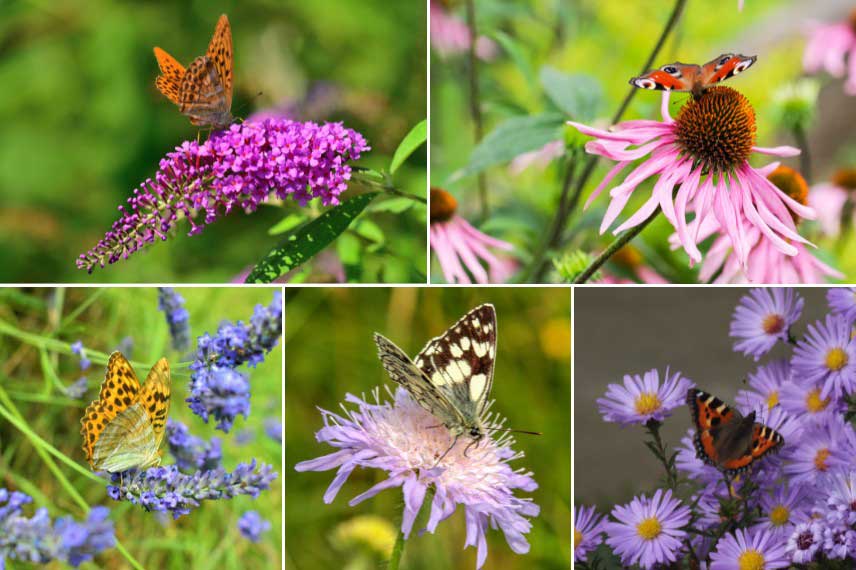
Some examples of nectariferous plants that attract butterflies: Buddleja, Echinacea, Lavender, Scabious and Asters
Read also
Butterflies' favourite flowersHost plants for caterpillars: key to a complete life cycle
To truly attract butterflies to the garden, simply offering nectariferous plants isn’t enough. For them to establish themselves in the long term, you also need to allow them to reproduce. And that involves incorporating host plants for caterpillars, essential to their life cycle.
Before becoming pollinator butterflies, these insects pass through the caterpillar stage, a phase where they feed on particular leaves. Each butterfly species is linked to one or more host plants: they are the only ones on which females will lay their eggs, and the only ones the young caterpillars can feed on.
No host plants, no caterpillars. And without caterpillars, no butterflies. Here are some example host plants to favour different species:
- Nettle (Urtica dioica) : it hosts several iconic species such as the Painted Lady, Small Tortoiseshell, or the Map butterfly. It is one of the best plants to keep in a quiet corner of the garden!
- Fennel, wild carrot, dill : these umbellifers are much appreciated by the caterpillar of the Machaon, a magnificent large yellow-and-black butterfly.
- Asters : They host the caterpillars of the Aster Cucullia and the Northern Crescent, two species that depend directly on this plant for their development.
- Catnip (Nepeta cataria) : It can shelter the caterpillars of Lintneria eremitus, the Xanthotype urticaria and the mint moth, which feed on the leaves of this plant in the Lamiaceae family.
- Wild grasses : Essential to many caterpillar species such as those of the skippers or satyrs; they provide a food source and sometimes a site for chrysalis formation.
- Wood violet (Viola odorata): it is the food plant of many fritillaries, elegant woodland butterflies.
- Nasturtium : often grown for its decorative value, it also attracts the caterpillars of certain pierid species.
Tip: Ideally, group these plants in a more natural, less-maintained area of the garden. This helps respect the butterflies’ life cycle and avoids inadvertently removing eggs or caterpillars during gardening tasks.
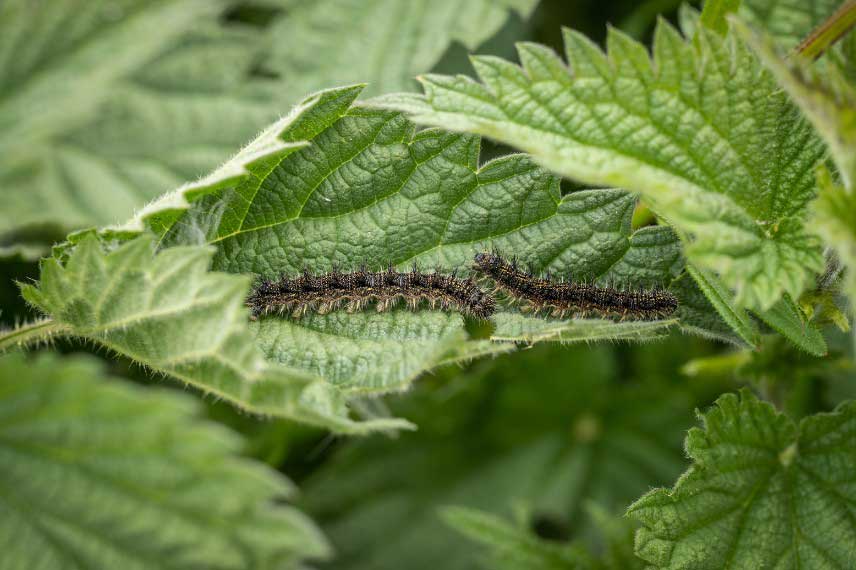
Caterpillars of the Small Tortoiseshell butterfly (Aglais urticae) on a nettle leaf
A natural garden, pesticidal-free and butterfly-friendly
Today, most amateur gardeners have already embraced a more environmentally friendly approach, abandoning chemical pesticides. This move towards a a natural, pesticide-free garden is excellent news for butterflies, which are highly sensitive to these substances, especially at the caterpillar or chrysalis stage. A garden without chemical treatments fosters the presence of beneficial insects, including the pollinating butterflies, but also all the small wildlife that depend on them.
Even so-called organic treatments can have harmful effects if applied to flowering plants or during periods of high insect activity. For a a butterfly-friendly garden, prefer:
- A preventive approach using beneficial plant associations
- Maintaining living, fertile soil
- Encouraging natural allies such as ladybirds, hoverflies, or insectivorous birds
- Soft and organic controls
Create a refugium for butterflies
Attracting butterflies to the garden is a first step. But for them to settle there long term, they need more than a simple pantry. Butterflies need places to land sheltered from the wind, to reproduce, to lay their eggs and to overwinter.
A butterfly refuge will meet all of their life cycle needs, from egg to adult. It is often a corner of the garden that is more natural, less mown, but rich in micro-habitats and in useful plants. A butterfly refuge does not need to be large to be effective. It can be a simple corner of the garden, a wild bed, or even a balcony planted with care (To read: How to attract butterflies to your balcony).
Here are a few simple ideas to create a suitable refuge:
- Leave a fallow area : a patch left unmown, a grassy slope or flowering meadow (sow a mix Flower fallow) provide both nectariferous plants, host plants for caterpillars and a discreet shelter for adult butterflies.
- Encourage natural structures : old walls, piles of stones, dead wood, hedgerows, dense shrubs… These elements serve as hiding places or shelter from the weather, or even as wintering sites for some species.
- Limit interventions : in autumn, avoid raking up dead leaves systematically or cutting all the dry stems. Some butterflies overwinter as a chrysalis attached to a stem or hidden under the litter layer.
- Plant by diversifying : by combining nectariferous plants, host plants for caterpillars, groundcovers, grasses and local perennials, you increase the chances of meeting the needs of several butterfly species.
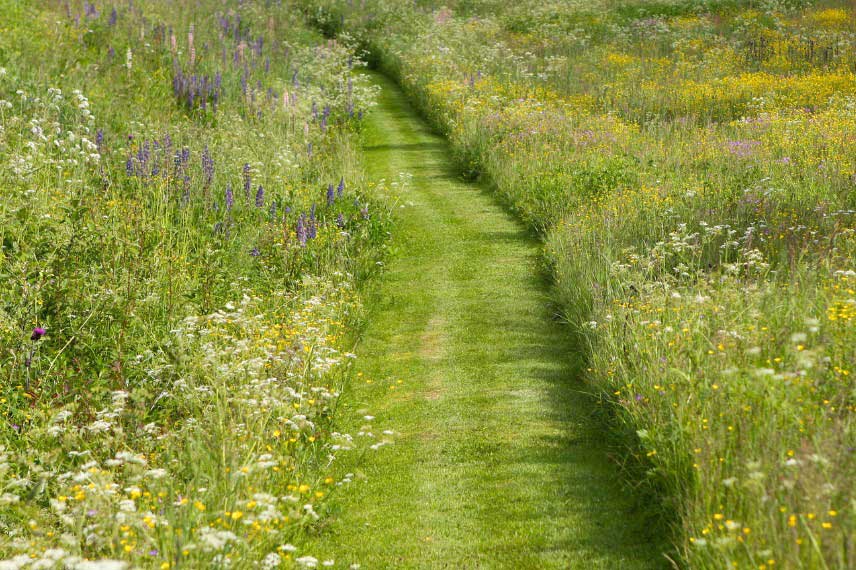
Create in your garden a few patches of flowering meadow where butterflies can feed on nectar
- Subscribe!
- Contents
Comments