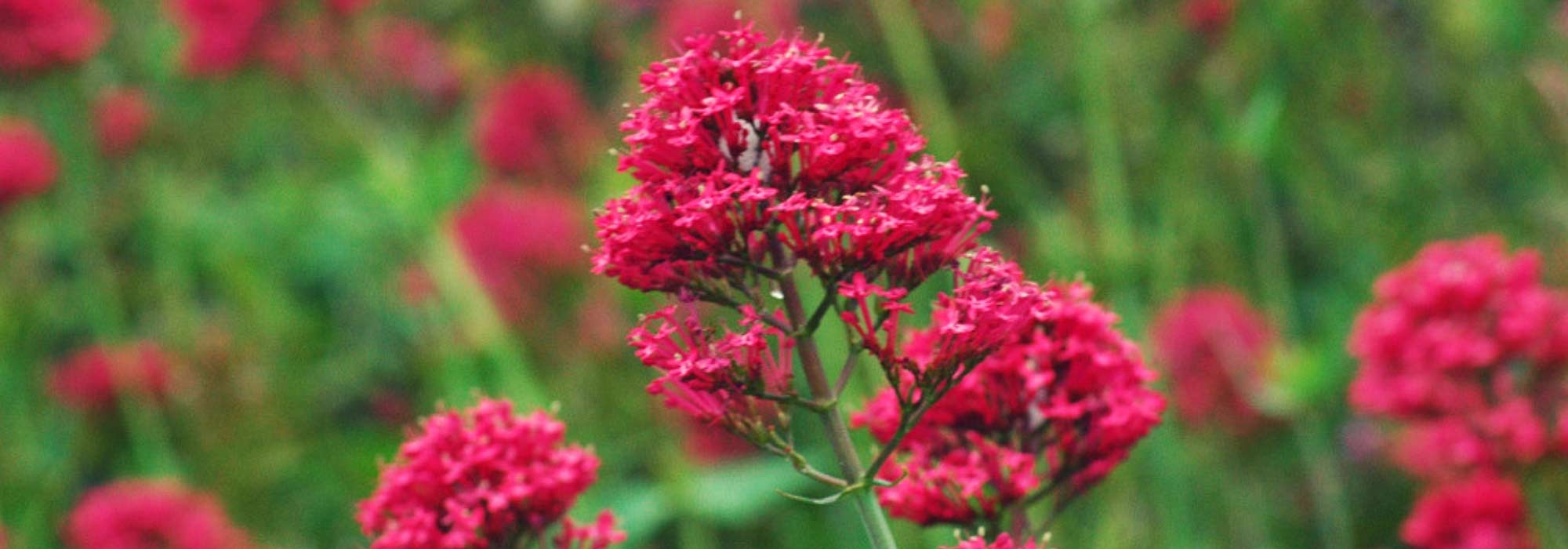
Spanish lilac, valerian: sowing, planting and care
Contents
Valerian or Centranthus in a nutshell
- Valerian is a floriferous perennial with very long flowering in pink, red or white from May to October
- Produces flowers for nearly six months of the year with no maintenance required
- Undemanding about soil type, provided it is well drained; naturally grows in dry, poor, sunny rockery soils
- Hardy, tolerates winter temperatures down to -20°C without flinching
- A pretty, almost foolproof plant, typical of country gardens and vicar’s gardens, where it self-seeds abundantly
A word from our expert
Valerian or Centranthus isn’t just a plant for combating tiredness! It is also an essential perennial in cottage gardens and vicar’s gardens.
There is the garden valerian or red valerian (Centranthus ruber), which thrives in poor, well-drained soils, even dry and, above all, very sunny, and its cousin the common valerian (Valeriana officinalis) which, from a cultivation point of view, prefers fresher soils, more fertile ground and partial shade.
Both are perennial plants that are easy to grow and self-seed wherever they please in rockeries, perennial borders, embankments and on old walls, needing no care and offering almost six months’ flowering a year!
Garden valerian’s flowers, white, pink or red, appear in abundance from May until early autumn.
Valerian is a medicinal plant used in capsules and herbal teas; its root has stress-relieving properties that help sleep.
Very floriferous, hardy and undemanding, often wayward in habit, valerian is one of those almost foolproof perennials that deserve a place in every garden. Discover how to plant common valerian, carry out pruning of garden valerian or sow valerian seeds!
Description and Botany
Botanical data
- Latin name Centranthus
- Family Caprifoliaceae, Valerianaceae
- Common name Centranthus, False valerian, Red valerian, Spanish lilac, Jupiter's beard, Cat's herb
- Flowering May to autumn
- Height 0.45 to 1 m
- Sun exposure sun or partial shade
- Soil type any, well-drained
- Hardiness -20°C
Centranthus, or valerian, is a perennial herbaceous plant that has recently been placed in the family Caprifoliaceae alongside honeysuckles and no longer in the Valerianaceae like its close relative, common valerian (Valeriana officinalis).
It grows naturally in gravel as well as in clay, in undergrowth, wet meadows, stream banks or along roadsides, on dry slopes and rockeries of mountainous regions worldwide, especially in Mediterranean areas from southern Europe to Asia Minor. It has naturalised in many regions of France.
Genus Centranthus includes eight species, perennial, annual or biennial. The few cultivated species are valued perennials for their flowering.
The most widespread species is Centranthus ruber, Red valerian, false valerian, more often called garden valerian or Spanish lilac and its cultivars. Common valerian or “Guérit-Tout”, which belongs to a different genus, Valeriana, is also frequently found in our gardens where it has been grown for its medicinal properties since antiquity.
From a woody, fragrant crown, anchored on short rhizomes, valerian forms a rounded, bushy, branched clump, with an upright to loose habit. The plant has a somewhat lanky appearance. It typically reaches 60 to 80 cm in height for 50 cm in diameter, but can reach up to 1 m tall if soil suits it. Growth is rapid and the plant is long-lived in dry, poor soil.
Centranthus roots give off a characteristic scent, rather unpleasant but so attractive to felines that it earned the nickname “Cat’s herb”.
Stems are cylindrical, smooth, hollow, fleshy but brittle, covered in a pruinose bloom and branched at the tip, bearing small deciduous to semi-evergreen leaves depending on climate severity.
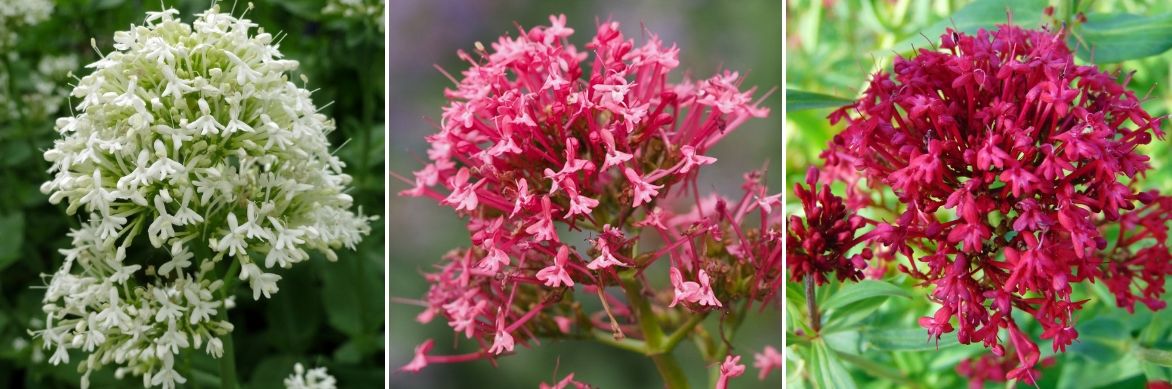
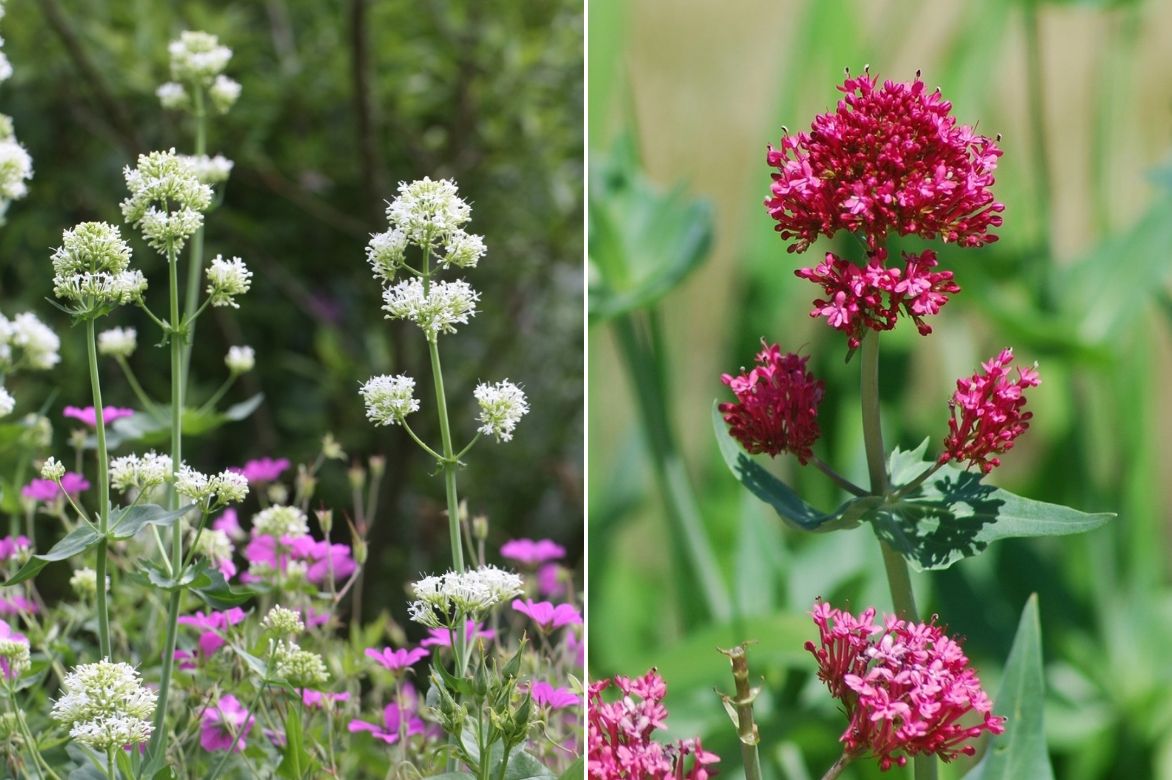
Several colours of Red valerian: Centranthus ruber ‘Albus’, Centranthus ruber, Centranthus ruber ‘Coccineus’ (photo PAP)
Glabrous, fleshy leaves are opposite along the stems, simple, entire or pinnatisect towards the base of the clump, ovate, elliptical to lanceolate. They are made up of 3 to 10 pairs of toothed leaflets. Basal leaves are shortly petiolate, upper leaves are sessile and sheathing.
Thick, they range from 2 to 20 cm long and are jade green, bluish-green or grey‑green. Valerian foliage is aromatic; although fairly unpleasant smelling, it can be used in salads. While valerian roots are mainly used for their therapeutic virtues, the foliage also has medicinal properties, antispasmodic and sedative.
Very free-flowering, valerian provides a profusion of slightly scented flowers from spring to late summer.
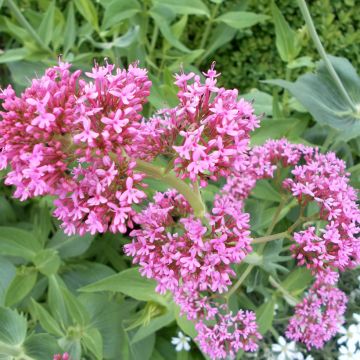
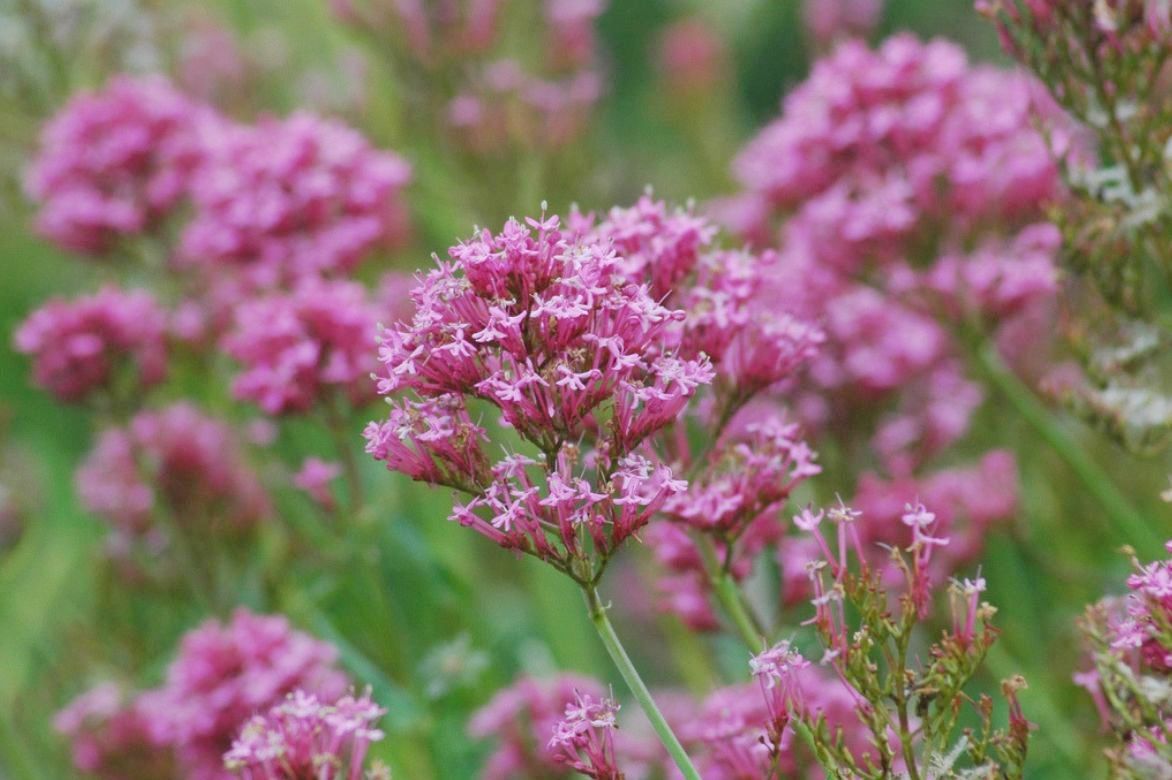
From May until the first frosts in October, tiny star-shaped flowers, 2 to 5 mm long and flattened, appear above the foliage, grouped in branched corymbs or compact panicles at the ends of the fleshy stems.
Red valerian flowers are funnel-shaped. The corolla, composed of five petals, differs from other valerian species as it is equipped with a long nectar-filled spur.
Flowering usually covers all shades of pink, from carmine pink to lavender-pink and even red; flowers are sometimes white or a pretty pale pink in common valerian.
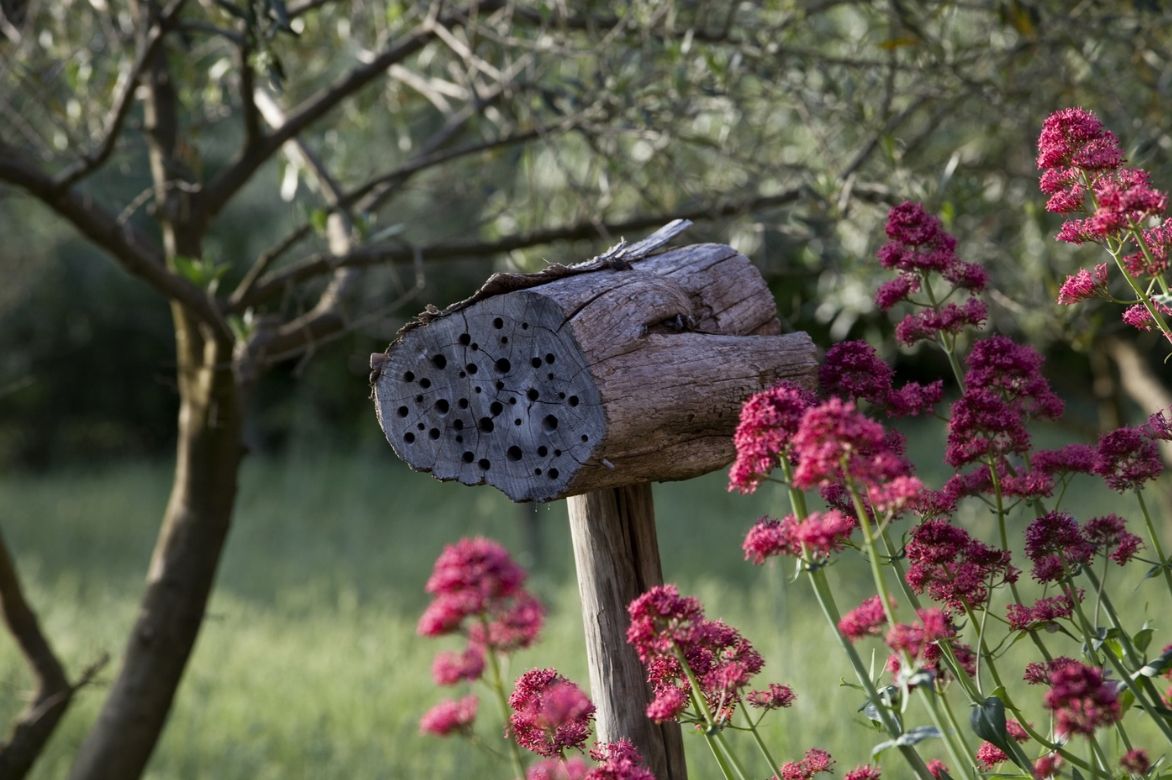
(©Philippe Giraud-Biosphoto)
They give off a subtle sweet, penetrating scent when in bloom and make excellent cut flowers for summer bouquets.
This very abundant and particularly nectar-rich flowering attracts a constant stream of butterflies, bees and bumblebees throughout the summer.
These delicate little flowers give way to small plumed achenes that the wind scatters here and there, sometimes in unusual places; it is not uncommon to find them between the stones of a dry‑stone wall and in the smallest sunny crevices!
Hardy to below -20°C, resistant to summer drought and sea spray, valerian can be planted throughout France. Undemanding about soil type, it grows in sun, indifferent to stony or clay soils, although it prefers light, calcareous, poor and dry soils. Its cousin, common valerian, prefers cool, moist ground and preferably semi-shaded conditions.
Centranthus is an almost foolproof plant, a boon for scree gardens, dry rockeries and for flowering the gaps in dry‑stone walls. It is an essential perennial in a wild, country-style garden or a vicar’s garden, where it will bring presence to a large rockery, a big perennial border or sunny, barren banks.
Centranthus ruber and Valeriana officinalis are both known for their sedative and relaxing properties.
Main species and varieties
Few species are grown in our gardens; mainly Centranthus ruber, garden valerian or red valerian. This robust species is available in a few cultivars with pink or white flowers. Valeriana officinalis is also often found at pond edges, in shaded areas or in our vegetable plots.
They both flower abundantly from mid-spring until the end of summer and tolerate any well-drained soil.
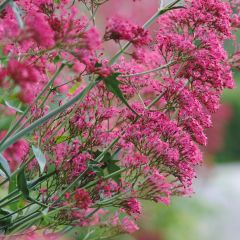
Centranthus ruber
- Flowering time June to September
- Height at maturity 70 cm
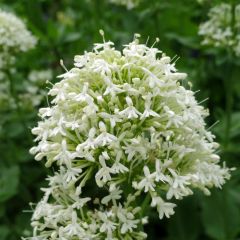
Centranthus ruber Albus
- Flowering time June to October
- Height at maturity 80 cm
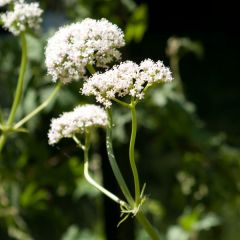
Valeriana officinalis
- Flowering time June to August
- Height at maturity 1,20 m
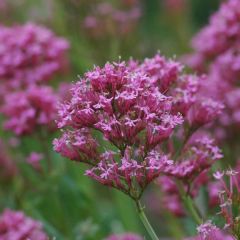
Centranthus ruber Kempenhof
- Flowering time August to October
- Height at maturity 80 cm
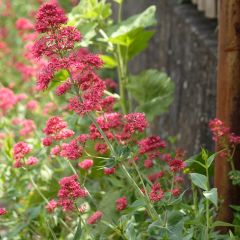
Centranthus ruber Coccineus
- Flowering time June to October
- Height at maturity 80 cm
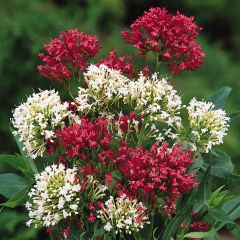
Centranthus ruber Star Ruber Mixed - Red Valerian Seeds
- Flowering time June to November
- Height at maturity 1 m
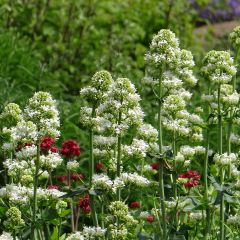
Snowcloud Garden Valerian Seeds - Centranthus ruber
- Flowering time June to November
- Height at maturity 1 m
Discover other Centranthus - Valerian
View all →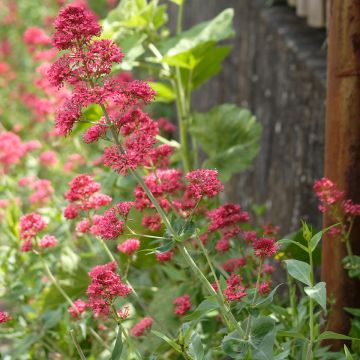
Available in 3 sizes
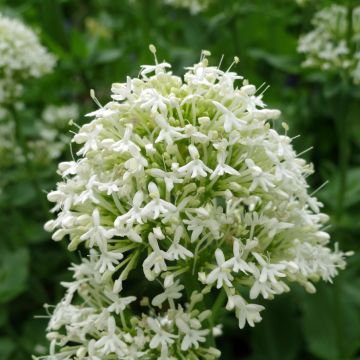
Available in 2 sizes
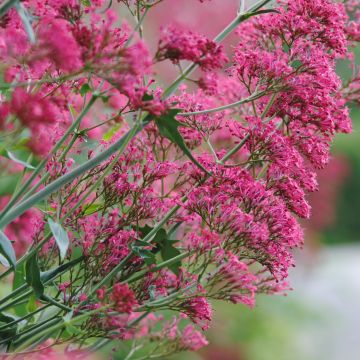
Available in 2 sizes
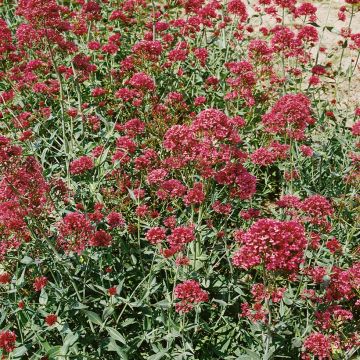
Available in 1 sizes
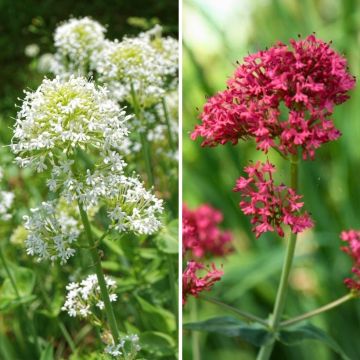
Available in 0 sizes
Available in 1 sizes

Available in 1 sizes
Available in 1 sizes

Available in 2 sizes
Available in 1 sizes
Planting
Where to plant Valerian or Centranthus
Hardy to below -20°C, drought-tolerant in summer and resistant to sea spray, Valerian adapts to all types of climate. Undemanding about soil type, it is an undemanding plant comfortable in harsh conditions. It grows naturally on poor, dry, sunny soils. Although it tolerates any well-drained soil, it prefers dry, light, stony, even calcareous and poor soils. Give it a sunny or lightly shaded position: it can sometimes flop over while seeking light.
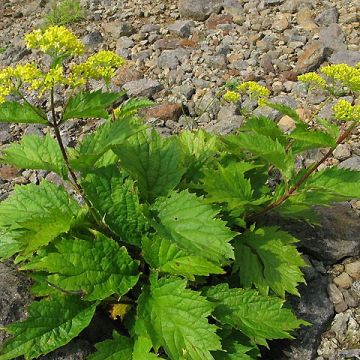
Although it can also grow in any soil, Valerian (Valeriana officinalis) will do better in rich, cool, moist soil that is well drained and in partial shade.
With its rustic, welcoming habit, Valerian adds charm to informal country or cottage-style gardens, where it self-seeds naturally among trees and shrubs.
With its fast growth, garden valerian is ideal for quickly flowering a poor embankment, an old unsightly wall or a brand-new garden — it is a born coloniser!
It asserts itself in Mediterranean gardens, in dry or gravel gardens, in flowerbeds, on embankments, dry rock gardens, and perennial beds scorched by the sun, always adding a light, airy touch to summer displays.
Valerian will be more at home at pond edges, in a shaded understorey or in a cool border or rockery.
Highly melliferous, valerian flowers are useful in the vegetable plot.
When to plant Valerian
Valerian can be planted either in spring, from February to May, or in autumn, from September to November, outside periods of drought and frost.
How to plant Valerian
In open ground
To plant garden valerian or Centranthus ruber do not add compost or fertiliser at planting, only a few handfuls of stones or a shovel of gravel to improve drainage as it has a clear preference for light soils.
Conversely, to plant Valerian (Valeriana officinalis), there is no need to add sand; instead make a supply of compost, as it likes rich, compact but well-drained soils that are a little cool and moist.
For a quick, attractive effect, plant at least 7 to 9 plants per m² spaced 30 to 60 cm apart in all directions.
- Soak pots in a basin of water for 15 minutes before planting
- Dig a hole 2 to 3 times the volume of the root ball
- Loosen the soil well, thoroughly remove roots and stones
- Spread a good layer of gravel and sand at the bottom of the hole
- Place the root ball in the middle of the hole
- Fill the hole with the excavated soil, optionally mixed with river sand
- Firm down lightly
- Water once a week to ensure establishment
When and how to sow valerian seeds
How to sow valerian under cover
Valerian is sown from March to June. You can collect seeds from your garden from June until the first frosts or choose them from our collection of red valerian or Centranthus seeds. Germination takes 21 to 30 days.
- Broadcast seeds over a seed tray filled with potting compost
- Cover seeds lightly with potting compost
- Press down lightly and water thoroughly with a fine spray
- Place seedlings in light, out of direct sunlight, at 18°C to 20°C
- Transplant seedlings into pots when about 5 cm tall
- Plant out young plants in garden in late May to early June when temperatures are warm enough
- Space plants about 30 cm apart
How to sow valerian outdoors
If plants begin to develop the following spring, be patient as they will only flower three years later.
- In May, in well-warmed, well-worked soil, broadcast your valerian seeds thinly and evenly
- Cover with a thin layer of potting compost
- Firm down
- Water thoroughly with fine spray then keep soil moist until germination
- Thin out, leaving one plant every 30 to 60 cm
Maintenance, pruning and care
How to care for garden valerian or false valerian
Once established, garden valerian or red valerian becomes unobtrusive. It is so robust that it can do without watering, except when planted in high summer, and requires almost no maintenance. In well-drained soil, valerians have no pests and are disease-resistant.
Water once a week during first summer after planting, but avoid excess.
No fertiliser is necessary as garden valerian is an undemanding plant.
Taller valerians may flop and require staking.
Deadhead spent flowers regularly to encourage renewed flowering and, after first flowering, cut back spent stems by half to encourage a repeat flowering later in season.
It tends to self-seed readily in unexpected places if you have not cut all flower stalks. Leave stalks to go to seed if you want spontaneous seedlings.
How to care for and harvest common valerian
Common valerian, unlike its garden cousin, is more demanding: make applications of organic fertiliser in spring and autumn.
Water more regularly in summer as it prefers soil that stays moist.
Harvesting valerian roots
Roots of common valerian contain active compounds well known for their sedative and calming properties.
In autumn, using a fork or spade on well-established clumps, lift the roots. They are best consumed fresh, usually as an infusion, but flavour is very bitter.
Pruning valerian
Cutting back is recommended after flowering as it encourages growth of new, neater foliage.
In late winter, February–March, using a pruning shear, cut entire clump back to 10–20 cm above ground to encourage branching.
Every 2–3 years, in spring or autumn, divide clumps to rejuvenate plants.
Multiplication
Valerians self-seed abundantly and spontaneously, often in unexpected places if not cut back immediately after flowering. Seeds should be harvested at maturity if you have not cut all the flower stems; otherwise choose from our valerian seeds. Division of clumps is also easy.
By sowing
Multiplication of valerian by sowing therefore remains a simple operation, but you can also collect and transplant spontaneous seedlings once seedlings have 5 or 6 leaves. Bear in mind that spontaneous seedlings are rarely true to the parent plant; colours are unpredictable. For successful sowing of our valerian seeds, read our tips above.
Learn more in our tutorial: Valerian, Spanish lilac: how to propagate it?
By division
Valerian clumps are divided in March on mature, well-established plants.
- Use a digging fork to lift the stump gently
- Separate a few rooted pieces of clump
- Replant immediately into well-worked soil
- Water regularly to encourage establishment
Companion planting valerian in the garden
With its somewhat loose habit, Valerian is a reliable choice for informal, soft-focus planting, country gardens, wild areas and vicar’s gardens. Easy to combine, Valerian grows freely in a garden, quickly filling gaps between vicar’s garden perennials such as hollyhocks and foxgloves or summer-flowering shrubs such as lavateras or hibiscus.
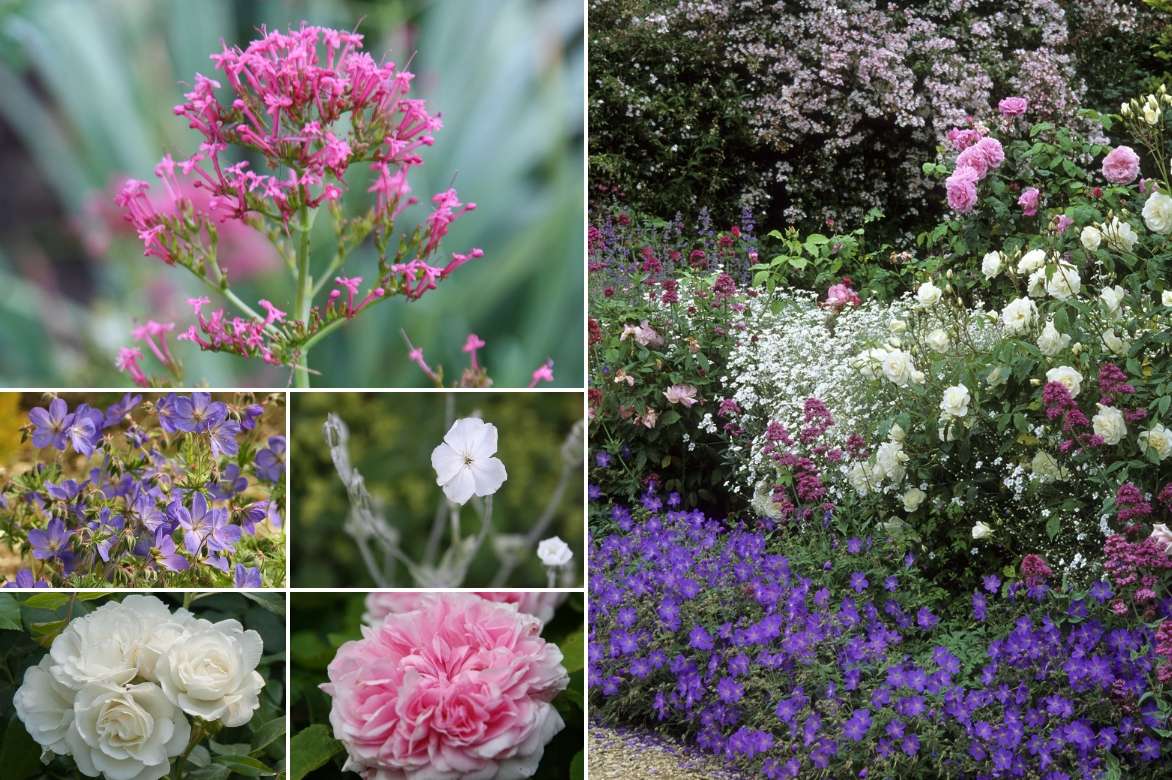
An example of a country-style pairing: Centranthus ruber, Hardy geranium ‘Johnson’s Blue’, Rose ‘Iceberg’ and a pink rose such as ‘Jacques Cartier’, Lychnis coronaria ‘Alba’ against a backdrop of Deutzia ‘Mont Rose’ (photo ©Andrew Lawson Flora Press – Biosphoto)
Valerian is indispensable in a pink garden or white garden, where it adds a charming, romantic touch.
In a dry naturalistic garden, pair it with euphorbias, centaureas, poppies and Damask nigellas.
Its slightly diffuse habit benefits from being placed near more architectural plants such as bearded irises, ornamental alliums or eryngiums.
For a profusion of small flowers in an impressionist composition around a few valerian plants, combine easy-to-grow perennials with generous flowering such as potentillas and hardy geraniums; they will spread in all directions and flower from May to August with no maintenance.
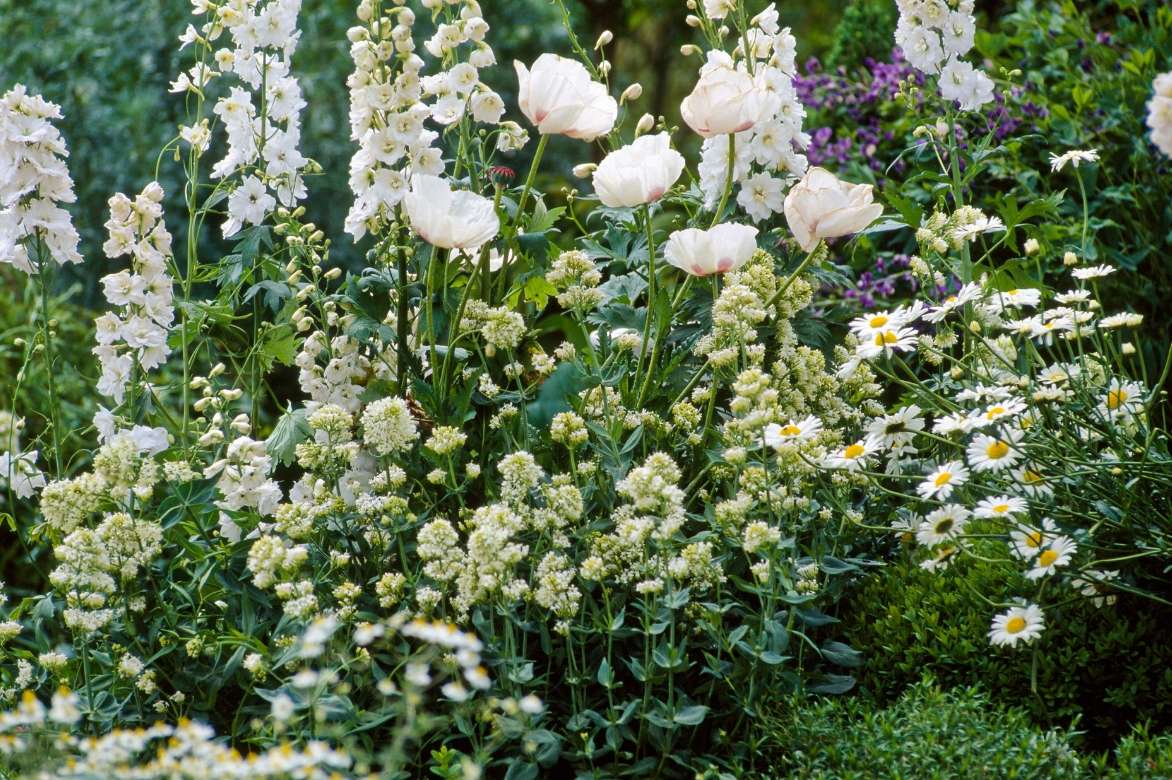
Another example of a tone-on-tone pairing: white delphinium such as ‘Galahad’, Oriental poppy such as ‘Perry’s White’, Centranthus ruber ‘Albus’ and a daisy such as Leucanthemum superbum ‘Becky’
With its true-pink flowers, Valerian holds its own in soft colour palettes: favour delicate pairings with silver-foliaged plants such as artemisias, Echinops sphaerocephalus, helichrysums, dianthus, sedums or lavenders.
In mid-summer, its soft tones combine well with achilleas, monardas, agastaches, coreopsis, gauras, phlox, sea thrift, cosmos. You can also mix valerian with its white-flowered cousins to create beautiful colour masses.
Red centranthus or red valerian is perfect planted among herbaceous peonies and at the base of roses, where it adds an extra touch of grace and colour.
On a low wall, valerian will thrive alongside alyssums, campanulas or aubrietias.
Useful resources
- Our most beautiful collection of valerians is here!
- Valerians make their mark in a pink garden and in so romantic settings!
- What to plant alongside centranthes in a sunny naturalistic garden?
- Subscribe!
- Contents
This form is protected by reCAPTCHA - the Google Privacy Policy and Terms of Service apply.

































Comments