





























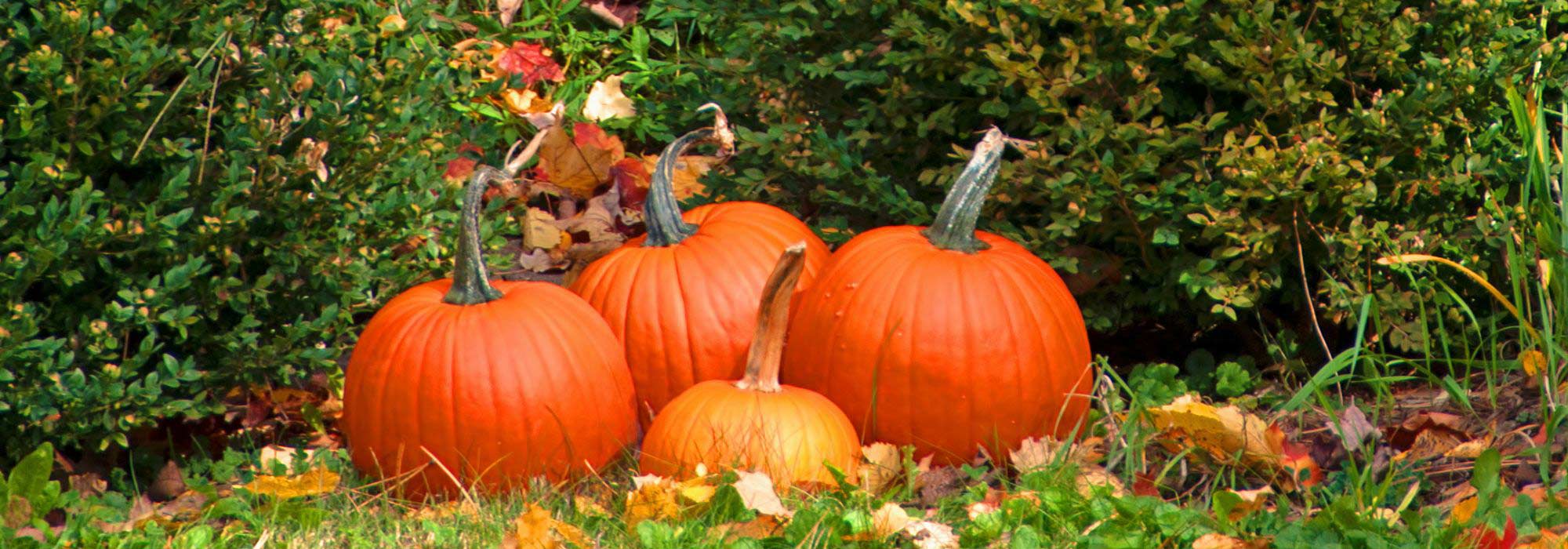
What to do in the garden in November?
A perfect month for planting
Contents
November is synonymous with dreariness and <strong;brings rain and frost. The days have considerably shortened, and nature has entered a state of dormancy. Fortunately, it is also the time for planting, cleaning, and sometimes even reworking the garden!
Since “at St. Catherine’s, all wood takes root,” let’s take advantage of the assessment from last summer to replace the plants that did not survive with champions of sobriety, both hardy and heat-resistant: perennials and shrubs that are foolproof; they have much to offer and generally require very little maintenance. To organise your gardening schedule in this busy month, discover the gardening tasks to plan for November.

On the side of trees, shrubs, and fruit plants
November marks the start of bare root planting: these trees and bushes will have more time to settle in and will be less thirsty next summer. However, remember to water them regularly throughout their first summer.
Ornamental Trees and Conifers
- Plant bare root trees and consider installing stakes and incorporating good compost at the bottom of the planting hole.
- Most conifers are sold in containers. Plant them now, along with a few varieties sold as bare roots, such as Scots Pine, Thuja plicata ‘Excelsa’ often used in hedges, and Serbian Spruce.
- Carry out necessary pruning to restore a balanced shape to the trees and remove dead branches. Cover wounds with a tree wound dressing. Avoid severe pruning and large cuts that can harm the trees… discover Olivier’s “outcry” on this subject!
Fruit Trees and Berries
- Start planting bare root fruit trees and berries avoiding frost periods. To help you choose, check out our articles: Apple Trees: The Best Varieties and Pear Trees: The Best Varieties.
- Quinces are self-fertile, so you can plant just one that will generously produce delicious fruits for many years.
- If you are planting peaches or apricots, these fruit trees bloom early, and late frosts can ruin your entire crop. Provide them, if possible, with a location sheltered from prevailing winds. In colder regions, train these fruit trees against a wall for protection.
- Finish harvesting late apple and pear varieties. Not all fruits ripen at the same time: feel free to stagger the harvest over several days. These fruits continue to ripen even after picking, so it is possible, even recommended (especially for certain pear varieties), to harvest fruits that are not fully ripe for better storage (about 1 to 2 weeks before full ripeness). Store them in a dry, ventilated, light-protected and cool place, but frost-free.
- Harvest the first persimmons, particularly those from the Fuyu Persimmon Diospyros kaki; from the end of October, it produces sweet, vitamin C-rich fruits. The Fuyu persimmon is non-astringent and can be eaten firm, directly after harvest. If you wish to plant a persimmon tree, choose a very sunny and sheltered spot. It thrives in all types of well-drained, rich soils. If planting multiple trees, space them 5 to 7 m apart in all directions.
- Quinces reach maturity in November and are ready for harvest. Be careful, these fruits should not be stored with apples and pears and do not keep for more than 3 weeks. It is best to cook them as soon as possible into jellies or compotes. They can also be frozen after peeling and cutting into quarters.
- Cuttings of blueberries on lignified wood, that is, from last year’s wood, can still be taken in November.
- In southern regions, where the climate is mild, you can prune fig trees just after harvest, that is, between October and November.
- On trees affected by fungal diseases (rust, leaf curl, scab…), a treatment with Bordeaux mixture at leaf fall helps combat these diseases. Be cautious with overdosing: ensure you follow the manufacturer’s prescribed doses.
- Collect and dispose of rotten fruits that have fallen to the ground or are still present on the fruit trees.
- Cut back dried raspberry canes.
Shrubs
- Plant bare root shrubs such as Amelanchier lamarckii, Hawthorns, Buddleias, Lilacs, Cinquefoils, Flowering Currants, or Willows. The range of bare root shrubs available is vast and will not only provide you with robust, well-developed plants but also save you money on your outdoor landscaping.
- Is frost likely to hit soon? Prepare protection for the most tender plants (bananas, palms, Lagerstroemias…).
- November is a good time to propagate Hydrangeas by dividing clumps or taking a fragment with 2 or 3 shoots with enough roots.
- Autumn Camellias, also known as Camellia sasanqua, bloom between autumn and winter. Often fragrant, their flowers continue to bloom as long as the severe frosts are delayed, so it is not uncommon to see them flowering until December-January. Plant them this November in cool, humus-rich soil and prefer a sheltered location, in a grove or against a north-facing wall. In heavy or chalky soil, be sure to add genuine heather soil.
Hedges
- Plant bare root hedge shrubs (hornbeams, beeches, etc.). The vast majority of species available as bare roots are deciduous, but there are a few exceptions, such as plants of yew, boxwood, cotoneaster, or cherry laurel, particularly resilient and vigorous plants that adapt well to this cultivation method.
- In temperate regions, finish pruning thuja and chamaecyparis hedges.
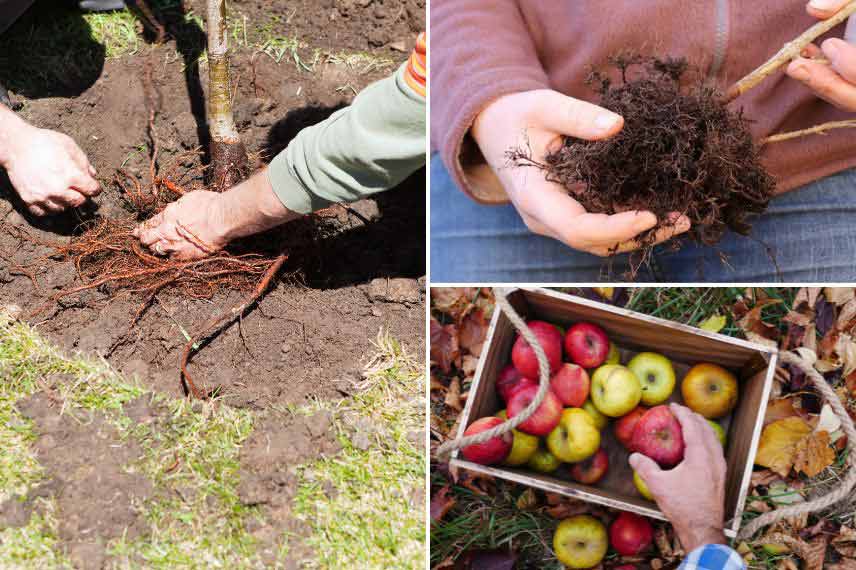 Plant bare root trees and shrubs and harvest the last fruits from the orchard.
Read also
What to do in the garden in October?Perennials, bulbs, climbing plants, and grasses
In November, take advantage of the falling leaves to mulch the beds of perennial plants after weeding them. The plants will be protected for winter, and you will also fertilise the soil. Additionally, the soil will degrade much less under the effects of the weather.
Perennials
- Plant perennials, especially Chrysanthemums, which are stunning this season to brighten up the beds.
- Cut the dried stems of the perennials down to the ground.
- Cut the last flowers for dried bouquets. If necessary, finish drying them by hanging them upside down in a ventilated area.
- November is the time to divide herbaceous peonies and divide perennials that flower in spring or summer. Replant them immediately and remember to water them.
- Divide summer heathers (between September and November) outside of frost periods. Winter heathers should be divided in spring, after flowering.
- Add some compost to the perennials before winter; they will be more beautiful and vigorous next spring.
The Bulbs
- Finish planting spring bulbs. Insert bulbs of ornamental garlic and Camassias in the spaces between the clumps of perennial plants.
- Pot up a bulb of amaryllis to see it bloom at Christmas.
- Finish lifting Gladioli before the cold arrives.
- After cutting the stems, lift the tubers of cannas and let them dry under cover. You can leave them in place in regions where frost is rare.
Climbers
- Plant climbers by adding organic fertiliser or compost at planting. Don’t forget to provide support for those that need it. Climbers will help cool your home and terrace during the heat of next summer. Discover 5 good reasons to plant ivies and 6 climbing plants that flower all summer to prepare for the sunny days!
- Multiply jasmines and Kiwis (Actinidia) by layering a low stem.
- November is the right time to install a trellis or arbor for climbing vines. Choose your favourite varieties that are best suited to your region from our collection of grapevines; the plants we offer all produce excellent table grapes.
Grasses
- Now is the right time to divide Panicum and luzules. Other grasses are multiplied by division in spring.
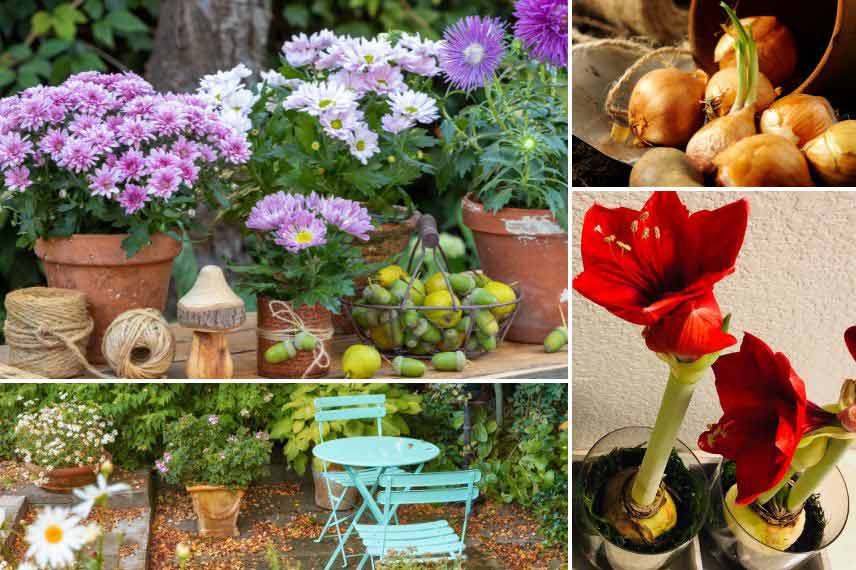
Far from stereotypes, Chrysanthemums allow for the creation of cheerful and colourful scenes. Plant spring bulbs and prepare wonderful potted Amaryllis for Christmas.
Roses
- Shrubs, climbers, lianas… plant bare root roses in the garden by soaking them in a mud slurry. Ensure that the rootstocks are suitable for your soil: Rosa canina and laxa in rich, calcareous soils and Rosa multiflora in sandy or acidic soil and for pots. If planting in very cold regions, prefer un-grafted plants.
- Some roses thrive very well in pots or containers, allowing you to enjoy the fragrance and charm of roses on the terrace, balcony, or in a small courtyard. Plant them now and choose containers with sufficient volume to hold the amount of soil necessary for their flourishing (pots of 30 to 40 litres at a minimum). Care for watering and fertilising is essential, as roses, especially if they are repeat flowering, are hungry plants.
- Remove leaves affected by diseases and dead wood from the roses. On fruiting roses, do not prune and leave the hips: their colours are valuable at this time in the garden and they are consumed by some birds.
→ Read also: When to plant roses?
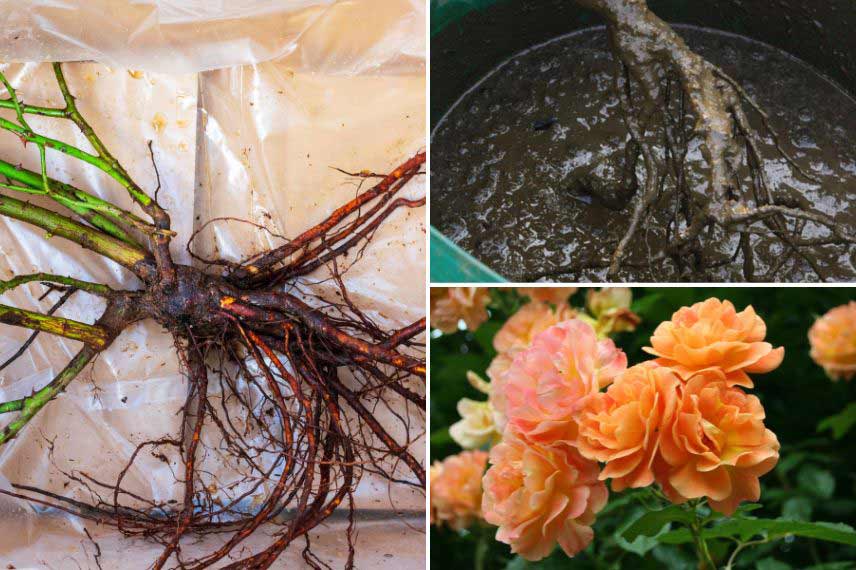 Delivered as bare roots and planted correctly, the roses will be vigorous in the next beautiful season.</caption]
Annuals and potted plants
- Outside of mild regions, bring in houseplants and all tender plants (citrus trees, succulents and cacti, oleanders, bougainvilleas, lantanas, plumbagos…).
- For citrus trees, avoid heated conservatories, as they need rest; a frost-free spot with a temperature between 3 and 7 °C receiving daylight is ideal. Reduce watering to once or twice a month. This is the time when the fruits swell; provide them with a special citrus fertiliser to encourage fruit development.
- Plan for mulching and fleece or winter covers for potted and container plants left outside all winter so you can cover them as soon as the first frosts arrive. Gather them against a wall sheltered from prevailing winds, but avoid overly shaded spots.
- Turn over the saucers of pots that remain outside to prevent standing water.
- Biennials such as primroses, pansies, or daisies allow for creating pots for late winter and early spring. Combine them with perennials, small spring bulbs, and small evergreen bushes to create lovely colourful displays.
- Leave geraniums (Pelargonium) outside until the first frosts. You can bring them in when winter sets in.
- Scratch the surface of pots and containers and top up with potting soil if needed.
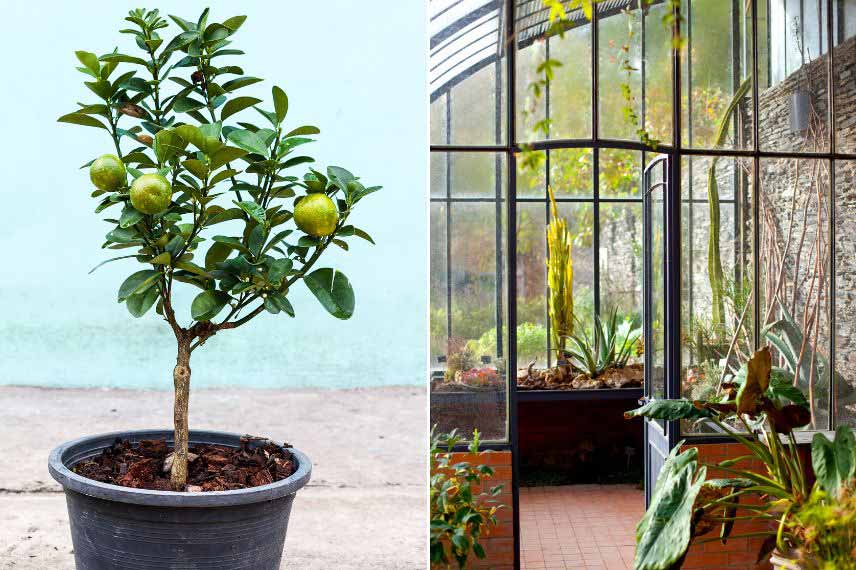 Winterise citrus trees and tender plants in an unheated conservatory.</caption]
In the vegetable garden
Vegetables to Plant in November, Sowing and Tasks to Do:
- Spread manure on the plots you will dedicate to root vegetables next year
- Clean the stumps of artichokes by cutting back the faded flower stems and removing the dry leaves. In the coldest regions, mound the plants slightly and protect them with a mulch of fallen leaves or straw
- After the first rains, hoe and sow hardy spinach. Their germination will be quicker than with spring sowings. Thin out once after germination and then a second time to keep one plant every 20 cm or so.
- Sow broad beans before the first frosts, as well as round-seeded peas
- For a harvest in early January, it is still time to sow late turnips under cover at the beginning of November
- Plant grey shallots and winter garlic
- Finish harvesting squashes by cutting them so that the peduncle remains attached to the fruit and store them in a ventilated, dark place, but not completely obscure, protected from moisture and cold. Inspect them from time to time to ensure there is no mould. They can be stored for 3 to 6 months, sometimes longer depending on the varieties.
- Jerusalem artichokes are back in fashion and are ultra-easy to grow. Be careful, once harvested, they do not store very well. Prefer to harvest them as needed until January
- Harvest cabbages (curly, headed). Pick Brussels sprouts starting from the bottom
- Uproot the roots of Witloof chicory and place them in sand to make endives. Sowing, planting, forcing: discover the technique for successfully growing endive
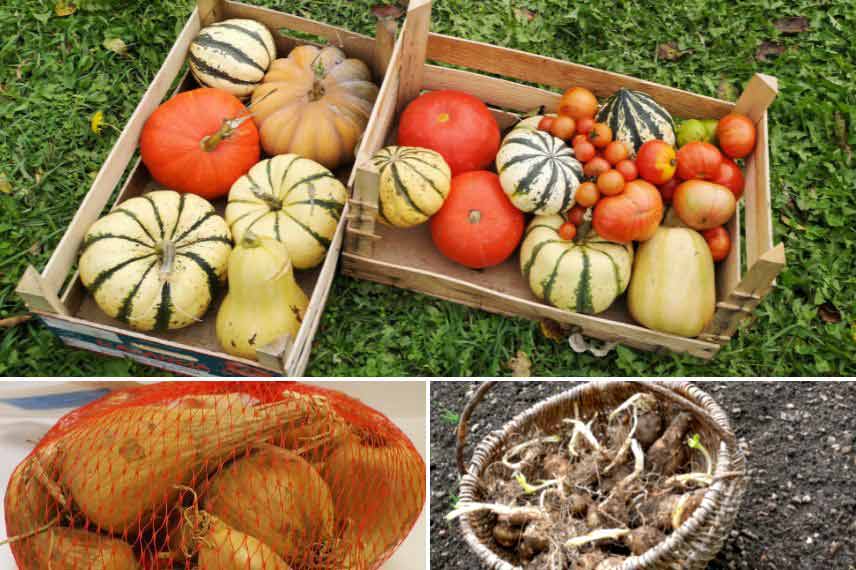
The harvest of squashes and Jerusalem artichokes is in full swing, while grey shallots take their place in the vegetable garden
Lawn and various works
As soon as the first signs of cold appear, around mid-November and throughout winter until spring returns and insects come back, it is helpful to feed wild birds to assist our feathered friends in getting through this challenging period when insects and fruits are scarce. Discover our illustrated tutorial on how to make a lovely seed feeder for garden birds. Red squirrels may also appear and come to feed at the bird feeders: they love the seeds found there!
The lawn and flowering fallows
- Before the first significant frosts, make the last mowings.
- As soon as you start using your fireplace, sow dry wood ash to eliminate moss.
- Rectify the edges before winter.
- When the dead leaves start to fall, rake regularly those that fall on the lawn and spread them as mulch in the flower beds. By the way, do you know why leaves change colour in autumn? We explain it all in a video:
Various tasks in the garden
- Empty your compost reserve by using it for your plantings before adding the new autumn leaves
- Plan to drain your irrigation systems before the first frosts and protect outdoor taps and valves from freezing, as well as your meter if it is outside
- Store the garden hoses away from frost except in regions where frost is rare
- Clean and repair any damage to your greenhouse or shelters (tunnels, frames…). Take the opportunity to clean them
- After the rains, check your exterior once a week to remove and empty all small accumulations of water: mild weather and humidity encourage mosquito development!
- Check that the downspouts and gutters are not blocked by plant debris: this is the time to take advantage of the rains to fill the water collectors!
- Remember that burning plant material is prohibited. You can choose to use green waste as mulch, compost it, or take it to the recycling centre.
- Bring garden furniture indoors to protect it from the elements and extend its lifespan
By the pond
- Regularly remove dead leaves falling into the water.
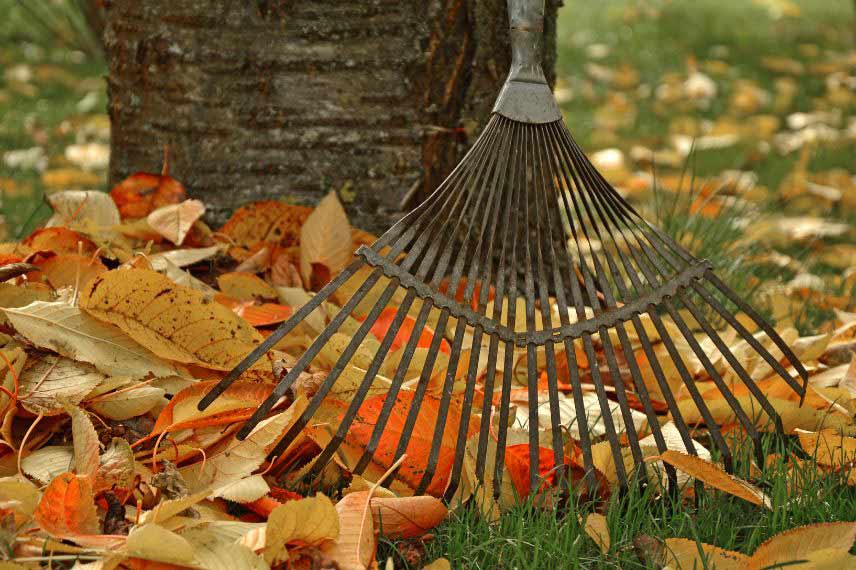
Collect the dead leaves accumulating on the lawn and take the opportunity to make compost, always valuable in the garden

- Subscribe!
- Contents

Comments