





























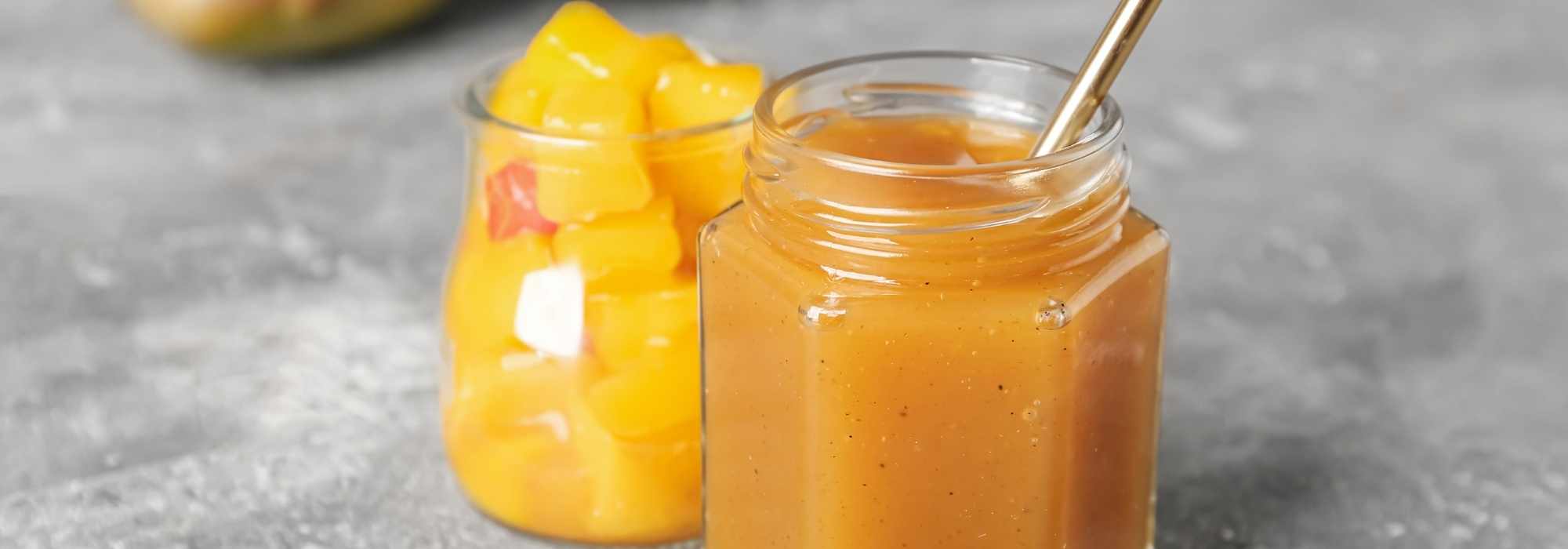
Fruits for Unique Jams
For jams that are out of the ordinary!
Contents
There are those who swear by strawberry or apricot jam, and then there are those who dream of exploring original flavours that awaken the taste buds! When it comes to jam, one can also want to have fun, discovering new tastes far from traditional jams. The garden is a source of inspiration for jam recipes that are out of the ordinary. But which fruits should you choose to make a jam that is truly original? Black elderberry, quince, kumquat, mayberry, or even melon—some forgotten, exotic, or simply surprising fruits make their way into jams and can create bold yet delicious combinations.
Indulge in our selection of fruits for making ultra-original homemade jams!

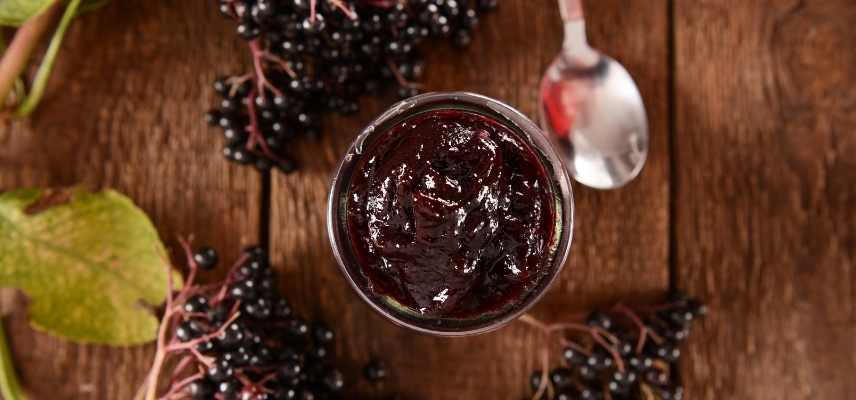
Elderberry
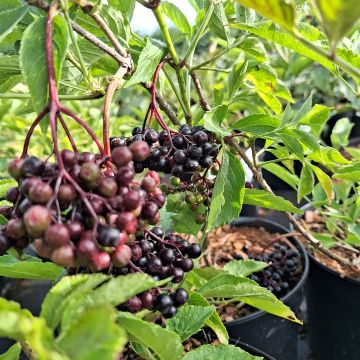
Black elderberry (Sambucus nigra) is a beautiful bush that is easy to grow and produces small round berries, black-purple in colour, delicious for jams, at the end of summer. They have a tangy flavour with notes of black and red fruits, including blackberries, blueberries, raspberries, and sometimes prunes. In summer, elderflowers give way to small berries. The harvest takes place from mid-August to September. Most elders are edible after cooking. The exception is danewort (Sambucus ebulus), which is a toxic herbaceous plant (its berries point upwards, unlike black elderberry whose clusters are trailing). Black elderberries should never be eaten raw as they are toxic. For an orchard, choose self-fertile varieties that do not require another pollinator to bear fruit and are highly productive. The bush produces optimally from the 5th year. Among them:
- The common black elder, Sambucus nigra: vigorous, it has good productivity.
- The elder Sambucus nigra ‘Korsor’: perfect for making jam as it produces large sweet-tasting fruits.
- The elder Sambucus nigra ‘Hashberg’: very productive, it offers brightly coloured berries, though slightly less tasty than those of Korsor.
This fruit bush can reach 3 to 5 m in height and thrives in all types of soil, ideally rather cool, in non-burning sun or partial shade. It is not very susceptible to diseases and pests and does not require pruning. Highly ornamental, it can also serve as a backdrop for a perennial flower bed. Its fruits are also a delight for birds… remember to protect your harvests!
♥ Suggestion: You can prepare a delicious jam by adding peeled and thinly sliced apples from the garden using a mandoline!
→ Discover our wide range of elders and our tutorial: How to make elderberry jam?
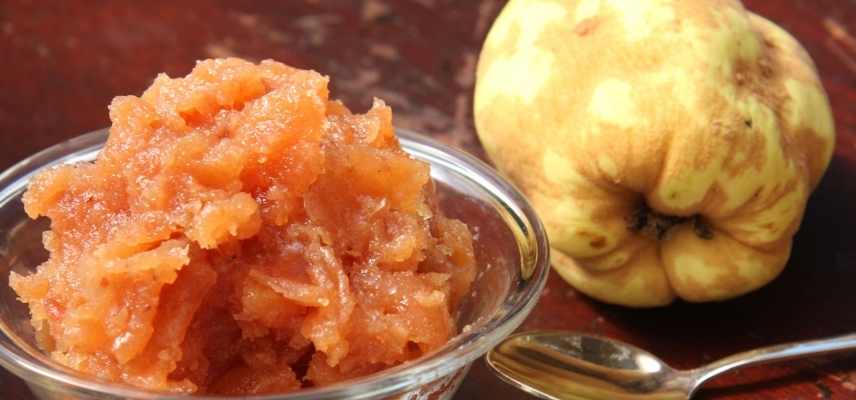
Quince
The quince, sometimes referred to as golden apple or Cydonian pear, is the fruit of the quince tree, a vigorous and very hardy small fruit tree that can reach heights of 4 to 5 m and widths of 2 to 3 m. Beneath their yellow, bumpy skin, its very large pear-shaped fruits are harvested from mid-October, when they emit a subtle fragrance. The average size of the quince tree allows it to be successfully integrated into an original fruit hedge made up of a few medlar trees, hazel trees, pear trees, and cherry trees. With no maintenance, it is easy to grow in any region, in any fertile and light soil, in full sun or partial shade. It is a classic in orchards, and we have plenty of ideas for reimagining these fruits with a taste of yesteryear!
- The Quince ‘Champion’: is a productive variety that offers fruits with firm, fragrant, and highly aromatic flesh.
- The Chaenomeles japonica ‘Cido® ‘: interesting for its red-orange spring flowering, it produces large fragrant fruits.
♥ Suggestion: Once cooked, they make delicious jams, mixed with apples or even kiwis which enhance their flavour.
→ Discover our range of Quinces.
Discover other Fruit trees
View all →
Available in 1 sizes
Available in 0 sizes
Available in 1 sizes
Available in 1 sizes
Available in 1 sizes
Available in 1 sizes
Available in 1 sizes
Available in 1 sizes
Available in 1 sizes
Available in 1 sizes
Medlar
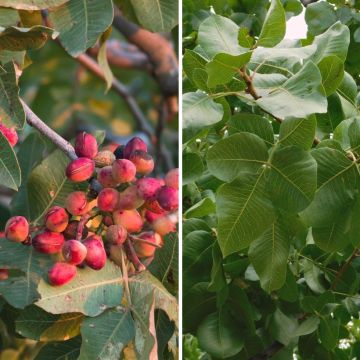
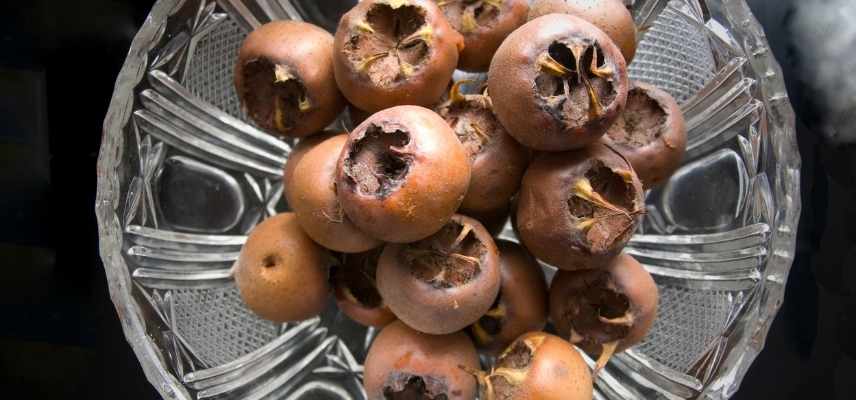
Medlar fruits are small round fruits, about 3 cm in diameter, brown-orange in colour, containing a creamy, sweet, and sugary flesh. These forgotten little fruits are perfect for making tasty jams. They come from the Medlar tree, a fruit tree that has fallen into obscurity but deserves to regain its status, as it adapts well to harsh climates and grows easily in the sun, in well-drained and fairly light soil. Of medium stature, it reaches between 3 and 5 m in height, like the ‘Westerverld’ Medlar, a very fertile variety. It produces medlar fruits that are harvested over-ripe, at their full ripeness, in November, after the first autumn frosts.
Simply extract the pulp from the medlar fruits by pressing on the skin, remove the pips to keep only the sweet and tangy flesh with a subtle chestnut flavour.
Read also
How to make elderberry jam?Gooseberry
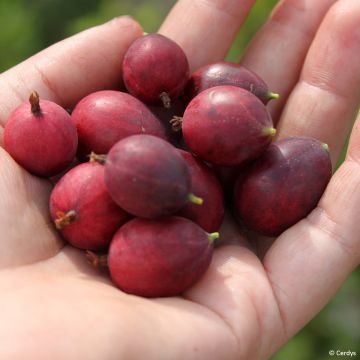
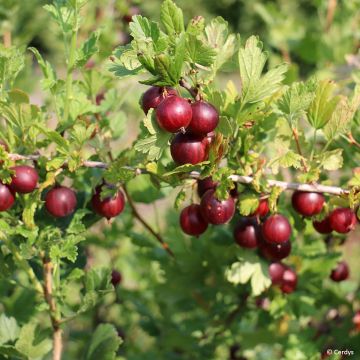
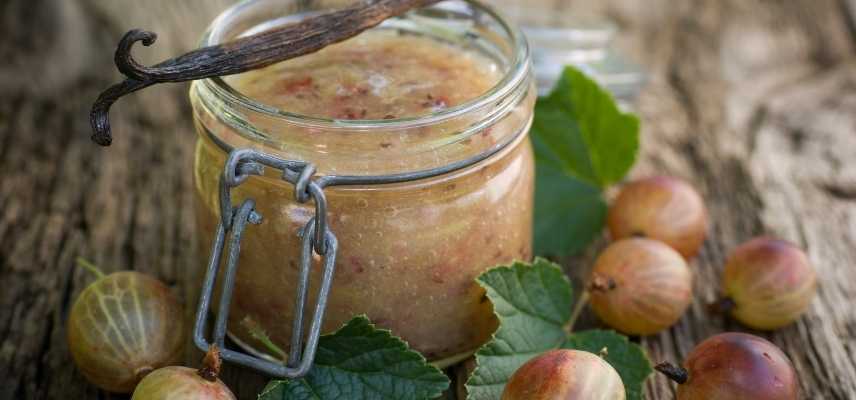
The Gooseberry (Ribes uva crispa) is a bushy shrub that is easy to grow and produces delicious berries ideal for jams. By mid-July, it typically yields large, well-ripened, translucent, round to ovate fruits that are green-yellow or red. The flesh of gooseberries is juicy, with a tangy, slightly sweet, or even sour flavour. Delicious to nibble on, these berries, cousins of the currant, are also excellent when cooked. Reaching no more than 1m in height with a spread of 75 cm, it easily fits into a small edible hedge, mingled with other gooseberries and raspberries.
Among the many varieties selected for their productivity and the size of their fruits:
- ‘Lady Delameen’: produces large green-yellow fruits with a slightly sweet flavour.
- ‘Hinnonmaki Red’: productive and vigorous, this variety yields large translucent red gooseberries with juicy, tangy flesh.
- ‘Captivator’: an early, thornless, and vigorous variety that produces numerous small dark red fruits with a tangy taste.
Each plant yields about 3 to 4 kg of fruit. Caution is advised during harvesting as the branches are usually very thorny, which can complicate matters. It is an easy, very hardy fruit plant that thrives in cool, loose, rich, slightly acidic soils, in non-scorching sunlight, as it fears high heat and drought.
♥ Suggestion: Try pairing gooseberries with blackcurrants (1 kg of gooseberries for 500 g of blackcurrants)! You will achieve a highly fragrant and absolutely delicious jam.
May berry
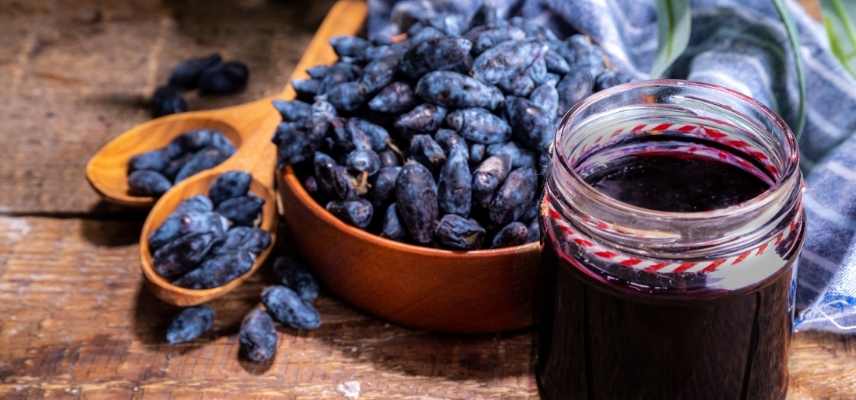
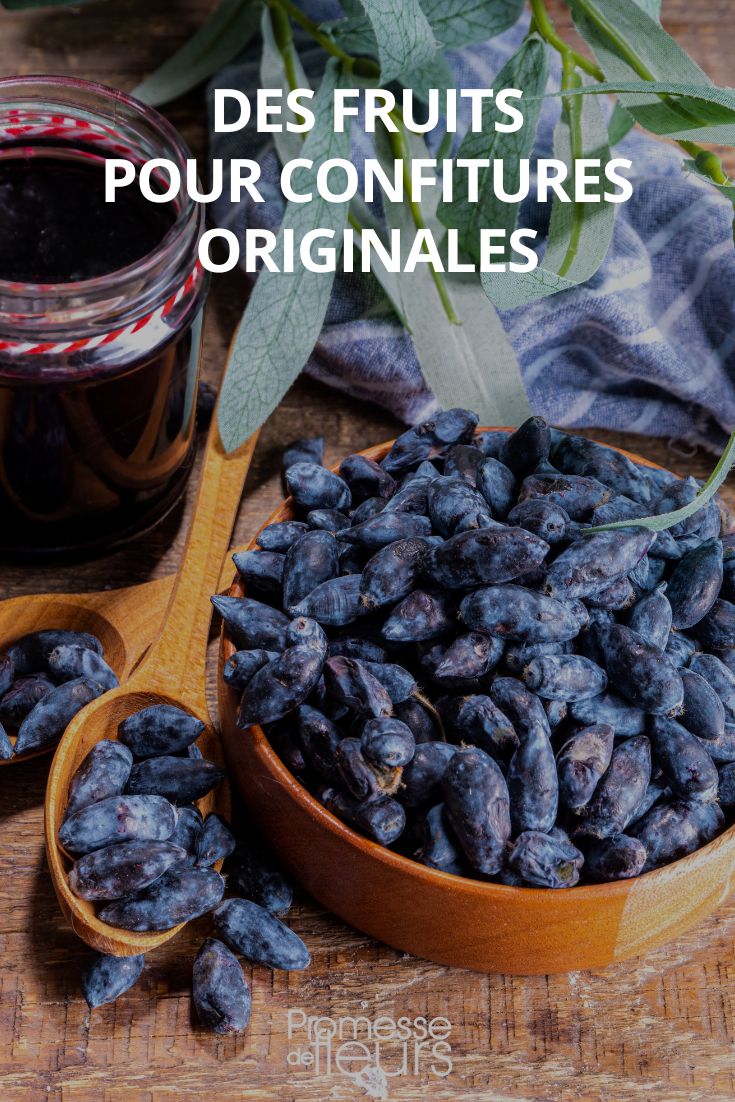
Also known as the “May Berry” or “Blue Honeyberry”, the Lonicera caerulea kamtschatica is a honeysuckle that produces edible blue berries resembling blueberries in appearance and delicious taste. Its fruits will enchant your jams! From May, hence its nickname “May Berry”, its flowers transform into small, night-blue, pruinose fruits that exude a delightful honey scent, known as honeyberries. Their pulp, with a beautiful red hue, has a tangy flavour reminiscent of kiwi, grape, and blueberry. Very hardy down to -40°C, the Lonicera kamtchatica thrives in non-scorching sun, in all our regions, fearing only drought and limestone. This bush can reach a height of 1.5m and a spread of about 1.2m, and it can be planted in a pot on a terrace. To encourage fruiting, we recommend planting at least two plants close together, for example in a small fruiting and gourmet hedge, alongside raspberries, blueberries, redcurrants, or other varieties of small fruits. You can expect about 4 to 5 kg of fruit per plant. Among the most productive varieties:
- ‘Blue Velvet’: produces abundantly large blue berries.
- ‘Eisbär: a variety selected for its productivity and particularly tasty fruits.
- ‘Sweet Myberry’: cultivated for its high yield and very fragrant berries.
- ‘Duet’: a variety with modest dimensions suitable for pot cultivation.
Gourmet and curious gardeners, discover all our original and exotic fruit trees!
Melon
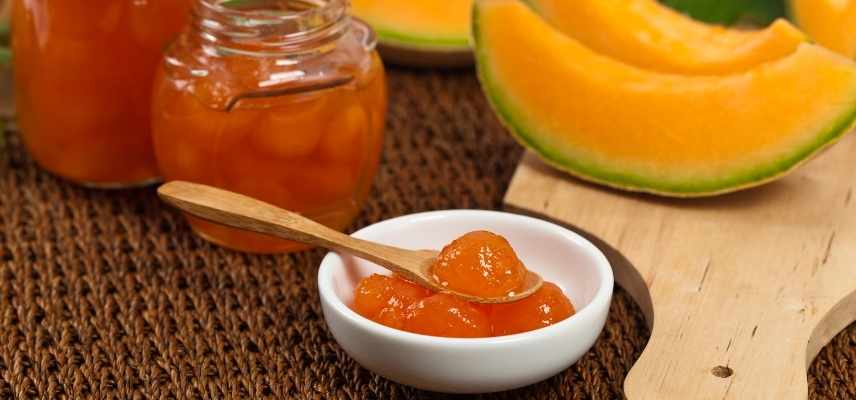
Melons (Cucumis melo) are well-known for their delicious and refreshing fruit. But did you know you can enjoy their sweet and refreshing flavours in jams? All melons are suitable for summer jams that will surprise food lovers. Their smooth, ribbed, or reticulate epidermis encases flesh that is green, white, or bright yellow to orange, highly fragrant and juicy. Opt for the Charentais type (Melon Troubadour, melon Diabolo F1, Melon ‘Cyrano’ F1) which is the most cultivated for its sugar content, yield, aroma, and texture. Melons are sown or planted in spring for a harvest from July to October. They are picked when they emit a sweet fragrance and their peduncle cracks. Provide them with warmth and very rich organic matter in the soil.
♥ Suggestion: Try this delicious combination of melon and lime to add zest to your jam without altering the taste of the melon. You can also experiment with a variant using oranges.
→ Discover our range of melons, with many varieties available as seeds or plants.
Kiwi
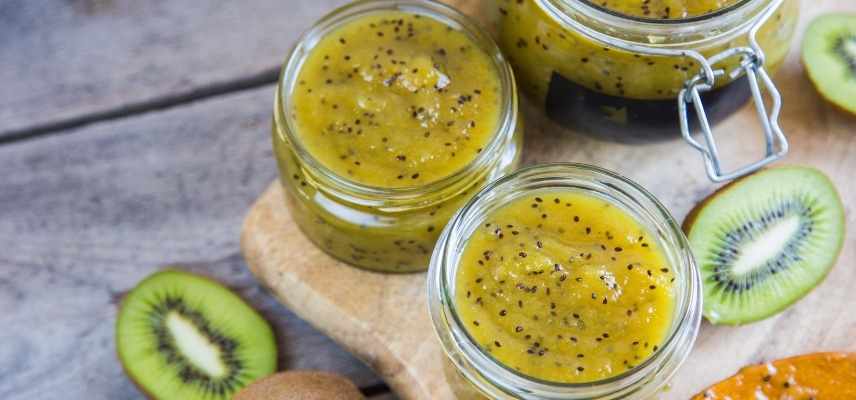
After summer jams, here come the winter ones! The Kiwi is a fruiting liana that produces the kiwi, one of the most cultivated fruits in France and around the world. The green flesh, sometimes yellow for certain varieties, filled with small black seeds, is juicy, more or less sweet, and offers a tangy flavour, balancing sweetness and acidity. These large, fleshy, oval berries, more or less hairy, juicy, and rich in vitamin C, lend themselves to original and vitamin-packed jams. Contrary to popular belief, this Chinese liana grows very well in our gardens, once properly established in cool, low-calcium, well-drained soil and correctly trained, as it can reach up to 6m in height and 4m in spread. It is also a very hardy fruit plant, although sensitive to late frosts. It will need a sheltered spot away from cold winds and spring frosts. Another essential condition for obtaining kiwis: while there are a few self-fertile varieties like Actinidia chinensis ‘Solissimo®’, most often you will need to plant a male plant near a female plant to get fruit. The bush fruits from the 2nd to the 5th year after planting, depending on the varieties. Kiwi harvesting takes place between September and December. Among the interesting kiwi varieties for making jams:
- The Kiwi ‘Hayward’: a productive duo, providing large, tasty fruits.
- The Kiwi Wonder® or Red Kiwi: original, it produces yellow fruits with yellow flesh and a red centre, very sweet and without acidity.
- The Kiwi ‘Jenny’: self-fertile, it produces small kiwis with green flesh.
- The Kiwi Solissimo®: another self-fertile variety that produces large, delicious fruits.
♥ Suggestion: Dare to combine the acidity of kiwi with the sweetness of apple; it’s delightful!
Kumquat
Another winter jam to boost your vitamin intake! Contrary to what one might think, the Kumquat (Fortunella japonica) is one of the easiest citrus trees to grow in our climates as it is hardy down to -10°C; however, caution is advised as the fruits freeze below -4°C. It can be planted in the ground in many regions spared from severe frosts, or in a pot to be brought indoors at the first signs of cold. The Kumquat enjoys sun and warmth, thriving in light, deep, fertile, non-calcareous soil that remains cool during the growth period.
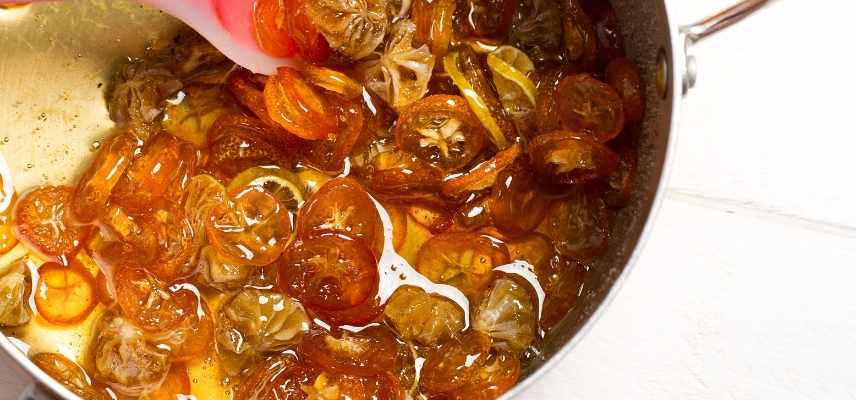
It is cultivated for its small fruits that resemble miniature oranges or large olives, which can be eaten with their skin and are perfect for making delicious jams. The Kumquat is a vigorous, floriferous, and fruit-bearing bush. In summer, its small, remarkably fragrant white flowers are followed by small round or ovate fruits, about 2 cm in diameter, that are bright orange. They are harvested in winter, generally from January to March, and their pulp is not very juicy but tangy, somewhere between orange and lemon, with a subtle bitter orange aroma. The varieties with oval fruits are less sweet than those with round Kumquats. Among the most appreciated varieties are:
- The Kumquat ‘Fukushu’: it is distinguished by its round leaves, softer bark, and the more acidic flesh of its fruits.
- The Kumquat ‘Nagami’, the most common variety, is vigorous, fruit-bearing, and grows quite quickly, producing many elongated fruits that are larger than those of other varieties.
♥ Suggestion: In jam, kumquats mix very well with other citrus fruits; oranges, mandarins, or clementines for a tangy burst of zest and vitamins!
For further reading
- Discover our ideas: « Planting a fruit hedge… that stands out from the crowd!»
- Discover our wide range of fruit trees, from the most classic to the most original and exotic!
- Discover another unique jam in our tutorial How to make homemade aronia jam?
- Subscribe!
- Contents
Comments