Castanea sativa Marsol - Chestnut
Castanea sativa Marsol - Chestnut
Castanea sativa Marsol
Sweet Chestnut, Spanish Chestnut
Back-to-school special offer!
Get €10 off for every €50 you spend! And get up to €40 off on a single order.
How does it work?
1. Shop your favourites
Add your favourite plants to your basket. For every €50 you spend (excluding delivery charges, store credit and the plastic-free option), you’ll receive a €10 voucher.
€50 spent = €10 voucher
€100 spent = €20 voucher
€150 spent = €30 voucher
€200 spent = €40 voucher
2. Place your order
Once your basket reaches one of the spending thresholds, place your order. You can even choose your delivery date!
3. Receive your voucher
As soon as your order has been shipped, you’ll receive an email containing your personal voucher code and its value.
4. Use it on your next order
Your voucher is valid for 90 days from the date you receive it. It can be used once only, on a new order worth at least the value of the voucher, excluding delivery charges.
Please note: Vouchers can be combined with other offers, but cannot be split or refunded.
Home or relay delivery (depending on size and destination)
Important: You may be charged customs duties by your country’s customs authorities upon delivery.
Schedule delivery date,
and select date in basket
This plant carries a 12 months recovery warranty
More information
We guarantee the quality of our plants for a full growing cycle, and will replace at our expense any plant that fails to recover under normal climatic and planting conditions.
Description
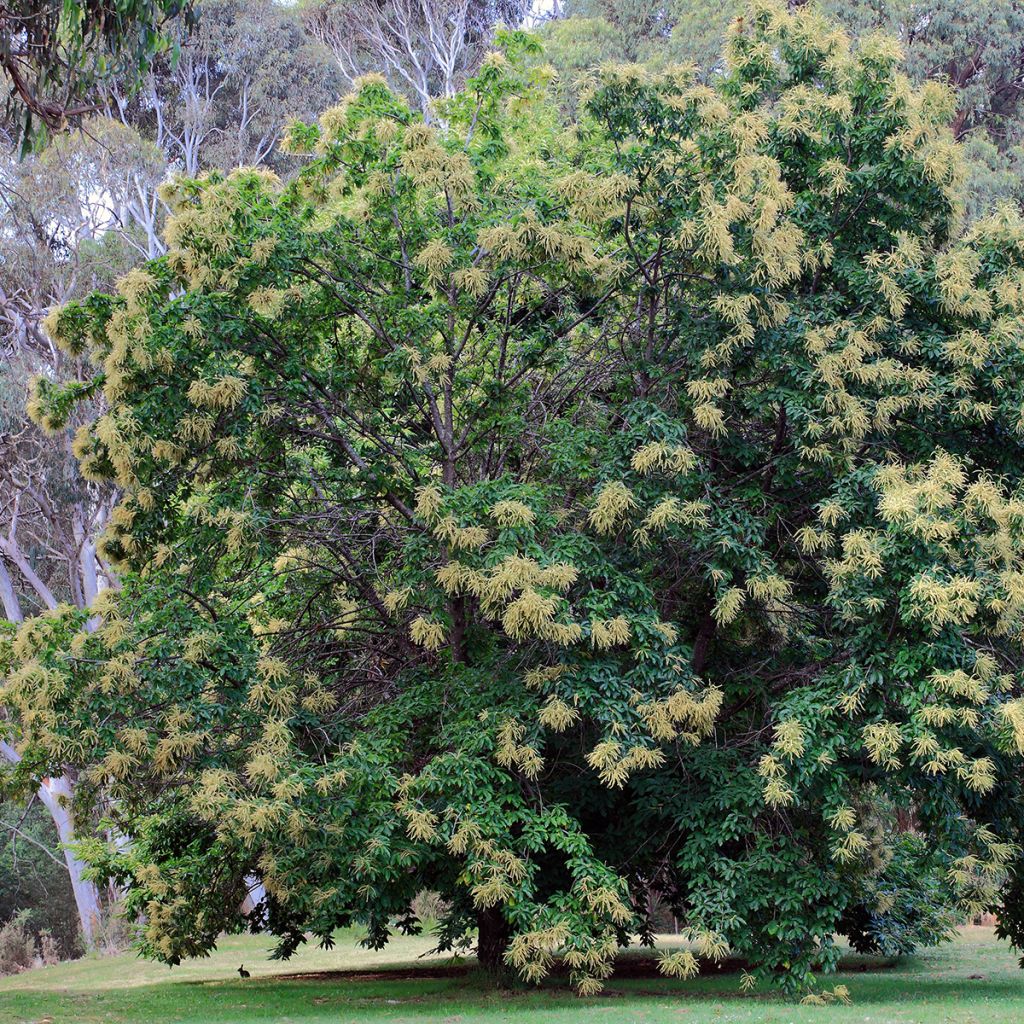
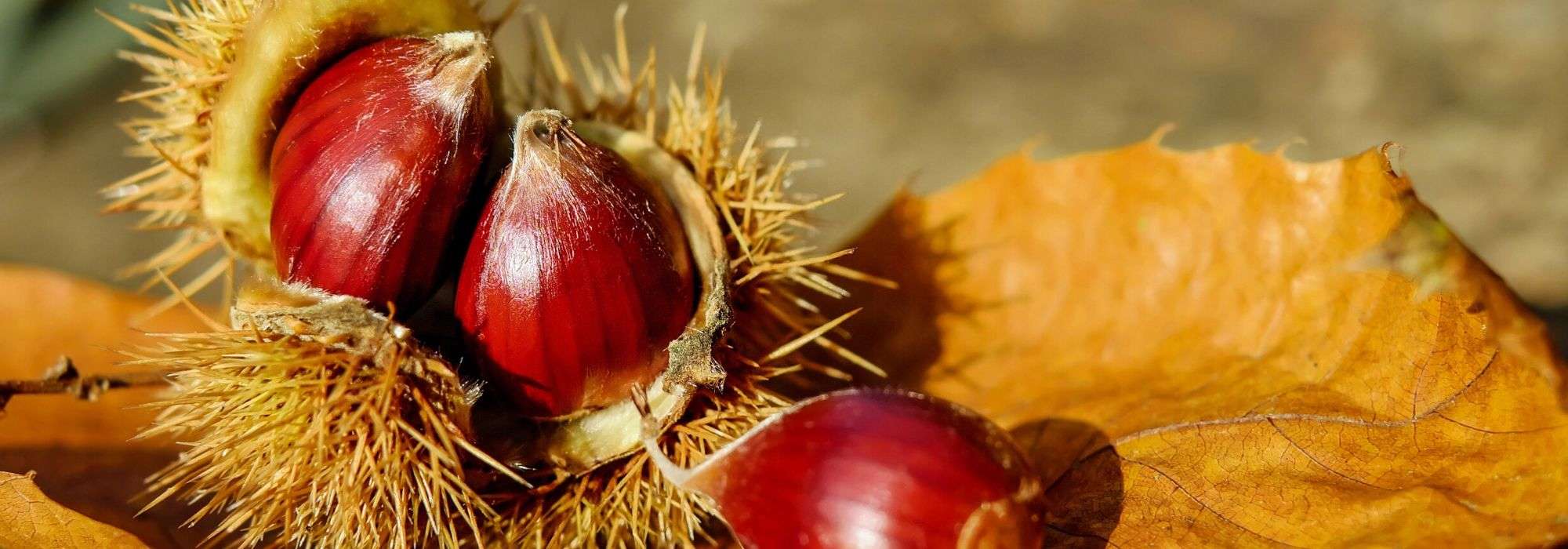
The 'Marsol' Chestnut Tree (In Vitro), with its Latin name Castanea sativa, is a majestic tree of great size. This INRA creation results from natural hybridisation between a European chestnut tree (Castanea sativa) and a Japanese chestnut tree (Castanea crénata). It has the advantage of being highly resistant to leaf rust and canker. However, it is susceptible to chestnut gall wasps. The flowering, which is melliferous, is followed by the formation of large-sized chestnuts with a shiny mahogany colour and sweet flesh. They are harvested in October and store well. The chestnut, considered a starchy food, can be used in various culinary preparations. This 'Marsol' variety requires sunlight to produce tasty fruits and is suitable for cultivation in a warmer climate. It prefers acidic soil (without limestone) that is well-drained.
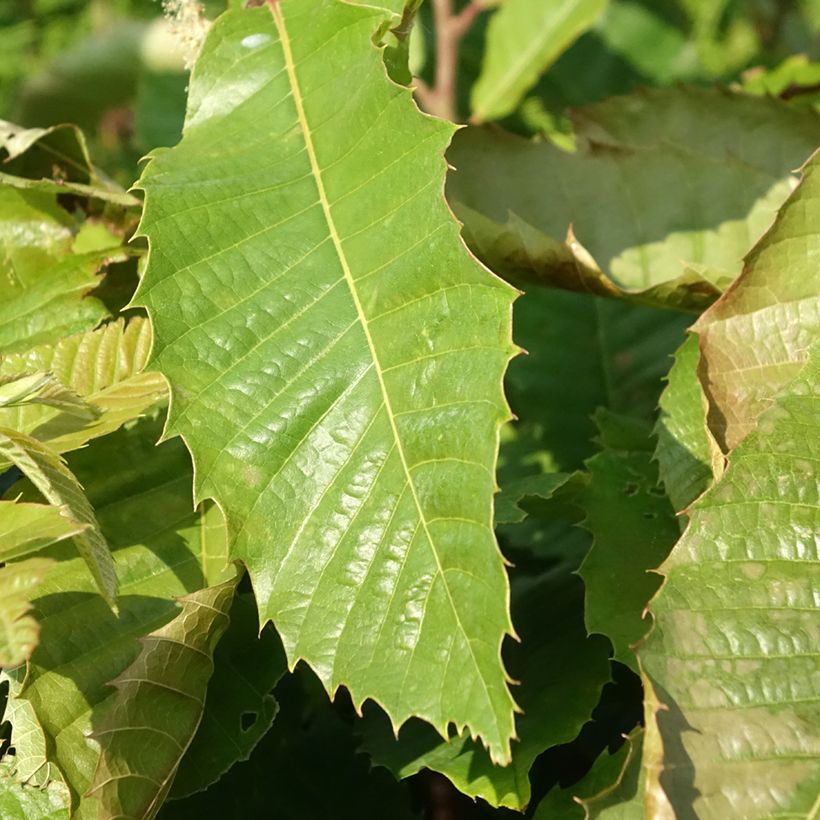
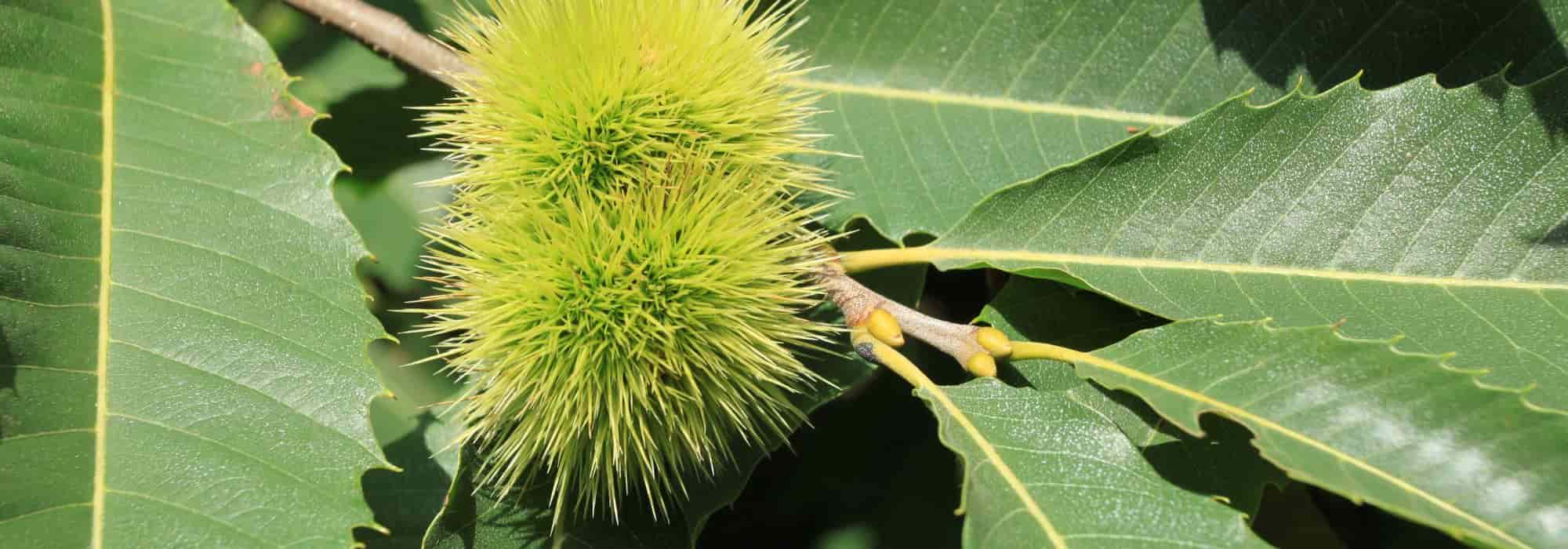
Originally from the Caucasus and introduced to Western Europe by the Romans, the Chestnut Tree is very common in the southern and southwestern regions of France and Corsica. Despite its good hardiness, it can be sensitive to late frosts, which hinder the proper development of buds that sprout too early in spring. This tree belongs to the Fagaceae family. It can reach 20 to 30 metres high and can live for over 1000 years. Its lanceolate and toothed leaves, 15 to 25 cm long, are dark green and shiny on the upper side and matte green on the underside, with prominent veins. The foliage takes on autumnal colours ranging from yellow to reddish-brown before falling. The chestnut tree is monoecious; flowering occurs in June-July, with female flowers grouped in cups and male flowers grouped in long cylindrical catkins of golden yellow. Fertilisation is carried out by wind and insects, especially bees that gather nectar. Then, the fruits, inserted in pairs or threes, develop in a spiky shell and reach maturity in September-October. The fruits, 2 to 3 cm in diameter, are commonly called chestnuts or chestnuts. They should not be confused with the fruits of the Horse Chestnut tree (Aesculus hippocastanum), which are not edible. A Chestnut Tree produces 70 to 100 kg of chestnuts per year. When ripe, the fruits fall to the ground, making them easy to harvest. It is advisable to wear protective gloves to remove the chestnuts from their shell. The chestnut tree belongs to nuts like almonds, hazelnuts, walnuts, and pecans.
The 'Marsol' Chestnut Tree is a variety of medium vigour, semi-early to semi-late, and bears fruit quickly (3 to 4 years). This variety is compatible with all others to ensure pollination. In early October, it produces large-sized chestnuts (20 to 25 grams) with a mahogany colour, triangular to elliptical-triangular shape, floury and sweet flesh, and a woody flavour. They are consumed cooked and are very easy to peel. They should be kept in a dry and well-ventilated place to store them. Chestnuts are high in calories and rich in carbohydrates, vitamin B, and fibre, mainly containing gluten-free proteins. They can be roasted in a perforated pan for shared pleasure by the fireside. When cooked, they can be enjoyed plain, in soups and veloutés. In sweet preparations, they can be used to make chestnut cream or candied chestnuts. As chestnut jam, they are ideal for spreading on a crepe or sweetening yoghurt. Blanched, candied, or braised, well-peeled chestnuts are a pleasant accompaniment to savoury dishes. When combined with wheat flour, chestnut flour can be used to make bread or cakes; when combined with rice or corn flour, it produces a gluten-free dough.
Castanea sativa 'Marsol' is a large tree suitable for spacious gardens, large orchards, or parks. Bees highly appreciate the chestnut tree's flowering, as it produces honey rich in vitamins B and C, minerals, and trace elements (iron, potassium, magnesium, etc.). This honey, rich in tannins, does not crystallise because it is low in acidity.
The 'Marsol' Chestnut Tree that we sell is produced in vitro, a valuable technique for preserving genetic material and multiplying plants in trees that are often prone to diseases.
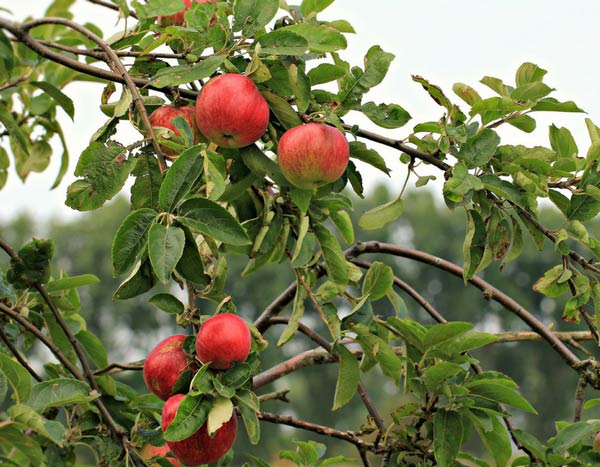
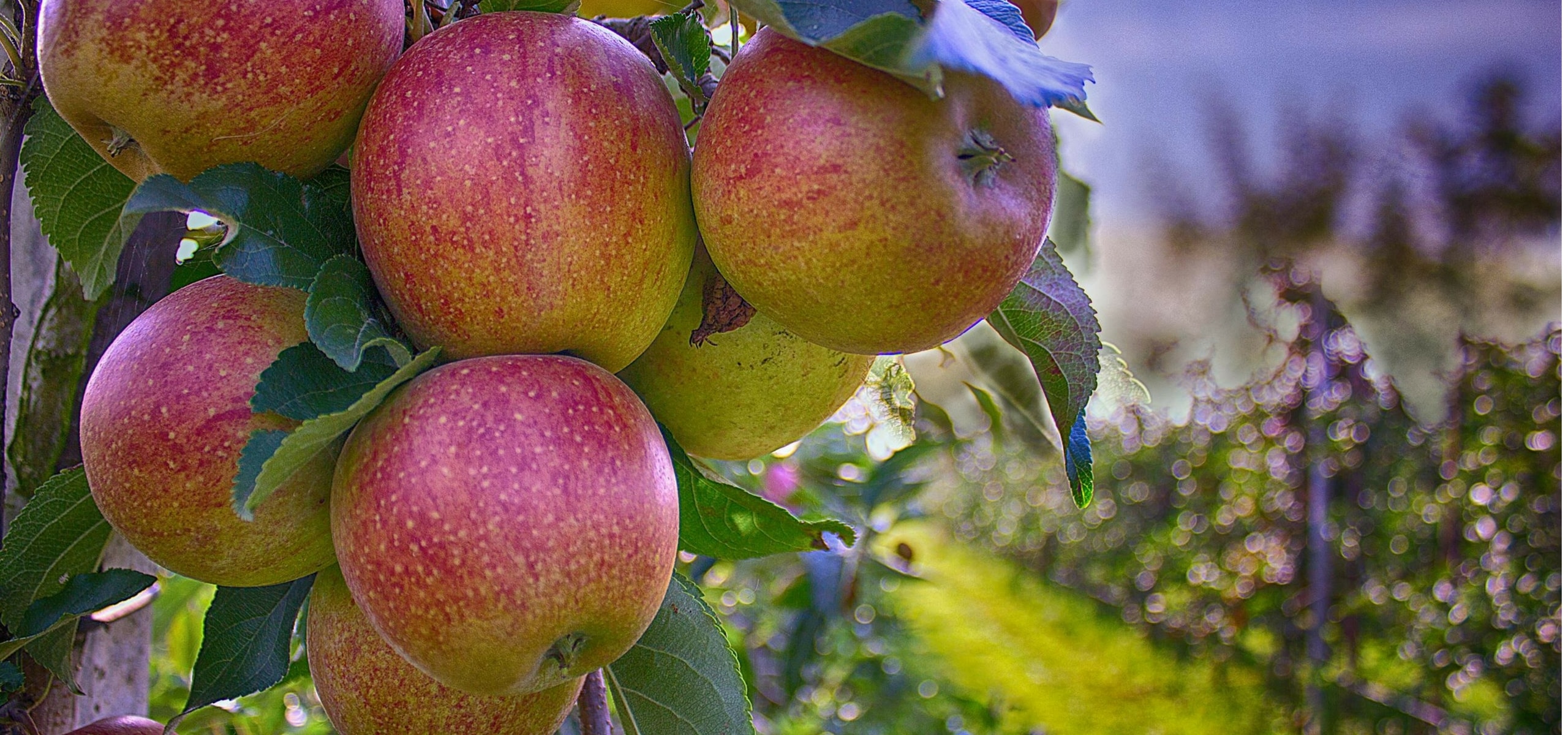
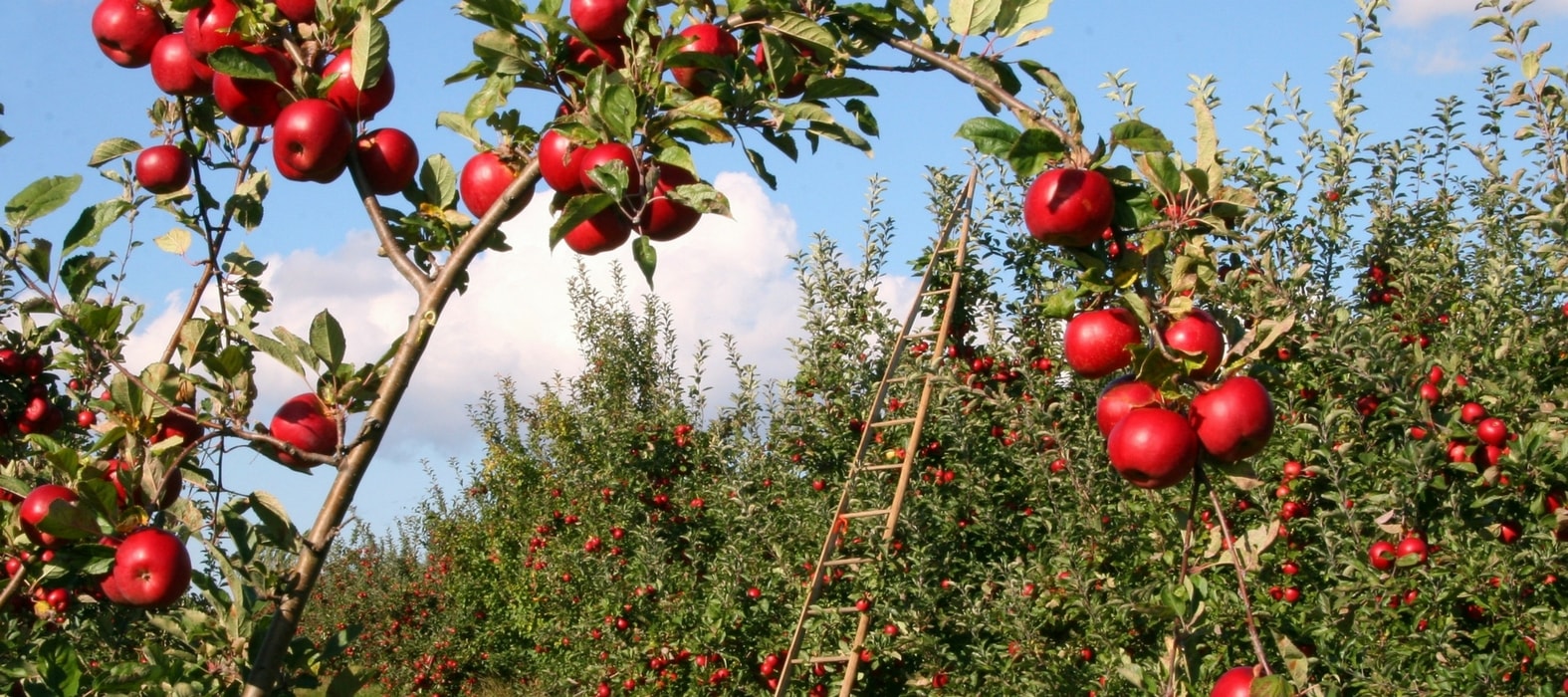
Castanea sativa Marsol - Chestnut in pictures
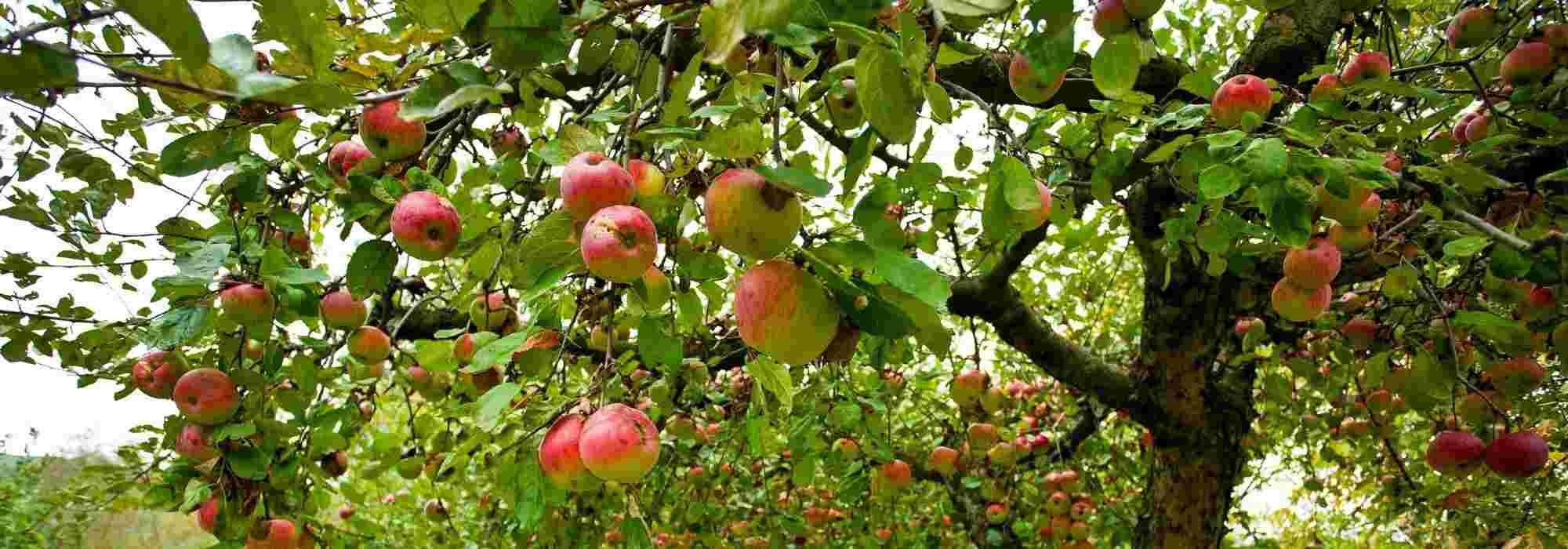
Plant habit
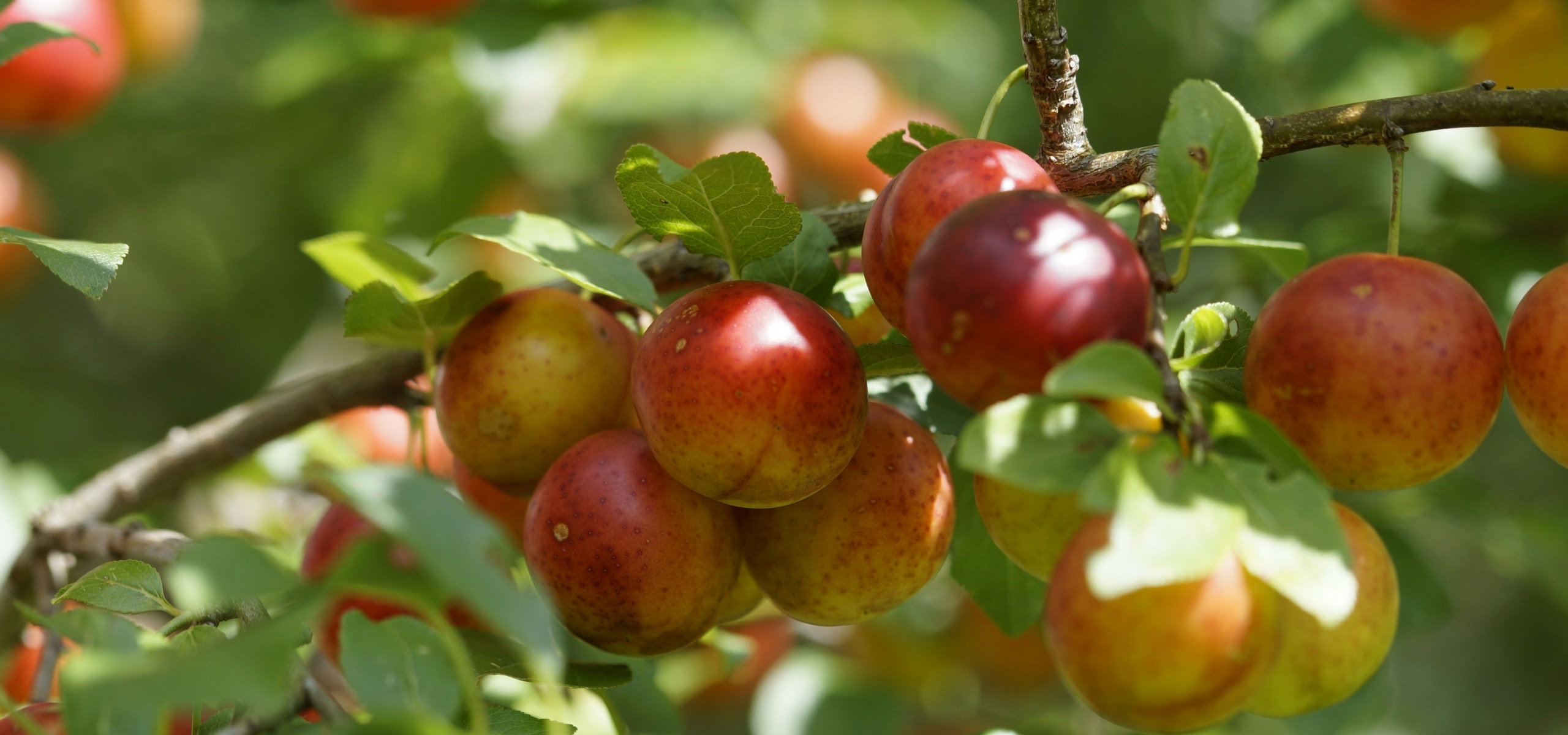
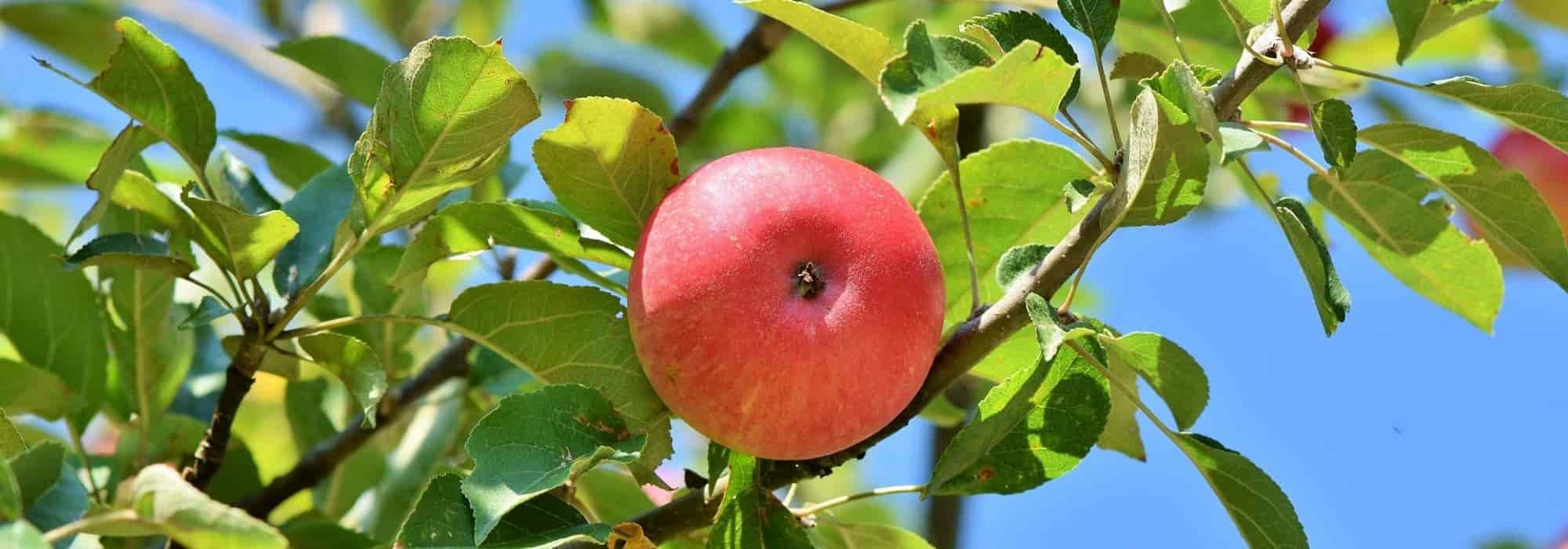
Fruit
Flowering
Foliage
Botanical data
Castanea
sativa
Marsol
Fagaceae
Sweet Chestnut, Spanish Chestnut
Cultivar or hybrid
Planting and care
Plant the Castanea sativa Marsol in well-drained, slightly acidic soil, not limestone. The planting hole should be much wider than the subject you are planting. Choose the location carefully, as the chestnut tree dislikes being transplanted. Do not bury the base of the trunk. Water it generously at the beginning to promote establishment. Pruning should be light, but remove the lower branches gradually to allow for passage underneath when it is mature. Avoid pruning branches that are too thick. The harvest takes place in October, split the fallen burrs on the ground by tapping them with a stick or open them with very thick gloves to extract the chestnuts.
Planting period
Intended location
Care
Planting & care advice
-
-
-
-
-
-
-
-
This item has not been reviewed yet - be the first to leave a review about it.
Recently viewed products
Haven't found what you were looking for?
Hardiness is the lowest winter temperature a plant can endure without suffering serious damage or even dying. However, hardiness is affected by location (a sheltered area, such as a patio), protection (winter cover) and soil type (hardiness is improved by well-drained soil).
In temperate climates, pruning of spring-flowering shrubs (forsythia, spireas, etc.) should be done just after flowering.
Pruning of summer-flowering shrubs (Indian Lilac, Perovskia, etc.) can be done in winter or spring.
In cold regions as well as with frost-sensitive plants, avoid pruning too early when severe frosts may still occur.
The harvesting period indicated on our website applies to countries and regions in USDA zone 8 (France, England, Ireland, the Netherlands).
In colder areas (Scandinavia, Poland, Austria...) fruit and vegetable harvests are likely to be delayed by 3-4 weeks.
In warmer areas (Italy, Spain, Greece, etc.), harvesting will probably take place earlier, depending on weather conditions.
The sowing periods indicated on our website apply to countries and regions within USDA Zone 8 (France, UK, Ireland, Netherlands).
In colder areas (Scandinavia, Poland, Austria...), delay any outdoor sowing by 3-4 weeks, or sow under glass.
In warmer climes (Italy, Spain, Greece, etc.), bring outdoor sowing forward by a few weeks.
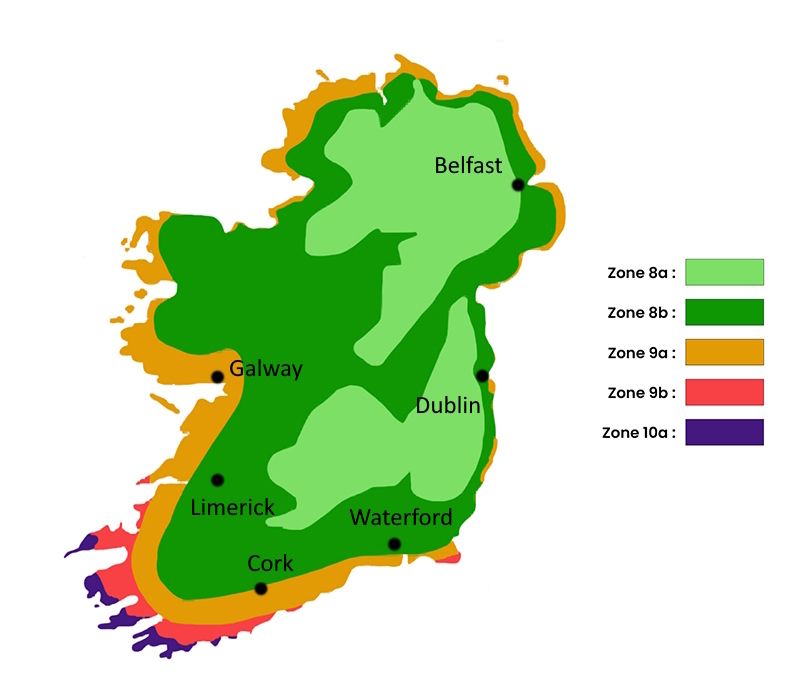
The planting period indicated on our website applies to regions in USDA Zone 9a (East Coast and Midlands: Dublin, Wexford, Waterford, Kilkenny, Portlaoise). It will vary depending on where you live:
- On the west coast and in the north-west (Galway, Limerick, Sligo, Donegal, Westport), delay planting by 1 to 2 weeks in spring and bring it forward by 1 to 2 weeks in autumn compared to the dates given, preferably choosing periods without strong winds.
- In the inland hills and plateaus (Wicklow Mountains, Macgillycuddy’s Reeks, Connemara, Killarney), it is best to plant in spring (April–May) or autumn (September–October), avoiding periods of waterlogged soil in winter and strong winds, which pose the main risk to newly planted trees in these areas.
The flowering period indicated on our website applies to regions in USDA Zone 9a, such as the East Coast and Midlands, including Dublin, Wexford, Waterford, Kilkenny and Portlaoise.
This will vary depending on where you live:
- On the west coast and in the northwest (Galway, Limerick, Sligo, Donegal and Westport), it will be delayed by one to two weeks compared to the given dates, due to stronger Atlantic winds and less spring sunshine.
- In the inland hills and plateaus (the Wicklow Mountains, the Macgillycuddy's Reeks, Connemara and Killarney), flowering will be delayed by two to three weeks. Flowering mainly occurs between May and July, with the limiting factors being less frost and more of the excessive humidity, strong winds and lack of sunshine that are characteristic of these areas.
Shipping country and language
Your country of residence may be:
Your country of residence is:
For a better user experience on our website, you can select:
Your shipping country:
-
 Austria
-
 Belgium
-
 Bosnia & Herzegovina
-
 Bulgaria
-
 Croatia
-
 Cyprus
-
 Czechia
-
 Denmark
-
 Estonia
-
 Finland
-
 France
-
 Germany
-
 Greece
-
 Hungary
-
 Iceland
-
 Ireland
-
 Italy
Italy
-
 Latvia
-
 Liechtenstein
-
 Lithuania
-
 Luxembourg
-
 Malta
Malta
-
 Netherlands
-
 Poland
-
 Portugal
-
 Romania
-
 Serbia
-
 Slovakia
-
 Slovenia
-
 Spain
Spain
-
 Sweden
-
 Switzerland
Language:
-
French
-
 English
-
Spanish
-
Italian
-
German
-
Portuguese
-
Dutch
-
Finnish
My Account
Hello
My wish lists
My cart
Log in / Register
Existing customer?
This form is protected by reCAPTCHA - the Google Privacy Policy and Terms of Service apply.
New customer?
Create an account to track your orders, access our customer service and, if you wish, make the most of our upcoming offers.